





What Do 5D and 6D Actually Mean in Carbon Fiber Vinyl?
Before diving into the comparison, it helps to understand how the naming system works. The numbering in carbon fiber wraps does not refer to literal dimensions. Instead, it indicates the generation and visual complexity of the film. A 3D carbon fiber wrap represents the foundational textured pattern with a matte embossed surface. The 4D generation introduced a different weave design with slightly more gloss. The 5D and 6D versions push realism further with high-gloss surfaces, deeper texture reproduction, and light-reflection properties that approach the look of genuine resin-coated carbon fiber composite.
According to the carbon fiber entry on Wikipedia, carbon fiber reinforced polymers are valued for their exceptional strength-to-weight ratio and resistance to heat and chemicals. While vinyl wraps do not replicate those structural properties, the best 5D and 6D films recreate the visual depth that makes carbon fiber so visually striking on high-performance vehicles.
5D Carbon Fiber Wrap: High-Gloss Depth With Bold Presence
The 5D carbon fiber wrap shares the same twill weave pattern as the classic 3D version, but with one critical addition: a high-gloss laminate layer applied over the textured surface. This gloss coating transforms the appearance from a dry, matte texture into a wet-look finish that catches and reflects light from every angle. The result is a vinyl film that mimics the appearance of a carbon fiber panel that has been coated in clear resin, creating strong visual depth even when viewed from a distance.
The typical thickness of a 5D carbon fiber film sits around 7 mils (approximately 180 microns) including adhesive, which is noticeably thicker than standard 3D wraps at roughly 6 mils. This extra thickness comes from the gloss layer and contributes to a stiffer feel during installation. The trade-off is worthwhile for many enthusiasts because the reflective surface produces a dramatic effect under direct sunlight, especially on large flat panels like hoods, roofs, and trunk lids.
Because of the added stiffness, 5D carbon fiber vinyl performs best on gently curved or flat surfaces. Applying it to deep recesses, tight door handles, or complex compound curves requires more heat and patience compared to thinner 3D films. For this reason, many professional installers recommend 5D specifically for exterior accent panels where the high-gloss finish delivers maximum visual impact. If you plan to wrap interior trim or tight bumper sections, a more flexible car vinyl wrap option may work better for those specific areas.
6D Carbon Fiber Wrap: Ultra-Realistic Texture Meets Maximum Gloss
The 6D carbon fiber wrap represents the current pinnacle of carbon fiber vinyl technology. It shares its weave pattern lineage with the 4D generation, featuring a more complex swirled or rounded weave structure rather than the classic twill grid. On top of this advanced pattern sits an ultra-high-gloss coating that creates even more reflectivity and perceived depth than the 5D version.
The distinguishing characteristic of 6D film is the combination of pattern complexity and surface finish. When light hits a 6D wrap, it interacts with both the deep textural grooves and the glossy top surface simultaneously, producing a multi-layered visual effect. This layered light play is what makes 6D wraps nearly indistinguishable from genuine resin-finished carbon fiber when viewed at normal distances. Many show car builders and content creators specifically choose 6D for its photogenic quality, as camera sensors pick up the depth and reflection in a way that translates beautifully to social media and video platforms.
Film thickness for 6D carbon fiber matches the 5D at approximately 7 mils, but the surface feels slightly smoother due to the refined gloss coating process. Installation characteristics are similar to 5D. Both require careful heat management on curves. The adhesive layer on premium 6D films incorporates air-release channels for bubble-free application, a feature that makes a significant difference during large panel installations. For car owners who want the absolute most realistic carbon fiber look available in a vinyl film, the 6D is the clear choice.
Side-by-Side Comparison: 5D vs 6D Carbon Fiber Wrap
|
Feature |
5D Carbon Fiber |
6D Carbon Fiber |
|
Weave Pattern |
Classic twill (same as 3D) |
Rounded swirl (same as 4D) |
|
Surface Finish |
High gloss |
Ultra-high gloss |
|
Film Thickness |
~7 mils (180 microns) |
~7 mils (180 microns) |
|
Visual Depth |
Strong reflective depth |
Maximum multi-layered depth |
|
Realism Level |
Very realistic |
Near-identical to real carbon fiber |
|
Best Applications |
Hoods, roofs, spoilers, large flat panels |
Show cars, content creation, premium builds |
|
Flexibility |
Moderate (best on flat/gentle curves) |
Moderate (best on flat/gentle curves) |
|
DIY Difficulty |
Intermediate |
Intermediate to advanced |
|
Price Range |
Mid-range premium |
Premium tier |
Where Each Type Performs Best on Your Vehicle
Choosing between 5D and 6D comes down to application area, budget, and how closely you want the finish to resemble genuine carbon fiber. Both wraps excel on large, relatively flat surfaces where the gloss can fully express itself. Hoods remain the single most popular panel for carbon fiber vinyl because the surface area allows the weave pattern to display uninterrupted, and the forward-facing position catches natural light throughout the day.
Roof panels represent another ideal canvas for both 5D and 6D wraps. A contrasting carbon fiber roof on a white or silver vehicle creates a stunning two-tone effect that has become a signature look in vehicle customization culture. Side mirror caps and door pillar trims also benefit from carbon fiber accents, though these smaller areas may not showcase the difference between 5D and 6D as dramatically as larger panels.
For interior applications such as dashboard trim, center console panels, and door card inserts, the flexibility limitations of both 5D and 6D make them less ideal than the classic 3D carbon fiber wrap, which remains the most versatile choice for complex interior surfaces. Many experienced builders use a mixed approach: 3D for tight interior curves and 5D or 6D for bold exterior statements. The Sailifilm best sellers collection showcases the most popular finishes across all these categories.
Installation Tips for 5D and 6D Carbon Fiber Vinyl
Successful installation of glossy carbon fiber wraps depends heavily on surface preparation, temperature control, and technique. Start by ensuring the target surface is thoroughly cleaned and free of wax, silicone residue, and debris. Any contamination under a high-gloss film becomes immediately visible because the reflective surface amplifies imperfections.
Heat management is especially critical with 5D and 6D films. Use a quality heat gun with variable temperature settings and keep the surface temperature between 150 and 180 degrees Fahrenheit during stretching. Overheating these thicker films can distort the gloss layer or cause the weave pattern to warp. Work in sections, applying moderate tension while heating edges and curves gradually rather than forcing the film into position. The wrapping tools collection at Sailifilm includes professional-grade squeegees, cutting tools, and heat accessories specifically selected for vinyl wrap installation.
Post-heating is a step that many DIY installers overlook but professionals consider essential. After the wrap is fully applied, go back over all edges, curves, and stretched areas with controlled heat to activate the adhesive memory. This process helps the film hold its shape permanently and reduces the risk of lifting or shrinkage over the following weeks. For detailed step-by-step methods, the Tinting Laws guide on carbon fiber wraps offers practical installation advice from tested products.
Carbon Fiber Wrap and Paint Protection: A Winning Combination
One of the most effective strategies in vehicle customization for 2026 combines carbon fiber vinyl accents with transparent TPU paint protection wrap on the remaining painted surfaces. This layered approach delivers the aggressive motorsport aesthetic on select panels while shielding vulnerable areas like the front bumper, fender edges, and rocker panels with self-healing PPF. Premium TPU films measure between 7.5 and 8.5 mils thick and feature thermoplastic construction that causes light scratches to disappear when exposed to heat.
This combination strategy is especially powerful when you pair a 5D or 6D carbon fiber hood with clear PPF across the front clip. The contrast between the textured carbon weave and the invisible protection layer creates a build that looks intentional and well-planned. Sailifilm also offers colored paint protection film for owners who want tinted protective layers that complement their overall color scheme.
How Carbon Fiber Compares With Other Popular Wrap Finishes
Carbon fiber represents just one aesthetic direction in the broader world of automotive vinyl. Understanding where it fits relative to other finishes helps you design a cohesive vehicle build. Metallic vinyl wrap delivers a color-rich, reflective surface with fine metallic particles suspended in the film. This finish works beautifully for full vehicle color changes where depth and shimmer matter more than texture. Crystal vinyl wrap offers a jewel-toned clarity that produces a glass-like appearance under direct light, making it one of the most eye-catching options for show vehicles.
For builders who prefer a stealthy, understated look, ultra matte wrap eliminates all reflectivity and delivers a flat, velvety surface that pairs exceptionally well with matte carbon fiber accents on hoods and mirrors. On the opposite end of the spectrum, liquid chrome wrap produces a full mirror-finish effect that turns any vehicle into a reflective showpiece. The rainbow laser vinyl wrap and dual color dream vinyl wrap collections introduce color-shifting and iridescent effects that have surged in popularity across social media platforms in 2026.
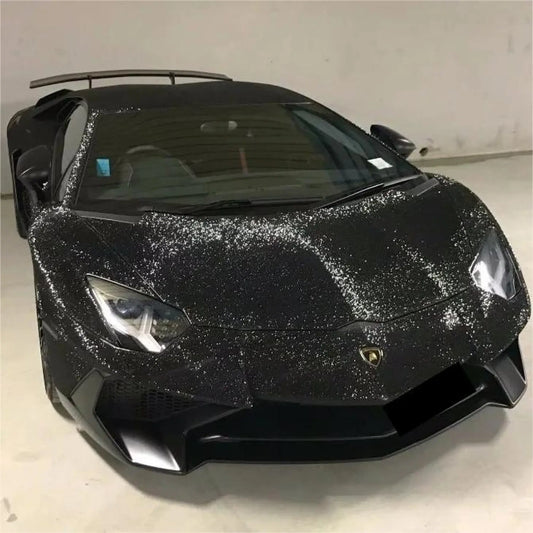
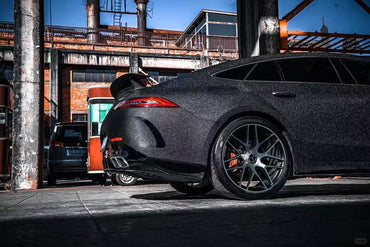
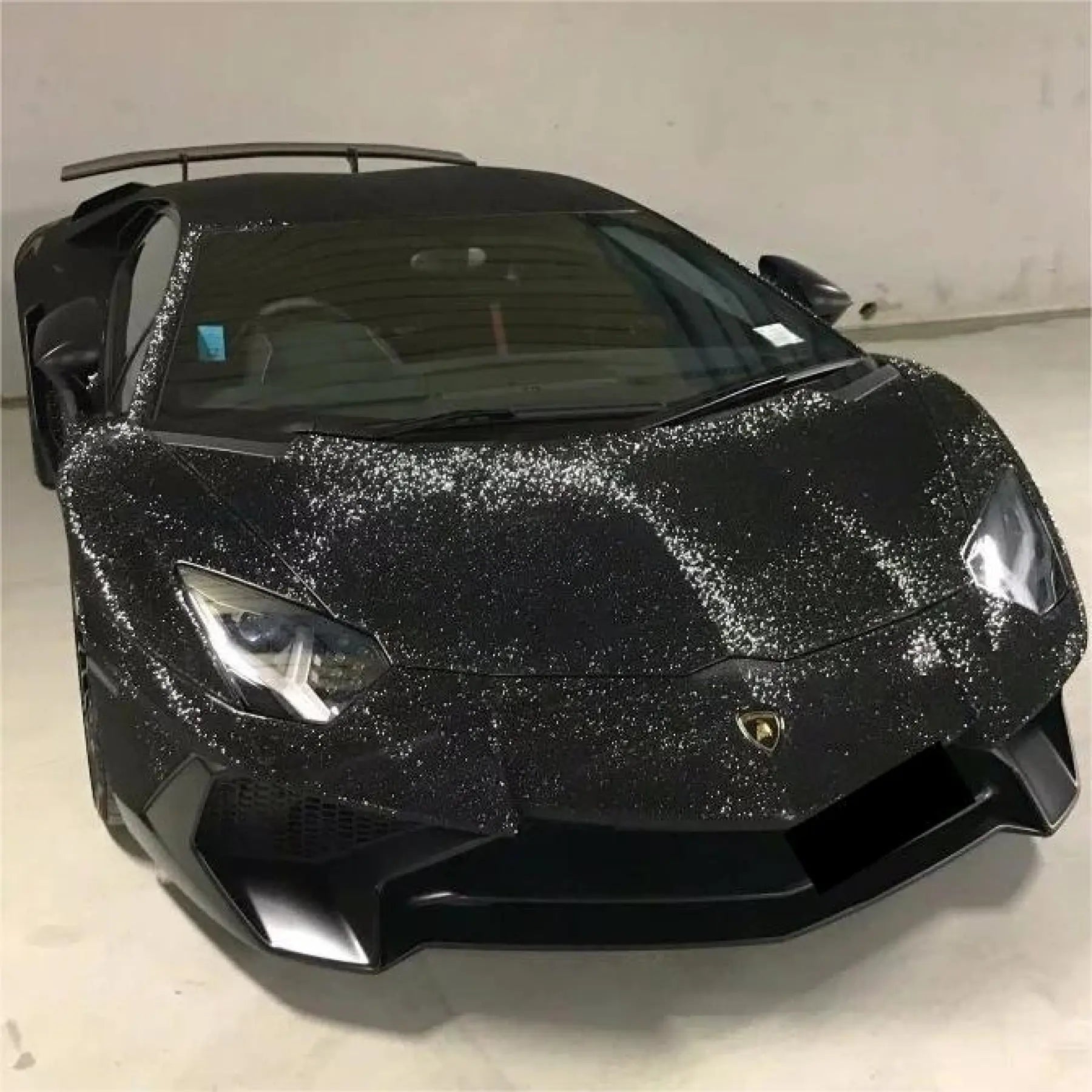
For owners who love sparkle and texture simultaneously, the glitter sparkle car wrap collection delivers diamond-like light refraction across the entire surface. Each of these finishes can be combined with carbon fiber accents for a multi-material build that showcases different textures across different body zones.
Making Your Final Decision: 5D or 6D?
If your primary goal is adding a high-gloss carbon fiber accent to specific panels like the hood, roof, or spoiler, the 5D carbon fiber wrap delivers excellent value with a bold reflective appearance that stands out in person and in photographs. It suits daily drivers, weekend project cars, and moderate-budget builds where the classic twill weave pattern is the desired look.
If you are building a show car, creating automotive content, or simply want the most realistic carbon fiber vinyl available, the 6D carbon fiber wrap justifies the premium investment. Its advanced swirl pattern and ultra-high-gloss surface create depth that rewards close inspection and performs brilliantly under studio lighting, outdoor photography, and video capture. The 6D is also the better choice if you plan to pair carbon fiber with high-end finishes elsewhere on the vehicle, as its elevated realism matches the quality level of premium car vinyl wrap films.
Regardless of which generation you choose, investing in quality film with proper air-release adhesive technology and UV-resistant construction ensures your carbon fiber wrap maintains its striking appearance for years. Explore the complete 3D Carbon Fiber Wrap collection at Sailifilm to browse available patterns, colors, and roll sizes ranging from compact 5ft x 3.28ft sheets for small accent projects up to 5ft x 79ft rolls suitable for full vehicle coverage. Order a sample kit to compare textures and finishes in person before committing to your build.
1. Wikipedia – Carbon Fiber Reinforced Polymer: https://en.wikipedia.org/wiki/Carbon_fiber_reinforced_polymer
2. Tinting Laws – Best Carbon Fiber Vinyl Wraps 2026: https://car-tintlaws.com/best-carbon-fiber-vinyl-wraps/

