


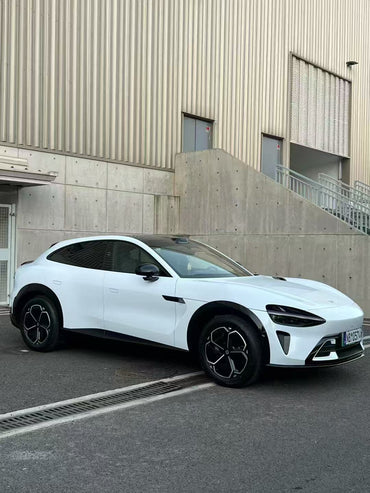
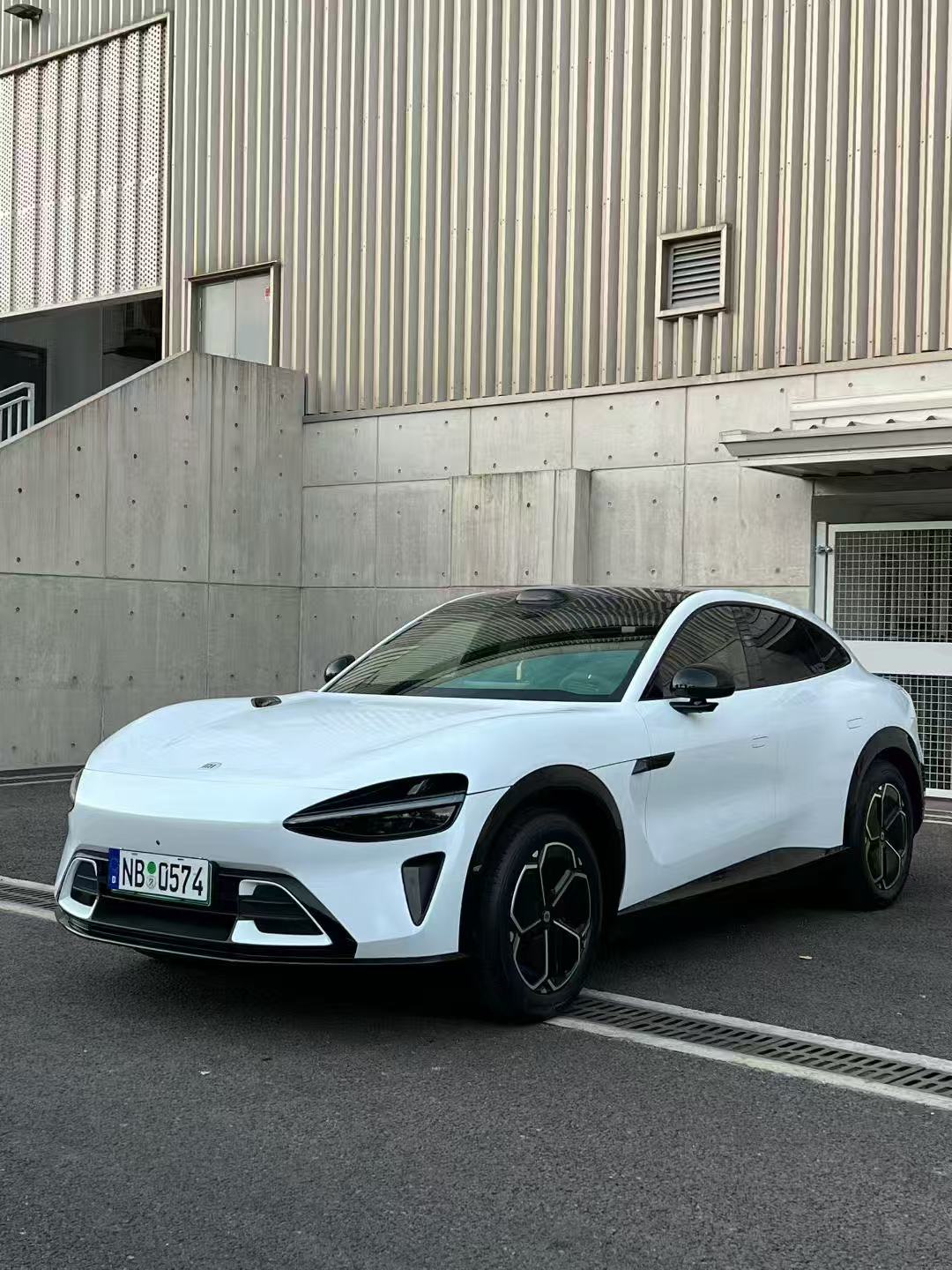


What Color Saturation Actually Means in Vinyl
Saturation is the intensity of a color, separate from how light or dark it is. A highly saturated wrap reads as pure pigment with depth and dimension. A low-saturation wrap looks faded or grayed-out even when it is a bright color on paper. For technical background on how color works visually, the Wikipedia article on color saturation is a great primer on the science behind it.
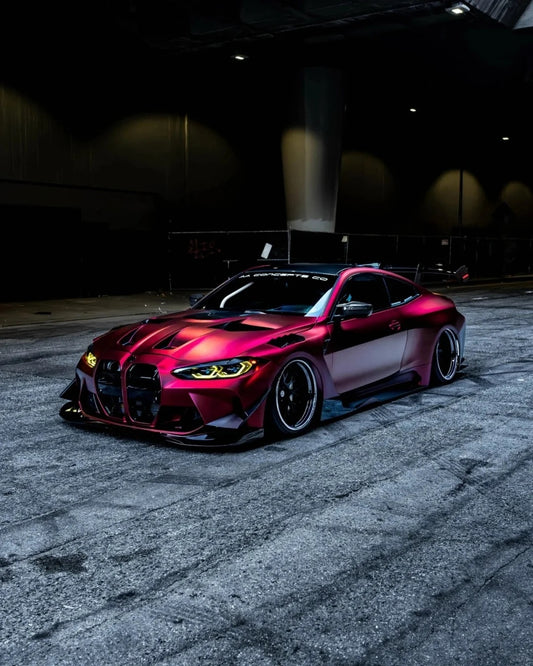
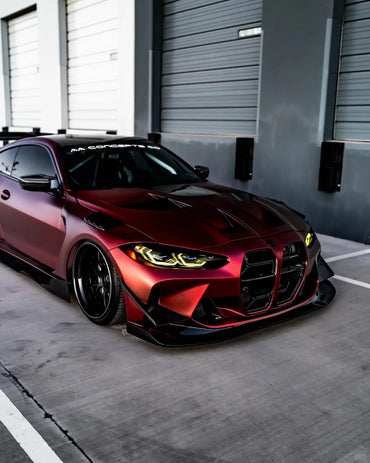
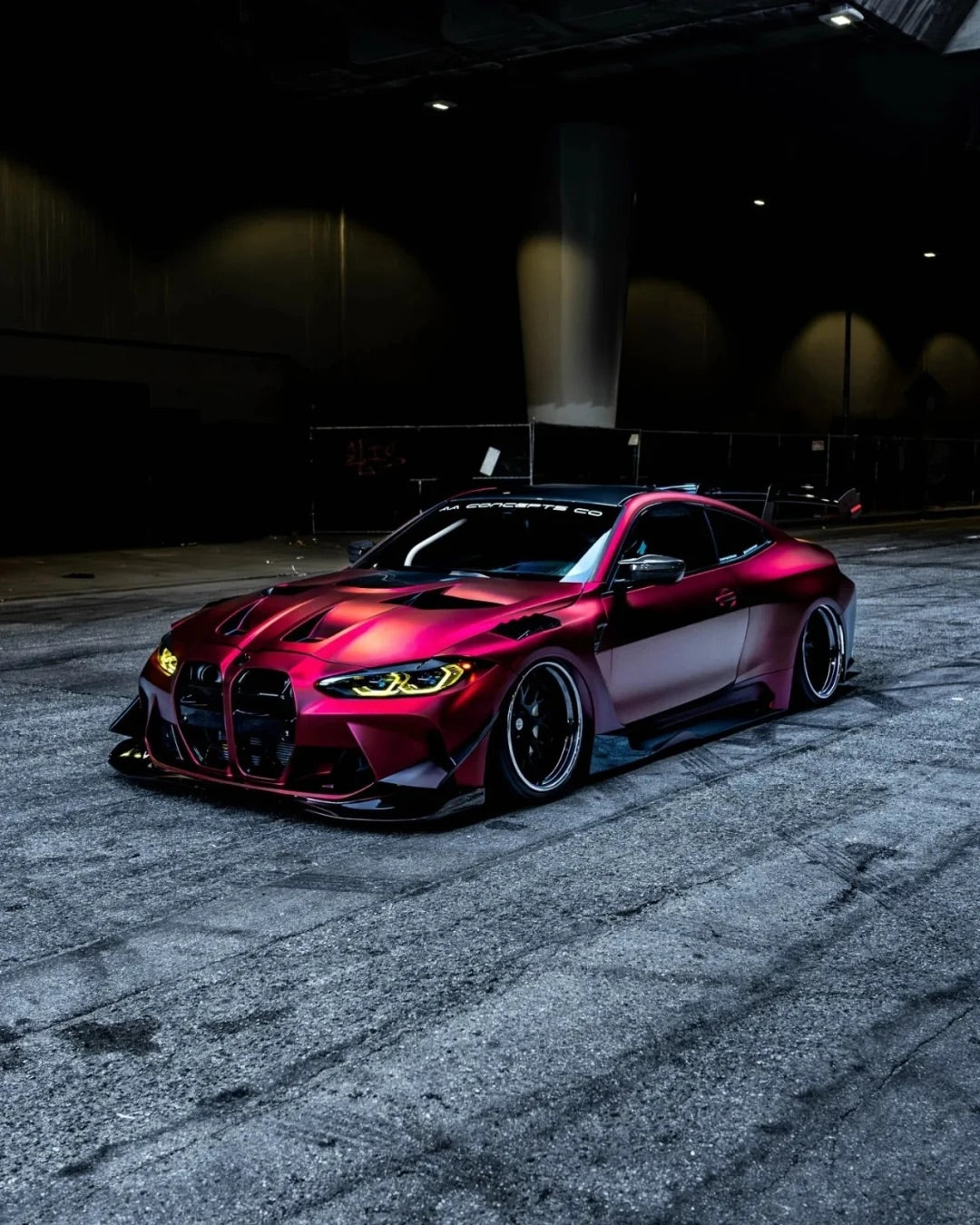
In vinyl, saturation is driven by four things: pigment density inside the film, the type of finish layered on top, the smoothness of the substrate underneath, and the lighting that hits the panel after install. Get all four right and your wrap will look richer than most factory paint jobs.
Sailifilm Series That Deliver the Deepest Color
Different Sailifilm series are engineered with different pigment loads and topcoats. Choosing the right one is the single biggest factor in your final saturation level.
Liquid Chrome Wrap: Wet, Mirror-Like Depth
Our Liquid Chrome Wrap produces a wet, deep-pour reflectivity that makes color appear to sit inside the film rather than on top of it. The high-gloss topcoat amplifies pigment intensity dramatically, which is why colors like Liquid Dragon Red and Liquid Silver photograph as if they were freshly painted with multiple clearcoat layers. For maximum saturation on bold, statement-making colors, this is the series to start with.
Crystal Vinyl Wrap: Pearlescent, Jewel-Toned Saturation
The Crystal Vinyl Wrap series uses a multi-layer pearlescent structure that adds shimmer beneath the surface color. The result is a jewel-like depth that reads as premium under any lighting, with rich, three-dimensional pigment travel. Crystal whites, deep crystal blues, and crystal champagnes are especially powerful on luxury sedans and coupes where understated saturation matters more than loud color.
Metallic Vinyl Wrap: Sparkle-Driven Color Depth
Suspended metallic flakes inside the Metallic Vinyl Wrap series catch and reflect light in countless directions, which dramatically lifts perceived saturation. Metallic gunmetal, ghost midnight blue, and GT silver gain visual richness from this internal sparkle, especially under direct sunlight or studio lighting. This is the go-to series for owners who want depth without going chrome-bright.
Rainbow Laser Vinyl Wrap: Holographic Color That Moves
If you want saturation that literally changes as you walk around the car, the Rainbow Laser Vinyl Wrap creates a holographic, prismatic shift that breaks light into rainbow color travel. The pigment density of the base color is amplified by the laser-etched topcoat, producing one of the most saturated, photo-friendly finishes in the entire vinyl category.
Dual Color Dream Wrap: Two Saturated Hues in One Film
The Dual Color Dream Vinyl Wrap delivers two distinct, fully saturated hues that shift depending on viewing angle and lighting. Purple-to-green, blue-to-pink, and gold-to-teal combinations each carry their own depth, giving your build the visual impact of a custom multi-layer paint job at a fraction of the time and cost.
Ultra Matte Wrap: Velvety, High-Pigment Stealth
Saturation is not only about gloss. The Ultra Matte Wrap series uses a heavy pigment load beneath a light-absorbing matte topcoat, producing rich, dense color that reads as serious and refined rather than bright and reflective. Ultra Matte Romance Red and matte military green are perfect examples of saturation expressed without shine.
Glitter Sparkle Car Wrap: Saturation Plus Light Play
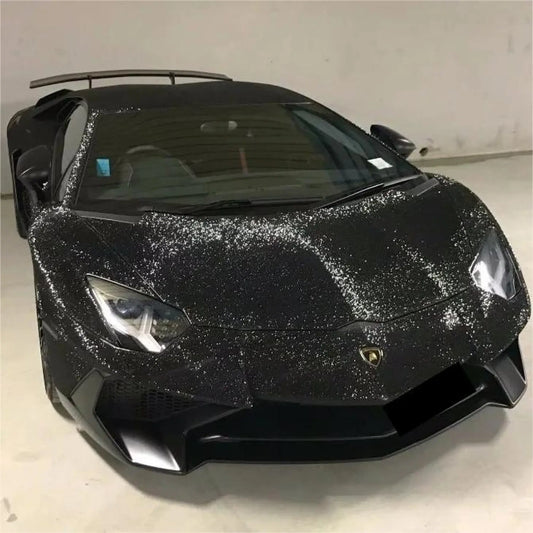
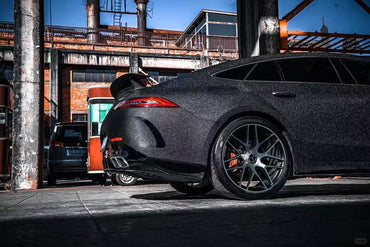
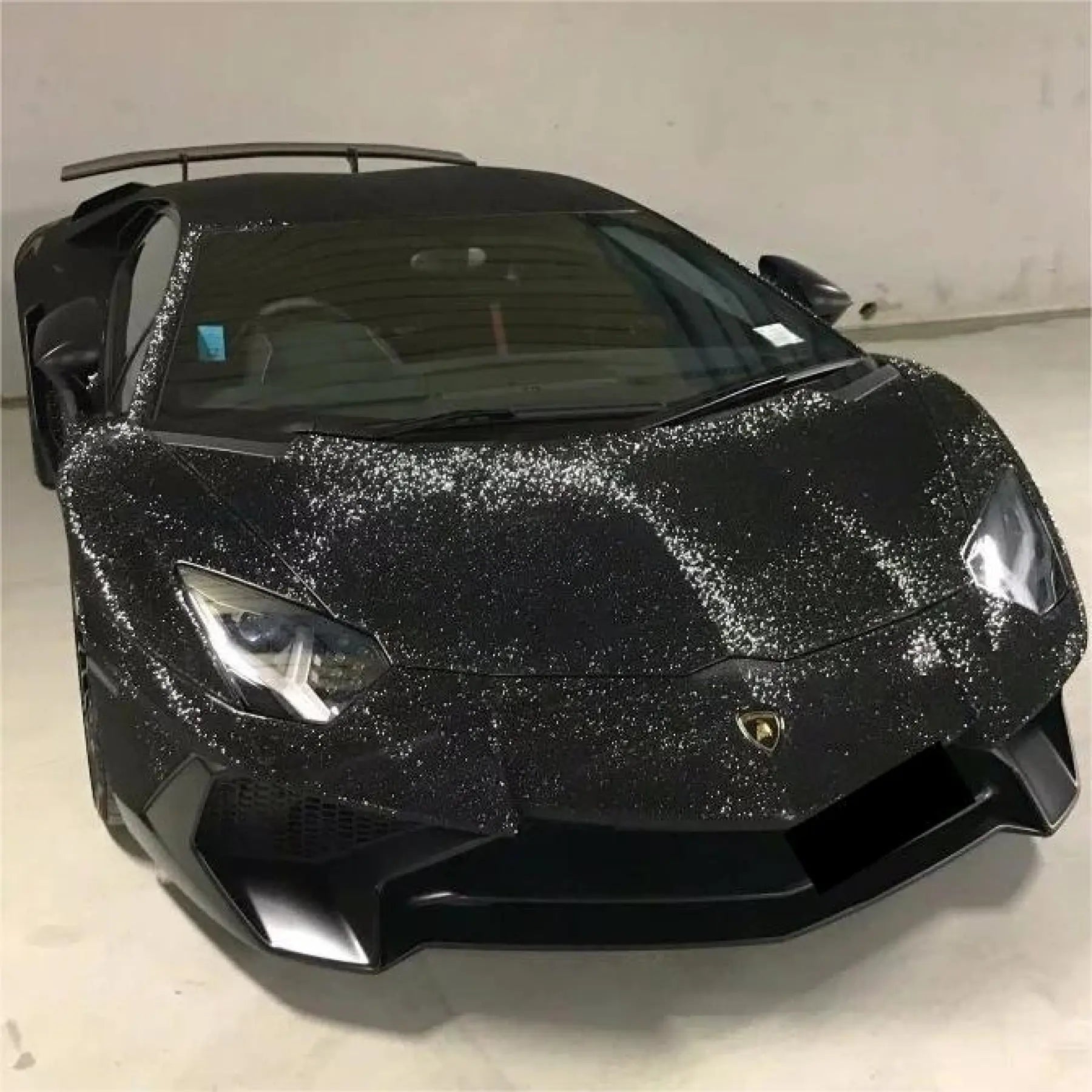
Embedded micro-flake inside the Glitter Sparkle Car Wrap creates a finish that explodes with light at golden hour. Diamond Glitter Black and Pearlescent Sparkle White look exceptionally saturated in person and on camera because every reflection multiplies color depth.
3D Carbon Fiber Wrap: Textured Depth in a Neutral Tone
Even neutral finishes need saturation. The 3D Carbon Fiber Wrap uses a deeply pigmented black base under a textured weave to deliver visual richness that flat black vinyl cannot match. Used as a roof, hood, or trim accent, it adds density to any build.
Surface Prep: The Step That Makes or Breaks Saturation
Even the most pigment-dense vinyl will look flat if it is laid over a poor surface. Saturation depends on a perfectly smooth substrate so that light bounces uniformly off the topcoat instead of scattering off micro-imperfections. Before installation, the panel should be free of swirl marks, oxidation, contamination, and texture.
-
Wash the panel thoroughly, then clay-bar to remove embedded contaminants.
-
Light polish to remove swirls and oxidation that would dull the wrap from underneath.
-
Final wipe with isopropyl alcohol to strip any wax, sealant, or polish residue that could weaken adhesive.
-
Address any deep scratches or dents — they will telegraph through any wrap, no matter how thick.
On dark base paint, color saturation will appear deeper and more natural. On lighter base colors, especially when applying a translucent or laser-effect film, expect a slight shift in tone — order a swatch first.
Installation Technique That Preserves Pigment Depth
Over-stretching is the silent killer of color saturation. Pulling the film too aggressively to wrap a curve thins the pigment layer, lightens the color, and creates uneven tone across the panel. The fix is to manage heat carefully, post-heat properly, and use the right tools from the start. Sailifilm offers a complete wrapping tools range covering magnetic squeegees, knifeless tape, heat guns, infrared thermometers, and edge sealers — all of which help maintain even pigment thickness during install.
Key technique points for maximum saturation:
-
Heat to working temperature, not maximum temperature — too much heat distorts pigment and dulls the finish.
-
Relieve cuts on complex curves rather than over-pulling — a small relief cut maintains color density.
-
Post-heat all stretched areas to lock the film into place — locked film holds color deeper and longer.
-
Always grab a sample kit before committing — confirm color saturation in person under your real lighting conditions.
Gloss vs Matte: Which Reads as More Saturated?
Both finishes can achieve high saturation, but they express it differently. Gloss films make color appear deeper and more vibrant by reflecting light evenly, which is why high-gloss reds, blues, and purples photograph so vividly. Matte films absorb light, which mutes shine but rewards the viewer with tactile, velvety pigment density. Crystal and Liquid Chrome series lean heavily into the gloss saturation effect, while Ultra Matte and 3D Carbon Fiber leverage matte saturation. Neither approach is inherently better — they just communicate richness in opposite ways.
Lighting: The Free Tool That Boosts Every Wrap
The same wrap can look dull in a fluorescent garage and explode with color under sunset sidelight. Direct, low-angle natural light is the most flattering for saturated wraps because it hits pigment evenly without flattening contrast. For show cars and content shoots, golden hour and overcast diffuse light both make saturated colors photograph at their best. Indoor LED lighting with a high color rendering index also helps — cheap warm-yellow LEDs can mask reds, oranges, and pinks.
Protect Saturation Long-Term with Paint Protection Layers
UV exposure, micro-scratches, and chemical contaminants slowly degrade saturation over time. The most effective long-term protection is a layer of paint protection film over the most exposed areas of the wrap. Our TPU Paint Protection Wrap adds a self-healing barrier that resists fading, swirl marks, and rock chips. For builds that want vivid color and protection in a single film, the Colored Paint Protection Film range delivers TPU durability with pre-pigmented color in one application — no double layering required.
For technical context on how PPF differs from standard vinyl, the Wikipedia entry on paint protection film covers the chemistry and history.
Daily Maintenance to Keep Color Saturation Vivid
Saturated finishes stay saturated when they are clean. Dust, road grime, bug acid, and bird droppings all dull pigment over time, especially on darker colors. Hand wash whenever possible, use a wrap-safe pH-neutral shampoo, dry with a high-pile microfiber towel, and avoid abrasive automatic car washes with stiff brushes. A vinyl-safe sealant adds a hydrophobic barrier and keeps saturation looking fresh between washes.
Best-Selling Films for Maximum Color Impact
If you are looking for proven, high-saturation films, the best sellers collection is the easiest place to start. Customer favorites for vivid color include Liquid Gloss Dragon Red, Liquid Gloss Metallic Liquid Silver, Ultra Matte Satin Chrome Romance Red, Diamond Glitter Black, and Rainbow Laser Light Pink — each chosen specifically for the depth and richness of its pigment.
Vivid Color Is a System, Not a Single Decision
Maximum saturation does not come from a single product or a single technique. It comes from layering the right choices: a high-pigment Sailifilm series, an immaculately prepped surface, careful installation that preserves film thickness, the right finish for the look you want, and proper protection and maintenance after install. Get those five right, and your wrap will read as deeper, richer, and more luxurious than the original paint underneath.
Ready to start? Browse the full car vinyl wrap collection to choose your finish, then layer in a TPU paint protection wrap to lock in that saturation for the long haul.
External References (Open in New Tab)
-
Color saturation explained on Wikipedia: https://en.wikipedia.org/wiki/Colorfulness
-
Vehicle wrap overview on Wikipedia: https://en.wikipedia.org/wiki/Vehicle_wrap
-
Paint Protection Film background on Wikipedia: https://en.wikipedia.org/wiki/Paint_protection_film
-
Pigment science on Wikipedia: https://en.wikipedia.org/wiki/Pigment
-
DIY wrap installer community on Reddit: https://www.reddit.com/r/Vinylwrappers/

