







Carbon fiber vinyl wrap has evolved from a niche exterior modification into one of the most sought-after car vinyl wrap solutions for interior customization. Vehicle owners across the globe are upgrading dashboards, center consoles, door panels, and steering wheel trims with textured carbon fiber film that replicates the look and feel of genuine composite materials. The appeal is straightforward: you get the aggressive, motorsport-inspired aesthetic of real carbon fiber at a fraction of the cost, without permanent modifications to your factory interior.
Why Carbon Fiber Wrap Works for Interior Trim
Interior surfaces endure constant contact from hands, elbows, keys, and phone edges. Factory plastic trim fades, scratches, and develops a worn appearance within a few years of daily use. Applying carbon fiber vinyl to these surfaces creates a protective barrier that absorbs minor abrasion while adding visual depth that stock materials simply cannot deliver. The 3D carbon fiber wrap collection from Sailifilm uses advanced embossing technology to produce a tactile surface with raised ridges that replicate authentic woven carbon. When you run your fingers across the film, you feel the weave pattern rather than smooth, flat vinyl.
Unlike exterior wraps that must withstand highway debris and weather extremes, interior applications face different challenges. UV exposure through windshields and side windows causes fading over time, while temperature fluctuations inside parked cars can stress adhesive bonds. Premium carbon fiber films engineered with UV stabilizers and heat-resistant adhesive layers solve both problems, maintaining color integrity and bond strength through seasonal temperature swings. Sailifilm wraps feature air-release adhesive channels that allow bubble-free installation even on the curved, complex shapes found on modern dashboard trim and center console housings.
Popular Carbon Fiber Colors and Finishes for 2026
Classic Black 3D Carbon Fiber
Matte black 3D carbon fiber remains the most popular choice among enthusiasts seeking an understated performance look. The shallow weave pattern with genuine tactile texture works beautifully on dashboards, door panels, and gear console surrounds where passengers can see and touch the surface up close. Black carbon fiber pairs seamlessly with virtually every interior color scheme, from light tan leather to all-black sport cabins. The non-reflective matte finish reduces glare from sunlight, making it particularly practical for dashboard applications where reflected light could distract the driver. Explore the full range of textures in the Sailifilm 3D carbon fiber wrap collection, which includes both gloss and matte forged fiber designs in black and red colorways.
Gloss Black Carbon Fiber
Gloss carbon fiber delivers a wet-look reflective surface over the same woven pattern, creating a high-end showroom appearance inside your cabin. This finish catches interior ambient lighting and LED accents in ways that matte cannot, producing dynamic reflections that shift as you move your head. Gloss black carbon fiber is the preferred choice for luxury sedans and sports coupes where the interior should convey premium craftsmanship. The 4D carbon fiber gloss black variant offers enhanced depth perception through its multi-dimensional weave, making it ideal for center consoles and door handle surrounds where close viewing angles reveal the extra visual layers.
Red Carbon Fiber
Red carbon fiber has surged in popularity alongside the growing demand for bold interior accents. The combination of crimson or deep cherry tones woven into the carbon texture creates an aggressive, race-inspired atmosphere that stands out immediately. Red carbon works exceptionally well as an accent color alongside black interior trim, used on steering wheel inserts, air vent surrounds, or center console highlights. Sailifilm offers forged fiber designs in red within the 3D carbon fiber collection, giving buyers the option of either traditional woven red or the increasingly trendy randomized forged pattern. The forged carbon aesthetic, originally developed for supercar components, features an irregular, marbled appearance that guarantees no two panels look identical.
Forged Carbon Fiber: The 2026 Breakout Trend
Forged carbon fiber showcases a randomized, irregular pattern rather than the traditional woven grid, and it has become the dominant interior accent trend for 2026. Originally developed for hypercars like the Lamborghini Huracán Performante, forged carbon uses chopped fiber strands pressed into a mold, creating a chaotic yet sophisticated visual that photographs exceptionally well. At events like the SEMA Show, forged carbon patterns consistently rank among the most photographed vehicle details. For interior applications, forged carbon adds an unmistakable high-tech character to flat surfaces like center console lids, glovebox covers, and speaker grilles. The pattern also disguises minor installation imperfections better than traditional woven designs because the irregular texture naturally masks small wrinkles or misalignments.
Matching Carbon Fiber to Your Interior Color Scheme
Selecting the right carbon fiber color depends on your existing upholstery, dashboard finish, and the overall mood you want to create. Black interiors provide the most versatile canvas because both matte and gloss black carbon fiber integrate without visual disruption, while red forged carbon adds dramatic contrast. Tan or beige leather interiors benefit from gloss black carbon accents that create a clean separation between warm and cool tones, mirroring the factory styling found on European luxury vehicles. For all-white or light grey cabins popular in Tesla and modern EV interiors, matte black carbon fiber delivers a striking two-tone effect that emphasizes the sporty character of the vehicle.
If your build extends beyond carbon fiber to include full exterior color changes, consider pairing your interior carbon accents with complementary body wraps. The metallic vinyl wrap collection includes finishes with fine metallic flake that catch light beautifully alongside interior carbon fiber details. A metallic grey body wrap paired with a carbon fiber hood, roof, and matching interior trim creates a cohesive factory-supercar aesthetic at aftermarket pricing. For drivers who want head-turning color-shift effects on the exterior while keeping the interior performance-focused with carbon, the rainbow laser vinyl wrap series produces holographic transitions that contrast beautifully against carbon fiber cabin accents.
Best Interior Surfaces for Carbon Fiber Application
Not every interior panel is equally suited to wrapping. The best candidates are rigid, smooth plastic or composite surfaces with minimal curvature. Dashboard center sections, center console lids and side panels, gear shifter surrounds, door handle bezels, air vent trim rings, steering wheel spoke covers, and instrument cluster surrounds are all prime targets for carbon fiber application. These areas see the most visual attention from both drivers and passengers, and they experience regular contact that benefits from the protective qualities of vinyl film.
For the best results, experienced installers recommend removing trim panels before wrapping whenever possible. Detaching the part allows you to wrap edges cleanly and avoid visible seams. A heat gun makes the vinyl more pliable and helps it conform to rounded surfaces and tight recesses. Sailifilm offers a complete range of professional wrapping tools including squeegees, cutting blades, and application gloves that make interior installations smoother. If you are new to wrapping, starting with flat panels like console lids or glovebox covers builds confidence before tackling complex curved pieces.
Combining Carbon Fiber with Paint Protection Film
The smartest vehicle customization approach in 2026 combines visual transformation with long-term surface defense. While carbon fiber vinyl handles the interior and select exterior accent panels, TPU paint protection wrap guards high-impact zones like the front bumper, hood leading edge, fender tips, and headlight surrounds. TPU film is a transparent or lightly tinted thermoplastic polyurethane layer engineered to absorb rock chips, gravel spray, and minor abrasions before they reach your paint. The self-healing properties of modern PPF mean that light scratches on the surface disappear when exposed to warm temperatures, keeping the film looking fresh without manual intervention.
For owners who want protection with a visual edge, the colored paint protection film collection delivers self-healing TPU in a range of tinted colors including Ferrari Red, Crystal Sky Blue, Piano Black, and Crystal Orange. This eliminates the traditional compromise between customization and protection. You can apply colored PPF to exterior panels for both style and defense, while using carbon fiber wrap inside the cabin where physical impact risk is lower but visual impact matters most. The thermoplastic polyurethane construction used in modern PPF provides a hydrophobic topcoat that causes water to bead and roll off, reducing water spots and simplifying regular maintenance.
Beyond Carbon Fiber: Complementary Interior Wrap Styles
Carbon fiber excels at adding sporty texture, but the complete Sailifilm product line opens up additional possibilities for interior customization. The ultra matte wrap collection provides sophisticated non-reflective finishes that absorb light for a stealth appearance. Colors range from pure white through mountain grey to dramatic Russian violet purple. Ultra matte vinyl on door panels or lower dashboard sections paired with carbon fiber on the upper dash and console creates a layered, multi-texture design that feels intentional and premium.
The crystal vinyl wrap line adds candy-like gloss depth that works as a striking contrast to carbon fiber texture on adjacent panels. For maximum visual drama, the dual color dream vinyl wrap shifts between two distinct colors depending on viewing angle and lighting. Applying a color-shifting vinyl to door panel inserts while wrapping the surrounding trim in matte black carbon creates a cabin that feels both high-tech and artistic. The liquid chrome wrap range, available in Liquid Silver, Indigo Blue, and British Racing Green, offers glass-like reflective surfaces that pair particularly well with gloss carbon fiber accents for a unified premium look.
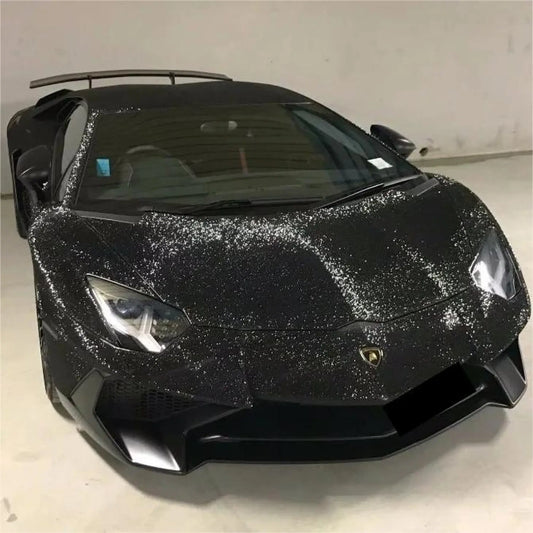
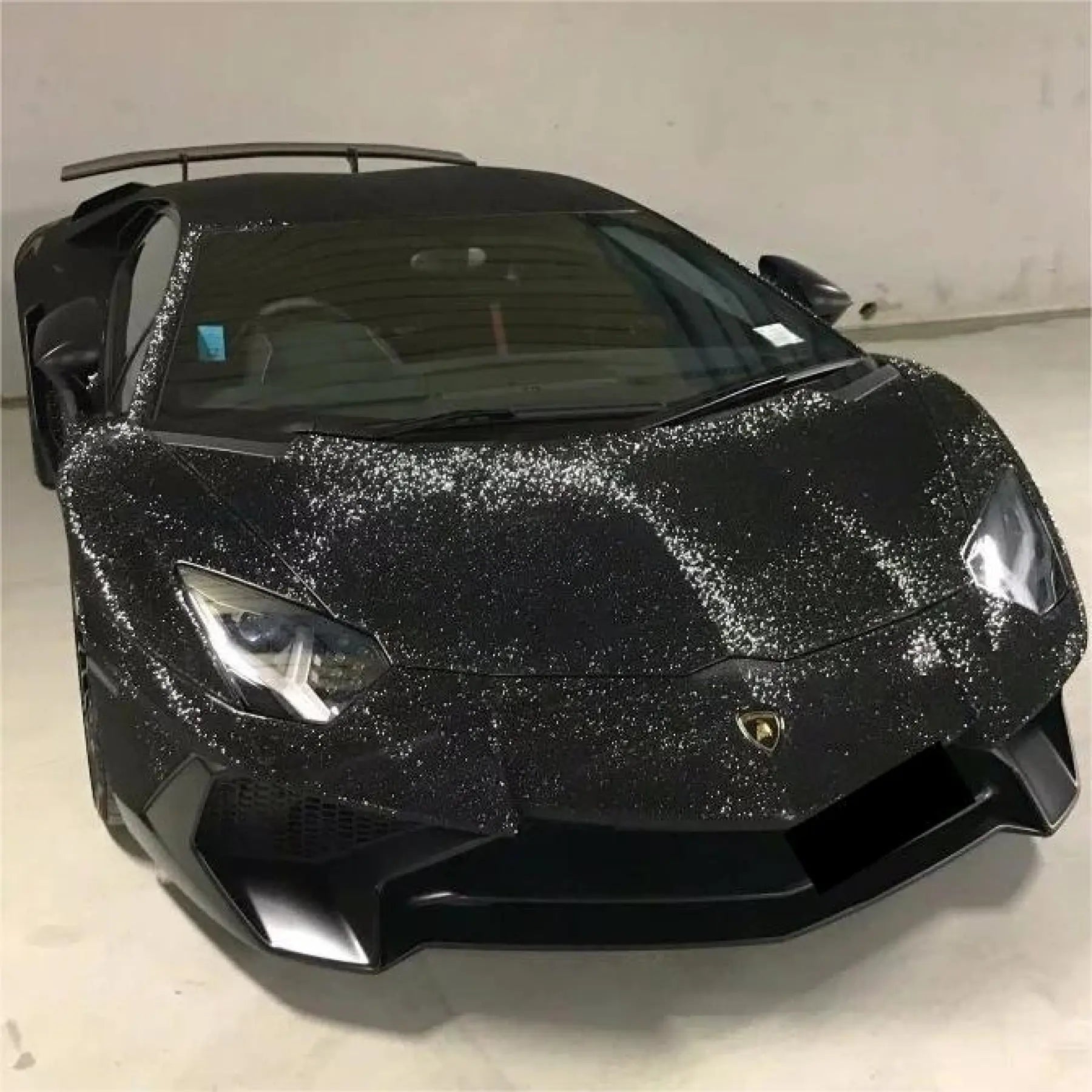
Drivers who want sparkle and shimmer can explore the glitter sparkle car wrap collection, which features embedded metallic flakes that catch interior ambient lighting. Diamond Glitter Black, one of the Sailifilm best sellers, creates a subtly sparkling dark surface that complements carbon fiber console wraps without competing for visual attention.
Installation Tips for Interior Carbon Fiber Wrap
Successful interior wrapping requires clean surfaces, patience, and the right technique. Begin by thoroughly cleaning each panel with isopropyl alcohol to remove oils, dust, and residue that can compromise adhesion. Work in a temperature-controlled environment between 60°F and 80°F for optimal vinyl flexibility and adhesive activation. Cut your material slightly oversized, position it carefully, and use a felt-edge squeegee to smooth the film outward from the center, pushing air toward the edges where it escapes through the adhesive channels.
For deep recesses and sharp curves, apply gentle heat with a heat gun to soften the vinyl before stretching it into place. Avoid overheating, which can distort the carbon fiber pattern or weaken the film. Trim excess material with a sharp precision blade, tucking edges beneath panel seams whenever possible. If you are attempting your first interior wrap project, consider ordering a sample kit to test different textures and finishes on a scrap surface before committing to your actual trim panels. Sample kits let you compare 3D matte, gloss, and forged carbon side by side so you can confidently select the right style for your vehicle. The DIY vehicle customization community has grown rapidly as material quality and installation techniques have improved, making professional results achievable at home.
How Long Does Interior Carbon Fiber Wrap Last?
Interior carbon fiber vinyl wrap typically outlasts exterior applications because it avoids direct exposure to harsh weather, road debris, and constant UV bombardment. Under normal interior conditions, a high-quality carbon fiber film maintains its color, texture, and adhesion for five to seven years. Vehicles parked in garages or fitted with UV-blocking window tint may see even longer lifespans. Maintenance involves simple cleaning with a soft microfiber cloth and mild interior detailer spray. Avoid harsh solvents, ammonia-based glass cleaners, or abrasive pads that could damage the vinyl surface or dull the texture.
When it comes time to refresh your interior look, vinyl wrap removes cleanly without damaging the underlying plastic or composite trim. This reversibility is one of the greatest advantages over permanent modifications like hydro-dipping or painting interior components. You can swap from black matte carbon to red forged carbon, or try an entirely different material like ultra matte vinyl, without worrying about resale impact. The ability to restore factory appearance at will keeps your options open whether you plan to keep the vehicle long-term or sell it in the future.
Cost of Carbon Fiber Interior Wrap vs. Real Carbon Components
Genuine carbon fiber interior kits for popular platforms like BMW M-series, Porsche, and Tesla range from $2,000 to $8,000 or more depending on component count and manufacturing quality. These parts are permanent, require professional fitting, and cannot be easily reversed if your style preferences change. Carbon fiber vinyl wrap delivers a visually comparable result for a fraction of that investment. Wrapping an entire interior dash, console, door trims, and accent panels with premium 3D carbon fiber film typically costs between $100 and $400 in material, depending on vehicle size and the number of panels you choose to cover. Sailifilm offers multiple roll sizes from 5ft x 3.28ft up to 5ft x 79ft, so you can purchase exactly the amount you need without excess waste. Orders over $500 qualify for free shipping, making bulk purchases for full interior projects even more economical.
Choosing Your Perfect Carbon Fiber Interior
Carbon fiber vinyl wrap for vehicle interiors has matured into a refined customization solution that combines motorsport-inspired aesthetics with practical surface protection. Whether you choose the timeless appeal of matte black 3D carbon, the luxury of gloss black weave, the bold personality of red forged carbon, or a creative combination of carbon fiber alongside metallic, crystal, and liquid chrome finishes, the result is a cabin that feels entirely transformed.
Start by identifying which interior panels create the most visual impact in your specific vehicle, order a sample kit to compare textures in person, and plan your installation with the proper wrapping tools. Browse the complete car vinyl wrap collection and the best sellers page to see which finishes current Sailifilm customers prefer most. With the right material, proper preparation, and a clear color strategy, your interior can rival vehicles costing far more than yours.

