


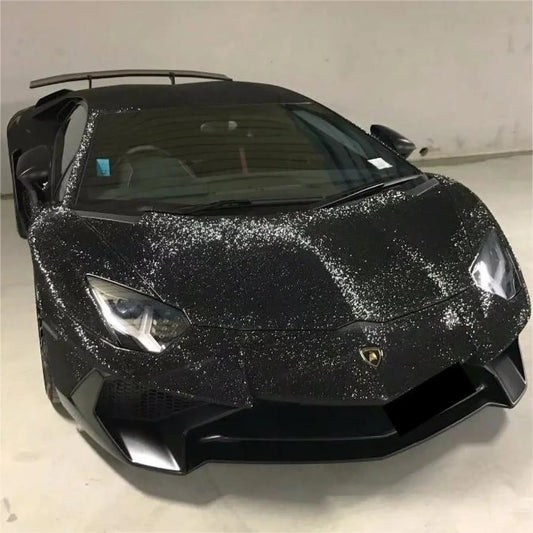
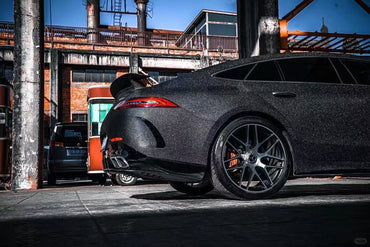
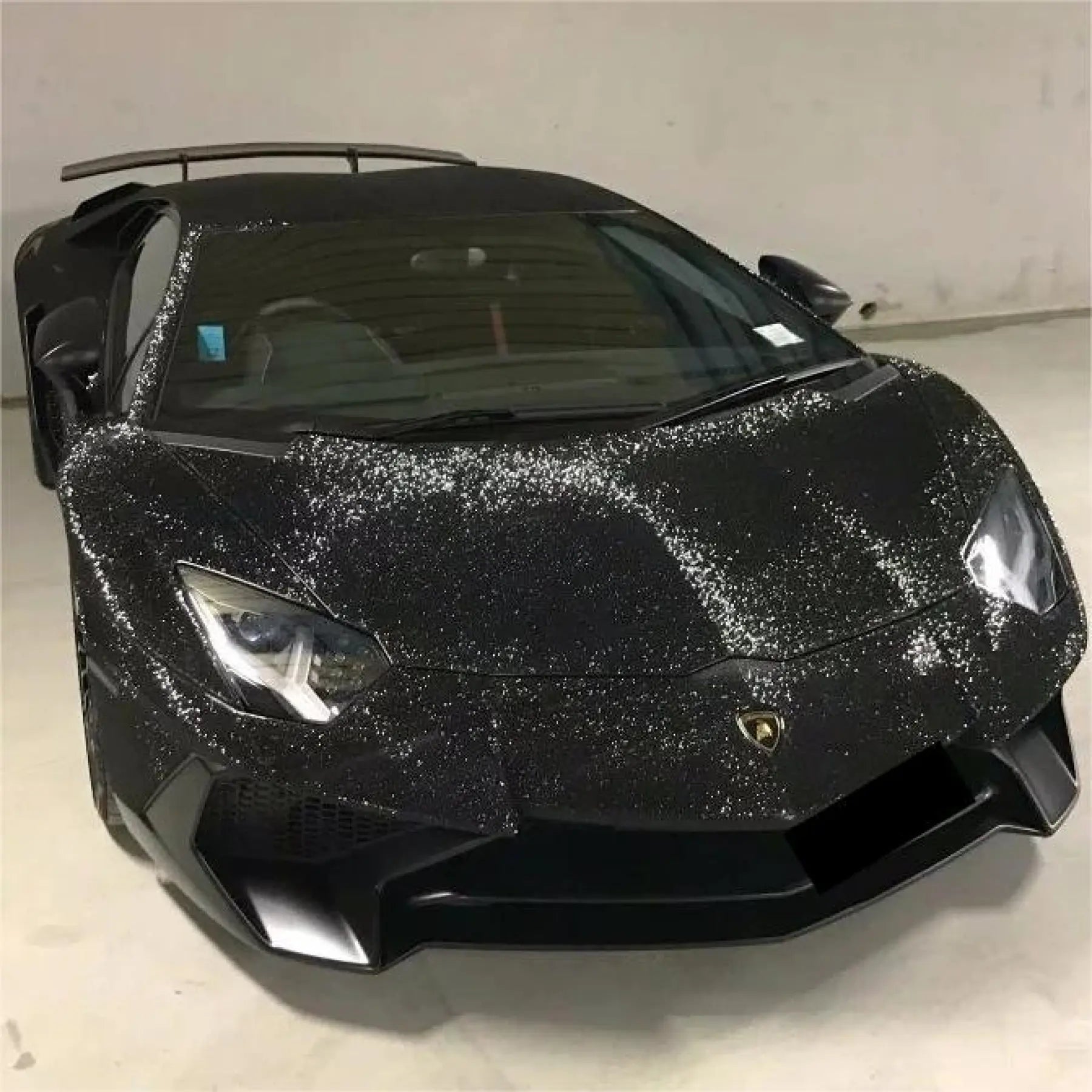
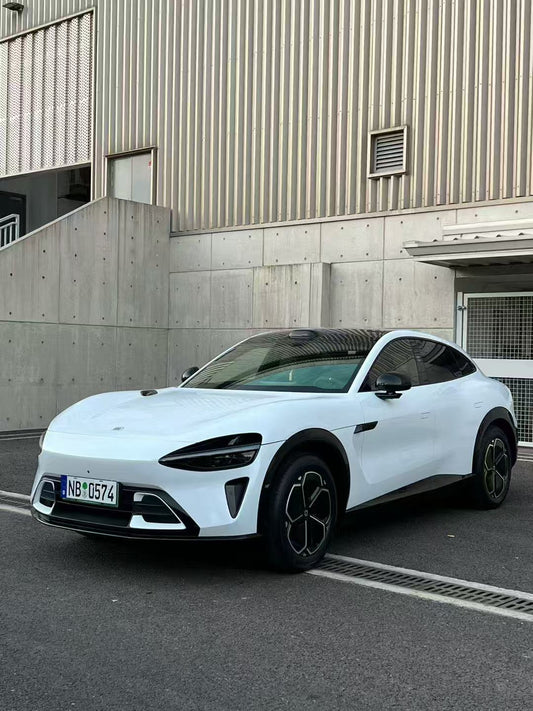
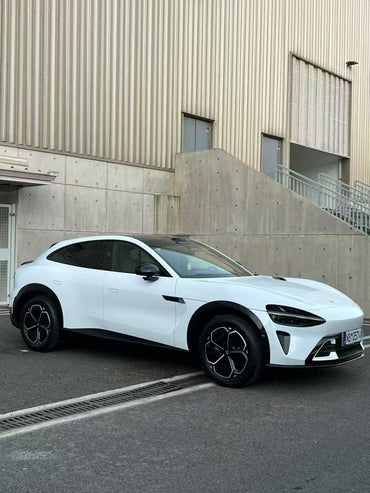
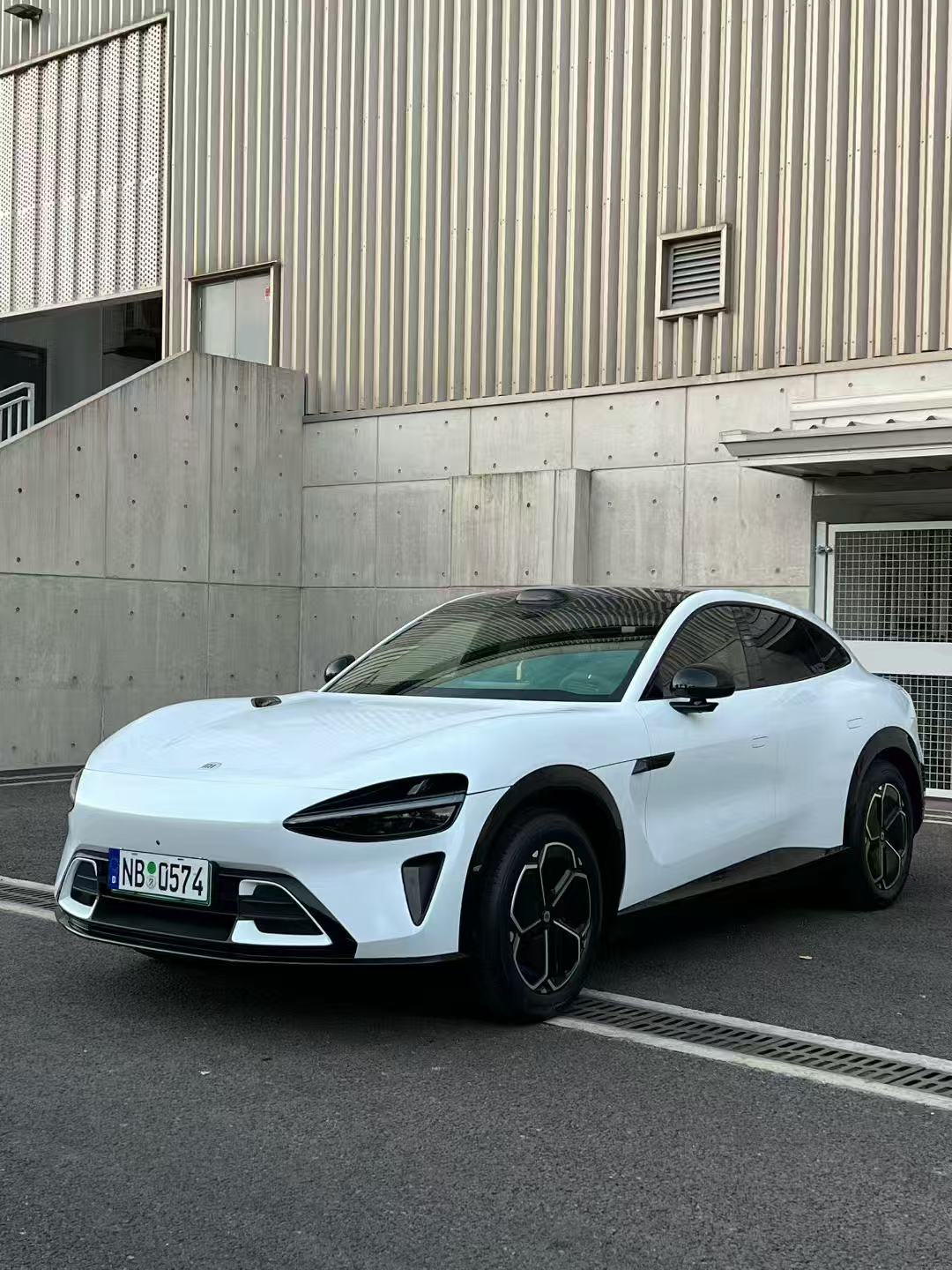


A used car in the perfect wrap color can make a strong first impression. The more useful question is what you know about the vehicle beneath that finish. A well-presented wrap may be a genuine customization choice, but its appearance alone cannot establish paint condition, repair history or mechanical health.
Buying a wrapped car calls for two separate assessments: the vehicle itself and the installed film. This guide helps you organize the questions, documents and inspections before making a decision. It is written for buyers, rather than owners preparing a car for resale.
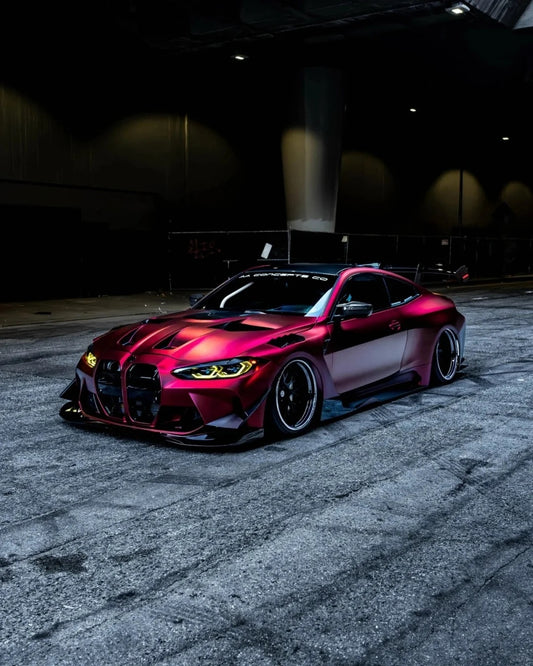
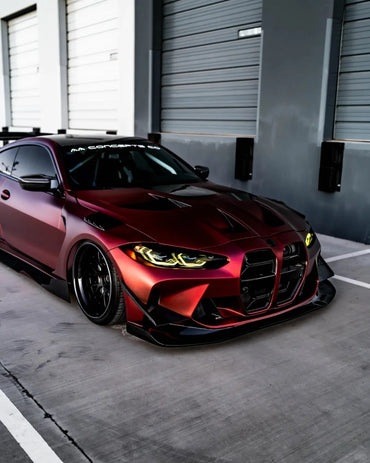
The images are original AI-generated concept illustrations, not photographs of a car offered for sale or evidence of an inspection result.
1. Ask for the story in documents
Start with the installation date, installer, exact film and covered panels. Ask whether the seller has the invoice, care instructions and any photographs taken before the film was applied. If panels were replaced or rewrapped later, ask for those dates too.
Keep the questions neutral. “Can you show me the original installation record?” is more useful than assuming a recent wrap conceals a problem. Missing paperwork does not prove dishonesty; it means you have less information to evaluate.
Build a simple timeline beside the service history. Does the seller’s explanation of when and why the car was wrapped fit the available records?
2. Know what the wrap prevents you from seeing
An opaque color-change film does not provide a direct view of the covered paint. A photograph of a clean wrapped hood cannot confirm that the paint underneath is original or undamaged. Pre-installation photographs help document an earlier condition, but they do not reveal every part of the car today.
Paint history matters when considering future removal. Avery Dennison’s surface guidance discusses removal risks associated with aftermarket paint, existing chips, touch-ups and deteriorating finishes. Do not accept an unconditional promise that removing any wrap will reveal perfect paint.
Ask your inspector to state which covered areas could not be assessed. An explicit limitation is more useful than a vague assurance that the car “looks fine.”
3. Inspect the film without disturbing it
Arrange to view a clean, dry car in good light. Walk around it before concentrating on individual details. Note visible fading, scratches, cracks, lifted edges or inconsistent panel appearance, and ask the seller about each concern.
Photograph the location as well as the detail, with permission. For example, record “rear bumper, left corner” rather than collecting close-ups that are difficult to place later. A visible mark identifies an area to investigate; it does not diagnose the cause.
Do not peel an edge to take a quick look underneath, scrape a spot or try a cleaner during the viewing. Any proposed removal or treatment should be agreed with the owner and assessed by a suitable professional.

4. Keep the vehicle inspection independent
A wrap specialist can assess film-related concerns, but that is different from evaluating the car’s mechanical condition. The U.S. Federal Trade Commission advises used-car buyers to obtain an independent mechanical inspection and explains that a vehicle history report is not a substitute for one.
Tell the inspection provider in advance that the vehicle is wrapped. Ask what its service includes, what the film may limit, and whether a separate bodywork assessment is appropriate. Request a written report with the findings and limitations.
Continue with the normal checks for the vehicle, rather than letting the wrap become the entire appointment. RAC’s used-car guidance includes looking for uneven panel gaps and other bodywork concerns. Have anything suspicious assessed instead of attributing it automatically to the film.
5. Separate warranty paperwork from promises
If the listing mentions a remaining wrap warranty, ask for the actual document and identify who issued it. Check whether it refers to the material, installation work or something else. Ask the issuer to confirm any transfer requirements and whether coverage applies to the vehicle in its present condition.
A receipt with a brand name is helpful identification, but it does not answer every coverage question. Record what has been confirmed and what is still awaiting a response. Treat the vehicle’s warranty and the film’s warranty as separate subjects.
6. Decide whether you want to keep the finish
Consider two possible ownership plans. If you love the current color, ask a wrap professional about the existing film’s condition and suitable care. If you intend to change it immediately, ask for an assessment of removal and the work needed before another film is considered.
Request a quote based on the actual vehicle rather than assuming a single removal price. Keep any possible paint work distinct from film removal so you understand what has been assessed and what remains uncertain.
For a future Sailifilm project, explore car vinyl wrap options after the existing finish and substrate have been evaluated. Choosing a new color does not resolve unknowns about the current installation.
7. Put the remaining unknowns on one page
Use this record when comparing the seller’s information with professional findings. Fill it with evidence, not assumptions.
| Question | Evidence to request | What may remain unknown |
|---|---|---|
| When was it wrapped? | Dated installation invoice | Whether individual panels were later rewrapped |
| What was the paint like beforehand? | Pre-installation photographs and repair records | Present condition beneath covered areas |
| What needs attention now? | Written inspection findings | Items outside the inspection’s scope |
| Can coverage transfer? | Confirmation from the warranty issuer | Any terms still unresolved |
| What would a finish change involve? | A professional assessment and itemized proposal | Conditions discoverable only during removal |
You do not have to convert every unknown into a worst-case assumption. You do need to decide whether the available evidence is enough for you. If an important question remains unanswered, seek the relevant assessment before treating it as settled.
Used wrapped car FAQ
Is a wrapped car automatically a bad purchase?
No. Evaluate the vehicle, its history and the film on their own evidence. The wrap alone is neither a certificate of condition nor proof of a hidden problem.
Should I ask the seller to remove the wrap?
You can discuss it if covered paint condition is essential to your decision. Agree on the professional process, responsibility and next inspection before any film is removed.
Do attractive listing photos prove the wrap is in good condition?
No. View the car and obtain the assessments you need. Photographs cannot establish every surface detail or the condition underneath.
Who should I contact about an existing Sailifilm installation?
Ask the seller for the exact product and installation records, then contact Sailifilm for product information. The installer or an independent professional should assess the actual vehicle.
