

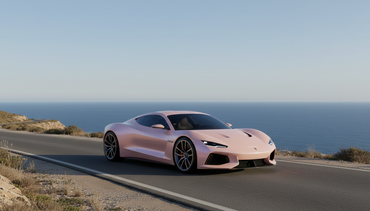
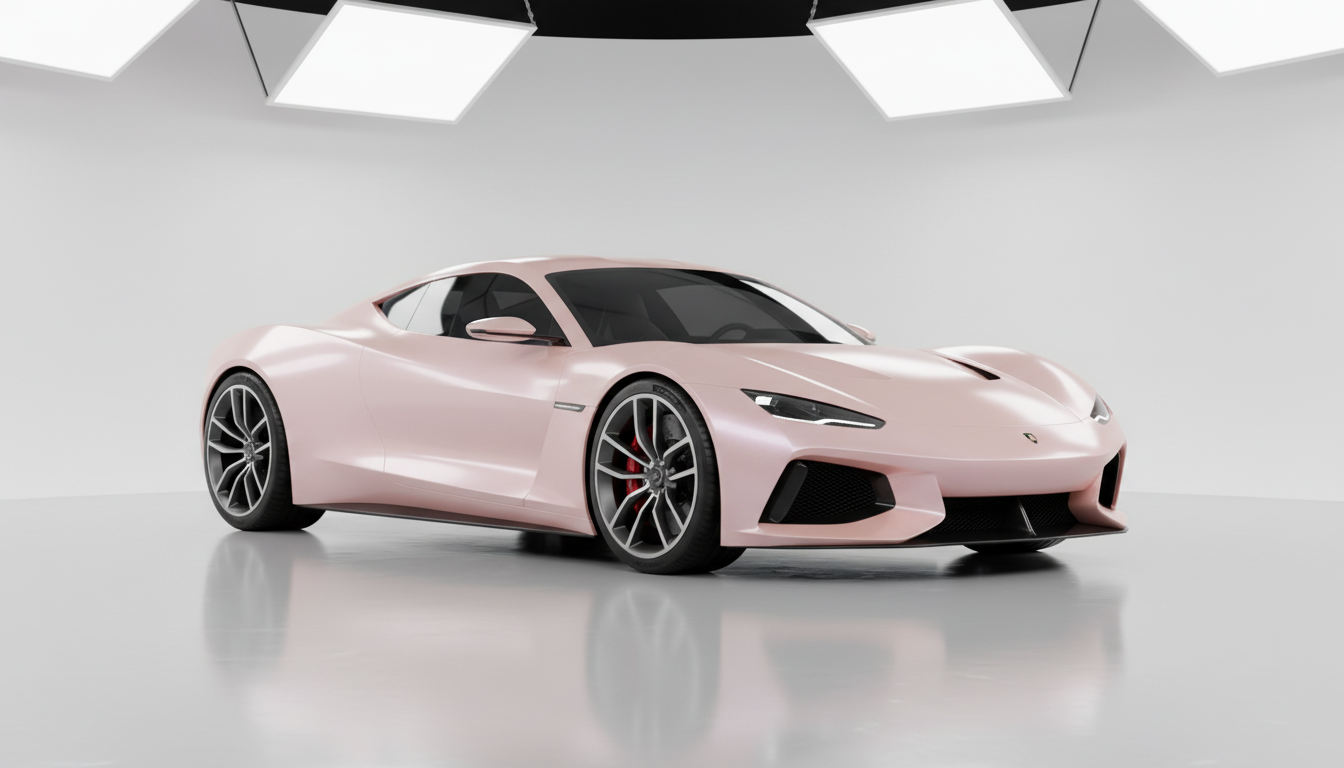

Every car owner eventually faces the same decision: wrap or repaint. The vehicle looks tired, a new color idea takes hold, or a fresh purchase deserves a custom appearance from day one. Both vinyl wrapping and traditional automotive paint achieve a color change, but they differ fundamentally in cost, process, durability, reversibility, and the range of finishes available. In 2026, advances in vinyl film technology have shifted this comparison further in favor of wrapping for most use cases, while paint retains specific advantages for long-term restorations and classic builds.
Cost Comparison: Wrapping vs Painting a Car in 2026
Cost is typically the first factor car owners evaluate. A professional-quality vinyl wrap on a standard sedan runs between $2,500 and $5,000 depending on the film type, vehicle size, and complexity of the body lines. Specialty finishes including chrome, color-shift, and holographic films sit at the higher end of that range. A comparable high-quality paint job — one that includes proper sanding, primer, multiple color coats, and clear coat — costs between $5,000 and $10,000 for a solid single-stage color. Custom paint with metallic flake, candy coat layers, or multi-tone blending can exceed $15,000 to $25,000 at a reputable body shop.
The cost gap widens further when considering specialty finishes. Achieving a matte, satin, or color-shifting effect through paint requires advanced spray techniques and expensive pigments. With vinyl, those same finishes are available as standard product lines. Sailifilm’s ultra matte wrap collection, for example, delivers a deep flat finish at a fraction of what a matte paint respray would cost — and it can be removed without affecting the factory color underneath. According to J.D. Power’s vehicle customization coverage, the wrap market has expanded significantly as consumers recognize the cost advantage for achieving finishes that paint simply cannot match at the same price point.
Installation Time: Days vs Weeks
A full vehicle vinyl wrap installation takes between one and three days for a professional shop working on a standard sedan or SUV. Complex vehicles with aggressive body kits, deep recesses, or extensive trim pieces may require an additional day. The vehicle is ready to drive immediately after installation is complete, with no curing period required.
A proper automotive paint job is a fundamentally longer process. The vehicle must be fully disassembled — bumpers, mirrors, handles, trim, and glass seals removed — before the surface is sanded, primed, and prepared for the spray booth. Multiple color coats are applied with drying intervals between each pass, followed by clear coat application and a curing period that can extend several days. Start to finish, a quality respray typically keeps the vehicle in the shop for one to three weeks. For car owners who rely on their vehicle daily, this downtime represents a significant inconvenience and potential rental car expense that wrapping eliminates entirely.
Finish Options: Where Vinyl Wrap Dominates
This is the category where vinyl wrapping demonstrates the most dramatic advantage over paint. Traditional automotive paint is limited to colors that can be mixed and applied through a spray gun. While skilled painters create impressive custom work, replicating effects like holographic color-shift, laser iridescence, or textured carbon fiber weave through paint alone is either extremely difficult or prohibitively expensive.
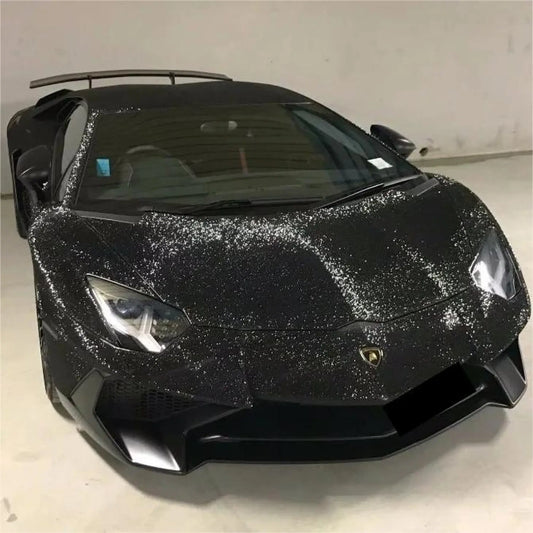
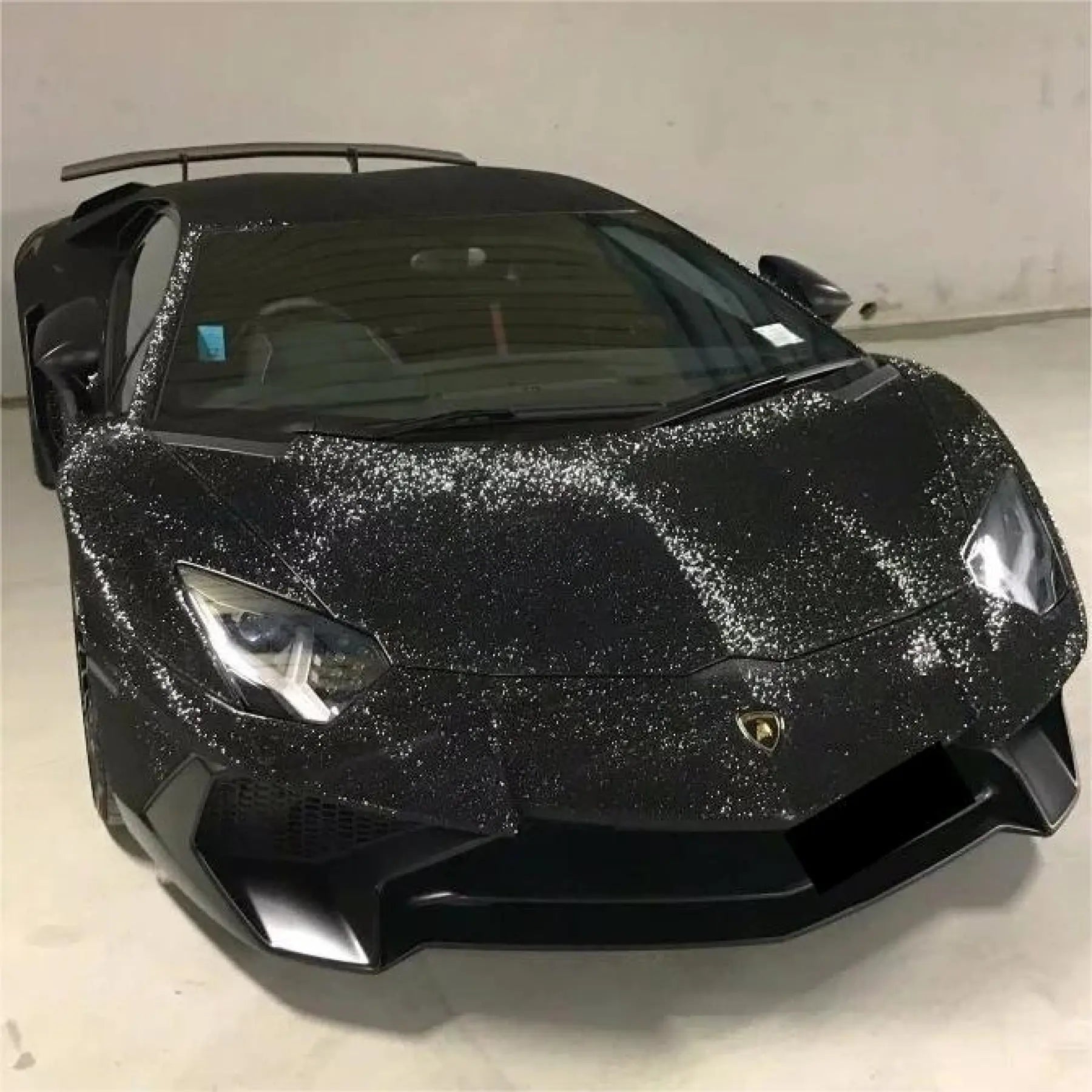
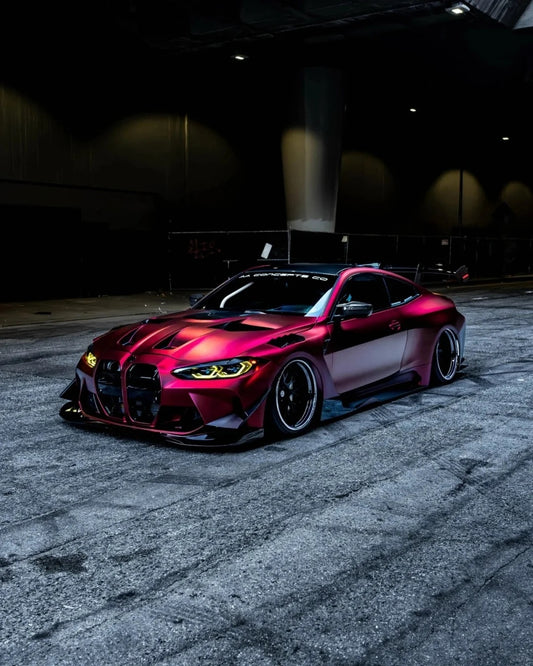
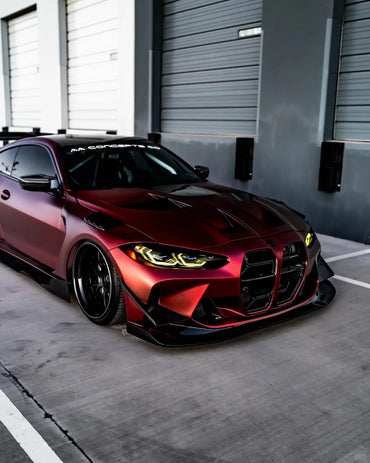
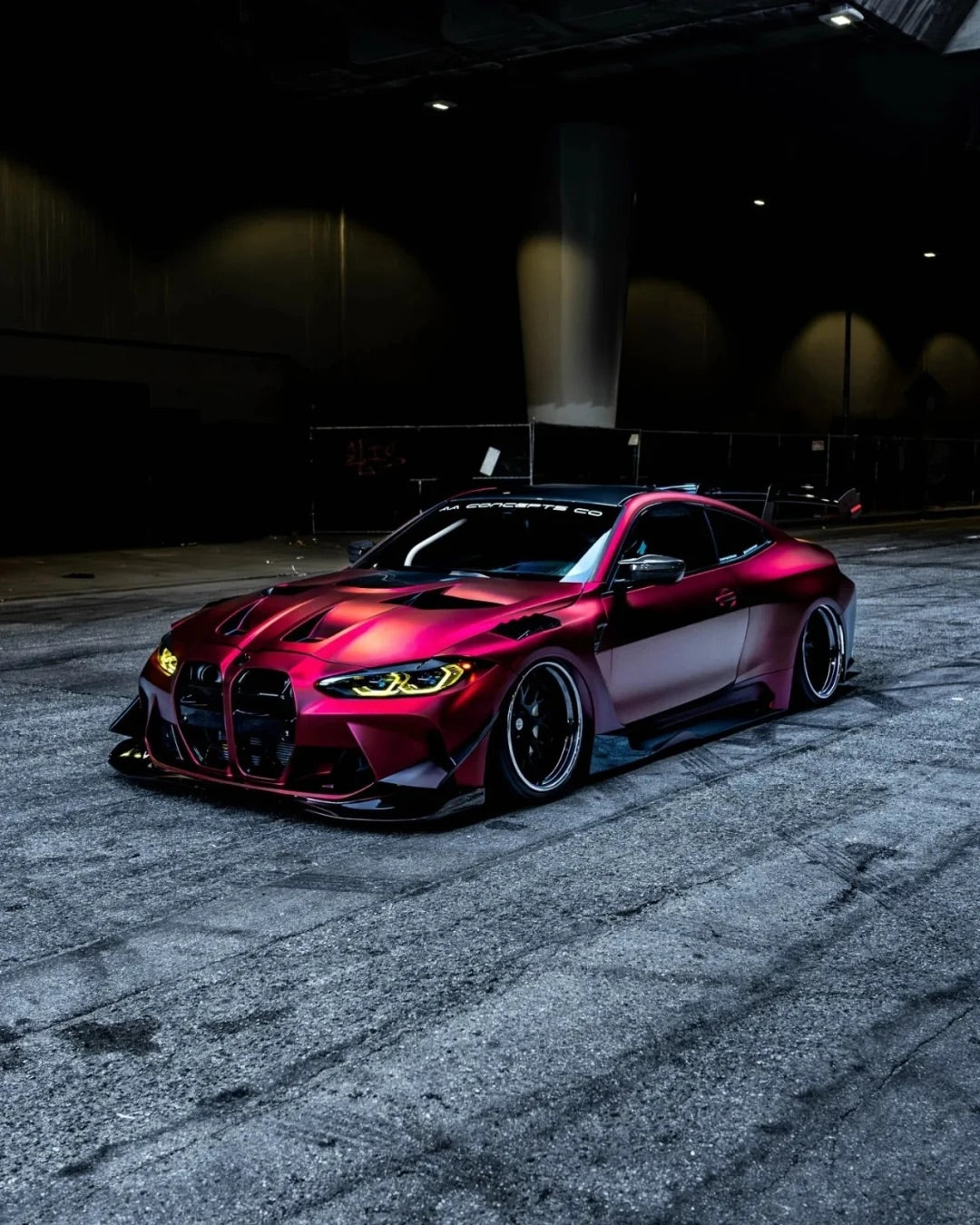
Vinyl wrap technology offers finish categories that have no practical paint equivalent. Sailifilm’s product catalog illustrates this range: rainbow laser vinyl wrap produces a holographic, light-splitting surface that cycles through the full color spectrum as the viewing angle changes. Dual color dream vinyl wrap uses interference pigment technology to shift between two distinct colors depending on how light hits the surface. Liquid chrome wrap creates an ultra-reflective, mirror-quality metallic surface. Crystal vinyl wrap delivers a translucent, layered-glass depth that mimics multi-stage candy paint at a fraction of the cost. And glitter sparkle car wrap embeds visible metallic flake particles across the surface for a diamond-dust effect. None of these finishes can be replicated through a standard paint booth process without extraordinary expense and specialized expertise.
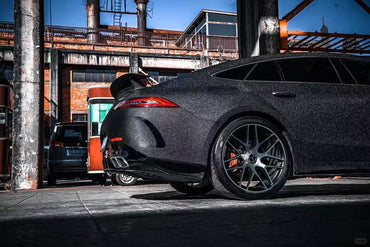
The metallic vinyl wrap collection further demonstrates this advantage with liquid metal appearances that flow and shift in direct light. These effects are consistent across every roll because they are manufactured under controlled conditions, eliminating the batch variation and human inconsistency inherent in hand-sprayed custom paint.
Durability and Lifespan: Understanding the Trade-Off
Automotive paint, when properly applied and maintained, can last the lifetime of the vehicle. A factory paint job with intact clear coat, regular waxing, and garage storage routinely looks excellent after 15 to 20 years. A quality respray from a professional body shop delivers similar long-term results when the prep work and application are done correctly.
A premium vinyl wrap typically lasts five to seven years under normal driving conditions. Vehicles garaged overnight and hand-washed regularly will see the upper end of that range. Vehicles parked outdoors in intense UV environments or harsh winter climates may experience earlier degradation. This shorter absolute lifespan is offset by the wrap’s reversibility and lower replacement cost. Swapping a wrap for a new color or finish every few years costs less than a single high-quality paint job, which means vinyl owners can refresh their vehicle’s appearance multiple times over the same period that a paint job remains static. For a deeper look at how different finishes compare in practice, the Society of Automotive Engineers (SAE) publishes technical standards on automotive coating performance that provide useful context on material longevity expectations.
Paint Protection: The Hidden Advantage of Wrapping
Every vinyl wrap functions as a sacrificial barrier between the environment and the factory paint. Road salt, UV radiation, rock chips, bird droppings, tree sap, and minor parking lot contact all hit the vinyl instead of the painted surface beneath. When the wrap is eventually removed, the original paint emerges in preserved condition — often looking significantly better than comparable unprotected vehicles of the same age.
For owners who want active protection combined with a color change, Sailifilm’s colored paint protection film and TPU paint protection wrap lines go a step further. These films are constructed from thermoplastic polyurethane rather than standard PVC vinyl, providing a thicker, self-healing surface that absorbs stone chips and minor impacts while offering a tinted color finish. Minor scratches in the TPU film disappear on their own when exposed to heat, restoring the smooth surface without any manual intervention. Paint offers no comparable self-repair capability — once scratched, automotive clear coat and color coat require professional polishing or respraying to restore.
This protection factor has a direct financial impact at resale. According to Kelley Blue Book’s vehicle valuation methodology, exterior paint condition is one of the primary variables in determining a used vehicle’s trade-in and private sale value. A vehicle that spent its life under a vinyl wrap and emerges with pristine factory paint will consistently appraise higher than an identical unwrapped vehicle showing years of environmental wear.
Resale Value: Why Wrapping Wins for Most Owners
A custom paint job is permanent. If the new color is a niche choice — bright lime green, hot pink, or an unusual multi-tone blend — it narrows the pool of potential buyers at resale. The next owner either has to accept the color or pay for another respray to return to a neutral market-friendly tone. A vinyl wrap eliminates this concern entirely. The owner enjoys a fully customized appearance during ownership, and when it is time to sell, the wrap is removed to reveal the original factory color. The buyer sees a vehicle with the most broadly appealing configuration and protected paint, which commands the strongest resale price.
This reversibility also makes vinyl wrapping the only viable option for leased vehicles. Lease agreements require the vehicle to be returned in factory condition. A permanent paint change violates lease terms and incurs penalties. A professionally installed and removed vinyl wrap leaves no trace, satisfying the return conditions while allowing the lessee to personalize the vehicle throughout the lease period. The Wikipedia entry on vehicle leasing provides background on how residual value calculations make paint condition a critical factor in lease-end assessments.
Reversibility and Flexibility: Change Colors Without Commitment
One of the strongest arguments for vinyl wrapping is the ability to change direction without permanent consequences. Tired of matte black after two years? Remove it and apply a rainbow laser wrap for an entirely different presence. Want to shift from a bold show car look to a subtle daily driver aesthetic? Swap the glitter sparkle finish for an ultra matte in a single shop visit. This flexibility is impossible with paint. Every color change through paint requires a full strip-and-respray cycle that costs thousands of dollars and takes weeks.
For anyone uncertain about which finish to commit to, Sailifilm’s sample kits allow hands-on evaluation of multiple vinyl colors and textures before ordering a full roll. Holding physical samples against the vehicle body in natural daylight reveals how each finish interacts with the existing bodywork, wheel color, and interior trim. This try-before-you-buy approach has no equivalent in the paint world, where committing to a custom color means trusting a small swatch chip to represent the final full-vehicle result.
Maintenance: Simpler Care, Lower Ongoing Cost
Vinyl wrap maintenance is straightforward. Regular hand washing with automotive soap and water keeps the surface clean and vibrant. No waxing is required. No clay bar treatments, polishing compounds, or paint correction sessions are needed. Avoiding automated car washes with abrasive brushes and keeping the vehicle away from prolonged direct sunlight when possible extends the wrap’s appearance further. Proper care tools matter — Sailifilm’s wrapping tools collection includes squeegees, heat gun accessories, and cutting tools designed specifically for vinyl film work.
Paint maintenance is more involved. Regular waxing every three to six months protects the clear coat from UV degradation. Periodic clay bar treatment removes embedded contaminants. Swirl marks from washing require machine polishing to correct. Annual or bi-annual detailing sessions add cumulative cost over the vehicle’s life. Paint correction at a professional detailer runs $300 to $800 per session depending on severity. Over a five-year ownership period, paint maintenance costs can approach or exceed the price of a complete vinyl wrap installation.
Environmental Considerations
Traditional automotive paint involves volatile organic compounds (VOCs) released during the spray process. Body shops operate spray booths with filtration systems to manage emissions, but the chemical footprint of a full respray remains significant. Sanding, primer, and clear coat each contribute to material waste and air quality concerns. Modern vinyl wraps produce less chemical waste during installation because the film is pre-manufactured and applied without spraying, mixing, or curing. Removal generates solid waste — the peeled vinyl and adhesive residue — rather than airborne chemicals. While neither option is entirely impact-free, the U.S. Environmental Protection Agency’s guidance on automotive coatings highlights VOC reduction as an ongoing regulatory priority that favors adhesive film alternatives over spray-applied coatings.
When Paint Is the Better Choice
Despite the advantages of vinyl wrapping, certain situations still favor traditional paint. Classic car restorations where maintaining period-correct appearance and originality affects collectible value benefit from professional resprays that match the factory formula. Vehicles with severely damaged existing paint — peeling clear coat, deep rust, or extensive body filler — need the surface repaired and repainted before a wrap can be applied, since vinyl conforms to the substrate and will telegraph imperfections rather than hide them. Owners planning to keep a vehicle for 15 to 20 years without changing its appearance may also prefer the longer absolute lifespan of quality paint. In these specific scenarios, a professional respray delivers the appropriate result.
When Vinyl Wrapping Is the Smarter Investment
For the majority of car owners in 2026, vinyl wrapping is the more practical and cost-effective choice. If the goal is a color change with maximum finish variety, paint protection, preserved resale value, shorter installation time, lower upfront cost, and the freedom to change direction in the future, wrapping wins on every metric. The technology has matured to the point where a professionally installed vinyl wrap is virtually indistinguishable from high-end paint to anyone viewing the vehicle at a normal distance.
Explore the full range of finishes available in the Sailifilm best sellers collection and the complete car vinyl wrap catalog to see the breadth of colors, textures, and specialty effects that make vinyl wrapping the dominant vehicle customization method heading into 2026 and beyond. Every Sailifilm product is engineered with air-release adhesive technology for bubble-free application and is available in multiple roll sizes to suit both partial accent projects and full vehicle transformations.

