



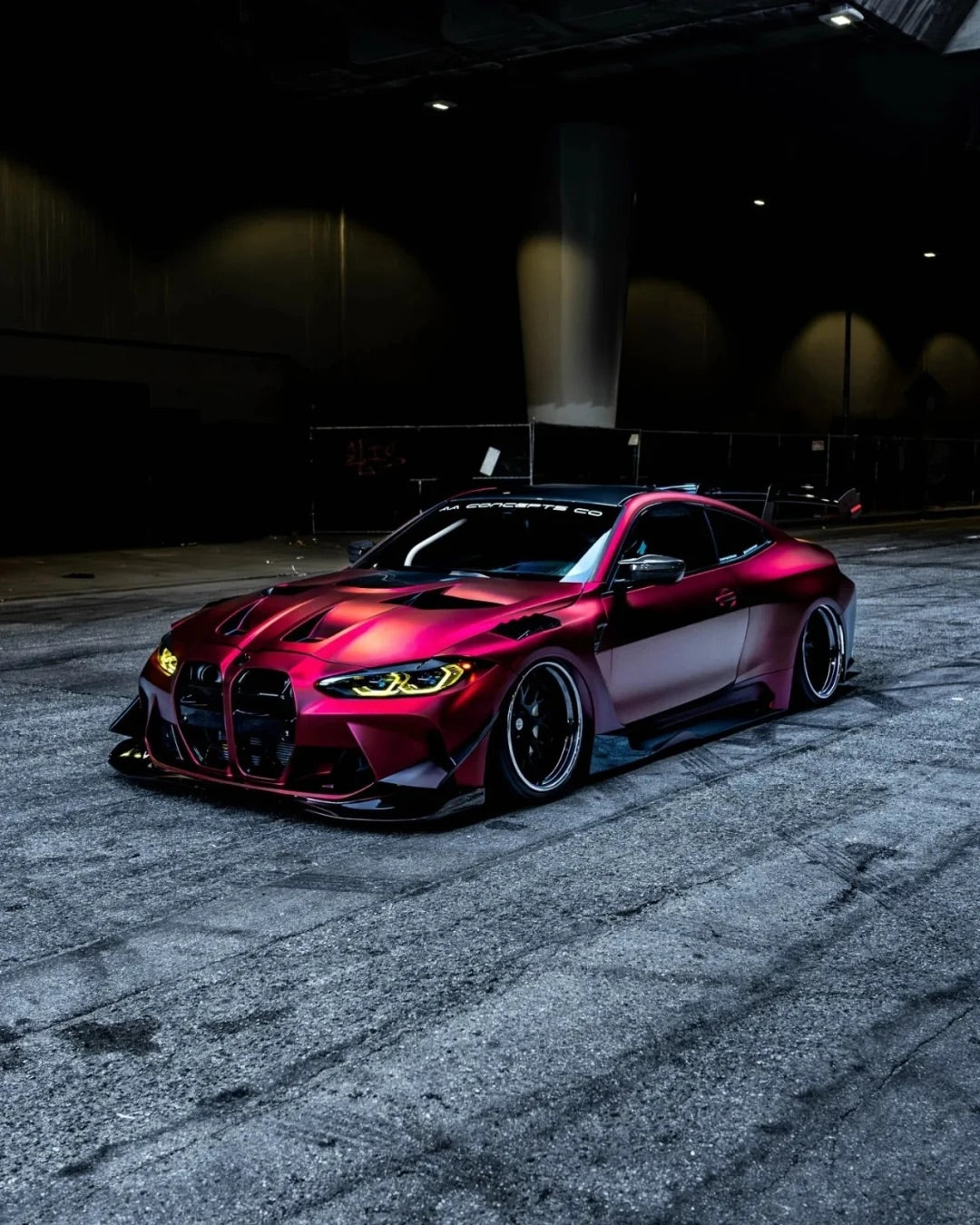


Understanding Carbon Fiber Vinyl Material
Carbon fiber wrap technology replicates the distinctive woven pattern of authentic carbon fiber through specialized printing and texturing processes. The material features a three-dimensional weave pattern that captures light realistically, creating depth and visual interest impossible to achieve with flat graphics.
Premium carbon fiber vinyl consists of multiple layers engineered for optimal performance. The base layer provides structural integrity and flexibility, allowing the film to conform to complex vehicle contours. Middle layers contain the printed carbon fiber pattern and protective coatings. The top layer delivers UV resistance, scratch protection, and environmental durability.
Our 3D Carbon Fiber Wrap collection showcases advanced texturing technology that creates tactile realism. The raised pattern enhances light interaction, producing authentic shadows and highlights that mimic genuine carbon fiber weave structures.
Essential Tools and Materials
Successful carbon fiber installation requires specialized equipment beyond basic household items. Professional-grade wrapping tools ensure precise application and minimize installation challenges that plague amateur attempts.
Heat guns represent the most critical tool for vinyl installation. Digital models with adjustable temperature controls between 90 to 110 degrees Celsius provide optimal performance. Temperature precision prevents overheating damage while ensuring adequate film pliability for complex curves and edges.
Squeegees with felt edges prevent scratching during application. Hard plastic squeegees risk damaging the vinyl surface, creating permanent marks visible after installation. Multiple squeegee sizes accommodate different panel areas, from large flat surfaces to tight recesses.
Sharp utility knives with fresh blades enable clean cuts without tearing. Dull blades create ragged edges that lift prematurely, compromising wrap longevity. Professional installers replace blades frequently, often multiple times during single vehicle installations.
Isopropyl alcohol removes surface contaminants that prevent proper adhesion. This cleaning solution evaporates completely without leaving residue, unlike many household cleaners that deposit films interfering with vinyl bonding.
Infrared thermometers monitor surface temperatures during installation and post-heating phases. Visual estimation proves unreliable, leading to inadequate heating or damaging overexposure. Temperature monitoring ensures consistent results across all vehicle panels.
Surface Preparation Fundamentals
Proper preparation determines installation success more than any other factor. Contaminated surfaces cause bubbles, lifting edges, and premature failure regardless of installer skill level. Thorough cleaning eliminates particles that create visible imperfections beneath translucent vinyl.
Begin with comprehensive vehicle washing using automotive soap. Remove all dirt, road grime, and environmental contaminants through multi-stage cleaning. Pay particular attention to panel gaps, door jambs, and recessed areas where debris accumulates unnoticed.
Clay bar treatment removes embedded contaminants invisible to naked eye examination. Bonded particles feel smooth to casual touch but prevent uniform vinyl adhesion. The clay bar process creates truly clean surfaces essential for professional results.
Degreasing with isopropyl alcohol eliminates oils, waxes, and silicone residues. Even freshly washed vehicles contain invisible contamination from hand contact, previous detailing products, or environmental exposure. Alcohol-based cleaning provides final surface preparation before vinyl application.
Inspect for paint defects, dents, and scratches. Carbon fiber vinyl telegraphs underlying imperfections, making them more visible than original paint. Address significant damage before wrapping to avoid disappointing results. Minor imperfections often disappear under properly installed vinyl, but major defects require correction.
Temperature control affects preparation effectiveness. Cold surfaces resist proper cleaning and dry slowly, trapping moisture beneath vinyl. Ideal preparation occurs at temperatures between 20 to 25 degrees Celsius, matching optimal installation conditions.
Heat Application Techniques
Heat transforms rigid vinyl into pliable material conforming to vehicle contours. Proper temperature control represents the difference between professional installations and amateur disasters. Understanding heat principles prevents common mistakes that ruin expensive materials.
Initial application requires moderate heat between 40 to 60 degrees Celsius. This temperature range softens vinyl sufficiently for positioning without activating full memory properties. Films become workable, stretching gently over curves while maintaining dimensional stability.
Maintain heat gun distance between 10 to 15 centimeters from vinyl surface. Closer positioning concentrates excessive heat, risking scorching or melting. Greater distance reduces heating efficiency, requiring extended exposure that wastes time without improving results.
Constant motion prevents hot spots that damage vinyl. Sweep heat guns steadily across surfaces rather than focusing on single points. Even heating ensures uniform pliability across entire panels, preventing uneven stretching or localized distortion.
Post-heating eliminates vinyl memory, ensuring permanent conformity to vehicle shapes. Raise temperatures to 90 to 100 degrees Celsius after complete installation. This critical step prevents film retraction as ambient temperatures fluctuate, maintaining wrap integrity through seasonal changes.
Our TPU Paint Protection Wrap materials incorporate self-healing properties activated by heat. Minor scratches disappear when exposed to controlled heating, restoring pristine appearance without replacement.
Squeegee Application Methods
Proper squeegee technique eliminates air bubbles while preventing vinyl damage. Pressure, angle, and stroke direction all influence installation quality. Mastering these variables separates professional results from obvious amateur work.
Begin from panel centers, working toward edges in overlapping strokes. This pattern pushes air bubbles outward, preventing entrapment. Reverse patterns drive air toward panel centers, creating permanent bubbles requiring correction.
Apply firm, consistent pressure throughout each stroke. Inadequate pressure fails to bond vinyl properly, allowing air infiltration. Excessive pressure stretches vinyl beyond recovery, creating thin spots prone to tearing or premature wear.
Maintain 45-degree squeegee angles for optimal results. Steeper angles concentrate pressure ineffectively, while shallow angles reduce contact area and bonding force. Proper angle maximizes adhesive activation without damaging vinyl surface.
Overlap squeegee passes by fifty percent to ensure complete coverage. Gaps between strokes leave unbonded areas vulnerable to lifting. Complete coverage guarantees uniform adhesion across entire panels.
For textured carbon fiber vinyl like our 3D Carbon Fiber Wrap, adjust pressure to accommodate raised patterns. Excessive force flattens texture, reducing realistic appearance. Gentle pressure maintains dimensional characteristics while achieving proper adhesion.
Working Complex Curves and Contours
Vehicle curves present installation challenges requiring specialized techniques. Door handles, mirrors, bumper contours, and character lines demand careful manipulation preventing wrinkles or excessive stretching.
Relief cuts enable vinyl conformity around protrusions without stress concentration. Strategic incisions release tension, allowing film to wrap smoothly around obstacles. Position cuts carefully to remain hidden from normal viewing angles.
Stretch vinyl gradually using heat activation. Cold stretching creates memory tension, causing film retraction as temperatures normalize. Heat-activated stretching allows controlled elongation without excessive thinning or stress accumulation.
Work small sections methodically rather than attempting entire panels simultaneously. Sequential progression maintains control, preventing overwhelming complexity. Complete one area fully before advancing to adjacent sections.
Door handles and mirrors benefit from vinyl tucking techniques. Fold material behind mounting points, securing edges against hidden surfaces. This approach creates clean appearances without visible seams or termination points.
Character lines require precise alignment to maintain design integrity. Misaligned patterns create obvious installation flaws visible from distance. Use tape guides to ensure accurate positioning before permanent bonding.
Trimming and Edge Sealing
Clean edges distinguish professional installations from amateur attempts. Precise cutting prevents lifting while creating invisible seams. Edge treatment determines wrap longevity, making this phase critically important.
Cut only through vinyl layers, avoiding paint contact. Blade pressure control prevents paint scratches that show when wraps are removed. Skilled installers develop touch sensitivity, feeling vinyl thickness without visual confirmation.
Wrap edges around panel perimeters whenever possible. Tucked edges resist lifting better than exposed cuts. Hidden terminations create seamless appearances suggesting factory application rather than aftermarket modification.
Heat seal all edges after trimming. Post-heating activates adhesives along cut lines, bonding them permanently to vehicle surfaces. This step prevents moisture infiltration and edge lifting from environmental exposure.
Use edge sealers for exposed vinyl terminations. These liquid treatments penetrate between vinyl and paint, creating waterproof barriers. Application requires precision to avoid visible residue on surrounding paint surfaces.
Consider our Metallic Vinyl Wrap collection for accent applications requiring frequent edge terminations. Metallic finishes often conceal edge lines better than carbon fiber patterns, simplifying partial wrap installations.
Temperature and Environmental Considerations
Installation environment significantly impacts results. Temperature, humidity, and airflow all affect vinyl behavior and adhesive performance. Controlling conditions ensures consistent outcomes across different projects.
Optimal installation occurs between 20 to 25 degrees Celsius. Lower temperatures stiffen vinyl, reducing conformability and adhesive activation. Higher temperatures cause excessive pliability, making vinyl difficult to control during positioning.
Avoid high humidity installations. Moisture trapped beneath vinyl creates adhesion failures and visible bubbles. Ideal conditions feature relative humidity below sixty percent, allowing complete surface drying before application.
Indoor controlled environments deliver superior results compared to outdoor installations. Wind carries dust particles onto wet adhesive surfaces, creating permanent contamination. Temperature fluctuations complicate heat management, requiring constant adjustment.
Direct sunlight exposure during installation creates uneven heating. Shadowed areas remain cooler than sun-exposed sections, causing differential vinyl behavior. Consistent lighting prevents these complications while improving defect visibility during application.
Allow vehicles to stabilize at installation temperature before beginning work. Cold vehicles brought into warm spaces create condensation beneath vinyl as metal warms. Temperature equilibration prevents moisture-related adhesion failures.
Common Installation Mistakes
Understanding frequent errors helps installers avoid predictable problems. Many mistakes stem from rushing processes or skipping seemingly minor steps that prove critical to long-term success.
Inadequate surface preparation ranks as the most common failure point. Installers eager to begin application overlook thorough cleaning, allowing contaminants to remain. These particles create immediate bubbles or gradual lifting as wraps age.
Excessive stretching thins vinyl beyond manufacturer specifications. Overstretched material loses durability, becoming prone to tearing or premature wear. Carbon fiber patterns distort when stretched excessively, creating unrealistic appearances.
Insufficient heat application leaves vinyl memory intact. Films retract toward original shapes as temperatures fluctuate, creating wrinkles or lifting edges. Proper post-heating eliminates this memory, ensuring permanent conformity.
Trapped air bubbles larger than fingernail size require correction. Small bubbles often dissipate naturally through microscopic adhesive channels. Larger bubbles become permanent defects unless punctured and smoothed before adhesive cures.
Neglecting edge sealing invites moisture infiltration and premature lifting. Exposed edges without heat treatment or liquid sealant fail prematurely despite otherwise perfect installation. This oversight ruins otherwise professional work.
Interior Carbon Fiber Applications
Carbon fiber vinyl excels in interior customization, transforming cabin aesthetics with minimal investment. Dashboard panels, center consoles, door trim, and steering wheel accents benefit from carbon fiber interior treatments.
Interior surfaces typically feature simpler curves than exterior panels, reducing installation difficulty. However, tight spaces and limited access complicate removal and positioning. Plan removal sequences carefully to avoid damaging surrounding components.
Disassemble trim panels completely before wrapping when possible. Off-vehicle application enables superior control and access compared to in-place installation. Working on benches or tables prevents awkward positioning and physical strain.
Interior vinyl requires less aggressive adhesives than exterior films. Gentler bonding simplifies future removal without damaging underlying plastics. Our Crystal Vinyl Wrap materials suit interior applications requiring removability.
Heat application demands extra caution with interior plastics. Lower melting points require reduced temperatures compared to exterior metal panels. Test heating on inconspicuous areas first to establish safe parameters.
Partial Wrap Techniques
Accent wrapping focuses carbon fiber effects on specific panels for dramatic impact without complete vehicle coverage. Hoods, roofs, mirror covers, and spoilers commonly receive carbon fiber treatment as standalone features.
Design cohesive patterns that complement vehicle lines. Random panel selection creates disjointed appearances lacking intentional design. Strategic placement enhances styling while maintaining visual harmony.
Blend carbon fiber with complementary vinyl finishes for sophisticated results. Our Dual Color Dream Vinyl Wrap collection enables creative combinations balancing boldness with refinement.
Ensure consistent carbon fiber pattern orientation across multiple panels. Misaligned weave directions appear amateurish, destroying illusion of authentic material. Match pattern angles carefully during cutting and application.
Seal all exposed edges meticulously on partial wraps. Complete vehicle coverage hides most edge terminations behind body panels. Accent applications expose more edges requiring careful finishing.
Combining Carbon Fiber with Other Finishes
Carbon fiber pairs exceptionally well with various vinyl finishes, creating custom appearances impossible with single materials. Understanding complementary combinations enables unique personalization.
Matte finishes balance carbon fiber texture, preventing excessive visual business. Our Ultra Matte Wrap collection provides sophisticated contrasts highlighting carbon fiber accents without competing for attention.
Gloss finishes create dynamic interplay with carbon fiber's textured pattern. The combination suggests high-performance engineering, popular among sports car enthusiasts. Careful color selection prevents clashing that overwhelms visual impact.
Chrome and metallic accents add luxury touches to carbon fiber applications. Our Liquid Chrome Wrap materials deliver mirror finishes that complement carbon fiber's technical aesthetic beautifully.
Color-shifting films combined with carbon fiber create futuristic appearances. Our Rainbow Laser Vinyl Wrap collection features iridescent effects that enhance carbon fiber's dimensional qualities.
Maintenance and Longevity
Proper care extends carbon fiber wrap lifespan significantly. Installation quality matters, but maintenance practices determine whether wraps survive five years or require premature replacement.
Hand washing prevents damage from automated car washes. Brush systems catch vinyl edges, initiating lifting that spreads across panels. Touchless systems employ harsh chemicals degrading vinyl surfaces prematurely.
Use pH-neutral soaps formulated for automotive applications. Household detergents contain harsh chemicals attacking vinyl composition. Dedicated products clean effectively without compromising material integrity.
Avoid abrasive cleaning tools including rough sponges or brushes. Microfiber towels and soft foam applicators remove dirt without scratching carbon fiber texture. Gentle materials preserve appearance throughout wrap lifespan.
Park in covered areas when possible to reduce UV exposure. Direct sunlight accelerates color fading and material degradation despite UV-resistant coatings. Garage parking or car covers extend viable wrap life substantially.
Address edge lifting immediately upon discovery. Small problems spread rapidly if ignored, eventually requiring complete panel replacement. Quick repairs with heat guns and edge sealers prevent escalation.
Professional Installation vs DIY
Installation complexity varies with vehicle type and installer experience. Simple applications on flat panels suit DIY approaches, while complex full-vehicle wraps demand professional expertise.
Beginners should attempt small projects before tackling entire vehicles. Mirror covers, small trim pieces, or interior accents provide learning opportunities without expensive material waste. Success builds confidence for progressively challenging applications.
Our Sample Kits allow practice with actual materials before purchasing quantities for complete projects. Testing installation techniques prevents costly mistakes during actual vehicle wrapping.
Professional installation guarantees include workmanship protection against defects. DIY installations lack such recourse, making mistakes expensive learning experiences. Weigh costs against confidence levels honestly.
Complex vehicles with aggressive curves, sharp character lines, or extensive trim removal justify professional services. Experienced installers complete challenging projects efficiently with superior results.
Cost Considerations and Material Selection
Carbon fiber wrap pricing varies significantly based on quality, texture complexity, and protective properties. Understanding value propositions enables informed purchasing decisions.
Entry-level carbon fiber vinyl provides acceptable appearance at budget pricing. However, thinner construction and basic adhesives compromise longevity. These materials suit temporary applications or show vehicles requiring frequent updates.
Premium carbon fiber films feature enhanced durability, superior texture depth, and advanced adhesive formulations. Higher initial costs yield extended lifespans and better appearance retention. Quality materials prove economical over multiple-year periods.
Our Best Sellers collection includes proven carbon fiber options balancing quality and value. Customer preferences guide these selections, indicating reliable performance across diverse applications.
Consider protective properties when evaluating options. Our Colored Paint Protection Film combines carbon fiber aesthetics with superior impact resistance. Enhanced protection justifies premium pricing for daily-driven vehicles.
Troubleshooting Installation Issues
Even experienced installers encounter challenges requiring problem-solving skills. Recognizing common issues and implementing corrections salvages installations preventing complete restarts.
Wrinkles in flat areas indicate insufficient heat during application. Gently reheat affected sections, allowing vinyl to relax and conform properly. Work from wrinkle centers outward, stretching gradually while applying heat.
Bubbles smaller than fingernails often dissipate naturally over several days. Adhesive micro-channels allow trapped air to escape gradually. Larger bubbles require puncturing with pin tips, then smoothing with squeegee pressure.
Lifted edges suggest inadequate post-heating or edge sealing. Reheat thoroughly to 90 degrees Celsius minimum, ensuring complete adhesive activation. Apply liquid edge sealer as additional insurance against moisture infiltration.
Pattern misalignment across body panels creates obvious installation flaws. Remove and reapply vinyl sections carefully, ensuring weave continuity. Precise alignment requires patience but dramatically improves professional appearance.
Color inconsistency between panels indicates material batch variations. Order sufficient vinyl from single production runs for entire vehicles. Mixed batches risk visible differences despite identical product specifications.
Advanced Techniques for Show Quality Results
Competition-level installations employ specialized methods elevating results beyond standard professional quality. These techniques require additional time but deliver unmatched excellence.
Panel removal enables complete wrapping including hidden edges and mounting surfaces. Doors, hoods, bumpers, and trunk lids wrap more easily off vehicles. Complete coverage creates seamless appearances suggesting factory carbon fiber components.
Primer application to porous surfaces improves adhesion dramatically. Textured plastics and rubberized trims benefit from adhesive promoters ensuring permanent bonding. These preparations prevent common failure points on challenging materials.
Pattern alignment across complex three-dimensional surfaces requires mathematical precision. Professional installers use digital templates and laser measurements ensuring perfect continuity. This attention to detail separates show cars from street vehicles.
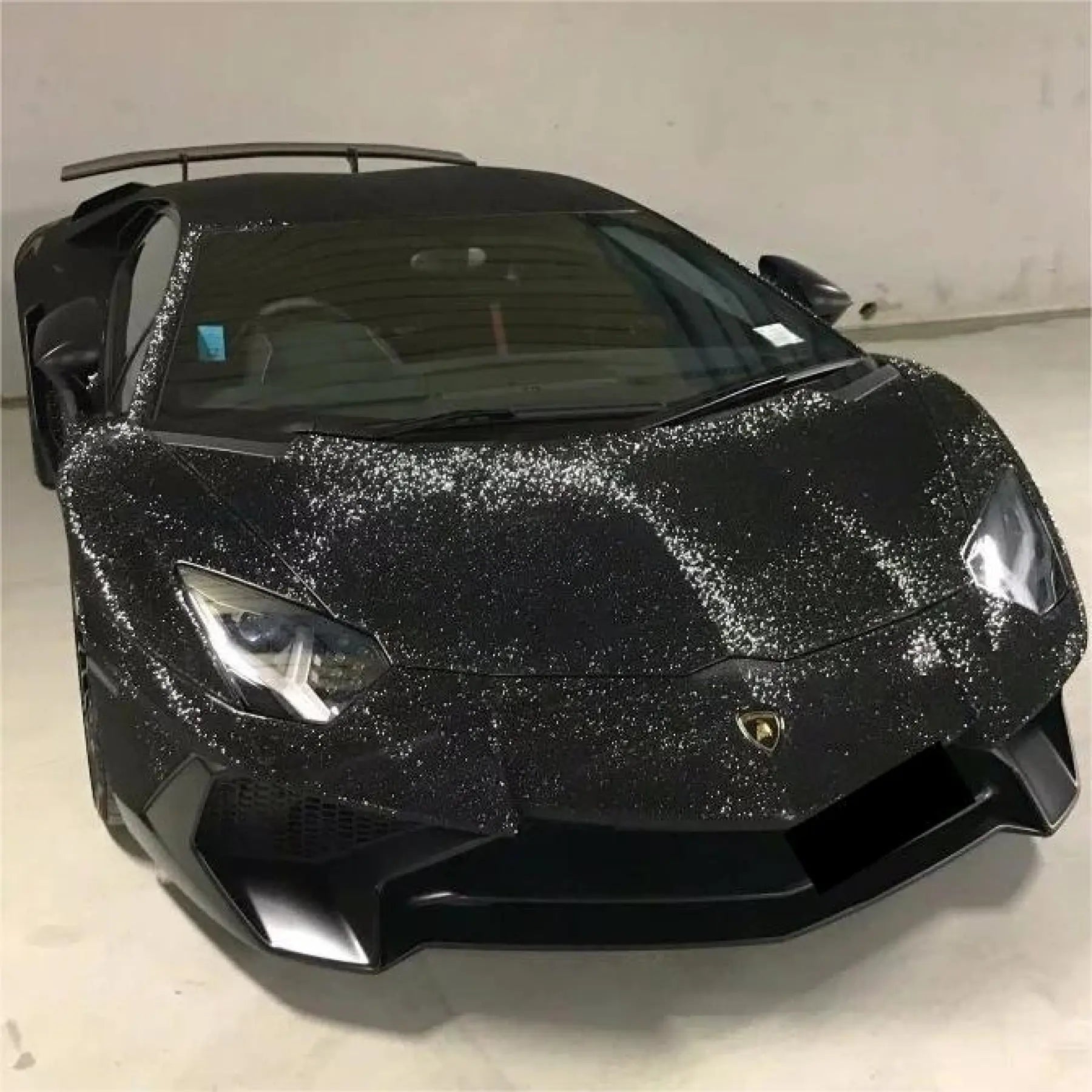
Multiple vinyl layers create depth effects impossible with single applications. Strategic layering builds dimensional interest while maintaining durability. Our Glitter Sparkle Car Wrap materials layer beautifully with carbon fiber for unique custom appearances.
Conclusion
Mastering carbon fiber wrap installation techniques transforms automotive customization from daunting challenge to achievable goal. Proper preparation, controlled heat application, and patient execution deliver professional results worthy of premium vehicles.
Understanding material properties, respecting environmental conditions, and employing correct tools ensures successful installations. Whether tackling complete vehicle transformations or strategic accent applications, these techniques apply universally.
The versatility of carbon fiber vinyl enables endless creative possibilities. From classic gloss finishes to textured three-dimensional patterns, options suit every aesthetic preference and budget level. Combined with our Car Vinyl Wrap collection's complementary materials, personalization potential becomes limitless.
Success requires investment in quality materials, appropriate tools, and adequate time for thorough execution. Rushing processes or compromising preparation guarantees disappointing results regardless of skill level. Patience and precision separate exceptional installations from obvious amateur attempts.

