






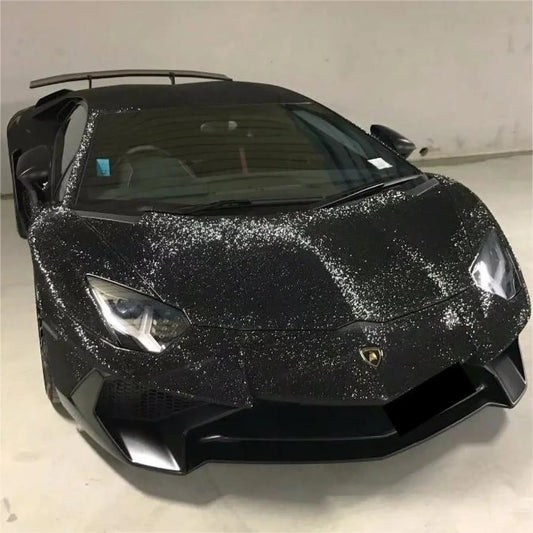
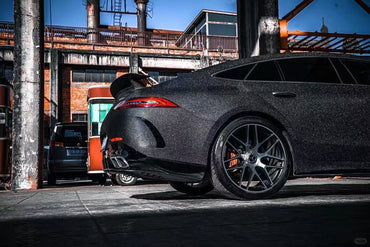





Routine care can make a major difference to how a color-change wrap looks over time. Dust, road salt, fuel, bird droppings, tree sap, and hard water marks may seem harmless when they first land on the vehicle. Left in place, they can become more difficult to remove and may affect the film's appearance. At the same time, aggressive washing can scratch a glossy surface or lift an edge.
This guide covers a careful maintenance routine for wrapped vehicles: what to do in the first days after installation, how to hand wash, how to treat common contaminants, and how to think about matte, satin, gloss, and textured finishes. Film makers publish product-specific care instructions, and those instructions take priority. The recommendations below are general principles; they are not a substitute for the data sheet for the actual wrap installed on the vehicle.
Begin with the film's aftercare instructions
Ask the installer for the film brand, series, finish, installation date, and written care guide. A wrap can look similar to another product but have different approved cleaners and waiting periods. Some products have a protective surface layer that should be handled in a particular way. Others may be sensitive to a solvent that seems safe on conventional automotive paint.
Do not wash immediately after installation. Adhesive needs time to build its bond, especially around curves and edges. As one specific example, 3M's maintenance guidance for Wrap Film Series 2080 says not to wash for at least 72 hours after installation; its vehicle color-change bulletin also sets post-application conditions. That timing applies to the referenced 3M product instructions and should not automatically be used for another film. Follow the exact instructions provided with your wrap.
During the initial period, keep the vehicle in the conditions recommended by the installer. Avoid high-pressure spray, rain exposure if the instructions advise against it, and anything that may catch a fresh edge. If you notice a bubble or lifted area, contact the installer rather than pressing it repeatedly or applying household glue.
Hand washing is usually the gentlest routine
Rinse loose dirt away before touching the film. Dust and grit can act like abrasives when dragged across the surface. Use plenty of clean water, a soft clean wash mitt or cloth, and a mild automotive wash product approved for the film. Wash gently from cleaner upper panels toward lower dirtier areas, rinsing the wash media often. Avoid brushes, scouring pads, rough towels, and forceful scrubbing.
After washing, rinse thoroughly so cleaner does not dry on the surface. Dry with a clean, soft microfiber towel or the product-approved drying method. Hard water can leave mineral spots, especially when the car dries in direct sun. If possible, wash in shade on a cool surface and dry soon after rinsing.
Automatic brush washes may scratch or dull some wrap finishes and can catch edges. 3M recommends hand washing when possible and identifies touchless washing as the preferred alternative when an automatic wash is necessary for its 2080 film. Touchless systems still use chemicals and pressure, so follow the film's own care instructions and check the wash's suitability. Do not point a high-pressure jet directly at film edges or seams.
Use pressure washers cautiously
Pressure washing can force water beneath edges or damage a surface if used too close or at excessive pressure. Manufacturer guidance differs by film and tool. If a pressure washer is permitted, use the distance, nozzle, pressure, and angle described in the relevant care bulletin. Keep the spray moving and direct it away from exposed edges, seams, and damaged areas. When in doubt, hand washing is the safer option.
Pay attention to badges, door handles, mirror caps, wheel arches, and bumper transitions where edges may be more exposed. If you see a lifted edge, do not blast it clean. Stop and have the installer assess it. A high-pressure stream can turn a small issue into a larger area of delamination.
Treat spills and contaminants promptly
Some contaminants should be removed as soon as it is practical. Fuel spills, for example, can degrade certain vinyl films and adhesives. 3M advises wiping fuel spills from its 2080 film immediately, followed by the normal cleaning process. Blot or wipe gently with a clean cloth and then clean the area according to the product instructions.
Bird droppings, insects, tree sap, and road tar can bond more firmly if left to bake in sunlight. Soften the deposit using the method and cleaner approved for the wrap. For one 3M 2080 guidance example, difficult contaminants such as tree sap can be softened with hot soapy water before rinsing and drying. Do not assume that every solvent, citrus remover, or household product is safe for every finish. Test any cleaner on a discreet area first and follow its label, including protective equipment and dwell time.
Never scrape a contaminant with a metal blade or abrasive pad. A soft plastic tool may be acceptable for particular products, but only when the manufacturer permits it. Rubbing hard can scratch the film or polish a matte surface into a glossy patch. If the stain remains after the approved gentle process, ask the installer or film supplier before using a stronger cleaner.
Matte, satin, gloss, and textured films need different care
Matte films diffuse reflected light and can show fingerprints or oily marks differently from gloss. Avoid polishing or waxing unless the product maker explicitly approves it; a product intended to increase gloss can create shiny patches. Clean with the approved method using a soft lint-free cloth and do not scrub in a concentrated spot.
Satin films sit between matte and gloss, but that does not mean they tolerate products designed for either finish. Use a compatible cleaner and wipe evenly. If you work one small area repeatedly, its sheen may differ from the surrounding panel.
Gloss films reflect light clearly, so fine scratches, swirl marks, water spots, and trapped debris can be easy to see. Rinse away particles before washing, use clean soft materials, and avoid automatic brushes. Polishing products are not universally safe; check the product bulletin before applying wax or polish.
Metallic and textured films can have directional effects or raised patterns. Abrasive treatment may flatten the texture or change the way flakes reflect light. Clean gently and consistently. For brushed, carbon-look, or embossed surfaces, follow any direction-specific guidance from the manufacturer so wiping does not highlight the pattern unevenly.
These finish descriptions are broad categories. The film series and finish code matter more than a general label. When the manufacturer names a cleaner for a specific finish, use that information rather than a product recommendation intended for a different film.
Understand cleaners, waxes, and coatings
Not all “car-safe” products are wrap-safe. Strong solvents, abrasive compounds, aggressive degreasers, and products that leave residues may alter gloss or texture. Check the wrap maker's technical information before applying a wax, sealant, ceramic coating, polish, or solvent. A product compatible with painted clear coat may still change a vinyl finish.
3M's 2080 maintenance bulletin lists products by film finish and advises testing a chosen cleaner on a small inconspicuous area before using it across the wrap. Avery Dennison's Supreme Wrapping Film instructions direct users to its vehicle wrap maintenance bulletin and warn against applying certain hard solvents directly to its film. Those examples illustrate why product-specific instructions matter; they do not establish one universal cleaner for all wraps.
When testing a product, follow the label exactly. Use a hidden area that is still representative of the finish, apply the product as directed, and observe whether it changes color, texture, gloss, or feel. If there is any unexpected change, stop. Never mix cleaning products or use a solvent near an open flame. Ensure adequate ventilation and protective equipment for any chemical use.
Protect the wrap between washes
Parking under cover, in a garage, or in shade when practical can reduce exposure to sun, heat, tree sap, and bird droppings. A breathable vehicle cover may help if it is clean and used according to its instructions; a dirty or abrasive cover can scratch the film when it moves against the paint. Avoid parking where branches, construction dust, or irrigation spray routinely reach the vehicle.
Clean the vehicle when it becomes dirty rather than letting contaminants accumulate for long periods. Remove fuel spills promptly. After driving on salted roads, rinse the vehicle when conditions permit. Drying after a wash helps minimize water spots. Keep a small kit of clean microfiber towels and the approved spot cleaner in the garage, but do not wipe a dry dusty panel without first rinsing off grit.
Inspect the wrap periodically, especially edges, seams, and high-impact areas. Look for lifted corners, cuts, cracking, discoloration, or damage around door cups and bumpers. Early inspection helps you contact the installer before a loose edge catches dirt or water. Do not trim or glue a damaged section yourself unless the manufacturer or installer has provided a specific repair procedure.
Common care mistakes
- Washing before the film's stated post-installation waiting period has passed.
- Rubbing dry dirt across the surface instead of rinsing it away first.
- Using brush washes, rough sponges, or abrasive towels on sensitive finishes.
- Directing a powerful water jet at edges, seams, or damaged film.
- Leaving fuel, sap, droppings, insects, or salt on the wrap for extended periods.
- Applying wax, polish, ceramic coating, or solvent without checking compatibility.
- Scrubbing matte or textured film until its sheen or pattern changes.
- Using one aggressive cleaning method on every finish and film series.
- Ignoring a lifted edge or trying to fix it with household adhesive.
A simple weekly and seasonal routine
For regular use, inspect the car when you wash it. Rinse first, hand wash gently, rinse again, and dry with clean materials. Spot clean fresh contamination using the product-specific guidance. Check edges and seams for changes. This routine is more useful than occasional aggressive cleaning because it removes contaminants before they have time to harden.
In winter or after driving near the coast, road salt and grime may build up more quickly. Rinse the vehicle when possible, paying attention to lower panels without aiming directly at film edges. In hot sunny conditions, wash in shade and avoid letting cleaner dry on the surface. If the vehicle is stored outdoors for long periods, consider the manufacturer's advice about shade and protection.
These are care habits, not a guarantee of a particular service life. Wrap durability depends on product choice, installation quality, vehicle use, climate, storage, cleaning, and the condition of the paint underneath. If the film changes unexpectedly, ask the installer or manufacturer to identify the cause before trying a corrective product.
Care protects the look you chose
A wrap is easiest to maintain when the owner knows the exact film and follows its care instructions from the start. Wait the required time after installation, rinse away loose dirt, wash gently, remove damaging contaminants promptly, and treat each finish according to its product guidance. Avoid pressure, abrasion, and untested chemicals around edges and delicate surfaces.
When you are uncertain about a cleaner or a stain, test in a discreet area and seek product-specific advice. A cautious maintenance routine preserves the appearance of the film and helps keep small problems from becoming larger repair jobs.
