

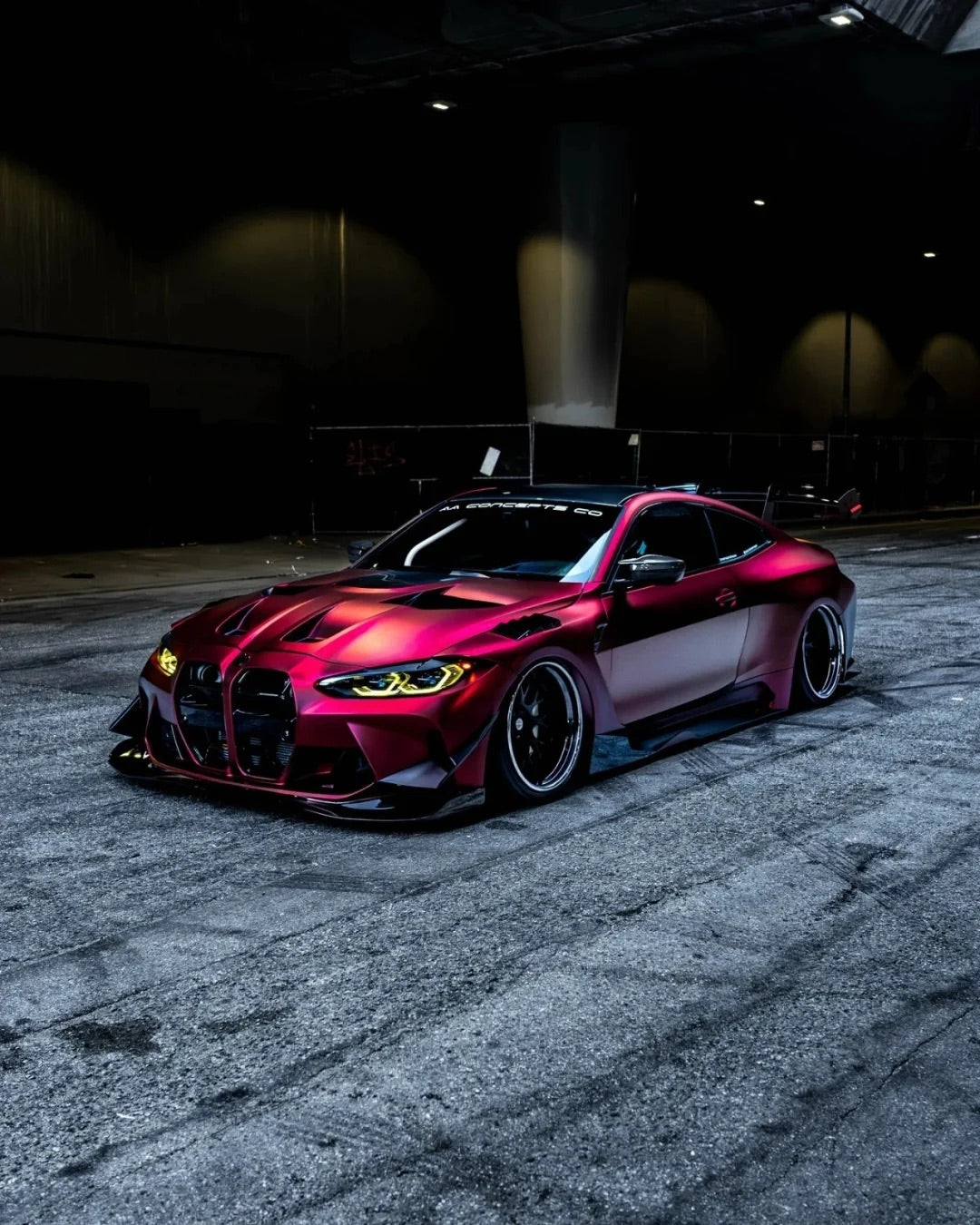
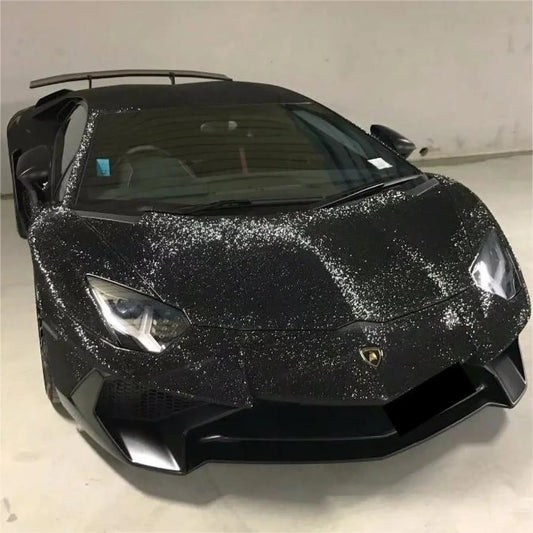
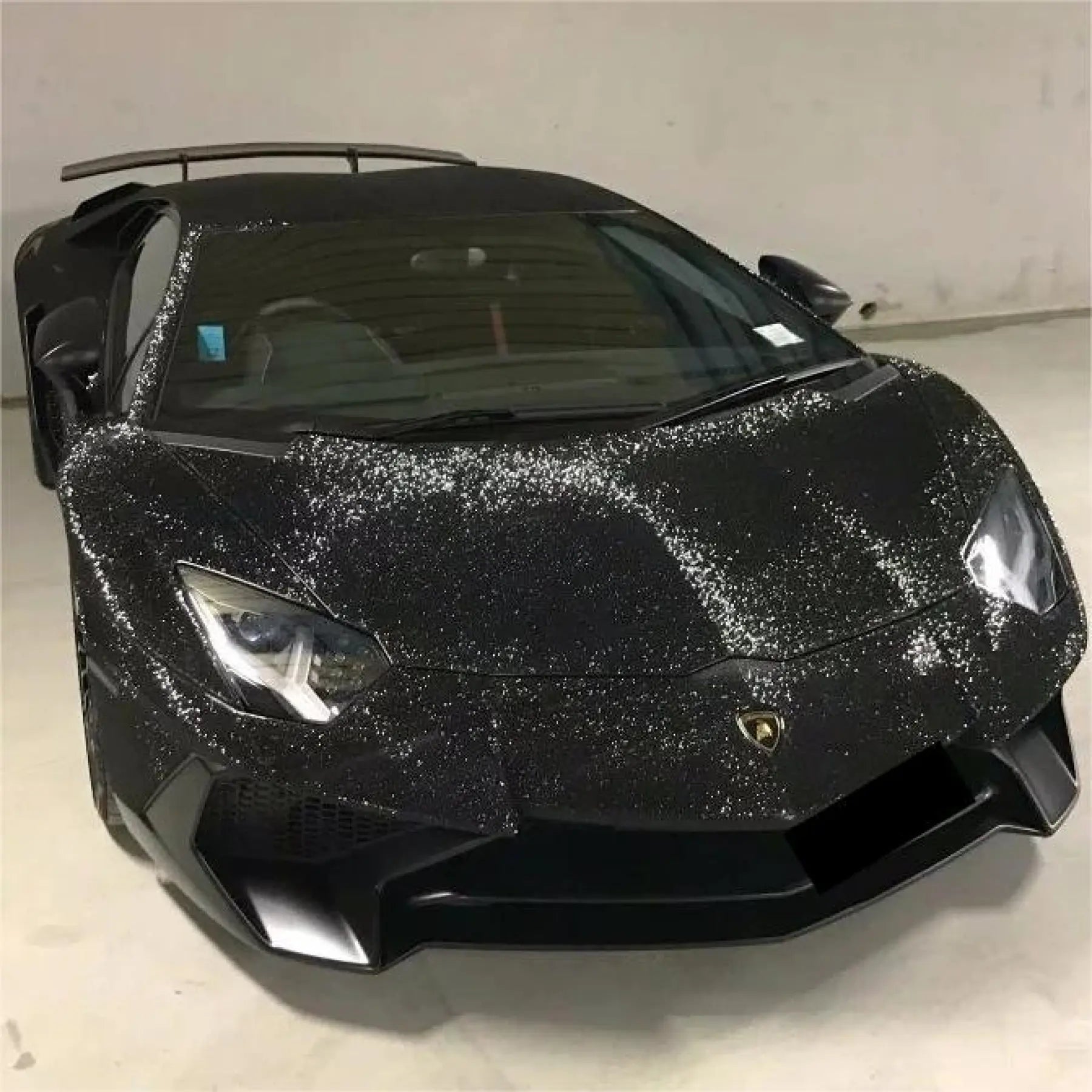
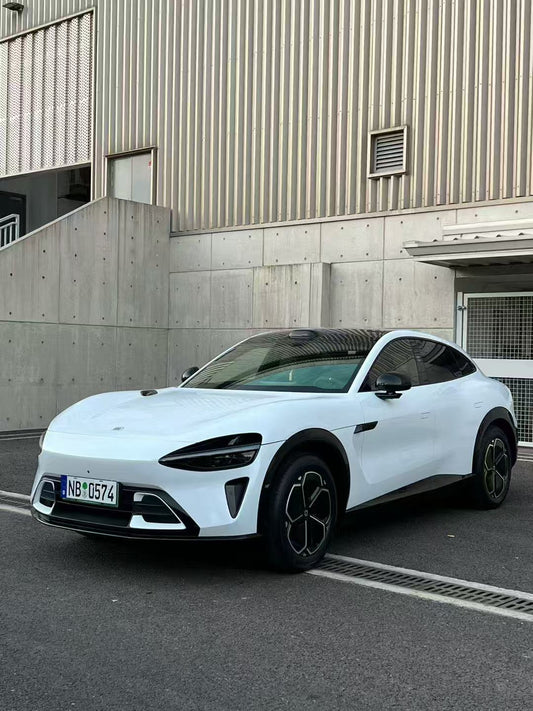
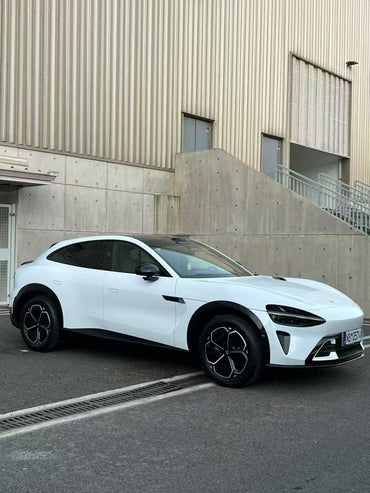
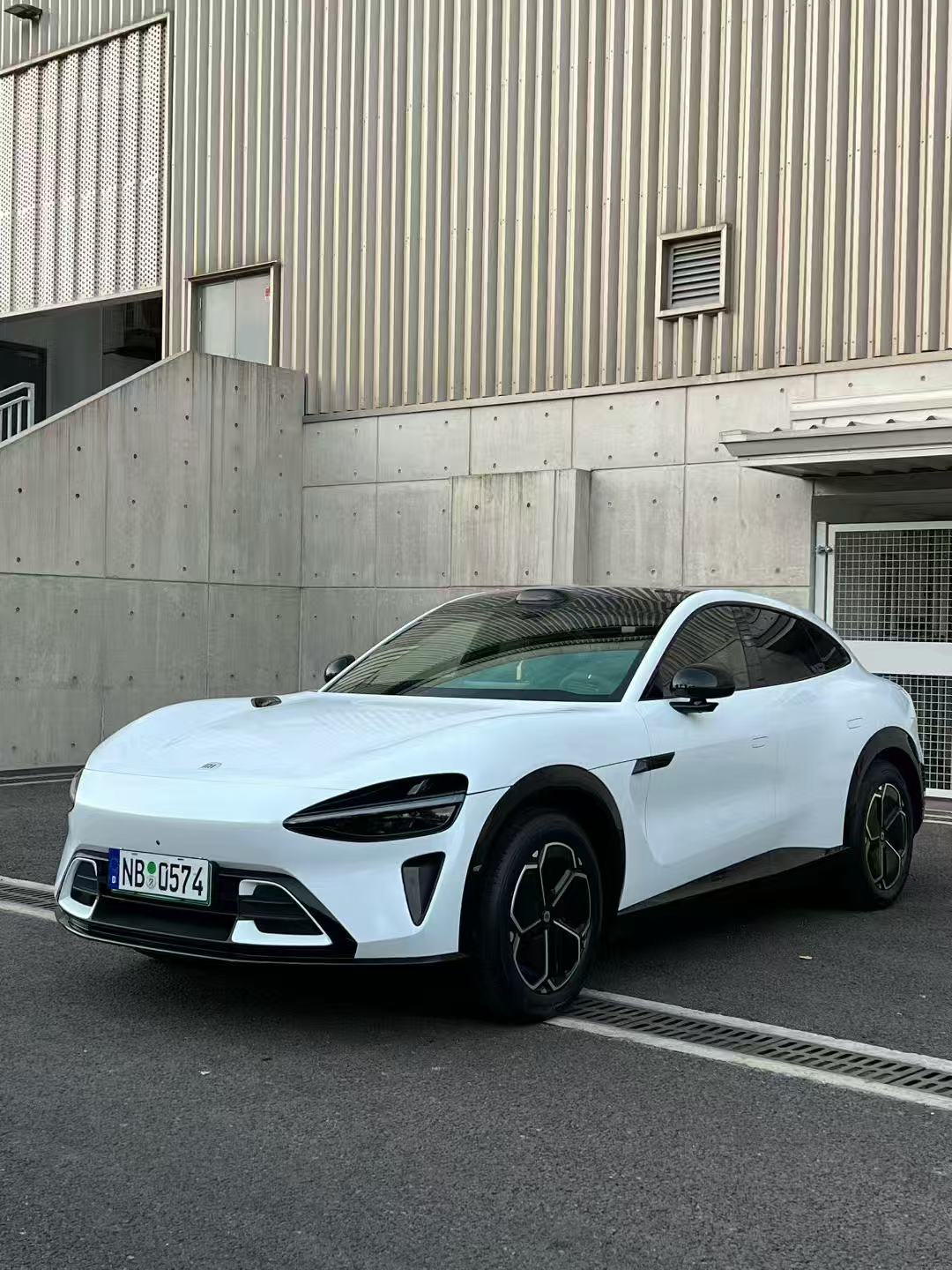


Drivers looking for a new vehicle color are seeing a newer option alongside conventional color-change wraps: color paint protection film, or color PPF. At the 2026 SEMA Show, Avery Dennison highlighted its PrismaPro color PPF alongside a new series of Supreme Wrapping Film colors—a useful sign of how quickly the restyling conversation is expanding.
Both options can transform a vehicle’s appearance, but they are designed with different priorities. The right choice depends on what you want from the film, the product available in your market, and the installer’s experience.
What is color PPF?
Paint protection film is designed to cover painted panels and help shield the surface from certain everyday impacts and contaminants. Color PPF adds a color-change finish to that role. For example, Avery Dennison describes PrismaPro as a dry-apply color PPF with an 8.5 mil TPU construction and a heat-responsive self-healing topcoat. Its product sheet lists ten colors for that specific range. Those details apply to that product; other brands and film lines may differ.
Color PPF should not be treated as damage-proof. Protection claims, care requirements and warranty coverage depend on the exact film, installation and conditions. Check the current product data sheet and warranty terms before deciding.
What does a conventional vinyl wrap prioritize?
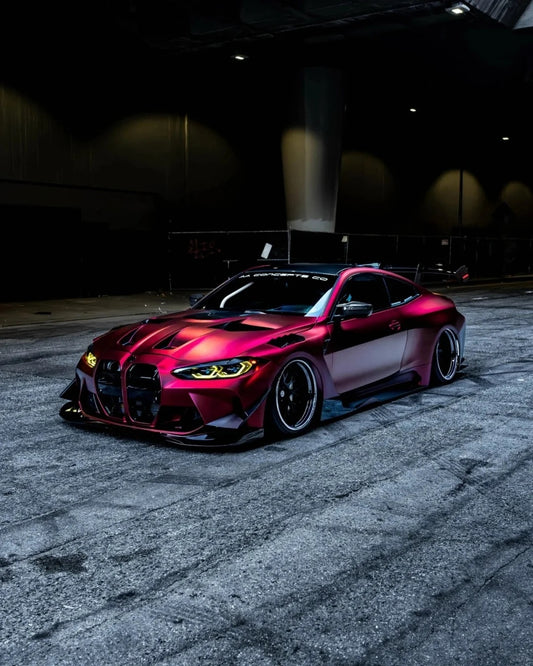
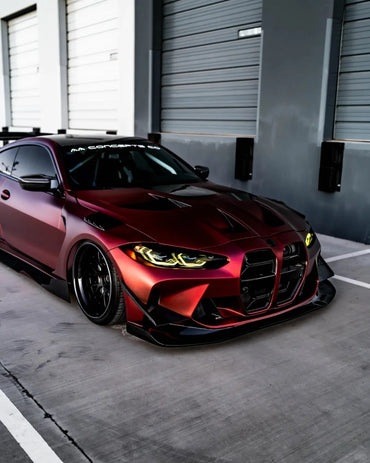
A color-change vinyl wrap is primarily a styling choice: it gives you a new exterior look without repainting the vehicle. Wrap collections can offer a wide mix of colors and visual effects. SAILI’s options include Rainbow Laser White Chrome, Galaxy Chameleon Diamond Blue White and Matte Chameleon Aurora White.
Product construction, care, service life and warranty vary across films, so compare the specifications for the particular wrap you’re considering. A style film should not be assumed to provide the same impact protection as a paint protection film.
Quick comparison
| Question | Color-change vinyl wrap | Color PPF |
|---|---|---|
| Main goal | Change the vehicle’s appearance | Combine a color change with the protection features specified for that PPF product |
| What to compare | Color and finish selection, application guidance, care and warranty for the chosen film | Protection claims, finish and color availability, application method, care and warranty terms |
| Ask the installer | Which wrap film suits the panels and finish you want? | Have you installed this exact color PPF, and what are its paint and warranty requirements? |
How to choose
- Set your priority. If the main goal is a distinctive color or finish, compare style-focused wrap options. If you also want a film with stated paint-protection features, ask about color PPF.
- Compare real samples. View the finish outdoors and in shade. Metallic, satin and color-shift films can look different as the light and viewing angle change.
- Check the product details. Look at the exact film’s available colors, approved surfaces, application method, care instructions and written warranty. Dry-apply and wet-apply processes are not interchangeable unless that product’s instructions say so.
- Talk through the vehicle’s paint condition. Existing repairs, aged paint or weak adhesion can affect whether a film is suitable and how it may come off later. Get the installer’s assessment before booking.
The takeaway
Color PPF is bringing color customization and paint-protection features together in one category, and new launches have put it in the spotlight. Conventional vinyl wrap remains a separate option for drivers focused on changing the look. Compare the exact film—not just the category name—and choose the one that fits your goals, vehicle and care expectations.

