





Poor Surface Preparation Creates Adhesion Failure
The foundation of any successful vinyl wrap installation begins long before the film touches your vehicle. Neglecting thorough surface preparation ranks among the most damaging mistakes, causing premature peeling, lifting at edges, and unsightly air pockets beneath the material.
Contaminants invisible to the naked eye interfere with adhesive bonding. Oils from fingerprints, wax residue from previous detailing products, road tar, and microscopic dust particles create barriers preventing proper attachment. Even vehicles appearing clean require multi-stage decontamination processes.
Professional installers recommend washing with automotive-specific soap followed by clay bar treatment to remove embedded particles. Iron remover eliminates brake dust contamination, while dedicated prep solutions strip remaining oils. Surfaces must dry completely before application, as trapped moisture causes bubbles and accelerates wrap deterioration.
According to Wikipedia's vehicle vinyl wrap article, cast vinyl films conform well to curved surfaces when applied correctly, but this conformability depends entirely on clean substrate contact.
Incorrect Temperature During Application
Environmental conditions significantly impact vinyl behavior during installation. Working outside optimal temperature ranges causes immediate problems and long-term failures that manifest weeks or months later.
Cold environments below 60°F (15°C) make vinyl rigid and difficult to manipulate. The material loses flexibility, increasing tearing risk around complex curves. Adhesive activation decreases substantially, preventing proper bonding regardless of technique quality. Many installers attempt compensating by applying excessive heat, creating additional problems.
Conversely, hot conditions above 90°F (32°C) make films overly pliable and challenging to control. The material stretches too easily, leading to permanent deformation and inconsistent thickness across panels. Adhesive becomes aggressively tacky, eliminating repositioning opportunities when alignment adjustments become necessary.
The ideal temperature range falls between 68°F and 77°F (20°C-25°C). Controlled indoor spaces with climate management provide consistent conditions impossible to achieve outdoors. Both the vinyl and vehicle surface should reach this temperature before beginning work.
Improper Heat Gun Technique
Heat application represents one of the most misunderstood aspects of vinyl wrapping. Using a heat gun incorrectly causes irreversible damage including material distortion, color changes, adhesive failure, and film shrinkage that appears after installation.
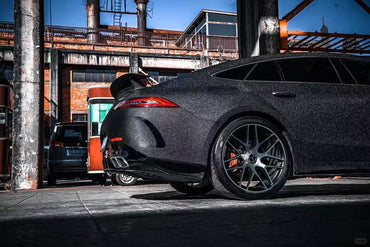
Beginners often apply too much heat in concentrated areas while neglecting surrounding sections. This creates localized stress points where the material behaves differently than adjacent areas. Uneven heating produces visible inconsistencies in finished appearance, particularly noticeable on metallic vinyl wraps where light reflection reveals imperfections.
The correct approach maintains moderate temperature with constant movement across broader areas. Quality heat guns with adjustable settings allow precise control impossible with consumer-grade alternatives. Holding the gun perpendicular to surfaces at approximately six inches distance provides optimal heat distribution without scorching.
Post-heating represents an equally critical step many skip entirely. After initial installation, edge sealing through careful heat application ensures long-term adhesion around complex curves, recesses, and trim areas. This process activates the adhesive bond and helps the material settle into its final position.
Overstretching the Vinyl Film
Vinyl wraps possess remarkable stretchability, allowing conformity to three-dimensional surfaces. However, pushing material beyond its designed limits creates problems that worsen over time regardless of initial appearance quality.
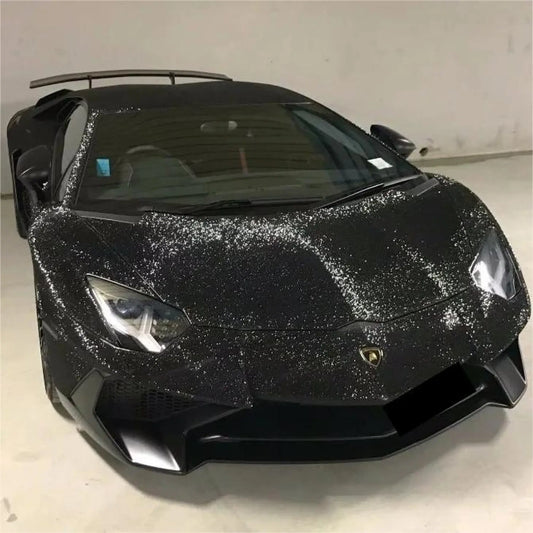
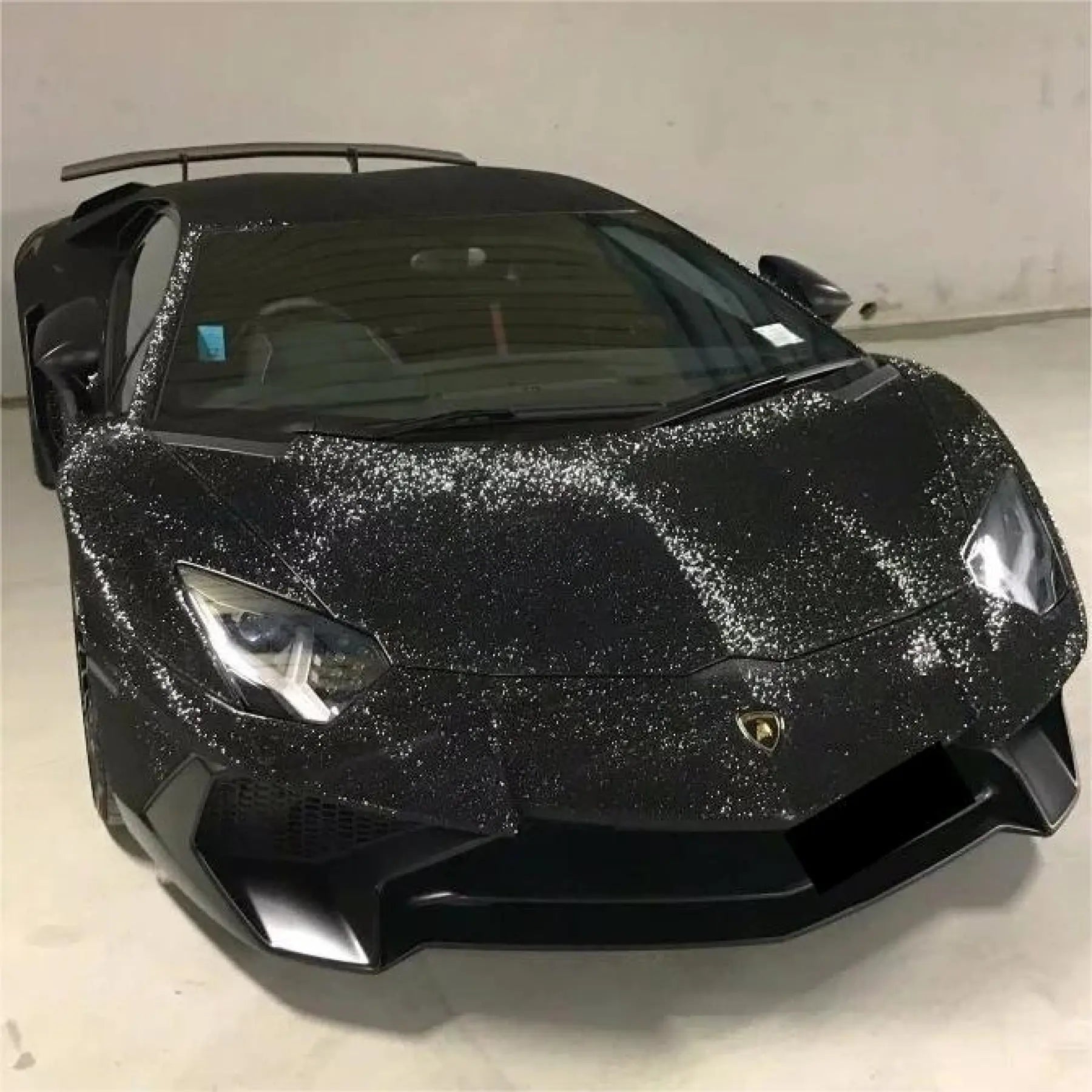
Overstretched vinyl becomes thinner at stress points, altering color saturation and finish consistency. This effect appears particularly pronounced on crystal vinyl wraps and glitter sparkle car wraps where uniform particle distribution creates visual appeal. Stretched areas display muted colors or visible thinning compared to adjacent sections.
More concerning, overstretched material retains memory of its relaxed state. Weeks after seemingly successful installation, the vinyl contracts toward original dimensions, lifting edges and creating wrinkles where tension existed. This phenomenon accelerates in warm conditions when adhesive softens.
Professional technique involves working the material gradually with heat assistance rather than pulling aggressively. Relief cuts at strategic points reduce stress when wrapping around hinges, mirrors, and complex geometry. These small incisions allow the film to follow contours naturally without excessive tension.
Skipping the Curing Period
Patience separates professional results from amateur failures. Vinyl wraps require adequate curing time for adhesive bonds to reach full strength, yet many installers expose vehicles to demanding conditions immediately after completion.
Fresh installations remain vulnerable to moisture intrusion, temperature fluctuations, and physical stress. The adhesive continues developing strength for 24-72 hours depending on environmental conditions. Exposing vehicles to rain, aggressive washing, or extreme temperatures during this period causes edge lifting and compromises long-term durability.
TPU paint protection film with self-healing technology requires similar consideration. While these advanced materials recover from minor scratches through heat exposure, this property develops fully only after proper curing completes.
Professional recommendations include keeping vehicles indoors or under cover for the initial 48 hours minimum. Avoiding car washes for at least one week allows complete adhesive activation. Hand washing with dedicated wrap-safe products becomes acceptable after this period.
Using Low-Quality or Incompatible Materials
Material selection determines maximum achievable results regardless of installation skill. Bargain-priced vinyl often contains inferior adhesives, lacks air-release technology, and demonstrates poor conformability around curves.
Premium films like those in the liquid chrome wrap collection feature pressure-sensitive adhesives with air-release channels enabling bubble elimination without puncturing. Budget alternatives trap air permanently, requiring tedious needle work or complete panel reapplication.
Finish compatibility matters equally when combining products. Mixing manufacturers or product lines risks adhesive conflicts and uneven appearance. Selecting materials from unified collections ensures consistent behavior across all vehicle panels.
Requesting sample kits before committing to full vehicle coverage allows testing specific colors and finishes on your particular paint. This small investment prevents expensive disappointments when full rolls arrive.
Neglecting Proper Tools
Attempting professional results without appropriate equipment virtually guarantees frustration and substandard outcomes. While vinyl wrapping seems straightforward, precision tools dramatically improve efficiency and final quality.
Quality squeegees with proper hardness remove air without scratching delicate finishes. Different edge profiles suit various applications, from flat panels to deep channels around windows. Feltless squeegees work well for initial positioning while felt-wrapped versions prevent marring during final smoothing.
Precision cutting requires fresh blades changed frequently during large projects. Dull knives tear rather than slice cleanly, leaving ragged edges that lift prematurely. Professional-grade knives maintain consistent pressure and angle throughout cuts.
The SAILI Professional Car Tool Wrapping Kit 13-in-1 provides comprehensive equipment including multiple squeegee types, heat gun, cutting tools, and precision instruments designed specifically for automotive vinyl applications.
Rushing the Installation Process
Time pressure causes more installation failures than any single technique error. Vinyl wrapping rewards patience and methodical approaches while punishing hurried work with visible defects.
Large panels like hoods, roofs, and doors require careful positioning before any adhesive contact. Unlike paint, vinyl cannot be repositioned infinitely. Each placement and lift weakens adhesive effectiveness while increasing fingerprint contamination risk. Planning approach angles and working sequences before beginning prevents mid-project corrections.
Complex areas around door handles, mirrors, and emblems demand particular attention. These zones experience frequent physical contact and temperature cycling, making them prone to failure. Spending extra time on edge sealing and relief cuts around hardware prevents the most common visible failures.
Ignoring Environmental Factors After Installation
Installation completion marks the beginning of maintenance responsibility rather than its end. Environmental exposure continues affecting vinyl condition throughout its lifespan, and protective measures extend durability significantly.
Ultraviolet radiation degrades vinyl films progressively, causing color fading and material brittleness. While premium films include UV stabilizers, parking in shaded areas or covered structures when possible reduces cumulative exposure. This consideration matters particularly for dual color dream vinyl wraps where color-shifting effects depend on precise pigment integrity.
Chemical exposure from bird droppings, tree sap, and road treatments requires prompt attention. These substances contain acids or solvents that damage vinyl surfaces if allowed prolonged contact. Regular inspection and immediate cleaning of contamination preserves appearance and protective properties.
Harsh cleaning products containing ammonia, alcohol, or abrasive compounds degrade vinyl finishes rapidly. Dedicated wrap-safe wash solutions maintain surface integrity while removing accumulated dirt. Automatic car washes with brushes create scratches and can lift edges, making hand washing the preferred maintenance approach.
Improper Removal Techniques
Eventually, every vinyl wrap requires removal for replacement or return to original paint. Incorrect removal procedures damage underlying surfaces, creating expensive repair requirements that exceed original wrap costs.
Aggressive peeling without heat assistance tears adhesive layers, leaving residue requiring chemical removal. These chemicals can damage clearcoat if misapplied or left too long. Patient heating softens adhesive, allowing controlled removal at angles that minimize residue transfer.
Aged vinyl becomes brittle, tending to fracture rather than peel cleanly. Professional removal of deteriorated wraps involves sectional heating and gradual progress rather than attempting large panel removal. This painstaking approach preserves factory paint while eliminating wrap material completely.
Choosing the Right Vinyl for Your Project
Different applications demand specific vinyl characteristics for optimal results. Understanding material categories prevents mismatches that compromise performance despite proper installation technique.
Full vehicle color changes require conformable cast vinyl with sufficient stretch for three-dimensional surfaces. Products like the 3D carbon fiber wrap collection feature textures that require exceptional flexibility during application around complex curves.
Paint protection applications benefit from colored paint protection film combining aesthetic transformation with substrate protection. These thermoplastic polyurethane materials offer self-healing properties and impact resistance beyond decorative vinyl capabilities.
Accent applications on flat or gently curved surfaces allow greater material variety. Partial wraps using best sellers provide dramatic visual impact with reduced material and labor requirements compared to full vehicle coverage.
Conclusion
Successful vinyl wrap installation combines proper preparation, appropriate materials, correct technique, and patient execution. Each element contributes to final results, and weaknesses in any area produce visible compromises regardless of excellence elsewhere.
Beginning installers benefit from starting with smaller projects to develop skills before attempting full vehicle coverage. Practice panels using sample materials reveal personal technique weaknesses without expensive consequences.
Professional installation remains valuable for complex projects or premium materials where results must meet exacting standards. However, understanding proper procedures helps evaluate professional work quality and maintain completed installations effectively.
Your vehicle deserves protection and aesthetics reflecting your personal style. Whether choosing sophisticated ultra matte finishes or eye-catching metallic effects, avoiding these common mistakes ensures your investment delivers lasting satisfaction.
External Anchor Links Included:
- Wikipedia - Vehicle vinyl wrap - Referenced for technical credibility on vinyl wrap definition and properties

