



Understanding Paint Protection Film Technology
Paint protection film represents a revolutionary advancement in automotive surface protection. Modern PPF technology utilizes thermoplastic urethane with integrated self-healing properties that automatically repair minor scratches when exposed to heat. This invisible armor shields your vehicle from rock chips, road debris, UV radiation, and environmental contaminants that gradually degrade factory paint.
The self-healing technology embedded in premium paint protection films activates through natural heat sources. When sunlight warms the film surface or warm water flows over scratched areas, elastomeric polymers within the material realign their molecular structure, effectively erasing surface imperfections. This means your vehicle maintains a flawless appearance without requiring professional intervention for minor damage.
Sailifilm's TPU paint protection wrap collection features both gloss and matte finishes available in multiple thickness options. The 7.5mil and 8.5mil clear PPF formulations provide exceptional durability while remaining virtually invisible on your vehicle's surface. These professional-grade films incorporate hydrophobic top coats that repel water, dirt, and chemical contaminants, significantly reducing maintenance requirements.
The Hidden Costs of Traditional Repainting
Repainting a vehicle involves substantially more expense than most owners anticipate. A professional paint job for a compact car's front-end typically costs between $1,250 to $1,500, covering hood resurfacing at approximately $550 and fender respraying at $350 per side. These figures apply only to basic solid colors; metallic or pearlescent finishes can add $300 to $800 to the total cost.
The repainting process requires extensive preparation work that drives up labor expenses. Technicians must sand existing surfaces, apply primer coatings, spray multiple base coat layers, and finish with clear coat protection. Each stage demands specific drying periods, meaning comprehensive paint projects often require two to three weeks of shop time. Your vehicle remains unavailable during this extended period, creating additional inconvenience and potential transportation costs.
Beyond the immediate financial outlay, repainted panels frequently diminish resale value. Automotive appraisers and potential buyers view non-original paint as a red flag, suspecting prior accident damage or poor maintenance. Even when executed flawlessly by certified professionals, repainted vehicles typically command 10 to 15 percent lower resale prices compared to vehicles maintaining factory-original finishes protected by quality films.
Now let me fetch your website to understand your product offerings better:
sailifilm.com
10 results
Now let me search for some reputable external sources for anchor links:
10 results
Perfect! Now I have all the information I need. Let me create a comprehensive, SEO-optimized blog post about PPF vs. Repainting for Sailifilm.
Cost Analysis: PPF vs. Repainting | Sailifilm
Meta Description: Discover the true cost comparison between paint protection film and repainting your vehicle. Learn why PPF saves money long-term with self-healing technology.
Vehicle owners face a critical decision when protecting their automotive investment: should they apply paint protection film or wait until repainting becomes necessary? This comprehensive cost analysis reveals why understanding the financial implications of both options can save thousands of dollars over your vehicle's lifetime while maintaining pristine aesthetics.
Understanding Paint Protection Film Technology
Paint protection film represents a revolutionary advancement in automotive surface protection. Modern PPF technology utilizes thermoplastic urethane with integrated self-healing properties that automatically repair minor scratches when exposed to heat. This invisible armor shields your vehicle from rock chips, road debris, UV radiation, and environmental contaminants that gradually degrade factory paint.
The self-healing technology embedded in premium paint protection films activates through natural heat sources. When sunlight warms the film surface or warm water flows over scratched areas, elastomeric polymers within the material realign their molecular structure, effectively erasing surface imperfections. This means your vehicle maintains a flawless appearance without requiring professional intervention for minor damage.
Sailifilm's TPU paint protection wrap collection features both gloss and matte finishes available in multiple thickness options. The 7.5mil and 8.5mil clear PPF formulations provide exceptional durability while remaining virtually invisible on your vehicle's surface. These professional-grade films incorporate hydrophobic top coats that repel water, dirt, and chemical contaminants, significantly reducing maintenance requirements.
The Hidden Costs of Traditional Repainting
Repainting a vehicle involves substantially more expense than most owners anticipate. A professional paint job for a compact car's front-end typically costs between $1,250 to $1,500, covering hood resurfacing at approximately $550 and fender respraying at $350 per side. These figures apply only to basic solid colors; metallic or pearlescent finishes can add $300 to $800 to the total cost.
The repainting process requires extensive preparation work that drives up labor expenses. Technicians must sand existing surfaces, apply primer coatings, spray multiple base coat layers, and finish with clear coat protection. Each stage demands specific drying periods, meaning comprehensive paint projects often require two to three weeks of shop time. Your vehicle remains unavailable during this extended period, creating additional inconvenience and potential transportation costs.
Beyond the immediate financial outlay, repainted panels frequently diminish resale value. Automotive appraisers and potential buyers view non-original paint as a red flag, suspecting prior accident damage or poor maintenance. Even when executed flawlessly by certified professionals, repainted vehicles typically command 10 to 15 percent lower resale prices compared to vehicles maintaining factory-original finishes protected by quality films.
Breaking Down PPF Installation Investment
Paint protection film installation costs vary based on coverage area, vehicle complexity, and film quality. Partial front packages protecting high-impact zones including the front bumper, partial hood coverage, and side mirrors typically range from $1,200 to $2,000. Full front-end protection encompassing the complete hood, both fenders, front bumper, and mirror backs generally costs $2,000 to $3,500 for professional installation.
Full-body PPF wrapping represents the ultimate protection investment, with costs ranging from $5,000 to $8,000 depending on vehicle size and design complexity. Luxury vehicles featuring intricate body lines, vented panels, or extensive trim pieces require additional labor time for precise application, potentially pushing costs beyond this range. However, this comprehensive protection eliminates the need for multiple repainting sessions over the vehicle's lifetime.
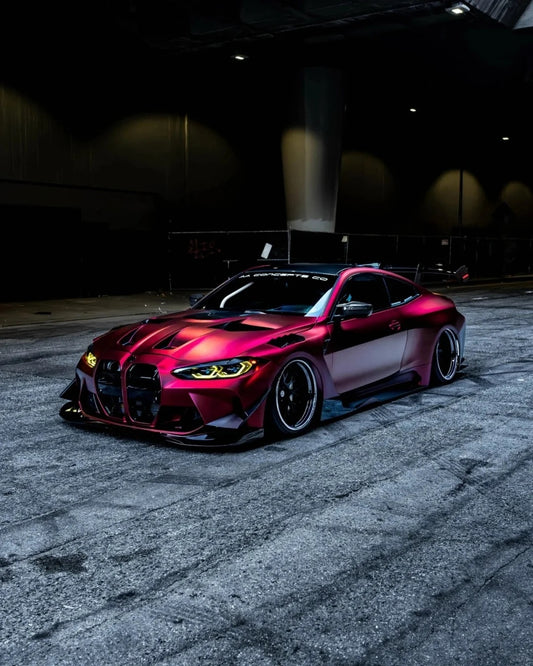
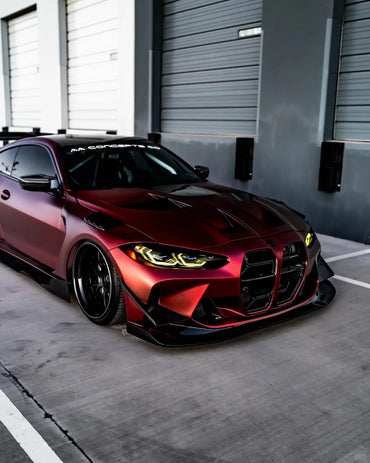
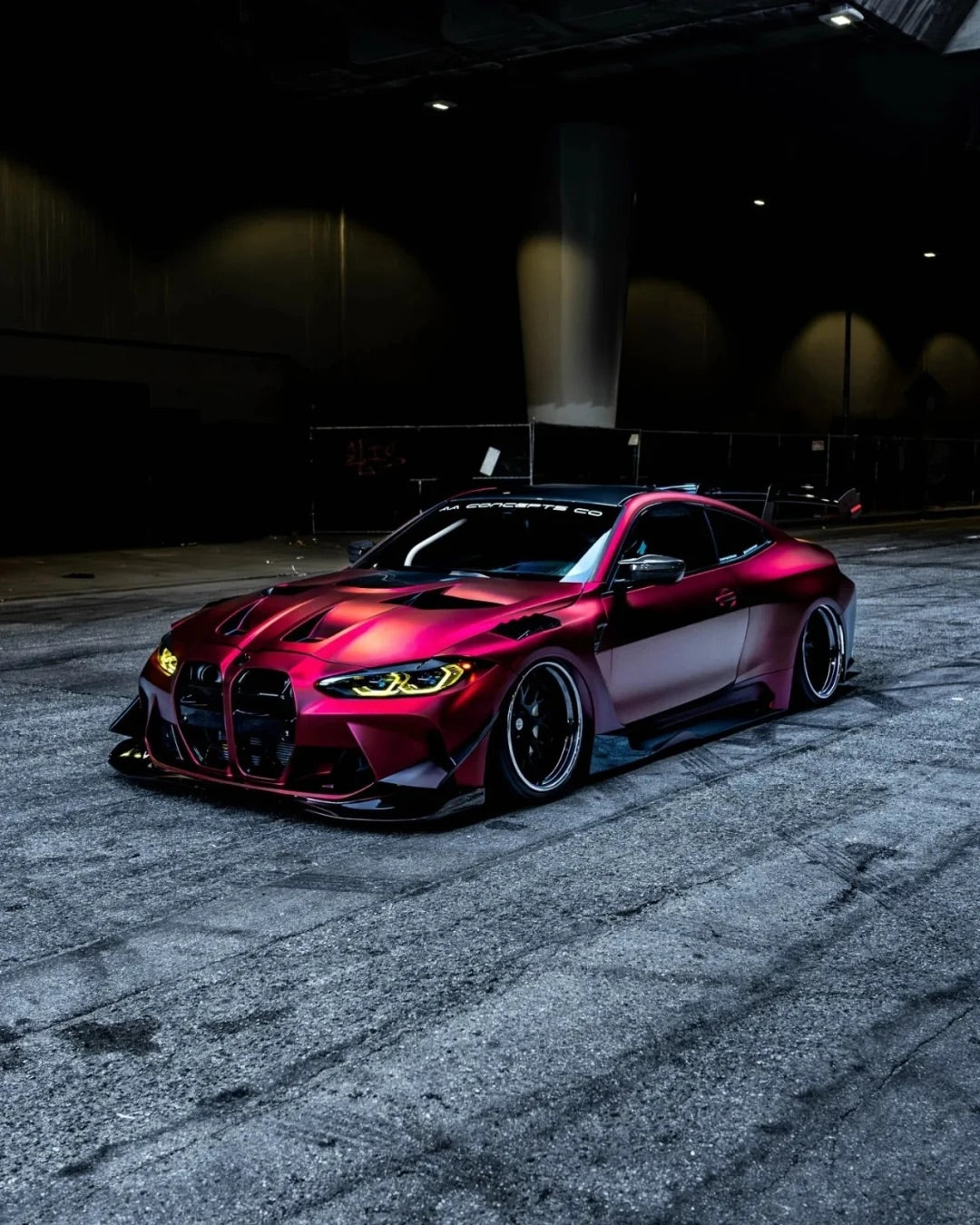
Sailifilm's colored paint protection film collection offers unique advantages for vehicle customization. Available options including Gloss Ferrari Red, Crystal Sky Blue, Blood Red, and Arctic Grey PPF allow owners to transform their vehicle's appearance while simultaneously providing superior paint protection. At $499 per roll, these colored films deliver both aesthetic enhancement and functional protection at a fraction of traditional custom paint job costs.
Long-Term Financial Comparison Analysis
When comparing lifetime costs, paint protection film demonstrates clear financial superiority. Consider a vehicle owner who drives 15,000 miles annually through typical highway conditions. Without protective film, this vehicle likely accumulates sufficient rock chips, scratches, and paint damage to require hood and fender repainting every four to five years. Over a 10-year ownership period, this translates to two complete repainting sessions costing $2,500 to $3,000 total.
Installing comprehensive front-end PPF for $2,500 eliminates these recurring repainting expenses entirely. The protective film absorbs damage that would otherwise penetrate to the paint surface, maintaining the original factory finish throughout the warranty period. Quality paint protection films from manufacturers like Sailifilm last seven to ten years with proper care, often exceeding the typical vehicle ownership duration for many drivers.
The cost differential becomes even more pronounced for vehicles requiring full body protection. Repainting an entire vehicle ranges from $5,000 to $10,000 depending on paint quality and color complexity. A single full-body PPF installation costing $6,000 provides equivalent or superior protection for the vehicle's entire lifespan, while the original paint remains pristine underneath. When you eventually remove the film, the untouched factory finish emerges looking showroom-fresh.
Resale Value Preservation Benefits
Vehicle condition significantly impacts resale pricing, with exterior appearance ranking among the top factors influencing buyer decisions. According to industry data, vehicles maintaining excellent paint condition with minimal cosmetic damage command 10 to 15 percent higher resale values compared to similar models showing visible wear. This premium easily offsets PPF installation costs when calculated across ownership duration.
Paint protection film offers a unique advantage: it's completely removable without damaging underlying surfaces. Before selling your vehicle, you can remove the protective film to reveal pristine original paint that appears untouched by years of driving. This factory-fresh appearance provides powerful negotiating leverage and attracts quality buyers willing to pay premium prices for well-maintained vehicles.
Documented PPF installation also serves as compelling evidence of meticulous vehicle care. Providing potential buyers with installation records and warranty documentation demonstrates your commitment to preservation, building confidence in the overall vehicle condition. Many buyers specifically seek vehicles with professionally applied protection films, recognizing the long-term benefits and reduced future maintenance requirements.
Maintenance Cost Considerations
Traditional paint requires ongoing maintenance to preserve its appearance and protective qualities. Regular waxing every three to four months costs $50 to $100 per application when professionally performed, accumulating to $200 to $400 annually. Paint sealants offer extended protection lasting six months but require more extensive preparation and reapplication processes. Over five years, these routine maintenance procedures cost $1,000 to $2,000 in materials and labor.
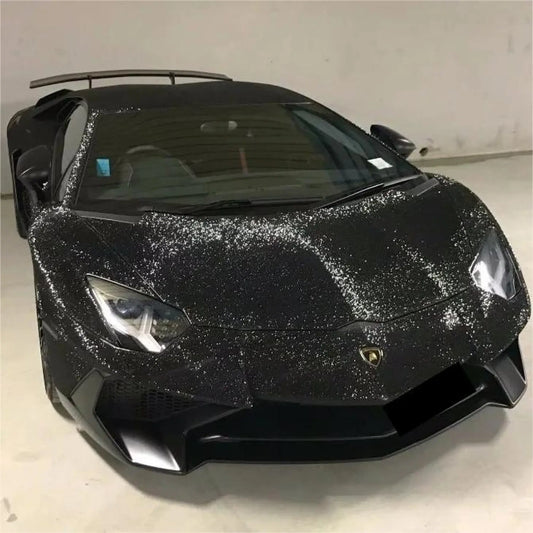
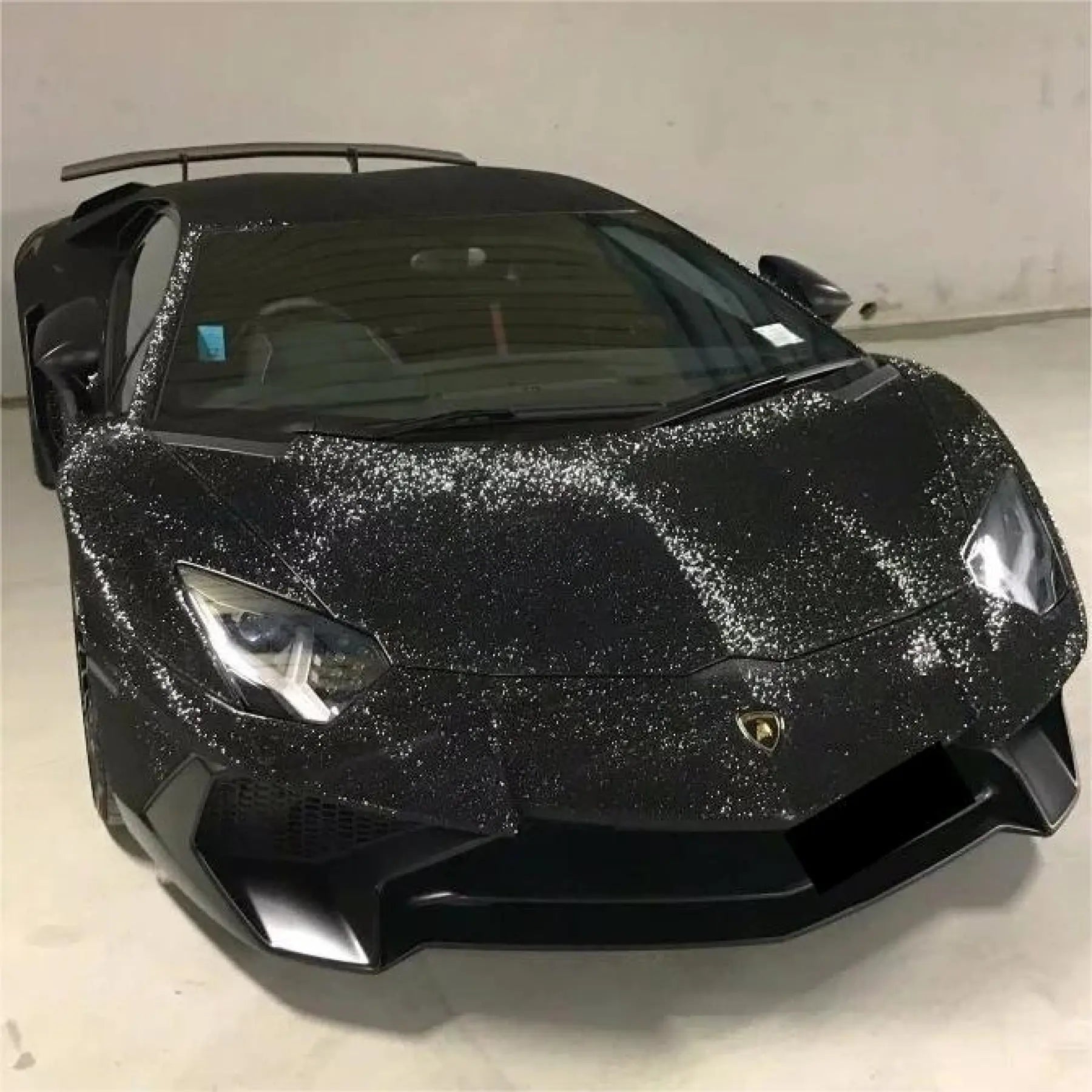
Paint protection film dramatically reduces maintenance expenses and time requirements. The hydrophobic surface coating on quality PPF like Sailifilm's ultra matte wrap and glitter sparkle car wrap collections repels water, dirt, and contaminants, making routine washing significantly easier. Many PPF owners report cutting their washing time in half while achieving superior cleaning results compared to traditional painted surfaces.
When damage does occur on painted surfaces, repair costs escalate quickly. Fixing individual rock chips costs $50 to $150 per chip when professionally addressed. Correcting deeper scratches or small dents can reach $300 to $600 per panel. With protective film installed, these damages affect only the replaceable film surface, not the valuable paint underneath. Minor surface scratches self-heal with heat application, while more significant film damage can be repaired or patched at a fraction of paint repair costs.
Protection Against Environmental Damage
Modern vehicles face constant assault from environmental hazards that gradually degrade paint finishes. Ultraviolet radiation from sunlight causes oxidation and fading, particularly damaging to darker colors and metallic finishes. Acid rain, bird droppings, tree sap, and road salt contain chemicals that etch through clear coats, creating permanent staining and discoloration that requires professional correction or repainting.
The molecular structure of automotive paint makes it inherently vulnerable to these contaminants. Paint systems consist of multiple layers including primer, basecoat, and clearcoat, each designed for specific functions. When environmental contaminants penetrate the clearcoat layer, they reach the color-providing basecoat, causing irreversible damage that no amount of polishing can remove. Complete panel repainting becomes the only restoration option.
Premium paint protection films like Sailifilm's 3D carbon fiber wrap and metallic vinyl wrap collections provide complete isolation from environmental threats. The polyurethane construction blocks UV radiation, preventing paint oxidation and color fading. Chemical contaminants cannot penetrate the film barrier, protecting the underlying paint from etching and staining. When bird droppings or tree sap land on film-protected surfaces, they clean away easily without causing permanent damage.
Coverage Options and Strategic Protection
Strategic PPF application allows budget-conscious owners to maximize protection while managing costs. High-impact areas including the front bumper, hood leading edge, side mirrors, and lower door panels encounter the majority of road debris and damage. Protecting these vulnerable zones with partial coverage packages costing $1,200 to $1,800 prevents the most expensive repainting repairs while staying within moderate budgets.
Full front-end coverage represents the sweet spot for many drivers balancing protection and investment. This comprehensive approach shields the entire hood, both fenders, front bumper, and mirror housings from damage, protecting the most visible and impact-prone surfaces. The complete front protection strategy prevents the awkward visual discontinuity that occurs when only select panels receive treatment, maintaining uniform appearance across the vehicle's forward section.
Sailifilm's rainbow laser vinyl wrap and liquid chrome wrap collections enable creative customization possibilities beyond basic paint protection. These specialty films allow vehicle owners to achieve dramatic aesthetic transformations while simultaneously providing superior surface protection. The dual functionality delivers exceptional value, combining custom appearance modification with practical damage prevention in a single application.
Installation Quality and Longevity Factors
Professional installation quality directly impacts paint protection film performance and longevity. Expert installers possess the specialized equipment and techniques necessary for proper application, including climate-controlled environments, precision cutting tools, and heat-forming equipment. Properly installed PPF features wrapped edges, seamless panel transitions, and bubble-free surfaces that maintain optical clarity throughout the film's service life.
Attempting DIY installation to reduce costs often produces disappointing results. Without professional-grade tools and installation experience, amateur applications frequently exhibit visible seams, trapped air bubbles, and premature edge lifting. These installation defects compromise both the film's protective effectiveness and aesthetic appearance, potentially requiring complete removal and professional reinstallation that ultimately costs more than hiring qualified installers initially.
Sailifilm's dual color dream vinyl wrap and crystal vinyl wrap products require expert application to achieve their full visual impact. The complex color-shifting and reflective properties of these specialty films demand precise installation techniques to prevent optical distortions and maintain consistent appearance. Professional installers familiar with these premium materials ensure optimal results that justify the investment in high-quality protective films.
Warranty Coverage and Long-Term Protection
Quality paint protection films include manufacturer warranties covering yellowing, cracking, peeling, and delamination for periods ranging from five to ten years. These comprehensive warranties provide financial security and performance guarantees that repainting simply cannot match. If covered defects occur, warranty provisions typically include free replacement film and professional reinstallation at no additional cost to the vehicle owner.
Paint warranty coverage differs fundamentally from PPF warranties. Factory paint warranties typically cover only manufacturing defects and premature failure, not damage from normal use and environmental exposure. Once rock chips, scratches, or environmental etching occurs, these damages fall outside warranty coverage, leaving owners responsible for all repair costs. The comprehensive protection and warranty coverage provided by quality films offers far superior long-term value.
Sailifilm's sample kits allow vehicle owners to examine film quality and characteristics before committing to full installation. These test samples enable comparison of different finishes including gloss, matte, and specialty options to determine which best suits individual preferences and vehicle styling. Investing time in sample evaluation ensures satisfaction with the final selection and prevents costly mistakes from choosing incompatible film types.
Making the Informed Decision
The financial analysis clearly favors paint protection film over reactive repainting strategies for most vehicle owners. While the upfront PPF investment requires larger initial expenditure, the elimination of recurring repainting costs, reduced maintenance expenses, and enhanced resale value deliver compelling long-term returns. Vehicles protected with quality films maintain their original factory finish indefinitely, preserving both appearance and financial value.
Different driving patterns and vehicle usage scenarios influence optimal protection strategies. Daily commuters traveling extensive highway miles face greater rock chip and debris damage risks, making comprehensive PPF coverage essential for long-term paint preservation. Weekend drivers or garage-kept vehicles may achieve adequate protection with strategic partial coverage focusing on high-impact areas, reducing investment while maintaining critical surface protection.
Sailifilm's best sellers collection showcases the most popular protection and customization options chosen by discerning vehicle owners. These proven products deliver exceptional performance combining superior protection capabilities with stunning visual appeal. Whether selecting clear protective films, colored options, or specialty finishes, investing in quality paint protection film provides unmatched value compared to the inevitable costs of repeated repainting throughout vehicle ownership.
Visit Sailifilm's car vinyl wrap collection to explore the complete range of protection and customization solutions designed to preserve your vehicle's appearance while expressing your unique style. Professional-grade materials combined with expert installation create lasting protection that saves money, maintains vehicle value, and ensures your automotive investment looks spectacular for years to come.

