




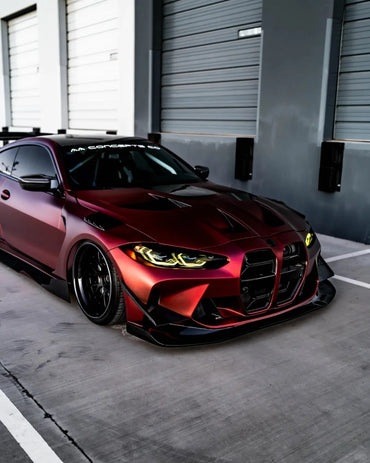

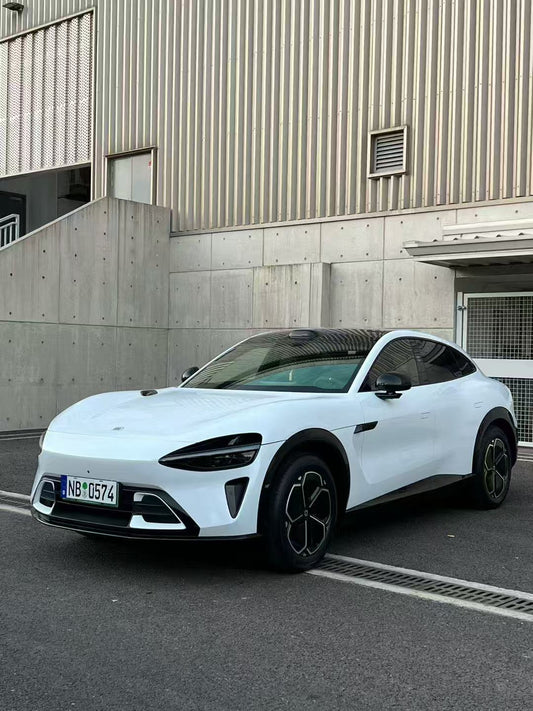
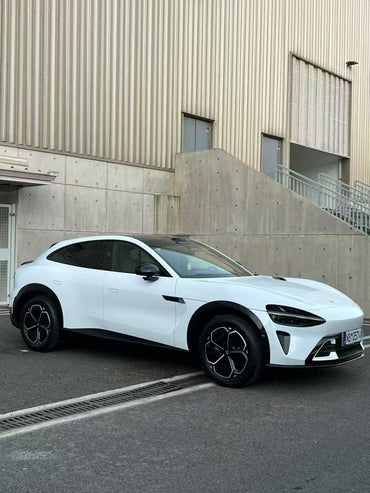
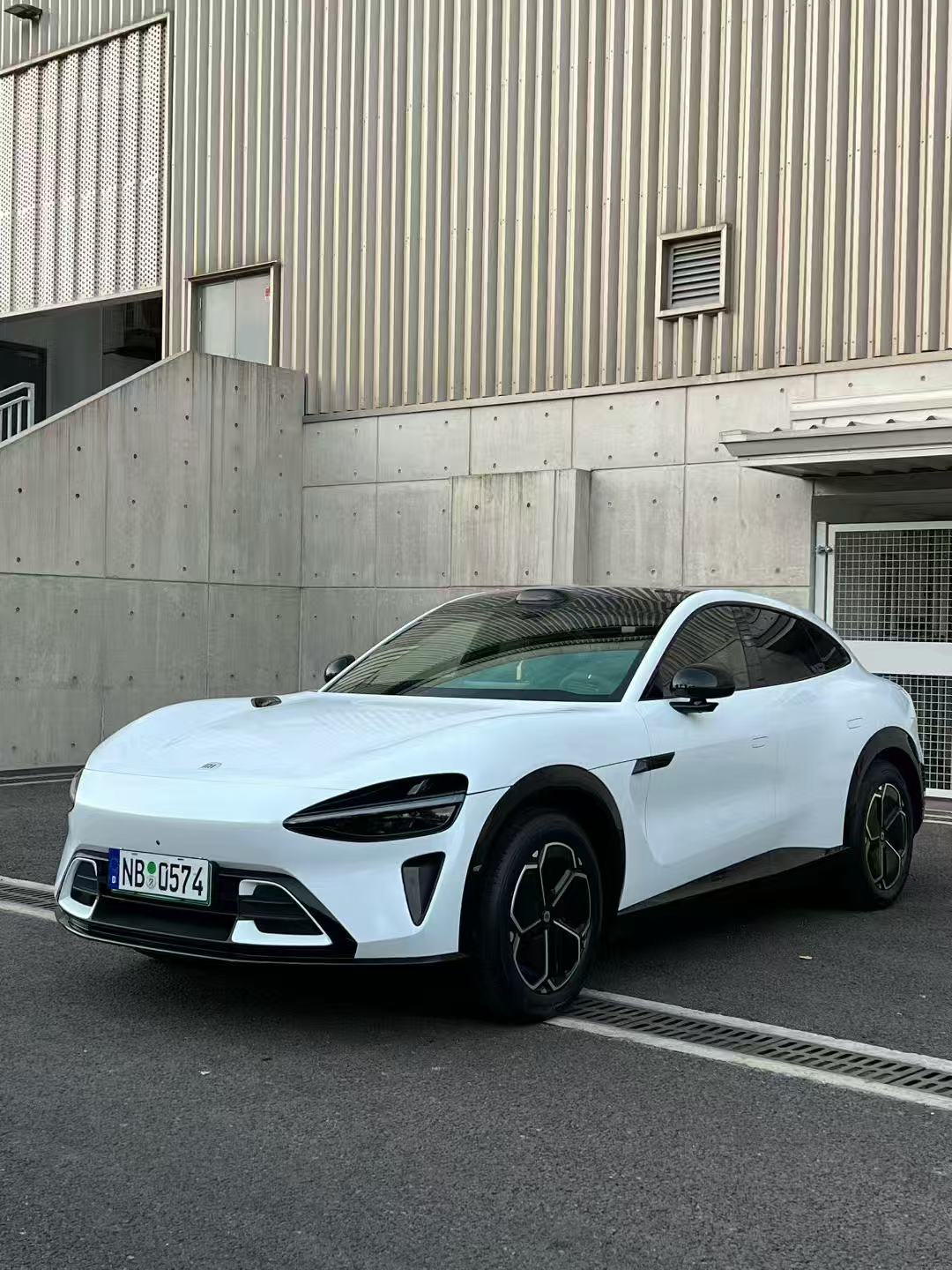


Green is a useful way to give a familiar car a different character. A pale sage can feel soft and contemporary, an olive shade brings a warmer earth-tone look, and a deep racing green creates a richer, more traditional impression.
The best green car wrap for you depends on the shade, finish and existing details of your vehicle. Start with a color family, then compare actual samples against the wheels, trim and interior before ordering a roll.
Why green belongs on your 2026 wrap shortlist
There is a wider automotive color trend behind the interest. In its report published on January 15, 2026, BASF identified green as the fastest-growing chromatic color in global automotive OEM coatings during 2025.
That is a report about original vehicle paint, not vinyl-wrap sales or a ranking of Sailifilm colors. It does, however, provide a reason to look beyond familiar black, white and gray when planning a color change.
For a practical shortlist, compare three distinct directions: sage, olive and deep racing green. They offer noticeably different results without requiring a completely different styling plan.
Sage green: a softer alternative to gray
Sage describes a muted green family, often with a gray influence. A lighter version can keep a large body shape looking visually calm, while a darker sage can feel closer to an understated neutral.
It is worth considering if you like gray cars but want a little more color. Compare it with your existing trim: dark wheels create contrast, while silver wheels keep the overall palette lighter.
The finish changes the effect. Satin sage gives broad, soft highlights; a gloss sage produces clearer reflections and a different impression of depth. The word “sage” alone does not specify whether a film is gloss, satin or matte.
Olive green: warm, earthy and adaptable
Olive generally introduces a warmer yellow or brown influence. It can suit an outdoor-inspired SUV build or a restrained road-car design, depending on how dark and saturated the shade is.
Try olive beside black, graphite or bronze-colored wheels. These are styling options rather than rules: an olive that looks coordinated with warm bronze may feel different beside cool silver trim.
Compare samples carefully if you want to avoid a strongly military appearance. A subtle olive-gray and a saturated khaki can both be described as olive online, yet create very different full-car results.
Racing green: deep color with a classic feel
A deep racing green is a strong starting point for a richer look. In gloss, reflections help describe the body shape; a metallic version adds another visual variable as the light changes.
Silver wheels can support a traditional sporting style. Black wheels can make the same body color feel more contemporary, while a small bronze accent can bring warmth without changing the whole palette.
“Racing green” is a broad description, not one universal film shade. Some versions lean blue, others yellow or nearly black. Check how much green remains visible in shade before deciding.

Which green should you sample first?
| Your preferred look | Color family to explore | What to check in person |
|---|---|---|
| Quiet and contemporary | Muted sage or green-gray | Whether it becomes too pale or too gray in your usual lighting |
| Warm and earth-toned | Olive or khaki-influenced green | Yellow/brown undertone beside wheels and trim |
| Rich and sporting | Deep racing or forest green | Color depth in shade and compatibility with existing accents |
| More visual sparkle | Metallic green | Flake appearance and changes with viewing angle |
Use the table to decide what to test, rather than as a claim that one family is best for a particular vehicle.
Choose the finish separately from the color
Gloss, satin and matte describe different surface appearances. They should be a separate decision from light versus dark green.
- Gloss: consider it when you want clear reflections and a paint-like visual direction.
- Satin: explore it when you prefer softer highlights while retaining some surface sheen.
- Matte: consider it for a flatter visual effect, then check the specific film's cleaning requirements.
- Metallic or pearl: inspect the effect from several angles rather than relying on one photograph.
A light green does not need to be satin, and a deep green does not need to be gloss. Compare both variables before combining them into a final choice.
How to build a Sailifilm sample shortlist
Start with the Sailifilm green wrap collection. Save the exact listings you like, including the finish and intended roll size.
The Green Gloss Series sample listing includes names such as Racing Deep Green, Black Olive and Soft Sage Green. These are useful names to investigate; confirm which sample corresponds to the full-roll product you want. A name on a gloss sample listing should not be read as a promise of a satin version.
For other surfaces or finishes, browse the broader sample kits and ask the team to identify the matching material before ordering.
Check samples in three everyday settings
- Daylight: view the sample beside the car, away from heavily colored surroundings.
- Outdoor shade: check whether a deep green becomes darker than you want or a pale green loses too much color.
- Your parking light: inspect the shade in the garage or covered space where you regularly see the vehicle.
Hold the sample beside a wheel, window surround and visible interior trim. Tilt it so you can see the finish on more than one plane. A small sample will not reproduce every reflection on a full vehicle, but it is a better final color reference than an AI image or a screen alone.
Three mistakes to avoid
Choosing from a dramatic photo only. Sunset light, filters and reflections can change how a green appears. Request images of the exact film where available and use a physical sample for the final check.
Ordering before confirming coverage. A full color change may leave the original paint visible in door openings or other excluded areas. Agree with the installer on coverage, edges and material quantity.
Assuming the color determines performance. A green film's durability, application method and warranty depend on the actual product, not whether its shade is called sage, olive or racing green.
Frequently asked questions
Is sage green always matte?
No. A shade name and a surface finish are different specifications. Read the exact listing and check the corresponding sample.
Can I make a green car look more understated?
Try a lower-saturation shade and keep the rest of the palette simple. Compare the idea against your existing wheels and trim before adding more accents.
Does green vinyl provide the same protection as colored PPF?
Color alone does not establish construction or protection. Compare the specifications and intended use of the exact films before choosing.
Does a green wrap mean the product is environmentally friendly?
No. A nature-inspired color is an aesthetic choice. Environmental claims require separate evidence about the material and its lifecycle.
Find your green with Sailifilm
Shortlist a soft sage, a warm olive and a deep racing green, then choose the one you enjoy in your everyday surroundings. Explore Sailifilm green wraps and samples, or send your vehicle model, preferred finish and selected product links to support@sailifilm.com for help narrowing the options.
Images were generated with AI for editorial illustration. They are not photographs of Sailifilm installations or certified product color matches.

