



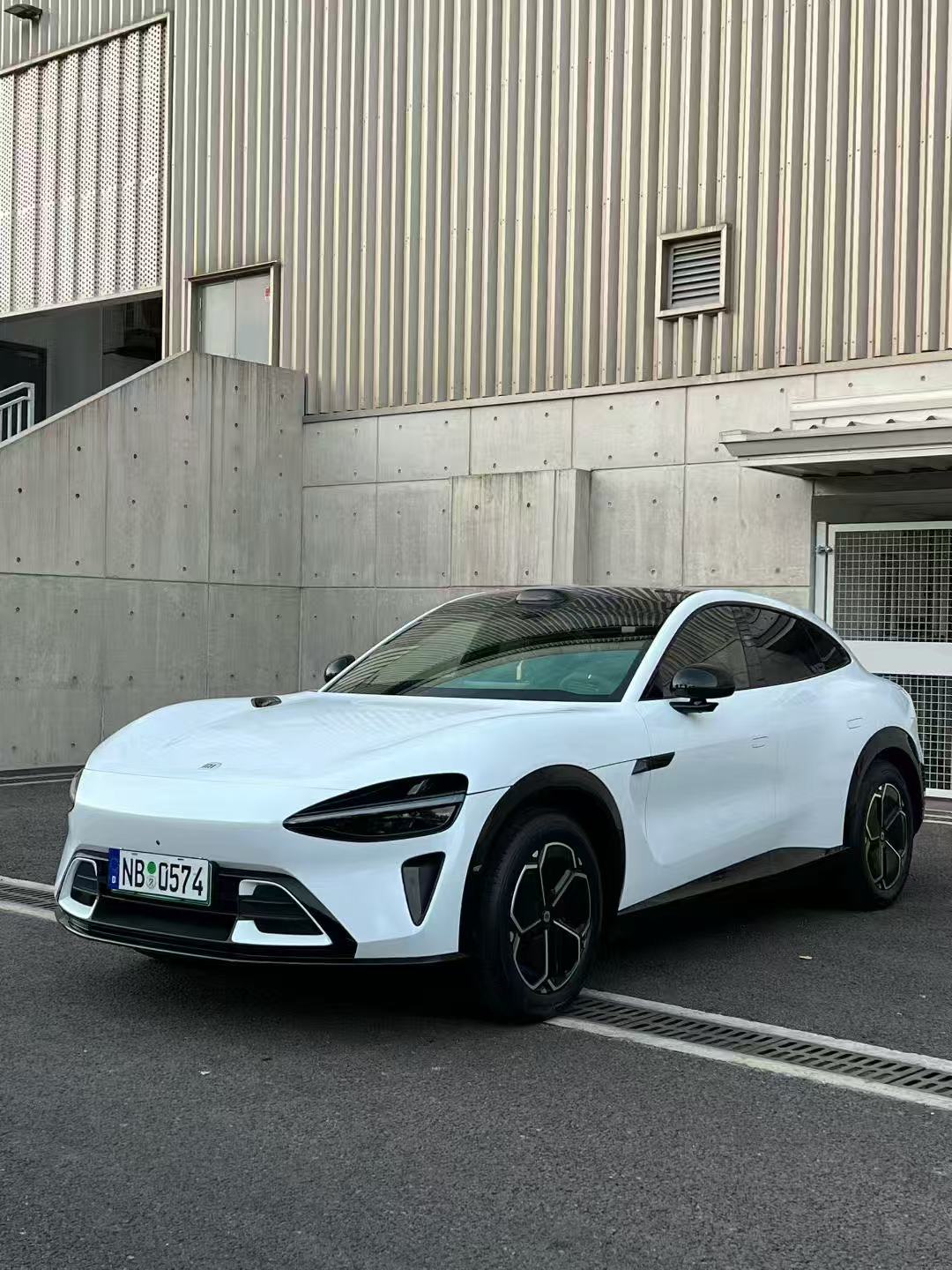


Understanding Vinyl Wrap Roll Dimensions
Before calculating material needs, understanding standard vinyl wrap roll dimensions helps determine how measurements translate into actual purchases. Professional automotive vinyl typically comes in rolls measuring 5 feet (60 inches or 1.52 meters) wide, designed specifically to cover large vehicle panels without seams.
This 5-foot width accommodates most vehicle surfaces including hoods, roofs, and door panels in single pieces. Roll lengths vary by product, with common options ranging from 10 feet for partial wraps to 79 feet for full vehicle coverage. The car vinyl wrap collection offers multiple size options to match different project requirements.
Full vehicle wraps require significantly more material than the calculated surface area suggests. Installation involves overlapping edges, trimming excess, and occasionally rewrapping sections where errors occur. Professional installers routinely add 10 to 20 percent extra material beyond calculated requirements to account for these realities.
Quick Reference: Vinyl Wrap Size Chart by Vehicle Type
The following chart provides estimated vinyl requirements for complete vehicle coverage using standard 5-foot wide rolls. These figures assume professional installation with moderate complexity.
| Vehicle Category | Length (Feet) | Length (Meters) | Example Models |
|---|---|---|---|
| Compact Cars | 50-55 ft | 15-17 m | Honda Civic, Mini Cooper, Mazda 3, VW Golf |
| Mid-Size Sedans | 60-65 ft | 18-20 m | Toyota Camry, Honda Accord, BMW 3 Series |
| Full-Size Sedans | 65-70 ft | 20-21 m | BMW 7 Series, Mercedes S-Class, Audi A8 |
| Sports Cars | 55-65 ft | 17-20 m | Ford Mustang, Chevrolet Camaro, Corvette |
| Compact SUVs | 60-70 ft | 18-21 m | Toyota RAV4, Honda CR-V, Jeep Cherokee |
| Mid-Size SUVs | 70-80 ft | 21-24 m | Ford Explorer, Jeep Grand Cherokee, BMW X5 |
| Full-Size SUVs | 80-100 ft | 24-30 m | Suburban, Escalade, Range Rover, Expedition |
| Compact Trucks | 65-75 ft | 20-23 m | Toyota Tacoma, Ford Ranger, Chevy Colorado |
| Full-Size Trucks | 85-100 ft | 26-30 m | Ford F-150, RAM 1500, Chevrolet Silverado |
| Minivans | 75-85 ft | 23-26 m | Honda Odyssey, Toyota Sienna, Chrysler Pacifica |
The Simple Formula for Calculating Vinyl Wrap Needs
While size charts provide quick estimates, calculating requirements for your specific vehicle ensures accurate ordering. The industry-standard formula accounts for both sides and the top of the vehicle from front to back.
Basic Calculation Formula
Vehicle Length × 3 + Extra Material = Total Vinyl NeededThe multiplier of three covers the driver side, passenger side, and top surfaces (hood, roof, trunk). Extra material accounts for bumpers, mirrors, and installation allowance.
Step-by-Step Calculation Process
1Measure Vehicle Length
Using a measuring tape, record the distance from the front bumper to the rear bumper along the longest point. Most vehicles range from 14 to 19 feet depending on body style.
2Multiply by Three
This multiplication accounts for wrapping both sides and the top surface of the vehicle continuously from front to back.
3Add Extra Material
Include additional footage based on vehicle complexity and installer experience. Beginners should add 10-15 feet while experienced installers may add only 5-10 feet.
4Round Up to Available Roll Size
Purchase the next roll size above your calculated total. Available sizes typically include 33ft, 49ft, 59ft, 69ft, and 79ft options.
16 ft × 3 = 48 ft (base coverage)
48 ft + 12 ft (extra) = 60 ft total
Recommended Purchase: 5ft × 59ft or 5ft × 69ft roll
Panel-by-Panel Vinyl Requirements
Understanding how much vinyl each panel consumes helps explain why full wraps require substantial material. Individual panel estimates also assist in planning partial wrap projects.
Hood
5ft × 6-8ft depending on vehicle size. Sports cars and trucks often have larger hoods requiring additional material.
Roof
5ft × 6-10ft based on vehicle length. Sunroofs and roof rails add complexity requiring extra trimming allowance.
Doors (Each)
5ft × 4-5ft per standard door. Coupe doors extend longer requiring additional material per panel.
Front Bumper
5ft × 3-4ft typically. Complex curves and air intakes increase waste during installation.
Rear Bumper
5ft × 3-4ft depending on design. Dual exhaust cutouts and sensors add installation complexity.
Trunk/Tailgate
5ft × 4-6ft based on vehicle type. Truck tailgates consume significantly more material than sedan trunks.
Fenders (Each)
5ft × 3-4ft per fender. Wheel arch curves require careful stretching and trimming.
Mirrors (Pair)
Approximately 2-3 square feet total. Small area but complex shapes increase difficulty.
Bumpers consistently consume more vinyl than their physical size suggests. The compound curves, recesses, and vents require extensive stretching and trimming that generates substantial waste. Professional installers often allocate 20-30 percent extra material specifically for bumper coverage.
Factors That Increase Vinyl Requirements
Several vehicle characteristics and project decisions affect total material needs beyond basic size calculations. Recognizing these factors prevents underestimating requirements.
Vehicle Design Complexity
Vehicles with aggressive body styling, wide fenders, or numerous creases require additional vinyl. Sports cars like the Ford Mustang or Chevrolet Camaro feature complex curves that increase waste during installation. Conversely, boxy designs like older SUVs wrap more efficiently with less material waste.
Wrap Finish Selection
Different vinyl finishes affect installation difficulty and material consumption. The ultra matte wrap collection requires careful handling to prevent texture damage, while crystal vinyl wrap finishes with their dimensional effects may need precise alignment increasing potential waste.
Installer Experience Level
First-time wrappers consistently use more material than experienced professionals. Misaligned panels, stretched sections, and learning-curve mistakes all consume additional vinyl. Beginners should add 15-20 percent extra material while professionals may only add 5-10 percent.
Color and Pattern Matching
Specialty finishes like the rainbow laser vinyl wrap or dual color dream vinyl wrap require careful alignment for visual consistency. These effects demand additional material to ensure patterns match across panel transitions.
Partial Wrap Material Requirements
Not every project requires full vehicle coverage. Partial wraps allow customization of specific areas while reducing material costs and installation time. Common partial wrap configurations include hood wraps, roof wraps, and accent packages.
| Partial Wrap Type | Typical Coverage | Material Needed |
|---|---|---|
| Hood Only | Single panel | 5ft × 10ft roll |
| Roof Only | Single panel | 5ft × 10ft roll |
| Hood + Roof | Two panels | 5ft × 16ft roll |
| Racing Stripes | Full length accent | 5ft × 33ft roll |
| Mirror Caps | Small accents | 5ft × 3.28ft roll |
| Accent Package | Multiple small areas | 5ft × 16-33ft roll |
Partial wraps deliver dramatic visual impact at reduced cost. Adding a contrasting roof in 3D carbon fiber wrap or accent mirrors in metallic vinyl wrap creates a custom appearance without full vehicle commitment.
Choosing the Right Roll Size
Matching your calculated requirements to available roll sizes requires balancing sufficient material against budget considerations. Purchasing slightly more than needed always proves safer than cutting it close.
Available Roll Sizes
Standard roll widths measure 5 feet (60 inches) with length options including:
- 5ft × 3.28ft (1m): Small accents, mirrors, trim pieces
- 5ft × 10ft (3m): Single panel projects like hoods or roofs
- 5ft × 16ft (5m): Multiple panel partial wraps
- 5ft × 33ft (10m): Compact car full wraps
- 5ft × 49ft (15m): Mid-size sedan coverage
- 5ft × 59ft (18m): Full-size sedan or compact SUV
- 5ft × 69ft (21m): Mid-size SUV coverage
- 5ft × 79ft (24m): Full-size SUV and truck coverage
When calculations fall between roll sizes, always select the larger option. Leftover material provides replacement sections for future repairs or additional accent pieces. Running short mid-project creates delays and potential color matching problems between production batches.
Special Considerations for Different Finishes
Material requirements can vary slightly based on the wrap finish selected. Understanding these differences helps refine estimates for specific products.
Gloss and Metallic Finishes
The liquid chrome wrap collection and metallic finishes stretch predictably and install efficiently. These materials typically require standard calculated amounts without significant additional allowance beyond normal installation waste.
Matte and Satin Finishes
Matte finishes require careful handling to prevent texture damage during installation. The pressure-sensitive surface shows fingerprints and handling marks more readily, occasionally requiring panel re-wraps that consume additional material.
Color-Shifting and Specialty Films
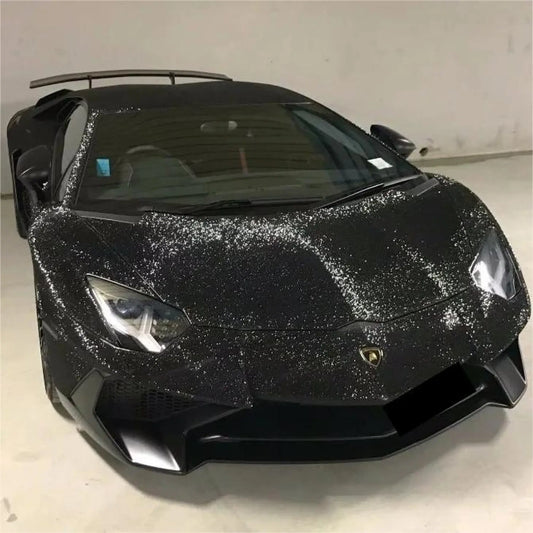
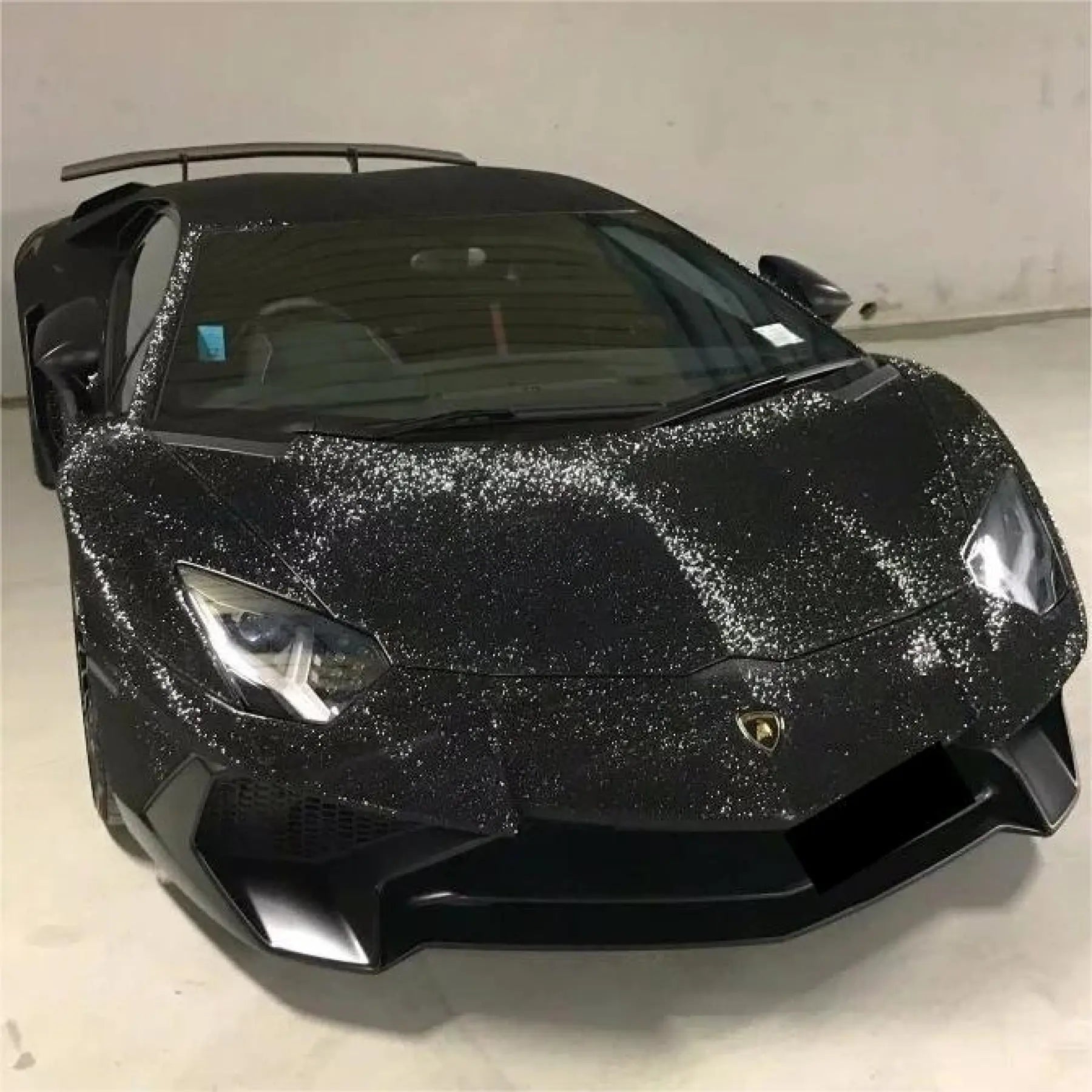
Products like the glitter sparkle car wrap with directional effects need consistent orientation across panels. Maintaining pattern alignment may require cutting pieces from specific roll positions, potentially increasing waste compared to solid colors.
Tips for Minimizing Waste
Even with accurate calculations, installation technique significantly affects material efficiency. Following best practices reduces waste while improving final results.
Plan panel layouts before cutting any material. Measuring each section and marking cut lines on the protective backing prevents mistakes that waste vinyl. Professional installers often create templates from inexpensive material before cutting premium film.
Work in a clean, temperature-controlled environment. Dirt contamination requires re-wrapping sections, and incorrect temperatures affect adhesive performance. Ideal installation temperatures range between 60°F and 80°F (15°C to 27°C).
Save larger scraps from major panels for smaller areas. Leftover pieces from hood installations often provide enough material for mirrors, door handles, or other accent pieces. Proper wrapping tools improve efficiency and reduce mistakes that waste material.
When to Order Sample Material First
Before committing to a full roll purchase, consider ordering sample kits to evaluate color accuracy, finish quality, and installation characteristics. Samples allow testing adhesion to your specific vehicle surface and verifying color expectations match reality.
Sample materials prove especially valuable when considering specialty finishes or color-shifting options where screen representations may not perfectly capture the actual appearance. Testing small sections on inconspicuous areas confirms compatibility before proceeding with a full wrap.
Planning Your Wrap Project
Successful vehicle wrapping starts with accurate material estimation and proper preparation. Reviewing the DIY car wrap installation guide before ordering materials ensures understanding of the complete process. The car film maintenance guide provides information about caring for your completed wrap.
Browse the complete best sellers collection to explore popular finish options. For enhanced paint protection alongside color change, consider the TPU paint protection wrap or colored paint protection film options that combine protection with style.
With accurate measurements, appropriate material quantities, and quality vinyl, your wrap project will achieve the professional results that transform ordinary vehicles into personalized masterpieces.
How to measure your car for vinyl wrap
Full wrap vs partial wrap comparison
Best vinyl wrap colors for different car types
Vinyl wrap installation temperature guide

