





Understanding Carbon Fiber Vinyl Wrap Construction
Before diving into maintenance procedures, understanding what makes carbon fiber vinyl wrap unique helps explain why certain care methods work better than others. Unlike solid color wraps, carbon fiber patterns feature a textured 3D surface that replicates the woven appearance of genuine carbon fiber. This texture creates microscopic valleys and peaks across the surface where dirt, pollen, and contaminants can accumulate more readily than on flat vinyl finishes.
The construction typically includes a protective topcoat layer, the printed or embossed carbon fiber pattern layer, the vinyl base material, and an adhesive backing system. Each layer plays a role in durability, appearance, and how the wrap responds to cleaning products. Premium quality car vinyl wrap materials incorporate UV inhibitors and chemical-resistant coatings that extend lifespan when properly maintained. The topcoat on quality wraps provides the primary defense against environmental damage, making its preservation central to long-term appearance retention.
Essential Daily and Weekly Maintenance Practices
The foundation of carbon fiber wrap longevity starts with regular cleaning that prevents contaminant buildup before it causes damage. For daily maintenance, a simple wipe-down with a clean microfiber cloth removes light dust and prevents particles from embedding into the textured surface. This takes only minutes but prevents the abrasive damage that occurs when grit gets rubbed across the wrap during more thorough washing sessions.
Weekly washing should follow the two-bucket method favored by professional detailers. Fill one bucket with pH-neutral car wash soap diluted in water and a second bucket with clean rinse water. Begin washing from the top of the vehicle downward, frequently rinsing your wash mitt in the clean water bucket to release trapped dirt before reloading with soapy water. This technique prevents scratching by ensuring you never drag accumulated grit across the wrap surface. According to the International Detailing Association, proper wash techniques can extend the life of automotive finishes by several years.
Avoid automatic car washes with spinning brushes, as these can catch wrap edges and cause lifting or peeling. Touchless automatic washes are generally acceptable but often use harsh chemicals that can degrade the protective topcoat over time. Hand washing remains the gold standard for maintaining any vinyl wrap installation.
Choosing the Right Cleaning Products
Product selection dramatically impacts both immediate cleaning results and long-term wrap condition. The ideal cleaning solution maintains a neutral pH level, contains no petroleum distillates or harsh solvents, and rinses completely without leaving residue. Many household cleaners and even some automotive products contain ingredients that soften vinyl, strip protective coatings, or cause discoloration over time.
Isopropyl alcohol diluted to 50 percent concentration works well for removing stubborn spots like bird droppings, tree sap, or bug splatter. Apply the solution to a microfiber cloth rather than spraying directly on the wrap, let it dwell briefly to break down the contaminant, then wipe away gently. Never use abrasive pads, stiff brushes, or scrubbing motions that could damage the textured carbon fiber pattern. For information on safe cleaning compounds, the Environmental Protection Agency maintains guidelines on environmentally responsible automotive cleaning products.
Products to avoid include tire shine overspray, petroleum-based dressings, acetone or nail polish remover, gasoline or diesel fuel contact, and any abrasive polishing compounds designed for clearcoat paint. Even brief contact with these substances can cause permanent damage ranging from hazing and discoloration to complete wrap failure requiring replacement.
Protecting Your Carbon Fiber Wrap from Environmental Damage
Environmental factors present ongoing challenges to vinyl wrap maintenance regardless of installation quality. Ultraviolet radiation breaks down polymer chains in vinyl material, causing fading, brittleness, and eventual cracking. While premium wraps incorporate UV stabilizers, additional protection maximizes their effectiveness and extends wrap lifespan significantly.
Parking in covered or shaded areas whenever possible reduces cumulative UV exposure dramatically. When garage parking is unavailable, a quality car cover provides excellent protection for vehicles that sit outdoors for extended periods. For drivers who prefer active protection, applying a vinyl-safe sealant every three to four months creates an additional barrier against UV rays, pollution, and environmental contaminants. These sealants differ from traditional wax products in their chemical formulation, specifically designed to bond with vinyl surfaces rather than automotive paint.
For maximum protection, consider pairing your carbon fiber vinyl with TPU paint protection wrap on high-impact areas like the front bumper and hood leading edge. This layered approach provides superior rock chip protection while maintaining the striking carbon fiber aesthetic across the rest of the vehicle.
Seasonal Maintenance Considerations
Different seasons bring unique maintenance challenges that require adapted care routines. Winter conditions expose vehicles to road salt, sand, and deicing chemicals that accelerate corrosion and can damage vinyl wrap surfaces if allowed to remain in contact for extended periods. Frequent washing during winter months removes these corrosive substances before they cause harm. Pay particular attention to lower body panels, wheel wells, and any areas where road spray accumulates.
Summer presents the opposite challenge with intense heat and UV exposure. Vinyl expands in high temperatures, making the adhesive bond more susceptible to failure if edges have begun lifting. Inspect all wrap edges regularly during hot weather and address any lifting promptly before contamination reaches the adhesive layer. Summer also brings increased insect activity, and prompt removal of bug splatter prevents the acidic residue from etching into the wrap surface. Research published by automotive material scientists indicates that removing organic matter within 24 hours prevents most permanent staining on vinyl surfaces.
Spring and autumn bring pollen and falling leaves that can leave staining residue if not cleaned promptly. Tree sap becomes particularly problematic during spring months, requiring immediate attention with appropriate cleaning solutions to prevent permanent marks.
Addressing Common Carbon Fiber Wrap Problems
Even with diligent maintenance, certain issues may develop over time that require specific intervention. Minor scratches and swirl marks sometimes appear despite careful washing, though these rarely penetrate the full thickness of quality vinyl material. Unlike automotive paint, you cannot polish out scratches from vinyl wrap without risking further damage. Instead, light surface marks often improve with application of vinyl-specific sealant that fills minor imperfections and restores optical clarity.
Edge lifting presents a more serious concern requiring prompt attention. When wrap edges begin separating from the vehicle surface, contaminants enter the gap and compromise adhesive integrity. Small areas of lifting can sometimes be repaired by cleaning the affected area, applying fresh adhesive, and using a heat gun to reactivate the vinyl flexibility before pressing firmly back into place. Extensive edge failure typically indicates adhesive degradation requiring professional re-wrapping of the affected panel.
Discoloration that develops despite proper care may indicate chemical damage from contamination or natural aging as UV inhibitors become depleted. Yellowing affects some wrap types more than others, with ultra matte wraps and darker carbon fiber patterns generally showing better long-term color stability than lighter colored or glossy finish options.
Professional Maintenance vs DIY Care
While daily and weekly maintenance tasks fall well within the capabilities of any car owner, certain situations benefit from professional intervention. Yearly professional inspections allow experienced installers to identify developing problems before they require costly repairs. Professional detailers equipped with appropriate vinyl care products can perform deep cleaning and conditioning treatments that restore aged wraps to nearly new appearance.
Consider professional service when dealing with extensive contamination that home cleaning cannot address, significant edge lifting requiring reinstallation, texture damage from improper cleaning techniques, or preparation for wrap removal at end of life. The cost of professional maintenance typically represents a small fraction of replacement expense while potentially adding years to wrap lifespan.
Extending Carbon Fiber Wrap Lifespan Through Proper Care
Quality carbon fiber vinyl wrap properly maintained can last five to seven years or longer, with some installations remaining presentable for a decade under ideal conditions. The difference between a wrap that fails prematurely and one that delivers maximum longevity often comes down to consistent application of the maintenance principles outlined throughout this guide.
Investing in quality installation initially provides the foundation for wrap longevity. Premium vinyl wrapping materials from reputable manufacturers incorporate superior UV protection, more durable topcoats, and higher quality adhesive systems that respond better to proper maintenance and resist environmental degradation longer than budget alternatives.
Having the right wrapping tools available also makes maintenance easier. Quality microfiber cloths, proper squeegees, and appropriate cleaning solutions should be part of every wrap owner’s detailing kit. Ordering sample kits before committing to a full wrap lets you test how different finishes respond to your local environmental conditions and maintenance routine.
Exploring Alternative Vinyl Wrap Finishes
While carbon fiber remains exceptionally popular, exploring other vinyl wrap options might reveal finishes that better suit your aesthetic preferences or maintenance capabilities. Each finish type presents unique characteristics affecting both appearance and care requirements.
Metallic vinyl wrap delivers brilliant sparkle that shifts under different lighting conditions, creating dynamic visual effects as vehicles move. Crystal vinyl wrap provides exceptional depth and clarity that resembles candy paint without the complex application process. For truly attention-grabbing presence, liquid chrome wrap delivers mirror-like reflections that transform vehicles into rolling works of art.
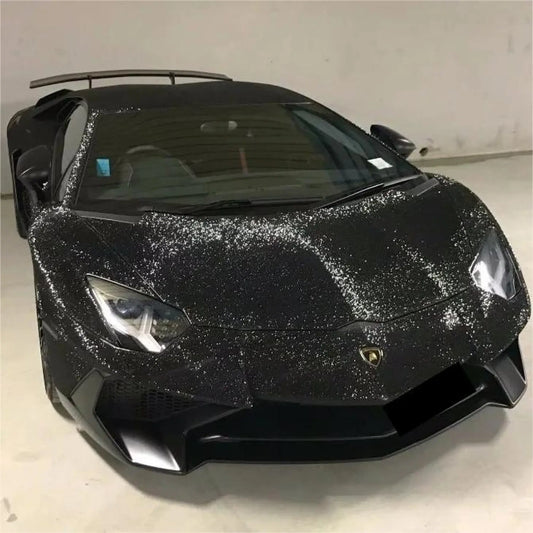
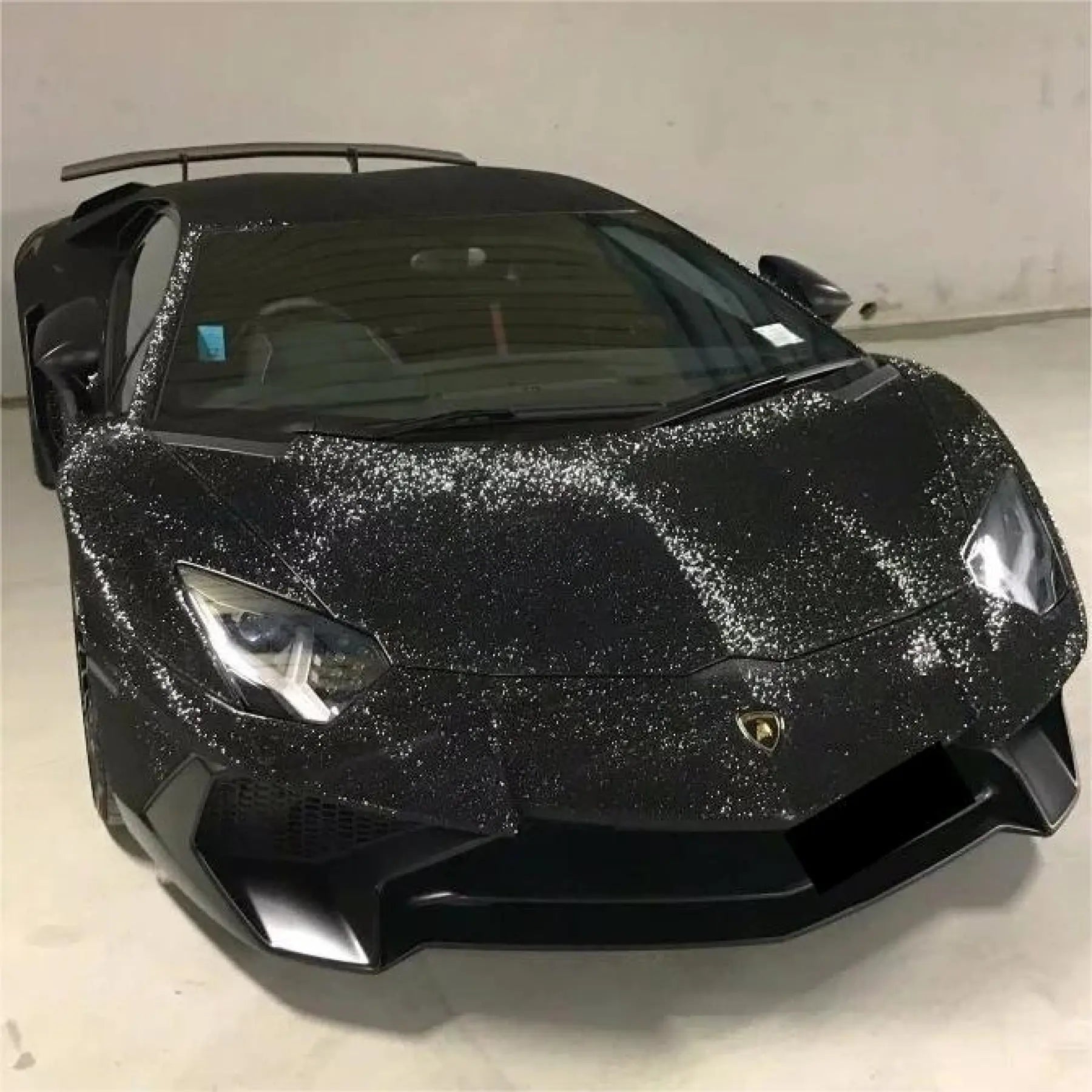
Those seeking unique color-shifting effects should explore dual color dream vinyl wrap and rainbow laser vinyl wrap options that create mesmerizing holographic effects. For an eye-catching sparkle finish, glitter sparkle car wrap adds dimensional depth that standard solid colors cannot achieve. Vehicle owners wanting both style transformation and paint protection should consider colored paint protection film, which combines aesthetic customization with superior surface protection in a single application.
Conclusion
Maintaining carbon fiber vinyl wrap requires consistent attention but rewards that effort with lasting beauty and protection that enhances your vehicle’s appearance for years. The textured surface that makes carbon fiber wrap so visually appealing does demand slightly more care than flat finishes, yet the maintenance routine remains straightforward once established as habit.
Start with quality materials, follow proper washing techniques, protect against environmental factors, address problems promptly, and your carbon fiber wrap will continue turning heads throughout its lifespan. For additional resources on vinyl wrap technology and automotive customization, the SEMA Association provides extensive educational materials for automotive enthusiasts. Wikipedia’s comprehensive article on vinyl wrap technology offers valuable background information on the materials and processes involved in vehicle wrapping.
Ready to explore carbon fiber and other premium vinyl wrap options? Browse the complete Sailifilm car wrap collection to discover materials designed for both stunning appearance and lasting durability when properly maintained.

