






Why Wrapped Cars Require Special Washing Techniques
Vinyl wraps differ fundamentally from factory paint in composition and care requirements. The thin vinyl film that creates your vehicle's stunning appearance responds differently to cleaning products, water pressure, and physical contact than traditional automotive finishes. Aggressive washing methods that might work on painted surfaces can lift edges, create scratches, or degrade the adhesive bonding your wrap to the vehicle body.
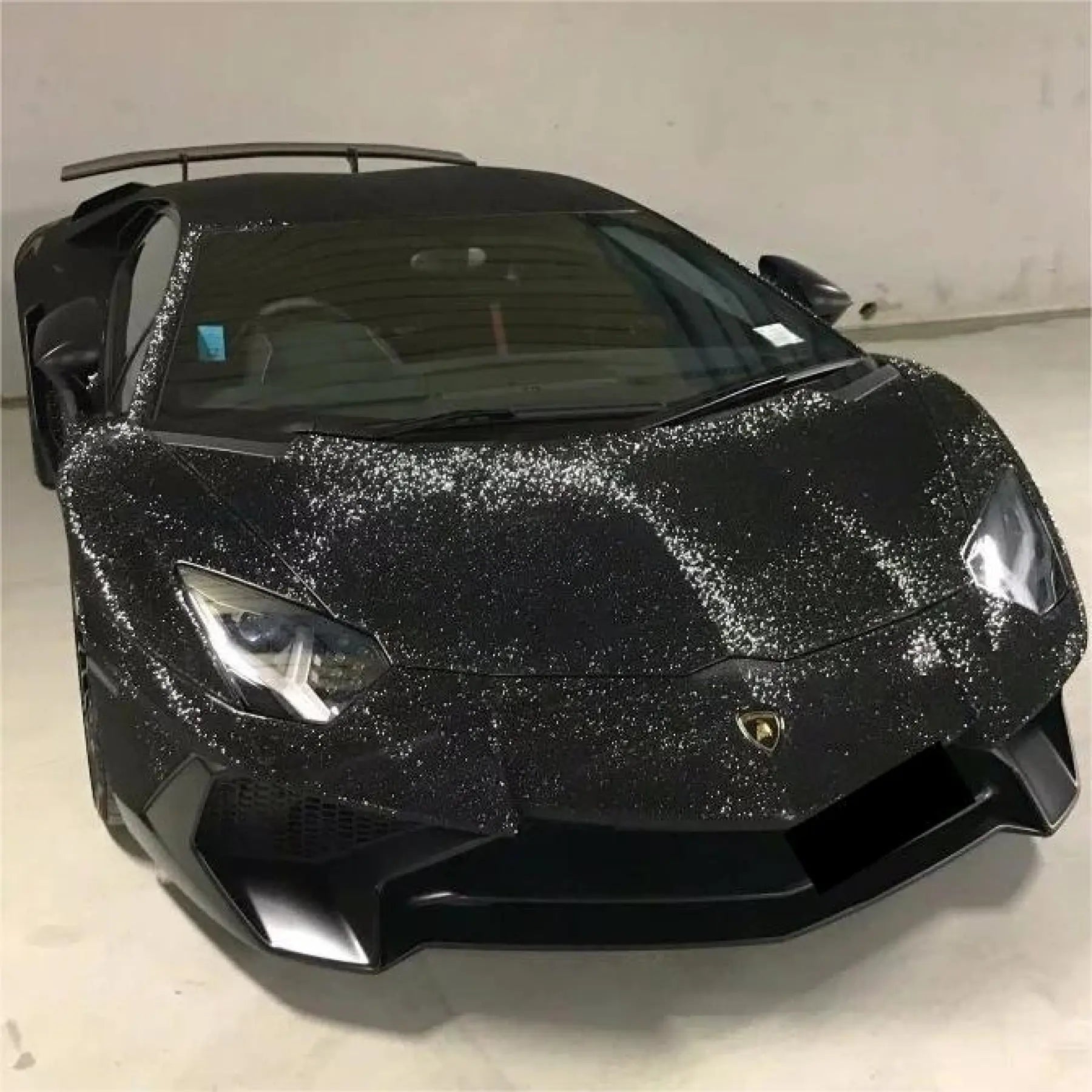
The porous nature of certain finishes, particularly ultra matte wrap surfaces, makes them especially susceptible to improper cleaning agents. Products containing waxes, silicones, or petroleum derivatives can alter the finish characteristics that make matte wraps so distinctive. Glossy finishes like liquid chrome wrap and crystal vinyl wrap resist these issues better but still require gentler treatment than standard paint.
Waiting Period After Installation
Patience immediately following wrap installation pays significant dividends in long-term performance. Fresh vinyl requires adequate curing time for the adhesive to achieve full bonding strength with your vehicle's surface. Washing too soon disrupts this critical process and can cause premature edge lifting or adhesive failure.
Allow at least 48 to 72 hours before washing a newly wrapped vehicle under normal conditions. Cold weather installations may require extended curing periods of up to five days because lower temperatures slow adhesive bonding. During this waiting period, avoid driving in rain when possible and keep the vehicle sheltered from moisture that could interfere with the curing process.
Resist the temptation to spot clean during this period as well. Even minor contact with water or cleaning solutions near fresh edges can compromise adhesion before the bond fully develops. If dust accumulates during the curing window, a light wipe with a clean, dry microfiber cloth removes surface particles without introducing moisture.
Essential Supplies for Wrapped Car Washing
Gathering proper supplies before beginning ensures your washing process proceeds smoothly without damaging your wrap. The right tools make the difference between maintaining your finish and creating unnecessary wear.
Quality microfiber wash mitts provide the gentle contact wrapped surfaces require. Unlike traditional sponges or brushes that can harbor debris and scratch vinyl, plush microfiber lifts dirt away from the surface without abrasive contact. Invest in several mitts to ensure you always have clean options available during the washing process.
pH-neutral automotive shampoo formulated for delicate surfaces cleans effectively without chemical aggression. Avoid household detergents, dish soaps, and industrial cleaners that can degrade vinyl and weaken adhesive bonds. Products specifically designed for vinyl wrap care offer the ideal balance of cleaning power and surface safety.
Two separate buckets enable the two-bucket washing method that prevents recontaminating your wash mitt with dirt particles. One bucket holds your soapy wash solution while the other contains clean rinse water for cleaning your mitt between passes.
High-quality microfiber drying towels absorb water efficiently while remaining soft enough to avoid surface damage. Multiple towels allow you to switch to dry sections as needed, preventing dragging moisture across the surface and creating water spots.
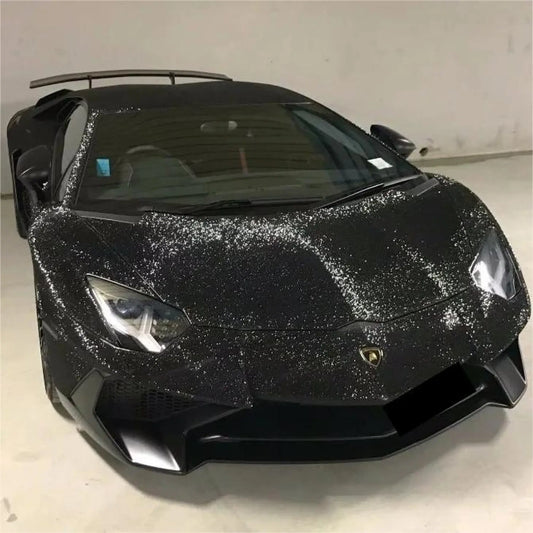
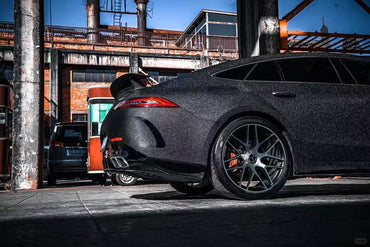
For vehicles with metallic vinyl wrap or glitter sparkle car wrap finishes, extra attention to towel cleanliness prevents particles from becoming embedded in the textured surfaces where they could create scratching during subsequent washes.
The Two-Bucket Washing Method
This proven technique minimizes scratch risk while thoroughly cleaning wrapped surfaces. Professional detailers prefer this approach for all premium finishes because it systematically prevents contamination.
Fill one bucket with clean water and the other with water mixed with your pH-neutral car shampoo according to product directions. Position both buckets within easy reach of your washing area and keep a grit guard insert at the bottom of each bucket to trap particles that settle during washing.
Begin by thoroughly rinsing your entire vehicle with clean water from a standard garden hose. This pre-rinse dislodges loose dirt and debris that could scratch the surface if rubbed during washing. Start from the roof and work downward, allowing gravity to carry contamination away from upper panels.
Saturate your wash mitt in the soapy bucket and gently clean one section at a time, using straight-line motions rather than circular patterns. Straight passes reduce the risk of creating swirl marks visible on glossy finishes like dual color dream vinyl wrap.
After each panel, rinse your mitt thoroughly in the clean water bucket before returning it to the soapy solution. This step removes dirt particles collected during washing, preventing them from being reintroduced to the vehicle surface. Watch the rinse water clarity as an indicator of when to refresh with clean water.
Continue systematically around the vehicle, completing the roof first, then upper doors and windows, followed by lower panels and finally wheels and rocker panels. This progression ensures the dirtiest areas receive attention last, preventing contamination transfer to cleaner surfaces.
Rinsing and Drying Properly
Thorough rinsing removes all soap residue that could attract dust or leave visible film on your wrap surface. Use a steady stream of clean water rather than high pressure, covering every surface with fresh water until no suds remain visible.
Pay particular attention to seams, edges, and recessed areas where soap can accumulate. These vulnerable zones around door handles, mirrors, emblems, and panel joints trap residue that continues attracting dirt if not completely flushed. Water left in these areas can also wick under wrap edges over time, potentially compromising adhesion.
Begin drying immediately after rinsing to prevent water spots from forming as droplets evaporate. Pat the surface gently with your microfiber drying towel rather than dragging it across the wrap. Patting lifts water without creating the friction that dragging produces.
Work quickly on sunny days when water evaporates rapidly, starting with horizontal surfaces like the hood and roof where spots form most visibly. Switch to fresh dry towels as needed to maintain effective water absorption throughout the process.
Use compressed air or a dedicated car dryer blower to remove water from tight spaces your towel cannot reach. Door jambs, mirror housings, grille openings, and similar recesses hold water that drips out after parking, leaving streaks on adjacent panels. Forcing air through these spaces eliminates hidden moisture before it becomes problematic.
Caring for Different Wrap Finishes
Each wrap finish type requires slightly modified care approaches to maintain its distinctive appearance. Understanding these differences helps you preserve the specific characteristics that drew you to your chosen finish.
Glossy finishes including crystal vinyl wrap and liquid chrome wrap tolerate broader product ranges but show swirl marks more readily than other finishes. Extra care during washing and drying minimizes these visible imperfections. Ceramic coatings designed for vinyl can add protection and enhance gloss without harming the underlying material.
Matte and satin finishes like ultra matte wrap demand stricter product selection. Any product containing wax, gloss enhancers, or silicone can create shiny spots that ruin the flat finish effect. Use only products specifically labeled as matte-safe, and test new products on inconspicuous areas before full application. Matte wraps also show fingerprints and water spots more prominently, making thorough drying essential.
Textured finishes such as 3D carbon fiber wrap trap dirt in their surface patterns more readily than smooth finishes. Thorough rinsing ensures debris flushes from textured areas rather than settling into the pattern permanently. Gentle brushing with a dedicated soft detail brush can help dislodge particles from deep texture grooves during washing.
Specialty finishes including rainbow laser vinyl wrap and glitter sparkle car wrap combine multiple care considerations. Their complex optical properties require gentle handling to prevent surface damage that would diminish their light-shifting effects.
Removing Stubborn Contaminants
Bird droppings, tree sap, insect residue, and road tar require prompt attention before they damage or stain your wrap permanently. These contaminants become increasingly difficult to remove as they bake onto the surface and can cause permanent discoloration if left untreated.
Address contamination as quickly as possible after discovery. For fresh deposits, warm soapy water often suffices to soften and remove the material. Soak a microfiber cloth in your wash solution and lay it over the contaminated area for several minutes, allowing the moisture to penetrate and loosen the deposit before gently wiping away.
Stubborn contaminants that resist soap may require stronger solutions. A mixture of isopropyl alcohol and water in equal proportions safely dissolves many organic deposits without harming vinyl. Apply this solution with a soft cloth, allowing it to work briefly before wiping and rinsing thoroughly.
For particularly resistant materials like dried tree sap or road tar, specialized vinyl-safe bug and tar removers offer targeted cleaning power. Always test these products on a hidden area first and follow manufacturer instructions precisely. Rinse the treated area completely after removing the contaminant to eliminate any chemical residue.
Never scrape, scrub aggressively, or use abrasive tools to remove contamination from wrapped surfaces. Scratching vinyl cannot be polished out like paint scratches, making prevention through gentle techniques essential. Patience and proper products always produce better results than aggressive removal attempts.
Pressure Washing Precautions
While hand washing remains the safest cleaning method for wrapped vehicles, pressure washers can be used with appropriate caution. Following specific guidelines prevents the powerful water jets from damaging your wrap.
Keep pressure settings below 2000 PSI to avoid forcing water under wrap edges or tearing the vinyl material. Higher pressures that might be appropriate for unwrapped vehicles create unacceptable damage risk on vinyl surfaces.
Maintain at least 12 inches of distance between the spray nozzle and the wrap surface. Closer distances concentrate water force on smaller areas, increasing edge lifting risk. Use a 40-degree or wider spray pattern to disperse pressure across a broader area.
Never aim pressurized water directly at wrap edges, seams, or corners where the film is most vulnerable to lifting. Approach these areas from angles that push water away from rather than under the edges. If possible, avoid pressure washing these zones entirely.
Keep water temperature below 140 degrees Fahrenheit. Hot water softens vinyl and adhesive, making both more susceptible to pressure damage. Cold to lukewarm water provides adequate cleaning power without thermal stress.
Avoiding Automated Car Washes
Automated car washes present multiple hazards for wrapped vehicles that make them unsuitable for regular use. The combination of spinning brushes, high-pressure jets, harsh chemicals, and heated air creates conditions that accelerate wrap degradation.
Brush-style car washes drag abrasive bristles across wrap surfaces, creating scratches and potentially catching wrap edges. Even soft-touch brush systems generate more friction than wrapped surfaces can tolerate without damage over time.
Touchless automated washes eliminate brush contact but substitute aggressive chemicals designed to strip dirt without physical agitation. These harsh detergents can degrade vinyl over time and may contain compounds specifically harmful to wrap materials.
The high-pressure water and hot air drying systems in automated washes stress wrap edges and seams repeatedly. Each pass through such facilities cumulatively weakens adhesive bonds and may initiate edge lifting that progresses over time.
If circumstances require using an automated wash, choose touchless options only and decline any wax or protective coating applications. Consider these emergency situations rather than regular maintenance, returning to hand washing as soon as practical.
Maintaining Protection Between Washes
Regular maintenance between full washes extends the intervals between thorough cleanings while keeping your wrap presentable. Quick detail sprays designed for vinyl wrap care remove light dust and fingerprints without requiring complete washes.
Keep a bottle of vinyl-safe quick detailer and several clean microfiber cloths in your vehicle for addressing minor contamination before it bonds with the surface. Spray lightly on the affected area and wipe gently with a clean cloth, flipping to dry sections as the cloth absorbs product.
For vehicles with colored paint protection film or TPU paint protection wrap, quick detailing maintains the protective properties while keeping the surface clean. These self-healing films benefit from regular light cleaning that prevents contamination buildup in their protective layers.
Fuel spills at gas stations require immediate attention regardless of your maintenance schedule. Gasoline and diesel fuel degrade vinyl rapidly, so wipe away any drips immediately using a clean cloth or even the paper towels available at fuel pumps. Wash the affected area thoroughly as soon as possible after exposure.
Park in shaded areas or garages whenever possible to reduce UV exposure that fades and degrades vinyl over time. If covered parking is unavailable, consider using a breathable car cover designed for wrapped vehicles to protect against sun damage and environmental contamination.
Recommended Washing Frequency
Establish a washing schedule based on your driving conditions and environmental exposure rather than arbitrary intervals. Vehicles driven daily in urban environments accumulate contamination faster than weekend vehicles stored in garages.
Weekly washing provides optimal protection for daily drivers exposed to road grime, industrial fallout, and environmental pollutants. This frequency prevents contaminant bonding with the vinyl surface while maintaining consistent appearance.
Vehicles with lighter use schedules can extend intervals to every two weeks without significant risk, assuming prompt spot cleaning of any contamination between washes. Garage storage between uses reduces environmental exposure that would otherwise necessitate more frequent cleaning.
During winter months in areas using road salt, increase washing frequency to remove corrosive deposits before they damage wrap edges and underlying surfaces. Salt accumulation in wheel wells and lower panels requires particular attention during cold weather.
Review your wrapping tools periodically to ensure washing supplies remain in proper condition. Replace worn microfiber products that may have developed scratching potential, and refresh cleaning solutions that may have degraded during storage.
Conclusion
Proper washing techniques protect your vinyl wrap investment while maintaining the stunning appearance that makes wrapped vehicles so distinctive. Whether you've chosen best sellers from popular finish categories or explored unique options like dual color dream vinyl wrap, consistent gentle care preserves your finish through years of enjoyment.
Master the two-bucket method as your primary washing approach, reserving pressure washing for situations requiring its additional power while observing all precautions. Avoid automated car washes entirely when possible, and address contamination promptly before it causes permanent damage.
Explore sample kits to test different finishes and understand how various materials respond to your care routine. The more familiar you become with your specific wrap characteristics, the more effectively you can maintain its appearance through all driving conditions.

