



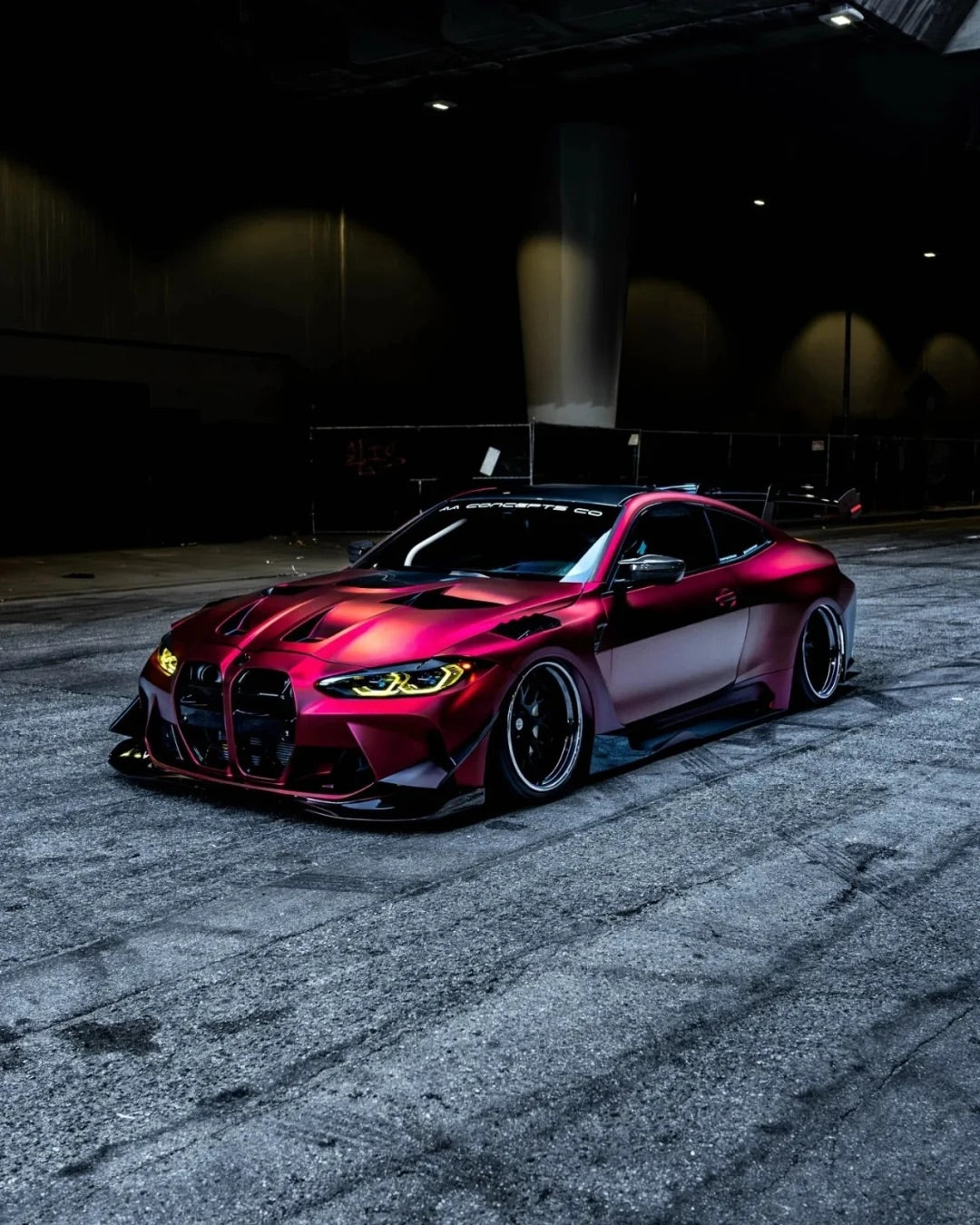


The Core Principle: A Sacrificial Layer Over Your Clear Coat
Factory paint systems are engineered to last, but they aren't invincible. A typical automotive paint stack — primer, base coat, and clear coat — sits exposed to UV radiation, airborne contaminants, road debris, and physical contact every single day. Over time, that exposure adds up in the form of fading, oxidation, micro-scratches, and loss of surface gloss.
A vinyl wrap changes that dynamic entirely. When applied over clean, intact factory paint, the film becomes the outermost surface of the vehicle. Road grit, bird droppings, tree sap, and light impacts contact the vinyl first — not the clear coat underneath. The wrap absorbs that daily punishment so the factory finish doesn't have to. According to Wikipedia's overview of vehicle vinyl wraps, cast vinyl films are specifically engineered to conform to curved surfaces while maintaining their structural integrity over time — which is precisely what makes them effective as a protective layer.
This sacrificial function is especially valuable for newer vehicles, leased cars, and models with expensive factory paint finishes that would cost significantly more to repair or repaint than to rewrap.
<a id="paint-protection-basics"></a>Six Ways a Vinyl Wrap Actively Protects Your Paint
1. UV Ray Blocking
Ultraviolet radiation is one of the leading causes of paint degradation, and it works silently every time a vehicle sits in open sunlight. UV exposure breaks down the clear coat's protective chemistry over time, leading to paint that looks faded, chalky, and visually flat — a process that accelerates significantly in high-sun climates.
A quality vinyl film creates a physical barrier between the sun and the clear coat, dramatically reducing UV contact with the underlying paint. Vehicles that have been wrapped and then unwrapped years later frequently reveal paint that appears significantly fresher than the exposed body panels of similar vehicles without any coverage. For owners looking for color change wraps that double as sun protection, this long-term benefit is substantial.
2. Stone Chip and Road Debris Resistance
Highway driving throws small rocks, sand, and road debris at a vehicle's front surfaces at high velocity. Front bumpers, hoods, and mirror caps are especially vulnerable to stone chips — small paint breaks that expose bare metal and, if left untreated, become rust points.
A vinyl wrap absorbs these low-velocity impacts before they reach the paint. The film won't stop high-speed debris the way a thick TPU film will, but for the everyday stone chip risk that every road-driven vehicle faces, the added layer makes a real difference. Owners who regularly use their vehicles on gravel roads, construction zones, or highways benefit most directly from this aspect of wrap protection.
Internal link placeholder: [Stone chip protection zones — where to wrap your car first → link to future partial wrap guide]
3. Chemical and Contaminant Shielding
Bird droppings are mildly acidic. Tree sap is adhesive and chemically active. Road salt used in winter conditions is corrosive. All three are facts of life for daily-driven vehicles, and all three can permanently stain or etch automotive paint if left in contact long enough.
When a vehicle is wrapped, these contaminants land on the vinyl surface rather than on the clear coat. Cleanup is easier, and more importantly, the paint underneath remains uncontacted. This is a particularly high-value benefit for vehicles in coastal areas (where salt air is constant) and cold-climate regions where road salt is used extensively during winter months.
4. Scratch and Swirl Mark Reduction
Surface micro-scratches — the kind caused by improper washing technique, dust wiped dry, or brushed contact from clothes or bags — accumulate invisibly on bare paint until the right light angle reveals an entire web of fine marks. These swirl marks reduce the depth and clarity of the paint's appearance even when the vehicle is freshly cleaned.
A vinyl wrap takes those scratches in place of the paint. The film itself may develop swirl marks over time, but a rewrap cycle is far cheaper than paint correction and recoating. Ultra Matte wraps in particular are forgiving in this respect because their non-reflective surface hides minor surface marks more effectively than high-gloss finishes.
Internal link placeholder: [How to wash and maintain your vinyl wrap correctly → link to future wrap maintenance guide]
5. Paint Preservation for Resale Value
One of the most financially sound reasons to wrap a vehicle is resale value protection. When a vehicle is wrapped from new, the factory paint underneath remains in its original, unconditioned state — no UV fading, no chips, no contamination. When the wrap is removed at resale time, the buyer sees paint that looks close to showroom condition.
This is particularly relevant for premium and performance vehicles where the difference between fair-condition and excellent-condition paint can represent thousands of dollars in resale value. It's also the reason that automotive leasing customers increasingly turn to wraps as a way to avoid end-of-lease paint damage charges. According to Kelley Blue Book's guidance on vehicle value factors, exterior paint condition is among the most impactful variables in determining used vehicle pricing.
6. Clean Removal Without Paint Damage
A protection layer is only genuinely useful if removing it doesn't create new problems. When a premium-quality vinyl film is installed over clean, healthy factory paint and removed within its recommended lifespan, it peels away cleanly without pulling up paint or leaving adhesive residue.
This reversibility is one of vinyl wrap's core advantages over paint modification. The paint underneath a properly applied wrap looks the same on removal day as it did on installation day — sometimes better, because the covered panels haven't experienced any of the UV or contaminant exposure that uncovered areas have.
When Vinyl Wraps Aren't Enough: Introducing TPU Paint Protection Wrap
Standard vinyl wraps provide excellent protection against everyday surface threats, but they have physical limits. They won't self-heal. They're thinner than purpose-built protection films. And for high-impact zones like front bumpers and hoods on track-driven or high-speed vehicles, the stakes are higher than vinyl is designed to handle.
This is where Sailifilm's TPU Paint Protection Wrap enters the picture. TPU (thermoplastic polyurethane) film is substantially thicker and more impact-resistant than PVC vinyl, engineered specifically for paint protection rather than primarily for aesthetics. Many TPU films include self-healing surface chemistry — when the film develops light scratches, exposure to heat (sunlight or warm water) causes the surface to return to its original state.
For owners who want color change capability alongside the protection strength of a TPU film, the Colored Paint Protection Film collection delivers both in a single product. This represents the upper tier of surface protection — particularly suited for performance vehicles, luxury cars, and any owner whose daily driving conditions expose the vehicle to above-average physical risk.
Internal link placeholder: [TPU PPF vs vinyl wrap — full protection comparison → link to future PPF guide]
Choosing the Right Wrap Film for Your Protection Goals
Not all wraps serve identical protection functions. Here's how Sailifilm's lineup maps to different protection scenarios:
Everyday protection with bold aesthetics — Car Vinyl Wrap is the broadest starting point, covering UV blocking and daily contaminant shielding across all finish styles.
Maximum protection in high-risk zones — TPU Paint Protection Wrap with self-healing properties for front bumpers, hoods, and mirror caps.
Color change and protection combined — Colored Paint Protection Film merges aesthetic customization with genuine impact-resistance.
Matte surfaces that hide minor wear — Ultra Matte wraps reduce the visual impact of light scratches and surface swirl marks.
Premium gloss and metallic protection layers — Metallic vinyl wraps and Liquid Chrome wraps shield paint while delivering reflective, high-end finishes.
Texture-forward protection for trucks and hoods — 3D Carbon Fiber wraps provide a durable, textured surface that's forgiving in work environments.
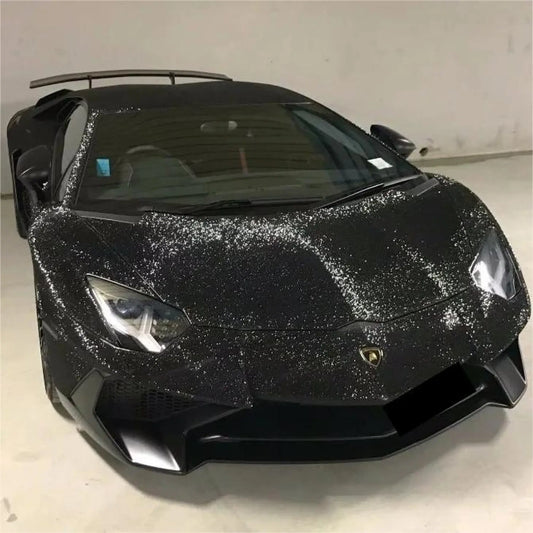
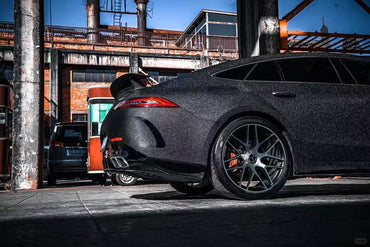
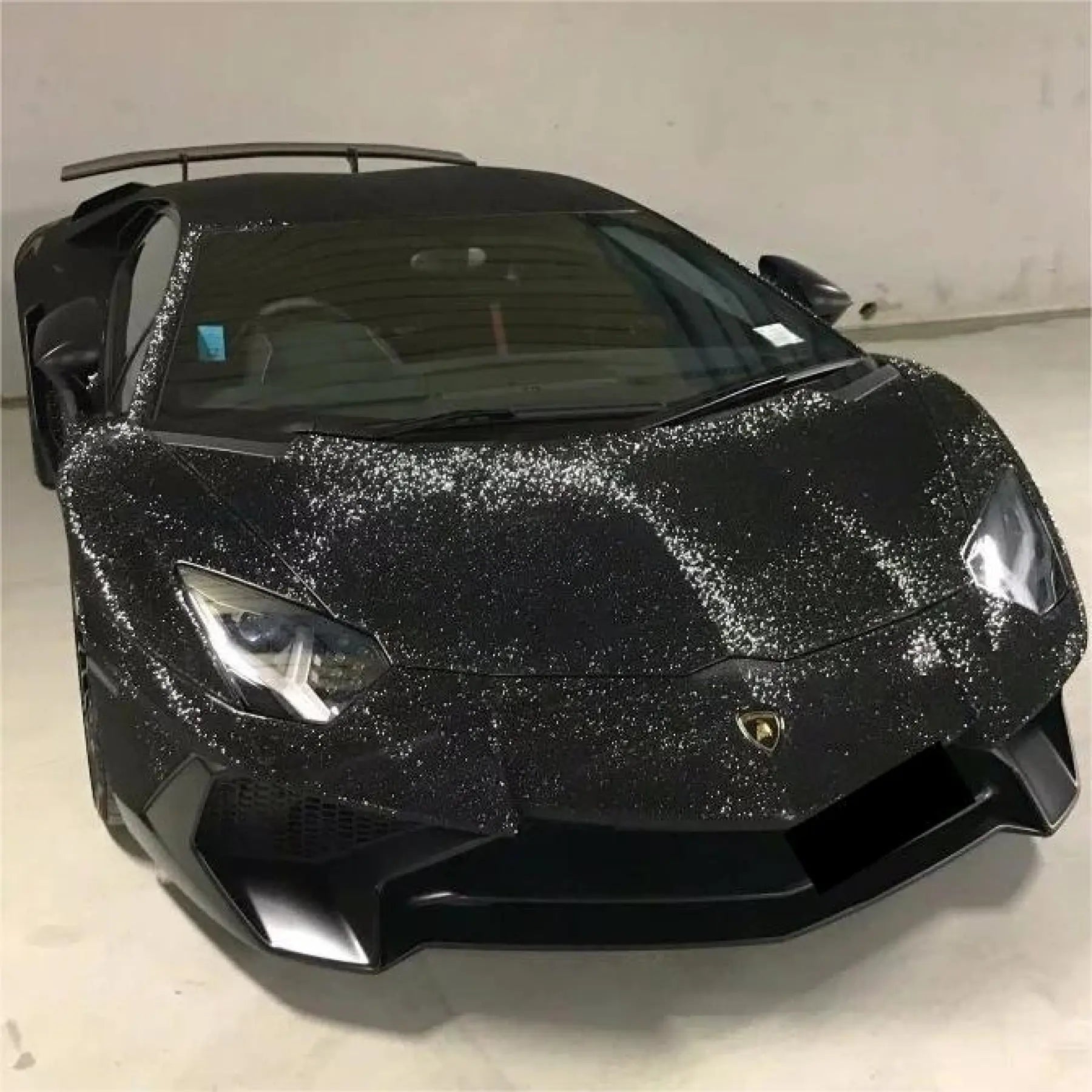
Statement finishes with built-in coverage — Rainbow Laser wraps, Crystal wraps, Dual Color Dream wraps, and Glitter and Sparkle wraps each deliver unique aesthetics while still functioning as a protective barrier over factory paint.
Before You Wrap: The One Rule That Determines Everything
Every protection benefit listed above depends on a single precondition: the factory paint must be in sound condition before the wrap goes on. Chipping, peeling, oxidized, or previously repaired paint creates problems at removal time — the adhesive can lift compromised paint along with the film, creating damage that was entirely avoidable.
Vehicles with intact, fully cured OEM paint are ideal candidates for wrapping. Pre-wrap paint correction — removing existing swirl marks, contaminants, and surface defects — produces the cleanest bond and the cleanest removal later. The DIY Car Wrap Installation Guide on Sailifilm's website covers surface preparation in detail for those doing their own installation.
For those new to selecting a film, Sample Kits allow testing real film swatches before committing to a full wrap, and the Wrapping Tools collection equips DIY installers with everything needed for professional-grade results.
Internal link placeholder: [Pre-wrap paint prep checklist — what to do before wrapping your car → link to future installation prep guide]
The Bottom Line
A vinyl wrap isn't just a color choice — it's a decision to extend the life of your factory paint, preserve resale value, and reduce the cumulative damage that daily driving inflicts on an unprotected finish. From UV blocking and stone chip resistance to chemical shielding and clean removal, a premium wrap functions as a working paint protection system that also happens to transform how a vehicle looks.
Explore Sailifilm's Best Sellers to see the most popular protection and color-change options right now, or browse by color — black wraps, white wraps, blue wraps, red wraps — to find the finish that fits both your aesthetic and your protection goals.

