



Understanding Paint Protection Film
Paint protection film, commonly called PPF or clear bra, is a transparent thermoplastic polyurethane material designed specifically to shield your vehicle's factory paint from damage. Originally developed for military helicopter rotor blades, this technology has evolved significantly for automotive applications.
Modern TPU paint protection wrap features self-healing properties that allow minor scratches and swirl marks to disappear when exposed to heat. The film thickness typically ranges from 6 to 10 mils, providing substantial impact resistance against rock chips, road debris, and environmental contaminants.
PPF works by absorbing energy from impacts that would otherwise damage your original paint. The thermoplastic urethane construction creates a robust barrier while maintaining optical clarity, ensuring your vehicle's original color shows through without distortion.
Key Characteristics of PPF
The primary function centers on protection rather than appearance modification. Premium TPU films offer hydrophobic surfaces that repel water and make cleaning easier. UV resistance prevents yellowing over time, while the self-healing topcoat maintains a pristine surface appearance throughout the film's lifespan.
According to Wikipedia's comprehensive overview of paint protection film, this technology has become increasingly sophisticated since its introduction to the consumer automotive market.
Understanding Vinyl Wrap
Vinyl wrap consists of a thin polyvinyl chloride (PVC) based adhesive film primarily designed for aesthetic customization. Unlike PPF, car vinyl wrap exists to transform your vehicle's appearance rather than protect it from physical damage.
The material thickness typically ranges from 3 to 5 mils, making it considerably thinner than paint protection film. This lighter construction allows for easier application around complex curves and body lines while enabling the vast color and finish options that make vinyl wraps so popular.
Vinyl wraps serve as an alternative to traditional paint jobs, offering reversible color changes at a fraction of the cost. The adhesive backing allows professional installers to apply the film smoothly across body panels, creating a seamless appearance that can dramatically alter your vehicle's look.
Popular Vinyl Wrap Finishes
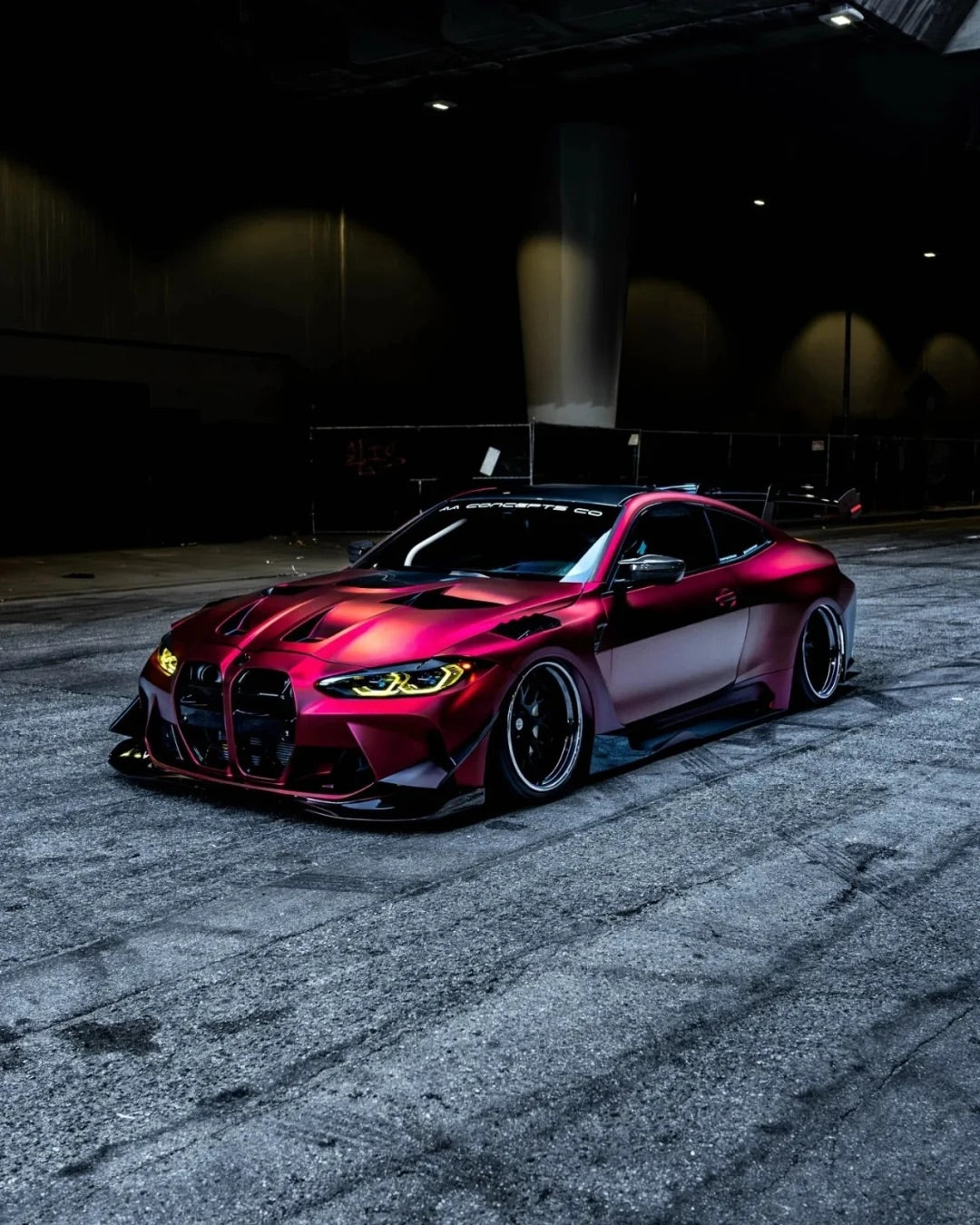
Today's vinyl wrap market offers extraordinary variety. The Metallic Series delivers brilliant reflective finishes that catch light beautifully. Crystal Series wraps provide deep, candy-like colors with exceptional depth. Rainbow Laser films create stunning color-shifting effects that transform under different lighting conditions.
For enthusiasts seeking unique appearances, Dual Color Dream wraps shift between two distinct hues depending on viewing angle. The Liquid Series offers mirror-like metallic finishes that create an incredibly premium appearance.
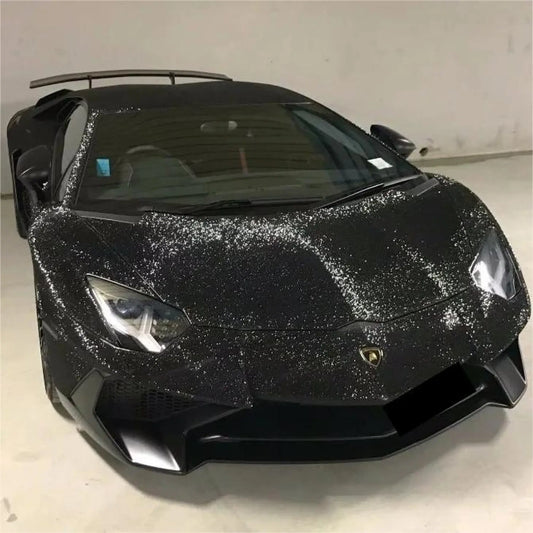
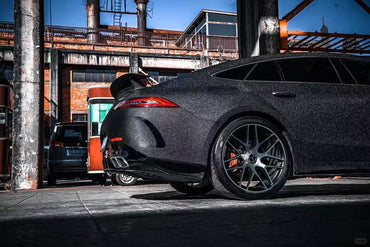
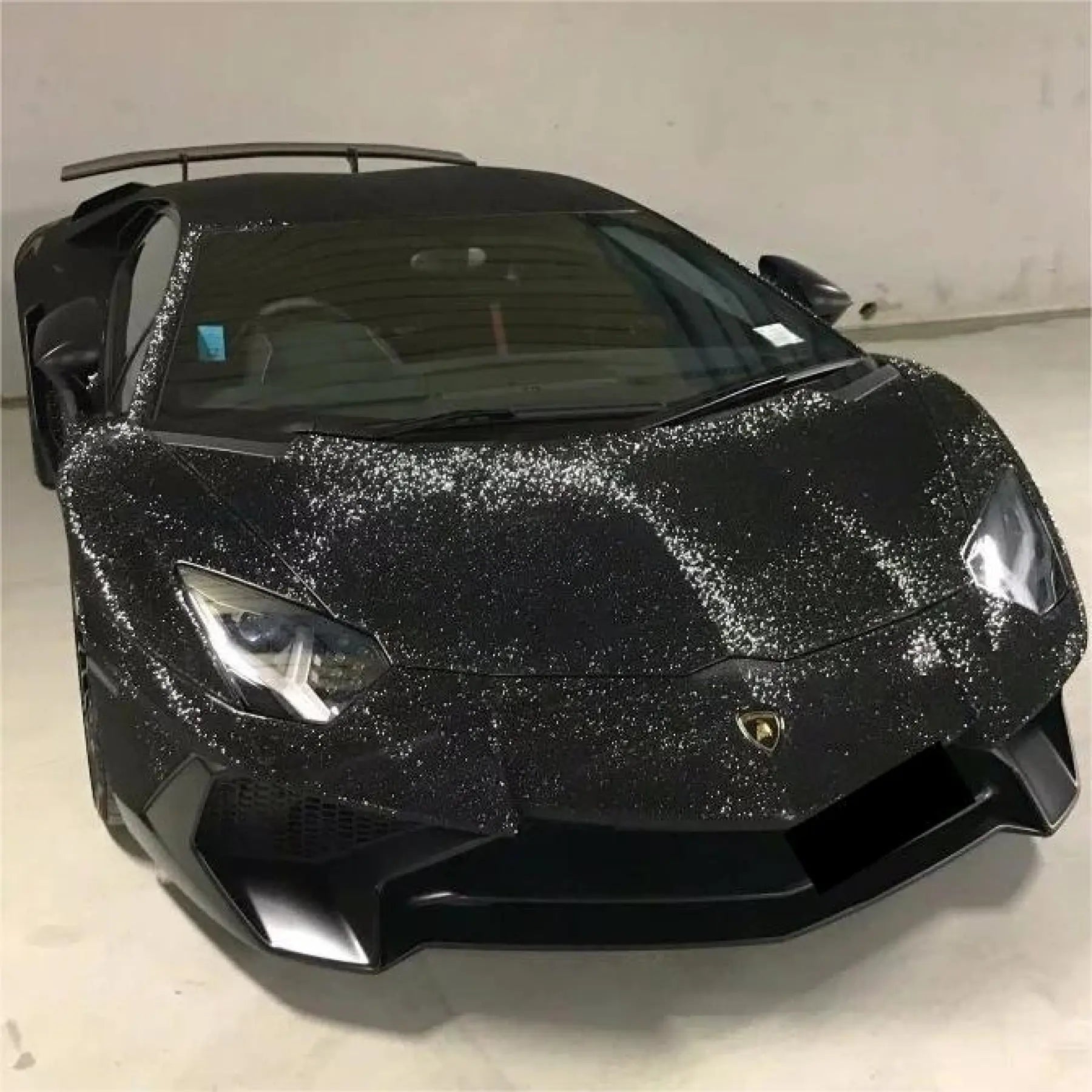
Those preferring understated elegance can explore Ultra Matte options, while 3D Carbon Fiber Wrap adds textured sporty aesthetics. Glitter Sparkle wraps incorporate light-catching particles for eye-catching brilliance.
Material Composition Differences
The fundamental difference between these products lies in their construction materials. Paint protection film utilizes thermoplastic polyurethane, an extremely durable and flexible polymer with inherent self-healing capabilities. This material can stretch significantly without tearing, conforming to complex shapes while maintaining structural integrity.
Vinyl wrap uses polyvinyl chloride, a versatile plastic that accepts dyes and finishes exceptionally well. While flexible enough for automotive application, PVC lacks the impact absorption properties and self-healing technology found in TPU-based films.
Protection Capabilities Compared
When evaluating protection levels, paint protection film clearly dominates. The thicker TPU material absorbs impacts from flying rocks, gravel, and road debris that would otherwise chip or scratch factory paint. Self-healing technology means minor surface scratches disappear with heat exposure, whether from sunlight or warm water.
Vinyl wrap provides basic protection against UV rays, light scratches, and environmental contaminants like bird droppings or tree sap. However, it cannot prevent rock chips or absorb significant impacts. The thinner material simply lacks the mass needed to stop physical damage from reaching your paint.
For vehicles frequently exposed to highway driving, gravel roads, or harsh environmental conditions, TPU paint protection film offers superior safeguarding for your investment.
Durability and Longevity
Premium paint protection film typically lasts 5 to 10 years with proper maintenance, depending on environmental exposure and care routines. The material resists yellowing, cracking, and peeling throughout its lifespan when professionally installed and properly maintained.
Quality vinyl wrap generally maintains its appearance for 3 to 5 years under normal conditions. Extreme temperatures, intense sunlight, and harsh weather can accelerate degradation. Horizontal surfaces like hoods and roofs typically show wear faster than vertical panels due to increased sun exposure.
Both products perform best when hand washed with pH-neutral soaps and protected from prolonged direct sunlight when possible.
The Rise of Colored PPF
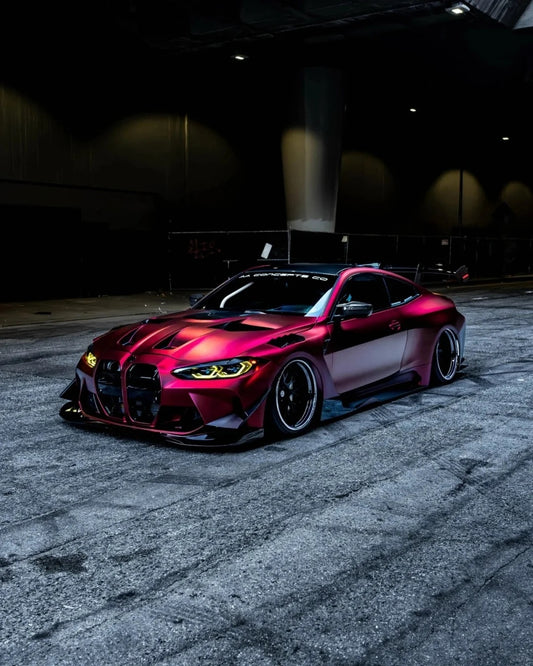
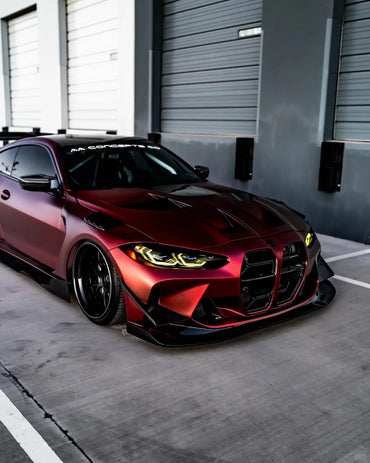
Recent innovations have created an exciting hybrid option: colored paint protection film. This technology combines the protective qualities of traditional clear PPF with vibrant color options, delivering both customization and protection in a single application.
Colored PPF utilizes the same thermoplastic polyurethane construction as clear film, meaning you get self-healing properties, rock chip protection, and UV resistance alongside your chosen color. Options include Crystal Sky Blue, Ferrari Red, Arctic Grey, Piano Black, and numerous other finishes.
This innovation addresses the traditional compromise between protection and customization. Previously, choosing vinyl wrap meant sacrificing the superior protection of PPF. Now, colored paint protection film allows enthusiasts to achieve both goals simultaneously.
Cost Considerations
Paint protection film generally costs more than vinyl wrap, both for materials and installation labor. The thicker material requires more specialized techniques and takes longer to apply correctly. However, the extended lifespan and superior protection often justify the higher initial investment for owners planning to keep their vehicles long-term.
Vinyl wrap offers a more budget-friendly entry point for vehicle customization. Full vehicle wraps cost less than comparable PPF coverage, making dramatic color changes accessible to more enthusiasts. The lower price point also makes experimentation more practical—changing wrap colors every few years remains affordable for many owners.
Installation Requirements
Both products demand professional installation for optimal results, though their application methods differ significantly. Paint protection film requires wet installation using slip solutions that allow precise positioning before the adhesive activates. Installers must carefully stretch and contour the material around complex curves without creating bubbles, lifting edges, or visible seams.
Vinyl wrap typically uses dry installation methods, though some techniques incorporate light moisture. The thinner material conforms more readily to body lines but demands careful attention around edges and recessed areas to prevent premature lifting.
Quality installation significantly impacts longevity and appearance for both options. Attempting DIY installation without proper training and tools often results in subpar outcomes.
Choosing the Right Option
Your decision should align with your primary goals. Select paint protection film when preserving original paint condition matters most, especially for high-value vehicles, daily drivers facing harsh conditions, or cars you plan to resell.
Choose vinyl wrap when dramatic appearance changes take priority and you accept that protection remains secondary. Vinyl excels for enthusiasts who enjoy refreshing their vehicle's look periodically or need temporary color changes without permanent commitment.
Consider colored PPF when you want both protection and customization without compromise. This premium option suits owners seeking the best of both worlds.
Maintenance Best Practices
Proper care extends the lifespan of either product. Hand washing with pH-neutral automotive soap prevents premature degradation. Avoid automatic car washes with stiff brushes that can scratch surfaces or lift edges. Applying quality wax or sealant designed for film applications enhances appearance and adds another protective layer.
For detailed maintenance guidance, explore resources like the Car Film Maintenance Guide to ensure your investment delivers maximum longevity.
Making Your Decision
Both paint protection film and vinyl wrap serve valuable purposes in automotive customization. Understanding their distinct strengths helps you invest wisely based on your specific priorities.
Explore the complete range of options at Sailifilm's Best Sellers to discover premium films matching your vision. Browse available finishes, compare specifications, and find the perfect solution for transforming or protecting your vehicle.
For those beginning their journey, Sample Kits allow hands-on evaluation of different films before committing to full coverage. Professional Wrapping Tools support quality installations for both DIY enthusiasts and professional installers.
Whether you prioritize protection, customization, or the innovative combination offered by colored PPF, today's automotive film technology delivers unprecedented options for enhancing your vehicle.

