



Understanding Paint Protection Film Technology
Paint protection film represents a significant advancement in automotive protection technology. Originally developed for military applications to shield helicopter blades from damage, this transparent thermoplastic urethane material has evolved into a sophisticated solution for civilian vehicles. Modern PPF creates a physical barrier between your vehicle's paint and environmental hazards.
Premium TPU paint protection wrap offers several advantages that make it particularly effective during winter months. The material typically measures between 7.5mil and 8.5mil in thickness, providing substantial protection against physical impacts. Self-healing properties allow minor scratches and swirl marks to disappear when exposed to heat, maintaining the film's clarity throughout its lifespan.
The thermoplastic urethane construction of quality PPF remains flexible even in extreme cold, unlike some inferior films that become brittle and crack when temperatures drop below freezing. This flexibility ensures consistent protection regardless of weather conditions, making PPF an excellent choice for drivers in northern climates who face extended periods of freezing temperatures.
Ceramic Coating Fundamentals
Ceramic coating operates on different principles than paint protection film. This liquid polymer chemically bonds with your vehicle's factory paint at a molecular level, creating a semi-permanent hydrophobic layer. The coating produces a hard, glass-like surface that repels water, dirt, and certain contaminants.
The hydrophobic properties of ceramic coatings offer practical benefits during winter. Water beads and rolls off treated surfaces more easily, reducing the amount of road salt and grime that adheres to your vehicle. This characteristic simplifies winter washing routines and helps maintain cleaner appearance between washes.
However, ceramic coating provides minimal physical protection. The coating layer measures only 10-20 microns thick, far thinner than paint protection film. This limited thickness means ceramic coatings cannot prevent rock chips, scratches from ice scrapers, or damage from road debris—common winter hazards that threaten vehicle exteriors.
Winter-Specific Protection Comparison
Road Salt Defense
Road salt represents one of the most corrosive elements your vehicle encounters during winter months. Salt accelerates rust formation on exposed metal surfaces and can etch into unprotected paint over time. Both protection methods offer defense against salt damage, but through different mechanisms.
PPF creates an impenetrable physical barrier that prevents salt from ever contacting your vehicle's paint. Salt crystals cannot penetrate the thermoplastic urethane layer, and regular washing removes accumulated salt from the film's surface without any risk to the underlying finish.
Ceramic coatings make salt removal easier through their hydrophobic properties, but they do not prevent salt from contacting the paint entirely. The coating reduces adhesion, but prolonged exposure to road salt can still cause damage if not regularly washed away. For comprehensive salt protection, PPF provides superior defense.
Rock Chip and Debris Protection
Winter roads often contain more debris than other seasons. Plows scatter gravel and sand across roadways, while chunks of ice and frozen debris can strike your vehicle at highway speeds. This increased risk of physical damage makes protection particularly important during winter months.
Car vinyl wrap and paint protection film excel at absorbing impacts from road debris. The film's thickness and elasticity distribute impact forces across a larger area, preventing chips and dents from reaching your paint. Many vehicle owners apply PPF to high-impact zones like the front bumper, hood, and side mirrors where rock chips occur most frequently.
Ceramic coating offers no protection against physical impacts. The thin molecular layer cannot absorb or deflect debris, leaving your paint vulnerable to chips and scratches from winter road conditions. Drivers who frequently travel on salted or gravel-covered roads should consider physical protection that ceramic coating cannot provide.
Ice Scraper Damage Prevention
Removing ice from vehicle windows requires care to avoid damaging surrounding paint and trim. Even careful ice scraper use can accidentally scratch painted surfaces, especially around window frames and mirrors. This common winter task presents risks that differ significantly between protection methods.
PPF provides excellent protection against accidental ice scraper contact. The film absorbs minor scratches and, thanks to self-healing properties, can repair light damage with heat exposure. This forgiveness makes PPF ideal for drivers who occasionally slip while clearing ice from their vehicles.
Ceramic coating offers limited defense against ice scraper damage. While the hardened surface may resist very light contact, any meaningful scraping motion can scratch through the coating and damage the underlying paint. Vehicle owners with ceramic coating must exercise extreme caution when clearing ice.
Temperature Performance Considerations
Cold Weather Durability
Winter temperatures test the durability of any protective coating or film. Quality matters significantly when protection must perform in freezing conditions day after day.
Premium TPU paint protection film maintains flexibility and adhesive strength in temperatures well below freezing. The material does not become brittle or crack like inferior vinyl alternatives. Professional-grade films from reputable manufacturers like Sailifilm are engineered to withstand temperature extremes without degradation.
Ceramic coatings generally perform well in cold temperatures once fully cured. The chemical bond with paint remains stable regardless of temperature. However, application during cold weather can be problematic, as most ceramic coatings require warm temperatures for proper curing.
Heat Cycling and Freeze-Thaw Effects
Repeated cycles between freezing and thawing stress any protective treatment. Expansion and contraction during temperature changes can weaken adhesion or cause coating failure over time.
High-quality PPF adhesives are formulated to handle temperature cycling without losing grip. The film expands and contracts with your vehicle's paint, maintaining consistent protection throughout seasonal temperature swings. Edge lifting or adhesive failure rarely occurs with properly installed premium films.
Ceramic coatings bond chemically rather than adhesively, making them less susceptible to temperature cycling issues. The molecular bond with paint remains stable through freeze-thaw cycles, providing consistent protection from season to season.
Protection Longevity and Value
Lifespan Expectations
Understanding how long each protection method lasts helps calculate long-term value. Both options represent investments that provide returns over extended periods.
Quality paint protection film typically lasts 5-10 years with proper care. The film maintains protective capabilities throughout its lifespan, defending against rock chips, scratches, and environmental contamination year after year. This extended durability makes PPF cost-effective despite higher initial investment.
Ceramic coatings generally last 2-5 years depending on product quality and maintenance. Higher-end coatings may exceed this range with proper care, but most ceramic treatments require periodic reapplication to maintain full effectiveness. The shorter lifespan means more frequent retreatment costs over vehicle ownership.
Resale Value Impact
Maintaining your vehicle's exterior condition directly affects resale value. Buyers pay premiums for vehicles with pristine paint, making protection investments particularly valuable for those who plan to sell eventually.
PPF preserves factory paint in original condition beneath the film. When removed, the protected paint appears exactly as it did on delivery day. This preservation can significantly boost resale value, especially on luxury vehicles where paint quality strongly influences buyer perception.
Ceramic coating also supports resale value by simplifying maintenance and preserving paint gloss. However, the lesser physical protection means accumulated rock chips and scratches may still reduce appearance value over time.
Combining Protection Methods
Many vehicle owners achieve optimal winter protection by combining both technologies. Applying ceramic coating over paint protection film creates multiple defense layers that address different types of damage.
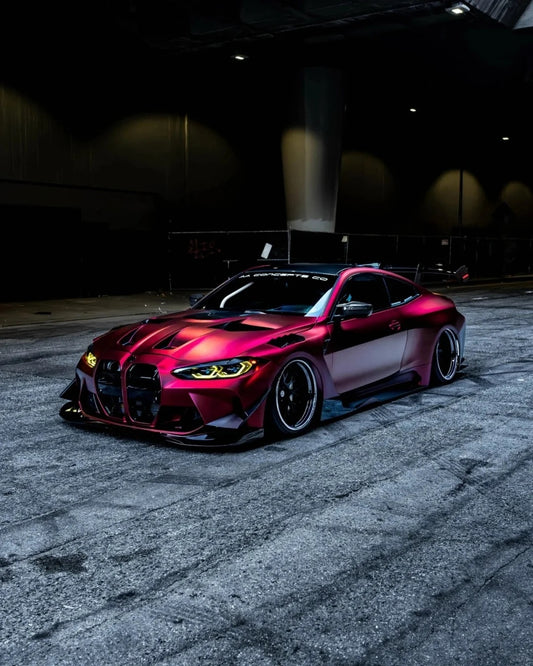
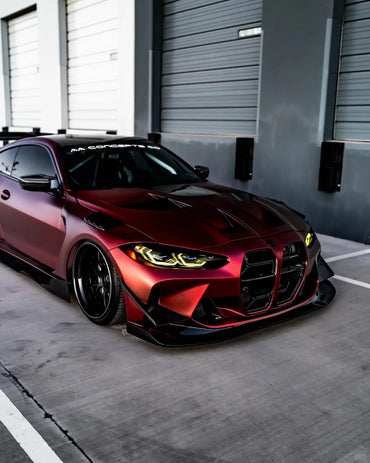
The combination approach uses PPF on high-impact areas like the front bumper, hood, fenders, and mirrors where rock chips occur most frequently. Colored paint protection film offers additional customization opportunities while providing the same protective benefits as clear film.
Ceramic coating applied over PPF and remaining painted surfaces adds hydrophobic properties that simplify winter maintenance. Salt and road grime wash away more easily from coated surfaces, reducing the effort required to keep your vehicle clean during harsh winter months.
Style Options for Winter Protection
Modern protection solutions offer aesthetic customization beyond basic clear films. Drivers can transform their vehicle's appearance while adding winter protection.
Ultra matte wrap creates sophisticated non-reflective finishes that look stunning against winter landscapes. The velvety surface absorbs light for a refined stealth appearance that distinguishes your vehicle from standard glossy finishes.
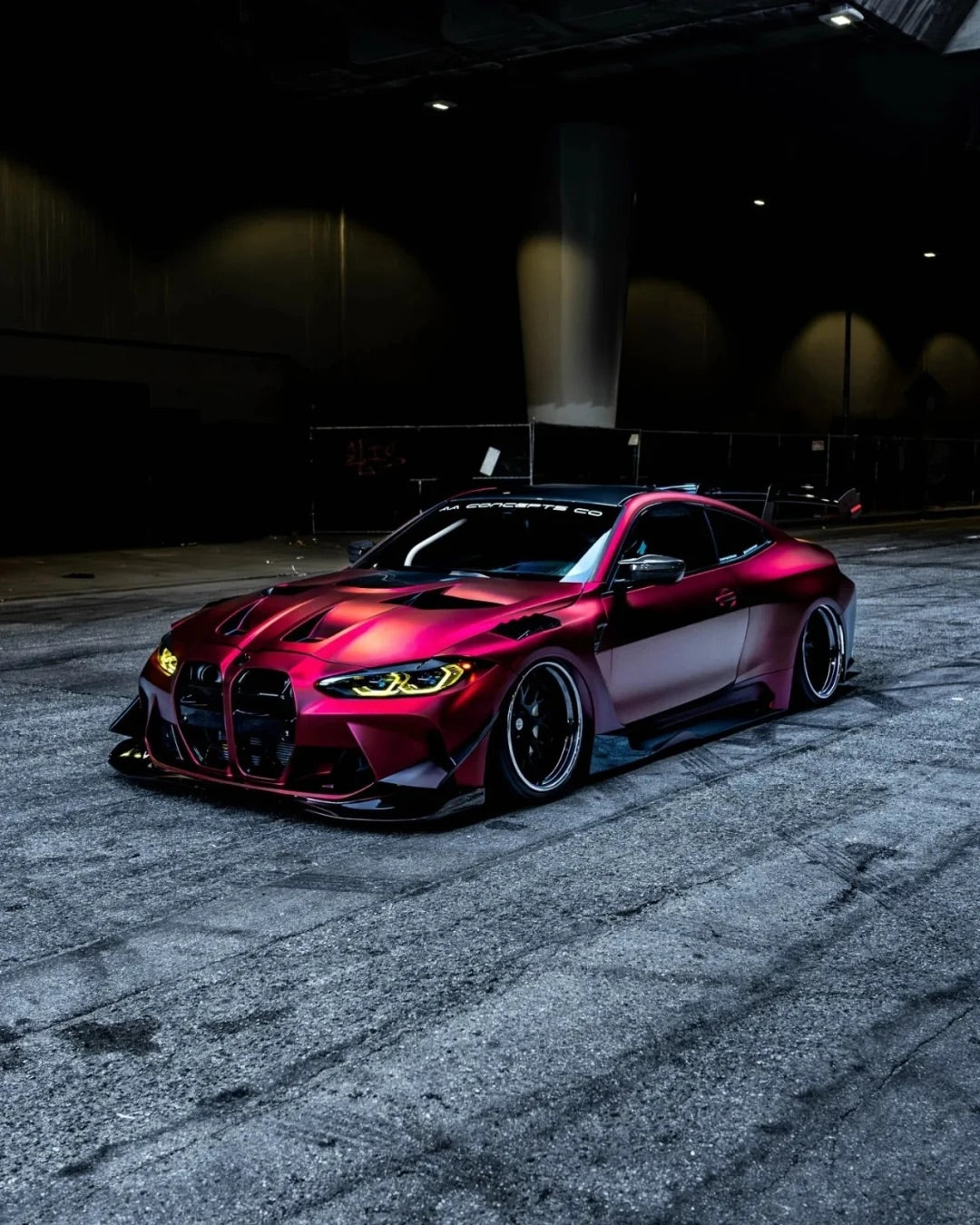
Metallic vinyl wrap provides eye-catching color-shifting effects that change with viewing angle and lighting conditions. These dynamic finishes make strong visual statements while protecting underlying paint from winter hazards.
Crystal vinyl wrap offers brilliant depth and clarity that enhances any vehicle's curves. The crystal finish showcases color richness that remains vibrant throughout winter's gray days.
Rainbow laser vinyl wrap delivers prismatic effects that transform under different lighting conditions. These holographic finishes capture attention and express individuality while providing protective benefits.
Liquid chrome wrap creates mirror-like reflective surfaces that make bold statements. The high-gloss metallic finish turns heads while shielding paint from environmental damage.
Dual color dream vinyl wrap enables creative two-tone designs that enhance vehicle contours. Strategic color placement highlights body lines and creates dynamic visual interest.
3D carbon fiber wrap adds motorsports-inspired texture with realistic weave patterns. The sporty appearance suits performance vehicles while providing protective coverage.
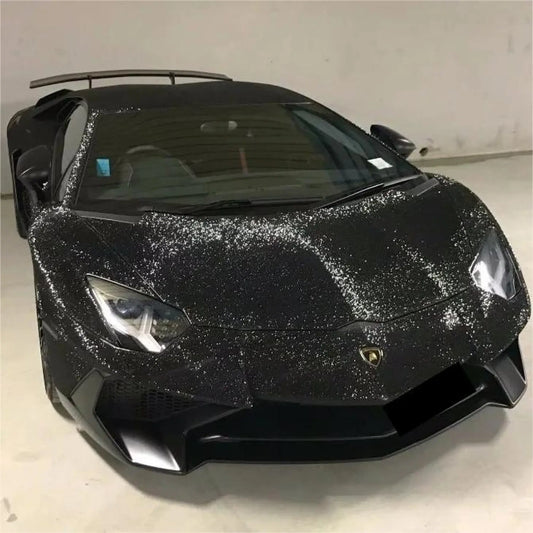
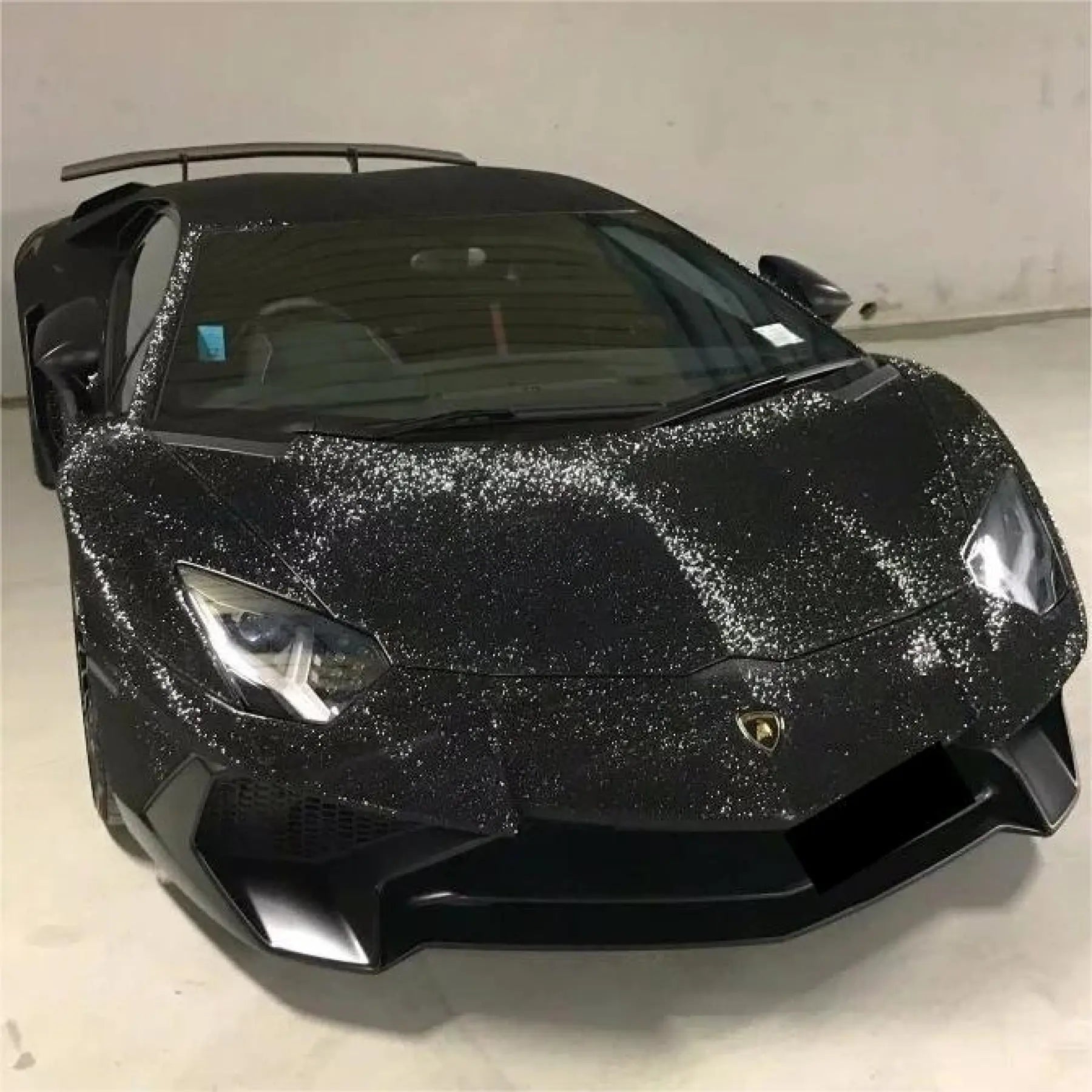
Glitter sparkle car wrap incorporates reflective particles that shimmer and shift with movement. These attention-grabbing finishes stand out even on overcast winter days.
Winter Maintenance Tips
Proper maintenance maximizes protection effectiveness regardless of which method you choose. Following winter-specific care guidelines extends product lifespan and maintains appearance.
Wash your vehicle regularly throughout winter to remove accumulated road salt before it can cause damage. Use pH-neutral car wash solutions that are safe for both PPF and ceramic coatings. Hand washing remains the safest method, as automatic car washes with brushes can scratch vinyl wraps and films.
Avoid ice scrapers on wrapped or filmed surfaces entirely. Use soft snow brushes to clear snow and allow the vehicle to warm naturally to melt ice. De-icer spray provides a safer alternative to scraping on protected surfaces.
Park in covered areas when possible to minimize exposure to freezing precipitation. Garage storage protects wraps and films from temperature extremes and reduces ice accumulation that requires removal.
Inspect edges and seams periodically for lifting or damage. Winter conditions can stress adhesive bonds, especially around door handles and mirrors where ice accumulates. Address any lifting promptly to prevent moisture intrusion beneath the film.
Making Your Decision
The choice between PPF and ceramic coating depends on your specific priorities, driving conditions, and budget. Consider these factors when selecting winter protection for your vehicle.
Choose PPF if you prioritize physical protection against rock chips, scratches, and road debris. Drivers who travel frequently on highways or gravel roads benefit most from the impact resistance that only physical film provides. PPF also suits those who value self-healing properties and want forgiveness for minor incidents like accidental ice scraper contact.
Select ceramic coating if you value easier maintenance and enhanced gloss above physical protection. Drivers with garage-kept vehicles who rarely encounter harsh road conditions may find ceramic coating sufficient. The hydrophobic properties simplify cleaning routines and maintain showroom shine with less effort.
Consider combining both methods if budget allows and you want comprehensive protection. The layered approach addresses multiple threat types and maximizes winter preparedness. Apply PPF to impact zones and ceramic coating everywhere for optimal defense.
Professional Tools and Resources
Successfully applying protection requires proper tools and technique. Professional installation ensures optimal results, but DIY enthusiasts can achieve quality outcomes with appropriate preparation.
Wrapping tools designed specifically for automotive film application make installation easier and produce better results. Quality squeegees, heat guns, and cutting tools help achieve seamless, bubble-free application.
Sample kits allow you to evaluate colors and finishes before committing to full vehicle coverage. Testing samples on your specific vehicle helps visualize final results and ensures satisfaction with your selection.
Conclusion
Winter protection requires understanding the distinct capabilities of available solutions. PPF provides superior physical protection against rock chips, scratches, and debris that threaten vehicle exteriors during harsh winter months. Ceramic coating simplifies maintenance and enhances appearance but cannot defend against physical impacts.
For drivers facing serious winter conditions with salted roads, flying debris, and freezing temperatures, paint protection film offers the comprehensive defense that ceramic coating alone cannot provide. The combination of both technologies creates an optimal protection system that addresses all winter hazards while simplifying maintenance routines.
Explore the full range of car vinyl wrap and best sellers at Sailifilm to find protection that matches your style and performance requirements. Transform your vehicle's appearance while defending against everything winter throws your way.
Related Resources:

