





Why Seasonal Maintenance Matters for Car Wraps
Vinyl car wraps are engineered from cast or calendered PVC and TPU films designed to flex, resist UV degradation, and bond cleanly to your vehicle's body panels. But unlike factory paint, vinyl is a surface film — it responds to environmental stressors more directly. According to Wikipedia's overview of vinyl polymer applications, PVC-based materials can become brittle or discolored under prolonged UV exposure and extreme temperature cycling without proper protective measures. The same principle applies to your wrap. Treating your maintenance routine like a fixed schedule — aligned with the four seasons — is the most reliable way to stay ahead of fading, lifting, and contamination damage.
Spring: Deep Clean and Inspect After Winter's Punishment
Winter leaves behind a toxic residue cocktail: road salt, calcium chloride, grit, and freeze-thaw cycling damage. Your first spring task is a thorough decontamination wash before warmer temperatures bond those contaminants deeper into the film.
What to do:
Start with a full hand wash using a pH-neutral, wrap-safe car shampoo and two microfiber wash mitts — one for the upper panels, one for the lower sill areas where salt accumulates most. Rinse top-down using low-pressure water. Avoid automatic car washes with rotating brushes, which are among the fastest ways to scratch and delaminate vinyl edges.
Once clean, inspect every panel edge, seam, and curve carefully. Look for any lifting corners, micro-bubbling, or adhesion loss — especially on horizontal surfaces like the hood and roof that took the heaviest UV and snow load. Catching edge lift in spring means a simple press-and-heat fix rather than a costly re-wrap later.
After the inspection, apply a wrap-compatible sealant or spray detailer to lock out spring pollen. Pollen is acidic and can leave permanent etching on crystal vinyl wraps and metallic vinyl wraps if left to bake in the first warm sun. A light coat of sealant buys you weeks of protection between washes.
This is also the ideal season to order sample kits if you're considering a seasonal color change or planning to upgrade sections of your current wrap.
Summer: UV Defense and Heat Management
Summer is the harshest season for wrap film. Intense UV radiation breaks down the plasticizers in standard PVC, causing colors to shift and finishes to dull. High ambient temperatures — especially on dark-colored wraps — can soften the adhesive layer slightly, making the film more vulnerable to impressions and lifting at edges.
What to do:
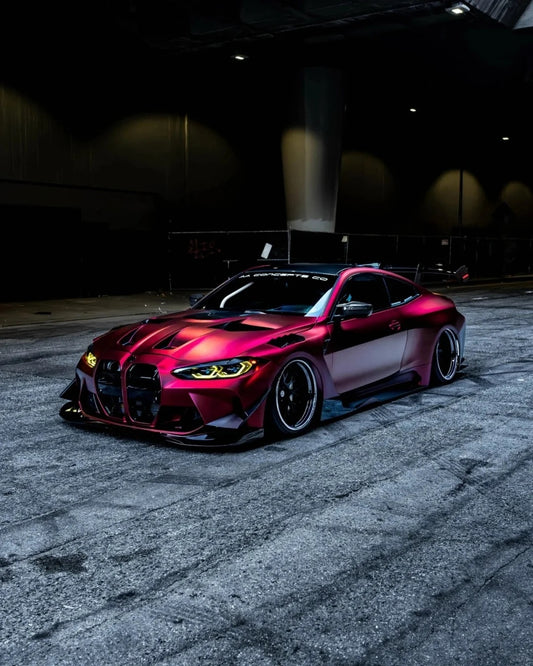
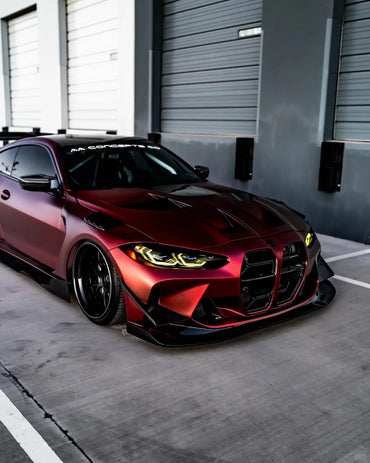
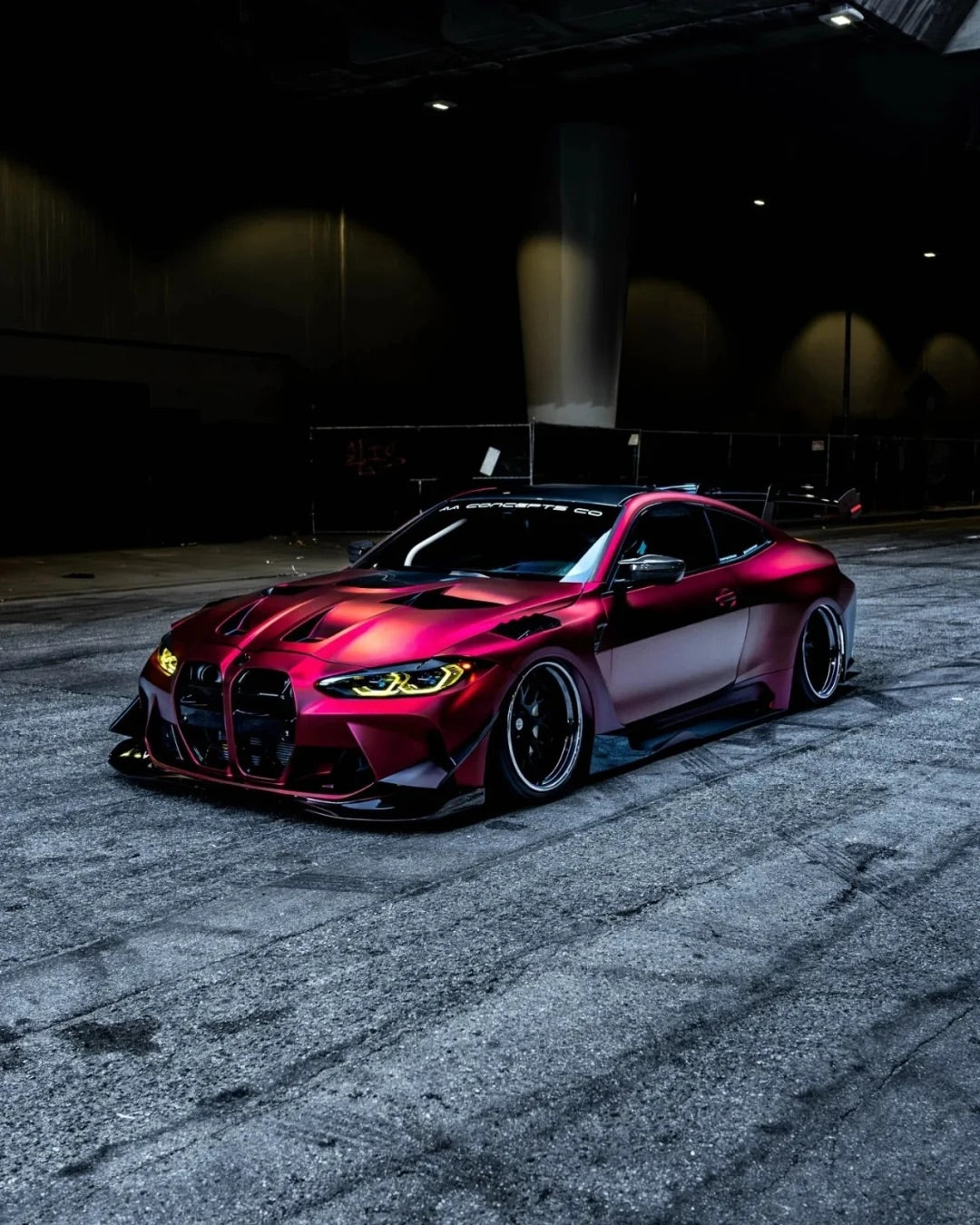
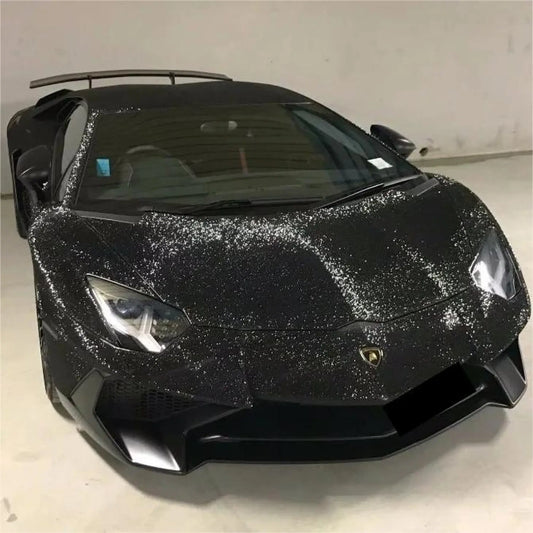
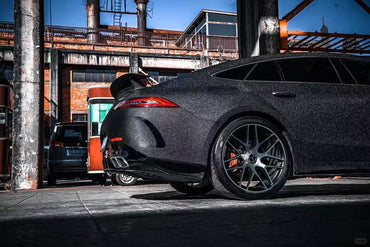
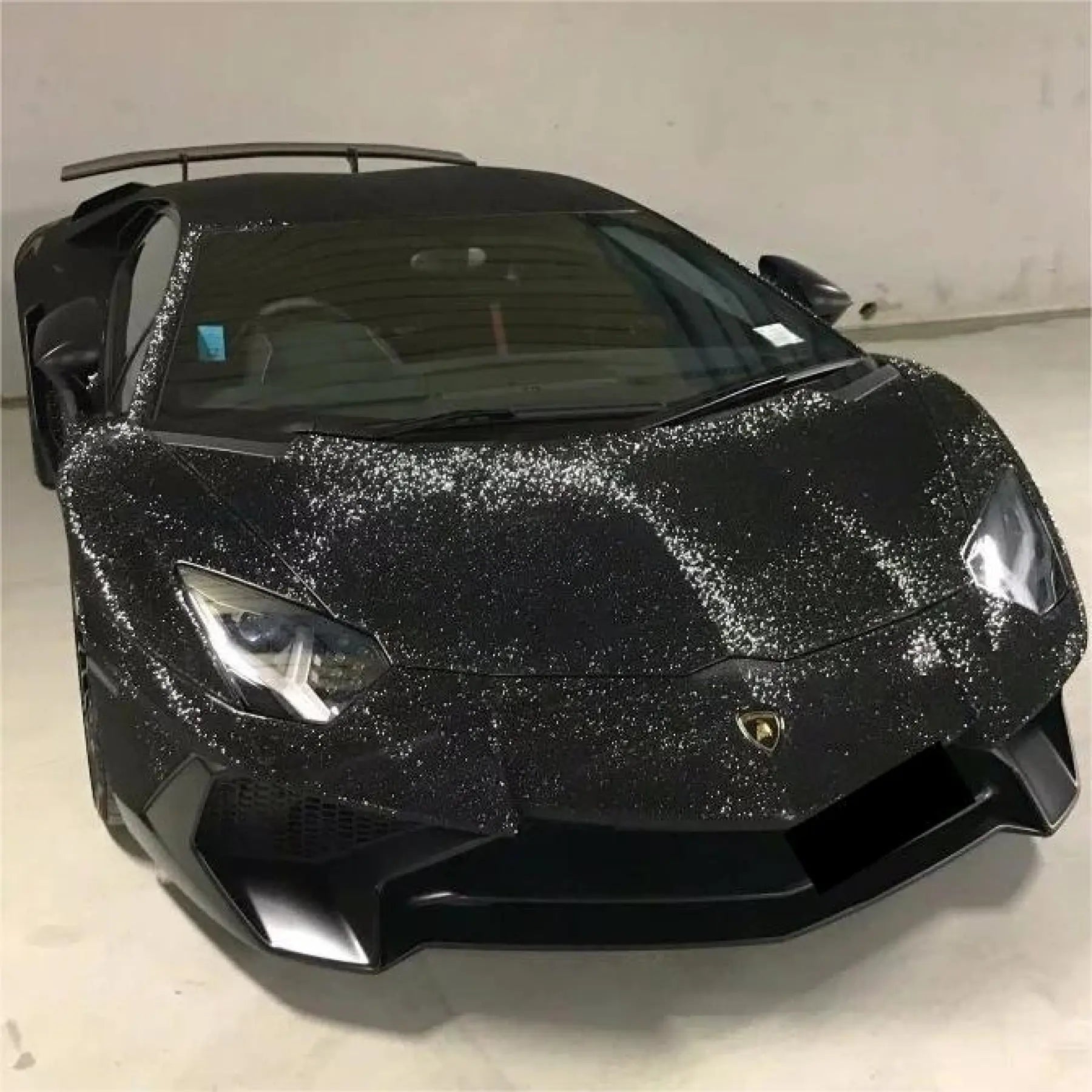
Park in shaded areas or use a breathable car cover whenever possible. Direct sun exposure for 8+ hours daily can cut the effective life of even a quality glitter sparkle car wrap or dual color dream vinyl by 12–18 months over a 5-year period. This isn't speculation — research published on automotive film degradation consistently shows UV as the primary driver of color shift in exterior films.
Wash frequency should increase in summer. Insect splatter, bird droppings, and tree sap become more prevalent and more acidic as temperatures rise. These should be removed within 24–48 hours of contact using a spot-cleaning spray and a soft microfiber cloth — never scraped dry. A 50/50 isopropyl alcohol and water solution works well for stubborn bug residue without harming the film surface.
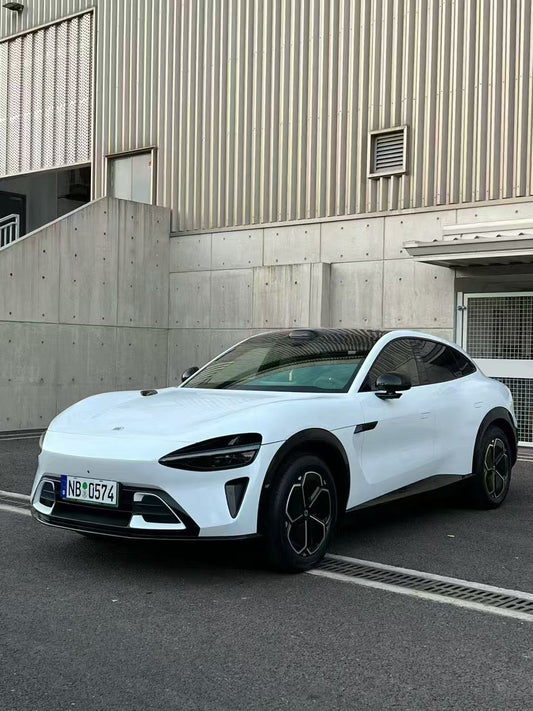
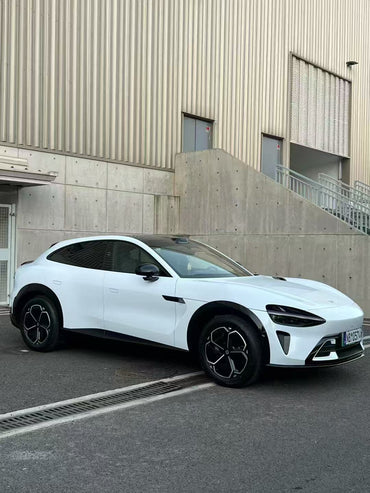
For TPU paint protection wraps and colored PPF films, summer is actually when these materials perform best. TPU's self-healing topcoat activates with heat, meaning light swirls and fine scratches from summer washing can disappear on their own in direct sunlight or with a brief application of warm air. Understanding how paint protection film works helps you take advantage of this feature rather than worrying unnecessarily about surface marks.
Use the summer months to stock up on proper wrapping tools for any DIY maintenance tasks like edge re-pressing or small section repairs.
Fall: Preparation Before the Cold Hits
Fall brings falling leaves (which are surprisingly acidic when wet and decomposing), morning dew, and the first freezing nights. This transition season is about sealing and protecting the wrap before the brutal months ahead.
What to do:
Complete one final deep wash and decontamination in late October or early November. Pay extra attention to the lower body panels where leaf debris collects and traps moisture against the film surface. Decomposing organic material produces acids that can stain or permanently dull 3D carbon fiber wraps and matte finishes if left over winter.
Apply a high-quality vinyl sealant across all wrap panels. This creates a hydrophobic barrier that causes water and road spray to bead off rather than soak into seams and edges. Re-apply sealant every 8–12 weeks throughout the cold season.
Fall is also the time to check that all wrap edges are firmly adhered. Temperature contraction in winter pulls at any area where adhesion has weakened. A heat gun applied gently at 120°F–140°F range (never higher) can re-activate the adhesive at lifting edges before they become a major problem. If you're unsure about this process, professional detailing guidance on wrap repair is a useful reference before attempting it yourself.
Winter: Gentle Handling and Salt Control
Winter is the season most car wrap owners underestimate. Road salt and de-icing chemicals are not just a problem for your paint — they aggressively attack wrap adhesive, accelerate edge lifting, and can cause color shifts in certain film types, particularly metallic vinyl wraps with multi-layer constructions.
What to do:
Wash your wrapped vehicle within 48 hours after any drive through heavily salted roads. This single habit does more to extend wrap life than almost any other winter practice. Use warm water (never boiling) and a wrap-safe soap. Cold, stiff vinyl benefits from the slightly warmer rinse temperature, which also helps prevent water spots from freezing on the surface.
Never use an ice scraper directly on wrap film. If ice forms on your vehicle, allow it to melt naturally or use a de-icer spray labeled as paint-safe. Scrapers cause micro-scratches across the entire panel and can catch on seams and edges, causing catastrophic tears — a particular concern with highly polished finishes like liquid chrome wraps or rainbow laser vinyl where surface damage is immediately visible.
Avoid touchless automatic car washes that use high-pressure jets as a primary cleaning method. The pressure at close range can lift film edges and force water under seams. If hand-washing isn't possible in sub-zero temperatures, a rinseless wash product applied with a microfiber mitt inside a heated garage is a better option.
If your vehicle sits parked outdoors for extended periods, a breathable outdoor car cover significantly reduces the cumulative UV and thermal stress even in winter. UV rays penetrate cloud cover year-round, and a cover adds meaningful protection to vibrant finishes like glitter sparkle or dual color dream vinyl that rely on their visual effects staying crisp.
Universal Rules That Apply Every Season
Regardless of the time of year, a few maintenance principles never change for any Sailifilm product:
Washing: Always hand wash. Use a pH-neutral, wrap-safe shampoo, two-bucket method, and clean microfiber tools. Wash every two weeks minimum, weekly in high-contamination seasons.
Drying: Pat dry with a clean microfiber drying towel or use a gentle leaf blower. Never let your vehicle air dry — water spots leave mineral deposits that permanently etch certain finishes.
Fuel spills: Wipe off immediately. Gasoline and diesel solvents will begin degrading vinyl adhesive within minutes. Keep a small spray bottle of isopropyl alcohol and a microfiber cloth in your vehicle for quick response.
Waxing: Use only wrap-compatible, non-abrasive sealants. Standard automotive waxes with petroleum distillates can soften the film's outer layer and cause cloudiness, especially on matte and satin finishes. Never use polish or cutting compound on any vinyl film.
Storage: If storing your vehicle for an extended period, clean it thoroughly first, apply a full sealant layer, and keep it in a climate-controlled or at least covered space. Vinyl film stored in sustained sub-freezing temperatures without protection can develop micro-cracking in the adhesive layer.
The Right Film for Your Climate
Choosing the right wrap material from the start makes seasonal maintenance significantly easier. If you live in a high-UV environment, TPU-based paint protection wraps and colored PPF films offer superior UV resistance and self-healing properties that reduce maintenance demands across all four seasons. If you prioritize aesthetics with manageable upkeep, cast vinyl options from the best sellers collection are engineered for multi-year performance with proper care.
Not sure which material suits your region and lifestyle? The sample kits let you evaluate finish, texture, and color accuracy before committing to a full wrap — a smart first step for any serious enthusiast.

