



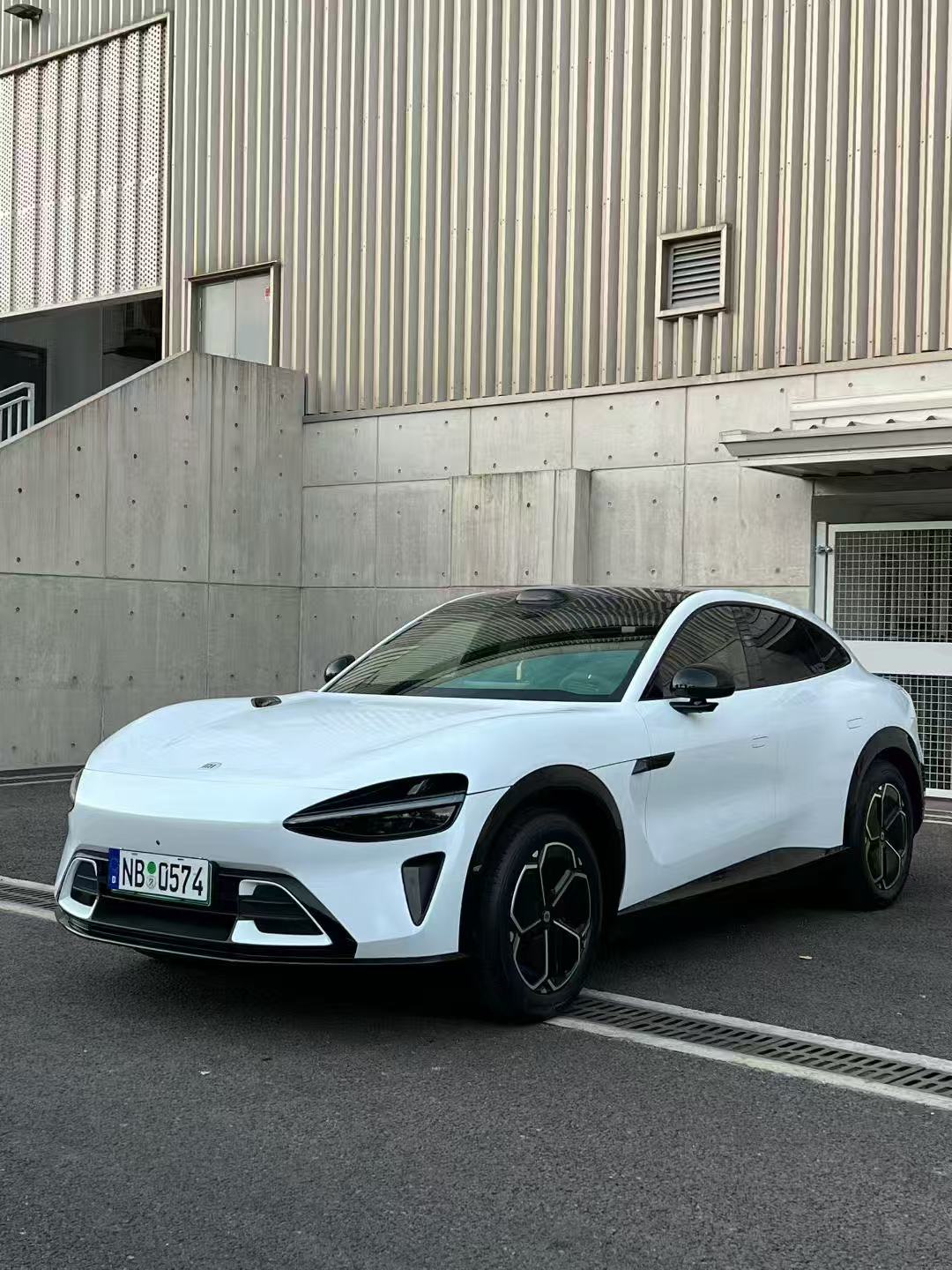


Understanding Film Materials: TPU and PVC Fundamentals
The automotive film industry has evolved significantly from its origins in the 1950s, when basic vinyl graphics first appeared on commercial vehicles. Today's advanced materials offer unprecedented performance, protection, and aesthetic possibilities that transform how vehicle owners approach customization and paint preservation.
What is TPU Film?
Thermoplastic polyurethane (TPU) represents the pinnacle of automotive film technology, engineered from high-performance elastomeric materials that combine exceptional durability with remarkable flexibility. This advanced polymer features a unique molecular structure incorporating both rigid and flexible segments, enabling it to adapt seamlessly to temperature fluctuations and mechanical stress without compromising integrity.
TPU films excel in applications demanding maximum protection and longevity. Originally developed for industrial and military applications requiring extreme durability, TPU paint protection technology has been refined specifically for automotive use, delivering unmatched resistance to environmental hazards while maintaining optical clarity.
TPU Material Composition:
The sophisticated structure of thermoplastic polyurethane films includes multiple functional layers. The base TPU substrate provides structural integrity and impact resistance, while specialized coatings deliver self-healing capabilities and stain resistance. Advanced adhesive systems ensure secure bonding without paint damage, and protective release liners maintain film cleanliness during storage and installation.
Self-Healing Technology Explained:
One of TPU's most revolutionary features is its self-healing topcoat. This innovative technology utilizes heat-activated polymers that respond to temperatures above 140°F, commonly achieved through direct sunlight exposure or warm water contact. When minor scratches or swirl marks occur on the film surface, heat triggers the polymer chains to realign and flow back into their original smooth state, effectively erasing the damage within minutes to hours.
This self-healing capability significantly reduces maintenance requirements and preserves the film's pristine appearance throughout its lifespan, making TPU ideal for vehicles exposed to daily driving conditions and environmental hazards.
What is PVC Film?
Polyvinyl chloride (PVC) has served as the automotive wrap industry's workhorse material for decades, offering versatile customization options at accessible price points. This rigid plastic polymer, when combined with plasticizers for increased flexibility, creates vinyl films suitable for comprehensive vehicle transformations.
PVC wraps have established themselves as the standard for color change applications, providing virtually unlimited design possibilities through diverse color palettes, textures, and finish options. While PVC materials lack the advanced protective properties of TPU films, they deliver outstanding aesthetic results for vehicle owners prioritizing appearance customization over maximum protection.
PVC Material Structure:
Traditional PVC vinyl wraps consist of polymeric PVC base material combined with plasticizers that enhance flexibility and workability. The adhesive layer features pressure-sensitive properties for secure application, while protective backing paper or PET liners prevent contamination before installation. Many premium PVC wraps include protective laminates that provide basic UV resistance and surface protection.
Calendered vs Cast PVC Films:
The manufacturing process significantly impacts PVC film quality and performance. Calendered vinyl, produced by pressing heated resin through rollers, offers cost-effective solutions with good durability lasting 3 to 5 years. Cast vinyl, created through solvent casting processes, delivers superior conformability and longevity of 5 to 7 years, making it preferable for complex vehicle contours and long-term applications.
Comprehensive Performance Comparison
Evaluating TPU and PVC films across critical performance metrics reveals distinct advantages and applications for each material type.
Durability and Lifespan Analysis
TPU Film Longevity:
Premium thermoplastic polyurethane films deliver exceptional durability, typically lasting 7 to 10 years with proper maintenance. The material's inherent resistance to environmental degradation ensures consistent performance throughout its extended lifespan, maintaining both protective qualities and visual appeal.
TPU's superior molecular stability prevents common degradation issues like yellowing, brittleness, and adhesive failure that affect lesser materials. Vehicles wrapped with quality TPU films retain their showroom appearance for years, making TPU an outstanding investment for long-term vehicle protection.
PVC Film Duration:
Standard PVC vinyl wraps offer practical lifespans of 3 to 5 years for calendered materials and 5 to 7 years for premium cast films. While shorter than TPU alternatives, these timeframes provide excellent value for vehicle owners seeking temporary transformations or those who enjoy refreshing their vehicle's appearance periodically.
Environmental exposure significantly impacts PVC longevity. Vehicles experiencing harsh sunlight, extreme temperatures, or coastal salt exposure may see reduced wrap lifespans, while garage-kept vehicles in moderate climates often exceed expected durability periods.
Weather Resistance and Environmental Performance
TPU Weather Capabilities:
Thermoplastic polyurethane films demonstrate outstanding resistance to extreme weather conditions, maintaining integrity and appearance across temperature ranges from -40°F to 180°F. This remarkable temperature tolerance ensures reliable performance in diverse geographic locations, from frigid northern climates to scorching desert environments.
TPU's superior UV resistance prevents fading and discoloration even under intense sunlight exposure. The material's stable chemical structure resists oxidation and environmental degradation, ensuring your vehicle's protected surfaces maintain their original appearance regardless of climate challenges.
PVC Environmental Limitations:
Traditional PVC films show greater susceptibility to weather-related degradation. Prolonged UV exposure can cause color fading, surface yellowing, and material brittleness, particularly in high-sunlight regions. Cold temperatures may reduce PVC flexibility, potentially leading to edge lifting or cracking in harsh winter conditions.
However, modern premium PVC wraps incorporate enhanced UV inhibitors and stabilizers that significantly improve weather resistance compared to earlier formulations. Quality cast vinyl films from reputable manufacturers deliver respectable environmental performance when properly maintained.
Flexibility and Installation Characteristics
TPU Installation Properties:
The exceptional flexibility of TPU films enables seamless application around complex vehicle contours, curves, and recessed areas. This superior conformability reduces installation challenges and produces cleaner results with minimal risk of wrinkles, bubbles, or lifting edges.
Professional installers appreciate TPU's forgiving nature during application, as the material stretches smoothly without tearing or distorting. However, this advanced material typically requires experienced technicians to achieve optimal results, making DIY installation less advisable for TPU compared to PVC options.
PVC Application Characteristics:
PVC vinyl wraps range from moderately flexible (cast films) to somewhat rigid (calendered films), affecting installation complexity and final results. While experienced installers achieve excellent outcomes with PVC materials, the reduced stretchability compared to TPU can create challenges on vehicles with intricate body lines or aggressive curves.
The more forgiving nature of PVC makes it more accessible for skilled DIY enthusiasts willing to invest time learning proper installation techniques. Many vehicle owners successfully apply PVC wraps to flat panels and simple curves, though professional installation remains recommended for optimal longevity and appearance.
Scratch Resistance and Self-Healing Properties
TPU Protection Capabilities:
The self-healing topcoat on premium TPU films provides revolutionary protection against minor scratches, swirl marks, and surface abrasions. Everyday parking lot incidents, key scratches, and automated car wash contact that would permanently mar standard films simply disappear from TPU surfaces when exposed to heat.
This advanced protective capability extends beyond cosmetic benefits. By continuously restoring surface integrity, self-healing technology prevents minor damage from progressing into deeper scratches that might compromise the underlying paint protection.
PVC Surface Durability:
Standard PVC vinyl wraps lack self-healing properties, meaning any scratches or abrasions remain visible until the wrap requires replacement. While protective laminates on premium PVC films provide basic scratch resistance, damage sustained during use typically remains permanent unless manually repaired.
Vehicle owners choosing PVC wraps should implement preventative measures like avoiding automated brush car washes and parking away from high-traffic areas to minimize surface damage and maximize wrap appearance longevity.
Chemical Resistance and Stain Protection
TPU Chemical Performance:
Thermoplastic polyurethane films demonstrate exceptional resistance to chemical staining and etching from environmental contaminants. Bird droppings, tree sap, bug splatter, and industrial fallout that would permanently damage standard films typically wipe clean from TPU surfaces without leaving stains or etch marks.
This superior chemical resistance proves particularly valuable for vehicles regularly exposed to harsh environmental conditions or parked outdoors under trees where organic contamination occurs frequently.
PVC Stain Susceptibility:
PVC vinyl wraps show moderate chemical resistance but remain more vulnerable to staining from certain contaminants. Prolonged exposure to bird droppings or tree sap may cause discoloration or surface damage if not promptly cleaned.
Premium PVC wraps with protective laminates improve stain resistance, but vehicle owners should maintain vigilant cleaning schedules to prevent permanent contamination damage and preserve wrap appearance.
Cost Analysis and Value Proposition
Understanding the financial implications of TPU versus PVC films requires examining both initial investment and long-term value considerations.
Initial Material and Installation Costs
TPU Pricing Structure:
Premium thermoplastic polyurethane films command higher initial costs reflecting their advanced technology and superior performance characteristics. Professional TPU installation typically ranges from $2,000 to $7,000+ for full vehicle coverage, depending on vehicle size, film quality, and coverage area.
Sailifilm's TPU paint protection wrap collection offers professional-grade films starting at $299 for partial coverage applications, providing accessible entry points for vehicle owners seeking premium protection for high-impact areas like front bumpers, hoods, and mirrors.
PVC Cost Considerations:
Standard PVC vinyl wraps present budget-friendly options with professional installations typically ranging from $1,500 to $4,000 for complete vehicles. The 30 to 50 percent cost advantage compared to TPU makes PVC attractive for temporary transformations or budget-conscious projects.
Sailifilm's extensive car vinyl wrap collection features premium PVC options starting at $99, delivering exceptional quality and diverse aesthetic choices at accessible price points for all vehicle customization budgets.
Long-Term Value Analysis
TPU Investment Returns:
While requiring higher upfront investment, TPU films deliver superior long-term value through extended lifespans, reduced maintenance requirements, and enhanced vehicle protection. The 7 to 10 year durability effectively reduces annual cost compared to replacing PVC wraps every 3 to 5 years.
Additionally, TPU's protective capabilities may prevent expensive paint repairs from rock chips, scratches, and environmental damage, potentially saving thousands in future bodywork costs. For vehicles intended for long-term ownership, TPU represents the most cost-effective protection solution.
PVC Economic Considerations:
PVC wraps offer excellent short-term value for vehicle owners planning periodic appearance changes or those with limited budgets. The lower initial cost and satisfactory 3 to 7 year lifespan provide practical solutions for temporary customization needs.
However, frequent replacement requirements may increase cumulative costs over extended ownership periods. Vehicle owners should calculate total protection costs across their anticipated ownership timeline when comparing PVC and TPU options.
Aesthetic Options and Customization Possibilities
Both TPU and PVC films offer extensive customization opportunities, though each material excels in different aesthetic applications.
TPU Color and Finish Options
Clear Protection Films:
Transparent TPU films preserve your vehicle's original paint color while providing invisible protection against environmental hazards. These crystal-clear films maintain factory finish appearance while delivering comprehensive defense against rock chips, scratches, and UV damage.
Sailifilm's clear TPU options include both high-gloss and matte finishes, available in 7.5mil and 8.5mil thicknesses for varying protection levels and aesthetic preferences.
Colored Paint Protection Films:
Revolutionary colored paint protection films combine TPU's advanced protective technology with vibrant color transformation capabilities. This innovative solution eliminates the traditional choice between protection and customization, delivering both benefits simultaneously.
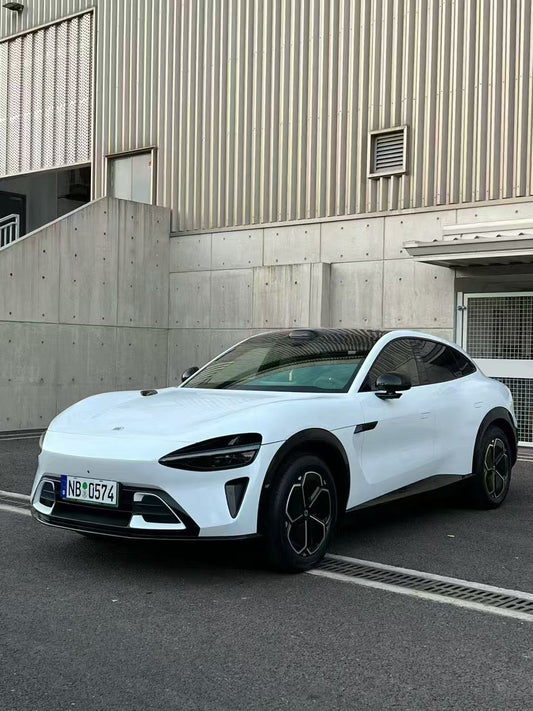
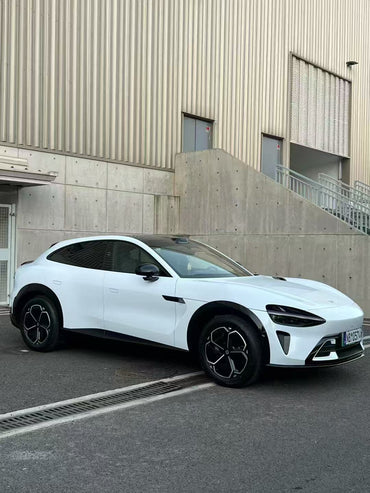
Sailifilm's colored TPU collection features premium options including Crystal Sky Blue, Ferrari Red, Arctic Grey, Light Pink, Crystal Orange, and Piano Black variants. These colored protection films provide self-healing properties, rock chip resistance, and UV protection while completely transforming your vehicle's appearance without expensive paint jobs.
PVC Design Versatility
Extensive Color Palettes:
PVC vinyl wraps offer virtually unlimited color options spanning the entire spectrum from classic blacks and whites to vibrant metallics and custom shades. This extensive palette enables precise color matching and creative expression limited only by imagination.
Specialized Finish Collections:
Sailifilm's comprehensive vinyl wrap collections showcase the remarkable versatility of PVC materials:
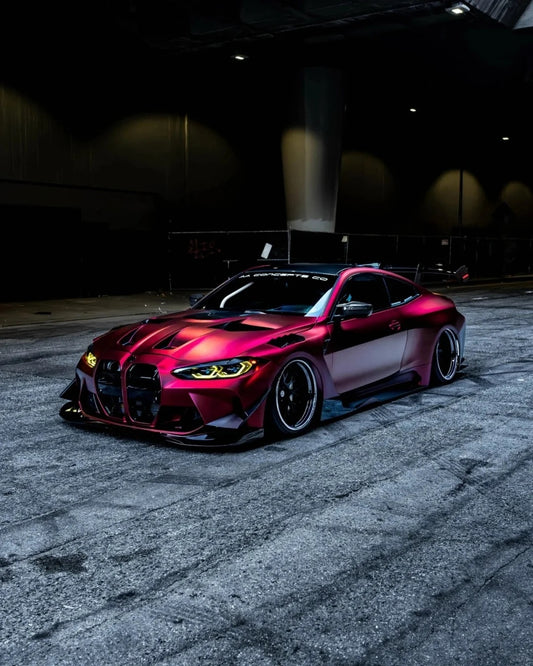
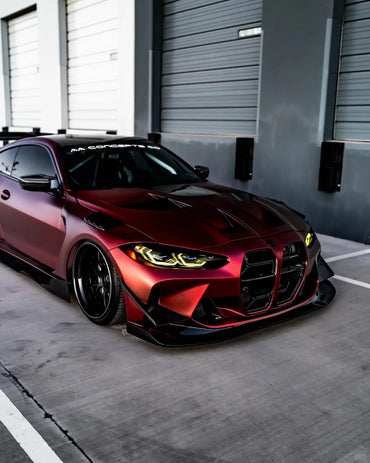
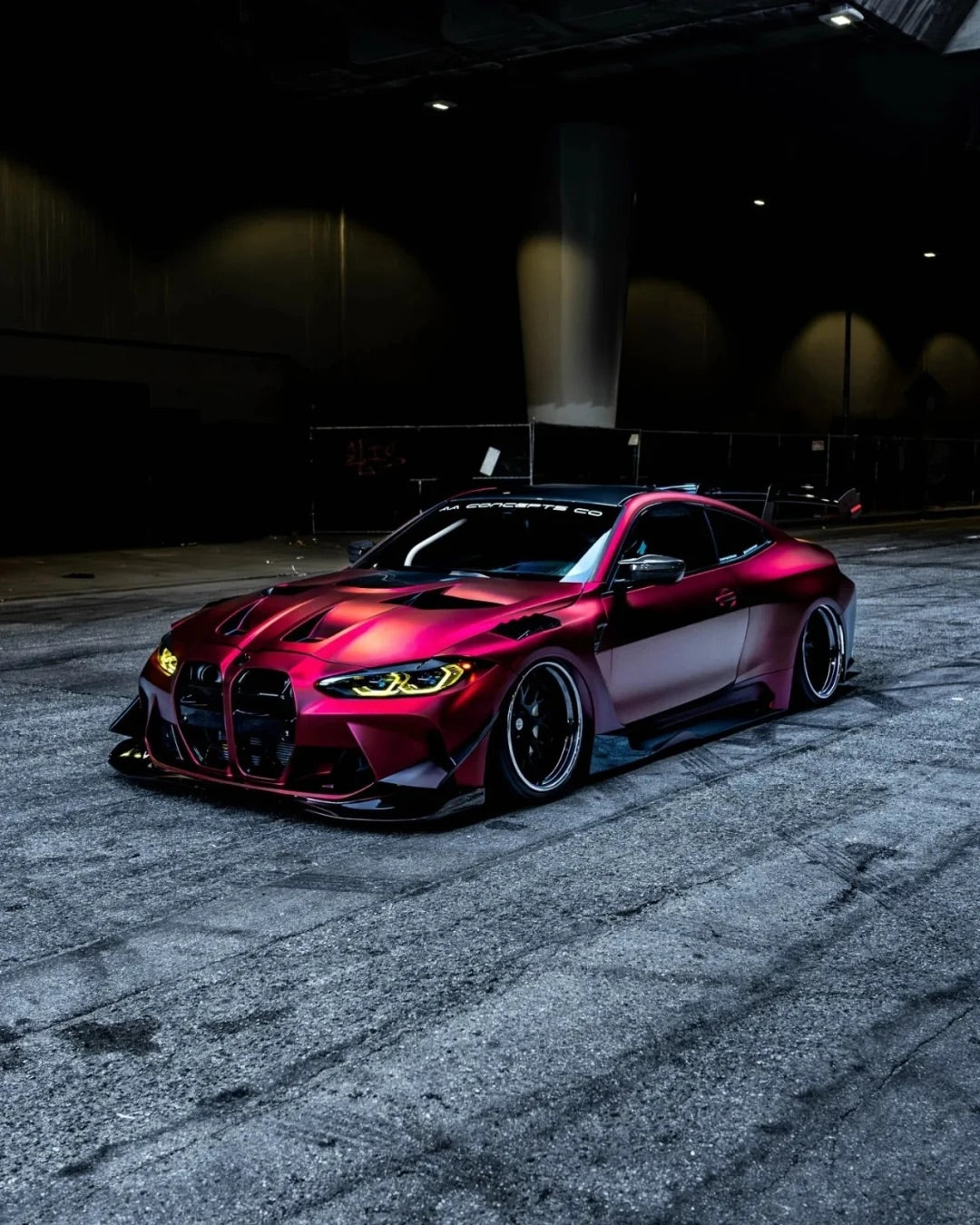
Metallic Series: Features stunning metallic finishes that create dynamic color shifts and depth, perfect for eye-catching vehicle transformations.
Crystal Vinyl Wraps: Delivers transparent color effects with sparkling crystal characteristics, offering unique visual depth and luminosity.
Liquid Chrome Wraps: Provides mirror-like chrome finishes in various colors, creating dramatic reflective effects that demand attention.
Ultra Matte Collection: Showcases sophisticated matte finishes with satin chrome metallic effects, delivering modern aesthetics with subtle elegance.
3D Carbon Fiber Wraps: Replicates authentic carbon fiber texture and appearance, providing sporty aesthetics without carbon fiber material costs.
Rainbow Laser Series: Features holographic color-shifting effects that transform appearance based on viewing angle and lighting conditions.
Dual Color Dream Collection: Combines multiple color tones in single films, creating sophisticated gradient and multi-dimensional effects.
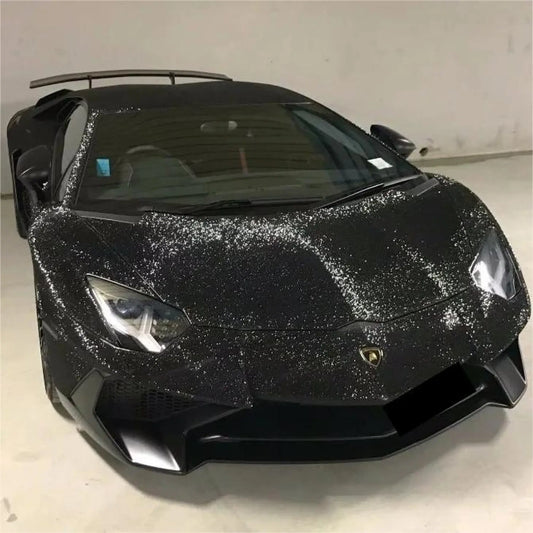
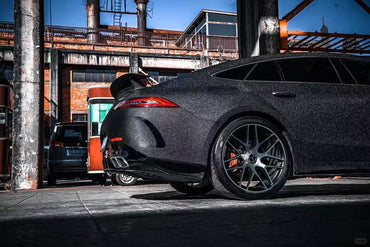
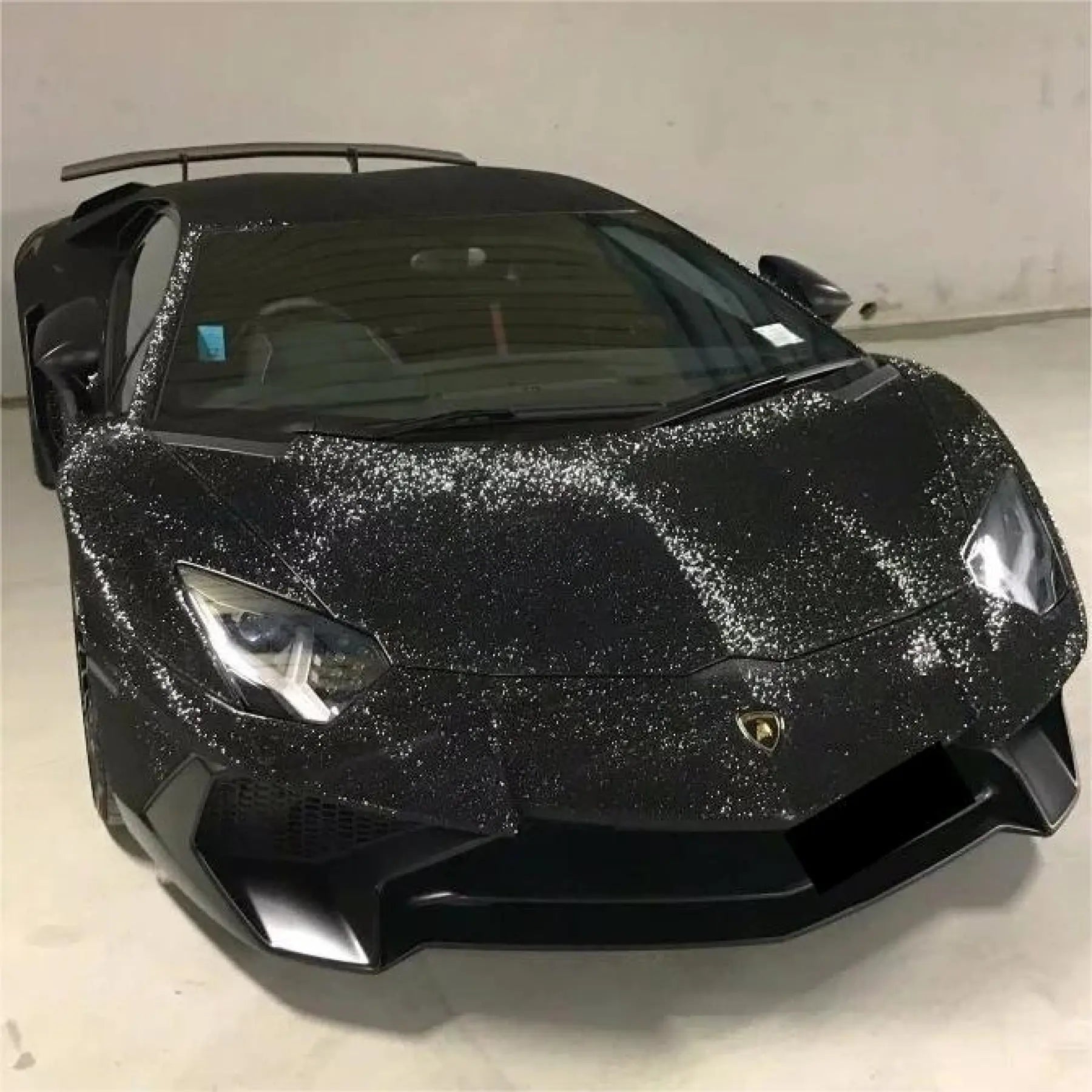
Glitter Sparkle Wraps: Incorporates diamond glitter particles for eye-catching sparkle effects that capture and reflect light dramatically.
Application Recommendations and Use Cases
Selecting between TPU and PVC films depends on specific vehicle requirements, usage patterns, and customization objectives.
When to Choose TPU Films
Ideal TPU Applications:
Premium vehicles requiring maximum protection benefit significantly from TPU technology. Luxury automobiles, exotic sports cars, and collector vehicles justify TPU investment through enhanced paint preservation and resale value protection.
Daily drivers exposed to highway driving conditions gain substantial benefits from TPU's rock chip protection and environmental resistance. Commuters traveling through construction zones, following trucks, or navigating gravel roads should prioritize TPU's superior impact protection.
Long-term vehicle ownership scenarios favor TPU's extended lifespan and reduced replacement frequency. Vehicle owners planning 7+ year ownership periods maximize value through TPU's decade-long protection capabilities.
TPU Protection Priorities:
Choose TPU when protection takes precedence over customization. The material's self-healing properties, chemical resistance, and weather durability deliver unmatched preservation of underlying paint surfaces.
When to Select PVC Vinyl
Optimal PVC Scenarios:
Aesthetic customization projects prioritizing appearance transformation over maximum protection represent ideal PVC applications. Vehicle owners seeking dramatic color changes, unique finishes, or periodic style refreshes benefit from PVC's extensive design options and accessible pricing.
Temporary transformations lasting 3 to 5 years suit PVC materials perfectly. Leased vehicles, frequently-traded cars, or owners who enjoy regular style updates find excellent value in PVC's practical lifespan and lower replacement costs.
Budget-conscious customization projects achieve professional results with quality PVC wraps. The significant cost savings compared to TPU makes vehicle transformation accessible to broader audiences without compromising appearance quality.
PVC Aesthetic Advantages:
Select PVC when customization variety and creative expression drive the project. The extensive color palette, specialized finishes, and diverse texture options enable unlimited aesthetic possibilities unavailable in TPU materials.
Installation Considerations and Professional Services
Proper installation significantly impacts final results and longevity regardless of material selection.
Professional Installation Benefits
Expertise and Experience:
Certified installers possess specialized training and extensive experience working with both TPU and PVC materials. Their expertise ensures proper surface preparation, precise application techniques, and attention to critical details that determine installation success.
Professional installation typically includes comprehensive warranties covering material defects and application failures, providing peace of mind and protection for your investment.
Surface Preparation Requirements
Critical Preparation Steps:
Both TPU and PVC installations demand meticulous surface preparation. Thorough washing removes dirt and contaminants, while clay bar treatment eliminates bonded surface particles. Paint decontamination and degreasing ensure optimal adhesive bonding.
Any existing paint damage, swirl marks, or imperfections require correction before film application, as wraps conform to underlying surfaces and may amplify rather than conceal defects.
DIY Installation Possibilities
PVC DIY Feasibility:
Skilled DIY enthusiasts can successfully install PVC vinyl wraps on simple panels and moderate curves with proper tools, techniques, and patience. Numerous online tutorials and training resources support DIY vinyl wrap projects, though results typically improve with professional installation.
TPU Professional Requirement:
TPU films generally require professional installation due to material complexity, specialized application techniques, and equipment requirements. The higher material costs and performance expectations justify professional installation to ensure optimal results and warranty coverage.
Maintenance and Care Requirements
Proper maintenance maximizes film longevity and appearance for both material types.
TPU Maintenance Protocols
Minimal Care Requirements:
TPU films demand relatively simple maintenance thanks to self-healing properties and stain resistance. Regular washing with pH-neutral automotive soap and microfiber towels maintains appearance. Avoid harsh chemicals, abrasive materials, and automated brush car washes.
Periodic heat exposure through sunlight or warm water washing activates self-healing properties, continuously restoring surface smoothness and appearance.
PVC Care Considerations
Proactive Maintenance:
PVC vinyl wraps benefit from regular cleaning schedules that remove environmental contaminants before they cause permanent staining. Prompt attention to bird droppings, tree sap, and bug splatter prevents chemical etching.
Avoid waxing vinyl wraps, as wax buildup dulls appearance and complicates future removal. Use vinyl-specific protectants formulated to enhance color and provide basic UV protection without residue buildup.
Environmental and Sustainability Factors
Environmental consciousness increasingly influences material selection decisions in automotive customization.
TPU Environmental Profile
Thermoplastic polyurethane materials offer more environmentally friendly characteristics compared to traditional PVC. TPU production involves fewer toxic chemicals and harmful additives, while the material's extended lifespan reduces replacement frequency and associated waste.
PVC Environmental Considerations
Traditional PVC manufacturing utilizes plasticizers and additives with potential environmental concerns. However, reputable manufacturers implement responsible production practices and develop improved formulations minimizing environmental impact.
The shorter lifespan of PVC wraps results in more frequent replacements generating additional waste, though proper recycling programs can mitigate this concern.
Making Your Material Decision
Choosing between TPU and PVC films requires honest assessment of your priorities, budget, and vehicle protection needs.
Select TPU When:
- Maximum protection drives your decision
- Long-term vehicle ownership is planned
- Self-healing capabilities provide value
- Budget accommodates premium investment
- Vehicle value justifies protection costs
Choose PVC When:
- Aesthetic customization takes priority
- Budget constraints limit options
- Temporary transformation suits needs
- Design variety matters most
- Periodic style changes appeal
Sailifilm Solutions for Every Need
Sailifilm offers comprehensive film options serving diverse customization and protection requirements:
Premium Protection: Our TPU paint protection wrap collection delivers professional-grade thermoplastic polyurethane films with self-healing technology, superior weather resistance, and 7 to 10 year durability.
Color Protection Combination: Revolutionary colored paint protection films merge TPU's advanced protective capabilities with vibrant color transformation, providing both defense and aesthetics simultaneously.
Extensive Vinyl Selection: Our complete car vinyl wrap collection features premium PVC options spanning multiple finish categories and design styles.
Installation Support: Browse our wrapping tools collection for professional-grade application tools and accessories supporting successful installation projects.
Try Before Buying: Explore our sample kits to evaluate materials, colors, and finishes before committing to full vehicle coverage.
Popular Choices: Discover customer favorites in our best sellers collection, showcasing top-rated wraps and protection films.
Conclusion
Understanding the fundamental differences between TPU and PVC films empowers informed decisions aligned with your specific vehicle customization goals. While TPU delivers superior protection, self-healing technology, and extended longevity ideal for long-term vehicle preservation, PVC offers accessible pricing, extensive design options, and practical performance for aesthetic transformations.
Both materials serve valuable roles in automotive customization, with optimal selection depending on individual priorities, budgets, and intended applications. Whether you prioritize maximum protection or creative expression, modern film technologies provide exceptional solutions for transforming and preserving your vehicle's appearance.
Explore Sailifilm's comprehensive collections to discover the perfect solution for your vehicle customization project, backed by premium quality materials and professional-grade performance that delivers outstanding results.

