




What Are TPU and PVC Materials?
TPU, or thermoplastic polyurethane, represents the cutting-edge evolution in automotive film technology. This advanced material brings exceptional flexibility and durability to vehicle protection, originally developed for high-performance industries including medical devices and aerospace applications before transforming the automotive world.
PVC, or polyvinyl chloride, has served as the traditional foundation for vinyl wraps for decades. While more affordable and widely available, this rigid plastic material presents distinct limitations compared to modern alternatives. Understanding these core material differences helps you make informed decisions about which products best suit your specific needs and budget.
Durability and Longevity Comparison
The lifespan difference between these materials dramatically impacts long-term value. TPU wraps typically last between seven to ten years with proper maintenance, offering superior resistance to environmental factors that degrade lesser materials. This extended durability stems from the molecular structure of thermoplastic polyurethane, which maintains flexibility and strength even under harsh conditions.
PVC wraps generally provide three to five years of service before showing signs of wear. The more rigid composition makes these films susceptible to cracking, especially in extreme temperatures. Cold weather causes PVC to become brittle, while intense heat can lead to premature fading and potential peeling. Vehicle owners in regions with dramatic seasonal changes often experience accelerated deterioration with traditional vinyl materials.
Our TPU paint protection wrap collection features 7.5mil and 8.5mil thickness options in both gloss and matte finishes, engineered to withstand the rigors of daily driving while maintaining pristine appearance for years.
Self-Healing Properties Revolution
One of the most remarkable advantages of modern TPU technology involves self-healing capabilities that seem almost magical. When minor scratches occur on the film surface, exposure to heat from sunlight or a heat gun triggers molecular realignment, causing those imperfections to disappear. This revolutionary feature keeps your vehicle looking showroom-fresh without constant professional intervention.
PVC materials lack this innovative property entirely. Every scratch, scuff, or surface abrasion becomes permanent damage requiring replacement or professional correction. Over the life of your wrap, these accumulating imperfections significantly impact appearance and necessitate earlier replacement than TPU alternatives.
The self-healing technology proves particularly valuable for high-impact areas like hoods, bumpers, and side mirrors where minor contact occurs regularly. This protective advantage extends the effective lifespan while maintaining visual appeal that would otherwise deteriorate rapidly.
Flexibility and Installation Considerations
Installation quality dramatically affects the final appearance and longevity of any car wrap. TPU materials offer superior flexibility, allowing them to conform seamlessly to complex curves, deep body lines, and intricate contours that characterize modern vehicle design. This pliability results in cleaner finishes with fewer bubbles, wrinkles, or lifted edges that plague inferior materials.
The enhanced flexibility also reduces installation time and complexity. Professional installers working with TPU can achieve seamless results on challenging surfaces without excessive heat application or repeated adjustments. This translates to lower labor costs and reduced risk of installation-related defects.
PVC wraps require significantly more effort during application due to inherent stiffness. Installers must use heat guns and steamers extensively to coax the material around curves and edges. Even with skilled application, the rigid nature increases the likelihood of imperfections, particularly on vehicles with aggressive styling or complex body work. These installation challenges contribute to higher labor costs and potential quality issues.
Protection Against Environmental Damage
Environmental exposure represents one of the greatest threats to vehicle paint integrity. TPU wraps excel in protecting against UV radiation, preventing the yellowing and discoloration that plagued earlier protective films. The advanced chemical structure resists degradation from sunlight, maintaining crystal clarity and color vibrancy throughout its service life.
Road debris, rock chips, and gravel impacts pose constant threats during highway driving. The superior impact resistance of TPU materials absorbs these assaults, preventing damage from reaching your vehicle's paint. The thicker, more resilient composition creates an effective barrier that PVC simply cannot match.
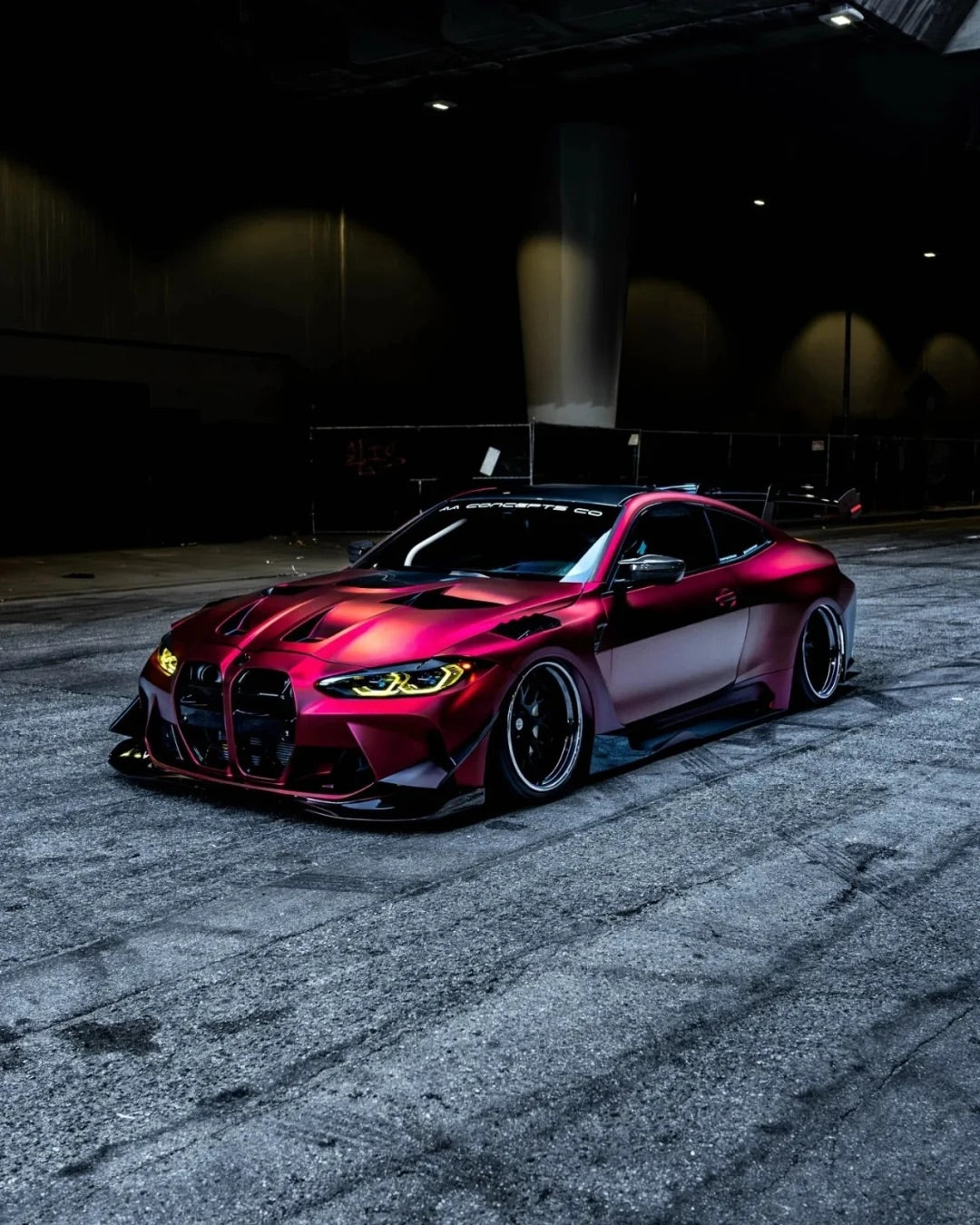
Our colored paint protection film line includes stunning options like Gloss Crystal Sky Blue, Ferrari Red, and Piano Black, combining aesthetic customization with premium TPU protection technology. These films shield your paint while adding personalized style that reflects your unique taste.
PVC wraps offer limited protection against environmental factors. Prolonged UV exposure causes yellowing, particularly noticeable on light-colored vehicles. The adhesive layer in traditional vinyl films reacts with sunlight, creating unsightly discoloration that compromises appearance. Chemical resistance also falls short, making PVC more vulnerable to staining from bird droppings, tree sap, and industrial fallout.
Adhesive Technology and Paint Safety
The adhesive system used in protective films directly impacts your vehicle's original paint condition. TPU materials utilize gentler adhesive formulations that bond securely yet release cleanly when removal becomes necessary. This advanced chemistry allows films to remain in place for years while ensuring safe removal without lifting factory paint or leaving residue.
PVC films traditionally required stronger adhesives to compensate for material rigidity and ensure proper adherence. While this aggressive bonding helps initial installation, it creates serious problems during removal. The powerful adhesive can lift original paint, defeating the entire purpose of applying protective film. This characteristic makes PVC particularly problematic for leased vehicles or cars you plan to sell with original paint intact.
The ability to remove and replace damaged sections becomes crucial for long-term vehicle maintenance. TPU films allow targeted replacement of compromised areas without extensive surrounding material removal. This flexibility saves money and extends the overall protection system's effective life.
Cost Analysis and Value Proposition
Initial investment costs differ significantly between material types. PVC wraps typically range from three to five thousand dollars for full vehicle coverage, positioning them as the budget-friendly option. This lower entry price makes traditional vinyl attractive for cost-conscious consumers or those seeking temporary customization.
TPU paint protection films command premium pricing, generally exceeding eight thousand dollars for comprehensive coverage. However, this higher upfront cost must be evaluated against total lifetime value. The extended seven to ten year lifespan, combined with self-healing properties and superior protection, often results in lower cost per year of ownership.
Avoiding paint damage saves thousands in potential repair costs. Professional paint correction and refinishing can easily exceed the entire cost of quality protective film installation. When factoring in resale value preservation, the investment in TPU materials often pays for itself through retained vehicle worth.
Customization Options and Aesthetic Versatility
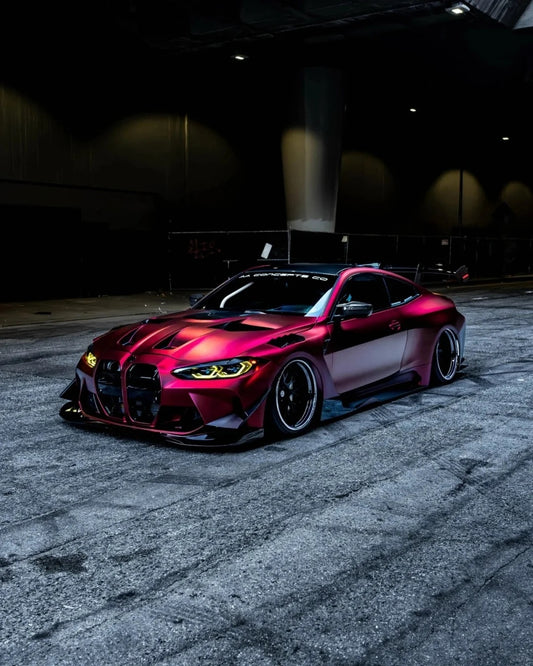
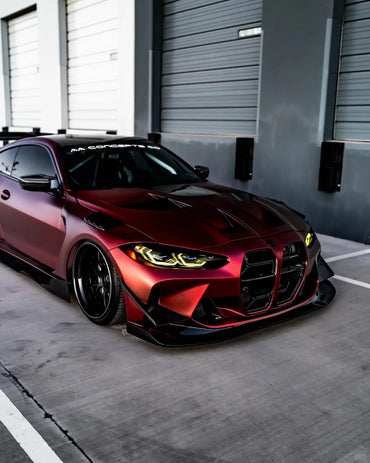
Both material types offer extensive design possibilities, though in different ways. PVC excels in color variety and finish options, available in virtually any shade imaginable with matte, gloss, satin, and specialty textures. This versatility makes traditional vinyl ideal for bold customization projects focused primarily on aesthetic transformation.
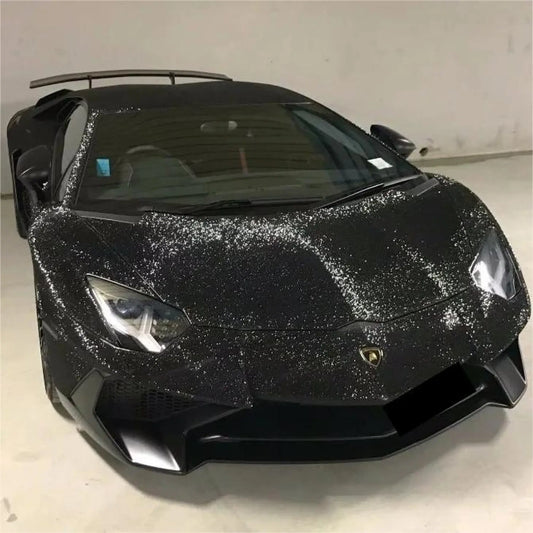
Our liquid chrome wrap collection showcases stunning metallic finishes including British Racing Green, Indigo Blue, and Passion Pink that create head-turning effects. These vibrant options demonstrate the aesthetic potential of modern wrap technology combined with protective benefits.
TPU materials traditionally focused on clear protective applications, but colored options now expand creative possibilities. Our colored TPU films combine the protection of paint protection film with customization capabilities, offering the best of both worlds. This evolution allows enthusiasts to achieve unique looks while maintaining maximum paint protection.
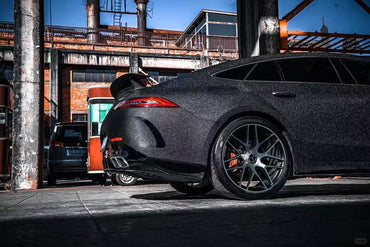
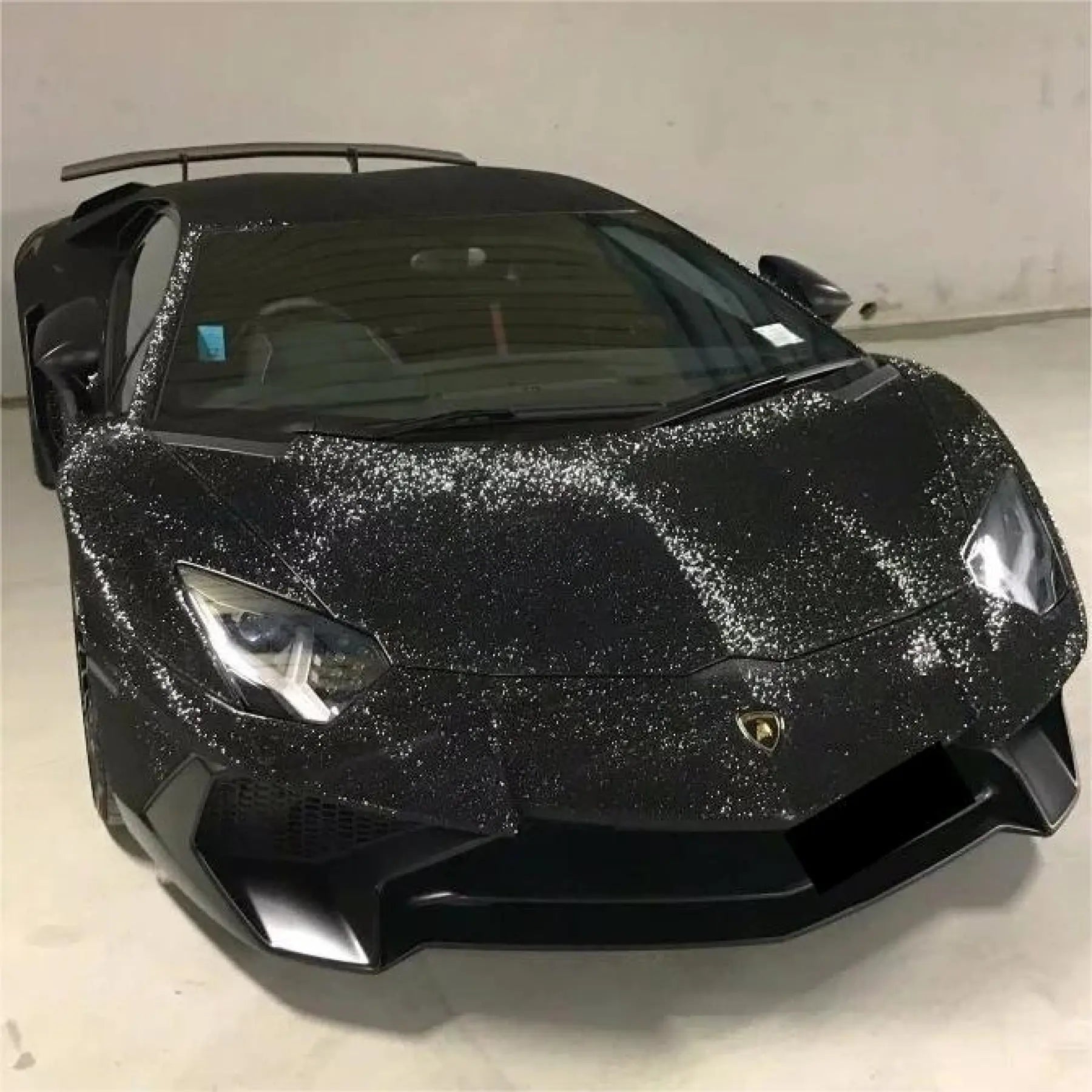
The rainbow laser vinyl wrap and crystal vinyl wrap collections feature color-shifting effects and holographic finishes that capture attention from every angle. These specialty materials represent the cutting edge of automotive customization, delivering visual impact that stands out in any environment.
Weather Resistance and Climate Performance
Geographic location significantly influences material performance. TPU wraps maintain integrity across extreme temperature ranges, from sub-zero winter conditions to scorching summer heat. The flexible molecular structure prevents the brittleness and cracking that plague inferior materials in harsh climates.
Regions with intense sunlight benefit tremendously from TPU's UV resistance. The material prevents fading and discoloration while protecting underlying paint from sun damage. This characteristic proves essential in southern states or desert environments where UV exposure reaches extreme levels.
PVC performance deteriorates markedly in challenging weather. Cold climates cause the material to stiffen and potentially crack, while heat accelerates yellowing and adhesive failure. Coastal areas with salt exposure also present problems, as PVC offers limited chemical resistance against corrosive elements.
Maintenance Requirements and Care
Maintaining wrapped vehicles differs based on material composition. TPU films require minimal special care, tolerating regular washing and standard maintenance procedures. The durable surface resists scratching from automated car washes, though hand washing remains recommended for optimal longevity. Standard waxes and sealants can be applied without concern.
The hydrophobic properties of quality TPU films naturally repel water, dirt, and contaminants. This characteristic reduces washing frequency and simplifies cleaning when necessary. Environmental debris like tree sap or bird droppings wipe away easily without staining or etching the protective surface.
PVC wraps demand more careful maintenance to prevent premature deterioration. Harsh chemicals and abrasive cleaning methods can damage the surface, requiring gentler approaches. The lack of inherent hydrophobic qualities means dirt and grime adhere more readily, necessitating more frequent cleaning to maintain appearance.
Edge lifting presents a particular concern with traditional vinyl, requiring careful attention during washing. High-pressure water aimed directly at seams can cause premature failure, especially as adhesive ages and weakens over time.
Environmental Impact and Sustainability
Sustainability considerations increasingly influence consumer purchasing decisions. TPU materials offer environmental advantages through extended lifespan and cleaner degradation. When replacement becomes necessary, thermoplastic polyurethane breaks down without releasing harmful substances into the environment. The reduced replacement frequency also minimizes waste generation over vehicle ownership.
Newer biodegradable TPU formulations push sustainability further, incorporating recyclable materials while maintaining performance characteristics. These innovations address growing environmental concerns while delivering superior protection that modern vehicle owners demand.
PVC degradation releases potentially harmful materials as the film ages and breaks down. The manufacturing process also involves more environmentally problematic chemicals compared to modern TPU production. Combined with shorter lifespan requiring more frequent replacement, traditional vinyl presents a less eco-friendly option for environmentally conscious consumers.
Professional Installation vs DIY Considerations
Installation expertise dramatically affects final results regardless of material choice. TPU's superior flexibility and more forgiving nature make it somewhat more accessible for experienced DIY enthusiasts, though professional installation remains strongly recommended. The material's ability to conform without excessive heat reduces some common installation challenges.
Professional installers working with quality TPU achieve virtually invisible results, with seams and edges practically undetectable to casual observation. This seamless appearance maintains factory aesthetics while providing comprehensive protection that enhances rather than detracts from vehicle appearance.
PVC's rigidity makes DIY installation significantly more challenging. The material fights against complex curves, requiring substantial skill and specialized tools to achieve acceptable results. Improper installation leads to bubbles, wrinkles, and premature failure that negate any cost savings from avoiding professional service.
Most quality manufacturers offer warranties only when materials are professionally installed by certified technicians. This requirement acknowledges the skill necessary for proper application and protects both manufacturer and consumer from defects caused by improper installation technique.
Making the Right Choice for Your Vehicle
Selecting between TPU and PVC materials depends on multiple factors including budget, intended use, climate, and long-term vehicle plans. Vehicles you plan to keep for many years benefit tremendously from TPU investment, with the extended lifespan and superior protection justifying higher initial costs.
Lease vehicles or cars you plan to sell within a few years might warrant PVC consideration if budget constraints exist. However, the paint protection and preserved resale value from quality TPU often outweigh upfront savings, particularly for luxury or high-value vehicles.
Performance and luxury vehicles deserve premium protection that TPU provides. The investment in these automobiles justifies corresponding investment in materials that safeguard that value. Our ultra matte wrap collection offers sophisticated finishes perfect for high-end vehicles seeking understated elegance combined with maximum protection.
Daily drivers facing harsh conditions benefit from TPU's resilience against environmental assault. Highway commuters encountering constant rock chip threats, or vehicles regularly exposed to extreme weather, require the robust protection that only thermoplastic polyurethane delivers consistently.
The Future of Automotive Protection
Industry innovations continue advancing both material technologies. Research into graphene-infused coatings, enhanced self-healing formulations, and even color-changing films represents the exciting future of vehicle protection and customization. These developments build primarily on TPU foundations, indicating where the industry sees long-term value and growth potential.
Smart films with temperature-responsive properties and interactive elements represent emerging trends that will transform how we think about vehicle wraps. The flexibility and chemical compatibility of TPU materials position them as the foundation for these innovations, while PVC's limitations prevent similar advancement.
Browse our complete car vinyl wrap collection to discover the perfect combination of protection and style for your vehicle. From protective TPU films to stunning decorative options including 3D carbon fiber wrap and metallic vinyl wrap, we offer comprehensive solutions for every need and budget.
Understanding the fundamental differences between TPU and PVC materials empowers you to make informed decisions that protect your investment while achieving the aesthetic vision you desire. Whether choosing clear protection or bold customization, selecting the right material ensures years of satisfaction and preserved vehicle value that makes the initial investment worthwhile.

