



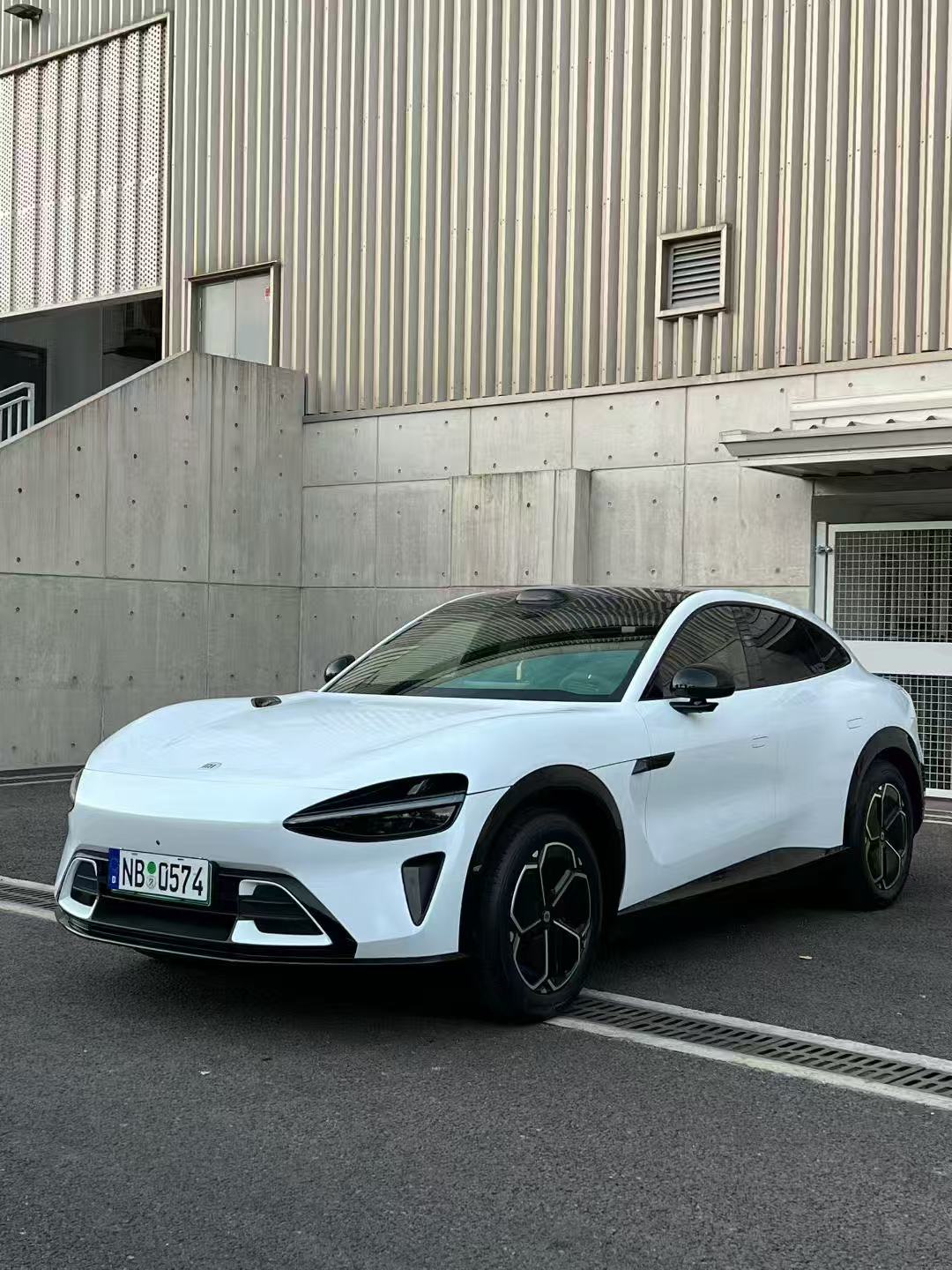


The Science Behind TPU Material
Thermoplastic polyurethane represents the premium tier of automotive film technology. This advanced elastomeric polymer combines exceptional durability with remarkable flexibility, creating a material engineered specifically for vehicle protection applications. The molecular structure of TPU enables properties impossible to achieve with conventional plastics.
TPU consists of hard and soft polymer segments that work together to absorb and distribute impact energy. When road debris strikes a TPU film surface, the material flexes rather than fracturing, dispersing force across a larger area to prevent damage transfer to underlying paint. This elastic response mechanism provides genuine protection against rock chips, sand abrasion, and minor impacts.
The TPU Paint Protection Wrap collection demonstrates how this advanced material translates into practical vehicle protection. Available in multiple thicknesses and finishes, TPU-based films create invisible shields that preserve factory paint while maintaining original appearance.
Understanding PVC Vinyl Composition
Polyvinyl chloride has served the automotive wrap industry for decades as the foundational material for color change applications. This synthetic plastic polymer, when combined with plasticizers for flexibility, creates films suitable for comprehensive vehicle transformations at accessible price points.
PVC vinyl wraps consist of the base vinyl material, plasticizers that provide workability, pressure-sensitive adhesive layers, and protective backing materials. Manufacturing processes significantly impact final product quality, with cast vinyl offering superior conformability compared to calendered alternatives.
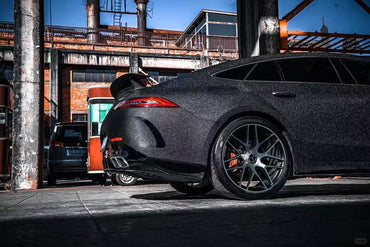
The versatility of PVC enables the extraordinary variety found in modern vinyl wrap offerings. Collections like the Crystal Series, Metallic Series, and Rainbow Laser Vinyl Wrap showcase the aesthetic possibilities that PVC technology enables. These films prioritize visual impact and customization options over maximum protection.
Self-Healing Technology: TPU's Revolutionary Advantage
The most significant differentiator between TPU and PVC materials lies in self-healing capability. TPU films incorporate thermoplastic topcoats that respond to heat exposure, allowing minor surface damage to repair automatically without intervention.
When scratches, swirl marks, or light abrasions occur on TPU film surfaces, the polymer structure softens under heat from sunlight, warm water, or heat gun application. This softening allows molecular chains to realign and redistribute, effectively erasing surface imperfections. The film returns to its original smooth state within hours or days depending on damage severity and heat exposure.
PVC vinyl wraps lack this self-healing property entirely. Any damage sustained to vinyl surfaces remains visible until the affected section undergoes repair or replacement. While quality PVC resists scratching better than bare paint, accumulated surface damage over time degrades appearance without the automatic correction TPU provides.
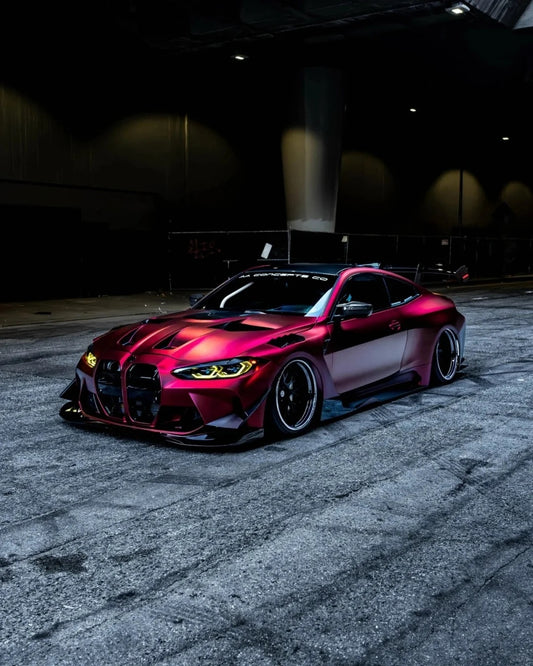
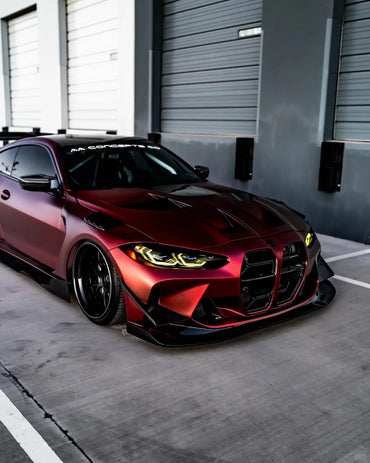
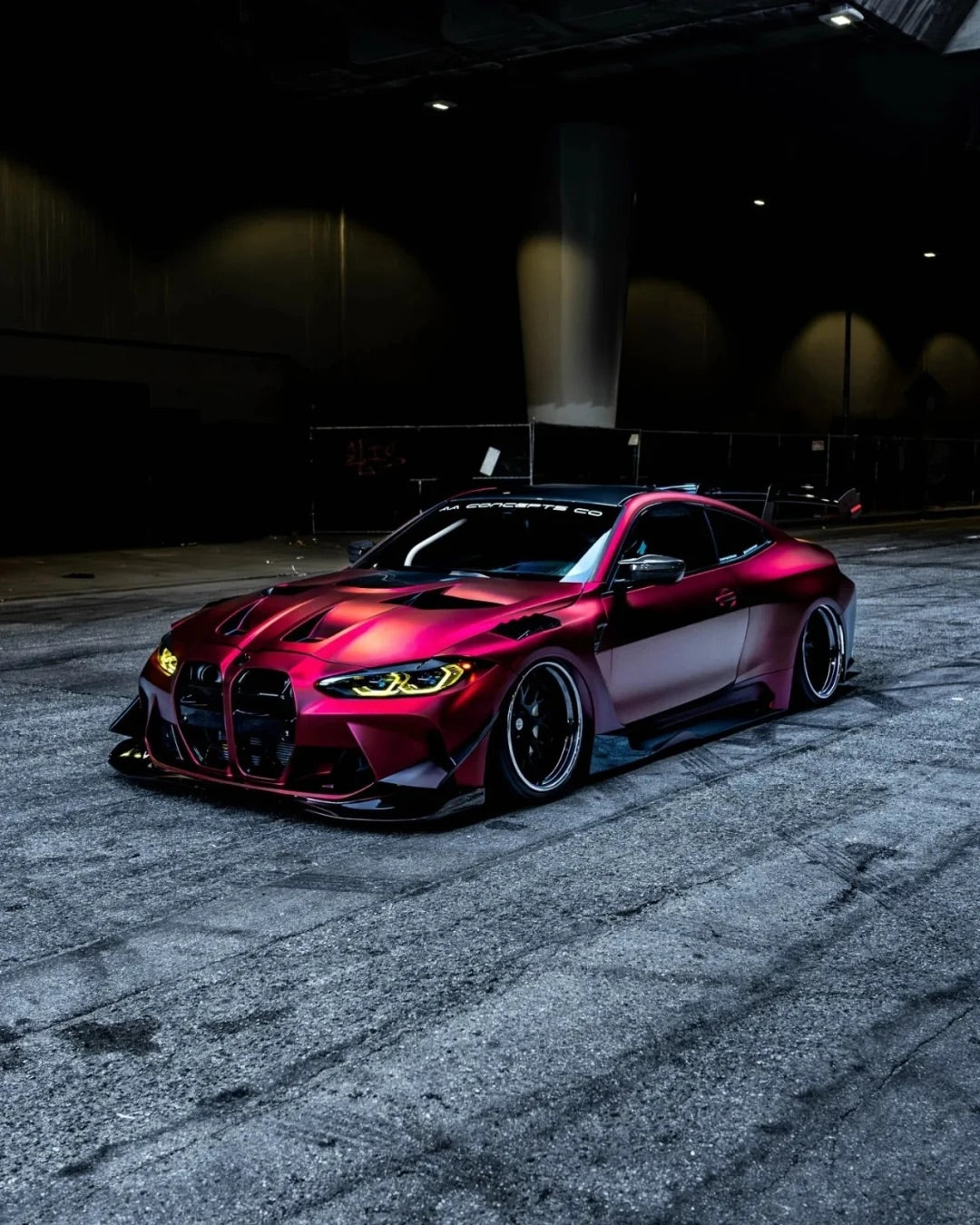
The Colored Paint Protection Film collection combines TPU's self-healing properties with vibrant color options. Products like Gloss Crystal Sky Blue, Ferrari Red, Blood Red, Arctic Grey, and Piano Black deliver both style transformation and continuous surface renewal.
Protection Levels Compared
TPU and PVC materials provide fundamentally different protection levels that suit different vehicle owner priorities.
TPU paint protection film creates genuine physical barriers against road hazards. The material thickness, typically 7.5-8.5 mils, enables absorption of impact energy from stones, gravel, sand, and debris. High-quality TPU films prevent rock chips from reaching factory paint on protected areas, making them ideal for front bumpers, hoods, fenders, and other high-exposure surfaces.
Beyond impact protection, TPU offers superior resistance to environmental contamination. Bird droppings, tree sap, industrial fallout, and acidic substances that would etch unprotected paint surfaces cannot penetrate quality TPU films. The hydrophobic topcoats repel water and contaminants, simplifying maintenance while preventing staining.
PVC vinyl wraps provide moderate protection against minor scratches and UV exposure. The material creates a sacrificial layer between environmental hazards and paint, preventing light surface damage from reaching the underlying finish. However, significant impacts will damage both the vinyl and underlying paint, limiting PVC's protective value for high-exposure applications.
The Car Vinyl Wrap collection offers extensive options for vehicle owners prioritizing aesthetic transformation. While not matching TPU's protective capabilities, quality vinyl wraps still shield paint from UV degradation, light scratches, and everyday wear.
Durability and Lifespan Expectations
Material composition directly impacts how long automotive films maintain appearance and performance.
TPU paint protection films typically provide 7-10 years of effective service with proper maintenance. The material's inherent stability resists yellowing, brittleness, and adhesive degradation that affect lesser materials over time. Vehicles protected with quality TPU films retain showroom appearance throughout extended ownership periods.
Industry research indicates TPU films maintain optical clarity and protective properties significantly longer than alternatives. The self-healing mechanism continuously repairs surface damage, extending aesthetic lifespan beyond what static materials achieve. UV-resistant formulations prevent the discoloration common with aging protective films.
PVC vinyl wraps offer practical lifespans of 3-5 years for calendered materials and 5-7 years for premium cast films. Environmental exposure significantly impacts these timeframes, with vehicles experiencing harsh sunlight, extreme temperatures, or coastal conditions seeing reduced durability.
Over time, PVC materials become susceptible to fading, yellowing, cracking, and edge lifting. The plasticizers that provide initial flexibility gradually migrate from the material, leaving vinyl increasingly rigid and prone to failure. Vehicle owners who enjoy periodically refreshing their vehicle's appearance find these shorter lifespans acceptable, while those seeking permanent protection prefer TPU alternatives.
Flexibility and Installation Characteristics
Both materials offer flexibility, but they behave differently during installation and throughout their service life.
TPU films provide superior conformability that allows installation around complex curves, recessed panels, and tight body lines. The material stretches uniformly without thinning excessively, maintaining consistent protection thickness across contoured surfaces. Professional installers appreciate how TPU conforms to challenging vehicle geometries with minimal stress.
However, TPU's specialized properties require professional installation for optimal results. The material's thickness and memory characteristics demand precise technique, controlled environments, and specialized tools. DIY installation risks poor adhesion, edge lifting, and trapped contamination that compromise both appearance and protection.
PVC vinyl wraps offer excellent workability that experienced installers appreciate. The material repositions during application, allowing adjustments before final adhesion. Air-release adhesive technology enables bubble-free installation even in challenging conditions. These characteristics make PVC more forgiving for complex installations and accessible for skilled DIY enthusiasts.
Quality Wrapping Tools support proper installation regardless of material choice. Squeegees, heat guns, cutting tools, and surface preparation products ensure professional results for both TPU and PVC applications.
Weather and Environmental Resistance
How materials respond to environmental exposure determines long-term performance in real-world conditions.
TPU excels in extreme weather conditions, offering superior resistance to UV radiation, temperature extremes, and humidity. The material maintains flexibility in cold conditions that would make PVC brittle, and resists softening in heat that might affect adhesive performance. Vehicles in harsh climates benefit enormously from TPU's environmental stability.
Salt exposure from coastal environments or winter road treatment creates particular challenges for automotive films. TPU's chemical resistance prevents salt-induced degradation, while some PVC formulations may experience accelerated deterioration in high-salt conditions.
PVC vinyl demonstrates greater sensitivity to environmental factors. Prolonged UV exposure causes fading, yellowing, and eventual brittleness. Extreme cold makes the material rigid and prone to cracking, while excessive heat can soften adhesives and cause lifting. Vehicle owners in moderate climates with garage storage may never notice these limitations, while those in challenging environments experience accelerated aging.
Cost and Value Considerations
Material choice significantly impacts both initial investment and long-term value.
TPU paint protection film commands premium pricing reflecting advanced material technology and manufacturing complexity. Full vehicle coverage in quality TPU typically costs 30-50% more than equivalent vinyl applications. The higher investment delivers genuinely superior protection, extended durability, and continuous self-healing that reduce long-term costs.
Evaluating TPU cost requires considering avoided expenses. A single rock chip repair on a luxury vehicle can cost hundreds of dollars. Multiple repairs over vehicle ownership quickly exceed the premium paid for comprehensive TPU protection. The preserved paint condition also enhances resale value, partially offsetting initial investment.
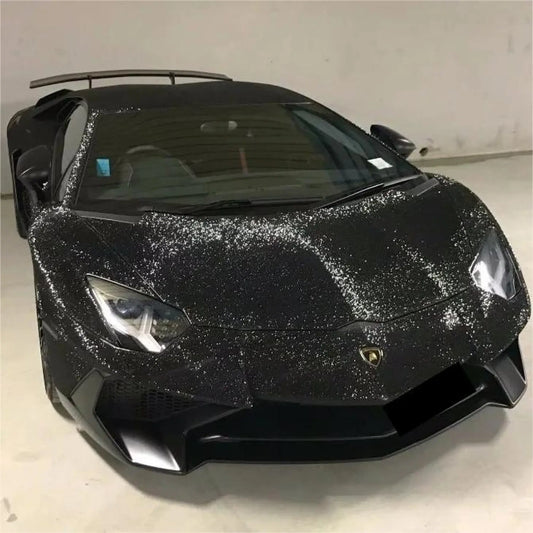
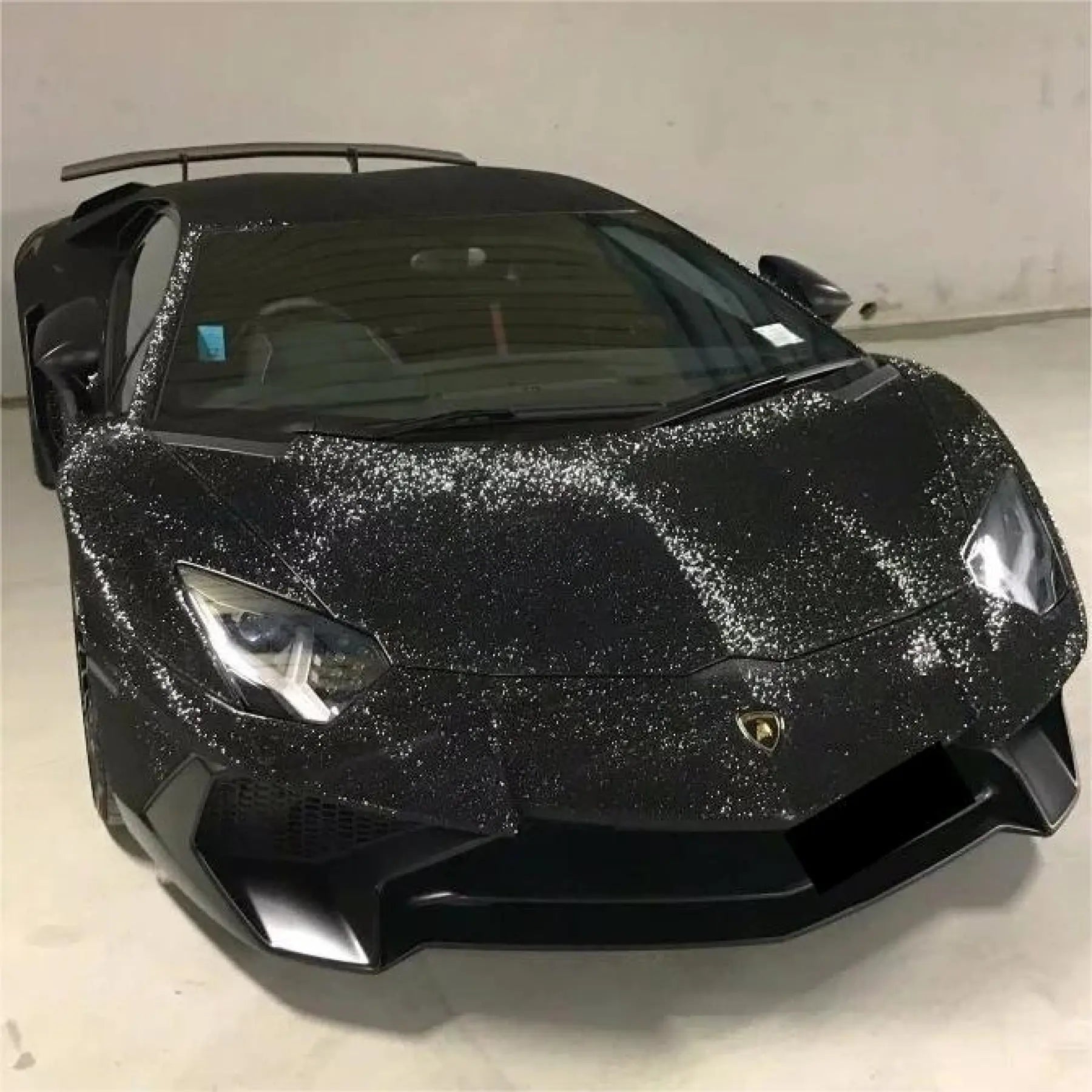
PVC vinyl wraps provide cost-effective color transformation at accessible price points. The extensive color and finish variety available in vinyl, including options like Liquid Chrome Wrap, Ultra Matte Series, Dual Color Dream Series, and Glitter Sparkle Car Wrap, enables dramatic transformations without substantial investment.
For vehicle owners who enjoy changing their car's appearance periodically, vinyl's lower cost and shorter lifespan align perfectly. The expense of refreshing vinyl every few years may total less than single TPU application while providing variety and updated styling.
Application-Specific Recommendations
Different situations call for different materials based on priorities and circumstances.
Choose TPU when:
- Paint protection represents your primary goal
- You plan to keep the vehicle long-term
- The vehicle regularly encounters highway driving or gravel roads
- You drive a luxury or high-value vehicle
- Minimizing maintenance appeals to you
- You want self-healing capability for continuous appearance renewal
Choose PVC vinyl when:
- Color transformation represents your primary goal
- You enjoy periodically updating vehicle appearance
- Budget constraints limit investment options
- You prefer extensive color and finish variety
- The vehicle receives primarily urban driving on maintained roads
- DIY installation appeals to your skills and interests
Combining Materials for Optimal Results
Many vehicle owners achieve ideal results by strategically combining TPU and PVC materials across different vehicle areas.
High-impact zones like front bumpers, hoods, fenders, mirror caps, and rocker panels benefit most from TPU protection. These areas encounter the most road debris and require maximum impact resistance. Applying 7.5-8.5mil clear or colored TPU to these critical surfaces provides genuine protection where it matters most.
Lower-risk surfaces like roofs, doors, rear quarters, and trunk lids encounter fewer direct impacts. PVC vinyl wraps on these areas deliver aesthetic transformation at reduced cost while still providing UV protection and minor scratch resistance. The strategic approach balances comprehensive style with targeted protection.
The 3D Carbon Fiber Wrap collection offers textured vinyl perfect for accent areas where protection proves less critical than visual impact. Hood vents, mirror caps, spoilers, and interior trim benefit from carbon fiber aesthetics without requiring TPU protection levels.
Making Your Material Decision
The choice between TPU and PVC ultimately depends on your specific priorities, vehicle use patterns, and budget.
Vehicle owners seeking maximum paint preservation should invest in TPU paint protection film. The material's self-healing properties, superior impact resistance, and extended durability justify premium pricing for those prioritizing protection. The Sample Kits allow experiencing TPU quality before committing to full coverage.
Those prioritizing style transformation and variety will find PVC vinyl wraps ideal. The extraordinary range of colors, textures, and special effects available in vinyl, combined with more accessible pricing, enables creative vehicle customization that TPU cannot match.
The global PPF market continues growing rapidly, projected to reach USD 2.82 billion by 2027 according to industry analysis. This growth reflects increasing awareness among vehicle owners about protection value and the benefits of advanced materials. As technology advances, both TPU and PVC formulations continue improving, offering enhanced performance across all metrics.
Conclusion
TPU and PVC materials serve distinct purposes in automotive customization and protection. Understanding their fundamental differences empowers informed decisions aligned with individual priorities.
TPU delivers premium protection through self-healing technology, superior impact resistance, and exceptional durability. The material represents the best choice for vehicle owners prioritizing long-term paint preservation and willing to invest accordingly.
PVC vinyl offers versatile customization at accessible price points. The material excels for style transformation applications where protection requirements prove less demanding and budget considerations factor prominently.
Explore the complete Best Sellers collection to discover proven options in both material categories. Whether seeking maximum protection or dramatic style transformation, quality materials and proper installation deliver results that preserve vehicle value and appearance for years.

