



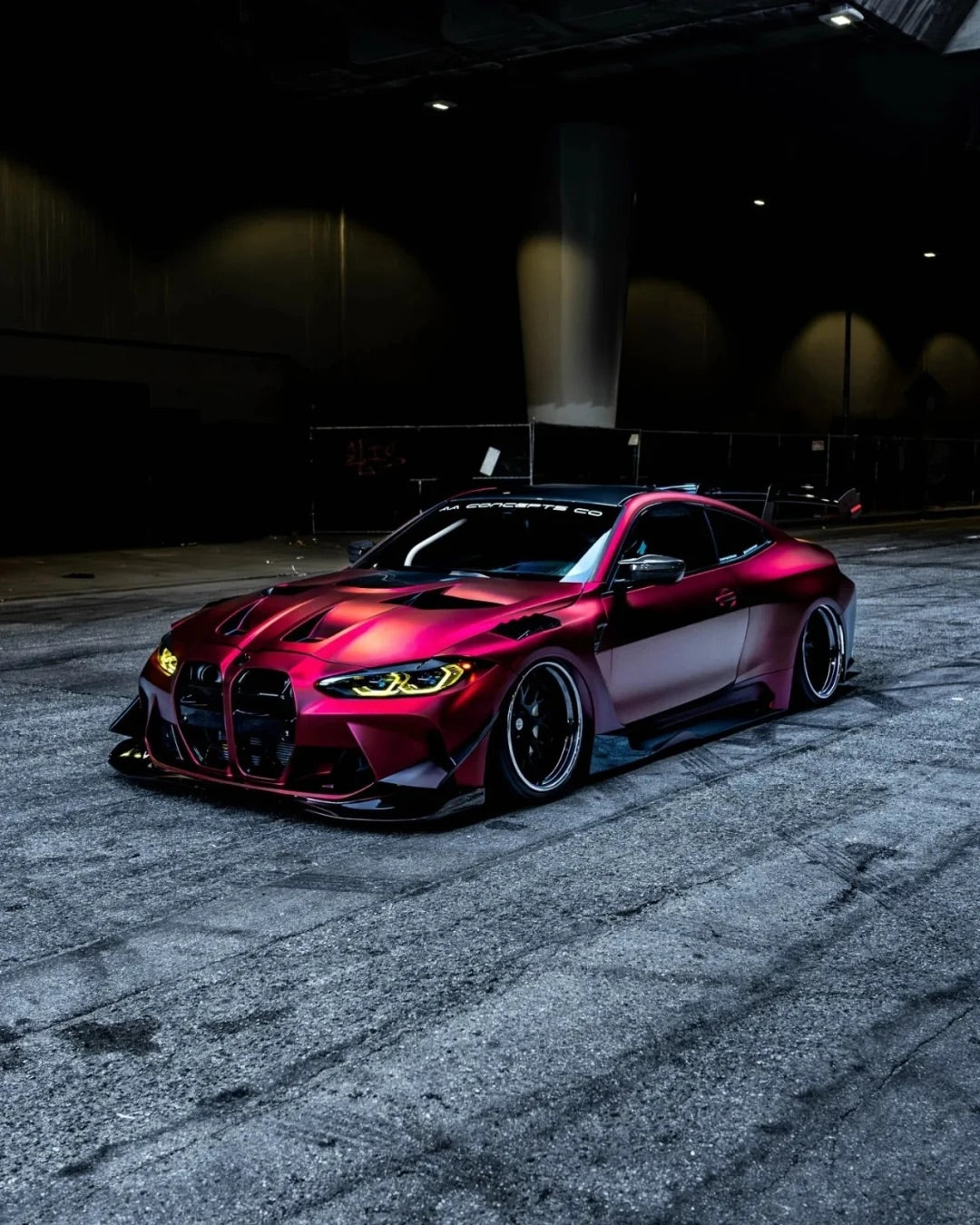


Why Temperature Controls Everything in a Wrap Job
Vehicle vinyl wrap films are made from pressure-sensitive adhesive systems that behave very differently across a temperature spectrum. At low temperatures, the adhesive hardens and loses its ability to form a complete molecular bond with paint surfaces. The film itself becomes rigid, losing the conformability needed to follow body curves, panel recesses, and bumper contours. Push a stiff film around a curved surface and it will either tear, spring back, or lift at the edges within weeks.
On the opposite end, excessive heat makes the film too soft and elastic. The film stretches beyond its engineered limits, creating color inconsistency across overstretched zones and causing the adhesive to cure prematurely before the film is properly positioned. Both extremes produce the same frustrating outcome: a wrap that looks poor and fails well ahead of schedule.
Understanding the three temperature zones of a professional installation is the foundation of getting this right.
The Three Critical Temperature Zones
Zone 1 — Ambient Temperature: 68°F–77°F (20°C–25°C)
This is the working environment temperature — the air surrounding the vehicle during the installation process. The ideal ambient range sits between 68°F and 77°F (20°C to 25°C). Within this window, the film remains flexible enough to handle, and the adhesive retains the right level of tack for controlled positioning. Working below 60°F (15°C) causes the film to behave like a rigid sheet; working above 85°F (30°C) makes it feel closer to warm taffy — difficult to tension correctly.
An indoor, climate-controlled workspace is strongly recommended. This eliminates unpredictable variables like wind, humidity changes, and direct sunlight — all of which interfere with clean adhesion. Outdoor installations are always a compromise. If you work indoors, read Sailifilm's DIY Car Wrap Installation Guide for a full preparation checklist before you begin.
Zone 2 — Forming Temperature: 104°F–140°F (40°C–60°C)
Once the film is positioned and you begin working it into curves, recesses, and complex panel geometry, the film surface needs to reach 104°F to 140°F (40°C to 60°C). At this range, the vinyl becomes genuinely pliable and will stretch and conform without stress fractures or memory snap-back. This is where a quality heat gun becomes your most important tool — used in sweeping, consistent motions over an 8–10 inch wide area rather than held in one spot.
Sailifilm's professional wrapping tools collection includes the squeegees, knives, and heat-related equipment that make Zone 2 work manageable, especially on complex curves and tight panel transitions. Using cheap or incompatible tools at this stage is one of the most common reasons for otherwise good installations going wrong at corners and trim edges.
Zone 3 — Memory Break Temperature: 190°F–212°F (88°C–100°C)
This final stage is the one most DIY installers skip — and it is also the one most responsible for premature lifting and edge curling. After the film is applied, shaped, and trimmed, every section that was stretched or formed around a curve retains molecular memory of its original flat shape. Without breaking this memory, the film will slowly attempt to return to its pre-stretched state, pulling edges up from the surface over weeks or months.
Post-heating the finished wrap to 190°F–212°F (88°C–100°C) permanently removes that memory, locking the film into its new conformed position. Move the heat gun continuously across completed panels, paying particular attention to bumper edges, mirror bases, door handles, and any area where the film was stretched over a convex or concave surface. An infrared thermometer is essential at this stage to confirm actual surface temperature rather than guessing.
How Wrap Type Affects Temperature Sensitivity
Different film constructions respond to temperature differently, which means your approach should be calibrated to the specific product you're working with.
Metallic and Liquid Chrome Wraps
Sailifilm's metallic vinyl wraps and Liquid Chrome series are high-gloss films where any surface distortion is immediately visible. These films have relatively low tolerance for overheating at Zone 2 — excessive heat causes micro-distortions in the metallic layer that show as color inconsistency or streaking. Work at the lower end of the forming temperature range (around 104°F–115°F) and take extra care with post-heating to avoid burning the reflective surface.
Ultra Matte Wraps
The ultra matte series has a non-reflective surface coating that requires careful heat application. Overheating a matte film can introduce subtle sheen variations that destroy the uniform flat appearance these films are chosen for. Keep forming heat controlled and use shorter, more frequent passes rather than lingering in one area.
Rainbow Laser and Crystal Wraps
Sailifilm's rainbow laser vinyl wraps and crystal series contain special optical layers that produce the color-shifting and pearlescent effects. These layers are sensitive to uneven heat — applying too much in one spot can cause localized dullness or distortion in the prismatic effect. Use a wide nozzle on your heat gun and work in long, even passes to preserve the integrity of the optical finish across panel seams.
Dual Color Dream Wraps
The dual color dream vinyl wrap series achieves its dramatic hue-shifting effect through a structured film construction. When forming around curves, the angle at which the film is stretched will affect how the color shift reads on the finished panel — something to factor in when tensioning the film at Zone 2 temperatures. Take extra time at corners to ensure consistent tension across the surface.
TPU Paint Protection Wraps
Sailifilm's TPU paint protection wrap and colored paint protection film are thicker, more rigid materials than standard vinyl. TPU films require slightly higher forming temperatures — expect to work toward the upper end of the Zone 2 range — and the post-heat memory break is especially critical with TPU, since the material's natural rigidity means it will absolutely lift on edges if memory is not fully broken. According to paint protection film technical standards, TPU films have self-healing properties that activate at elevated temperatures, making post-heating doubly important for these products.
3D Carbon Fiber and Glitter Wraps
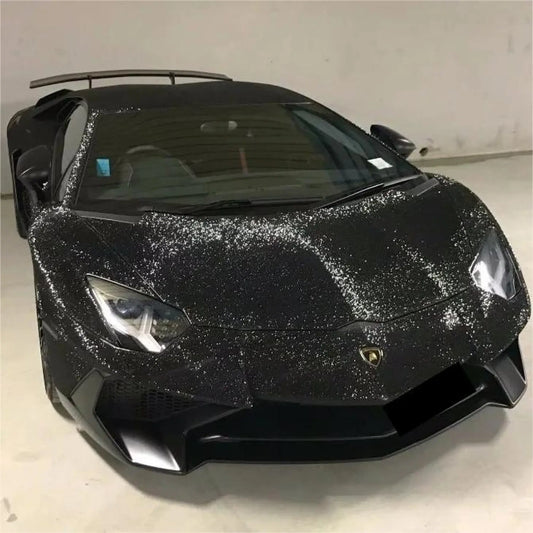
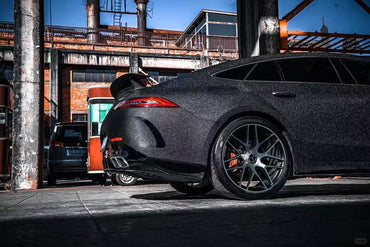
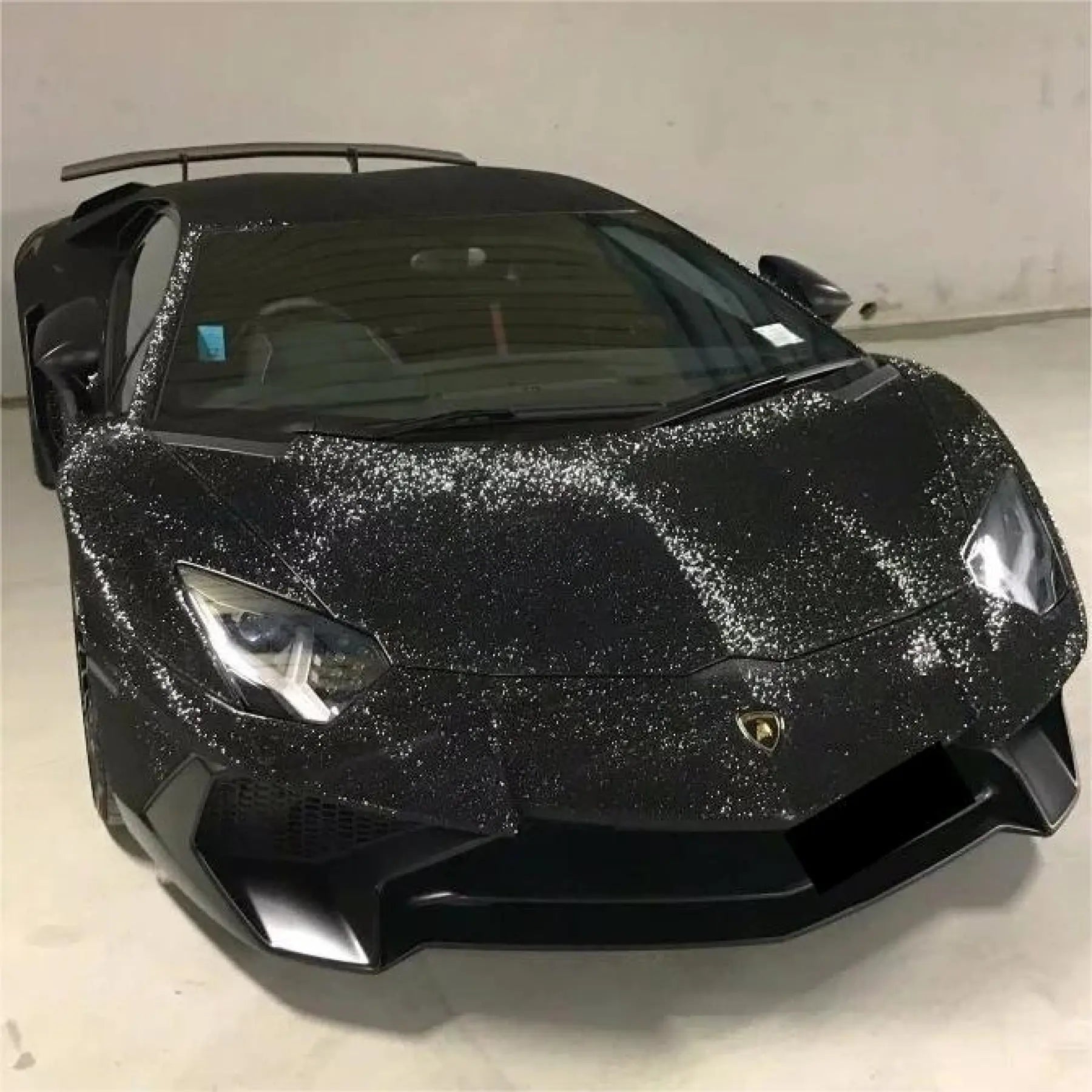
The 3D carbon fiber wrap and glitter sparkle car wrap ranges have textured surfaces that trap air more easily than flat films. Work at the ideal ambient temperature and ensure the surface beneath is completely clean and free of contamination before laying the film. Any dust trapped under a textured film will be far more visible than under a smooth surface.
Seasonal Installation Considerations
Spring and Fall: Ideal Conditions
These are the best seasons for vinyl wrap work in most climates. Ambient temperatures typically fall naturally within the 68°F–77°F window without additional climate control effort. Humidity tends to be moderate, which prevents the two moisture-related problems — condensation between film and substrate, and static-generated dust attraction — that complicate spring and summer installations respectively.
Summer: Manage Heat, Not Just Temperature
The problem in summer is not always the ambient temperature — it's solar load. A vehicle parked in direct sunlight on a hot day can have a body panel surface temperature 30°F–50°F higher than air temperature. Bring the vehicle inside at least 2–3 hours before beginning work to allow the metal substrate to equalize with the indoor environment. Never attempt to wrap a sun-hot panel; the adhesive will cure before you finish positioning the film.
For summer work in climates that regularly exceed 85°F, an air-conditioned garage or professional shop is worth the investment. Check Sailifilm's best-selling wraps to identify which finishes are most suitable for your region's typical conditions — lighter metallic finishes, for example, absorb less solar radiation than dark matte wraps and are generally more forgiving in summer heat.
Winter: Cold Is the Enemy of Adhesion
Below 60°F (15°C), vinyl films lose conformability and adhesives lose tack dramatically. This is not a situation that can be solved by working faster — the physics of adhesive chemistry don't respond to urgency. If the only workspace available is an unheated garage in winter, use space heaters to bring the ambient temperature up 2–3 hours before starting and maintain that temperature throughout the installation. Also allow the vehicle itself to reach room temperature — a cold metal substrate will chill the adhesive through the film even if the air around it is warm.
According to automotive adhesive chemistry research, pressure-sensitive adhesives achieve full bond strength only when applied within their specified temperature window and allowed to cure at stable temperatures for at least 24 hours post-installation.
After completing any winter installation, keep the vehicle indoors for a minimum of 24 hours before exposing it to cold exterior temperatures. This allows the adhesive to reach acceptable bond strength before thermal cycling begins.
Quick Temperature Reference Chart
| Stage | Temperature (°F) | Temperature (°C) | Purpose |
|---|---|---|---|
| Ambient / Working | 68°F – 77°F | 20°C – 25°C | Film handling & positioning |
| Forming | 104°F – 140°F | 40°C – 60°C | Stretch, conform, curve-fitting |
| Memory Break (Post-Heat) | 190°F – 212°F | 88°C – 100°C | Lock film, prevent edge lifting |
| Cold Limit (Do Not Install) | Below 60°F | Below 15°C | Adhesive failure zone |
| Heat Limit (Do Not Install) | Above 95°F | Above 35°C | Overstretching / premature cure |
Before You Start: Sample and Surface Prep
If you've never worked with a specific Sailifilm product before, ordering a sample kit is a practical first step. Samples let you test how a film responds at your specific working temperature before committing to a full roll, and they give you practice with the heat gun to develop a feel for how quickly each finish reaches its forming temperature.
Surface preparation is equally critical. Clean the vehicle thoroughly and ensure the paint surface is free of wax, silicone, contamination, and moisture. The best temperature conditions in the world cannot compensate for a contaminated substrate — the adhesive needs direct contact with clean paint to form a lasting bond. Consult the Sailifilm Car Film Maintenance Guide for detailed surface prep and post-installation care instructions.
Final Word
Temperature management is not a detail for professionals only — it's the foundation of every successful car vinyl wrap job, from a simple hood section to a full vehicle color change. Respect the three zones, control your environment, choose the right wrapping tools, and never skip the post-heat memory break. Do those things consistently and any Sailifilm product — from the dramatic prismatic shift of a rainbow laser wrap to the refined protection of a TPU film — will reward you with a finish that holds up beautifully for years.

