





What Every Car Owner Should Know About Vinyl Wrap Materials
When you decide to transform your vehicle with a custom wrap, one of the most critical decisions you'll face isn't just about color or finish—it's about the type of vinyl material itself. Understanding the fundamental differences between cast and calendered vinyl can mean the difference between a wrap that lasts seven years and one that starts failing after eighteen months.
Both cast and calendered vinyl wraps start with the same basic ingredient: polyvinyl chloride, commonly known as PVC. However, the manufacturing processes create two distinct products with vastly different performance characteristics, price points, and ideal applications. Whether you're considering our rainbow laser vinyl wrap collection or exploring ultra matte finishes, knowing which material type you're working with will directly impact your satisfaction and investment.
How Cast Vinyl is Made
Cast vinyl represents the premium tier of wrap materials, and its manufacturing process explains why. The production begins with liquid PVC mixed precisely with plasticizers, pigments, and other additives in carefully controlled ratios. This liquid mixture gets poured onto a casting sheet—an extremely thin surface that ultimately determines the final thickness of the film.
The casting sheet moves through a series of temperature-controlled ovens where solvents gradually evaporate, leaving behind a thin, uniform film. This process typically results in vinyl that measures around two mils thick, creating a material that's remarkably flexible and conformable. Because cast vinyl isn't mechanically stretched during production, it has minimal internal stress, which translates to exceptional dimensional stability over time.
The precision of the casting process allows manufacturers to create specialty finishes that would be impossible with thicker materials. At Sailifilm, our liquid chrome wrap collection and crystal vinyl wrap series exemplify what becomes possible when working with cast vinyl's superior conformability.
The Calendering Manufacturing Process
Calendered vinyl follows a completely different production path. Rather than starting with liquid, this process begins with a dough-like substance of PVC resin. This material gets fed through a series of massive heated rollers—called calendars—that flatten and compress it into sheets of the desired thickness.
Think of it like rolling out pizza dough, except with industrial precision and temperatures that would melt your oven. The rolling process stretches the material, which creates internal memory within the vinyl. This memory means calendered vinyl always wants to return to its original, pre-stretched state, making it more prone to shrinkage over time, especially when exposed to heat.
Calendered vinyl typically measures between 2.5 to 4 mils thick—noticeably thicker than cast alternatives. This extra thickness provides certain advantages in scratch resistance and handling, but it also limits how well the material can conform to complex curves and tight contours. Modern manufacturing techniques have significantly improved calendered vinyl's performance, narrowing the gap between the two material types more than ever before.
Key Performance Differences That Matter
Conformability and Flexibility
Cast vinyl's thinness and lack of internal stress make it dramatically easier to work with on complex surfaces. When wrapping areas with compound curves—like bumpers, mirror housings, or fender flares—cast vinyl stretches and conforms without fighting back. Professional installers can achieve seamless results on challenging geometries that would be nearly impossible with calendered materials.
Our 3D carbon fiber wrap collection demonstrates this advantage perfectly. The textured finish requires material that can follow every contour without lifting or creating tension points. Calendered vinyl works best on flatter surfaces with gentle curves, making it suitable for hoods, roofs, and door panels on vehicles with simpler body lines.
Durability and Longevity
Cast vinyl delivers superior outdoor durability, typically lasting five to seven years—sometimes longer with proper maintenance. The material resists shrinking, cracking, and fading even under constant UV exposure and temperature fluctuations. When professionally installed and cared for, cast wraps maintain their appearance and adhesion throughout their entire lifespan.
Calendered vinyl generally performs well for three to five years under normal conditions. The material's inherent memory makes it more susceptible to shrinkage and edge lifting, particularly on curved surfaces or in climates with extreme temperature variations. However, recent advances in polymeric plasticizers have substantially improved calendered vinyl's weather resistance compared to older formulations.
Installation Considerations
For DIY enthusiasts and professional installers alike, cast vinyl offers a more forgiving installation experience. The material's flexibility allows for easier repositioning during application, and it responds predictably to heat. When warming cast vinyl with a heat gun, installers can stretch it into place without worrying about excessive shrinkage later.
Calendered vinyl requires more skill to install correctly, especially around curves. The material's thickness and internal memory mean mistakes are less forgiving. Overheating can activate the memory effect, causing the wrap to shrink dramatically. Our wrapping tools collection includes specialized equipment designed to make working with any vinyl type more manageable.
Choosing the Right Material for Your Project
When Cast Vinyl Makes Sense
Cast vinyl represents the best choice for full vehicle wraps where longevity and a flawless finish matter most. If you're investing in a complete color change using our dual color dream vinyl wrap or metallic vinyl wrap collections, cast material ensures your investment looks spectacular for years.
Cast vinyl also excels for:
- Vehicles with complex body lines and aggressive styling
- Show cars and high-end custom builds where perfection is non-negotiable
- Commercial fleet vehicles requiring maximum durability
- Projects where the wrap needs to last five years or longer
- Wraps in harsh climates with extreme temperatures or intense UV exposure
When Calendered Vinyl Works Well
Calendered vinyl offers an economical solution for shorter-term applications or vehicles with simpler body styles. For fleet graphics that change seasonally, promotional wraps, or temporary color changes, calendered materials deliver solid performance at a lower price point.
Consider calendered vinyl for:
- Partial wraps on flat or gently curved surfaces
- Budget-conscious projects where three to four years of durability suffices
- Graphics and decals on fleet vehicles
- Temporary event or promotional wraps
- Accent pieces like hood stripes or roof wraps on vehicles with minimal curves
Material Types in Sailifilm Collections
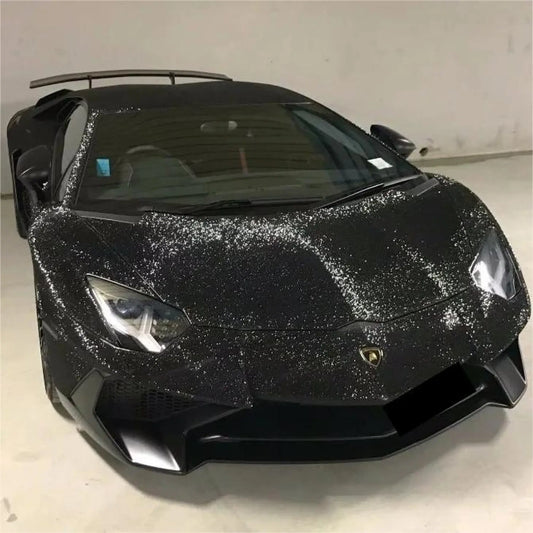
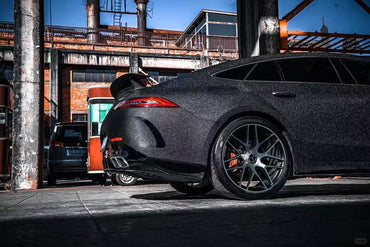
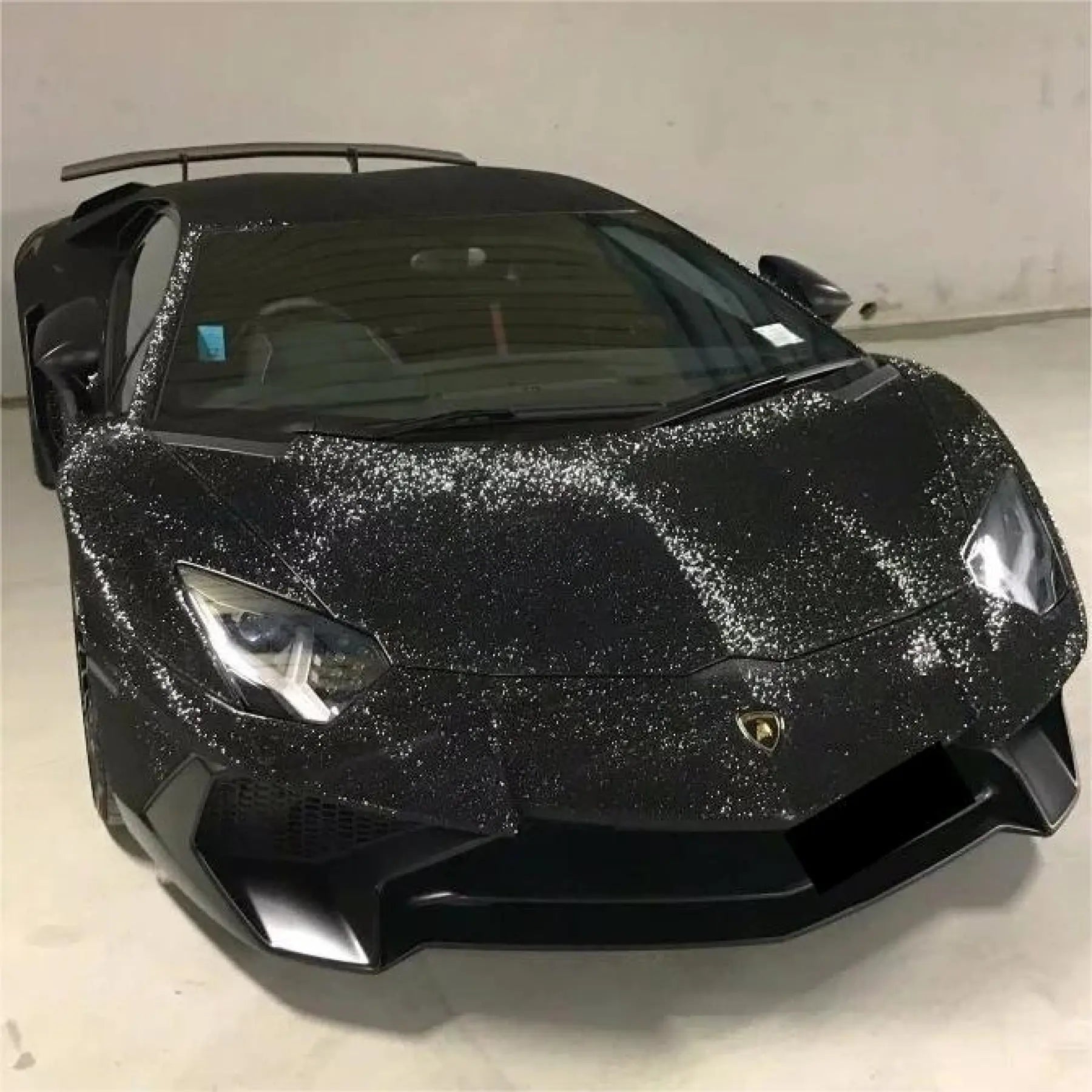
At Sailifilm, we carefully select materials that deliver exceptional results regardless of which type best suits your needs. Our glitter sparkle car wrap collection features materials engineered to maintain their brilliant sparkle throughout the wrap's lifespan. The unique particle suspension requires careful material selection to prevent settling or dulling over time.
Our best sellers represent products that consistently deliver outstanding results across diverse applications and climates. When browsing options, consider not just the visual effect you want to achieve but also your vehicle's complexity, your budget, and how long you plan to keep the wrap installed.
For those new to vinyl wrapping or uncertain about material selection, our sample kits provide an affordable way to examine different finishes and material types in person before committing to a full vehicle purchase.
Beyond Material Type: Finish Considerations
While the cast versus calendered decision impacts performance, the finish you choose affects daily aesthetics and maintenance requirements. Gloss finishes, whether on cast or calendered base materials, offer the highest shine and are generally the easiest to clean. They hide minor imperfections well and deliver that showroom-fresh appearance many owners desire.
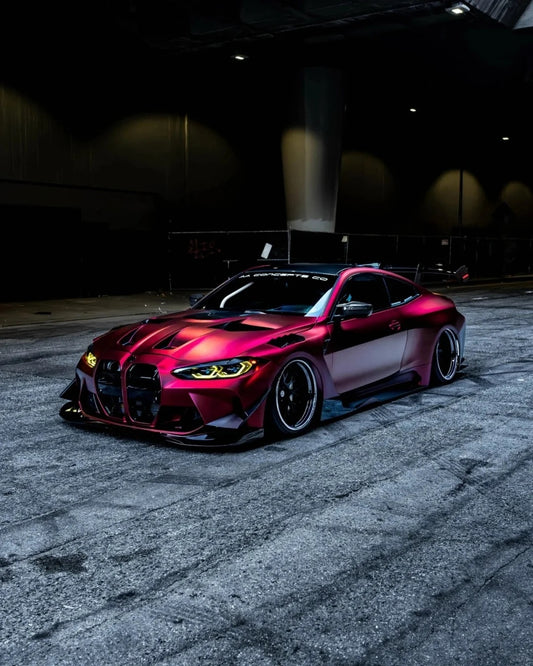
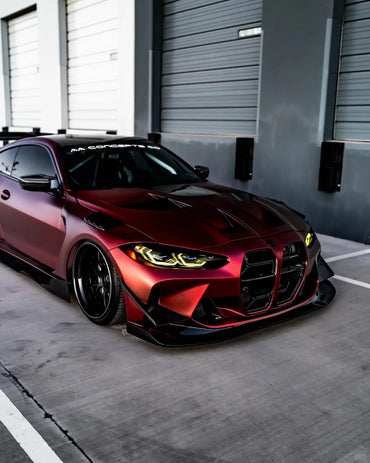
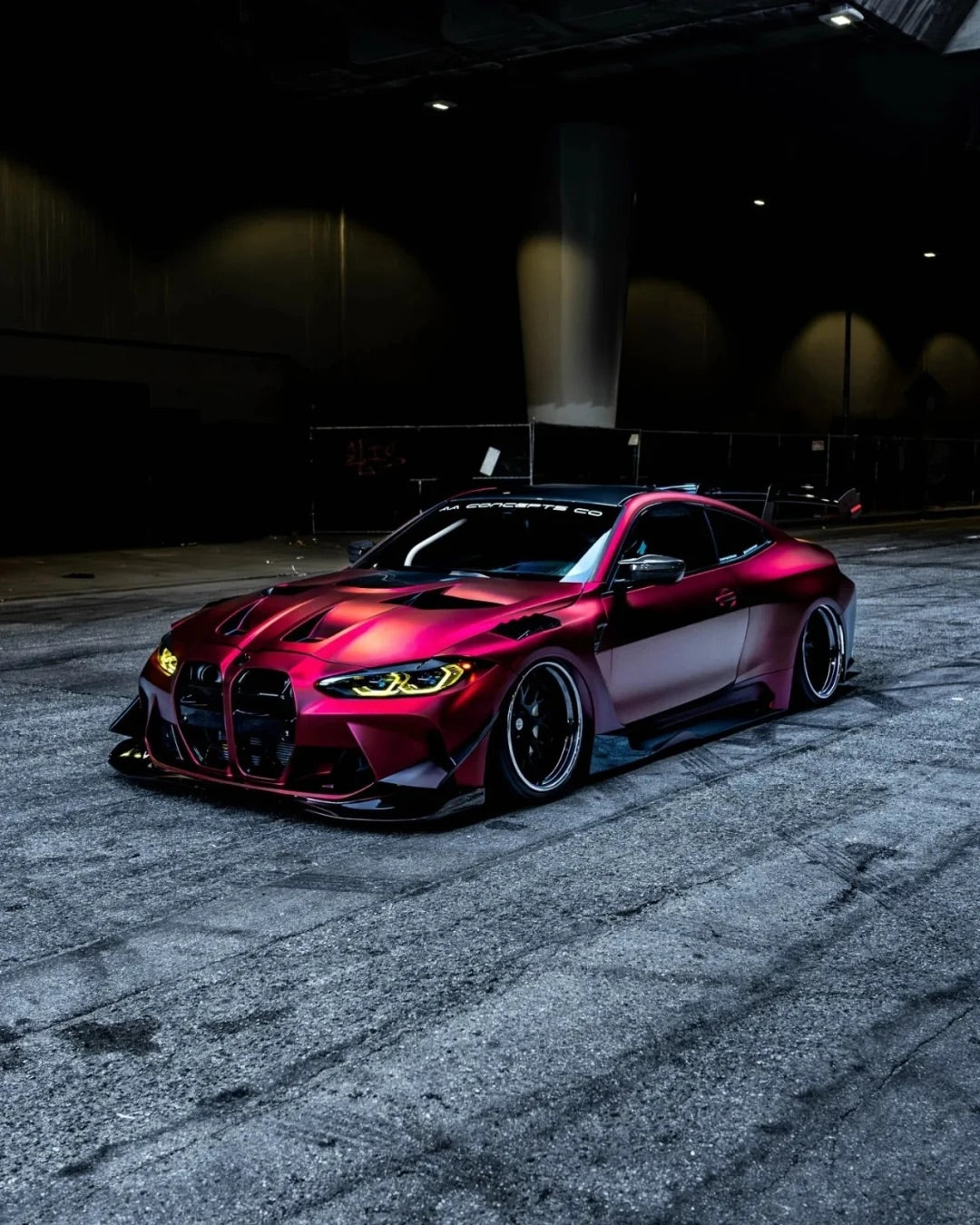
Matte and satin finishes have surged in popularity, providing sophisticated, understated elegance. Our ultra matte wrap selection demonstrates how a non-reflective surface can accentuate body lines and create visual depth impossible with traditional paint. These finishes require specific care routines to maintain their appearance, as they show oils and fingerprints more readily than gloss alternatives.
Specialty finishes like the ones in our rainbow laser vinyl wrap collection push creative boundaries with color-shifting effects and holographic elements. These advanced finishes typically require cast vinyl bases to perform properly, as the optical effects depend on maintaining precise material dimensions.
Protection vs. Aesthetics: The PPF Factor
While traditional vinyl wraps focus primarily on aesthetics with some incidental protection, paint protection film operates differently. Our colored paint protection film and TPU paint protection wrap collections offer self-healing properties and superior impact resistance that standard vinyl cannot match.
PPF materials use thermoplastic urethane instead of PVC, creating a tougher, more elastic film that absorbs impacts from road debris without permanent damage. When combined with color, these films deliver both protection and customization, though typically at a higher price point than aesthetic-only vinyl wraps.
Making Your Decision
Selecting between cast and calendered vinyl ultimately depends on balancing your priorities: budget, desired longevity, vehicle complexity, and intended use. Neither material type is inherently better—each excels in specific applications.
For most full vehicle wraps on modern cars with complex styling, cast vinyl's superior conformability and durability justify the higher material cost. The installation will be easier, the results more seamless, and the wrap will maintain its appearance longer. When you're investing several thousand dollars in a professional installation, choosing cast vinyl protects that investment.
For partial wraps, graphics, or shorter-term applications on vehicles with flatter panels, calendered vinyl delivers excellent results at a more accessible price point. Many successful wrap projects use both material types strategically—cast vinyl for complex areas and calendered for simpler panels—optimizing both performance and budget.
Installation Environment Matters
Regardless of which material you choose, proper installation conditions dramatically affect results. Vinyl wraps perform best when applied in controlled environments between 60 and 80 degrees Fahrenheit with low humidity. Both material types struggle in extreme temperatures—cast vinyl may become too soft and adhesive in excessive heat, while cold temperatures make any vinyl brittle and prone to tearing.
Professional installation shops maintain climate-controlled facilities specifically for wrap applications. If attempting a DIY installation, timing your project for moderate weather and working in a clean, enclosed space dramatically improves outcomes.
Maintenance and Care
Once installed, both cast and calendered vinyl require similar maintenance approaches to maximize lifespan. Regular washing with pH-neutral soap and soft microfiber towels prevents contaminant buildup that can degrade vinyl over time. Avoid automatic car washes with harsh brushes, and never use pressure washers directly on wrap edges or seams.
For more detailed guidance on maintaining your wrapped vehicle, consider exploring resources on <a href="https://en.wikipedia.org/wiki/Vehicle_vinyl_wrap" target="_blank">vehicle vinyl wrap history and technology</a> that cover industry best practices developed over decades of innovation.
The Future of Vinyl Wrap Materials
Material science continues advancing rapidly in the vinyl wrap industry. Newer hybrid formulations aim to capture cast vinyl's conformability with calendered vinyl's cost-effectiveness. Enhanced plasticizer technologies extend outdoor durability while improved adhesive systems make installation more forgiving and removal cleaner.
At Sailifilm, we stay current with these innovations, continually evaluating new materials and finishes to offer our customers the best possible options for their projects. Whether you're drawn to bold metallics, subtle mattes, or eye-catching special effects, understanding the material foundation supporting those finishes helps ensure your wrap delivers everything you envision.
Start Your Wrap Journey
Transforming your vehicle with vinyl wrap represents one of the most dramatic, reversible customization options available. By understanding the fundamental differences between cast and calendered vinyl, you can make informed decisions that align with your goals, budget, and expectations.
Browse our complete car vinyl wrap collection to explore the full spectrum of colors, finishes, and effects available. From understated elegance to bold statements that turn heads everywhere you drive, the perfect wrap awaits—built on materials engineered to deliver exactly what your project demands.

