



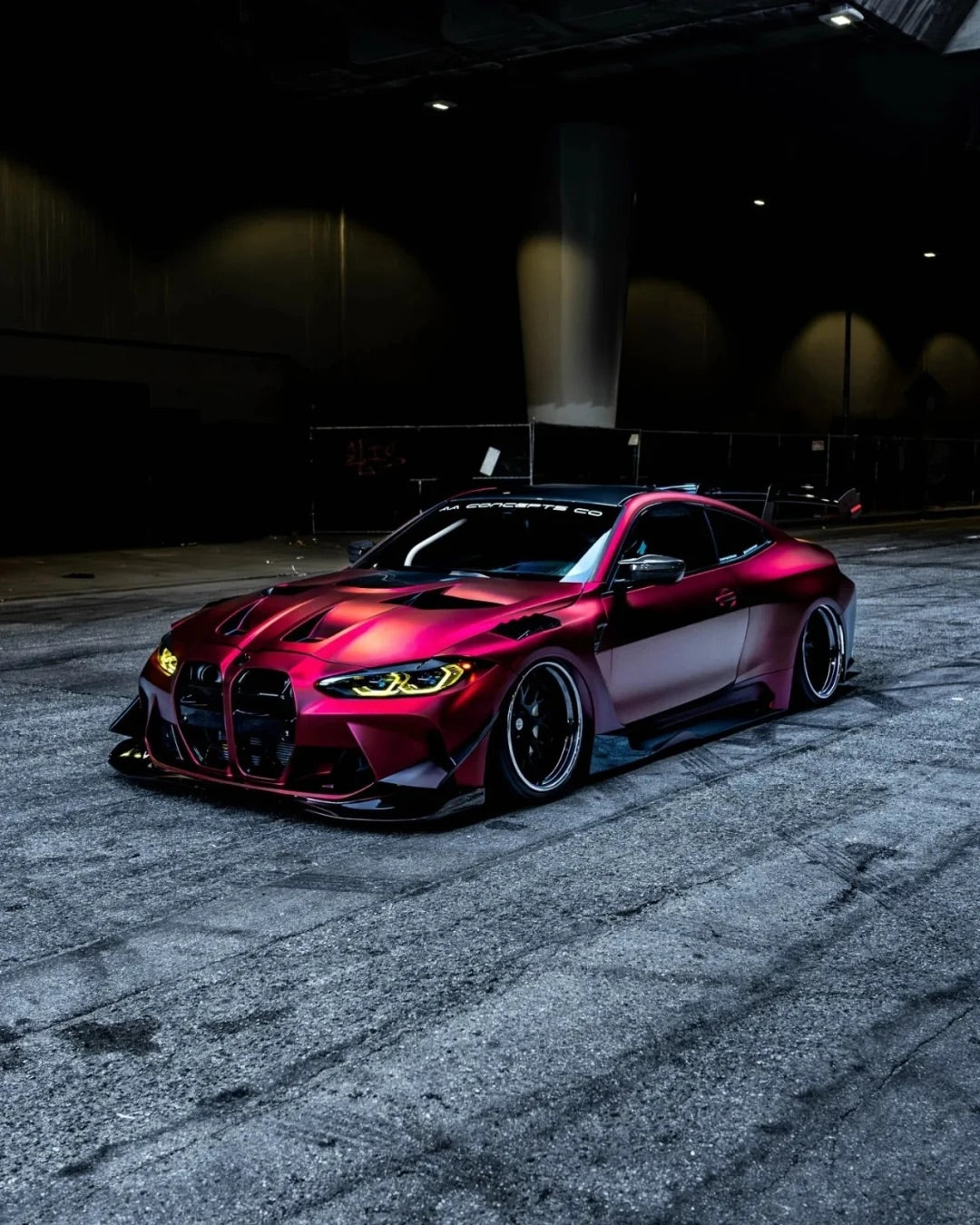


Carbon fiber styling has graduated from a hypercar exclusive into one of the most accessible visual upgrades a driver can make. Genuine woven composite panels still command thousands of dollars apiece, but a high-quality vinyl alternative delivers the same motorsport-inspired weave texture, depth, and premium presence at a small fraction of the cost — and without permanent modification.
At Sailifilm, our 3D Carbon Fiber Wrap collection includes five distinct films: Carbon Fiber Matte Black, Carbon Fiber Gloss Black, Carbon Fiber Matte Red Forging, Carbon Fiber Gloss Red Forged, and a 4D Carbon Fiber Gloss Black with enhanced multi-layer depth. This guide walks through twelve proven accent placements, plus pattern-pairing tips that consistently dominate Pinterest, TikTok, and Instagram car-build feeds throughout 2026.
If you want background on the actual material the texture is mimicking, the carbon fibers Wikipedia entry covers the engineering origin story — high stiffness, high tensile strength, and the motorsport heritage that made the look iconic.
Why Accent Wrapping Beats Full Carbon Fiber Coverage
Wrapping an entire vehicle in carbon fiber vinyl is overwhelming on most builds. The weave pattern competes with body lines, badges, and headlights, and the visual noise actually flattens what should be eye-catching detail. Strategic accents work harder. By placing carbon texture only where it visually justifies a performance association — hood, roof, mirrors, spoilers — the contrast against painted bodywork tells a clearer story.
Restraint is the rule. Three to five carbon zones per car is the sweet spot most builders settle on. Anything more begins to feel costume rather than custom.
Exterior Carbon Fiber Accent Ideas
1. The Carbon Fiber Hood
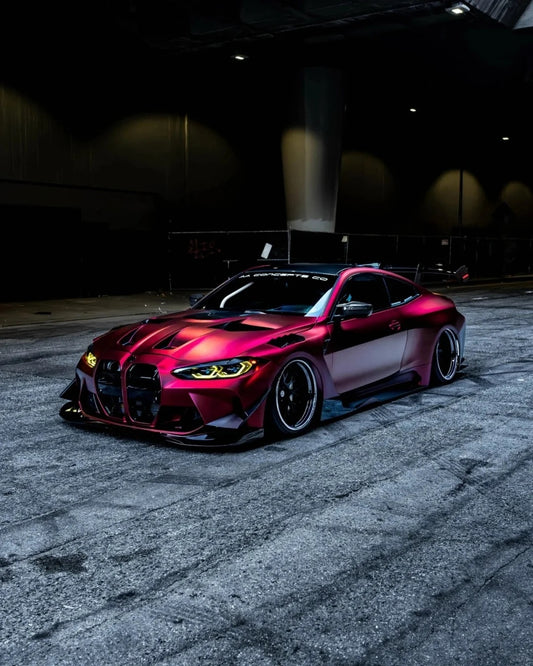
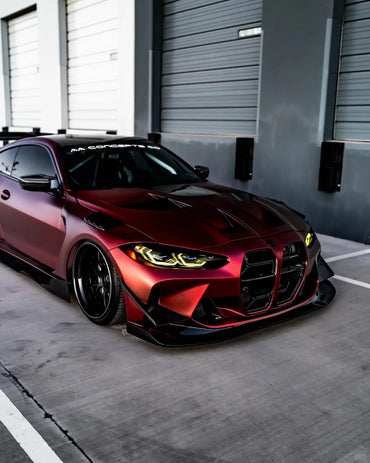
Wrapping the hood is the single most impactful carbon fiber accent on any car. The hood is large, central, and naturally associated with what lies beneath — engine, intercooler, performance hardware. A hood wrap signals intent before the driver even taps the throttle. For coupes and sedans aiming at a track-style aesthetic, the 4D Carbon Fiber Gloss Black creates the sharpest weave depth under sunlight, while the Carbon Fiber Matte Black is the right call when glare control matters more than reflection.
2. The Floating Roof Effect
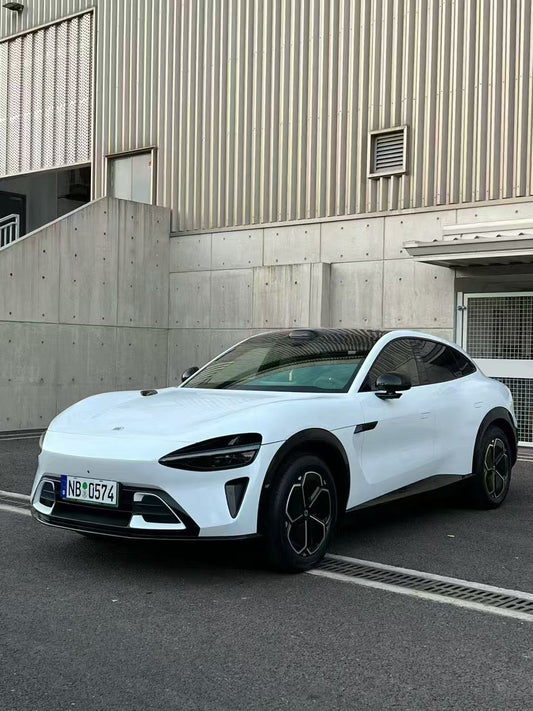
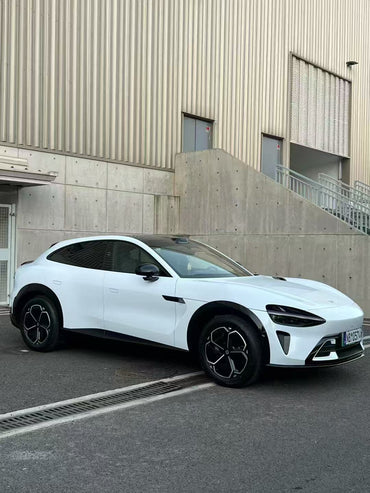
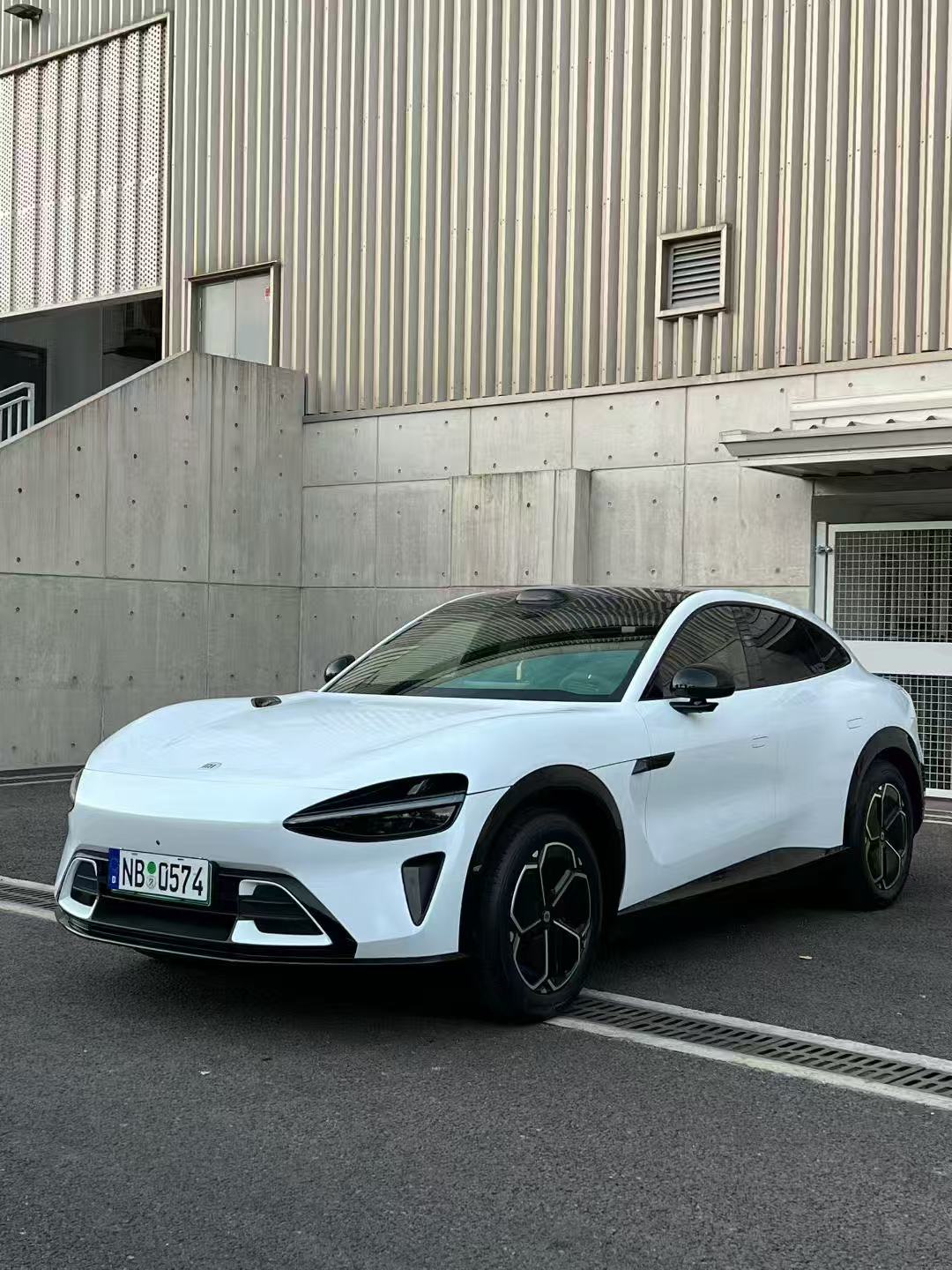
A carbon fiber roof wrap on a light-colored sedan or crossover produces what designers call a floating roof — the dark canopy visually disconnects from the body and lowers the apparent ride height. This is one of the fastest-growing trim trends of 2026 because it photographs exceptionally well in social-media car content. Pair a carbon roof with body paint in white, silver, light blue, or any pastel for maximum two-tone contrast.
3. Mirror Caps
Mirror caps are the cheapest, lowest-risk way to introduce carbon to your build. A pair of mirrors uses roughly three feet of film, the surfaces are flat enough for first-time DIY installers, and the visual return is immediate. For a clean motorsport vibe, gloss carbon catches light beautifully on the convex shape of modern side mirrors.
4. Spoiler and Trunk Lip
Rear spoilers and decklid lips were originally a motorsport function — managing high-speed airflow — and dressing them in carbon weave reinforces that engineering origin. A glossy carbon fiber spoiler against matte body paint reads as factory-installed even though it took an afternoon to apply. The Carbon Fiber Gloss Black Forged is the most popular choice for this placement.
5. A, B, and C Pillars
Wrapping the pillars between windows is a subtle move that elongates the greenhouse and gives the side profile a continuous, premium feel. This works particularly well on cars with already-blacked-out window surrounds — the carbon weave adds texture rather than just color, separating the wrap from a simple painted finish.
6. Front Splitter and Rear Diffuser
Lower-body aero pieces are another natural canvas for carbon. Splitters and diffusers are aggressive shapes by design, and the woven texture amplifies their visual function. Because these surfaces sit close to the road, this is also a smart spot to back the carbon vinyl with a layer of TPU Paint Protection Wrap so road debris does not chew up the finish.
7. Forged Red Carbon Accent Stripes
For builders chasing a true motorsport identity rather than a stealth look, the Carbon Fiber Matte Red Forging Fiber and Carbon Fiber Gloss Red Forged open up unique accent options. Run a forged red stripe down the center of the hood, dress the brake-caliper covers, or wrap a small portion of the front splitter to coordinate with red badging or red-stitched interior trim.
8. Door Handles and Pillars
Door handles are a tiny surface but a high-touch zone, meaning every passenger sees and uses them. A small piece of carbon film wrapped around each handle introduces texture exactly where eyes already focus. This is also a great use for offcuts left over from larger panel projects.
Interior Carbon Fiber Accent Ideas
9. Dashboard Trim and Air Vent Surrounds
Modern dashboards usually include a long horizontal trim strip across the passenger side. Wrapping that strip in carbon vinyl transforms a plain factory plastic finish into something that feels closer to a German sport sedan. Air vent surrounds and infotainment bezels are also strong candidates because they sit at eye level for both driver and passengers.
10. Center Console and Shifter Surround
The area around the gear shifter, cup holders, and climate dials is the second-most-touched surface in any cabin after the steering wheel. A carbon fiber wrap here resists fingerprints better than glossy piano-black plastic and gives the interior a cohesive performance theme. Matte carbon is usually preferred indoors to prevent unwanted reflections in the windshield at night.
11. Door Cards and Window Switch Panels
Wrapping the upper door cards or the small panel that houses window switches extends the carbon theme into the door without requiring a full reupholstery project. This is the kind of detail that elevates a build from looking modified to looking factory-tuned.
12. Steering Wheel Spokes and Paddle Shifter Backs
Reserved for the most committed builds, this last accent zone takes patience but delivers a serious payoff. Tiny pieces of vinyl applied to the metal spokes of a steering wheel — or behind the paddle shifters — turn the most-touched control in the car into a carbon-fiber sculpture. Test a small offcut from a Sample Kit before committing the full piece.
Pairing Carbon Fiber Accents With the Rest of Your Wrap
Carbon fiber accents almost always look better when the rest of the body has been considered as part of the same design palette. Three pairings consistently outperform random combinations:
-
Matte body + matte carbon. A vehicle wrapped in the Ultra Matte Series with matte carbon accents on the hood, roof, and mirrors creates a fully stealth, race-paddock aesthetic. Glare disappears, body lines lead the eye instead.
-
Metallic body + gloss carbon. Pair the Metallic Series with gloss carbon accents to mimic supercar specifications. The metallic flake catches sunlight, the gloss carbon reflects it back, and the overall finish reads expensive.
-
Color-shift body + dark carbon. Adventurous builds combine the Dual Color Dream Series or the Rainbow Laser Series with restrained matte carbon trim, letting the body do all the visual work while the carbon provides a calm anchor.
How Much Carbon Fiber Vinyl Do You Actually Need?
Sizing depends on which accents you tackle. Sailifilm rolls come in 5ft x 3.28ft up to 5ft x 79ft, so most accent projects can be built around the smaller cuts.
-
Mirror caps only: a single 5ft x 3.28ft roll covers both sides comfortably with material to spare for a second attempt if needed.
-
Spoiler and trunk lip: the same 5ft x 3.28ft roll is usually enough for a single deck-lid spoiler.
-
Hood only: most sedans and crossovers need a 5ft x 10ft cut to allow margin for trimming.
-
Hood plus roof: step up to a 5ft x 16ft roll, with leftovers for mirrors.
-
Full-vehicle carbon (rare): a 5ft x 59ft to 5ft x 79ft roll is required, depending on body style.
Always order roughly twenty percent more film than the strict minimum. Mistakes happen, edges need re-pulling, and weave patterns must align across separate panels.
Installation Tips for First-Time Carbon Wrappers
3D carbon vinyl behaves slightly differently from a flat-color film because the textured surface is less forgiving of stretch. Three rules will save most beginners from a redo:
-
Mind the weave direction. Decide on the orientation of the weave pattern before cutting. Most installers run the diagonal weave from front-lower to rear-upper across the car for visual consistency.
-
Use less heat than gloss vinyl needs. The textured surface holds more heat than smooth films. Set the heat gun lower and pass quickly to avoid distorting the weave pattern.
-
Squeegee with a felt edge. Rigid plastic squeegees can flatten the 3D texture if pressed too hard. Felt-wrapped squeegees from the Wrapping Tools collection preserve the embossed surface.
For a step-by-step walk-through, the DIY Car Wrap Installation Guide covers prep, application, and post-heat sealing in detail. After install, the Car Film Maintenance Guide explains how to keep the textured surface looking as crisp as the day it went on.
Carbon Fiber Vinyl vs Colored Paint Protection Film
Some builders ask whether carbon look-and-feel can also serve as armor against rock chips. Standard cast carbon vinyl is decorative first and only mildly protective. When real impact protection matters — typically the leading edge of the hood, headlight area, and rocker panels — pair the carbon accents with our Colored Paint Protection Film or transparent TPU layer underneath. The result is a protected finish that still reads as carbon under casual inspection.
Adding Texture Variety: Mixing Carbon With Other Sailifilm Series
Carbon weave does not have to be the only texture on the car. Some of the most photographed builds in 2026 mix two finishes together for added depth:
-
Crystal Series pearlescent body + carbon hood for a luxury-meets-track contrast.
-
Liquid Series mirror-finish body + matte carbon roof for a wet-look exotic vibe.
-
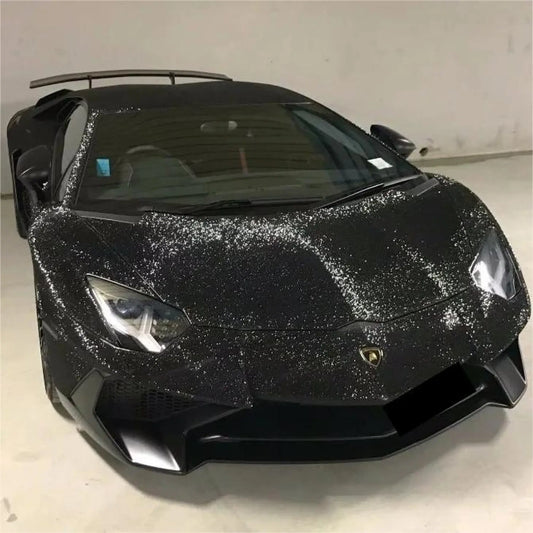
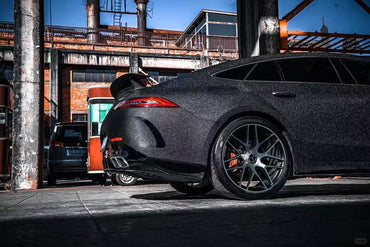
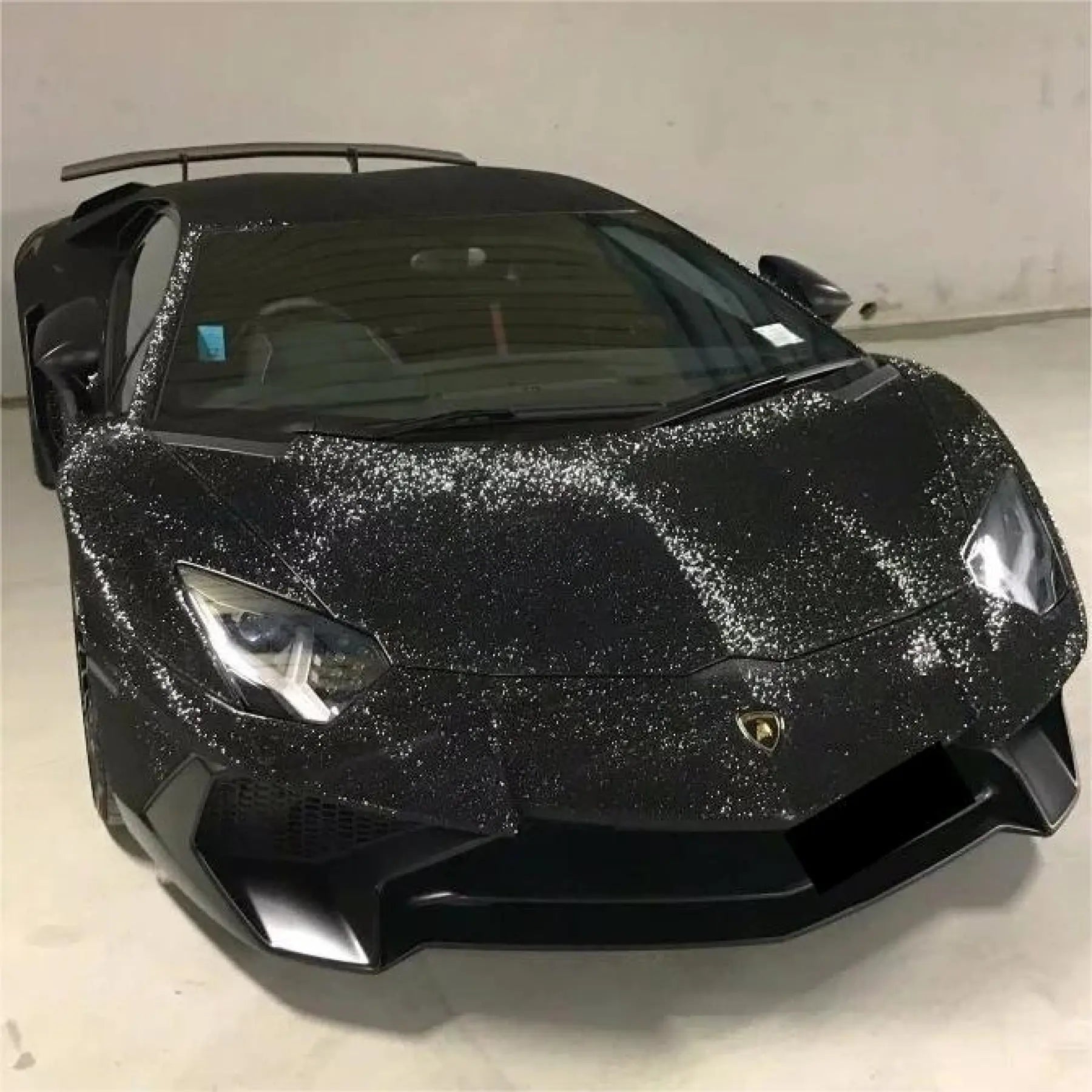
Glitter Sparkle Wrap body + carbon mirror caps and spoiler for a show-car personality with an aggressive performance edge.
Carbon Fiber Wrap Accent FAQ
Will carbon fiber vinyl damage my paint?
No. Cast carbon vinyl uses pressure-activated adhesive engineered for clean removal. The factory paint underneath stays sealed and protected for as long as the wrap stays on.
Is 3D, 4D, or forged carbon best for accents?
3D carbon delivers a clean, consistent weave that suits flat panels and interior trim. 4D adds extra optical depth and works best on hoods, roofs, and spoilers where light interaction sells the texture. Forged patterns shine on smaller accents like mirrors and pillar trims because the marbled effect rewards close inspection.
Can I wrap carbon fiber over existing paint scratches?
Carbon vinyl will conform over light surface defects but does not fix them. Deep scratches, dents, or peeling clear coat will telegraph through the textured surface. Address paint issues before wrapping.
How long does carbon fiber vinyl last on accents?
Cast carbon film typically lasts five to seven years on exterior surfaces under normal driving conditions. Interior pieces can last well beyond that since they avoid UV exposure, weather, and washing chemicals.
Plan Your Carbon Fiber Build With Sailifilm
Carbon fiber accents reward thoughtful placement more than aggressive coverage. Pick three accent zones, match the finish — matte for stealth, gloss for showroom presence, forged red for motorsport flair — and let the carbon do the work the body color cannot.
Browse the full 3D Carbon Fiber Wrap collection, check our best-selling vinyl wraps for body-color pairings, and explore the broader car vinyl wrap range for full-build inspiration. Shops and installers can apply for wholesale pricing through our dealer program.
Need help choosing a finish for your specific car? Reach out through the Sailifilm contact page and our team will recommend the right roll size, weave pattern, and accent map for your project.
INTERNAL & EXTERNAL LINK MAP (FOR EDITOR REFERENCE)
External anchor link: Wikipedia – Carbon fibers (used in intro section to explain real carbon material origin)
Internal anchor links used: Sailifilm home · 3D Carbon Fiber Wrap collection · Carbon Fiber Matte Black product · Carbon Fiber Gloss Black Forged product · Carbon Fiber Matte Red Forging product · Carbon Fiber Gloss Red Forged product · 4D Carbon Fiber Gloss Black product · Ultra Matte Series · Metallic Series · Crystal Series · Liquid Series · Dual Color Dream Series · Rainbow Laser Series · Glitter Sparkle Wrap · TPU Paint Protection Wrap · Colored Paint Protection Film · Best Sellers · Car Vinyl Wrap · Sample Kits · Wrapping Tools · DIY Installation Guide · Car Film Maintenance Guide · Become A Dealer · Contact
Suggested follow-up blog topics (future internal-link supplements): 3D vs 4D vs 5D vs 6D carbon fiber comparison · How to wrap a hood without bubbles · Forged carbon vs woven carbon: which looks more authentic · Carbon fiber roof wrap install tutorial for sedans · Best mirror cap wraps under $30 · Mixing carbon fiber with chrome delete trim · Top 10 carbon-accented JDM and Euro builds of 2026

