



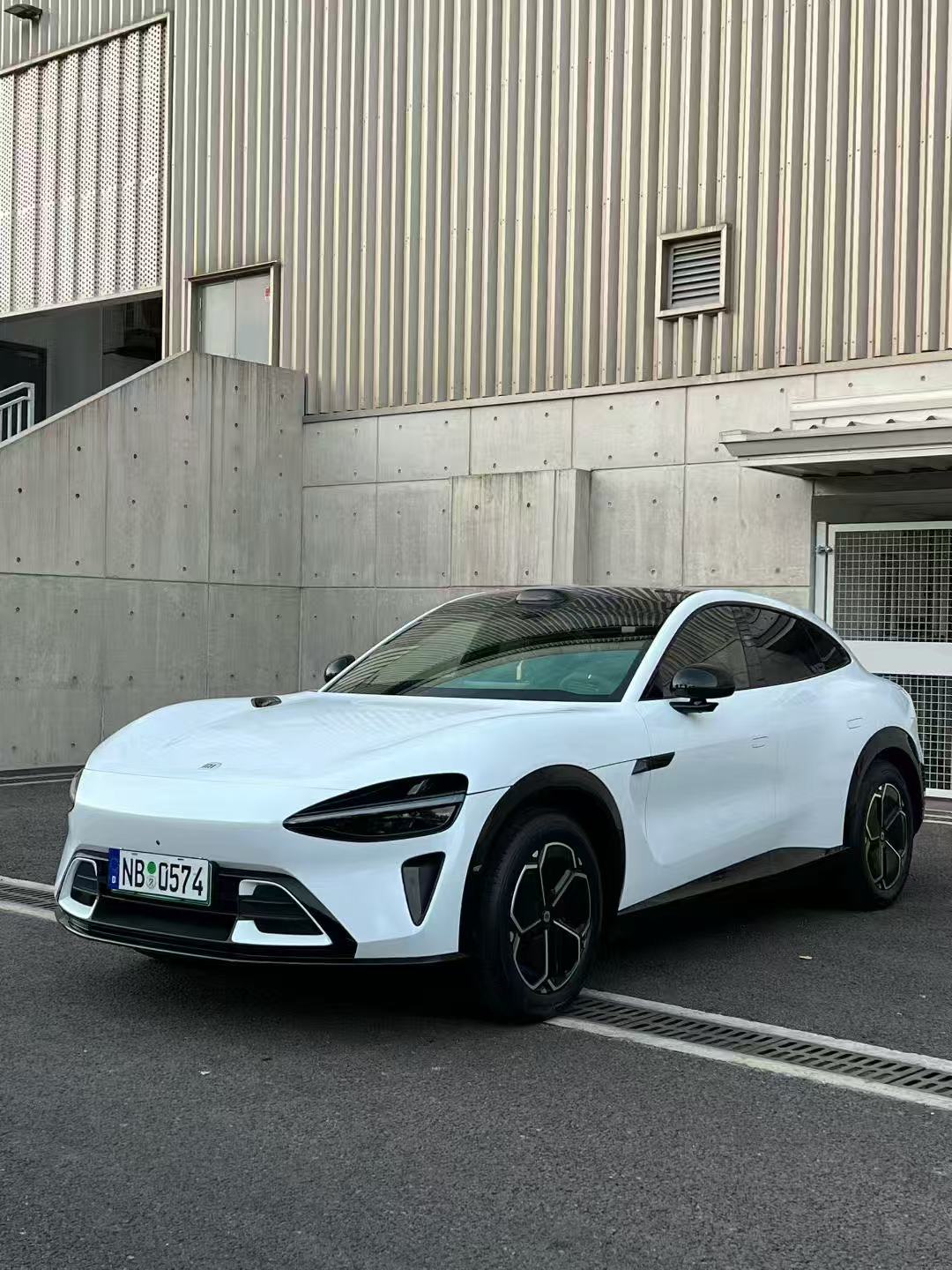


A botched wrap is rarely just a cosmetic problem. Lifted edges let water creep beneath the film, bubbles trap dirt for years, and overstretched corners shrink back over time and tear the adhesive layer. The result is wasted vinyl, hours of frustration, and sometimes paint damage that costs more to repair than a professional install would have. Whether you are installing your first roll of car vinyl wrap or your fiftieth, understanding the most common DIY pitfalls is the difference between a 7-year flawless finish and a peeling mess after 7 months.
Mistake #1: Skipping Proper Surface Decontamination
Roughly half of all wrap failures trace back to a single root cause: a panel that looked clean but wasn't. Invisible wax residue, silicone spray drift, polishing oils, and even fingerprint oils all create microscopic barriers that prevent permanent adhesion. The wrap goes on beautifully, looks perfect for the first month, then edges start lifting around door handles and mirror caps.
How to avoid it:
- Wash twice with pH-neutral automotive shampoo
- Clay-bar the entire panel to remove bonded contaminants
- Final wipe with 70% isopropyl alcohol or higher
- Never touch a cleaned panel with bare hands before applying film
- Inspect under bright LED lighting before the vinyl comes off the liner
Sailifilm's official DIY Car Wrap Installation Guide covers each prep stage in granular detail and is worth bookmarking before your first project.
Mistake #2: Wrong Ambient Temperature
Vinyl behaves differently at 50°F than at 75°F. Cold film becomes brittle and resists conforming around curves, while cold panels cause the adhesive to never reach proper tack strength. Hot conditions are equally bad — the adhesive grabs instantly with zero repositioning time, and the film stretches uncontrollably under squeegee pressure.
How to avoid it:
- Work between 68°F and 77°F (20°C–25°C)
- Keep humidity below 60%
- Let both vehicle and vinyl rolls acclimate indoors for at least 24 hours
- Never wrap outdoors in direct sunlight
- Use a climate-controlled garage if possible
This is especially critical with delicate finishes like the ultra matte wrap series and finish-sensitive options in the rainbow laser vinyl wrap collection, where temperature stress can affect the visual surface as well as the adhesive.
Mistake #3: Cheap Tools and Dull Blades
Hardware-store squeegees scratch high-gloss films. Generic heat guns lack precise temperature control. Dull utility blades tear vinyl instead of slicing it cleanly, leaving rough edges that lift within weeks. The money you save on tools gets spent five times over on wasted vinyl.
How to avoid it:
- Use a professional kit like Sailifilm's 13-in-1 Wrapping Tool Kit
- Stock multiple squeegee hardness levels (soft, medium, hard, felt-edge)
- Replace cutting blades every 2 to 3 cuts
- Invest in a heat gun with digital temperature display (120°F–200°F range)
- Keep an infrared thermometer on hand to verify film surface temperature
Browse the complete wrapping tools collection for purpose-built equipment.
Mistake #4: Not Disassembling Removable Parts
Door handles, side mirrors, badges, and trim pieces look fine when wrapped around — until you realize the visible cut lines never disappear, the edges lift first, and the entire panel looks amateur. Professional installers remove every component that can be removed before they touch the film.
How to avoid it:
- Remove door handles, mirrors, badges, taillight surrounds, and weather stripping
- Photograph each component before disassembly for reassembly reference
- Store hardware in labeled bags or magnetic trays
- Tuck vinyl edges behind hardware so cut lines are invisible
- Use plastic trim tools to avoid scratching paint during removal
Mistake #5: Overheating the Vinyl
Heat is your friend until it isn't. Above 210°F, vinyl loses its dimensional stability, the topcoat begins to glaze, and the adhesive layer can permanently separate from the film backing. Overheated wraps may look fine for the first day but fail within months as the damaged adhesive lets go.
How to avoid it:
- Stay within the 180°F–200°F sweet spot for stretching
- Keep your heat gun 6–8 inches from the surface
- Keep the gun moving constantly — never hold it static
- Use medium temperature setting for post-heat passes (160°F–180°F)
- Confirm temperatures with an infrared thermometer, not by feel
Specialty films such as those in the liquid chrome wrap collection and the 3D carbon fiber wrap series have textured top surfaces that show heat damage more visibly than standard gloss films.
Mistake #6: Overstretching the Film
Cast vinyl can stretch — but only by about 10–15% before the adhesive begins to fail. Beyond that threshold, the film develops memory and slowly retracts toward its original shape over weeks and months, pulling away from the surface and creating visible shrinkage along edges and panel gaps.
How to avoid it:
- Cut every panel oversized by 2–3 inches on all sides
- If you need extreme stretch to make a panel fit, the piece is too small — restart with fresh material
- Use relief cuts in complex curves rather than fighting the stretch
- Apply heat to soften the film, then release tension before final squeegee pass
- Let stretched areas cool completely before trimming
Mistake #7: Skipping Edge Sealing
This is the single most common DIY failure. The wrap looks perfect on day one, but within 3 weeks the edges start lifting because the installer never applied proper heat and pressure to bond them permanently. Once water gets under an edge, the failure spreads across the entire panel.
How to avoid it:
- Apply heat at 180°F–200°F to every edge, seam, and tucked area
- Press firmly with a squeegee or gloved finger for 5–10 seconds per edge
- Run your fingernail along sealed edges — any lift means rework now, not later
- Pay extra attention to door edges, bumper corners, and mirror mounts
- Allow 48–72 hours of cure time before washing
This step is doubly important for our colored paint protection film and TPU paint protection wrap lines, since these thicker 7.5mil and 8.5mil films carry more edge tension than standard vinyl.
Mistake #8: Working in a Dusty Environment
Every particle of dust, hair, or debris that lands on the adhesive before the film goes down creates a permanent bump in the finished surface. Beginners often underestimate just how clean their workspace needs to be.
How to avoid it:
- Sweep and damp-mop the floor before starting
- Mist the air lightly with water to settle airborne dust
- Close doors and windows during application
- Wear clean clothing (avoid wool or fleece that sheds fibers)
- Never wrap outdoors where pollen, insects, and dust are uncontrollable
Mistake #9: Not Ordering Enough Material — or the Wrong Finish
Running out of vinyl mid-installation is a nightmare because dye lots vary slightly between rolls. Even worse is realizing the color you picked online looks completely different in person under your local light conditions.
Material requirements by vehicle:
- Compact car: 45–50 feet
- Mid-size sedan: 50–55 feet
- Full-size sedan: 55–60 feet
- SUV: 55–65 feet
- Truck: 60–75 feet
- Always add 10–15% extra for mistakes and complex areas
How to avoid it:
- Order a swatch from the sample kits collection before committing to a full roll
- Buy all your film from the same batch in one order
- Add 10–15% extra to your calculation
- Verify finish in natural daylight, not under indoor lighting alone
Mistake #10: Picking the Wrong Film Type for Your Skill Level
Beginners often start with the most challenging films — color-shift, chrome, or holographic finishes — because they look the most exciting in videos. These specialty films are also the least forgiving of mistakes. Repositioning marks show up immediately, stretch lines distort the visual effect, and squeegee pressure can permanently dull the finish.
Beginner-friendly recommendations:
- Start with the crystal vinyl wrap or metallic vinyl wrap series for forgiving installation
- Ultra matte wrap options are also relatively easy for first-timers
Advanced finishes for experienced installers:
- Liquid chrome wrap requires perfect surface prep and zero squeegee marks
- Dual color dream vinyl wrap color-shift films are stretch-sensitive
- Rainbow laser vinyl wrap holographic films show every imperfection
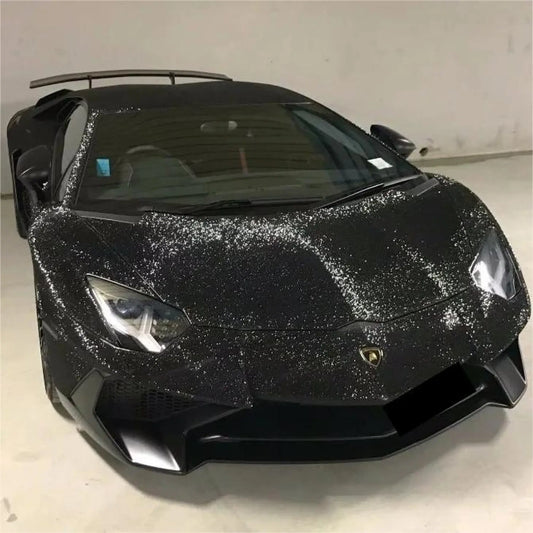
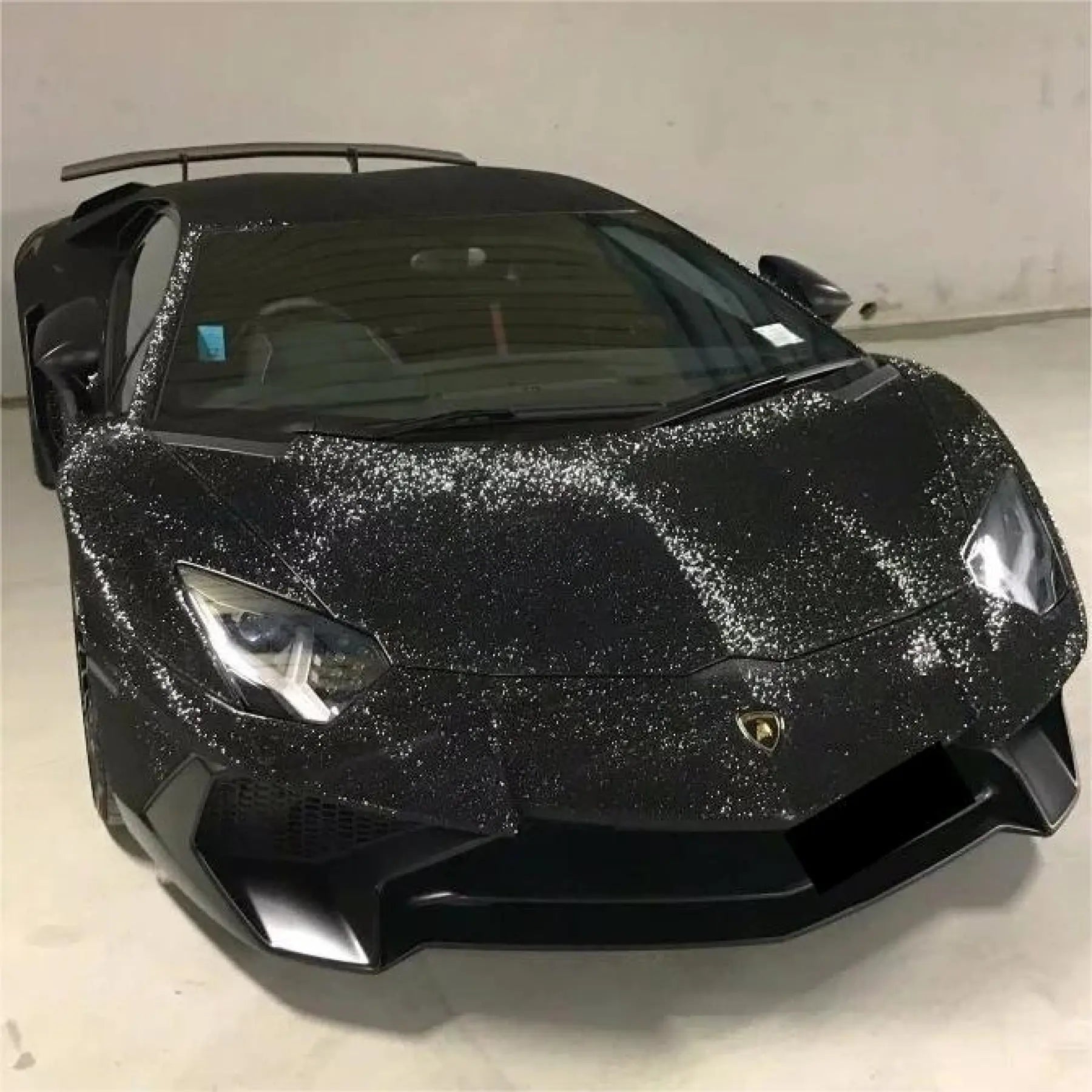
- Glitter sparkle car wrap options need careful handling to preserve sparkle uniformity
Check our best sellers page to see what other DIYers are choosing successfully.
Mistake #11: Trimming Too Aggressively on the Vehicle Surface
Pressing too hard with the blade while trimming creates scoring marks in the clear coat that remain even after the wrap is removed years later. This is the mistake that turns a removable, paint-protective installation into permanent paint damage.
How to avoid it:
- Use only knifeless tape or extremely light blade pressure on body panels
- Cut at a 45-degree angle whenever possible
- Lift the vinyl away from the surface and trim in mid-air when feasible
- Replace blades every 2–3 cuts to prevent dragging
- Practice trim technique on scrap panels first
For more on how vinyl interacts with factory finishes, the automotive paint Wikipedia overview explains why proper trim technique matters for paint preservation.
Mistake #12: Skipping the Post-Heat Cure Period
After the wrap is fully installed, many DIYers immediately drive the car, wash it, or park it in the sun. The adhesive needs time and a specific final heat pass to reach full bond strength.
How to avoid it:
- Perform a complete post-heat pass over every panel at 160°F–180°F
- Do not wash the vehicle for 48–72 hours after installation
- Avoid direct sunlight during the first 24 hours
- Keep the car in a climate-controlled space during the cure period
- Allow 7 days for full adhesive cure before applying any sealants
How to Recover From a Mistake Mid-Install
Caught a bubble after the squeegee pass? Use a needle to create a pinprick at the edge of the bubble and squeegee the air out — the puncture will be invisible. Found a lift after edge sealing? Reheat to 180°F and apply firm pressure for 10 seconds. Got a stretch mark you can't squeegee out? That panel needs to be removed and recut from fresh material — there is no recovery from overstretched vinyl, only replacement.
For complete maintenance after installation, follow our Car Film Maintenance Guide to extend your wrap's life to its full 5–7 year potential.
When Should You Hire a Professional Instead?
DIY makes sense when you have 20–40 hours to invest, a clean climate-controlled space, and patience for the learning curve. Professional installation makes more sense when you are wrapping a high-value vehicle for the first time, working with complex specialty finishes like chrome or color-shift films, or have hard deadlines that don't allow restart time.
Sailifilm operates a dealer and installer network through our Become A Dealer program, and our Authorized Store Program can help you locate certified installers in your region.
Final Thoughts: The Difference Between Good and Great Wraps
The gap between a wrap that lasts 7 years and one that fails in 7 months almost always comes down to attention paid to these 12 details. Surface preparation, temperature control, edge sealing, and proper film selection account for the vast majority of installation outcomes. Premium vinyl from Sailifilm is engineered to forgive minor technique imperfections, but no film can rescue a contaminated surface or a butchered edge.
Take your time, work in the right environment, invest in proper tools, and refer back to our DIY Car Wrap Installation Guide at each stage. For deeper coverage of specific failure modes, our existing post on common car wrap mistakes goes into additional pro-level troubleshooting.
For background reading, the Wikipedia vehicle vinyl wrap article and the surface preparation overview on Wikipedia provide useful context on the science behind every step.
Quick FAQ: Car Wrap Installation Mistakes
Q: What is the #1 cause of vinyl wrap failure? Improper surface preparation — invisible contaminants like wax, silicone, and oils prevent permanent adhesion.
Q: How long should I wait before washing my car after wrapping? Wait 48–72 hours for the adhesive to cure fully. Avoid pressure washing for at least 1 week.
Q: Can I fix a wrap mistake after installation? Bubbles can be fixed with a pinprick. Lifted edges can be re-heated and re-sealed. Overstretched vinyl must be removed and replaced.
Q: What temperature should I install vinyl at? 68°F–77°F (20°C–25°C) is optimal. Below 60°F the adhesive won't activate properly; above 85°F the film becomes uncontrollable.
Q: Will a wrap damage my original paint? Properly installed and removed wraps protect paint. Damage only occurs from aggressive trim cuts, contaminated installation, or paint that was already compromised before wrapping.

