



Choosing Low-Quality Vinyl Materials
The foundation of every successful wrap begins with material selection. Choosing inferior vinyl represents one of the most consequential mistakes vehicle owners make, creating problems that persist throughout the wrap's shortened lifespan.
Low-quality films exhibit poor adhesive performance, inadequate UV resistance, and limited conformability around complex vehicle curves. These materials often fade dramatically within months, develop unsightly cracks, or peel prematurely from edges and corners. The apparent cost savings disappear quickly when replacement becomes necessary far sooner than expected.
Premium materials like the Sailifilm Crystal Vinyl Wrap collection feature multiple engineered layers designed specifically for automotive applications. Their advanced adhesive systems, UV-resistant topcoats, and superior conformability ensure professional results that endure years of exposure to road conditions and weather extremes.
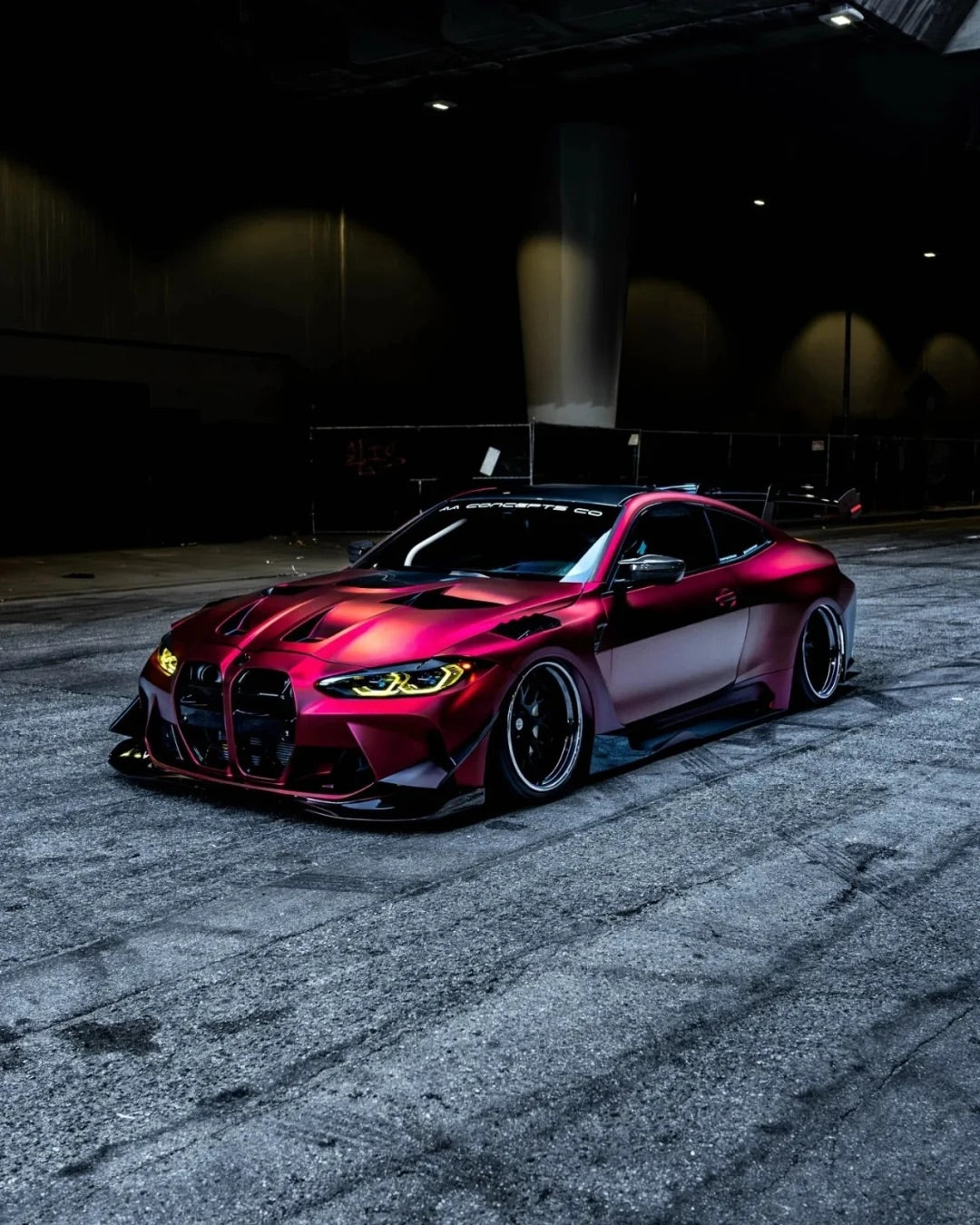
The Metallic Vinyl Wrap series demonstrates how quality materials achieve effects impossible with inferior alternatives. Their sophisticated metallic flake distribution creates depth and dimension that budget films cannot replicate, while maintaining color consistency across large panel applications.
Inadequate Surface Preparation
Surface preparation failures cause more wrap problems than any other single factor. Even premium vinyl cannot adhere properly to contaminated, damaged, or inadequately cleaned surfaces.
Dirt, grease, wax residue, and silicone compounds prevent adhesive bonding, creating bubbles that appear immediately or develop days after installation. Road tar, tree sap, and industrial fallout leave invisible films that compromise adhesion strength. Skipping thorough decontamination virtually guarantees wrap failure regardless of installation technique quality.
Proper preparation involves multiple cleaning stages using appropriate products for each contamination type. Begin with general washing to remove surface dirt, follow with specialized cleaners for tar and adhesive residue, then finish with isopropyl alcohol wipe-downs that eliminate remaining oils and residues. Allow surfaces to dry completely before beginning vinyl application.
Existing paint damage creates additional challenges. Chips, scratches, and corrosion show through vinyl wrap film, often appearing more prominent than before covering. The Sailifilm TPU Paint Protection Wrap collection provides invisible protection that works best over surfaces already in excellent condition. Address paint defects before wrapping to achieve optimal results.
Incorrect Temperature Control
Temperature significantly impacts both vinyl handling characteristics and adhesive performance. Installing wrap materials outside optimal temperature ranges creates problems ranging from minor imperfections to complete installation failures.
Cold environments below 60 degrees Fahrenheit cause vinyl to become rigid and difficult to manipulate. The material loses flexibility needed for conforming around curves and contours. Adhesives become sluggish and fail to create proper bonds with vehicle surfaces. Installations completed in cold conditions frequently exhibit lifting edges and corner failures within days or weeks.
Excessive heat above 85 degrees presents opposite challenges. Vinyl becomes overly soft and difficult to control, stretching unpredictably and creating distortion. Adhesives activate too aggressively, bonding before proper positioning becomes possible. Overheated material may shrink after installation, pulling away from edges and creating visible gaps.
The ideal installation temperature ranges between 68 and 77 degrees Fahrenheit with moderate humidity around 50 percent. According to automotive finishing experts, controlled environments produce consistently superior results compared to outdoor installations subject to variable conditions.
The Sailifilm Ultra Matte Series features velvety finishes that require careful temperature management during application. Their sophisticated surface textures and adhesive formulations perform optimally within recommended temperature parameters.
Improper Heat Gun Technique
Heat application during installation allows vinyl to conform around complex shapes, activate adhesives for permanent bonding, and relieve internal stress that causes future failures. Incorrect heat gun usage creates numerous problems ranging from cosmetic defects to material destruction.
Insufficient heat prevents vinyl from achieving necessary flexibility for wrapping curves, recesses, and compound shapes. The material resists conforming to contours, creating wrinkles and air pockets that cannot be eliminated through squeegee pressure alone. Inadequately heated edges fail to seal properly, leading to premature lifting.
Excessive heat damages vinyl immediately and permanently. Overheated material discolors, warps, or melts, destroying expensive film that cannot be salvaged. Adhesive breakdown occurs when temperatures exceed material tolerances, eliminating bonding capability entirely. The Liquid Chrome Series features delicate metallic finishes that require precise temperature control to maintain their stunning mirror-like appearance.
Maintain heat guns at appropriate temperatures for specific vinyl types, typically between 200 and 300 degrees Fahrenheit. Keep the gun moving constantly to distribute heat evenly and prevent hot spots. Hold the tool at proper distances, generally 10 to 13 inches from the material surface. Test heat response on scrap material before working on visible vehicle panels.
Overstretching Vinyl Material
Vinyl wrap possesses inherent elasticity that allows conforming around three-dimensional vehicle shapes. However, stretching material beyond its engineered limits creates problems that worsen progressively over time.
Overstretched vinyl thins unevenly, creating visible distortion, color variation, and surface irregularities. The adhesive layer spreads thin as material expands, reducing bond strength below acceptable levels. Internal tension builds within the stretched film, gradually pulling it back toward its original dimensions and causing edge lifting, corner failures, and seam separation.
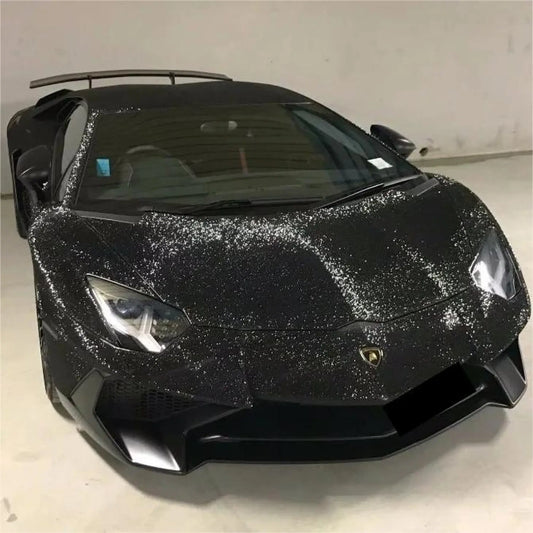
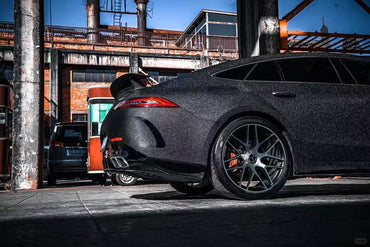
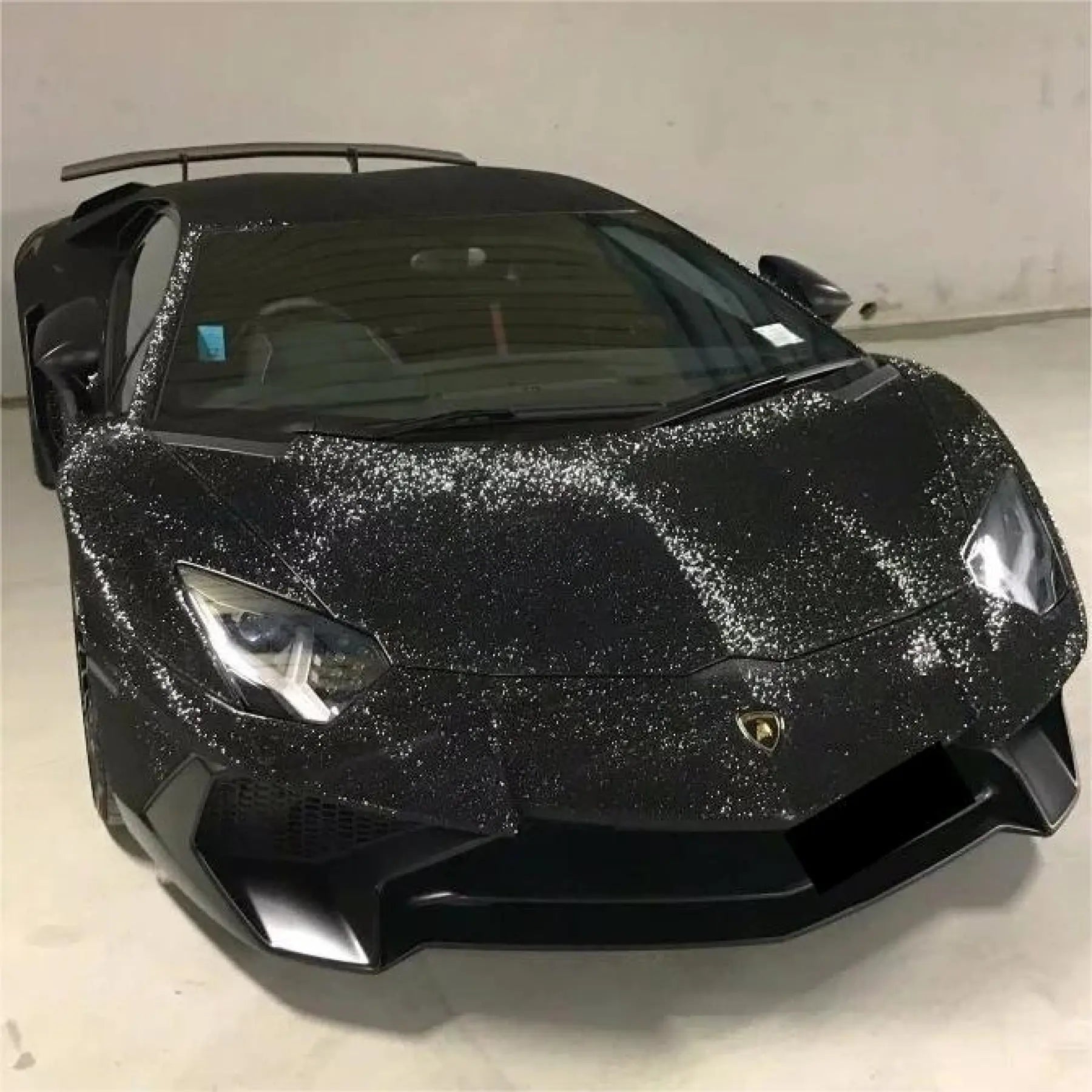
Specialty finishes suffer most dramatically from overstretching. The Rainbow Laser Series features color-shifting effects created through precisely engineered optical layers. Excessive stretching disrupts these layers, creating dead spots where color transitions fail to appear correctly. The Glitter Sparkle Car Wrap collection contains metallic particles that separate and thin when material stretches beyond design limits.
Work in small sections, applying gentle heat to increase flexibility without forcing material beyond comfortable extension limits. When resistance increases noticeably during stretching, the material has reached its safe limit. Stop stretching and use overlapping panels or inlays for areas requiring coverage beyond single-piece capability.
Trapped Air Bubbles and Contamination
Air bubbles trapped beneath vinyl wrap create obvious visual defects and accelerate wrap deterioration by preventing proper adhesive contact. Contamination from dust, debris, and moisture causes similar problems while potentially damaging the underlying paint surface.
Bubbles typically result from rushed installation technique, inadequate squeegee pressure, or attempting to work sections too large for controlled application. Once trapped, air pockets resist elimination and often reappear after apparent removal. Large bubbles indicate serious adhesion failures requiring panel replacement rather than repair attempts.
Modern premium vinyl features air-release channel technology that allows trapped air to escape through microscopic pathways during installation. The Sailifilm Dual Color Dream Series incorporates advanced air-release systems that simplify bubble-free installation even around challenging compound curves.
Work in clean, controlled environments with minimal airborne dust and debris. Close garage doors and allow air to settle before beginning applications. Use proper squeegee technique, working from center areas outward in overlapping strokes that push air toward panel edges where it can escape. The Wrapping Tools collection includes professional-grade squeegees designed for optimal pressure distribution and contamination-free application.
Poor Edge Sealing and Trimming
Edges represent the most vulnerable areas of any vinyl wrap installation. Inadequate sealing techniques allow moisture infiltration, dirt accumulation, and progressive lifting that eventually compromises entire panels.
Common edge mistakes include leaving excessive material that folds awkwardly, cutting too close and exposing original paint, failing to apply sufficient heat for permanent adhesive activation, and neglecting proper post-heat treatment that locks edges in place.
Professional technique involves wrapping material around panel edges and tucking into natural seams and gaps rather than terminating on visible surfaces. Apply heat to edges after positioning, then use firm pressure with appropriate tools to ensure full adhesive contact. Post-heat treatment after initial installation creates permanent bonds that resist future lifting.
Trimming requires sharp blades and precise pressure control. Dull blades tear rather than cut vinyl cleanly, leaving ragged edges that lift easily. Excessive cutting pressure scores underlying paint, creating damage more expensive to repair than the wrap itself. Consider knifeless tape systems for sensitive areas where blade contact risks paint damage.
Ignoring Vehicle Component Removal
Attempting to wrap around door handles, mirrors, emblems, and trim pieces rather than removing them creates obvious quality differences between amateur and professional installations. Shortcuts in this area compromise both appearance and durability.
Wrapping around fixed components creates visible gaps, uneven edges, and stress points where vinyl stretches over obstacles. These areas fail first as material attempts to return to relaxed dimensions, lifting away from surfaces where proper contact proved impossible during installation.
Remove components before wrapping whenever feasible. Door handles, mirror caps, emblems, and trim pieces typically detach easily and allow complete access for seamless vinyl application. Reinstallation over completed wrap creates clean professional transitions impossible to achieve otherwise.
The 3D Carbon Fiber Wrap collection features textured surfaces that highlight any irregularities created by improper technique around fixed components. Their dimensional patterns magnify wrinkles and gaps that smoother films might partially conceal.
Rushing Installation Timeline
Time pressure creates installation mistakes that permanently compromise wrap quality. Rushing through preparation, application, and finishing stages virtually guarantees problems that become apparent immediately or develop progressively over subsequent weeks.
Each installation phase requires adequate time for proper execution. Surface preparation cannot be abbreviated without risking adhesion failures. Vinyl application demands patience for positioning, smoothing, and conforming around complex shapes. Finishing work including edge sealing, post-heating, and quality inspection identifies problems before they become permanent.
Professional installations typically require two to five days depending on vehicle complexity and wrap design. Attempting to compress this timeline significantly increases error likelihood while preventing thorough quality control before completion.
Consider practicing techniques on Sample Kits before attempting full vehicle applications. These smaller projects develop skills and realistic time expectations without risking expensive materials on premature attempts.
Neglecting Post-Installation Care
Many wrap problems develop after installation due to inadequate curing protection and improper maintenance practices. The first days after installation prove particularly critical for long-term wrap success.
Avoid washing wrapped vehicles for at least 48 to 72 hours after installation. Adhesives require time to achieve full bond strength, and early water exposure can compromise this process. Keep newly wrapped vehicles away from extreme temperatures and direct sunlight during initial curing periods.
Ongoing maintenance mistakes include using automatic car washes with abrasive brushes, applying wax products not designed for vinyl surfaces, using harsh chemicals that degrade adhesive and film layers, and allowing contaminants like bird droppings and tree sap to remain on surfaces.
Hand washing with pH-neutral soap provides the safest cleaning method for wrapped vehicles. Use soft microfiber materials rather than abrasive sponges or brushes. Rinse thoroughly and dry with clean towels to prevent water spotting. The Colored Paint Protection Film collection offers enhanced durability and easier maintenance compared to standard vinyl due to its advanced TPU formulation with self-healing properties.
Unrealistic Expectations
Misunderstanding wrap capabilities leads to disappointment when results fail to match expectations. Wraps cannot permanently repair damaged paint, hide severe rust, or survive indefinitely without eventual replacement. Quality wraps typically last five to seven years with proper care, though specialty finishes may reduce this timeline.
Browse the Sailifilm Best Sellers collection to explore proven options delivering reliable results. These popular choices demonstrate outcomes achievable with quality materials and proper technique.

