








Why Proper Vinyl Storage Matters
Automotive vinyl wrap consists of multiple engineered layers including a color film, pressure-sensitive adhesive system, air-release channels, and protective liner. Each component responds differently to environmental factors, making storage conditions critical for maintaining optimal performance characteristics.
The adhesive layer proves most vulnerable to improper storage. Temperature extremes, humidity fluctuations, and prolonged pressure can permanently degrade bonding properties, resulting in installation failures, premature lifting, and shortened wrap lifespan. Understanding polyvinyl chloride material science helps explain why certain conditions cause problems while others preserve quality.
Premium films like the Sailifilm Liquid Chrome Series feature advanced metallic finishes that demand extra storage attention. Their sophisticated surface technologies and specialized adhesive formulations perform best when stored under controlled conditions that maintain original factory specifications.
Optimal Temperature Conditions
Temperature control represents the most critical storage factor for automotive vinyl wrap materials. The ideal storage temperature ranges between 65 and 75 degrees Fahrenheit, with 70 degrees representing the optimal target point. This moderate range keeps adhesives stable while maintaining appropriate film flexibility.
Storage temperatures exceeding 75 degrees accelerate adhesive degradation significantly. Heat causes the pressure-sensitive adhesive to soften progressively, potentially flowing beyond intended boundaries and contaminating adjacent film layers. Extended heat exposure can reduce adhesive bond strength substantially within months, rendering otherwise quality material unusable for professional applications.
Cold temperatures below 60 degrees present different challenges. Vinyl film becomes increasingly rigid as temperatures drop, losing the flexibility essential for conforming to complex vehicle curves. The adhesive hardens and loses its ability to form proper bonds with painted surfaces. Materials stored in freezing conditions may crack or tear during handling, even before installation attempts begin.
The Ultra Matte Series collection features sophisticated velvety finishes that absorb light beautifully but require consistent temperature maintenance to preserve their distinctive texture and adhesive performance. Dramatic temperature swings between storage and installation environments can cause material stress that affects final appearance.
Humidity Control Requirements
Moisture management proves equally important as temperature regulation for successful vinyl wrap storage. Target humidity levels between 45 and 50 percent relative humidity provide the ideal balance for preserving all material components without introducing moisture-related problems.
High humidity environments create multiple issues for stored vinyl materials. Excessive moisture can penetrate paper-based release liners, causing waviness that complicates handling and installation. In severe cases, wet conditions cause liner materials to tighten against the adhesive, potentially transferring paper fibers when removed. The Sailifilm TPU Paint Protection Wrap collection utilizes advanced thermoplastic polyurethane formulations that resist moisture better than standard vinyl but still benefit from proper humidity control during storage.
Extremely dry air creates static electricity buildup that attracts dust particles to film surfaces. This contamination becomes trapped beneath the vinyl during installation, creating unsightly bumps and potentially interfering with adhesive bonds. Climate-controlled storage spaces with moderate humidity levels eliminate both moisture damage and static attraction concerns.
Avoid storing vinyl rolls in direct contact with concrete floors or exterior walls where moisture can wick into packaging materials. Elevated storage racks or pallets provide necessary separation from potentially damp surfaces in warehouse environments.
Correct Roll Positioning
How you position vinyl wrap rolls during storage significantly impacts their usability. Two primary methods exist, each with specific advantages and requirements for successful implementation.
Horizontal storage remains the traditional approach, supporting the full width of each roll across its entire length. This method distributes weight evenly and prevents edge damage when properly configured. However, horizontal positioning requires adequate support to prevent rolls from developing flat spots where they contact storage surfaces. Heavy rolls stacked directly upon lighter ones can crush lower materials, creating permanent deformation visible as mottling or surface irregularities after installation.
Vertical storage offers advantages for organizing large inventories and preventing pressure damage. Rolls standing on their ends experience minimal surface contact and weight distribution concerns. This positioning works particularly well for the Crystal Vinyl Wrap collection, whose brilliant gloss finishes show pressure marks more readily than textured materials. Proper vertical storage requires stable supports that prevent rolls from leaning at angles that could cause core deformation over time.
The Sailifilm Rainbow Laser Series features color-shifting metallic effects that demand pristine surface conditions for maximum visual impact. Either storage orientation works well for these specialty films when implemented correctly with appropriate supports and protection.
Protecting Against Light Exposure
Ultraviolet radiation degrades vinyl wrap materials progressively, even during storage. Direct sunlight streaming through warehouse windows or prolonged exposure to fluorescent lighting accelerates color fading and adhesive breakdown long before materials reach vehicles.
Store all vinyl rolls away from windows, skylights, and other sources of direct sunlight. Interior storage locations without natural light exposure provide ideal conditions. If light exposure cannot be completely avoided, ensure rolls remain in their original sealed packaging, which typically includes UV-blocking properties.
The Metallic Vinyl Wrap collection features reflective particles suspended throughout the film that create stunning visual depth. These metallic elements remain stable when protected from light during storage but can experience gradual degradation under prolonged UV exposure before installation.
Maintaining Original Packaging
Original manufacturer packaging provides engineered protection designed specifically for vinyl wrap materials. Keep rolls in their factory boxes and sealed bags until ready for use. The packaging protects against light penetration, dust contamination, and accidental surface damage during handling or storage reorganization.
End caps on roll tubes shield edges from impact damage and prevent dust infiltration into the roll core. Leave these protective components in place throughout storage periods. Once removed during partial use, replace caps or seal ends with clean plastic wrap before returning materials to storage.
The Sailifilm Dual Color Dream Series features dramatic two-tone color transitions that require perfect surface conditions for optimal visual effect. Maintaining sealed packaging until installation ensures these specialty films arrive at the vehicle in pristine condition.
Handling Best Practices
Proper handling techniques complement storage conditions in preserving vinyl wrap quality. Always handle rolls with clean, dry hands to prevent transferring oils, moisture, or contaminants to film surfaces. Even small amounts of skin oil can interfere with adhesive bonds or show through light-colored materials after installation.
Work on clean surfaces when examining or cutting stored materials. Dust, debris, or residue from previous projects transfers easily to exposed adhesive or liner surfaces. Dedicated clean workspaces near storage areas allow safe material inspection without contamination risks.
When returning partially used rolls to storage, wind the remaining material tightly around the core to prevent air pockets and edge loosening. Loose winding allows air infiltration that can carry dust and moisture into the roll interior where it contacts adhesive surfaces directly.
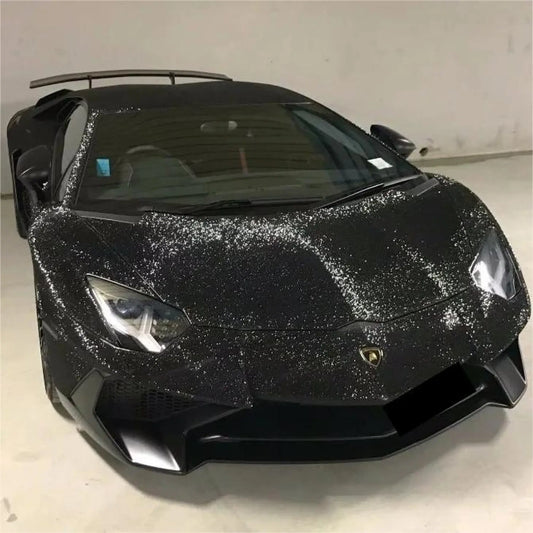
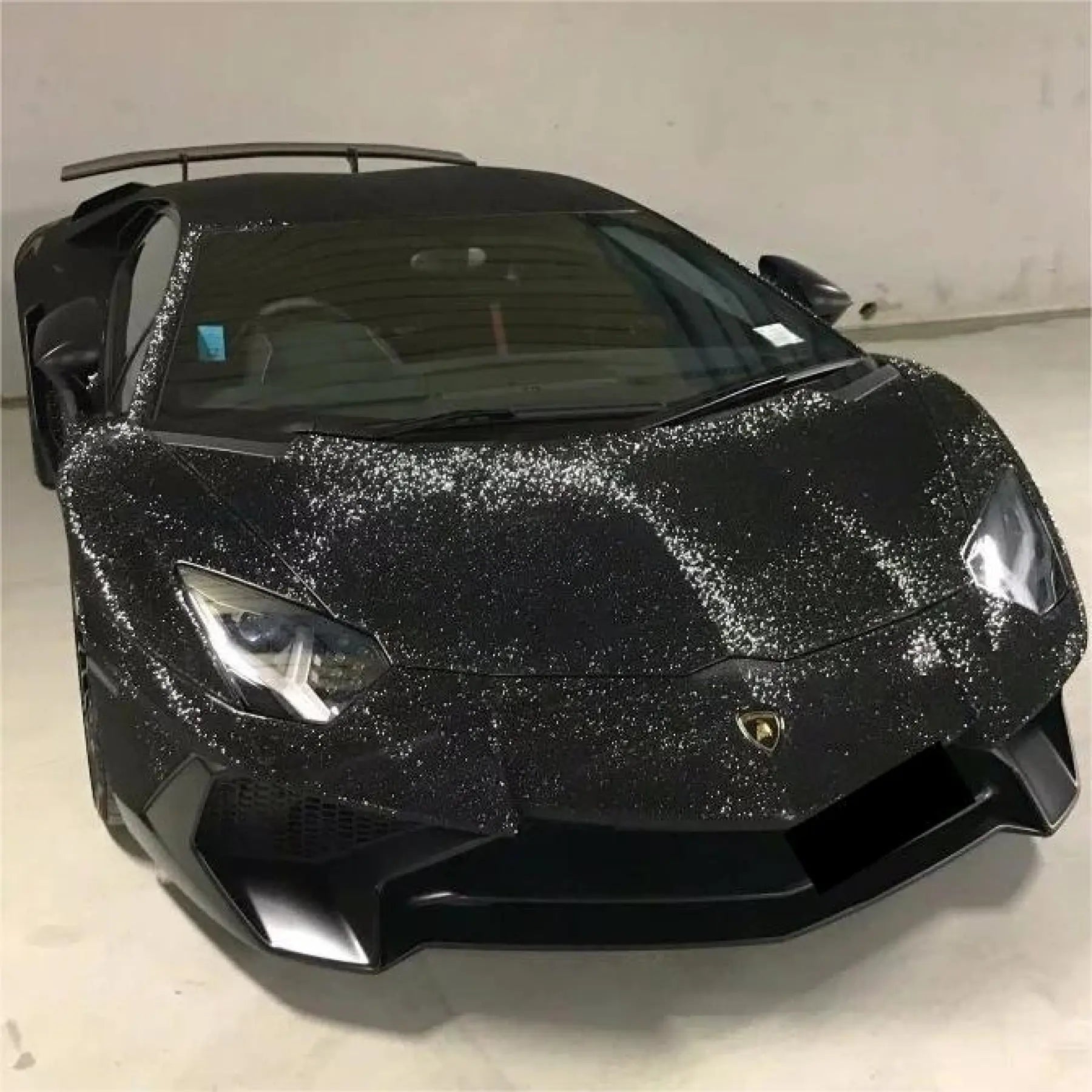
The Glitter Sparkle Car Wrap collection features micro-metallic particles that create diamond-like brilliance. These delicate surface effects require careful handling to prevent scratching or contamination that would diminish their stunning visual impact.
Inventory Rotation Strategies
Professional installers managing multiple vinyl rolls benefit from systematic inventory rotation practices. Implement first-in-first-out protocols that ensure older materials get used before newer stock. This prevents situations where some rolls sit indefinitely while others cycle through regularly.
Label partial rolls clearly with product information and remaining length estimates. Knowing exactly what materials remain available helps match inventory to project requirements and identifies rolls approaching the end of their optimal storage life.
Most quality vinyl wrap materials maintain full performance characteristics for two to three years under proper storage conditions. Track purchase dates or lot numbers to monitor inventory age and prioritize older materials for upcoming projects. The Colored Paint Protection Film collection provides extended durability both in storage and after installation due to its advanced TPU formulation.
Protecting Specialty Materials
Different vinyl wrap types require varying levels of storage attention based on their material composition and surface characteristics. Understanding these differences helps optimize storage conditions for specific product categories.
Chrome and mirror finishes like the Sailifilm Liquid Chrome Series feature highly reflective surfaces that show imperfections readily. Store these materials in original packaging exclusively and handle minimally before installation to maintain their flawless mirror appearance.
Matte and satin finishes from the Ultra Matte Series offer more forgiving surface textures but still require protection from contamination and pressure damage. Their velvety textures can trap dust particles that become visible under certain lighting conditions after installation.
Textured materials including the 3D Carbon Fiber Wrap collection feature dimensional surface patterns that provide some self-masking of minor imperfections. However, proper storage remains essential for maintaining adhesive performance and overall material quality.
Storing Wrapped Vehicles
Storage considerations extend beyond raw materials to vehicles already wearing vinyl wraps. Proper vehicle storage significantly extends wrap lifespan and maintains appearance quality throughout ownership.
Garage storage provides ideal protection from UV exposure, temperature extremes, and environmental contamination. Vehicles stored outdoors experience accelerated wrap aging from constant sun exposure, particularly on horizontal surfaces like hoods, roofs, and trunk lids that receive maximum UV radiation.
Climate-controlled facilities maintain optimal temperature ranges around 70 degrees that keep wrap adhesives stable and films flexible. Even non-climate-controlled garages offer substantial protection compared to outdoor exposure by blocking direct sunlight and reducing temperature swings.
For vehicles that must remain outdoors, quality car covers provide meaningful protection when garage storage proves unavailable. Park in shaded areas whenever possible to minimize UV exposure. Regular cleaning removes contaminants before they can damage wrap surfaces.
Seasonal Storage Considerations
Different seasons present unique challenges for vinyl wrap storage and wrapped vehicle care. Understanding seasonal factors helps maintain quality year-round regardless of local climate conditions.
Summer heat requires attention to storage area temperatures that can climb dangerously high in uninsulated spaces. Warehouses without climate control may exceed safe storage temperatures during hot weather, accelerating adhesive degradation and potentially causing materials to stick together in their packaging.
Winter cold affects both stored materials and installed wraps. Allow refrigerated materials to acclimate slowly to room temperature before use rather than applying heat directly. Rapid temperature changes can stress film layers and affect adhesive performance during installation.
Preparing Materials for Use
Before installation, allow stored vinyl wrap materials adequate time to acclimate to working environment temperatures. Materials stored at cooler temperatures need several hours at room temperature to regain optimal flexibility and adhesive flow characteristics.
Inspect stored materials carefully before beginning projects. Check for signs of moisture damage, adhesive migration, or surface contamination that may have occurred during storage. The Sailifilm Sample Kits collection offers excellent opportunities to evaluate material condition after storage. Testing small samples confirms stored materials retain expected performance characteristics.
Proper storage applies equally to installation tools. The Sailifilm Wrapping Tools collection includes squeegees, cutting implements, and application aids requiring clean, organized storage. Store cutting blades in protective cases and maintain clear separation between heat sources and vinyl materials.
How to Prepare Your Vehicle Surface for Vinyl Wrap Installation
Climate Considerations for Different Vinyl Wrap Types

