



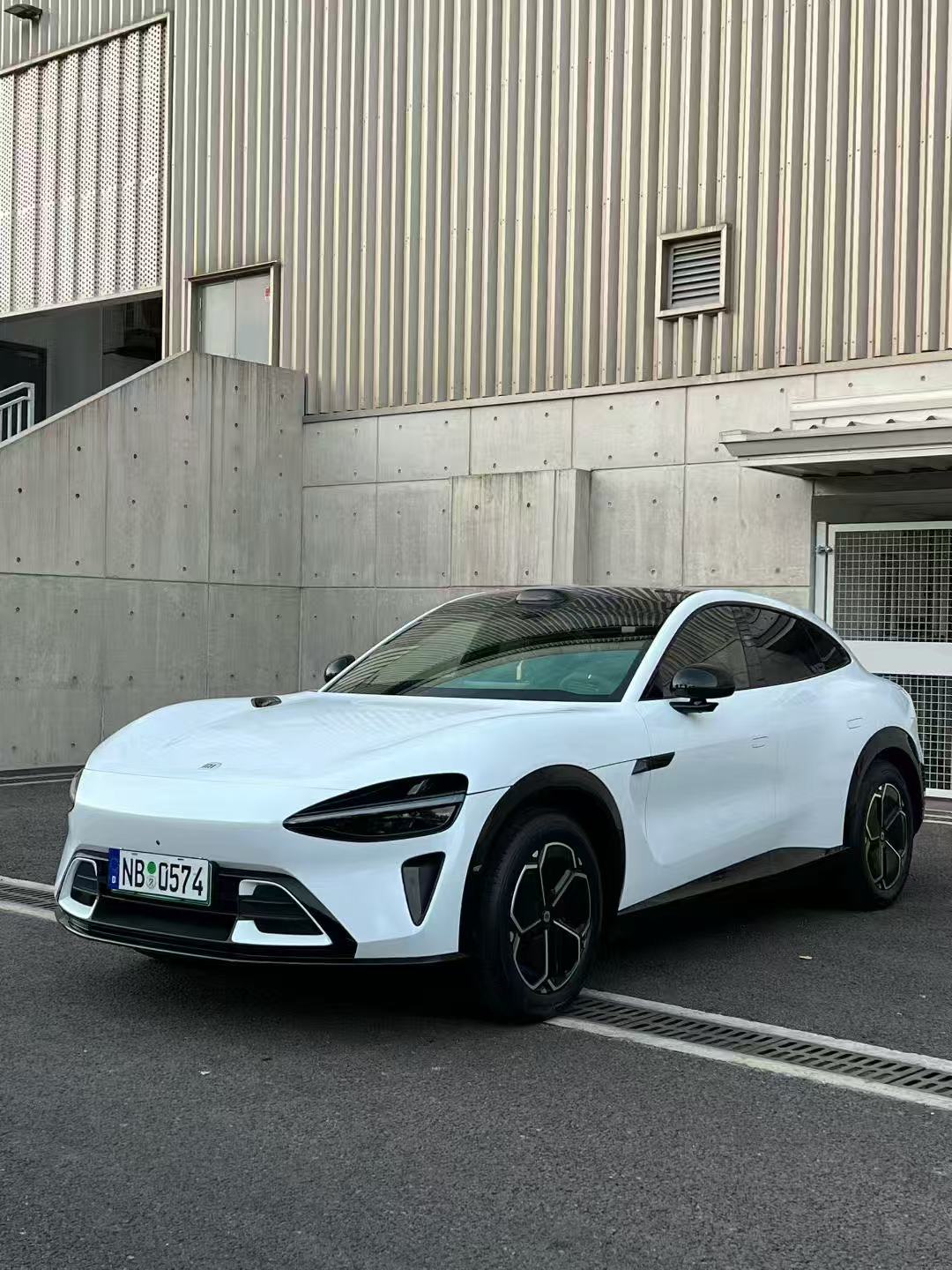


Understanding TPU Paint Protection Film
Thermoplastic polyurethane represents the pinnacle of paint protection film technology, delivering performance characteristics that far surpass traditional vinyl wrap materials. TPU paint protection films utilize advanced polymer chemistry to create flexible yet incredibly durable barriers that conform seamlessly to vehicle contours while providing superior impact resistance and environmental protection.
The molecular structure of TPU creates unique material properties that make it ideal for automotive protection applications. Unlike conventional vinyl materials, TPU exhibits exceptional elasticity that allows the film to stretch and conform to complex vehicle curves without distortion or color change. This elasticity also enables the material to absorb impact energy from road debris, dissipating force across wider surface areas rather than allowing concentrated damage to reach underlying paint.
Chemical stability distinguishes TPU from alternative materials in demanding automotive environments. The polymer structure resists degradation from UV exposure, temperature extremes, chemical contamination, and moisture infiltration that quickly degrade lesser materials. This stability ensures TPU films maintain clarity, flexibility, and protective properties throughout extended service lives of five to ten years, significantly exceeding the typical three to five year lifespan of standard vinyl wraps.
Sailifilm offers TPU protection films in multiple thickness configurations to address different protection requirements and budgets. The 7.5mil clear options provide excellent protection for daily driven vehicles in typical conditions, while 8.5mil variants deliver enhanced impact resistance for vehicles facing harsher environments or more aggressive driving conditions. Both configurations are available in gloss and matte finishes, allowing customization that complements vehicle aesthetics while delivering comprehensive protection.
Environmental friendliness adds another dimension to TPU's advantages. The thermoplastic nature allows TPU materials to be recycled and reprocessed, reducing environmental impact compared to thermoset materials that cannot be recycled. This recyclability aligns with growing consumer preferences for sustainable products without compromising performance or protection capabilities.
The Science of Self-Healing Coatings
Self-healing technology represents one of the most impressive innovations in automotive protection films. These advanced coatings incorporate specialized elastomeric polymers within the film's top layer that respond to thermal energy by reverting to their original molecular arrangement, effectively erasing minor surface damage without human intervention or specialized repair procedures.
The self-healing process operates through molecular memory built into the elastomeric polymer structure. When scratches or abrasions disrupt the surface, heat energy from sunlight, ambient temperatures, or applied warmth activates the polymers, increasing their molecular mobility. This enhanced mobility allows the polymer chains to reorganize and flow back into their original configuration, filling scratches and restoring the smooth surface finish that existed before damage occurred.
Temperature requirements for self-healing activation vary based on specific formulations, but most systems begin responding at temperatures achievable through normal sunlight exposure. Direct sunlight typically raises surface temperatures sufficiently to initiate healing of minor scratches within several hours. For faster results or in cooler conditions, gentle heat application from heat guns or warm water accelerates the process, with visible healing often occurring within minutes of controlled heat exposure.
The depth limitations of self-healing technology deserve understanding for realistic expectations. Self-healing coatings effectively address surface-level damage within the topcoat layer, typically scratches and swirl marks less than 30 microns deep. Damage penetrating through the topcoat into underlying film layers exceeds self-healing capabilities and requires professional repair or film replacement. However, since most scratches from regular washing, light abrasion, and environmental contact fall within repairable depth ranges, self-healing dramatically reduces visible wear accumulation on protected vehicles.
Beyond scratch repair, self-healing properties contribute to maintaining film clarity and gloss throughout the protection film's service life. Minor surface marring that would gradually dull conventional films continuously heals on self-healing surfaces, preserving the pristine appearance that makes premium protection films virtually invisible on vehicle surfaces.
Comparing TPU to Traditional Vinyl Wraps
Direct comparison between TPU paint protection films and conventional vinyl wraps reveals significant performance differences that justify TPU's premium positioning. While both material categories serve automotive customization and protection roles, their capabilities and appropriate applications differ substantially based on underlying material properties and construction technologies.
Durability represents the most immediately apparent distinction. TPU films demonstrate superior resistance to tearing, puncturing, and abrasion compared to standard vinyl materials. The thermoplastic polyurethane structure absorbs impact energy more effectively than vinyl polymers, protecting underlying paint from stone chips, road debris impacts, and physical contact that would damage unprotected surfaces or penetrate conventional wraps. This enhanced impact resistance proves particularly valuable for vehicle fronts, hoods, and lower body panels that face constant bombardment from road hazards.
Flexibility and conformability advantages allow TPU films to wrap complex curves, deep recesses, and tight contours that challenge standard vinyl installation. The material stretches further without deforming or losing memory, enabling complete coverage of difficult areas while maintaining consistent thickness and protective properties. This superior conformability reduces installation complexity for challenging vehicles while ensuring comprehensive protection across all wrapped surfaces.
UV resistance and yellowing prevention distinguish TPU from traditional vinyl that often shows discoloration after extended sun exposure. The chemical stability of thermoplastic polyurethane prevents the photodegradation that causes conventional films to yellow, haze, or lose clarity over time. This stability maintains the invisible appearance of clear TPU films and preserves the accurate color representation of colored protection films throughout their service lives.
Maintenance requirements differ between material types based on their surface properties and chemical resistance. TPU films with hydrophobic topcoats repel water, dirt, and contaminants more effectively than standard vinyl, simplifying cleaning and reducing the frequency of required washing. The chemical resistance prevents staining from environmental contaminants like bird droppings, tree sap, and road tar that can permanently damage conventional wrap surfaces.
Cost considerations naturally favor traditional vinyl for budget-conscious applications, with TPU commanding premium pricing that reflects its superior materials and manufacturing complexity. However, the extended lifespan, reduced maintenance requirements, and enhanced protection capabilities of TPU often deliver better long-term value despite higher initial investment, particularly for vehicles where paint preservation directly impacts resale value.
Installation Considerations for TPU Films
Professional installation maximizes TPU protection film performance and longevity. While the material's superior conformability and repositionable adhesives make it more DIY-friendly than some alternatives, the investment value of vehicles typically protected with TPU justifies professional installation that ensures optimal results and warranty coverage.
Surface preparation determines installation success regardless of installer experience level. Begin with thorough vehicle washing using pH-neutral automotive shampoo to remove all surface contamination. Follow with clay bar treatment that eliminates bonded contaminants that washing alone cannot remove. Final preparation involves wiping surfaces with 70% isopropyl alcohol to ensure completely clean, grease-free surfaces that maximize adhesive bonding.
The installation environment significantly impacts outcomes, particularly for demanding materials like TPU protection films. Controlled temperature environments maintaining 70-80°F optimize material handling characteristics and adhesive performance. Dust-free conditions are essential, as particles trapped beneath clear films create visible imperfections that compromise appearance. Professional installation facilities invest in climate control and air filtration systems that create ideal working conditions impossible to replicate in typical garage environments.
Proper installation tools include professional squeegees with appropriate hardness levels for TPU materials, heat guns with precise temperature control, sharp cutting implements for accurate trimming, and application solutions that allow positioning adjustment without affecting adhesive performance. Quality tools dramatically improve installation efficiency and result quality compared to improvised alternatives.
Pre-cutting versus on-vehicle trimming represents an important technique decision. Computer-cut patterns eliminate cutting directly on vehicle surfaces, preventing inadvertent paint damage from cutting tools. However, on-vehicle trimming allows more precise edge finishing and seamless integration with vehicle contours. Professional installers typically combine both approaches, using pre-cut patterns for main panels while carefully trimming edges on the vehicle for perfect integration.
Post-installation curing time allows adhesives to fully bond before exposing wrapped vehicles to moisture, extreme temperatures, or physical stress. Most manufacturers recommend 24 to 48 hour curing periods before washing or exposing vehicles to precipitation. Following these guidelines ensures maximum adhesive strength and prevents edge lifting that can occur when films are stressed before complete bonding.
Color Change TPU Films
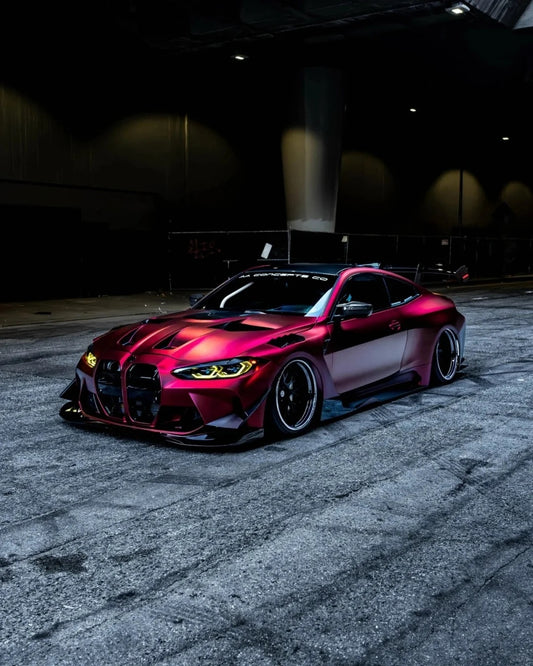
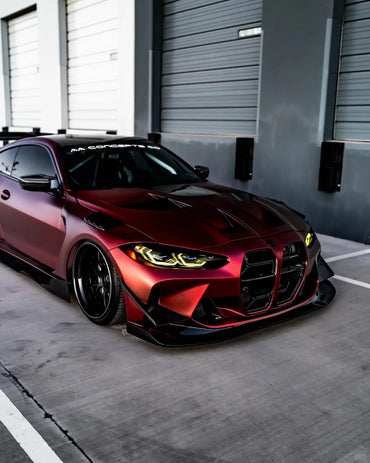
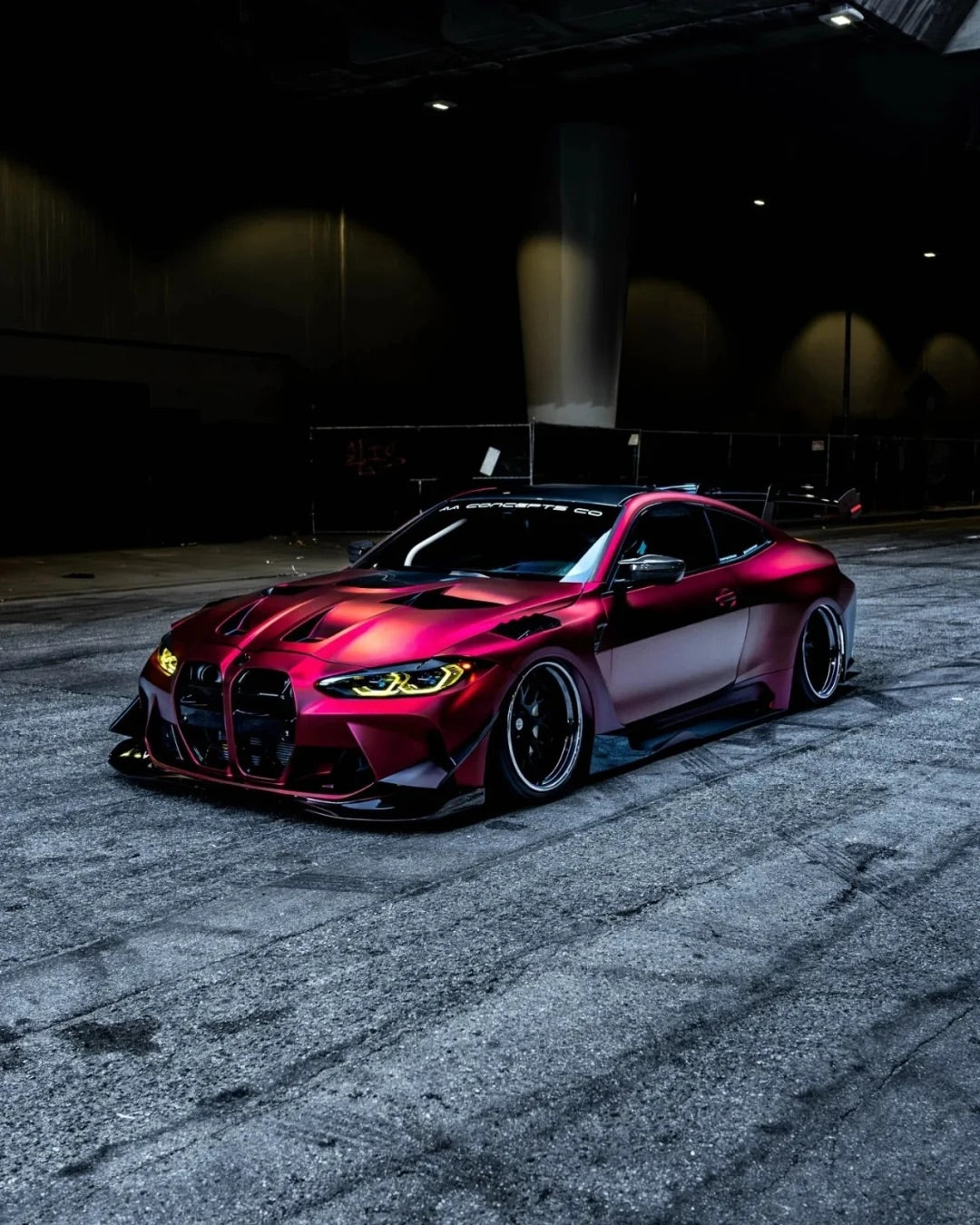
<a href="https://sailifilm.com/collections/colored-paint-protection-film">Colored TPU protection films</a> combine comprehensive paint protection with color customization capabilities, eliminating the traditional choice between protection and aesthetics. These advanced materials deliver the full protective benefits of clear TPU films while transforming vehicle appearance with vibrant colors, sophisticated finishes, and visual effects previously achievable only through permanent paint modifications.
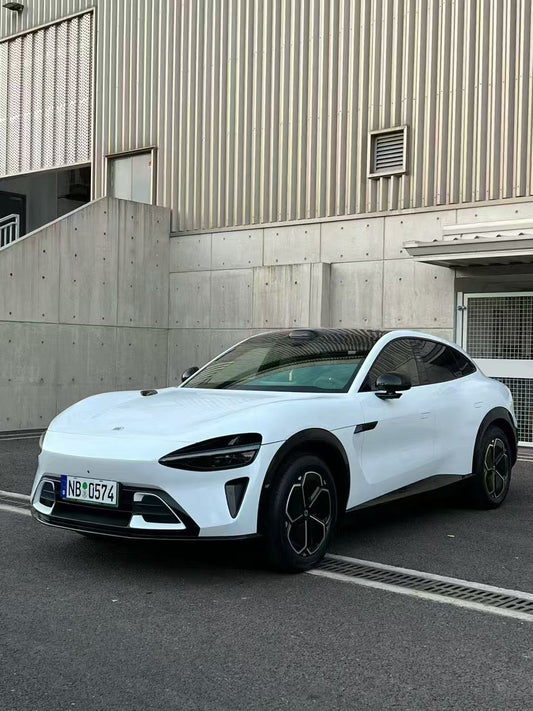
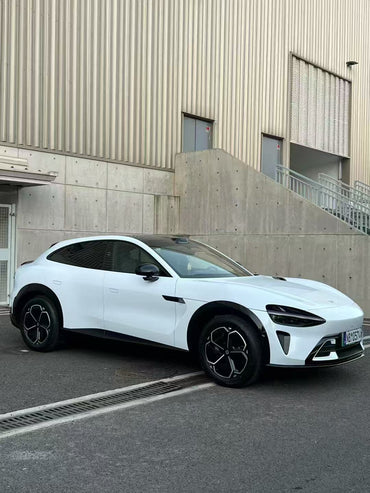
The color depth and richness of modern TPU films rivals or exceeds high-quality automotive paint finishes. Advanced pigment technologies and multilayer film construction create dimensional color with metallic flakes, pearl effects, or solid hues that maintain consistency and vibrancy throughout the film's service life. Sailifilm's colored protection film collection includes sophisticated options like Gloss Crystal Sky Blue, Ferrari Red, Arctic Grey, and Piano Black that deliver showroom-quality appearance while protecting underlying factory paint.
Finish variety expands customization possibilities beyond color selection alone. Gloss finishes create mirror-like reflectivity and depth that emphasizes vehicle contours and body lines. These high-shine surfaces particularly complement modern vehicle designs where lighting and reflection play central aesthetic roles. The hydrophobic properties of gloss TPU topcoats enhance water beading and self-cleaning characteristics that maintain brilliant appearance with minimal maintenance.
Combining color change capabilities with self-healing properties addresses a traditional concern with non-clear protection films. Previous generation colored wraps showed every scratch and swirl mark prominently, requiring obsessive care to maintain pristine appearance. Self-healing colored TPU films continuously repair minor surface damage, maintaining the flawless finish that makes these materials worth their premium pricing.
Installation complexity increases slightly with colored films compared to clear variants. Color changes make installation errors, overlaps, and seam positioning more visible, requiring greater precision and skill. However, the opaque nature of colored films can actually simplify some installation aspects by concealing minor surface imperfections in underlying paint that would show through clear films.
The protection plus customization combination delivers compelling value for enthusiasts who want both benefits. Rather than choosing between protective clear film or decorative vinyl wrap, colored TPU provides both simultaneously at pricing competitive with purchasing separate products. The extended lifespan of TPU also means color changes remain vibrant and protected significantly longer than conventional wraps.
Maintenance and Care for Advanced Films
Proper maintenance extends the service life and preserves the appearance of TPU protection films while maximizing return on protection investment. While these advanced materials resist environmental damage better than alternatives, specific care practices optimize their performance and longevity throughout years of vehicle ownership.
Regular washing remains the foundation of protection film maintenance. Hand washing with pH-neutral automotive shampoo and soft microfiber wash mitts safely removes contamination without damaging film surfaces or diminishing self-healing properties. Avoid automatic car washes with rotating brushes that can catch film edges and potentially cause lifting or damage. Touchless automatic washes provide acceptable convenience when hand washing isn't practical, though manual washing delivers superior results.
Drying technique matters for maintaining optimal appearance, particularly on clear films where water spots are visible. Use clean, soft microfiber drying towels immediately after washing to prevent mineral deposits from evaporating water. Work from top to bottom to avoid dragging contaminants from lower panels across upper surfaces. Quick detailer spray applied during drying enhances shine while removing any remaining light dust.
Contamination removal requires prompt attention to prevent potential staining or etching. Bird droppings, tree sap, bug splatter, and tar contain acids or sticky compounds that can bond with film surfaces if left too long. Remove these contaminants as soon as practical using automotive detailing products specifically formulated for vinyl and PPF surfaces. Always test any new cleaning product on inconspicuous areas before applying to prominent surfaces.
Avoid petroleum-based solvents, harsh chemicals, and abrasive compounds that can damage TPU films or strip protective coatings. Products like gasoline, paint thinner, acetone, or aggressive degreasers can degrade film materials, causing discoloration, softening, or adhesive failure. When unsure about product compatibility, consult manufacturer guidelines or use products explicitly designed for protection film maintenance.
Ceramic coating application over TPU films provides additional benefits including enhanced hydrophobicity, increased surface hardness, and simplified cleaning. However, ensure ceramic coatings are specifically formulated for film surfaces rather than paint, as some formulations designed for painted surfaces may not adhere properly to polymer films. Professional application ensures proper preparation and optimal bonding.
Parking and storage considerations impact long-term film condition. While TPU resists UV degradation better than alternatives, extended direct sunlight exposure still subjects materials to thermal cycling and UV stress. When practical, park in covered or shaded locations to minimize environmental stress. Avoid parking under trees that drop sap or near industrial areas with airborne contamination.
Color Change TPU Films
Colored TPU protection films combine comprehensive paint protection with color customization capabilities, eliminating the traditional choice between protection and aesthetics. These advanced materials deliver the full protective benefits of clear TPU films while transforming vehicle appearance with vibrant colors, sophisticated finishes, and visual effects previously achievable only through permanent paint modifications.
The color depth and richness of modern TPU films rivals or exceeds high-quality automotive paint finishes. Advanced pigment technologies and multilayer film construction create dimensional color with metallic flakes, pearl effects, or solid hues that maintain consistency and vibrancy throughout the film's service life. Sailifilm's colored protection film collection includes sophisticated options like Gloss Crystal Sky Blue, Ferrari Red, Arctic Grey, and Piano Black that deliver showroom-quality appearance while protecting underlying factory paint.
Finish variety expands customization possibilities beyond color selection alone. Gloss finishes create mirror-like reflectivity and depth that emphasizes vehicle contours and body lines. These high-shine surfaces particularly complement modern vehicle designs where lighting and reflection play central aesthetic roles. The hydrophobic properties of gloss TPU topcoats enhance water beading and self-cleaning characteristics that maintain brilliant appearance with minimal maintenance.
Combining color change capabilities with self-healing properties addresses a traditional concern with non-clear protection films. Previous generation colored wraps showed every scratch and swirl mark prominently, requiring obsessive care to maintain pristine appearance. Self-healing colored TPU films continuously repair minor surface damage, maintaining the flawless finish that makes these materials worth their premium pricing.
Installation complexity increases slightly with colored films compared to clear variants. Color changes make installation errors, overlaps, and seam positioning more visible, requiring greater precision and skill. However, the opaque nature of colored films can actually simplify some installation aspects by concealing minor surface imperfections in underlying paint that would show through clear films.
The protection plus customization combination delivers compelling value for enthusiasts who want both benefits. Rather than choosing between protective clear film or decorative vinyl wrap, colored TPU provides both simultaneously at pricing competitive with purchasing separate products. The extended lifespan of TPU also means color changes remain vibrant and protected significantly longer than conventional wraps.
Cost Analysis and Value Proposition
Understanding the complete cost picture for TPU protection films requires looking beyond initial material and installation expenses to consider long-term value, maintenance costs, and ultimate return on investment. While premium pricing positions TPU at the higher end of vehicle protection options, comprehensive analysis often reveals compelling value for vehicles where paint condition significantly impacts ownership satisfaction and resale value.
Material costs for quality TPU films reflect sophisticated manufacturing processes and premium raw materials. Sailifilm's TPU protection wraps are priced at $299 for clear variants and $499 for colored options, positioning them competitively within the premium protection film market. These prices provide professional-grade materials at accessible price points compared to some competitors charging significantly more for comparable products.
Professional installation represents substantial additional investment, typically ranging from $1,500 to $4,000 for full vehicle coverage depending on vehicle size, complexity, installer experience, and regional labor rates. Partial protection focusing on high-impact areas like hoods, fenders, mirrors, and front bumpers reduces costs significantly while still protecting the most vulnerable surfaces. Many vehicle owners start with partial coverage and expand protection over time as budgets allow.
Comparing TPU costs to paint repair alternatives illustrates protection film value. Professional paint correction and refinishing for damaged hoods, bumpers, or fenders easily exceeds $1,000 per panel. A single stone chip repair costs $50-150, and accumulation of multiple chips, scratches, and environmental damage over several years of ownership can total thousands in repair costs. TPU protection films prevent this damage from reaching paint, eliminating these repair expenses throughout the film's service life.
Resale value preservation represents significant but often overlooked benefit. Vehicles with pristine original paint command premium pricing in used markets, particularly for luxury and performance vehicles where condition drives value. The ability to remove protection films and reveal unblemished factory paint provides powerful selling point that can return multiples of the original film investment through higher resale prices and faster sales.
Long-term ownership cost calculations favor TPU materials despite higher upfront pricing. The five to ten year service life of quality TPU films means annualized costs remain modest. A $4,000 full vehicle wrap lasting seven years costs approximately $570 annually, less than many people spend on premium car washes and detailing services that provide no lasting protection benefits.
Combining TPU with Other Wrap Technologies
Strategic combination of TPU protection films with other wrap materials creates customized protection and appearance solutions that optimize both budget allocation and aesthetic results. Rather than viewing different wrap categories as competing alternatives, experienced enthusiasts and professional installers often combine technologies to achieve specific goals.
Matte vinyl wraps paired with clear TPU protection create sophisticated two-tone effects while protecting the most vulnerable areas. Apply matte color wraps to side panels, roof, and trunk while protecting the front clip, hood, and mirrors with clear TPU over factory paint or accent colors. This approach delivers custom appearance while concentrating premium protection materials where impact risk is highest.
Carbon fiber wraps on accent pieces like mirror caps, spoilers, or trim elements add performance-inspired details while TPU protection films guard main body panels. The textured appearance of carbon fiber contrasts beautifully with smooth gloss or matte finishes on surrounding surfaces, creating visual interest through texture variation rather than color contrast alone.
Chrome vinyl elements can be protected with thin clear TPU overlays that preserve the brilliant finish while preventing tarnishing and scratching that quickly dulls unprotected chrome wraps. This combination extends chrome wrap lifespan significantly while maintaining the mirror-like appearance that makes chrome wraps desirable.
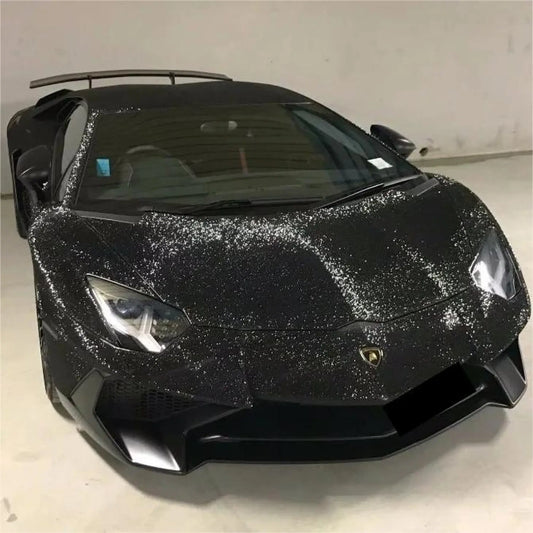
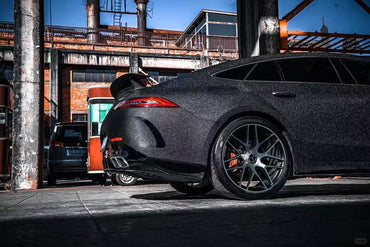
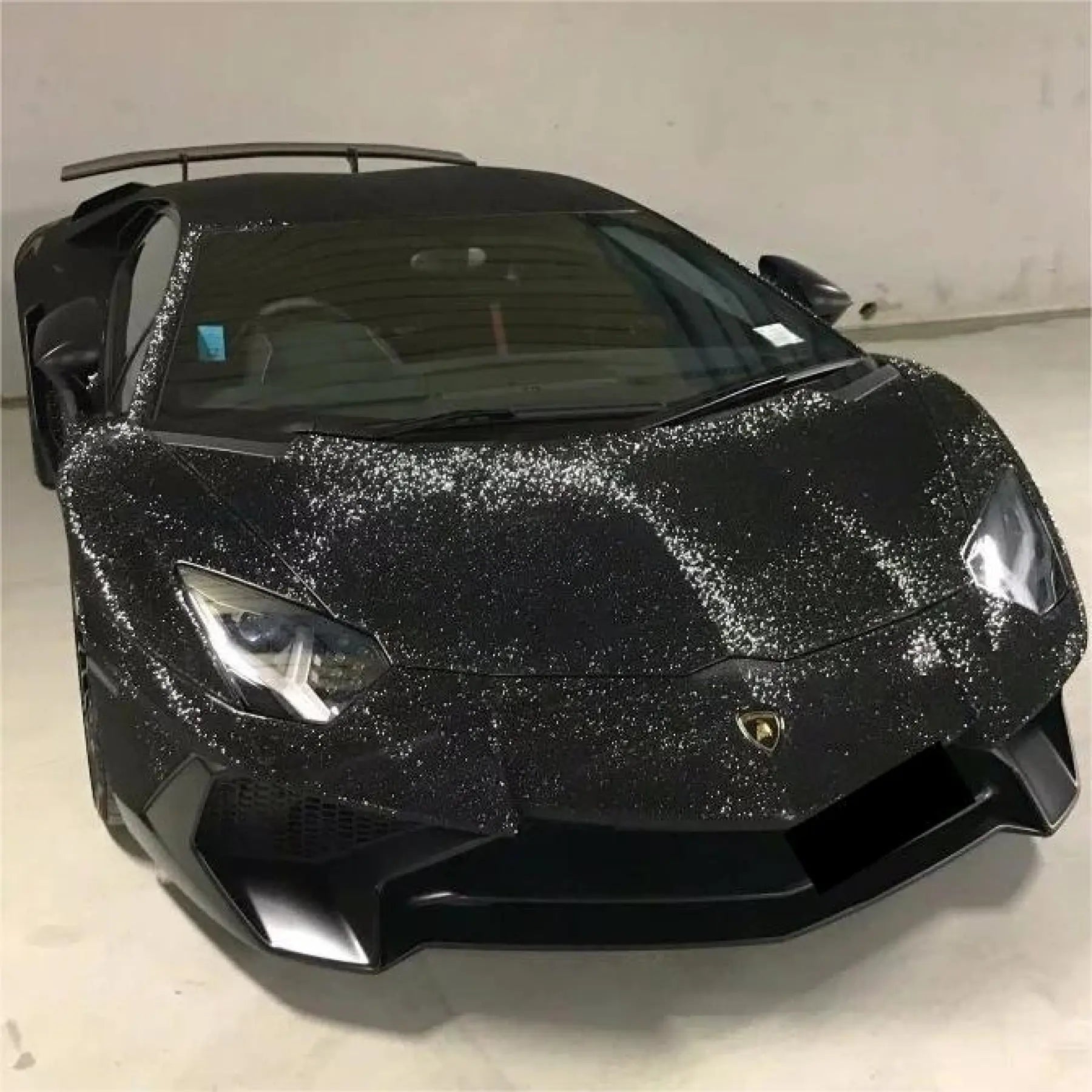
Glitter and sparkle wraps benefit from clear TPU protection that prevents the metallic flakes from wearing away or becoming embedded with dirt that dulls their sparkle. The protection layer maintains the dimensional sparkle effect throughout the wrap's service life.
Layering considerations affect installation approach and final results. When combining materials, generally apply decorative vinyl wraps first, then overlay clear TPU protection films. This sequence protects the decorative layer while allowing TPU's superior durability and self-healing properties to face environmental exposure. Ensure complete curing of base layers before applying protective topcoats.
Before committing to full vehicle coverage, explore sample kits that demonstrate how different materials look and perform together. Testing color combinations, finish interactions, and material compatibility on sample panels prevents expensive mistakes and ensures satisfaction with final results.
Future Developments in Protection Film Technology
The protection film industry continues advancing rapidly with ongoing research and development producing increasingly sophisticated materials and capabilities. Understanding emerging trends helps vehicle owners anticipate future options and time protection investments strategically.
Enhanced self-healing formulations under development promise faster healing times, greater scratch depth capabilities, and broader temperature ranges for healing activation. Next-generation elastomeric polymers may heal significant damage that currently requires film replacement, further reducing long-term maintenance costs and extending effective service lives.
Antimicrobial coatings integrated into protection films address hygiene concerns, particularly for vehicle interiors and high-touch exterior surfaces. These formulations inhibit bacterial and viral growth on film surfaces, creating cleaner vehicles that require less frequent sanitizing. The technology shows particular promise for commercial vehicles and shared mobility applications.
Smart film technologies incorporating electronic capabilities into protection layers could enable features like color change on demand, integrated sensors for damage detection, or even energy harvesting from solar exposure. While still largely in research phases, these technologies demonstrate the expanding possibilities for automotive protective films beyond passive barrier functions.
Sustainability improvements focus on reducing environmental impact throughout material lifecycles. Developments include bio-based feedstocks replacing petroleum-derived polymers, water-based adhesive systems eliminating solvent emissions, and improved recycling processes that recover and reuse film materials after removal. These advances address growing consumer preferences for environmentally responsible products without compromising protective performance.
Manufacturing innovations improving material consistency, reducing defect rates, and lowering production costs promise to make premium protection films increasingly accessible to broader markets. Economies of scale from growing demand continue driving prices down while quality improves, expanding the population of vehicle owners for whom comprehensive protection makes economic sense.
Selecting the Right TPU Solution
Choosing optimal TPU protection film configurations requires evaluating multiple factors including your vehicle type, intended use, environmental conditions, budget parameters, and aesthetic preferences. Systematic consideration of these elements guides decisions that maximize satisfaction with protection investments.
Vehicle value and usage patterns influence appropriate protection levels. Luxury vehicles, performance cars, and vehicles intended for long-term ownership justify comprehensive protection with premium materials and professional installation. Daily commuters facing harsh conditions benefit from impact-resistant formulations on frontal areas and lower panels, even if other surfaces receive conventional protection or remain unprotected.
Environmental conditions in your area affect material selection and coverage priorities. Regions with harsh winters and road salt exposure need chemical-resistant TPU on lower panels and wheel wells. Areas with intense sun exposure benefit from UV-resistant clear films with superior optical clarity. Consider local climate extremes, typical road conditions, and seasonal weather patterns when configuring protection strategies.
Aesthetic goals guide decisions between clear and colored TPU options. Clear films preserve factory paint color while providing invisible protection, ideal for classic colors, limited editions, or vehicles where originality matters for resale value. Colored TPU enables customization while protecting, perfect for vehicle owners who want both benefits without installing multiple products.
Budget realities require prioritizing coverage areas when full vehicle wrapping exceeds available funds. Focus protection on high-impact zones including full fronts, hoods, mirrors, door edges, and rocker panels. These areas face greatest exposure to damage from road debris, door dings, and environmental contamination. Expand coverage over time as budgets allow, building comprehensive protection incrementally.
Professional consultation provides valuable guidance for complex protection decisions. Experienced installers understand material properties, recommend appropriate products for specific vehicles and conditions, and identify potential challenges before they become expensive problems. Their expertise often prevents costly mistakes that DIY installations without proper knowledge might encounter.
Conclusion
Advanced vinyl wrap technologies centered on thermoplastic polyurethane materials and self-healing coatings represent the most sophisticated vehicle protection solutions available today. These innovations deliver protection capabilities that far exceed traditional vinyl wraps while maintaining aesthetic qualities that preserve or enhance vehicle appearance throughout extended service lives.
TPU paint protection films combine exceptional impact resistance, environmental durability, and optical clarity in flexible materials that conform seamlessly to complex vehicle surfaces. The addition of self-healing topcoats that automatically repair minor scratches and swirl marks elevates protection film performance to unprecedented levels, maintaining pristine appearance despite normal use and environmental exposure.
The expanding availability of colored TPU options eliminates traditional choices between protection and customization, enabling vehicle owners to achieve both goals simultaneously with single product installations. This convergence of functionality and aesthetics makes modern protection films increasingly attractive compared to separate protective and decorative solutions.
While premium pricing positions advanced TPU films above conventional vinyl wraps and basic protection options, comprehensive value analysis considering long-term costs, damage prevention, maintenance reduction, and resale value preservation often reveals compelling economic justification. For vehicles where condition significantly impacts satisfaction and value, protection film investments deliver returns far exceeding initial costs.
The future of automotive protection films promises continued advancement with enhanced self-healing capabilities, expanded color and finish options, improved sustainability, and potentially revolutionary smart film technologies. These developments will make comprehensive vehicle protection increasingly accessible and capable, changing expectations for vehicle maintenance and ownership.
Explore Sailifilm's complete collection of TPU protection films, colored PPF options, and complementary vinyl wrap materials to discover the optimal protection solution for your vehicle. Whether you prioritize invisible protection that preserves factory paint or seek color transformation with comprehensive protection benefits, advanced TPU technology delivers results that exceed expectations while providing peace of mind for years of ownership enjoyment.

