












Understanding Winter Threats to Automotive Films
Winter weather creates a perfect storm of destructive forces targeting vehicle exteriors. Road salt, freezing temperatures, ice scrapers, and constant temperature changes create conditions for paint damage, and these same elements pose significant risks to vinyl wraps and protective films.
Modern adhesive vinyl wraps are engineered to withstand various environmental challenges, including exposure to road salt, yet prolonged exposure without proper maintenance accelerates degradation. The corrosive nature of road salt extends beyond immediate surface contact. When combined with moisture from snow and ice, salt creates a chemical environment that can compromise both the film surface and the adhesive layer beneath.
Temperature fluctuations present another critical concern. As mercury drops, vinyl wrap materials experience reduced flexibility. This brittleness increases susceptibility to cracking, particularly along edges and complex curves where material stress concentrates. The adhesive layer simultaneously loses some bonding strength, creating potential for lifting and peeling that worsens through repeated freeze-thaw cycles.
Understanding these mechanisms helps vehicle owners recognize why standard summer maintenance routines prove insufficient during winter months. The combination of mechanical stress from ice formation, chemical assault from de-icing agents, and thermal contraction from temperature extremes demands comprehensive protective strategies.
Pre-Winter Preparation for Maximum Protection
Successful winter wrap preservation begins before the first snowfall. Preparing your wrapped vehicle during autumn establishes crucial defenses that minimize damage throughout the harsh season ahead.
Professional Inspection Protocol
Schedule a thorough wrap inspection during early autumn. Examine every section for signs of lifting, bubbling, or edge separation. Minor lifting that occurs along edges of vinyl wrap may be sealed with a heat gun, preventing moisture infiltration during winter that could cause extensive damage. Address any compromised areas immediately, as small imperfections become entry points for water, salt, and ice.
Pay particular attention to seams, panel edges, door handles, and fuel door areas where adhesion naturally experiences higher stress. For colored paint protection film applications, verify that all edge sealing remains intact, as these premium films require complete barrier protection to maintain their self-healing properties.
Protective Coating Application
Applying a vinyl-safe wax or sealant before the first snow provides an extra layer of protection. Unlike ordinary car wax that can damage vinyl materials, specialized wrap sealants create a hydrophobic barrier that repels water, prevents salt adhesion, and shields against UV radiation that remains potent even during winter months.
For vehicles with TPU paint protection wrap, consider ceramic coating application. Ceramic coatings provide an extra layer of protection against road salt, moisture, and other winter elements, while making subsequent cleaning significantly easier. The hydrophobic properties cause water and contaminants to bead and roll off rather than adhering to the surface.
Apply protective products according to manufacturer specifications, ensuring complete coverage across all wrapped surfaces. Focus additional product on high-impact zones including front bumpers, lower rockers, wheel wells, and behind wheel arches where salt spray concentrates during driving.
Environmental Protection Setup
Establish covered parking whenever possible. Garage storage protects wraps from direct exposure to precipitation, temperature extremes, and UV radiation. Covered parking prevents exposure to winter's frequent freeze and thaw cycles that gradually degrade wrap adhesive.
For vehicles without garage access, invest in high-quality breathable car covers specifically designed for vinyl-wrapped vehicles. Avoid plastic tarps that trap moisture against the wrap surface, creating conditions for mold growth and adhesive degradation. Premium covers allow air circulation while blocking precipitation, road spray, and falling debris.
Strategic Winter Washing Techniques
Maintaining cleanliness during winter requires balancing thorough cleaning against potential damage from washing processes themselves. The goal is removing harmful contaminants while preserving wrap integrity through gentle, effective methods.
Optimal Washing Frequency
Frequently washing the car during winter months helps wash away rock salt so it does not build up and damage the wrap's protective finish. Establish a bi-weekly washing schedule as a baseline, increasing frequency after heavy snowstorms or extended periods of road salt application. Vehicles driven daily on heavily treated roads may require weekly washing to prevent corrosive buildup.
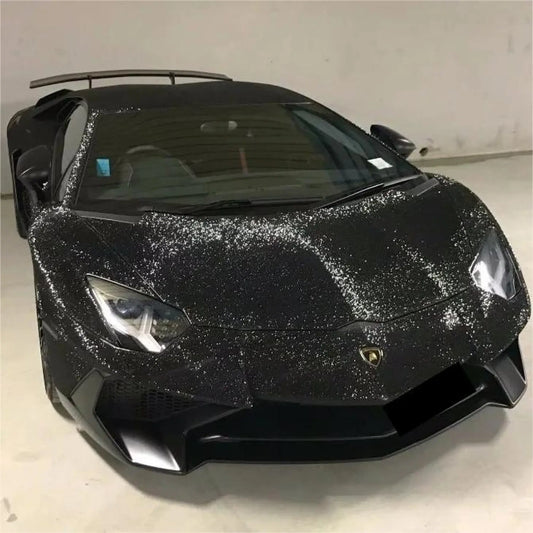
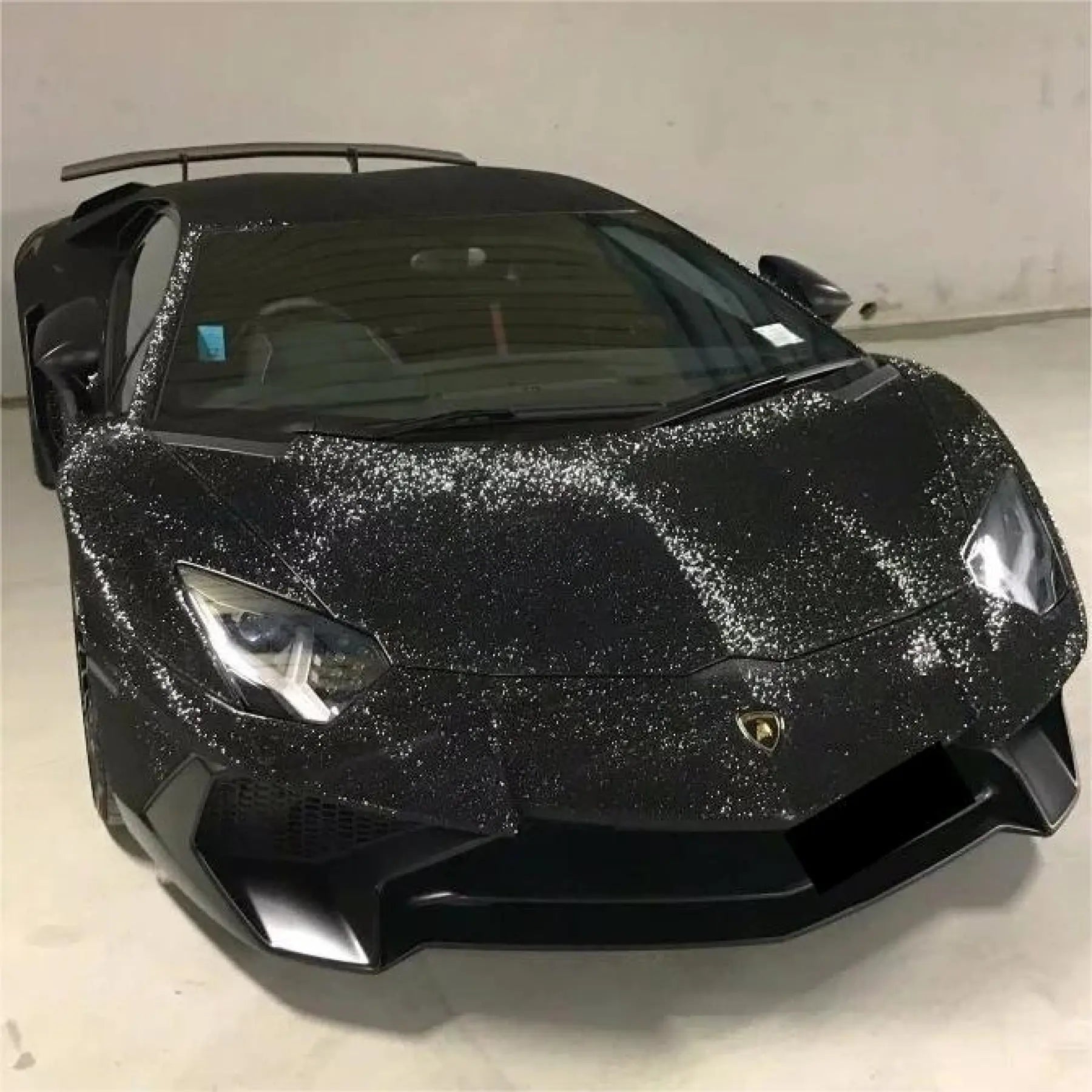
For glitter sparkle car wrap and crystal vinyl wrap finishes that showcase intricate visual effects, regular cleaning becomes even more critical. Salt film and road grime obscure these specialty finishes while creating abrasive layers that scratch during any contact.
Temperature Considerations
Never wash wrapped vehicles when temperatures fall below freezing. Water trapped in seams, edges, or minor imperfections freezes and expands, forcing separation between film and substrate. Avoid washing in freezing weather, as water can turn into damaging ice.
When washing is necessary during cold periods, use lukewarm water rather than hot. Extreme temperature differentials cause thermal shock that stresses vinyl materials and adhesives. Water temperature should never exceed 140°F, as excessive heat can soften adhesives and distort vinyl, particularly on matte wrap and dual color dream vinyl wrap applications where heat sensitivity varies across different material layers.
Proper Washing Methodology
Hand-wash the car every two weeks using warm water and mild, non-abrasive soaps. Avoid automatic car washes entirely, as rotating brushes inflict micro-scratches that accumulate into visible damage over time. The harsh bristles can catch on wrap edges, causing lifting or tearing that compromises the entire installation.
Use dedicated wash mitts made from soft microfiber material, maintaining separate mitts for upper and lower vehicle sections to prevent cross-contamination with concentrated salt from lower panels. Work in straight lines rather than circular motions to minimize swirl mark formation on glossy finishes.
Rinse the vehicle thoroughly after washing, paying close attention to seams and edges where salt can become trapped. These hidden accumulations cause progressive damage even after surface cleaning appears complete. Direct spray carefully along all panel gaps, door jambs, and trim interfaces to flush trapped contaminants.
For touchless washing during extreme cold, select facilities offering undercarriage spray and spot-free rinse options. While less thorough than hand washing, touchless methods provide acceptable maintenance during periods when manual washing becomes impractical.
Snow and Ice Removal Best Practices
Accumulated precipitation poses immediate risks to wrapped vehicles. Proper removal techniques protect film integrity while maintaining safety and visibility.
Safe Snow Clearing Methods
Use snow brushes carefully, as applying excessive pressure can cause rips and scratches to the vehicle wrap. Select brushes with soft foam or natural bristle heads specifically designed for delicate surfaces. Avoid hard plastic bristles that act like sandpaper against vinyl.
Brush snow off using gentle sweeping motions that follow the vehicle's body lines. Work from top to bottom, allowing snow to fall naturally rather than dragging accumulated weight across horizontal surfaces. For 3D carbon fiber wrap and textured finishes, extra caution prevents catching brush bristles in surface patterns.
Ice Removal Protocols
Never use ice scrapers on any wrapped surface. Ice scrapers can puncture vinyl, creating permanent damage that requires professional repair or section replacement. Scrapers remain appropriate only for glass surfaces, never painted or wrapped panels.
Pour lukewarm water over frozen areas to loosen ice as the safest removal method. Alternatively, start the vehicle and allow the defroster to gradually melt accumulated ice while cabin heat warms the exterior panels. This patient approach prevents mechanical stress on wrap materials.
For persistent ice formations, use a soft plastic scraper or gloved hand to gently lift loosened ice after thermal melting has begun. De-icer spray can help break down ice without harming the wrap, though verify product compatibility with vinyl materials before application.
Managing Road Salt Exposure
Road salts cause chemical reactions when they interact with car surfaces, and these reactions corrode materials over time. For wrapped vehicles, salt management represents the single most important winter maintenance priority.
Understanding Salt Damage Mechanisms
Road salt, primarily sodium chloride, can accumulate on wraps and cause the material to dehydrate and corrode. While modern vinyl films resist salt better than traditional paint, prolonged exposure still creates problems. Salt draws moisture from vinyl materials, causing them to become brittle and prone to cracking. The corrosive properties simultaneously attack adhesive layers, particularly along edges where protective barriers may be thinner.
For metallic vinyl wrap and liquid chrome wrap finishes, salt creates additional concerns. The reflective properties that make these films stunning can diminish as salt etching dulls surface luster. Once compromised, restoring original brilliance becomes difficult without professional intervention.
Proactive Salt Removal
Remove visible salt deposits immediately upon arrival at your destination. Use a soft brush or microfiber cloth to gently wipe away concentrated salt from lower body panels, wheel wells, and behind wheels. This quick intervention prevents extended contact that allows chemical reactions to progress.
Focus on areas where spray from moving vehicles concentrates salt accumulation. Front bumpers, lower door panels, rocker panels, and rear quarter panels receive maximum exposure during highway driving. For colored PPF installations, preventing salt staining maintains the vibrant hues that define these premium products.
When immediate washing proves impossible, perform targeted rinses on high-concentration areas. Even cold water application dilutes and removes salt before it bonds to wrap surfaces. Complete thorough washing as soon as conditions permit.
Undercarriage Protection
Don't neglect areas beneath the vehicle where salt accumulation often goes unnoticed. While less visible, undercarriage salt causes rust on metal components that can eventually affect wrap adhesion from behind. Many professional car wash facilities offer undercarriage spray services that flush salt from suspension components, exhaust systems, and frame members.
For vehicles with wrapping tools accessible to DIY enthusiasts, periodic undercarriage inspection helps identify salt buildup before it causes problems. Address any accumulation with thorough rinsing, paying attention to wheel wells where spray patterns concentrate deposits.
Specialized Care for Different Wrap Types
Different film materials and finishes require tailored maintenance approaches during winter months. Understanding these variations optimizes protection for specific wrap investments.
Paint Protection Film Considerations
Paint Protection Film provides a thin yet durable layer of invisible protection essential for keeping corrosive de-icing agents from touching paint. The thermoplastic urethane construction of TPU paint protection wraps offers superior impact resistance and self-healing properties that make them ideal winter protection.
Clear PPF installations maintain performance in extreme cold better than colored vinyl wraps. The urethane material retains flexibility at lower temperatures, reducing brittleness concerns. Self-healing properties continue functioning in cold weather, though healing occurs more slowly than at optimal temperatures. Gentle heat application from winter sunlight or garage storage accelerates healing of minor scratches.
For colored paint protection film combining PPF technology with vibrant hues, maintain the protective coating that shields the color layer. These hybrid products deliver both protection and aesthetics, but the color layer requires additional care to prevent salt-induced fading or discoloration.
Specialty Finish Maintenance
Matte wraps demand specific care during winter. Never use products containing gloss enhancers, waxes, or sealants designed for glossy finishes, as these permanently alter matte surfaces. Specialized matte-specific protectants maintain the flat appearance while providing necessary water and salt resistance.
Matte wraps tend to show less dirt and salt buildup, making them a practical choice for winter driving. However, once stains penetrate matte surfaces, removal becomes challenging without damaging the finish. Regular cleaning prevents stain set-in that requires professional correction.
Crystal vinyl wrap and liquid chrome wrap finishes showcase maximum visual impact but require meticulous maintenance. These reflective surfaces reveal every water spot, salt streak, and minor scratch. Frequent washing combined with spot-free rinsing preserves the mirror-like quality that defines these premium finishes.
For glitter sparkle and rainbow laser wraps, prevent abrasive particles from embedding in the textured surface. Salt crystals and road grit trapped in the finish structure create dulling that diminishes the dynamic light play these films provide. Thorough rinsing removes particulates before they bond to the complex surface geometry.
Multi-Layer System Protection
Vehicles featuring layered protection systems combining PPF base layers with vinyl wrap aesthetics on top require coordinated care. Maintain both layers simultaneously, as damage to the top vinyl layer can compromise PPF effectiveness beneath. The multi-layer approach provides redundant protection ideal for harsh winter conditions, but only when properly maintained.
Storage and Environmental Control
Managing the environment surrounding wrapped vehicles significantly impacts winter survival rates for premium films.
Optimal Storage Solutions
Heated garage storage provides ideal conditions for wrapped vehicles. Stable temperatures prevent thermal stress cycles that fatigue adhesives and materials. Protection from precipitation eliminates direct exposure to snow, ice, and rain that carry salt and contaminants.
For unheated garage storage, the structure still provides valuable protection from precipitation and wind-driven particles. Even without climate control, enclosed storage moderates temperature swings compared to outdoor exposure. Prevent condensation buildup by ensuring adequate ventilation that allows moisture to escape rather than settling on wrap surfaces.
Car Cover Selection
When garage storage remains unavailable, select car covers designed specifically for vinyl-wrapped vehicles. Premium covers feature soft inner linings that won't scratch delicate finishes, water-resistant outer layers that shed precipitation, and breathable construction preventing moisture entrapment.
Avoid plastic tarps as they allow moisture buildup underneath and can scratch vehicle wraps. Plastic creates a greenhouse effect where condensation forms and remains trapped against wrap surfaces, creating ideal conditions for mold growth and adhesive failure.
Invest in custom-fit covers when possible, as precise fitment prevents wind-driven movement that causes friction damage. Elastic hems and tie-down grommets secure covers during storms while allowing quick removal for vehicle access.
Parking Location Strategy
Select parking locations strategically to minimize exposure. When outdoor parking is necessary, choose spots away from trees where falling ice, snow loads, or branches pose impact risks. Avoid parking beneath structures where melting snow and ice can drip onto vehicle surfaces, freeze overnight, and bond to wraps.
Position vehicles to minimize direct exposure to prevailing winds that drive snow and salt spray against surfaces. When possible, orient the front of the vehicle away from dominant storm directions to reduce impact on front bumpers and hoods that receive maximum road spray during driving.
Routine Inspection and Damage Prevention
Proactive monitoring identifies developing issues before they require expensive repairs or complete wrap replacement.
Bi-Weekly Inspection Protocol
Inspect wraps routinely for cracks and tears, and repair damage immediately to prevent worsening. Establish a systematic inspection routine examining all wrapped surfaces under good lighting conditions. Look for bubbling that indicates moisture intrusion, edge lifting that signals adhesive failure, and discoloration suggesting chemical damage.
Document any changes through photography, creating a visual timeline that helps distinguish new damage from existing imperfections. This record proves valuable when determining whether observed issues result from installation defects versus environmental damage.
Edge and Seam Monitoring
Edges and seams experience highest stress during winter. Temperature-driven contraction pulls materials while ice formation creates mechanical pressure. Examine all cut edges, panel transitions, and overlapping sections for signs of separation or lifting.
Minor edge lifting caught early often responds to heat gun treatment that reactivates adhesive and reseals the bond. Delayed intervention allows moisture penetration that undermines larger sections, eventually requiring professional repair or panel rewrapping.
Immediate Damage Response
Address any damage immediately upon discovery. Delaying repairs can lead to vinyl wrap failing completely, as winter conditions accelerate damage progression. Small tears become larger openings as ice formation and wind stress expand compromised areas. Minor adhesive failures spread as freeze-thaw cycles work behind separated sections.
Contact professional installers for repairs beyond simple edge resealing. Attempting DIY repairs on complex damage often worsens problems, while experts possess materials, tools, and techniques for seamless corrections. For installations still under warranty, professional repair maintains coverage that DIY intervention might void.
Post-Winter Recovery and Spring Preparation
As winter concludes, comprehensive assessment and restoration prepare wrapped vehicles for year-round performance.
Thorough Spring Cleaning
Perform intensive cleaning as soon as temperatures consistently exceed freezing. Remove all accumulated salt, road film, and winter residue through multiple wash cycles if necessary. This deep cleaning prevents corrosive materials from continuing damage during warmer months.
Apply fresh protective coatings after spring cleaning. Winter conditions degrade sealants and ceramic coatings, diminishing their effectiveness. Reapplication restores hydrophobic properties and UV protection before summer sun exposure begins.
Professional Assessment
Schedule professional wrap inspection each spring. Experienced installers identify damage that untrained eyes might miss, providing expert recommendations for repairs or maintenance. This annual assessment establishes a baseline for comparing future condition and planning eventual replacement.
Documentation and Planning
Maintain detailed records of winter care routines, damage incidents, and repair work. This documentation helps optimize future winter protection strategies while providing valuable information for warranty claims or resale discussions.
Maximizing Wrap Longevity Through Integrated Protection
Winter survival represents just one component of comprehensive wrap care. Integrating seasonal strategies into year-round maintenance maximizes return on investment while keeping vehicles looking stunning regardless of weather conditions.
Quality materials make significant differences in winter performance. Premium films like those available through Sailifilm's best sellers incorporate advanced formulations that resist temperature extremes, chemical exposure, and mechanical stress better than budget alternatives. The initial investment in superior materials pays dividends through extended lifespan and reduced maintenance requirements.
For DIY enthusiasts, wrapping tools enable proper maintenance and minor repairs that professional intervention might otherwise require. Understanding proper tool usage prevents inadvertent damage while empowering vehicle owners to address small issues before they escalate.
Sample kits allow testing maintenance products and techniques on actual film samples before applying them to complete vehicle installations. This risk-free experimentation builds confidence and prevents costly mistakes on full wraps.
Winter challenges vinyl wraps and paint protection films through multiple simultaneous attack vectors. However, informed vehicle owners employing comprehensive protection strategies successfully navigate harsh seasons while maintaining the stunning aesthetics that make wraps worthwhile investments. Through proactive preparation, diligent maintenance, immediate damage response, and seasonal recovery protocols, wrapped vehicles emerge from winter ready for another year of head-turning performance.
The automotive customization industry continues advancing film technologies that improve winter resilience. Modern materials outperform predecessors significantly, yet even the most advanced films require proper care for optimal results. By mastering winter-specific protection techniques, you ensure your car vinyl wrap investment delivers maximum value and visual impact year after year, regardless of weather extremes.
Environmental Protection Agency information on winter road treatments: https://www.epa.gov/

