



Understanding UV Damage: The Silent Threat to Your Car Wrap
Ultraviolet radiation represents the primary enemy of automotive wraps, responsible for up to 80 percent of premature fading according to industry research. When UV rays penetrate vinyl or thermoplastic polyurethane materials, they trigger a destructive process called photodegradation that breaks down the molecular structure of color pigments embedded within the film.
Heat and sun exposure work together to accelerate this deterioration. Parking lot asphalt temperatures frequently exceed 150 degrees Fahrenheit during peak summer months, creating an oven effect that attacks your wrap from multiple directions. Areas most exposed to direct sunlight including the hood, roof, and trunk typically show fading faster than protected sections, resulting in an uneven and patchy appearance that diminishes your vehicle's aesthetic appeal.
The molecular breakdown caused by UV exposure doesn't stop at color loss. Extended sun exposure causes vinyl to become brittle and inflexible, making your wrap more susceptible to cracking, peeling, and edge lifting. Once the protective surface layer deteriorates, moisture and contaminants can infiltrate beneath the film, compounding the damage and requiring costly repairs or complete replacement.
How Different Wrap Materials Respond to UV Exposure
Not all automotive films react identically to ultraviolet radiation. Standard calendered vinyl wraps typically show visible fading within 12 to 18 months when exposed to constant sunlight without proper protection. Premium cast vinyl materials demonstrate superior resistance, but even high-end products require preventative care to maintain their original vibrancy.
Advanced TPU paint protection wrap technology offers enhanced UV resistance compared to traditional vinyl alternatives. The thermoplastic polyurethane construction incorporates built-in UV stabilizers that slow photodegradation while maintaining clarity and color integrity. When combined with ceramic coatings or UV-protective laminates, TPU films can resist sun damage for five years or longer with appropriate maintenance.
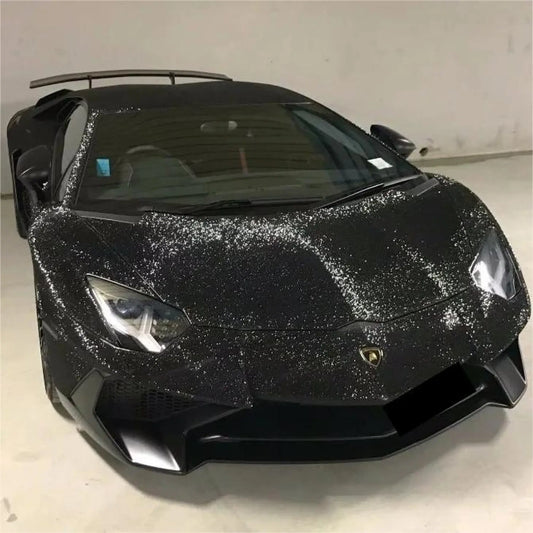
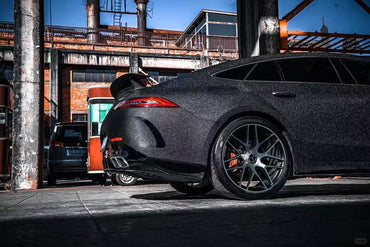
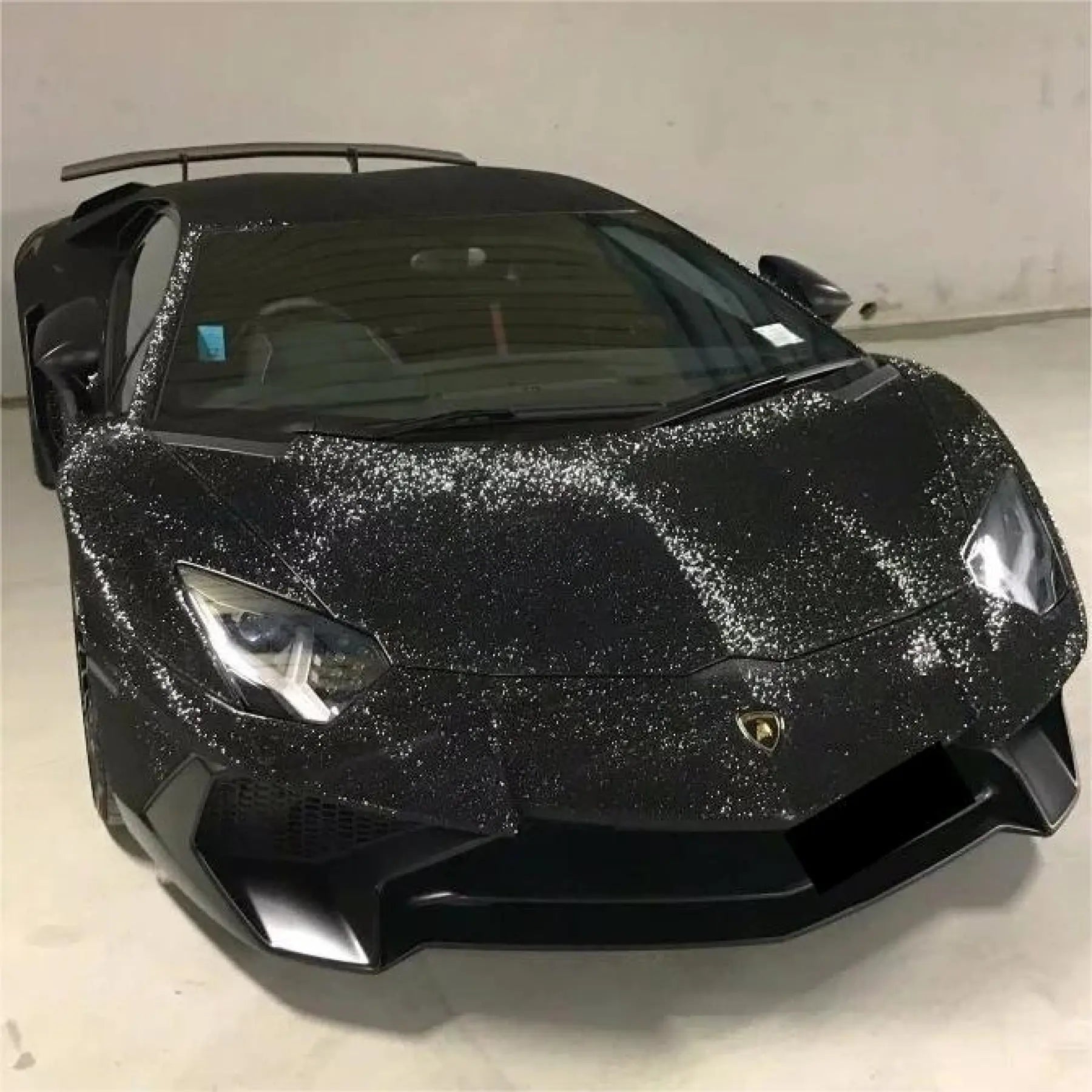
Specialty finishes require extra consideration during summer months. Glitter sparkle car wrap collections contain reflective particles that can intensify heat absorption on horizontal surfaces. Similarly, liquid chrome wrap and crystal vinyl wrap products feature unique surface textures that benefit from additional protective measures to preserve their distinctive optical effects under intense sunlight.
Strategic Parking: Your First Line of Defense
Minimizing direct sun exposure represents the most effective method for preventing UV damage to automotive wraps. Whenever possible, store your vehicle in enclosed garages or covered parking structures that eliminate ultraviolet penetration completely. This simple habit dramatically extends wrap lifespan by reducing cumulative radiation exposure that occurs even during brief parking sessions.
When indoor parking isn't available, seek shaded areas beneath trees, buildings, or purpose-built carports. However, exercise caution with tree coverage as certain species produce sap, pollen, and bird droppings that create additional maintenance challenges. Oak and pine trees are particularly problematic, releasing sticky substances that bond to wrap surfaces and require immediate removal to prevent staining.
For vehicles regularly parked outdoors, high-quality car covers provide portable protection against sun, rain, and environmental contaminants. Select breathable fabric covers specifically designed for wrapped vehicles, ensuring proper ventilation to prevent moisture accumulation beneath the cover. Reflective silver covers offer superior heat rejection by bouncing sunlight away from your vehicle's surface, maintaining cooler temperatures that reduce thermal stress on the wrap material.
Strategic vehicle positioning makes a meaningful difference when shade isn't accessible. If you must park in direct sunlight, rotate your vehicle's orientation each time to distribute UV exposure evenly across all surfaces. This practice prevents concentrated fading on specific panels, maintaining uniform color appearance even if minor degradation occurs over time. Consider using windshield sunshades to protect interior surfaces while simultaneously reducing heat buildup that can transfer to wrapped exterior panels.
Professional-Grade UV Protection Solutions
Ceramic coatings have emerged as the gold standard for wrap preservation in 2025, creating a transparent hydrophobic barrier that blocks harmful radiation while enhancing surface properties. These advanced liquid polymers chemically bond with vinyl and TPU materials at the molecular level, forming a durable shield that repels water, dirt, and UV rays for 90 days or longer per application.
When selecting ceramic coating products for your colored paint protection film or ultra matte wrap, verify compatibility with your specific finish type. Certain formulations designed for glossy surfaces may alter the appearance of matte or satin finishes, so always test products on inconspicuous areas before full application. Quality ceramic coatings offer multiple benefits beyond UV protection including scratch resistance, chemical resistance, and simplified cleaning through their self-cleaning properties.
UV-protectant sprays provide an accessible alternative for vehicle owners seeking effective sun protection without the commitment of ceramic coating application. Specialized wrap-safe products contain UV inhibitors that create a temporary protective layer, requiring reapplication every 30 to 90 days depending on environmental exposure and product formulation. Avoid general-purpose automotive sprays containing petroleum distillates or silicone compounds that can damage vinyl adhesives or create residue buildup.
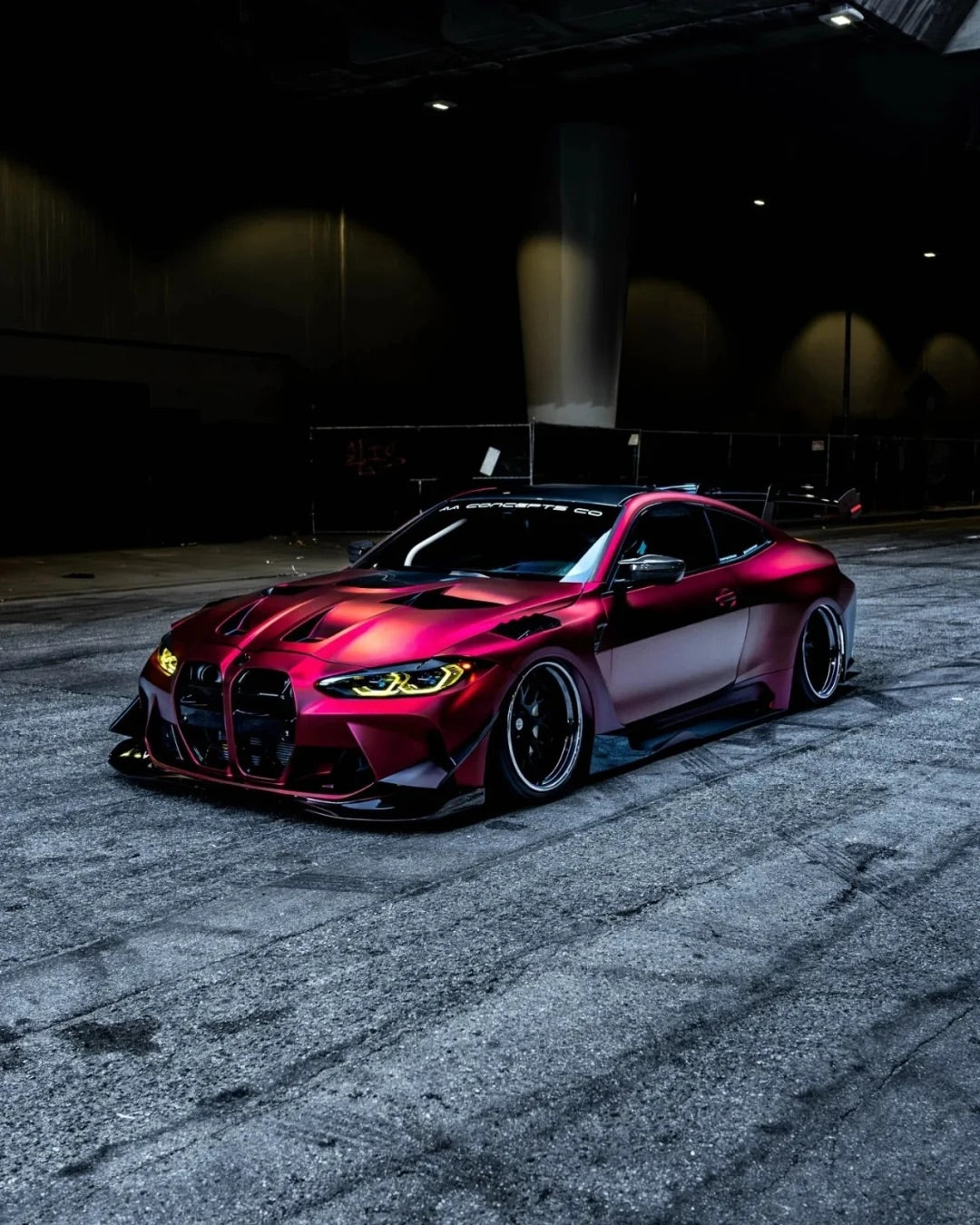
For maximum protection on premium wraps like rainbow laser vinyl wrap or dual color dream vinyl wrap collections, consider layering multiple protection strategies. Applying UV-resistant laminate during initial installation creates a factory-sealed barrier that works synergistically with ceramic coatings applied after installation. This comprehensive approach delivers superior protection for specialty finishes where color preservation is paramount.
According to research published by the National Center for Biotechnology Information, UV radiation intensity has increased significantly due to environmental changes, making traditional protection methods like wax inadequate for serious defense. Modern nano-ceramic formulations address this challenge through advanced molecular technology that provides comprehensive long-term protection impossible with conventional products.
Proper Washing Techniques for Summer Maintenance
Regular cleaning becomes increasingly critical during summer months when road grime, insect debris, and environmental pollutants accumulate more rapidly on vehicle surfaces. Establishing a consistent washing schedule prevents contaminants from bonding to your wrap material, where prolonged contact can cause permanent staining or surface degradation that accelerates UV damage.
Hand washing remains the safest and most effective cleaning method for all wrap types, providing complete control over pressure, product application, and surface contact. Begin by rinsing your vehicle with cool water using a standard garden hose, removing loose dirt and debris that could scratch the wrap during subsequent washing stages. Never use high-pressure washers exceeding 2000 PSI, as concentrated water streams can lift wrap edges or penetrate beneath the film.
Select pH-balanced automotive shampoos specifically formulated for vinyl wrap care, avoiding household detergents or dish soaps containing harsh alkaline compounds that strip protective coatings. Apply cleaning solution using soft microfiber wash mitts or sponges, working in straight lines rather than circular motions to minimize swirl mark formation. The two-bucket method prevents dirt recontamination by dedicating one bucket to soapy water and another to rinse water, ensuring your wash mitt stays clean throughout the process.
Temperature timing significantly impacts washing safety during summer heat. Schedule washing sessions during cooler morning or evening hours when surface temperatures remain below 90 degrees Fahrenheit. Washing hot wrap surfaces causes rapid soap drying that creates stubborn water spots and streaking, while the combination of heat and friction from rubbing can soften vinyl and compromise its structural integrity.
After rinsing thoroughly with cool water, dry your vehicle immediately using clean microfiber towels or a silicone squeegee to prevent mineral deposits from forming. Water droplets act as tiny magnifying lenses that concentrate sunlight onto wrap surfaces, intensifying UV exposure and creating localized damage points. Pat surfaces dry rather than dragging towels across the wrap to minimize friction and potential scratching on softened summer-heated materials.
Immediate Response to Environmental Contaminants
Bird droppings, tree sap, fuel spills, and insect remains contain acidic or chemical compounds that aggressively attack vinyl surfaces when combined with summer heat. These contaminants become increasingly corrosive as temperatures rise, requiring immediate removal to prevent permanent etching or discoloration that no amount of cleaning can reverse.
Keep a dedicated spot-cleaning kit in your vehicle containing microfiber cloths, spray bottles, and wrap-safe cleaning solutions. For stubborn contaminants, mix two parts isopropyl alcohol with one part water to create an effective removal solution that won't damage wrap materials. Apply the mixture to affected areas, allowing it to soak for several minutes to loosen bonded substances before gently wiping with a clean microfiber cloth.
Never attempt to scrape or forcefully remove dried contaminants using fingernails, credit cards, or other rigid implements that can scratch wrap surfaces. Instead, apply warm soapy water to soften the material, then use gentle pressure with a soft cloth to lift residue away from the film. For particularly persistent substances like road tar or industrial fallout, specialized vinyl wrap cleaners provide targeted removal without compromising wrap integrity.
Fuel spills demand immediate attention regardless of ambient temperature. Gasoline and diesel contain solvents that rapidly degrade vinyl adhesives and can penetrate through to underlying paint if not addressed within minutes. Wipe fuel-affected areas immediately with paper towels, then hand wash the section thoroughly with automotive shampoo. This quick response prevents the chemical interaction that causes vinyl discoloration and adhesive failure.
Understanding seasonal contaminant patterns helps you maintain vigilance during high-risk periods. Spring pollen, summer insect activity, and fall tree sap all create distinct challenges for 3D carbon fiber wrap and metallic vinyl wrap surfaces that require proactive monitoring and rapid response to prevent lasting damage.
Material Quality: The Foundation of UV Resistance
Investing in premium wrap materials provides inherent UV protection that inferior products cannot match regardless of maintenance efforts. High-quality cast vinyl films incorporate UV stabilizers directly into their chemical formulation during manufacturing, creating color-lock technology that resists photodegradation far more effectively than budget alternatives.
When selecting materials for new wrap projects, prioritize products with factory-applied UV-protective coatings that provide comprehensive defense from the first day of installation. Collections specifically engineered for extreme climates demonstrate superior fade resistance through advanced pigment technologies and enhanced polymer compositions that maintain molecular stability under intense radiation exposure.
The thickness and construction method of wrap materials significantly influence UV resistance characteristics. Cast vinyl products manufactured through calendering processes typically measure between 2 to 3 mils thick, offering adequate protection for standard applications. Premium thermoplastic polyurethane films range from 7.5 to 8.5 mils thick, providing substantially greater UV resistance through increased material density that physically blocks more radiation from penetrating to color layers.
Self-healing top coats represent cutting-edge technology in modern wrap materials, particularly valuable for summer protection. These specialized surface layers respond to heat by reforming their molecular structure, automatically repairing minor scratches and swirl marks that would otherwise compromise UV resistance. When exposed to summer temperatures, self-healing coatings use ambient heat as an activation mechanism, maintaining perfect clarity and protection even after exposure to minor damage that would permanently mark standard wrap materials.
Color selection influences UV vulnerability, with darker and more vibrant shades demonstrating greater susceptibility to fading than lighter tones. Deep blacks, rich reds, and intense blues absorb more solar radiation, accelerating photodegradation processes. If maximum longevity is a priority in sun-intensive climates, consider lighter color options from car vinyl wrap collections or incorporate UV-resistant laminates to protect saturated colors.
Professional Installation: Ensuring Maximum Protection
Even the highest-quality wrap materials fail to deliver optimal UV resistance when improperly installed. Professional installation ensures correct application techniques, including appropriate surface preparation, temperature control, and post-heating procedures that maximize adhesive bonding and material performance.
Experienced installers understand how environmental conditions during application affect long-term durability. Summer installations require controlled indoor environments where temperature and humidity remain regulated, preventing premature adhesive activation or insufficient bonding that creates weak points susceptible to heat damage. Installation facilities should maintain temperatures between 68 and 77 degrees Fahrenheit with relative humidity below 60 percent for optimal results.
Proper post-installation curing allows adhesives to achieve full bonding strength before environmental exposure begins. Quality installers recommend waiting 48 to 72 hours before washing wrapped vehicles, with extended curing periods in cold or humid climates. During this critical period, keep vehicles indoors away from direct sunlight and avoid touching wrap surfaces to prevent contamination or premature stress that compromises adhesive integrity.
Edge sealing represents a crucial installation detail that prevents moisture infiltration and UV damage penetration beneath wrap edges. Professional installers apply specialized edge-sealing products or carefully wrap material around panel edges, creating complete coverage that eliminates vulnerable entry points for water and contaminants. This attention to detail significantly extends wrap lifespan by preventing the edge lifting and peeling that commonly occurs when summer heat causes differential expansion between wrap and substrate materials.
When selecting installation providers, verify their experience with specialty finishes and request examples of previous work with similar materials. Installers familiar with reflective best sellers collections understand the unique challenges these products present and employ specialized techniques to ensure flawless application that maximizes UV resistance and visual impact.
Monitoring and Maintenance Schedule
Establishing a comprehensive inspection routine helps identify UV damage in early stages when intervention can prevent extensive deterioration. Conduct weekly visual examinations during summer months, looking for subtle color shifts, surface dullness, or texture changes that indicate developing photodegradation. Early detection allows you to adjust protection strategies before damage becomes irreversible.
Create a seasonal maintenance calendar that addresses varying environmental challenges throughout the year. Summer requires intensified washing frequency, increased UV protectant applications, and heightened vigilance for heat-related issues like edge lifting or bubble formation. Document your maintenance activities to track product performance and identify patterns that inform future care decisions.
Pay special attention to horizontal surfaces including hoods, roofs, and trunk lids where UV exposure is most intense. These areas accumulate more solar radiation than vertical panels and often show the first signs of fading or degradation. Consider applying additional protective layers to horizontal surfaces or scheduling more frequent ceramic coating refreshes for these high-risk zones.
Monitor wrap edges and seams where separation or lifting indicates adhesive failure from heat exposure. Addressing edge problems immediately prevents moisture infiltration that accelerates damage to underlying panels. Small touch-ups performed promptly save significant expense compared to extensive repairs required when minor issues progress unchecked.
Temperature monitoring provides valuable insights into wrap stress levels during extreme heat events. Parking lot surface temperatures routinely exceed 150 degrees Fahrenheit in southern climates, creating conditions that can soften vinyl and compromise structural integrity. Use infrared thermometers to measure wrap surface temperatures, seeking alternative parking when readings approach or exceed 140 degrees Fahrenheit.
Advanced Protection for Specialty Wraps
Specialty finishes including color-shifting, textured, and multi-layer wrap products require enhanced protection strategies beyond standard maintenance protocols. These advanced materials incorporate complex optical elements or unique surface treatments that demonstrate different UV vulnerability characteristics compared to solid-color vinyl wraps.
Color-changing wraps that shift hue based on viewing angle rely on specialized pigment technologies particularly sensitive to UV degradation. Protect these investments through comprehensive ceramic coating application that creates a stable protective environment for delicate color-shifting particles. Consider adding UV-resistant window tinting to reduce interior heat buildup that transfers to wrapped exterior surfaces through thermal conduction.
Textured finishes including carbon fiber patterns and brushed metal effects contain surface variations that trap contaminants more readily than smooth materials. Implement more frequent cleaning schedules for textured wraps, using soft-bristled detailing brushes to gently remove debris from textured valleys without damaging raised surface elements. Avoid high-pressure washing that forces water beneath texture patterns where it becomes trapped and creates adhesive degradation.
Multi-layer wrap installations combining different material types require careful product selection to ensure compatibility across all protective treatments. When applying ceramic coatings over layered wraps, verify that products are safe for all materials present in the assembly. Some ceramic formulations interact differently with various vinyl types, potentially creating adhesion issues or visual inconsistencies across different wrap layers.
For maximum protection of premium finishes, consult with wrapping tools specialists or professional detailers who can recommend application techniques specific to your wrap type. These experts understand how different materials respond to various protection products and can customize care protocols that optimize longevity for specialty applications.
Long-Term Value Protection and Resale Considerations
Proper UV protection extends beyond maintaining aesthetic appeal, directly impacting vehicle resale value and wrap replacement costs. Vehicles with well-preserved wraps command higher resale prices by demonstrating meticulous care that suggests overall vehicle condition. Conversely, faded or damaged wraps signal neglect that raises concerns about hidden mechanical or structural issues.
Calculate the financial impact of UV protection investments against replacement costs to understand true value. Professional wrap replacement typically costs between 2000 and 5000 dollars depending on vehicle size and material selection. Investing 200 to 300 dollars annually in ceramic coatings, UV protectants, and proper cleaning supplies dramatically extends wrap lifespan, potentially delaying replacement for two to three additional years.
Document your maintenance activities through photographs and service records that demonstrate consistent care. This documentation becomes valuable when selling wrapped vehicles, providing proof of proper maintenance that justifies premium pricing. Buyers appreciate verifiable evidence that wraps received appropriate protection, reducing their concerns about hidden damage or premature degradation.
Consider wrap longevity when evaluating material options for new projects. While premium materials command higher initial prices, their superior UV resistance and extended lifespan often deliver better value than budget alternatives requiring earlier replacement. Products like sample kits allow you to evaluate material quality and UV resistance characteristics before committing to full vehicle coverage.
According to automotive industry research documented on Wikipedia, properly maintained vehicle wraps can last five to seven years in optimal conditions, with premium materials and comprehensive UV protection extending this range to eight or ten years. This longevity transforms wraps from temporary cosmetic enhancements into long-term investments worthy of serious protection efforts.
Climate-Specific Considerations for Regional Protection
Geographic location significantly influences UV protection requirements, with vehicles in sun-intensive regions requiring more aggressive prevention strategies. Southern and southwestern states experience higher UV indexes and longer annual sunshine duration, accelerating photodegradation processes that necessitate enhanced protective measures.
Coastal environments present unique challenges combining intense sunlight with salt air that creates corrosive conditions for wrap materials. Marine climates require more frequent washing to remove salt deposits before they bond to vinyl surfaces where they attract moisture and promote adhesive degradation. Apply marine-grade ceramic coatings specifically formulated to resist salt corrosion while providing superior UV protection.
High-altitude locations expose vehicles to increased UV radiation due to thinner atmospheric filtering at elevated elevations. Mountain communities should implement comprehensive protection protocols including UV-resistant laminates, frequent ceramic coating applications, and rigorous parking discipline to counteract intensified radiation exposure.
Urban environments with significant air pollution create additional UV vulnerability through chemical interactions between pollutants and wrap materials. Industrial areas and high-traffic corridors expose vehicles to acidic particulates that bond with vinyl surfaces, creating contamination layers that amplify UV damage. Vehicles operating in these conditions benefit from weekly washing schedules and protective sealants that prevent pollutant adhesion.
Desert climates present extreme challenges combining maximum UV intensity with minimal shade availability and temperature extremes exceeding 120 degrees Fahrenheit. Desert vehicle owners should consider comprehensive protection packages including UV-resistant window tinting, premium ceramic coatings rated for extreme temperatures, and portable shade structures for outdoor parking situations.
Emergency Response for Heat Damage
Despite preventative efforts, summer heat occasionally causes wrap damage requiring immediate intervention. Recognizing heat-related problems early enables corrective action before minor issues escalate into extensive damage requiring professional repair or replacement.
Bubble formation indicates adhesive failure from excessive heat exposure, appearing as raised areas where the wrap separates from the underlying surface. Small bubbles less than one inch in diameter can often be repaired by carefully piercing the bubble with a sterilized pin, pressing out trapped air, and applying heat to reactivate adhesive bonding. Larger bubbles require professional attention to prevent tearing or creasing during repair attempts.
Edge lifting occurs when perimeter adhesive softens from heat exposure, allowing wrap edges to separate from panel margins. Address lifted edges immediately by cleaning the exposed adhesive area, applying vinyl primer if necessary, and using low-temperature heat guns to reactivate bonding. Press lifted edges firmly against the substrate and apply pressure for several minutes to ensure proper adhesion.
Color shifts or fading that appear suddenly after extreme heat events may indicate temporary discoloration rather than permanent damage. Allow affected areas to cool completely before assessing damage severity, as some color changes reverse once materials return to normal temperatures. If discoloration persists after cooling, consider professional color correction or partial wrap replacement to restore uniform appearance.
Texture changes or surface roughness developing after heat exposure suggest material degradation that often cannot be reversed through cleaning or conditioning. These changes indicate structural damage to the vinyl polymer matrix requiring professional evaluation to determine whether repair or replacement is necessary. Document affected areas with photographs to track progression and inform repair decisions.
Conclusion: Protecting Your Investment Through Proactive Care
Summer UV damage represents a preventable threat to automotive wrap longevity when addressed through comprehensive protection strategies. By combining strategic parking, professional-grade protective products, proper maintenance protocols, and vigilant monitoring, you can preserve your wrap's vibrant appearance throughout the most challenging environmental conditions.
The investment in quality materials and consistent care delivers returns far exceeding the costs through extended wrap lifespan, maintained vehicle value, and preserved aesthetic appeal. Whether protecting a full vehicle wrap or accent panels, the principles of UV defense remain constant: minimize exposure, maximize protection, and maintain vigilance.
Your wrapped vehicle represents a significant investment in personalization and protection. Honor that investment through the dedicated care practices outlined in this guide, ensuring your wrap continues to turn heads and protect your vehicle for years to come. Remember that prevention costs far less than correction, making proactive UV protection one of the smartest investments you can make in your vehicle's appearance and value.

