



Understanding Climate Impact on Wrap Materials
Environmental conditions affect automotive wraps through multiple mechanisms that either accelerate or slow material degradation. Temperature fluctuations cause vinyl and TPU films to expand and contract, creating stress at adhesion points that can lead to edge lifting or complete failure. Ultraviolet radiation breaks down polymer chains at the molecular level, causing color fading and surface brittleness that compromises both aesthetics and protective capabilities.
Moisture exposure presents another critical concern across various climate types. High humidity environments allow water molecules to penetrate microscopic gaps in adhesive layers, gradually weakening the bond between wrap and substrate. Freeze-thaw cycles in cold climates create expansion forces that push vinyl away from painted surfaces, while coastal salt air accelerates corrosion processes that affect both wrap materials and underlying paint.
Premium wrap products incorporate specialized additives and construction techniques designed to resist specific environmental challenges. UV stabilizers neutralize photodegradation, plasticizers maintain flexibility across wide temperature ranges, and advanced adhesive formulations resist moisture infiltration. However, no single wrap product excels in every climate condition, making informed selection based on regional characteristics essential for optimal performance.
According to research published by climate scientists, global climate zones exhibit distinct patterns of temperature, precipitation, and solar radiation that remain relatively stable year over year. This predictability allows wrap manufacturers to engineer materials optimized for specific conditions, providing clear guidance for selection based on where vehicles primarily operate.
Hot Desert Climate Considerations
Desert regions including Arizona, Nevada, southern California, and parts of Texas present extreme challenges for automotive wraps through intense UV exposure and sustained high temperatures. Surface temperatures on vehicles parked in direct desert sunlight routinely exceed 160 degrees Fahrenheit, creating conditions that soften vinyl adhesives and accelerate color degradation. Annual UV indexes in these areas rank among the highest globally, multiplying photodegradation rates compared to moderate climate zones.
For desert environments, premium cast vinyl with enhanced UV stabilizers provides the foundation for successful long-term performance. TPU paint protection wrap technology offers superior heat resistance compared to standard vinyl, maintaining dimensional stability and adhesive integrity even when exposed to extreme temperatures. The thicker construction of TPU films ranging from 7.5 to 8.5 mils creates additional thermal mass that moderates temperature fluctuations, reducing stress on adhesive layers.
Color selection becomes critical in desert climates where darker shades absorb significantly more solar radiation than lighter alternatives. While metallic vinyl wrap collections offer stunning visual effects, metallic particles can concentrate heat on horizontal surfaces like hoods and roofs. Consider lighter metallics or combine dark colors with comprehensive ceramic coating protection that reflects infrared radiation before it penetrates wrap materials.
Specialty finishes require extra consideration in high-heat environments. Liquid chrome wrap products create reflective surfaces that can intensify heat buildup when applied to large panels. If choosing chrome or reflective finishes for desert applications, prioritize products with heat-dissipating top coats and consider partial wrap designs that limit chrome coverage to vertical surfaces with lower temperature exposure.
Material thickness directly correlates with heat resistance in desert conditions. Standard 2 to 3 mil calendered vinyl struggles to maintain integrity when subjected to daily temperature cycles exceeding 100 degrees. Premium 3.5 to 4 mil cast vinyl performs better, but colored paint protection film at 7.5 mils or greater provides the most robust defense against thermal stress while delivering vibrant color options suitable for hot climates.
Installation timing matters significantly in desert regions where ambient temperatures affect application success. Schedule wrap installation during cooler months when shop temperatures can be more easily controlled, or ensure installers work in climate-controlled facilities maintaining 68 to 75 degrees Fahrenheit. Installation in excessive heat causes premature adhesive activation that prevents proper positioning and creates weak bonds susceptible to early failure.
Coastal Marine Environments
Coastal regions from Florida to California face unique wrap challenges combining salt air exposure with high humidity and intense sunlight. Salt particles suspended in ocean breezes settle on vehicle surfaces where they attract moisture and create corrosive conditions that attack both wrap materials and underlying paint. Marine environments demand wrap products specifically engineered to resist salt infiltration and corrosion acceleration.
Premium vinyl formulations rated for marine applications incorporate additives that prevent salt crystal formation within the material structure. Ultra matte wrap products designed for coastal use feature sealed surface textures that repel salt deposits rather than trapping them in microscopic surface variations. This characteristic becomes particularly important for textured finishes where salt accumulation in surface valleys creates persistent corrosion issues.
Adhesive technology plays a crucial role in coastal wrap performance, as standard adhesives can degrade rapidly when exposed to salt-laden humidity. Look for products using acrylic adhesive systems specifically formulated to resist moisture infiltration and maintain bonding strength in high-salinity environments. These advanced adhesives prevent the edge lifting that commonly occurs when salt water penetrates beneath wrap edges and attacks adhesive layers.
Regular maintenance becomes essential in coastal areas where weekly washing removes salt deposits before they bond permanently to wrap surfaces. Establish cleaning routines that include thorough rinsing of all horizontal surfaces and particular attention to panel seams where salt accumulates. Consider applying marine-grade ceramic coatings that create hydrophobic barriers preventing salt adhesion while simplifying maintenance requirements.
Color durability in coastal environments benefits from wrap products incorporating marine-grade UV protection that exceeds standard automotive specifications. The combination of direct sunlight and reflective ocean surfaces creates UV exposure levels that accelerate fading in unprotected materials. Crystal vinyl wrap collections engineered with enhanced UV resistance maintain color vibrancy longer when exposed to coastal conditions than standard vinyl alternatives.
Humidity levels in coastal regions affect wrap installation and curing processes, requiring controlled environments during application. High humidity can extend curing times from the typical 48 hours to 72 hours or longer, as moisture in the air slows adhesive activation. Professional installers in coastal markets understand these requirements and adjust their processes to ensure proper bonding before vehicles return to service.
Cold Winter Climate Strategies
Northern states and mountainous regions experience freezing temperatures and snow conditions that create distinct challenges for automotive wraps. Cold weather causes vinyl materials to lose flexibility, becoming brittle and prone to cracking when subjected to impact or stress. Road salt applications designed to melt ice introduce corrosive chemicals that attack wrap adhesives and can penetrate through damaged areas to underlying paint.
Winter-grade vinyl formulations maintain flexibility at temperatures well below freezing through specialized plasticizer packages that prevent cold-weather embrittlement. When selecting wraps for cold climates, verify that products carry temperature ratings extending to at least negative 20 degrees Fahrenheit for reliable performance during extreme cold snaps. Car vinyl wrap products designed for northern markets incorporate these cold-weather additives as standard features.
Edge sealing becomes critically important in winter climates where freeze-thaw cycles create forces that push wrap edges away from panel margins. Professional installation must include comprehensive edge treatment using heat activation to ensure adhesive bonds deeply into panel contours. Consider adding clear edge sealant products that create additional barriers preventing moisture infiltration at vulnerable perimeter areas.
Salt exposure from winter road treatments demands frequent cleaning schedules that remove corrosive residues before they penetrate wrap materials. Establish twice-weekly washing routines during winter months, using pH-balanced automotive shampoos that dissolve salt crystals without damaging vinyl. Hand washing proves essential as automated car wash brushes can catch on cold-stiffened wrap edges and cause tearing or lifting.
Material selection for winter climates should prioritize products with proven cold-weather performance records. 3D carbon fiber wrap collections using premium cast vinyl demonstrate superior cold tolerance compared to calendered alternatives, maintaining both appearance and adhesion through multiple winter seasons. The textured surface of carbon fiber patterns also provides visual interest that masks the minor imperfections that can occur during harsh winter exposure.
Installation timing in cold climates requires careful planning, as vinyl cannot be properly applied in freezing temperatures. Schedule installations during warmer months when shop temperatures allow proper material handling, or work exclusively with installers maintaining heated facilities year-round. Attempting installation in cold conditions results in poor adhesive bonding that manifests as premature failure once temperatures rise.
Snow removal techniques require modification when working with wrapped vehicles to prevent damage to vinyl surfaces. Never use metal ice scrapers on wrapped panels, as they will tear or puncture the material. Instead, use soft-bristle brushes to clear snow and allow vehicle heating systems to melt ice naturally. For persistent ice, lukewarm water application melts accumulation without thermal shocking cold vinyl.
Tropical High-Humidity Regions
Tropical and subtropical climates from Florida to Hawaii create challenging conditions through combination of high temperatures, intense UV exposure, and persistent humidity that promotes biological growth. Moisture levels approaching 100 percent allow mold and mildew to colonize wrap surfaces, particularly on vehicles stored outdoors for extended periods. The warm, humid environment also accelerates adhesive degradation processes that can shorten wrap lifespan significantly.
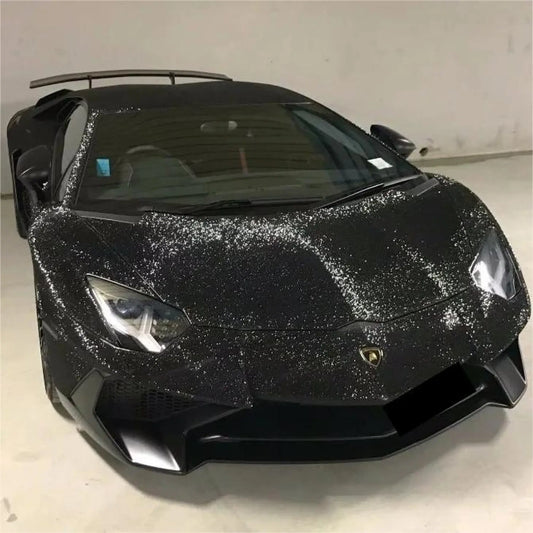
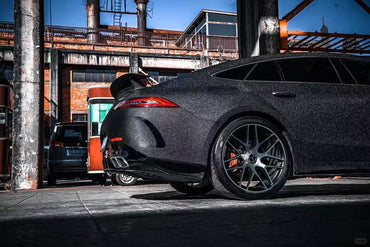
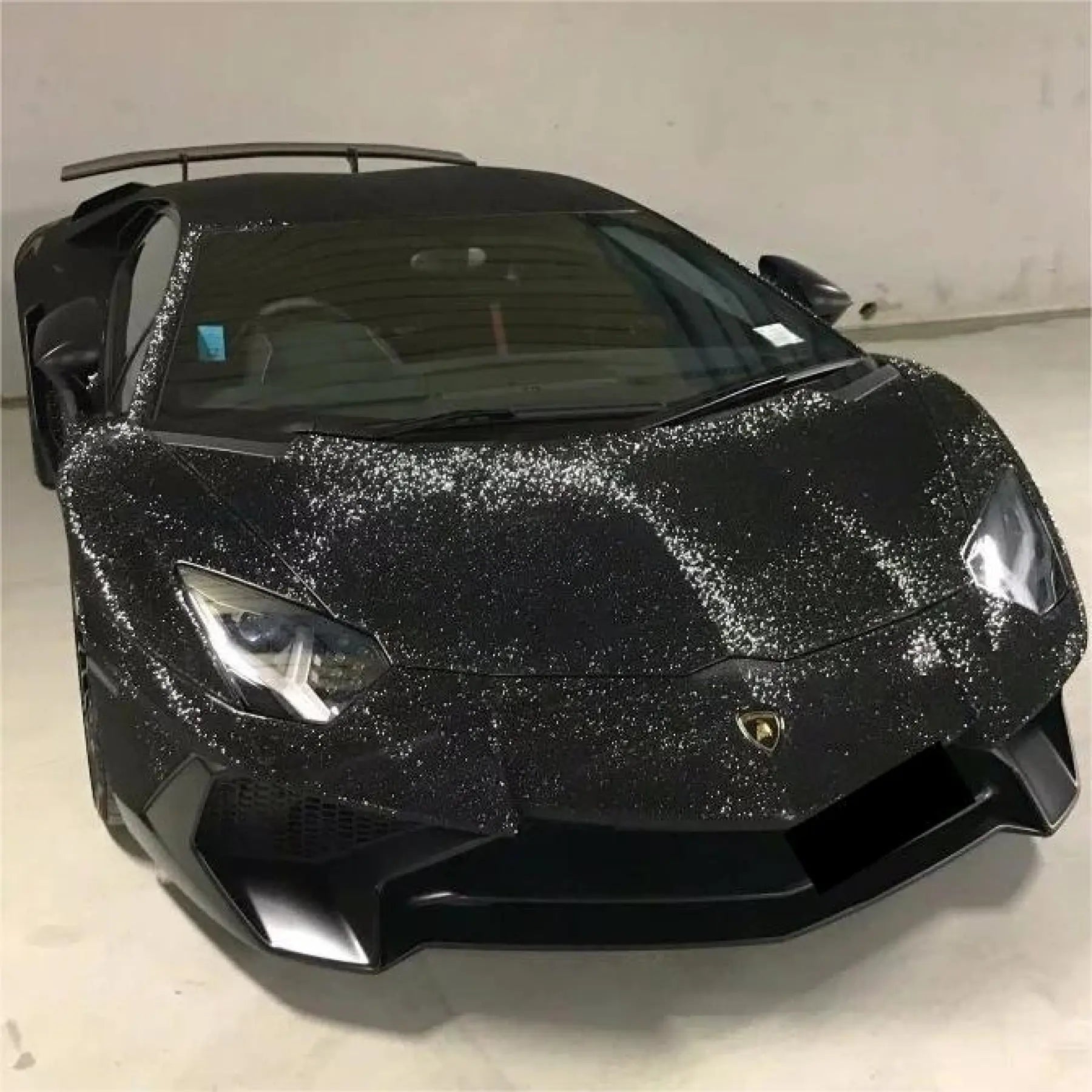
Antimicrobial vinyl formulations resist mold and mildew growth through incorporation of specialized additives that prevent microorganism colonization on wrap surfaces. When selecting materials for tropical applications, verify products include biological resistance features that maintain appearance despite persistent humidity exposure. Glitter sparkle car wrap products with antimicrobial protection maintain their distinctive sparkle effects without the dulling that mold growth causes on unprotected surfaces.
Ventilation during installation becomes critical in high-humidity environments where moisture can become trapped between wrap and substrate during application. Professional installers in tropical markets use dehumidification equipment in installation bays, maintaining relative humidity below 60 percent during wrap application and initial curing periods. This controlled environment prevents moisture entrapment that leads to bubbling and adhesion failure.
UV protection requirements in tropical regions equal or exceed desert specifications due to proximity to the equator where solar radiation intensity peaks. Select wrap products incorporating maximum UV stabilizer concentrations, and strongly consider adding ceramic coating protection that blocks additional ultraviolet penetration. The combination of endemic UV exposure and high humidity creates uniquely aggressive conditions for color degradation that demand comprehensive protection strategies.
Biological staining from tree sap, pollen, and insect residue occurs more frequently in tropical climates with year-round vegetation growth. Establish weekly washing schedules that remove organic contaminants before they bond to wrap surfaces and cause permanent staining. Rainbow laser vinyl wrap finishes with their complex optical effects are particularly susceptible to biological staining that disrupts color-shifting properties, making regular maintenance essential for preserving visual effects.
Adhesive selection for tropical applications must address both high heat and persistent moisture exposure. Advanced acrylic adhesive systems formulated for tropical marine environments provide optimal performance, resisting degradation from the heat-humidity combination while maintaining strong bonds to painted surfaces. These specialized adhesives prevent the edge lifting and bubbling that commonly affect standard products in tropical conditions.
Moderate Four-Season Climates
Regions experiencing distinct seasonal variations including the Northeast, Midwest, and Pacific Northwest require versatile wrap materials capable of performing across wide temperature and humidity ranges. Vehicles in these areas face summer heat approaching desert levels, winter cold rivaling arctic conditions, spring moisture from persistent rain, and fall contamination from falling leaves and organic debris.
All-season vinyl formulations balance competing requirements through carefully engineered plasticizer packages that maintain flexibility from negative 20 to positive 180 degrees Fahrenheit. Dual color dream vinyl wrap products designed for moderate climates incorporate these balanced formulations, delivering reliable performance through temperature extremes while maintaining the distinctive color-shifting effects that define the category.
Seasonal maintenance protocols address varying environmental challenges throughout the year. Summer requires intensive UV protection through ceramic coatings and strategic parking to minimize sun exposure. Fall demands frequent cleaning to remove leaf debris and organic acids before they stain wrap surfaces. Winter brings salt exposure and cold-weather flexibility concerns, while spring moisture requires vigilant edge monitoring to prevent water infiltration.
Material durability in four-season climates benefits from premium cast vinyl construction that resists the cumulative stress of repeated expansion-contraction cycles. Calendered vinyl suitable for moderate climates in stable temperature zones fails prematurely when subjected to dramatic seasonal temperature swings. Investment in higher-grade materials pays dividends through extended service life despite challenging conditions.
Color stability across seasonal variations requires wrap products with comprehensive UV protection packages that prevent summer fading while maintaining flexibility through winter cold. Best sellers collections typically feature materials proven to perform reliably across diverse climate conditions, having demonstrated resilience through multiple seasonal cycles in various geographic markets.
Installation scheduling in moderate climates should target spring or fall periods when temperatures remain consistently within the ideal 68 to 75 degree installation range. Avoid summer installations during heat waves or winter applications during cold snaps, as temperature extremes during the critical curing period can compromise long-term adhesive performance. Professional installers in moderate climate zones maintain indoor facilities allowing year-round installation scheduling.
High-Altitude Mountain Environments
Mountain regions present unique challenges combining intense UV radiation from thinner atmospheric filtering with dramatic diurnal temperature swings and exposure to both winter and summer extremes. Vehicles operating at elevations above 5000 feet experience UV radiation levels 20 to 30 percent higher than sea-level locations, accelerating photodegradation processes that affect wrap materials and underlying paint.
Enhanced UV protection becomes mandatory for mountain applications where standard automotive-grade UV stabilizers prove insufficient against amplified radiation exposure. Specify wrap products incorporating marine or aerospace-grade UV protection that provides defense against elevated radiation levels. Adding UV-resistant laminate overlays creates dual-layer protection particularly beneficial for colored paint protection film applications in mountain environments.
Temperature fluctuations in mountain locations can exceed 50 degrees between daytime highs and nighttime lows, creating expansion-contraction stress that tests adhesive bonds. Premium adhesive systems with enhanced flexibility accommodate these temperature swings without losing bonding strength or allowing edge lifting. Regular inspection of wrap edges becomes essential in mountain environments where temperature stress accelerates any developing adhesion issues.
Snow and ice exposure at altitude mirrors conditions in northern winter climates, requiring cold-weather material formulations and careful snow removal techniques. However, mountain locations add intense summer UV exposure creating year-round challenges that exceed either pure winter or pure summer climate demands. This combination necessitates versatile wrap products engineered for extreme conditions across all seasons.
Reduced oxygen levels at altitude can affect curing processes during wrap installation, potentially extending the time required for adhesives to reach full bonding strength. Professional installers serving mountain markets understand these requirements and may extend recommended curing periods before releasing wrapped vehicles to customers. Plan for potentially longer installation timelines when scheduling work at high-elevation shops.
Urban Pollution Environments
Metropolitan areas with significant air pollution create corrosive conditions affecting wrap longevity through accumulation of acidic particulates and industrial contaminants on vehicle surfaces. Smog components including sulfur dioxide and nitrogen oxides bond with moisture to create mild acids that attack vinyl materials, causing surface degradation and color fading that exceeds damage in rural areas with cleaner air.
Protective overlaminates provide effective defense against urban pollution by creating sacrificial barrier layers that absorb contamination without allowing it to reach base wrap materials. Sample kits often include laminated samples demonstrating the protective benefits these additional layers provide in aggressive environments. The overlaminate prevents pollutant bonding while simplifying cleaning processes through enhanced surface smoothness.
Frequent washing becomes essential in urban environments where pollutant accumulation occurs daily on vehicles parked outdoors. Establish twice-weekly cleaning schedules using pH-balanced automotive shampoos that neutralize acidic contaminants without harming vinyl materials. Allow cleaning solutions to dwell on surfaces for several minutes before rinsing, giving surfactants time to break chemical bonds between pollutants and wrap surfaces.
Ceramic coating applications prove particularly beneficial in urban settings where their hydrophobic properties prevent pollutant adhesion while simplifying maintenance. The hard ceramic layer creates a smooth surface that sheds contamination readily, reducing the scrubbing required during cleaning and minimizing opportunities for pollutants to bond permanently with wrap materials.
Color selection in urban environments should account for accelerated fading from pollutant exposure combined with standard UV degradation. Lighter colors generally demonstrate better longevity than dark shades in polluted areas, as they reflect more solar radiation and show discoloration less obviously. However, quality wrap products with comprehensive UV protection maintain acceptable appearance regardless of color choice when combined with diligent maintenance.
Material Selection Matrix by Climate Type
Matching specific wrap products to climate requirements optimizes performance and longevity across diverse environmental conditions. For desert heat, prioritize thick TPU films with maximum UV protection and light color selections that minimize heat absorption. Coastal environments demand marine-grade materials with enhanced salt resistance and comprehensive edge sealing to prevent infiltration.
Cold climate applications require cold-weather vinyl formulations maintaining flexibility below freezing, combined with aggressive salt-removal maintenance protocols. Tropical regions benefit from antimicrobial treatments preventing biological growth, paired with maximum UV protection addressing intense equatorial radiation. Four-season moderate climates need versatile all-weather formulations balancing competing requirements across temperature extremes.
High-altitude locations demand aerospace-grade UV protection combined with flexible adhesives accommodating dramatic temperature swings. Urban pollution environments require protective overlaminates and frequent cleaning schedules preventing contaminant bonding. Understanding these climate-specific requirements guides material selection toward products engineered to thrive in your specific conditions.
When evaluating options across product lines, consider how finish types perform in your climate. Ultra matte wrap surfaces resist showing water spots and minor contamination better than gloss finishes in wet climates. Reflective liquid chrome wrap materials create dramatic visual effects but concentrate heat in desert applications. Textured 3D carbon fiber wrap patterns mask minor imperfections from environmental exposure better than solid colors.
Installation Environment Considerations
Geographic location affects not only wrap performance but also installation requirements and success rates. Coastal humidity extends curing times and demands dehumidification during application. Desert heat requires intensive climate control maintaining cool installation environments despite outdoor temperatures exceeding 110 degrees. Winter cold in northern regions makes year-round installation impossible without heated facilities.
Professional installers familiar with local climate challenges understand region-specific requirements and adjust their processes accordingly. When selecting installation providers, verify their experience with your climate type and ask about environmental controls in their facilities. Shops lacking climate-controlled spaces cannot deliver consistent results across seasonal variations in temperature and humidity.
Curing period recommendations vary by climate, with standard 48-hour guidelines extending to 72 hours or longer in high-humidity tropical environments. Cold climates may require extended indoor storage post-installation allowing materials to stabilize before exposure to freezing temperatures. Desert installations benefit from immediate ceramic coating application while wrap materials remain pristine, before accumulated heat exposure causes any surface degradation.
Quality control processes should account for climate-specific stress points likely to develop during service life. Installers in coastal regions emphasize edge sealing preventing salt infiltration. Desert specialists verify complete adhesion on horizontal surfaces subjected to maximum heat exposure. Cold-climate shops test flexibility of finished installations ensuring materials remain pliable at low temperatures.
Long-Term Performance Expectations
Realistic lifespan estimates for automotive wraps vary significantly based on climate conditions and maintenance practices. Desert environments typically reduce wrap longevity by 20 to 30 percent compared to moderate climates due to intense UV exposure and heat stress. Coastal salt air can decrease lifespan similarly through corrosive damage if maintenance proves inadequate. Cold climates with proper winter care deliver average longevity, while tropical humidity without antimicrobial protection shortens service life substantially.
Premium materials engineered for specific climates extend these expectations considerably through purpose-built construction resisting environmental challenges. TPU paint protection wrap products rated for desert use can achieve five to seven years service life despite extreme conditions when combined with ceramic coating protection and strategic parking. Marine-grade vinyl in coastal applications reaches similar lifespans through comprehensive salt management and regular maintenance.
Four-season moderate climates offer optimal conditions for wrap longevity when matched with appropriate materials and seasonal maintenance protocols. Properly installed premium cast vinyl can deliver seven to ten years service in these environments, particularly when supplemented with ceramic coating protection and conscientious care. This extended lifespan makes wrap investment particularly attractive in regions without extreme environmental challenges.
Monitoring wrap condition through regular inspections enables proactive intervention before minor issues become major failures. Establish quarterly detailed examinations checking edge adhesion, surface texture, color uniformity, and overall appearance. Address developing problems immediately through professional repair services, as small fixes early prevent extensive damage requiring complete replacement.
Professional vs DIY Installation by Climate
Climate complexity influences whether professional installation proves essential or DIY application remains viable. Extreme environments including deserts, coastal zones, and high altitudes demand professional expertise ensuring proper material selection, application techniques, and edge sealing appropriate for local conditions. The narrow margin for error in these challenging climates makes professional installation worthwhile despite higher costs.
Moderate four-season climates offer more forgiveness for DIY projects when working with quality materials and following manufacturer guidelines. However, even in moderate zones, professional installation delivers superior results through controlled environments, specialized tools, and installer experience optimizing techniques for local conditions. The investment in professional work pays returns through extended lifespan and maintained appearance.
When considering DIY installation, evaluate honestly whether you can create proper installation environment conditions. Can you maintain consistent 68 to 75 degree temperatures throughout application and curing? Do you have tools for proper surface preparation and air release? Can you achieve dust-free conditions preventing contamination? Negative answers to these questions suggest professional installation provides better value despite higher upfront costs.
Access comprehensive resources through wrapping tools collections providing equipment necessary for successful DIY projects in favorable conditions. However, recognize that tools alone cannot substitute for climate-controlled facilities and professional experience when working in challenging environments. Match installation approach to both your skill level and climate difficulty for optimal outcomes.
Conclusion: Matching Materials to Your Environment
Geographic location fundamentally shapes wrap material requirements and performance expectations through environmental factors affecting every aspect of vinyl and TPU film behavior. Understanding these climate influences empowers informed material selection that maximizes longevity, maintains appearance, and delivers value from your wrap investment.
Desert heat demands thick TPU films with maximum UV protection and heat resistance. Coastal salt air requires marine-grade materials and comprehensive edge sealing. Cold winters need flexible formulations and aggressive salt management. Tropical humidity benefits from antimicrobial treatments and intensive UV defense. Four-season moderate climates reward versatile all-weather products. High altitude locations require enhanced UV protection and temperature-flexible adhesives. Urban pollution environments demand protective overlaminates and frequent maintenance.
By matching material characteristics to climate requirements and implementing appropriate maintenance protocols, you ensure your automotive wrap delivers years of stunning appearance and protective performance regardless of environmental challenges. Invest time in proper material selection and commit to climate-appropriate care practices, knowing these efforts prevent premature failure and maintain the visual impact that motivated your wrap investment.
Whether selecting rainbow laser vinyl wrap for its dramatic color-shifting effects, metallic vinyl wrap for sophisticated shimmer, or crystal vinyl wrap for its distinctive clarity, understanding how climate affects these materials ensures successful outcomes. Your geographic location need not limit wrap options when you select products engineered for your environment and maintain them according to local requirements.

