

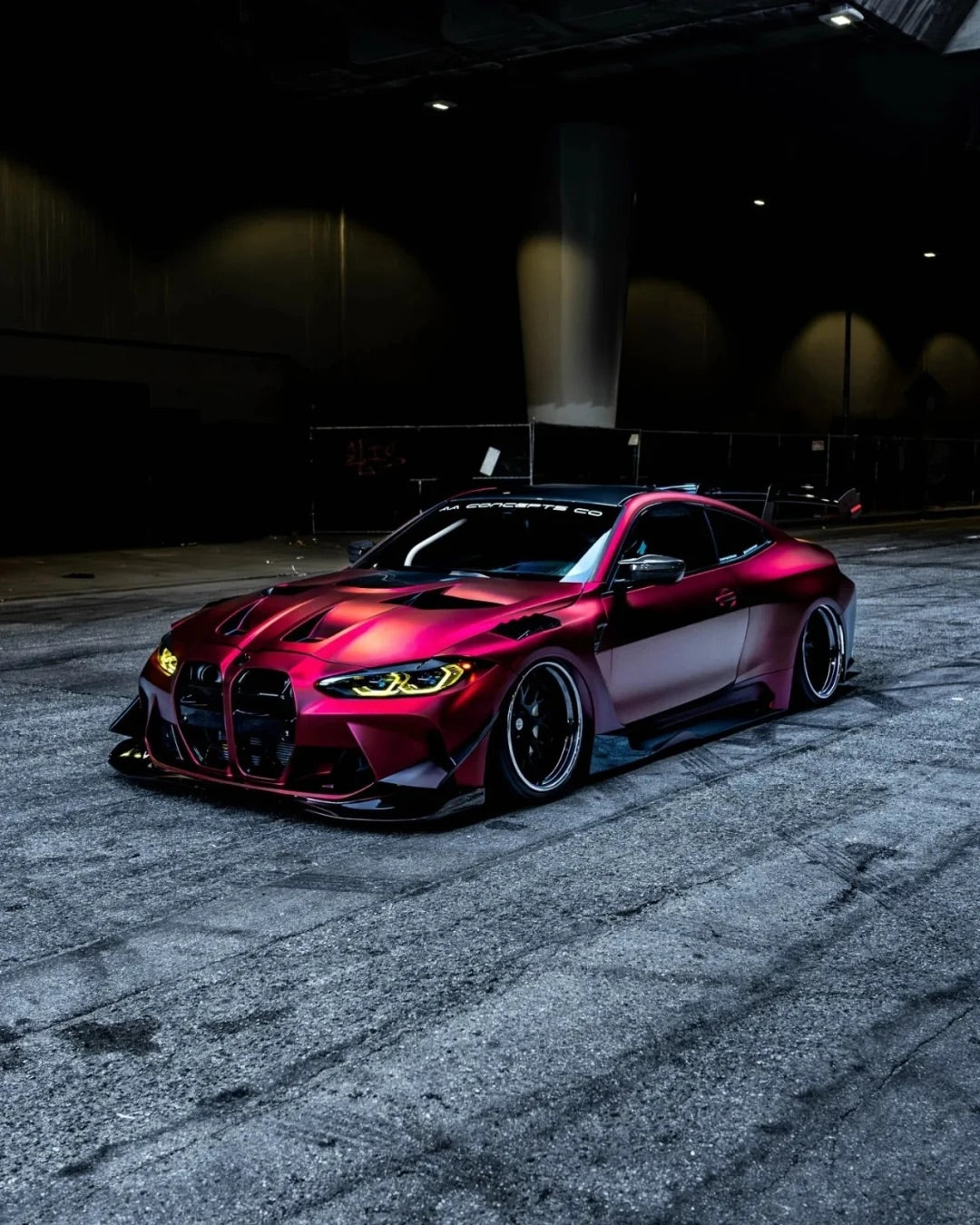
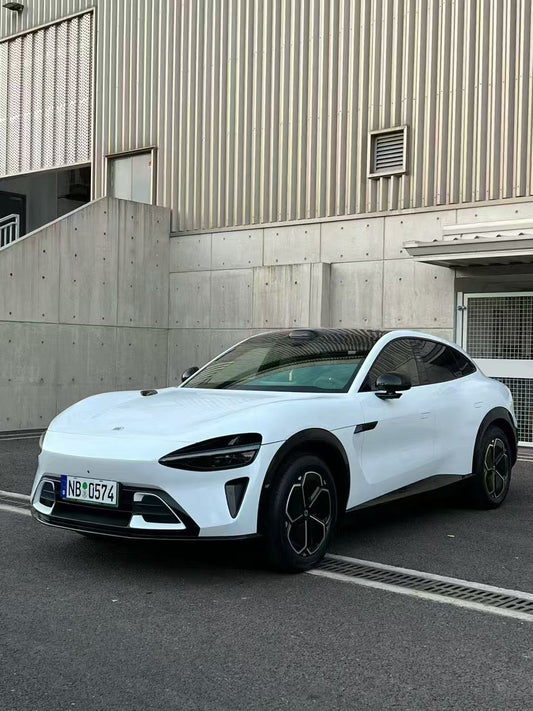
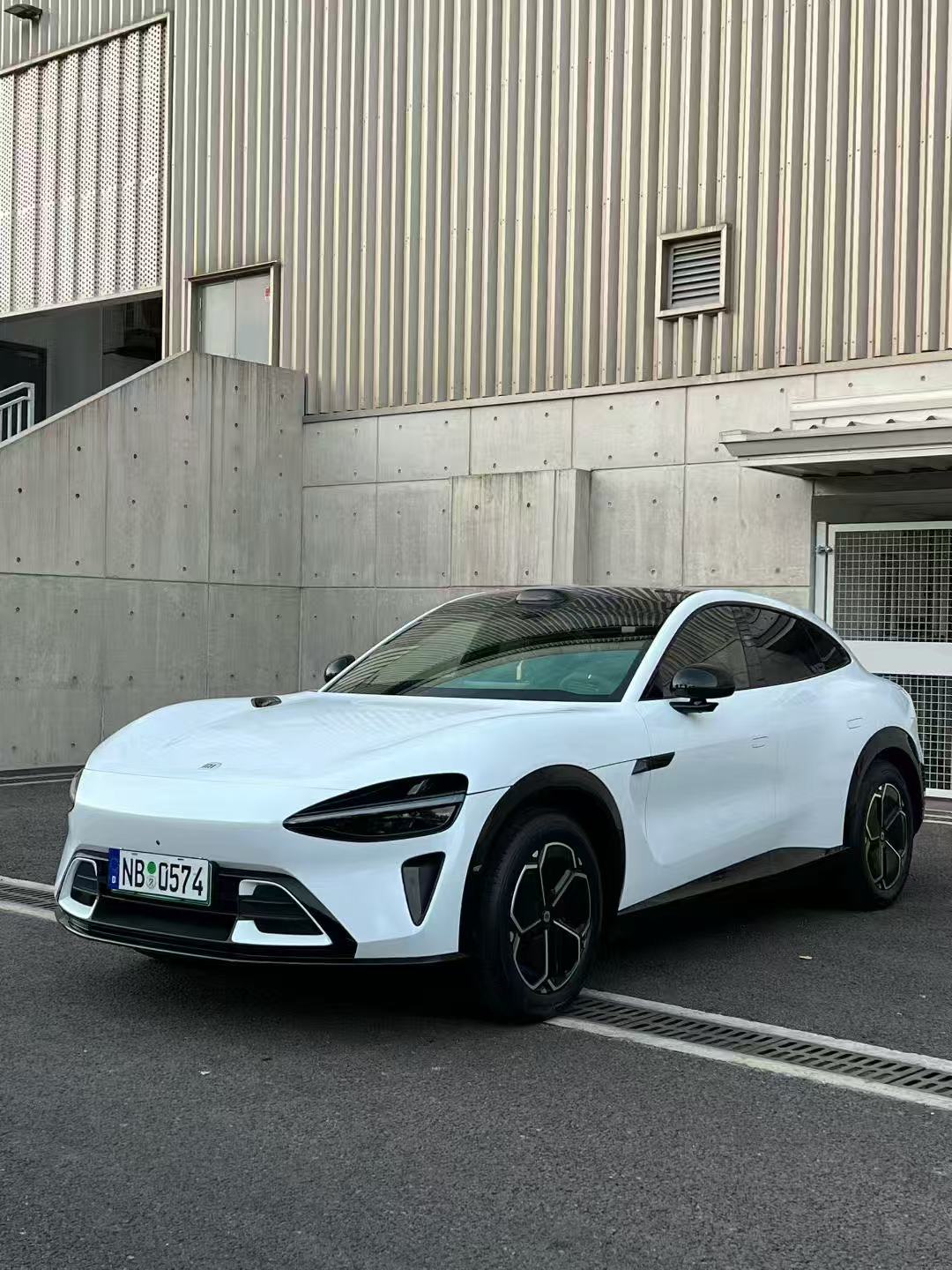


Every vehicle wrap owner faces the inevitable reality of unexpected damage. Whether you encounter road debris strikes during highway driving, parking lot mishaps, or environmental wear that compromises your investment, knowing how to handle emergency wrap situations determines the difference between a minor inconvenience and a costly full replacement.
Modern vinyl wraps represent sophisticated automotive customization technology that transforms vehicle aesthetics while protecting original paint. However, even premium materials face vulnerability to everyday hazards. Understanding immediate response techniques and long-term repair strategies ensures your wrapped vehicle maintains its stunning appearance throughout its lifespan.
Understanding Wrap Damage Assessment
Damage severity directly influences repair approach selection. Minor surface scratches often respond to heat application and gentle buffing, while deeper tears require patch work or panel replacement. Vehicle owners should carefully examine damaged areas under proper lighting to determine the appropriate intervention level.
Surface-level imperfections affecting only the vinyl top layer typically heal through targeted heat treatment. These shallow marks result from light contact with branches, car wash brushes, or minor debris. The vinyl material's thermoplastic properties allow controlled heating to restore surface smoothness without additional materials.
Moderate damage penetrating through vinyl layers but not reaching the adhesive backing requires patch application techniques. These intermediate-severity issues demand precise cutting, cleaning, and overlay procedures to maintain visual consistency. Professional results depend on matching original wrap color and finish characteristics.
Severe structural damage involving adhesive separation, large tears, or panel-wide degradation necessitates section replacement. These comprehensive repairs restore wrap integrity through complete affected area removal and fresh material installation. Such situations often follow collision events or prolonged exposure to harsh conditions.
Essential Emergency Repair Tools
Maintaining a basic repair kit enables immediate response to wrap damage before professional intervention becomes available. The following tools support temporary fixes and permanent repairs across various damage scenarios:
Heat guns deliver controlled thermal energy for vinyl manipulation during both emergency patches and standard repairs. Quality models feature adjustable temperature settings between 200-500 degrees Fahrenheit, preventing overheating damage while providing sufficient heat for material reshaping. Proper heat application softens vinyl for stretching around curves and securing patch edges.
Squeegees facilitate bubble removal and ensure proper adhesive contact during patch installation. Professional-grade tools feature beveled edges that prevent vinyl scratching while applying even pressure across repair surfaces. Different firmness levels accommodate various vinyl thicknesses and installation challenges.
Precision cutting implements including sharp utility knives enable clean patch preparation and excess material trimming. Fresh blade edges prevent ragged cuts that telegraph through finished repairs. Curved blades assist with contour following on complex vehicle surfaces.
Isopropyl alcohol solutions remove surface contaminants before repair work begins. Proper surface preparation determines patch adhesion success, making quality cleaning agents indispensable for durable results. Microfiber cloths apply cleaners without leaving lint residue.
Vinyl sealant products protect repair edges from moisture infiltration and environmental degradation. These specialized formulations bond with wrap materials while maintaining flexibility through temperature fluctuations. Edge sealing extends repair longevity significantly.
Immediate Response for Minor Scratches
Surface scratches affecting glossy finishes often disappear through simple heat application without additional materials. This technique works particularly well with metallic wraps and liquid chrome finishes where light reflection masks minor surface disruption.
Begin by thoroughly cleaning the scratched area with automotive-safe soap and water. Remove all dirt, wax residue, and environmental contaminants that might interfere with heat treatment effectiveness. Dry the surface completely using lint-free microfiber towels.
Apply moderate heat using a heat gun held approximately six inches from the wrap surface. Move the tool in consistent circular motions to distribute thermal energy evenly across the damaged zone. Watch for the vinyl to soften and begin flowing together as molecular bonds relax under heat.
Once the material reaches proper temperature, gently massage the heated area with clean fingertips using light pressure. The vinyl should respond by smoothing out and partially self-healing as the thermoplastic material redistributes. Avoid excessive force that might stretch or distort the wrap beyond repair.
Allow the treated area to cool naturally without forcing temperature reduction. Rapid cooling can lock in stress patterns or create new surface irregularities. Once cool, assess whether the scratch visibility decreased sufficiently or if additional treatment cycles are necessary.
This heat-based repair method works exceptionally well with matte finishes and satin wraps where slight texture variations blend naturally into the overall appearance. Ultra matte wraps particularly benefit from this approach since their non-reflective properties disguise minor surface changes.
Patching Techniques for Moderate Damage
Tears and deep gouges exceeding surface scratch severity require vinyl patch application for structural integrity restoration. This repair category represents the most common emergency fix vehicle owners encounter following minor collisions or sharp object contact.
Source matching vinyl material from remaining installation scraps or contact original suppliers for exact color matches. Color accuracy becomes critical with specialty finishes like rainbow laser wraps or dual-color dream films where slight shade variations become immediately visible. Sample comparison under various lighting conditions ensures proper material selection.
Prepare the damaged zone by cleaning thoroughly with isopropyl alcohol to remove oils, dirt, and degraded adhesive residue. Cut away any loose or damaged vinyl surrounding the impact area using sharp blades, creating clean edges for patch overlap. Irregular tears require trimming to regular geometric shapes for easier patch fitting.
Measure the cleaned opening and cut a vinyl patch extending approximately one inch beyond all edges of the damaged area. This overlap ensures complete coverage while providing sufficient surface area for strong adhesive bonding. Round patch corners slightly to prevent edge lifting during future vehicle use.
Remove a small corner section of the patch backing material and position the exposed adhesive against the prepared surface. Working from the center outward, gradually remove remaining backing while smoothing the patch using a squeegee. This progressive technique prevents air bubble formation between layers.
Apply heat to the installed patch edges using controlled temperature settings. The thermal energy activates adhesive properties while softening vinyl for conforming to vehicle contours. Pay particular attention to curved surfaces where additional stretching ensures proper material contact.
Trim excess patch material extending beyond desired boundaries using fresh blade edges. Angle cuts slightly inward beneath the patch edge to create seamless transitions less visible from normal viewing angles. Press trimmed edges firmly while still warm to maximize adhesion.
Seal finished patch perimeters with vinyl-compatible edge sealant to prevent moisture infiltration and premature adhesive failure. This protective measure becomes especially important for patches applied near trim pieces, door handles, or other areas exposed to water intrusion.
Color-changing wraps and specialty films require extra attention during patch work since lighting angle variations can highlight repair boundaries. Consider patch placement relative to vehicle body lines and character features that naturally draw the eye away from repair zones.
Panel Replacement for Extensive Damage
Major wrap damage spanning large areas or multiple impact zones often justifies complete panel replacement rather than extensive patch work. This approach delivers superior aesthetic results while restoring full protective capabilities to compromised surfaces.
Hood sections frequently require replacement following frontal collisions or large debris strikes during highway driving. The hood's prominent visibility makes patch repairs particularly noticeable, driving preference toward complete section renewal. Modern wrap installation techniques allow isolated panel work without disturbing adjacent areas.
Door panels experience regular contact points that accelerate wear in high-traffic zones. When edge lifting combines with central damage, replacing the entire door wrap prevents progressive deterioration from continuing. Fresh material application restores both appearance and protective function.
Bumper wraps encounter the harshest conditions including parking impacts, road debris, and cleaning equipment contact. Rather than attempting repairs on heavily damaged bumper sections, complete replacement provides longer-lasting results. TPU paint protection films particularly benefit from this approach since their primary function focuses on impact absorption.
Quarter panels and fenders develop damage from wheel-thrown debris and road hazards. Replacing these sections maintains visual flow lines critical to overall vehicle aesthetics. Professional installers typically stock common vehicle panel patterns for expedited replacement procedures.
Begin panel replacement by carefully removing damaged wrap material using controlled heat and plastic removal tools. Avoid using metal implements that might scratch underlying paint surfaces. Remove all adhesive residue through proper cleaning techniques before applying new material.
Measure replacement vinyl requirements precisely to minimize waste and ensure adequate coverage including necessary overlap zones. Premium materials like glitter sparkle wraps and crystal vinyl wraps justify careful measurement since replacement material costs exceed standard finishes.
Apply new vinyl following manufacturer installation guidelines specific to each wrap type. Colored paint protection films require different techniques than standard vinyl wraps due to their enhanced thickness and specialized adhesive formulations. Heat application temperatures and pressure requirements vary accordingly.
Blend panel replacement edges carefully with adjacent undamaged wrap areas to minimize visual boundaries. Professional installers employ tucking techniques and strategic cuts that hide transition lines along vehicle body features. This attention to blending details separates amateur from professional results.
Specialized Techniques for Premium Materials
High-end wrap materials including liquid chrome finishes and metallic vinyl wraps demand modified repair approaches reflecting their unique characteristics. These premium products justify extra care given their enhanced cost and distinctive aesthetic properties.
Chrome wraps show every surface imperfection due to their mirror-like reflective properties. Minor damage becomes magnified through light reflection, making traditional patch repairs highly visible. Heat treatment works better than patching for chrome applications since the reflective surface disguises subtle texture changes more effectively than color variations.
3D carbon fiber wraps feature distinctive weave patterns that must align during repairs. Patch placement requires careful orientation matching to maintain pattern continuity across repair boundaries. Misaligned carbon fiber texture immediately reveals repair locations to casual observers.
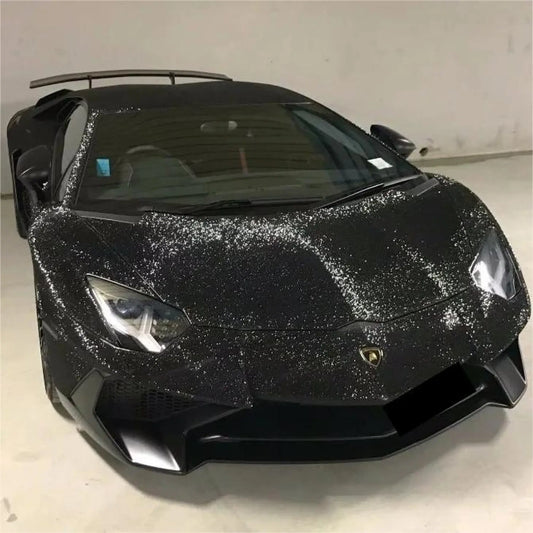
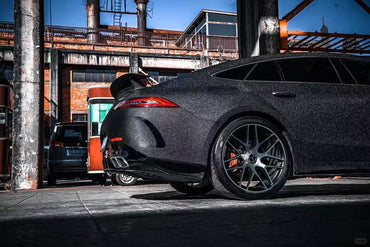
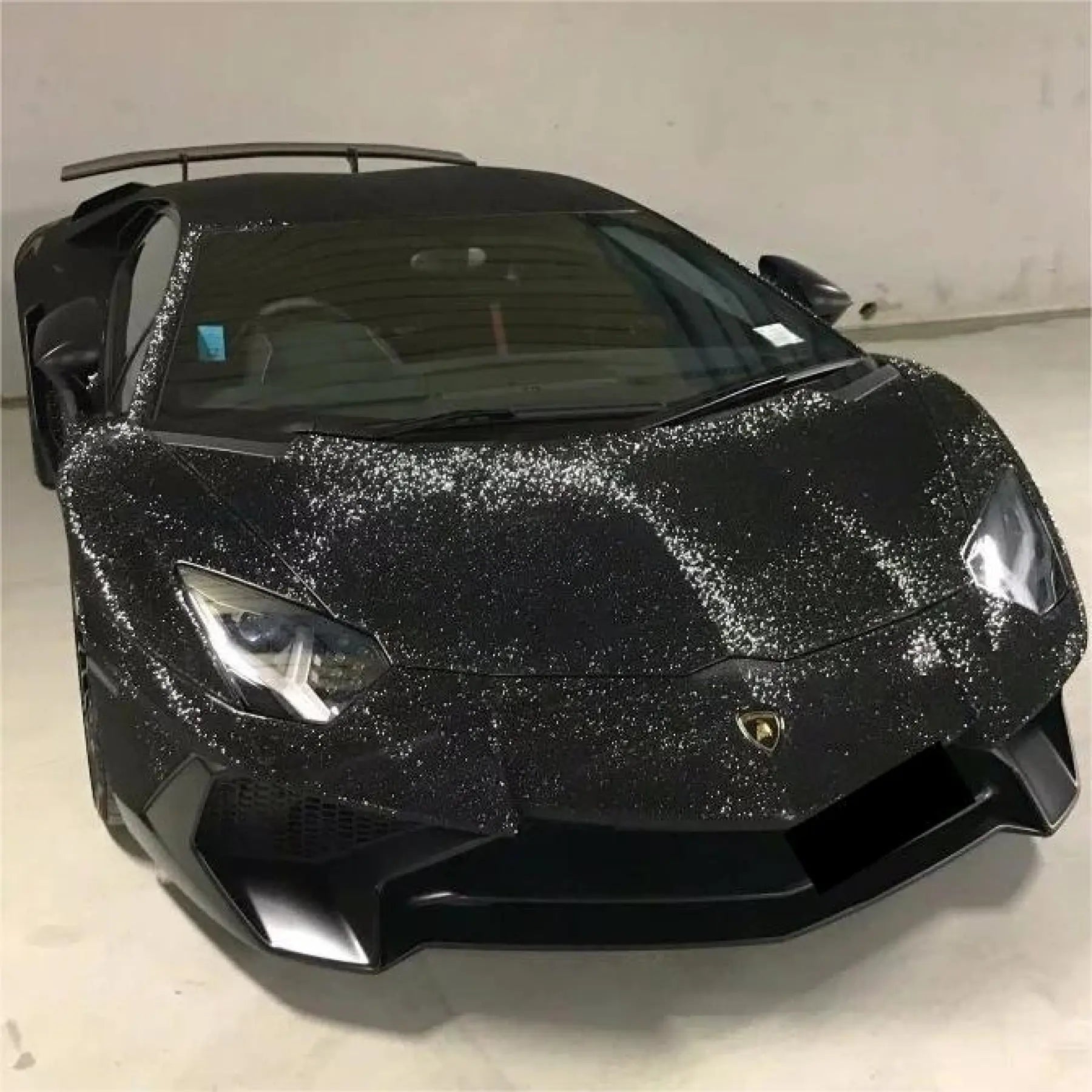
Glitter and sparkle finishes contain embedded reflective particles requiring precise material matching during repairs. Particle density variations between production batches create visible differences under direct sunlight. Sourcing patch material from the same production run ensures consistent sparkle distribution.
Matte and ultra matte wraps present unique challenges since surface polishing or excessive heat application can create glossy spots. Repair techniques must preserve the original low-luster finish throughout the process. Specialized matte protectants help maintain consistent appearance across repaired zones.
Dual-color and rainbow laser films incorporate complex color transitions that make invisible repairs virtually impossible. These specialty wraps benefit most from complete panel replacement approaches that maintain uninterrupted color shifts. Attempting patches disrupts the carefully engineered optical effects.
Preventive Measures That Minimize Damage Risk
Proactive wrap maintenance reduces emergency repair frequency while extending overall material lifespan. Simple protective practices implemented consistently prevent many common damage scenarios vehicle owners encounter.
Regular hand washing using automotive-specific cleaners removes abrasive particles before they scratch wrap surfaces during vehicle movement. Avoid automated car washes containing stiff brushes that catch wrap edges and cause lifting. Touchless wash systems provide safer alternatives for wrapped vehicles.
Parking strategy significantly impacts wrap longevity. Choosing shaded spots reduces UV exposure that degrades vinyl materials over time. Distance from shopping carts and tight parking spaces minimizes door ding risks. Covered parking provides optimal protection but remains unavailable for many vehicle owners.
Edge inspection during routine maintenance identifies early lifting before it progresses to larger repairs. Small edge failures respond quickly to heat reactivation and pressure application. Addressing minor issues immediately prevents their expansion into major damage requiring professional intervention.
Protective film application over high-wear zones extends wrap life in vulnerable areas. Clear TPU paint protection wraps installed over wrapped surfaces create dual-layer protection. This approach works particularly well for rocker panels, door edges, and front bumper leading edges.
Seasonal considerations affect wrap vulnerability to specific damage types. Winter conditions introduce salt exposure requiring more frequent cleaning, while summer heat can soften adhesives if vehicles remain parked in direct sun. Adjusting maintenance routines according to seasonal challenges optimizes wrap performance.
Professional inspection annually identifies developing issues before they become visible to vehicle owners. Experienced installers recognize early warning signs of adhesive failure, material degradation, or installation defects requiring correction. Early intervention prevents minor issues from escalating into expensive repairs.
Cost-Benefit Analysis of Repair Versus Replacement
Financial considerations drive many repair decisions, making understanding cost relationships between different approaches essential for informed choices. Various factors influence whether repairing existing damage or replacing entire sections provides better value.
Small patch repairs cost significantly less than panel replacements, typically requiring minimal material and labor investment. Vehicle owners comfortable performing their own repairs further reduce expenses through DIY approaches. However, patch visibility on prominent surfaces might diminish overall vehicle appearance more than the cost savings justify.
Panel replacement expenses vary widely based on vehicle size, material selection, and labor requirements. Standard color-changing vinyl wraps cost less than specialty finishes like liquid chrome or color-changing protection films. Complex curves and body features increase installation difficulty, raising labor components accordingly.
Professional repair costs reflect installer expertise, facility overhead, and geographic location variations. Metropolitan areas generally charge premium rates compared to rural locations. However, experienced installers deliver superior results justifying their higher fees through reduced error rates and better aesthetic outcomes.
Material quality directly impacts repair longevity and therefore long-term value. Premium wrap materials cost more initially but provide extended service life and superior appearance throughout their use period. Cheap alternatives might save money short-term while failing prematurely and requiring frequent repairs.
Vehicle resale value considerations influence repair investment decisions for some owners. Pristine wrap condition supports higher asking prices when selling wrapped vehicles. However, removing wraps before sale reveals protected original paint, potentially delivering better returns depending on buyer preferences.
Opportunity cost analysis weighs repair time requirements against alternative uses for that period. Quick DIY patches allow immediate vehicle return to service while professional repairs might require days of facility time. Business vehicles particularly benefit from rapid repair approaches that minimize operational disruption.
Integration With Professional Services
Understanding when emergency repairs require professional expertise versus owner capability ensures optimal outcomes across various damage scenarios. Certain situations clearly benefit from expert intervention despite additional costs involved.
Complex curve work challenges DIY installers due to vinyl stretching requirements and heat management demands. Professional installers possess specialized tools and technique knowledge preventing common mistakes. Hoods, bumpers, and fenders particularly benefit from expert handling during repair work.
Color matching challenges make professional consultation valuable when sourcing replacement materials. Experienced suppliers maintain extensive inventory covering most popular finishes while accessing rare materials through manufacturer relationships. Their color-matching expertise prevents visible mismatches that compromise repair aesthetics.
Warranty considerations influence repair approach selection since improper owner repairs might void manufacturer guarantees. Professional installation documentation supports warranty claims if material defects contribute to damage. Maintaining proper repair records protects long-term wrap investments.
Insurance claim processing requires professional estimates and repair documentation for reimbursement approval. Established wrap shops understand insurance procedures and provide necessary paperwork streamlining claim resolution. Their facility credentials often satisfy insurer requirements for authorized repair providers.
Advanced techniques including wet application, pre-stretching, and adhesive promotion exceed typical DIY capabilities. Professional installers employ these methods when necessary for optimal results on difficult surfaces. Their experience recognizes when standard approaches prove insufficient for specific challenges.
Quality control standards maintained by professional facilities ensure consistent results across multiple repair projects. Their systematic processes catch errors before vehicles return to owners. This reliability provides peace of mind worth the professional service premium for many vehicle owners.
Long-Term Maintenance Strategies
Sustained wrap performance requires ongoing attention beyond addressing immediate damage. Implementing comprehensive maintenance programs preserves appearance while maximizing material lifespan across all wrap types.
Seasonal deep cleaning removes accumulated environmental contaminants that accelerate wrap degradation. Spring cleaning addresses winter salt residue while fall preparation removes summer road tar and insect remains. These intensive sessions complement regular washing routines for complete wrap protection.
UV protection products specifically formulated for vinyl wraps prevent premature fading and material brittleness. These treatments create barrier layers blocking harmful radiation while maintaining wrap flexibility. Application every three months sustains protective benefits throughout material service life.
Edge maintenance ensures adhesive boundaries remain secure against environmental challenges. Regular inspection identifies lifting areas requiring heat reactivation before they expand. Proactive edge care prevents water infiltration that undermines adhesive bonds.
Protective coating applications add hydrophobic properties that repel water and resist staining. These treatments ease cleaning while preventing contaminant bonding with wrap surfaces. Ceramic coating products designed for vinyl provide enhanced protection without compromising material flexibility.
Storage preparation protects wrapped vehicles during extended non-use periods. Indoor storage provides optimal conditions while outdoor covers shield against environmental exposure when garages remain unavailable. Proper preparation prevents damage during storage that requires repair upon vehicle return to service.
Documentation tracking maintenance activities and repair history supports resale value claims and warranty management. Detailed records demonstrate proper care supporting higher asking prices when selling wrapped vehicles. They also provide valuable information for future repairs requiring color matching or technique selection.
The intersection between emergency response capabilities and professional services creates optimal wrap care programs. Vehicle owners equipped with basic repair knowledge handle minor issues immediately while recognizing situations requiring expert intervention. This balanced approach maximizes both cost efficiency and aesthetic results across the vehicle's wrapped lifespan.
Modern wrap technology continues advancing with improved materials featuring enhanced durability and self-healing properties. Staying informed about these developments helps vehicle owners make educated decisions when selecting replacement materials following major repairs. Emerging protective films offer superior damage resistance while maintaining stunning visual effects that define contemporary automotive customization.
Internal Links:
- Rainbow Laser Vinyl Wrap
- Colored Paint Protection Film
- TPU Paint Protection Wrap
- Ultra Matte Wrap
- Dual Color Dream Vinyl Wrap
- Liquid Chrome Wrap
- Metallic Vinyl Wrap
- Crystal Vinyl Wrap
- 3D Carbon Fiber Wrap
- Wrapping Tools
- Glitter Sparkle Car Wrap
External Anchor Links:
- Vehicle wrap maintenance guidelines - Wikipedia reference for wrap technology overview
- Thermoplastic vinyl properties - Understanding material characteristics
- Automotive paint protection standards - Industry protective coating information

