






Understanding How Contaminants Damage Vinyl Wraps
Automotive vinyl wraps are manufactured from specialized polyvinyl chloride materials that create stunning visual effects. However, these materials have different characteristics than traditional automotive paint. The porous nature of vinyl surfaces makes them more susceptible to staining and chemical damage from environmental pollutants.
Acidic contaminants penetrate the vinyl surface within hours of contact. Bird droppings contain uric acid that begins etching the material almost immediately. Tree sap hardens as it dries, bonding to the vinyl texture and creating permanent discoloration. Bug splatter combines proteins and acids that chemically react with the wrap finish. Each passing hour increases the difficulty of safe removal without damaging your investment.
Understanding this vulnerability helps explain why immediate action prevents costly replacements. The protective qualities of materials like our TPU paint protection wrap offer enhanced resistance, but even these advanced films require prompt attention when contaminants strike.
Immediate Response Techniques for Common Contaminants
Time represents your most valuable asset when contaminants land on your wrap. Professional detailers emphasize the importance of addressing stains within the first 24 to 48 hours. Establishing an emergency response protocol ensures your wrap maintains its appearance throughout its lifespan.
Creating a portable cleaning kit for your vehicle provides immediate intervention capability. Fill a spray bottle with distilled water and add three drops of pH-neutral automotive shampoo. Include several ultra-soft microfiber cloths in a sealed container. Add a second spray bottle containing a two-to-one mixture of distilled water and isopropyl alcohol for stubborn residues. This simple preparation enables quick action regardless of location.
When you discover contaminants, resist the urge to immediately wipe them away. Dry contaminants often contain abrasive particles that will scratch the vinyl during removal. Instead, saturate the affected area with warm soapy water and allow it to soak for three to five minutes. This softening process breaks the chemical bonds between the contaminant and vinyl surface.
Removing Bird Droppings Without Damage
Bird droppings present one of the most aggressive threats to wrapped vehicles. The combination of uric acid and calcium carbonate creates a corrosive compound that etches vinyl rapidly. Summer temperatures accelerate this chemical reaction, with visible damage occurring within hours on darker wraps like our 3D carbon fiber wrap collection.
Begin removal by thoroughly saturating the dropping with warm water from your spray bottle. Allow the moisture to penetrate for five full minutes without touching the area. The water rehydrates the dried material and neutralizes some of the acidic content. After soaking, place a damp microfiber cloth over the dropping and let it rest for another two minutes.
Gently lift the cloth away from the surface without any rubbing motion. Most of the dropping should release with the cloth. For remaining residue, apply additional warm water and use a light dabbing motion with a fresh section of the microfiber cloth. The key principle involves patience rather than pressure. Aggressive wiping damages the vinyl texture, especially on specialty finishes like our metallic vinyl wrap series.
If staining persists after initial removal, create a cleaning solution using two parts isopropyl alcohol mixed with one part distilled water. Test this mixture on an inconspicuous area first, such as near the door jamb or under a side mirror. Apply the solution sparingly with a clean microfiber cloth using gentle circular motions. Immediately rinse with fresh water and dry completely.
Tree Sap and Sticky Residue Elimination
Tree sap presents a unique challenge due to its adhesive properties and hardening characteristics. Pine and maple trees produce particularly stubborn sap that bonds tenaciously to vinyl surfaces. When discovered, sap typically appears as amber-colored droplets that feel tacky to the touch. Allowing this substance to cure creates a nearly permanent bond requiring professional intervention.
Fresh sap responds well to the soaking technique. Saturate the area with warm soapy water and cover with a damp microfiber cloth. Allow this compress to rest on the sap for ten to fifteen minutes. The extended contact time softens the resin compounds, allowing them to release from the vinyl without force.
For hardened sap, automotive-specific citrus cleaners provide effective removal without damaging vinyl. Apply a small amount to a microfiber cloth rather than directly onto the wrap surface. Gently work the cleaner into the sap using circular motions with minimal pressure. The citrus solvents break down the resin structure gradually. This process may require several applications with fresh cloths.
An alternative approach uses the alcohol-water mixture mentioned earlier. Apply the solution and allow it to penetrate the sap for three minutes. The alcohol dissolves the sticky components while the water prevents the mixture from being too harsh. Use a plastic detail tool wrapped in microfiber to carefully lift stubborn edges, working from the outside toward the center.
The glossy finishes of our liquid chrome wrap collection show streaking easily during sap removal. Always finish the cleaning process by washing the entire panel with pH-neutral car shampoo. This removes any residual cleaning solution and restores uniform appearance across the surface.
Bug Splatter and Protein Removal Methods
Highway driving exposes vehicles to constant bombardment from insects. The resulting splatter combines proteins, fats, and acids in a mixture that adheres stubbornly to vinyl surfaces. Summer heat bakes these organic compounds onto the wrap, creating translucent stains that yellow over time. Removing bug residue requires different techniques than other contaminants.
Protein-based stains respond best to enzymatic action rather than chemical solvents. Mix warm water with a small amount of automotive shampoo and spray liberally over affected areas before your regular wash routine. This pre-treatment allows the surfactants in the shampoo to break down protein bonds. For extensive bug damage covering the front fascia and hood, apply this solution and let the vehicle rest in shade for five minutes.
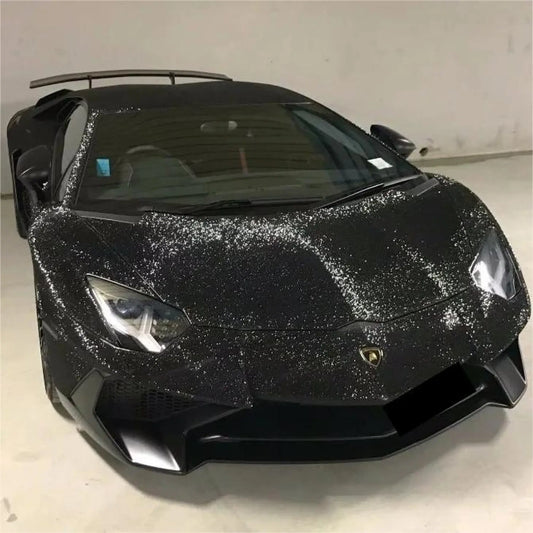
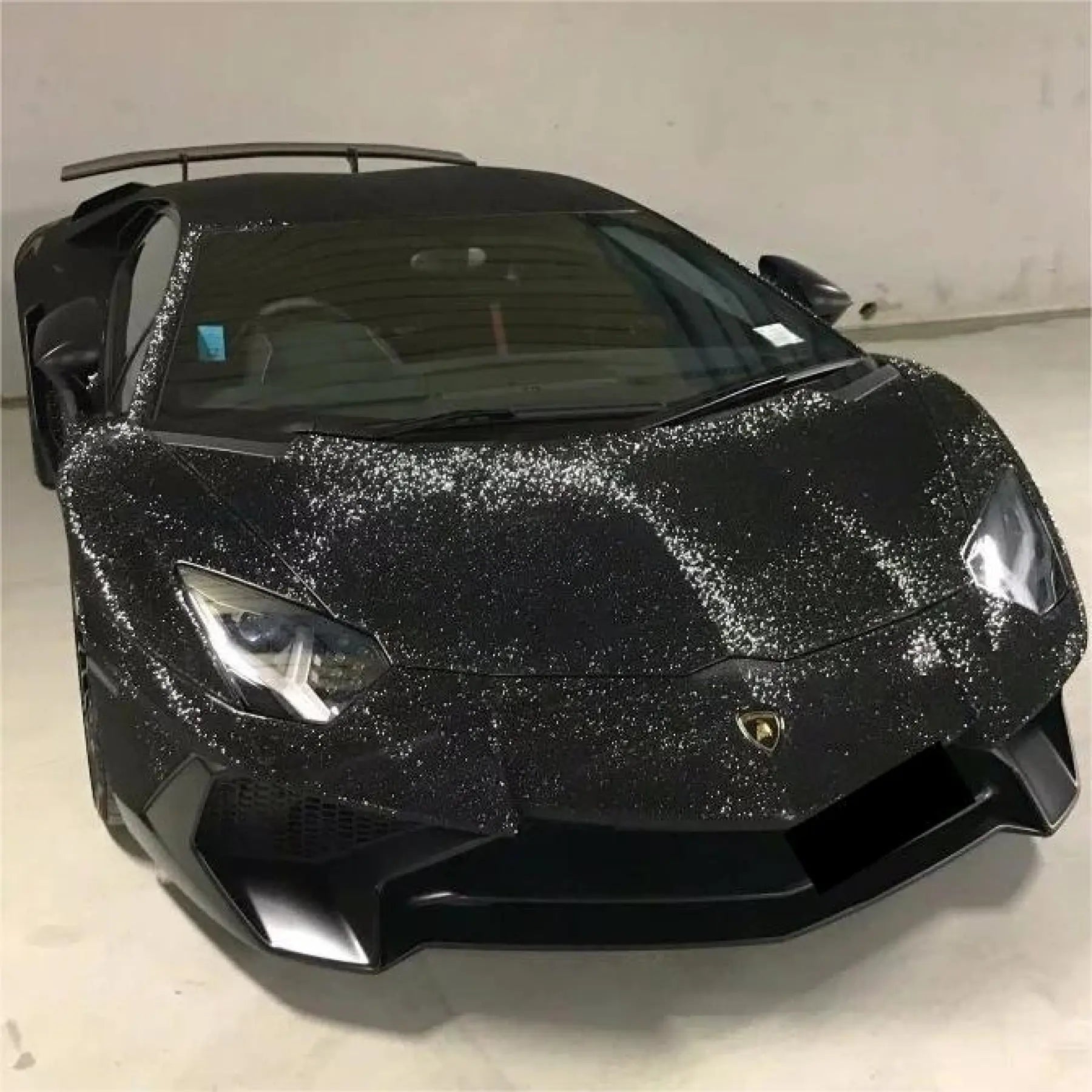
Creating a specialized bug removal solution enhances cleaning effectiveness. Combine equal parts distilled water and white vinegar in a spray bottle. The mild acidity of vinegar dissolves protein residues without harming vinyl. Apply this mixture to bug-covered areas and allow three minutes of contact time. The solution works particularly well on our glitter sparkle car wrap finishes where bug stains show prominently against reflective surfaces.
Use a dedicated bug sponge with ultra-fine pores for the actual removal process. Dip the sponge in your soap solution and work across the affected area using horizontal strokes. The specialized pores lift away insect remains without scratching vinyl texture. Rinse frequently and use a clean section of sponge for each pass.
For particularly stubborn dried bugs, specialized automotive bug removers offer enhanced dissolving power. These products contain citrus-based solvents formulated specifically for vinyl safety. Always test on an inconspicuous area first and follow product instructions exactly. Apply with a microfiber applicator pad using gentle pressure. The key involves allowing the product sufficient dwell time to soften the residue before attempting mechanical removal.
Fuel Spill Emergency Response
Gasoline and diesel fuel represent the most dangerous contaminants for vinyl wraps. Petroleum-based fuels dissolve the plasticizers in vinyl, causing immediate swelling and discoloration. A gasoline spill can permanently damage your wrap within minutes if not addressed correctly. Every vehicle owner should understand proper fuel spill protocols.
When fuel contacts your wrap, immediate action prevents catastrophic damage. Keep a roll of paper towels in your vehicle specifically for fuel emergencies. Blot away liquid fuel immediately without rubbing, which spreads the contamination. Use multiple paper towels in a straight down pressing motion to absorb maximum fuel before it penetrates the vinyl.
After removing excess fuel, spray the affected area liberally with plain water. The goal involves diluting remaining fuel and preventing further penetration. Use a clean microfiber cloth dampened with water to gently wipe the area, working from the outside edges toward the center to avoid spreading. Repeat this water rinse process at least three times.
Once home, perform a thorough wash of the affected panel using pH-neutral automotive shampoo. Create excessive suds and allow them to sit on the fuel-exposed area for two minutes. The surfactants in quality car shampoo help lift fuel residues from vinyl pores. Rinse completely with fresh water, ensuring no soap residue remains.
If discoloration appears after initial cleaning, a mixture of isopropyl alcohol and water may help. However, fuel damage often penetrates deeper than surface cleaning can address. This highlights the protective value of our colored paint protection film, which offers enhanced resistance to chemical contamination.
Road Tar and Asphalt Adhesive Removal
Construction zones and fresh asphalt create tar spray that adheres to vehicle sides and lower panels. These petroleum-based compounds bond aggressively to vinyl surfaces and require specialized removal techniques. Unlike organic contaminants, tar does not respond to simple water and soap treatment.
Automotive tar removers specifically formulated for vinyl provide the safest removal method. These products use gentle solvents that dissolve tar without attacking vinyl structure. Apply the tar remover to a microfiber cloth rather than spraying directly onto the wrap. Gently press the cloth against the tar spot and hold for ten seconds, allowing the solvent to penetrate and soften the adhesive.
Use a light circular motion to work the tar remover into the contaminated area. The tar should begin to break down and transfer onto the cloth. Rotate to a clean section of microfiber frequently to avoid redepositing dissolved tar. This process may require several applications with fresh cloths for stubborn deposits.
An alternative method employs WD-40 as a tar solvent. While not specifically designed for vinyl, it works effectively when used carefully. Spray a small amount onto a cloth and apply to tar spots. Allow fifteen seconds of contact time before gentle wiping. The lubricating properties help lift tar while minimizing vinyl contact with harsh solvents.
After tar removal, thoroughly wash the entire affected panel with automotive shampoo. This step removes any residual tar remover or WD-40 that could attract dust or cause dullness. The extra washing effort maintains the brilliant appearance of finishes like our dual color dream vinyl wrap collection.
Industrial Fallout and Metal Particles
Urban and industrial environments expose vehicles to metal fallout from brake dust, rail dust, and manufacturing emissions. These microscopic metal particles embed in vinyl surfaces and oxidize, creating rust-colored spots. Traditional washing cannot remove these bonded contaminants, requiring specialized clay bar treatment.
Automotive clay bars provide mechanical contaminant removal without chemical action. Purchase a high-quality synthetic clay bar designed for delicate surfaces. Before use, thoroughly wash and dry the affected panel. Spray a clay lubricant or diluted quick detailer over a small section, approximately two feet square.
Gently glide the clay bar across the lubricated surface using light pressure and straight-line motions. The clay captures embedded particles, pulling them from the vinyl without scratching. You will feel the clay bar glide smoothly once contaminants are removed. Fold the clay bar frequently to expose clean surfaces.
After clay bar treatment, the vinyl surface may appear slightly dulled. This occurs because the clay removes any existing wax or sealant along with contaminants. Restore the appearance by applying a vinyl-safe spray sealant or detailer. Products designed specifically for wrapped vehicles provide protection without leaving residue that attracts dust.
The matte finishes in our ultra matte wrap collection require extra caution during clay bar use. Work in smaller sections and use abundant lubrication to prevent any possibility of marring the specialized texture. Consider consulting professional detailers for initial clay bar treatment on matte finishes.
Water Spot Prevention and Removal
Hard water contains dissolved minerals that leave visible deposits when water evaporates. These water spots appear as white or cloudy circles on vinyl surfaces, particularly noticeable on dark colors. While not immediately damaging like acidic contaminants, accumulated water spots create a dull, neglected appearance.
Preventing water spots begins with proper drying technique after washing. Never allow your wrapped vehicle to air dry, as this guarantees water spot formation. Instead, use a large, plush microfiber drying towel immediately after the final rinse. Work systematically from top to bottom, using a blotting motion rather than dragging the towel across the surface.
For maximum efficiency, employ a silicone squeegee to remove bulk water before towel drying. Hold the squeegee at a 45-degree angle and pull across panels in smooth, overlapping strokes. This technique removes 90 percent of surface water, significantly reducing drying time and towel contact.
Existing water spots respond to mild acid treatment. Create a solution using equal parts distilled white vinegar and distilled water. Apply with a spray bottle and allow thirty seconds of contact time. The mild acidity dissolves mineral deposits without harming vinyl. Immediately rinse with fresh water and dry completely.
For stubborn water spots on our crystal vinyl wrap collection, specialized water spot removers provide enhanced effectiveness. These products contain gentle acids and surfactants designed specifically for vinyl safety. Always follow product instructions and test in inconspicuous areas first.
Oxidation and Chalking on Wraps
Extended ultraviolet exposure causes vinyl degradation manifested as surface chalking or fading. The vinyl appears dull with a powdery texture when touched. While complete restoration may be impossible without replacement, specific treatments can improve appearance and slow further deterioration.
Vinyl revival products contain mild abrasives and chemical cleaners that remove surface oxidation. These specialty products work by abrading away the damaged top layer and restoring underlying color. Apply small amounts to a foam applicator pad and work in circular motions over affected areas. Use light pressure and allow the product to perform the work.
After oxidation removal, apply a high-quality vinyl sealant to protect the refreshed surface. These sealants create a sacrificial barrier against future UV damage and environmental contaminants. Spray the sealant onto the vinyl and spread with a clean microfiber cloth using overlapping passes. Allow the product to haze slightly before buffing to a clear finish.
Prevention provides the most effective strategy against oxidation damage. Park in covered areas whenever possible, especially during peak sunlight hours. Consider applying UV-resistant ceramic coatings designed for vinyl wraps. These advanced coatings bond to the vinyl surface, providing long-term protection superior to traditional waxes or sealants.
The enhanced durability of our TPU paint protection films includes superior UV inhibitors that resist oxidation significantly longer than standard vinyl wraps. This advanced material maintains appearance with minimal maintenance even in harsh climates.
Winter Salt and Chemical Deicing Contamination
Winter road maintenance introduces aggressive chemicals that attack vinyl wraps. Calcium chloride and magnesium chloride used for ice melting create a corrosive brine that adheres to vehicle surfaces. These chemicals accelerate vinyl degradation through both chemical and abrasive action as they crystallize.
Weekly washing becomes essential during winter months in areas using road salt. The frequency prevents crystalline salt buildup that abrades vinyl during normal driving. Focus special attention on lower panels, wheel wells, and rocker areas where salt spray concentrates.
For thorough salt removal, use lukewarm water rather than cold for the initial rinse. The moderate temperature helps dissolve salt crystals more effectively. Spray underneath the vehicle and in wheel wells to remove hidden salt deposits. These hidden areas trap moisture and chemicals that accelerate vinyl deterioration.
After washing, inspect seams and edges where vinyl meets body panels. Salt can work underneath lifted edges, causing adhesive failure. If you discover edge lifting, address it promptly with a professional wrap installer. Small repairs prevent moisture intrusion that leads to costly panel replacement.
Apply a sacrificial sealant layer before winter weather arrives. This protective coating takes the brunt of chemical attack, preserving the underlying vinyl. Reapply every four to six weeks throughout winter for maximum protection. The sealant also makes subsequent washing easier as contaminants release more readily.
Emergency Cleaning Supplies Every Owner Should Carry
Preparedness determines successful contaminant removal. Assembling a portable emergency cleaning kit ensures you can address threats immediately regardless of location. This investment protects the significant value represented by premium wraps like our best-selling vinyl collections.
Your emergency kit should include multiple soft microfiber towels in sealed plastic bags to maintain cleanliness. Add at least two 16-ounce spray bottles with trigger sprayers. Fill one with distilled water and the other with distilled water mixed with three drops of pH-neutral automotive shampoo. Label bottles clearly to avoid confusion.
Include a small container of isopropyl alcohol for mixing emergency cleaning solutions. Pack a box of alcohol-free wet wipes suitable for automotive use. These provide immediate response capability for fresh contaminants when water is unavailable. Add paper towels specifically for fuel spill emergencies, as microfiber should never be used with petroleum products.
Consider including plastic sandwich bags for covering bird droppings or sap when immediate cleaning is impossible. This temporary protection prevents further chemical damage until proper cleaning can occur. Add a small flashlight for inspecting damage in dark parking areas.
Store this emergency kit in a location that remains accessible but does not experience temperature extremes. The trunk or under rear seats provides ideal storage. Check supplies quarterly and replace any dried-out cleaning products or contaminated towels.
Professional Maintenance Schedules
Establishing regular professional maintenance extends wrap lifespan significantly. While owner maintenance handles daily care, professionals possess specialized tools and expertise for thorough contamination removal and protection application. Schedule professional detailing based on vehicle usage and environmental exposure.
For vehicles driven daily in urban environments, quarterly professional detailing provides optimal protection. Professionals perform deep cleaning that removes accumulated environmental fallout invisible to casual inspection. They also inspect for developing edge lift, bubbling, or other issues requiring intervention.
Annual professional detailing suffices for vehicles stored indoors and driven occasionally. These sessions should include thorough decontamination, paint correction of any marring, and application of professional-grade sealants. Request that professionals photograph any discovered damage for documentation purposes.
Professional installers offer maintenance services specifically tailored to vinyl wraps. They understand the unique characteristics of different wrap materials and adjust their techniques accordingly. The specialized finishes in our rainbow laser vinyl wrap line benefit greatly from professional care that preserves their unique optical properties.
Communicate honestly with detailing professionals about your wrap maintenance history. Disclosing previous chemical exposures or damage attempts allows them to select appropriate treatment methods. This transparency prevents additional damage from incompatible products or techniques.
Long-Term Contamination Prevention Strategies
Proactive protection proves more effective and economical than reactive contamination removal. Implementing comprehensive prevention strategies maintains your wrap investment while reducing maintenance requirements. These strategies combine physical protection with chemical barriers and environmental awareness.
Parking location selection represents the single most impactful prevention decision. Always choose covered parking when available, even if it requires walking farther. If covered parking is unavailable, seek shade under buildings rather than trees, avoiding both sun damage and tree-related contamination.
Consider investing in a high-quality car cover designed specifically for wrapped vehicles. These covers use ultra-soft inner linings that will not mar delicate vinyl finishes. Ensure the cover allows moisture escape to prevent trapped humidity that promotes mildew and adhesive failure.
Apply professional-grade ceramic coatings designed for vinyl wraps. These nanotechnology products create a semi-permanent protective layer that repels water, prevents contamination bonding, and resists UV damage. While representing a significant investment, ceramic coatings reduce ongoing maintenance substantially while extending wrap lifespan.
The advanced materials in our professional wrapping tools collection enable proper installation that minimizes future maintenance challenges. Proper installation creates secure edge adhesion that prevents moisture intrusion and contamination penetration.
Conclusion
Maintaining your vinyl wrap investment requires vigilance and prompt action when contaminants strike. The techniques outlined provide comprehensive guidance for addressing every common threat your wrap will encounter. Remember that prevention through proper parking and regular maintenance significantly reduces the need for aggressive cleaning.
Our complete range of premium vinyl wraps, from our sophisticated car vinyl wrap collections to our protective sample kits, represents a significant investment in your vehicle's appearance. Protecting that investment through proper contaminant removal techniques ensures years of stunning visual impact.
Implementing these professional cleaning methods preserves the brilliant finishes that make vinyl wraps so compelling. Whether you drive a vehicle wrapped in our metallic series, chrome finishes, or matte collections, these techniques maintain the appearance that turns heads and protects your automotive investment.

