

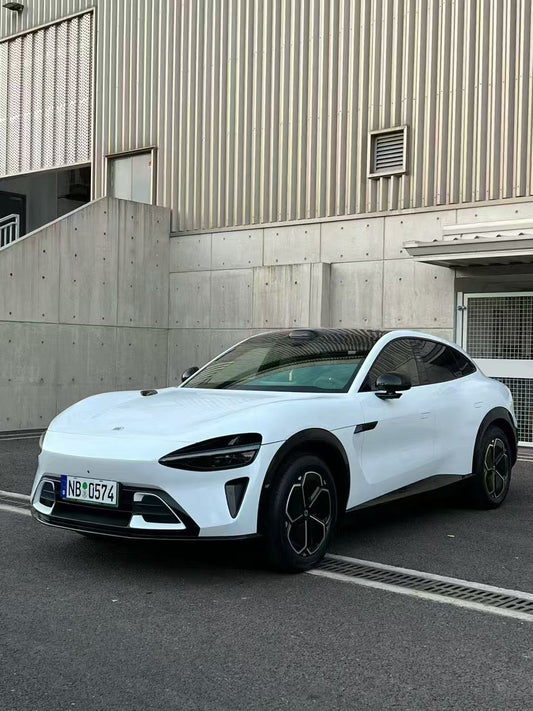
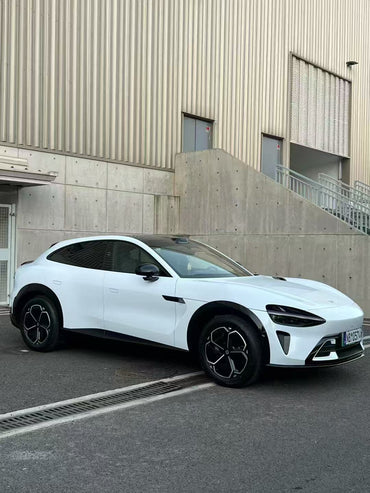
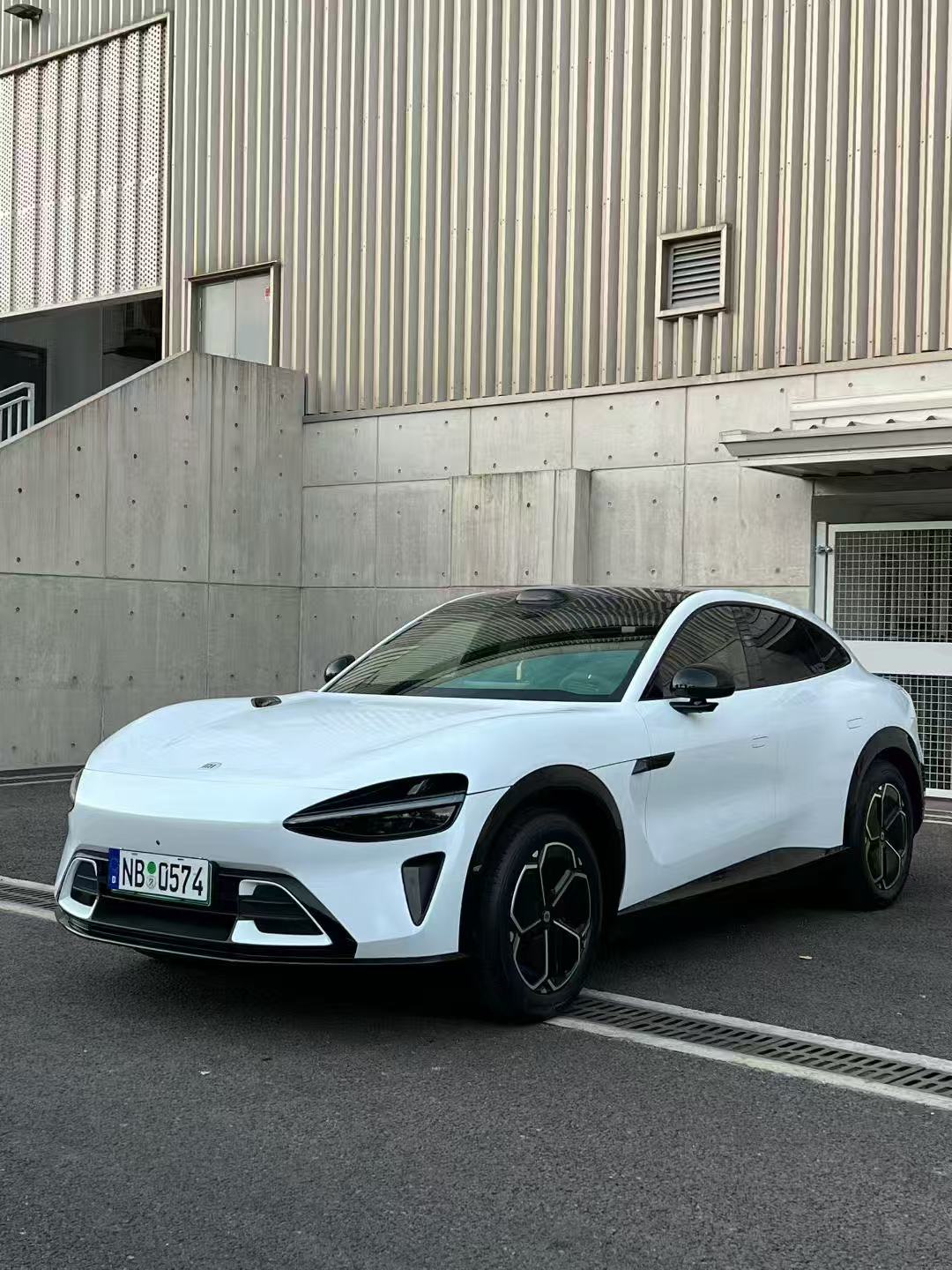


Understanding Paint Protection Film (PPF)
Paint protection film represents the gold standard in automotive surface protection. This thermoplastic urethane material creates an invisible barrier between your vehicle's paint and the harsh realities of daily driving. Modern PPF technology has evolved significantly, now featuring self-healing properties that allow minor scratches to disappear when exposed to heat from sunlight or warm water.
The thickness of quality PPF typically ranges from 6 to 10 mil, providing substantial defense against rock chips, road debris, and environmental contaminants. This robust construction makes PPF ideal for drivers who frequently travel on highways or rough roads where stone chips pose constant threats.
Benefits of TPU Paint Protection Film
Thermoplastic polyurethane offers exceptional durability that justifies its higher initial cost. When properly maintained, TPU paint protection wrap can last between 7 to 10 years, significantly outlasting traditional vinyl alternatives. The material resists yellowing, a common problem with older protection film technologies, ensuring your vehicle maintains its pristine appearance throughout the film's lifespan.
The self-healing capability of modern PPF deserves special attention. When minor abrasions occur, the elastomeric polymers in the film's top coat rearrange themselves under heat exposure, effectively erasing swirl marks and light scratches. This remarkable feature means your vehicle maintains a flawless finish without constant professional intervention.
Beyond scratch resistance, PPF excels at protecting against chemical stains from bird droppings, tree sap, and acid rain. These environmental hazards can permanently damage automotive paint within hours, but quality protection film neutralizes these threats before they reach the vulnerable surface beneath.
Exploring Vinyl Wrap Options
Vinyl wrap serves a fundamentally different purpose than paint protection film. While it does provide some defensive capabilities, its primary function centers on aesthetic transformation. Made from polyvinyl chloride (PVC), vinyl wrap measures approximately 3 to 4 mil in thickness, roughly half as thick as standard PPF.
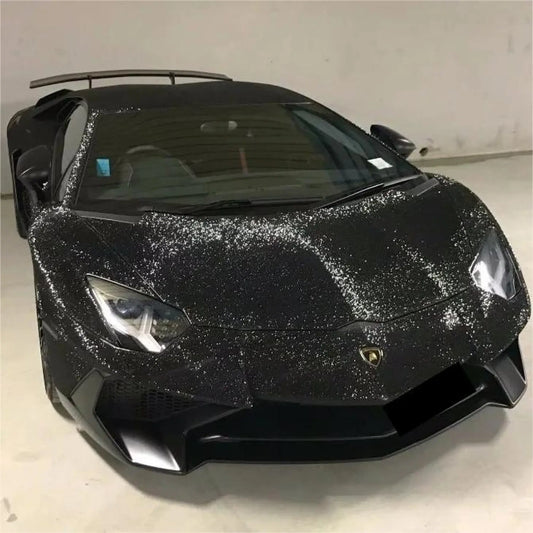
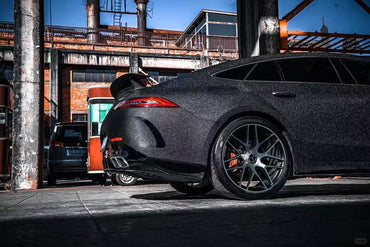
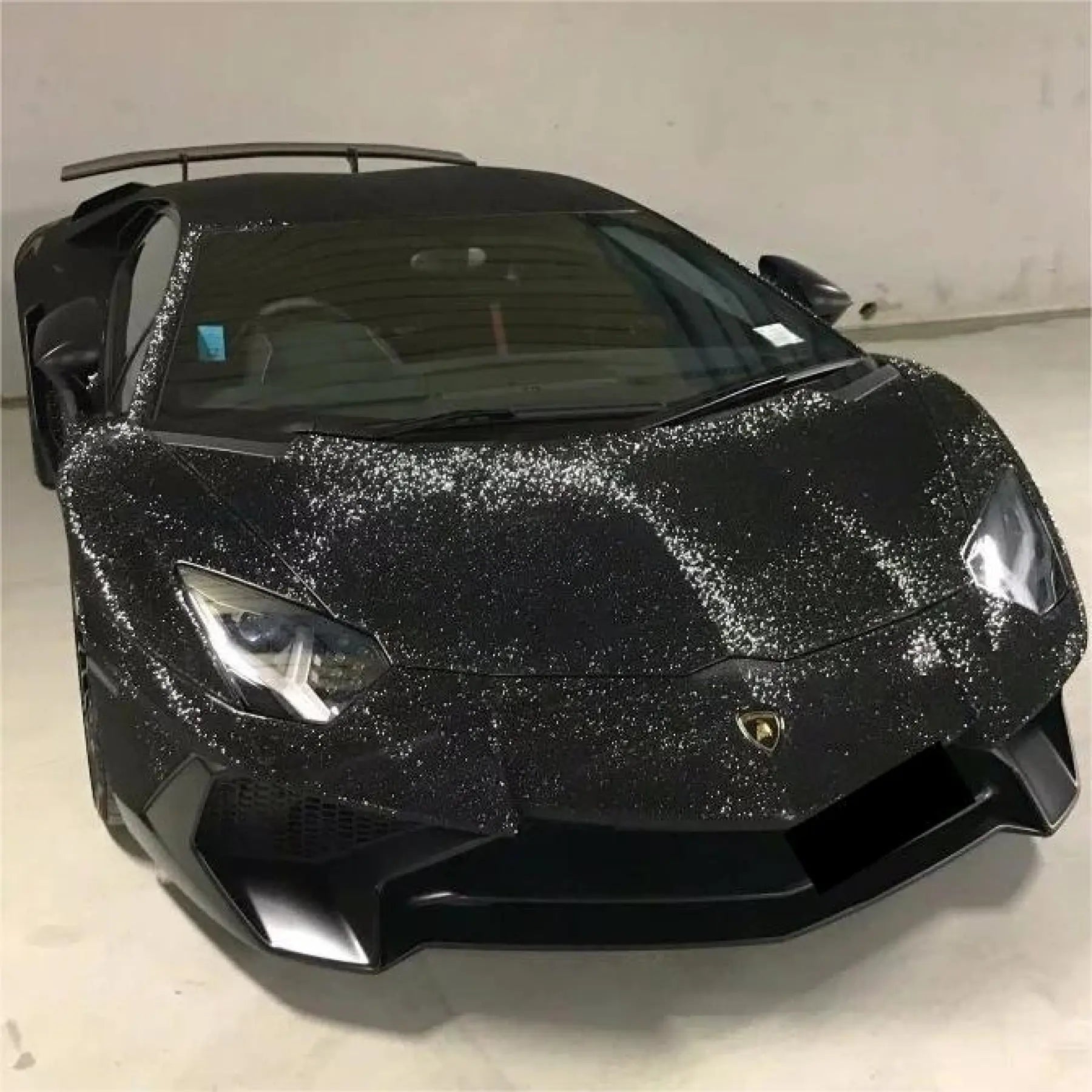
The creative possibilities with vinyl wrap are virtually limitless. From metallic finishes to glitter sparkle effects, vinyl allows vehicle owners to completely reimagine their car's appearance without permanent alterations to the original paint.
Popular Vinyl Wrap Styles
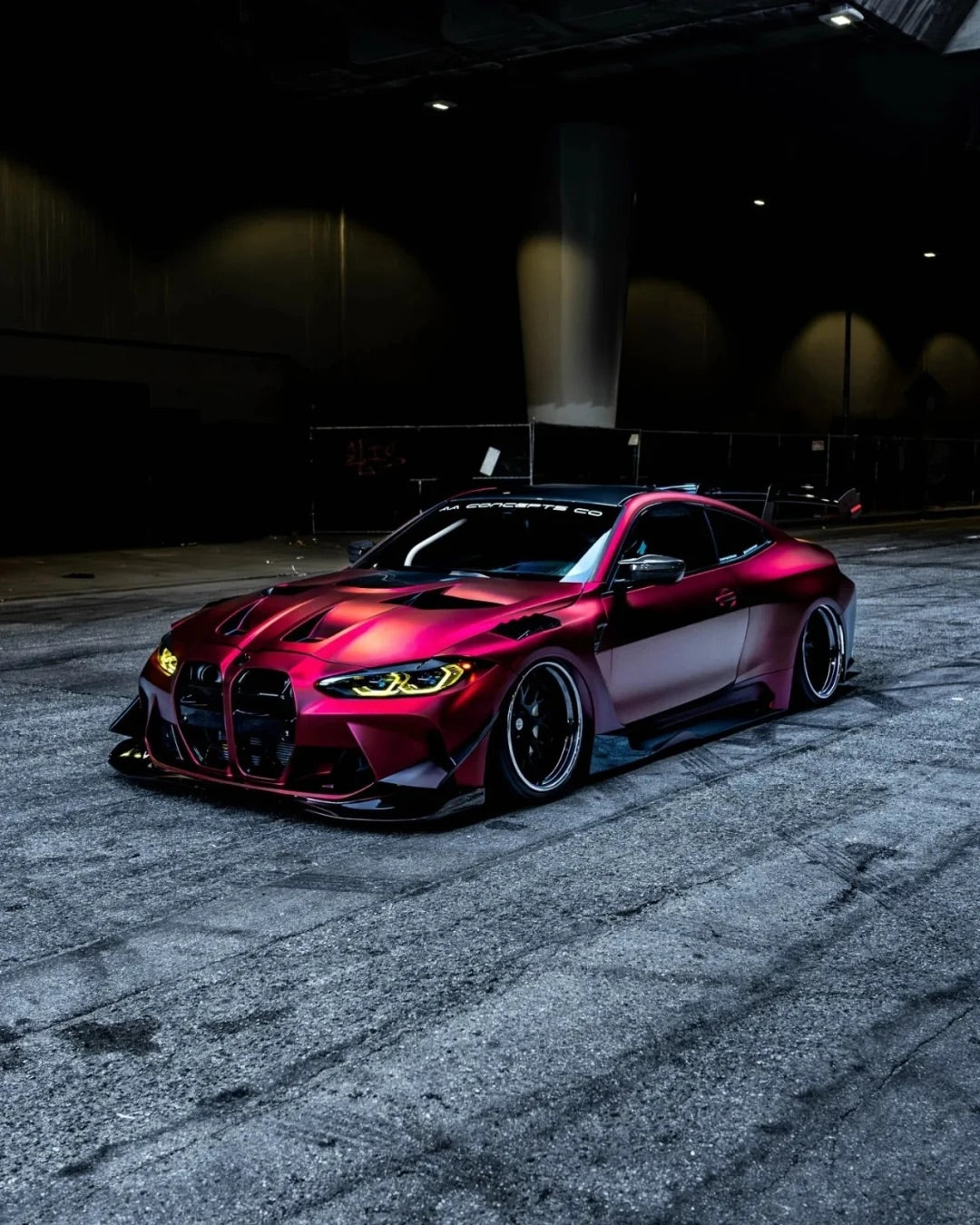
The variety of available finishes makes vinyl wrap particularly attractive for customization enthusiasts. Ultra matte wraps deliver sophisticated, non-reflective surfaces that create striking visual impact. Meanwhile, liquid chrome options produce mirror-like reflections that turn heads wherever you drive.
For those seeking truly unique aesthetics, rainbow laser vinyl and dual color dream wraps offer color-shifting effects that change appearance based on viewing angle and lighting conditions. These specialized finishes transform ordinary vehicles into rolling works of art.
The 3D carbon fiber wrap category deserves special mention for drivers who want aggressive, motorsport-inspired aesthetics. This textured finish mimics authentic carbon fiber weave patterns, delivering premium appearance without the weight or cost of actual carbon fiber body panels.
Key Differences in Protection Levels
When comparing protective capabilities, paint protection film significantly outperforms vinyl wrap. The substantial thickness difference translates directly into impact resistance. PPF can absorb and disperse the energy from small stones traveling at highway speeds, preventing chips that would otherwise damage your paint.
Vinyl wrap offers protection primarily against minor surface abrasions and ultraviolet radiation. While this shields your original paint from some environmental wear, it cannot prevent rock chips or significant scratches. Sharp objects easily penetrate vinyl's thinner construction, potentially damaging both the wrap and underlying paint simultaneously.
The self-healing properties found in premium PPF have no equivalent in standard vinyl wrap technology. When vinyl sustains damage, it requires professional repair or complete replacement of the affected section. This fundamental limitation means vinyl-wrapped vehicles show wear more quickly than those protected by quality PPF.
Cost Analysis and Budget Considerations
Professional installation costs vary dramatically between these two options. Full vehicle vinyl wrap typically ranges from $2,000 to $5,000 depending on complexity and material quality. Specialty finishes command premium pricing, with chrome and color-shift wraps potentially exceeding $8,000 for complete coverage.
Paint protection film installation generally costs $3,000 to $7,000 for comprehensive coverage, though prices can reach $10,000 or more for luxury vehicles requiring extensive labor. While PPF demands greater upfront investment, its superior longevity often results in better long-term value.
Partial coverage represents a cost-effective compromise for budget-conscious buyers. Focusing PPF on high-impact areas like the front bumper, hood, fenders, and side mirrors provides crucial protection where it matters most, typically costing $1,500 to $3,000. This strategic approach prevents the most common types of paint damage while keeping expenses manageable.
Maintenance and Long-Term Expenses
Ongoing maintenance requirements differ considerably between these protection methods. PPF typically needs only regular washing with pH-balanced automotive soap and periodic inspection. The self-healing properties mean minor imperfections resolve automatically, minimizing professional detailing needs.
Vinyl wrap demands more attentive care to maximize its relatively shorter lifespan. Hand washing becomes mandatory, as automated car wash brushes can catch edges and cause premature lifting. Direct sunlight exposure accelerates color fading and material degradation, making covered parking highly beneficial for vinyl-wrapped vehicles.
Replacement timelines also factor into total ownership costs. Vinyl wrap generally requires renewal every 3 to 5 years to maintain appearance, while quality PPF often remains effective for 7 to 10 years. Over a decade of ownership, vinyl may need replacement twice while PPF continues performing, potentially equalizing total expenses despite higher initial PPF costs.
Colored PPF: The Best of Both Worlds
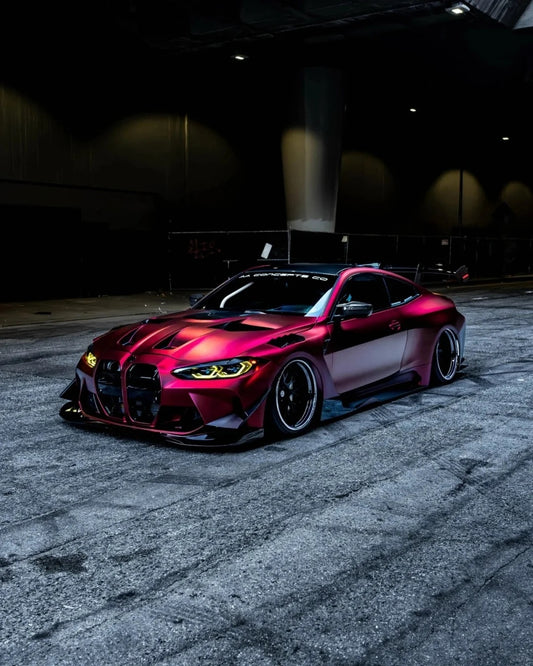
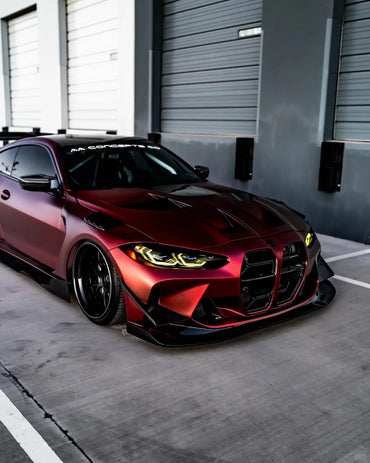
Recent innovations have introduced colored paint protection film, merging protective performance with aesthetic versatility. This technology applies the robust durability of TPU-based film to vibrant color options previously available only through vinyl wrap.
Colored PPF delivers the same thickness, self-healing capabilities, and longevity as clear protection film while offering complete color customization. This breakthrough eliminates the traditional compromise between protection and personalization, allowing vehicle owners to achieve distinctive appearance without sacrificing defensive performance.
The premium positioning of colored PPF reflects its dual functionality. Pricing typically exceeds standard clear PPF by 30 to 50 percent but remains competitive with high-end vinyl wrap options when factoring in extended lifespan and superior protection. For drivers seeking both aggressive styling and comprehensive paint preservation, colored PPF represents optimal value despite elevated upfront costs.
Installation Complexity and Professional Requirements
Both paint protection film and vinyl wrap demand professional installation for optimal results. However, PPF presents significantly greater technical challenges. The material's thickness and self-healing properties require precise cutting, careful stretching, and expert application to avoid trapped debris, bubbles, or visible seams.
Skilled PPF installers utilize computer-guided cutting systems that create vehicle-specific patterns ensuring perfect fit without excess trimming on the paint surface. This precision prevents accidental blade contact with your vehicle's finish during installation, a risk that can cause permanent damage if handled improperly.
Vinyl wrap installation, while still requiring expertise, offers somewhat more forgiving application. The thinner material conforms to complex curves more easily, and mistakes can be corrected by carefully lifting and repositioning sections. This relative flexibility explains why vinyl wrap costs less for professional installation despite covering identical surface areas.
DIY Installation Considerations
Many enthusiasts consider self-installation to reduce costs. While sample kits allow practice on small sections, attempting full vehicle coverage without experience often produces disappointing results. Improper technique creates bubbles, wrinkles, and misaligned seams that compromise both appearance and protective function.
Professional installers invest in specialized tools including professional wrapping tools, heat guns, squeegees, and cutting instruments designed specifically for film application. They also possess trained eyes for identifying paint imperfections that must be corrected before film application, preventing magnification of existing flaws.
For maximum return on investment, professional installation remains advisable for both PPF and vinyl wrap. The labor cost represents money well spent when it ensures proper adhesion, invisible seams, and protection against installation-related damage to your vehicle's paint.
Durability Comparison Under Real-World Conditions
Field performance reveals substantial differences in how these materials withstand daily driving challenges. Paint protection film maintains structural integrity and appearance even after years of highway use, with properly maintained installations showing minimal degradation at the 5-year mark. The robust TPU construction resists cracking, peeling, and edge lifting that plague lesser materials.
Vinyl wrap shows vulnerability to extreme temperatures. Intense heat can cause material shrinkage and adhesive failure, particularly around edges and curves. Conversely, extreme cold makes vinyl brittle and prone to cracking. These temperature sensitivities limit vinyl's effectiveness in regions experiencing harsh seasonal weather variations.
Impact resistance testing demonstrates PPF's clear advantage. Standardized stone chip simulations show quality PPF preventing paint damage from projectiles that would penetrate vinyl wrap entirely. This performance gap becomes critical for vehicles regularly exposed to gravel roads, construction zones, or highway travel where road debris presents constant hazards.
Environmental Resistance
Chemical resistance properties further distinguish these materials. PPF formulations include additives that resist staining from common automotive contaminants. Bird droppings, bug splatter, and tree sap can be safely removed from PPF without leaving permanent discoloration.
Vinyl wrap exhibits greater vulnerability to chemical staining. Acidic substances can discolor or damage vinyl if not removed promptly, requiring more vigilant maintenance. While some premium vinyl products incorporate stain-resistant coatings, they cannot match PPF's inherent chemical stability.
Ultraviolet radiation affects both materials but with different consequences. Quality PPF includes UV stabilizers that prevent yellowing and maintain optical clarity indefinitely. Vinyl wrap colors, particularly darker shades, may fade noticeably after 2 to 3 years of sun exposure, necessitating earlier replacement to maintain aesthetic appeal.
Strategic Coverage Patterns
Determining which areas to protect requires understanding common damage patterns. The front bumper, hood, and front fenders face maximum exposure to road debris, making these prime candidates for PPF regardless of budget constraints. This focused approach prevents the majority of rock chips and scratches at minimal cost.
Side mirrors often sustain damage from parking lot encounters and tight spaces. Protecting these vulnerable components with PPF prevents unsightly chips that detract from your vehicle's appearance. Many drivers also protect door edges, which frequently contact adjacent vehicles or obstacles when opening doors in confined areas.
For comprehensive aesthetic transformation, full-body vinyl wrap coverage makes sense. However, savvy owners sometimes combine approaches, applying clear PPF to high-impact zones while wrapping other areas with decorative vinyl. This hybrid strategy optimizes both protection and personalization within reasonable budgets.
Special Application Areas
Headlight and taillight protection deserves consideration. These expensive components are particularly vulnerable to stone damage and yellowing from UV exposure. Clear PPF designed specifically for lights maintains optical clarity while preventing costly lens replacements down the road.
Rocker panels, the body area below doors, accumulate substantial road salt and debris exposure. Protecting these sections prevents corrosion and paint damage from constant bombardment by materials thrown from tires. This often-overlooked area benefits tremendously from PPF coverage.
Hood and trunk edges see frequent contact when opening and closing. Applying PPF to these contact zones prevents the wear patterns that develop over years of use, maintaining a pristine appearance and supporting higher resale values when you eventually sell your vehicle.
Making Your Decision
Choosing between paint protection film and vinyl wrap ultimately depends on your primary objectives. If your goal centers on preserving your vehicle's original paint from damage while maintaining resale value, paint protection film delivers superior results. The self-healing properties, impact resistance, and longevity justify the premium pricing for protection-focused buyers.
Conversely, if you primarily want to customize your vehicle's appearance with dramatic color changes or specialty finishes, vinyl wrap provides more cost-effective access to virtually unlimited design possibilities. Understanding that vinyl offers limited protective capabilities helps set realistic expectations about its performance.
Many discerning owners select colored PPF when budget allows, enjoying complete customization without compromising protection. This premium solution eliminates the traditional choice between form and function, delivering both simultaneously.
Frequently Asked Questions
Can I apply vinyl wrap over paint protection film?
Yes, vinyl wrap can be applied over existing PPF, though this approach adds complexity and expense. The smooth PPF surface actually provides an excellent base for vinyl application. However, this layered approach increases total thickness, which may create challenges around tight edges and panel gaps. Most professionals recommend choosing one material or selecting colored PPF instead of layering.
How long does PPF installation take?
Full vehicle PPF installation typically requires 3 to 5 days, depending on coverage extent and vehicle complexity. Partial installations covering just high-impact areas can be completed in 1 to 2 days. The extended timeframe accommodates precise cutting, careful application, and curing time needed for optimal adhesion.
Will removing vinyl wrap damage my paint?
Professional removal of properly installed vinyl wrap should not damage original paint, provided the paint was in good condition before application. However, vinyl left on too long (beyond 5 years) can leave adhesive residue requiring professional cleaning. Paint already damaged or poorly repaired before wrapping may experience issues during removal.
Does PPF prevent all rock chips?
Quality PPF prevents most rock chips from reaching your paint. However, extremely large debris traveling at high velocity can overwhelm even premium PPF. The film absorbs and disperses impact energy, protecting against the vast majority of road hazards encountered during normal driving. Some severe impacts may penetrate the film, though damage remains far less severe than without protection.
Can I wash wrapped vehicles in automatic car washes?
Paint protection film tolerates automatic car washes without issues, though touchless systems are preferable to avoid any edge lifting. Vinyl wrap should never go through automated car washes, as the brushes can catch edges and cause premature failure. Hand washing remains mandatory for vinyl-wrapped vehicles to maximize longevity.
Which option provides better value long-term?
For pure protection, PPF delivers superior long-term value through extended lifespan and better defensive performance. For appearance customization, vinyl wrap offers better initial value but requires more frequent replacement. Colored PPF provides optimal long-term value when considering both protection and aesthetics together.
Conclusion: Protecting Your Investment
Your vehicle represents a significant investment deserving proper protection. Whether you choose the superior defensive capabilities of thermoplastic urethane PPF, the limitless design options of automotive vinyl wrap, or the combined benefits of colored protection film, selecting quality materials ensures lasting satisfaction.
Understanding the fundamental differences between paint protection film and vinyl wrap empowers you to make informed decisions aligned with your priorities and budget. For vehicles requiring maximum protection against the elements, PPF stands unmatched. For those seeking dramatic aesthetic transformation, vinyl wrap delivers creative freedom. Modern colored PPF bridges both worlds for drivers refusing to compromise.
Paint Protection Film Technology Overview
Vinyl Material Properties and Applications
Thermoplastic Polyurethane Chemistry

