

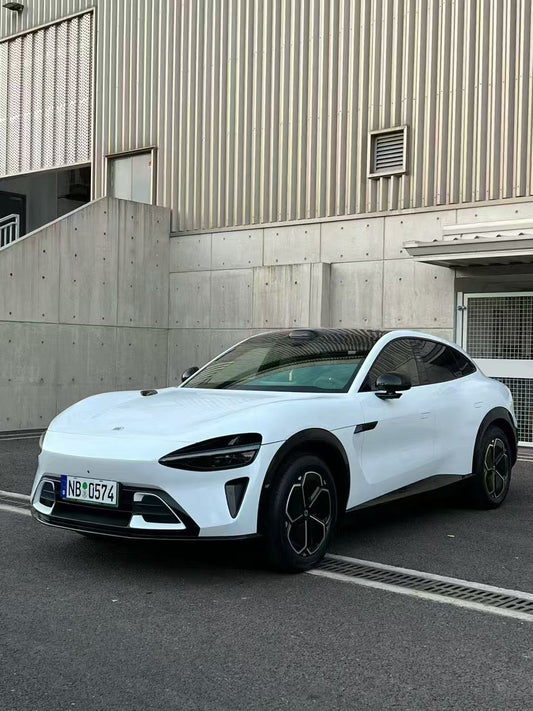
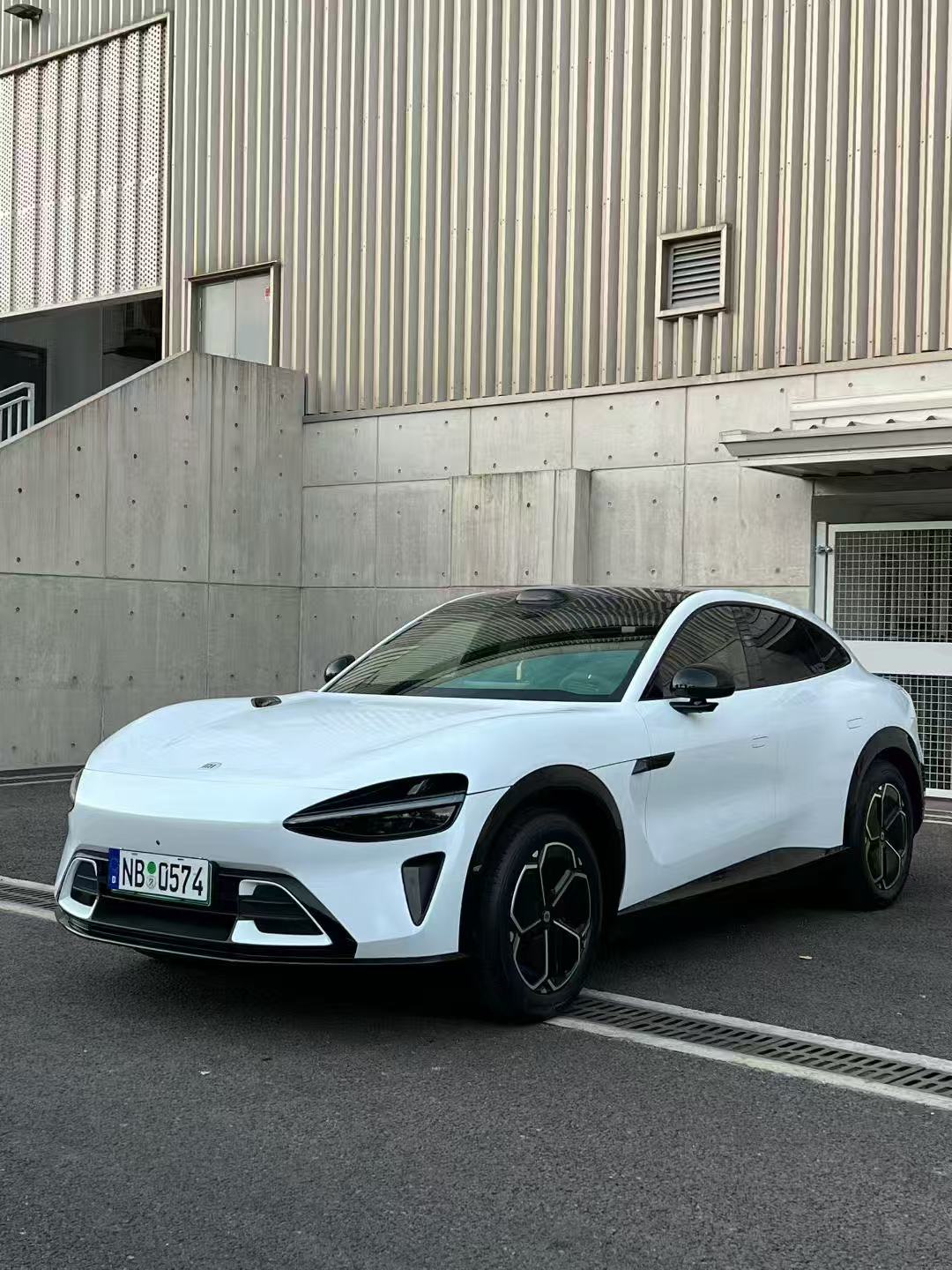


Why Car Wrap Maintenance Matters
Vehicle wraps represent a significant investment in both aesthetics and paint protection. Without consistent care, even the highest quality vinyl can fade, crack, or peel prematurely. Research indicates that improper maintenance accounts for nearly 25 percent of premature car wrap damage, making regular upkeep essential for maximizing your investment.
Professional-grade car vinyl wraps can last between 5 to 7 years when properly maintained. However, neglected wraps in harsh climates may deteriorate in as little as 2 to 3 years. The difference between these outcomes lies entirely in how you care for your wrapped vehicle.
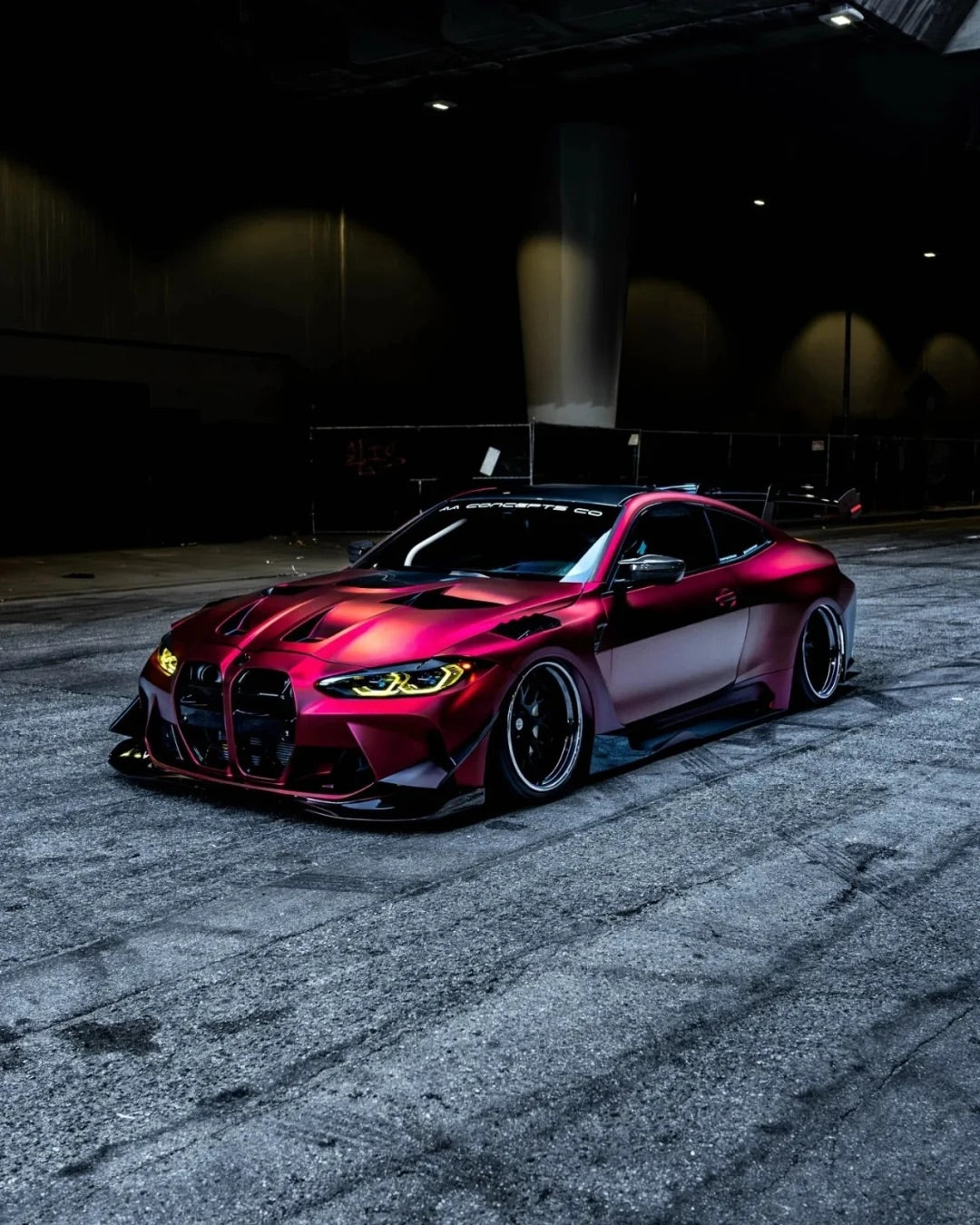
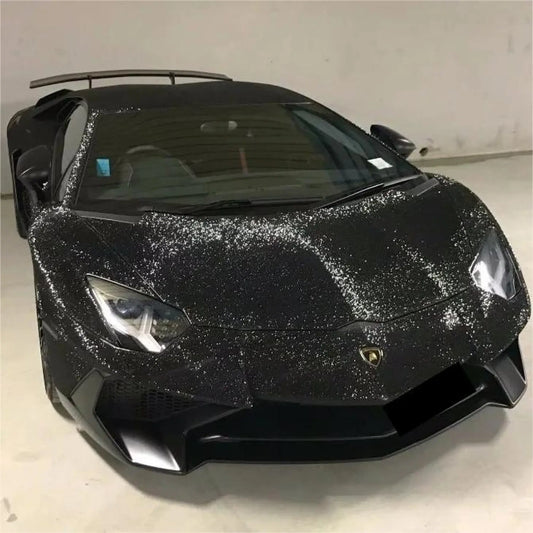
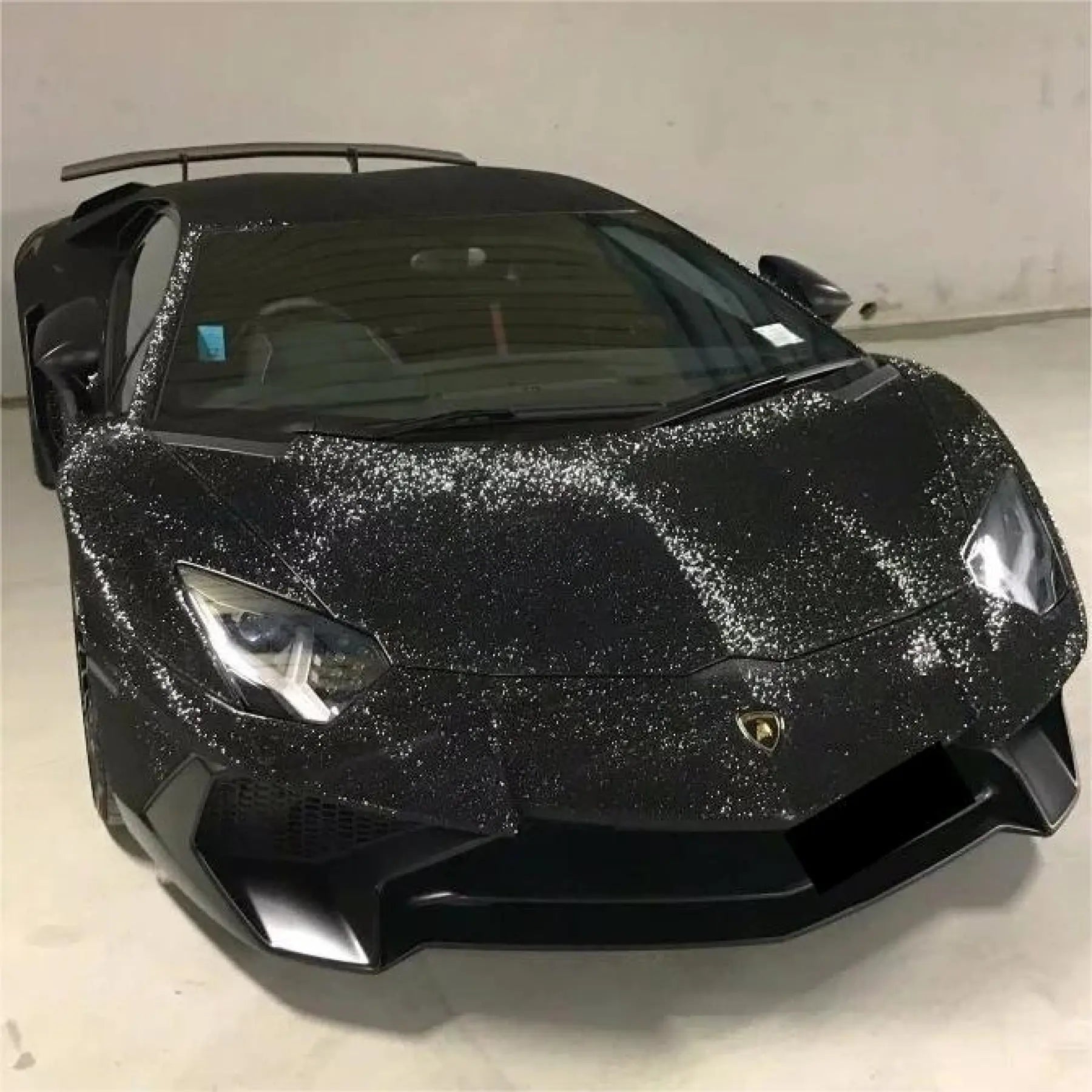
Beyond longevity, proper maintenance preserves the visual impact that made you choose a wrap in the first place. Whether you selected metallic finishes, glitter sparkle effects or liquid chrome surfaces, consistent care keeps these distinctive styles looking showroom-fresh.
Essential Washing Techniques for Vinyl Wraps
Hand washing remains the gold standard for vinyl wrap maintenance. This method gives you complete control over pressure, products, and technique, minimizing the risk of damage that automated systems can cause.
The Two-Bucket Method
Professional detailers universally recommend the two-bucket washing system for wrapped vehicles. This technique prevents dirt from being reapplied to your wrap during cleaning, which is crucial for avoiding scratches and swirl marks.
Fill one bucket with clean water and the second with a pH-balanced car wash solution. Start washing from the top of your vehicle and work downward, allowing gravity to carry dirt away from already-cleaned areas. After each section, rinse your wash mitt in the clean water bucket before reloading with soapy solution.
This simple separation prevents contaminated water from scratching your wrap's surface. Dirt particles act like sandpaper when dragged across vinyl, creating microscopic damage that accumulates over time into visible wear patterns.
Proper Water Temperature and Pressure
Water temperature significantly impacts cleaning effectiveness and wrap safety. Use lukewarm water between 60 and 80 degrees Fahrenheit. Extremely hot water can weaken adhesives and cause wrap shrinkage, while very cold water reduces cleaning efficiency.
If using a pressure washer, maintain water pressure below 2000 PSI and keep the nozzle at least 12 inches from the wrap surface. Use a 40-degree wide-angle spray pattern and never aim directly at wrap edges or seams where water could penetrate beneath the vinyl.
Direct your spray perpendicular to the surface rather than at angles that could lift edges. High-pressure water forced under vinyl corners creates bubbles and weakens adhesion, leading to premature peeling.
Drying Your Wrapped Vehicle
After rinsing thoroughly to remove all soap residue, proper drying prevents water spots that can permanently stain certain wrap finishes. Use clean microfiber towels or a silicone squeegee to remove standing water.
Pay special attention to seams, edges, and recessed areas where water accumulates. Trapped moisture in these hidden spots can slowly degrade adhesive bonds and promote corrosion on the underlying paint. Gently dab these areas dry rather than wiping vigorously.
Never allow your wrapped vehicle to air dry completely. Mineral deposits in water create spots that become increasingly difficult to remove as they bake in sunlight. This is particularly problematic in areas with hard water containing high calcium and magnesium concentrations.
Recommended Cleaning Products and Solutions
Using the wrong cleaning products represents one of the fastest ways to damage your vinyl wrap. Many household and automotive cleaners contain chemicals that degrade vinyl, strip protective coatings, or discolor wrap finishes.
Safe Cleaning Solutions
pH-balanced automotive wash soaps specifically formulated for vinyl wraps provide the safest cleaning option. These gentle formulations remove dirt and contaminants without attacking the vinyl material or its adhesive backing.
For spot cleaning between washes, a solution of isopropyl alcohol diluted with water in a 2:1 ratio effectively removes fingerprints, light stains, and fresh contaminants. Always test any new product in an inconspicuous area before applying it across your entire wrap.
Specialized vinyl wrap cleaners offer convenience and peace of mind for maintaining ultra matte wraps and other specialty finishes. These products are engineered specifically for vinyl care, ensuring compatibility with various wrap types and textures.
Products to Avoid Completely
Certain cleaning agents cause immediate and irreversible damage to vinyl wraps. Never use oven cleaners containing sodium hydroxide or monoethanolamine, as these caustic chemicals literally burn through vinyl material.
Kitchen and bathroom cleaners formulated for hard surfaces contain abrasives or harsh chemicals unsuitable for delicate vinyl. These products can scratch surfaces, strip protective layers, or cause discoloration that cannot be reversed.
Avoid citrus-based and orange cleaners despite their natural appeal. While effective degreasers for industrial applications, these products are far too aggressive for vinyl and can cause fading, dulling, or surface degradation.
Solvents including acetone, paint thinner, and high-concentration alcohol solutions dissolve adhesives and can cause wrap peeling. Oil-based cleaners leave residues that attract dirt and may damage both vinyl and underlying adhesives.
Protecting Your Wrap from UV Damage
Ultraviolet radiation from sunlight represents the single greatest environmental threat to vinyl wraps. UV rays break down vinyl's molecular structure, causing fading, brittleness, cracking, and eventual failure of the material.
Smart Parking Strategies
Whenever possible, park your wrapped vehicle in covered or shaded locations. Garages, carports, and covered parking structures provide complete UV protection, dramatically extending wrap lifespan. Even partial shade significantly reduces UV exposure compared to direct sunlight.
If covered parking is unavailable, seek shaded spots under buildings, trees, or other structures. However, be cautious when parking beneath trees, as falling sap, bird droppings, and debris can damage wraps. The protection from UV exposure must be weighed against these additional risks.
For vehicles stored outdoors long-term, invest in a breathable car cover designed for wrapped vehicles. Quality covers block UV radiation while allowing moisture to escape, preventing the condensation buildup that can damage both wraps and paint underneath.
UV-Protective Treatments
Several protective treatments add an extra layer of UV defense for your vinyl wrap. UV-protectant sprays formulated specifically for vinyl surfaces create a barrier against harmful radiation while enhancing the wrap's appearance.
Ceramic coatings designed for vinyl wraps offer superior protection against UV rays, environmental contaminants, and minor scratches. These advanced treatments create a hydrophobic surface that repels water and makes cleaning easier, while the UV protection helps maintain color vibrancy for years.
For maximum protection, consider applying TPU paint protection film over your vinyl wrap. While this adds expense, the combination provides both the aesthetic customization of vinyl with the superior protective qualities of PPF, including excellent UV resistance.
Climate Considerations
If you live in areas with intense sunlight and high temperatures, extra vigilance becomes essential. Desert climates, tropical regions, and high-altitude locations all expose vehicles to more intense UV radiation that accelerates wrap degradation.
Certain wrap colors and finishes prove more susceptible to UV damage. Darker colors absorb more heat, which can lead to faster fading on horizontal surfaces like hoods and roofs. Red hues particularly tend to fade faster than other colors when exposed to constant sunlight.
For vehicles in harsh UV environments, washing frequency should increase to at least weekly. Regular cleaning removes accumulated dirt and pollutants that trap heat against the wrap surface, intensifying UV damage effects.
Handling Contaminants and Stains
Certain substances cause disproportionate damage to vinyl wraps when left untreated. Quick response to contamination prevents permanent staining and material degradation.
Bird Droppings and Tree Sap
Bird excrement contains acids that begin etching vinyl within hours of contact. These biological contaminants do their most severe damage during the first 48 hours, making immediate removal crucial. Fortunately, wraps provide an extra protective layer over your underlying paint.
When you discover bird droppings on your wrap, soak the affected area with warm soapy water for several minutes to soften the material. Gently wipe away the loosened contaminant with a soft microfiber cloth, never scrubbing or applying excessive pressure.
Tree sap presents similar challenges due to its sticky, adhesive nature. For stubborn sap deposits, apply isopropyl alcohol or a specialized vinyl-safe adhesive remover to dissolve the sap without damaging the wrap. Allow the solution to penetrate for a minute before gently wiping away.
Fuel Spills and Road Tar
Gasoline and diesel fuel contain solvents that can discolor or degrade vinyl if left in contact for extended periods. Wipe fuel spills immediately using a damp microfiber cloth. Even a quick wipe at the gas station prevents most damage until you can perform proper cleaning at home.
Road tar requires more aggressive treatment but must still be approached carefully. Specialized tar removers designed for automotive use safely dissolve these stubborn contaminants. Always verify that any tar removal product is safe for vinyl before application.
After treating any chemical contamination, wash the entire affected area with soap and water to remove residual cleaning products. This final rinse ensures no harmful substances remain on your wrap surface.
Bug Splatter and Insects
Dead insects contain enzymes and acids that can stain wraps if baked on in sunlight. Remove bug splatter as soon as possible, ideally within 24 hours of occurrence. For fresh bugs, warm soapy water usually suffices to loosen and remove the debris.
Dried or baked-on insects require more patience. Soak the affected areas with warm water and gentle cleaner for several minutes, allowing the solution to penetrate and soften the residue. Never scrape or scrub aggressively, as this can scratch the wrap surface.
Carrying a quick-detailer spray and microfiber cloth in your vehicle enables spot cleaning during long trips when bug accumulation is heaviest. This proactive approach prevents the most difficult cleaning situations from developing.
Automatic Car Washes: What You Need to Know
The convenience of automatic car washes tempts many wrap owners, but these systems pose significant risks to vinyl integrity. Understanding which wash types are acceptable helps you make informed decisions when hand washing isn't feasible.
Why Brush Washes Are Dangerous
Traditional automatic car washes using rotating brushes can devastatingly damage vinyl wraps. These stiff bristles catch wrap edges, causing lifting and peeling. The brushes also create countless micro-scratches that accumulate into visible swirl marks and dullness.
Brushes accumulate grit and debris from previous vehicles, essentially turning into abrasive tools that scratch rather than clean. This contamination poses particular risk to specialty finishes like 3D carbon fiber wraps and crystal vinyl wraps with textured surfaces.
The mechanical action of rotating brushes applies uneven pressure that can stress adhesive bonds, particularly at panel edges, seams, and complex curves where wraps are most vulnerable to lifting.
Touchless Wash Systems
If you must use automated washing, touchless systems that rely solely on high-pressure water jets and chemical cleaners represent the safer option. These systems avoid physical contact that could damage or lift vinyl edges.
However, even touchless washes have limitations. The cleaning chemicals used may not be vinyl-safe, potentially causing discoloration or dulling over time. If possible, inquire about the specific cleaning solutions used before committing to regular touchless washing.
Always decline wax applications at automatic washes. Many automotive waxes contain petroleum distillates that degrade vinyl surfaces, causing yellowing or haze that cannot be reversed. Wrap-specific sealants applied by hand provide better protection without these risks.
Special Care for Different Wrap Finishes
Different wrap styles require tailored maintenance approaches. Understanding your specific wrap type ensures you use appropriate techniques and products.
Matte and Satin Finishes
Matte wraps demand extra attention to maintain their distinctive non-reflective appearance. Never apply traditional waxes or polishes to matte finishes, as these products create shiny spots that ruin the uniform flat look.
Matte surfaces show fingerprints, smudges, and watermarks more readily than gloss finishes. Regular cleaning becomes even more critical to maintain the sophisticated appearance that makes matte wraps so desirable.
Specialized matte finish cleaners and sealants preserve the texture without adding unwanted shine. These products are specifically formulated to clean while maintaining the light-absorbing properties that define matte aesthetics.
Chrome and Metallic Wraps
Liquid chrome wraps require exceptionally gentle handling to avoid scratching their reflective surfaces. Never scrub chrome vinyl, as this can leave permanent marks visible in the mirror-like finish.
Clean chrome wraps using straight, unidirectional wiping motions rather than circular patterns. This technique minimizes the visibility of any fine scratches that may occur despite careful handling. Always use ultra-soft microfiber towels free from any grit or contamination.
Metallic finishes tolerate slightly more aggressive cleaning than chrome but still benefit from gentle treatment. The metallic particles in these wraps can show scratches more readily than solid color films.
Color-Shifting and Specialty Films
Rainbow laser wraps and dual color dream finishes feature complex optical effects that can be diminished by scratching or contamination. These premium materials deserve extra care to preserve their eye-catching color transitions.
The iridescent layers in color-shifting wraps can show swirl marks more prominently than standard wraps. Use only the softest cleaning materials and gentlest techniques to avoid marring these sophisticated surfaces.
Keep these specialty wraps exceptionally clean, as dirt and grime can obscure the color-changing effects that make them so distinctive. More frequent washing ensures the optical properties remain fully visible.
Seasonal Maintenance Considerations
Different seasons present unique challenges for vinyl wrap maintenance. Adapting your care routine to seasonal conditions maximizes wrap longevity.
Summer Care Strategies
Intense summer heat and UV radiation pose the greatest seasonal threat to vinyl wraps. During hot months, increase washing frequency to weekly intervals, removing heat-absorbing dirt and pollutants promptly.
Park in shaded locations whenever possible during summer, as temperatures inside vehicles and on exterior surfaces can exceed 150 degrees Fahrenheit in direct sunlight. This extreme heat softens vinyl and can cause unwanted stretching or distortion.
Consider applying UV-protective treatments before summer begins. These preventive measures provide maximum benefit during the season when UV exposure peaks and causes most rapid degradation.
Winter Protection
Road salt used for ice removal represents winter's primary wrap hazard. Salt accelerates vinyl degradation and can cause brownish discoloration if allowed to accumulate. Wash your vehicle weekly during winter to remove salt deposits promptly.
Cold temperatures make vinyl more brittle and prone to cracking. Avoid aggressive cleaning techniques during freezing weather, as the material cannot flex as readily when cold. Allow vehicles to warm slightly before washing if possible.
Snow and ice should never be scraped from wrapped surfaces with hard tools. Use soft snow brushes designed for automotive finishes, and allow natural melting or gentle sweeping to remove winter precipitation.
Spring and Fall Maintenance
Transitional seasons bring their own challenges, particularly pollen in spring and falling leaves in autumn. Both create organic contamination that should be removed promptly to prevent staining.
Spring pollen contains oils and acids that can etch vinyl surfaces if left to bake in strengthening sunshine. More frequent washing during peak pollen season prevents accumulation that becomes progressively harder to remove.
Fall leaves that sit on vehicles trap moisture against the wrap, creating ideal conditions for mold growth and staining. Regular removal of leaf debris prevents these damp areas from causing permanent damage.
Long-Term Preservation Techniques
Beyond regular cleaning, several practices contribute to maximum wrap lifespan and appearance retention.
Regular Inspection
Examine your wrap monthly for signs of lifting edges, developing bubbles, or areas of discoloration. Early detection of problems enables simple repairs before minor issues escalate into major failures requiring panel replacement.
Check vulnerable areas including door edges, panel seams, complex curves, and anywhere the wrap terminates against body features. These locations experience highest stress and typically show first signs of adhesion failure.
If you notice any lifting or bubbling, consult a professional wrap installer promptly. Many issues can be corrected with simple re-heating and re-application when caught early, but become irreparable if ignored.
Professional Maintenance Services
Consider annual professional wrap inspection and maintenance. Experienced installers can identify developing problems invisible to untrained eyes and perform preventive treatments that extend wrap life.
Professional detailers familiar with vinyl wraps can apply protective coatings, remove stubborn contaminants safely, and restore luster to aging wraps. These services represent worthwhile investments compared to premature complete wrap replacement.
Some wrap manufacturers require professional maintenance for warranty validity. Check your warranty terms and ensure compliance with any specified care requirements to maintain coverage.
Using Quality Tools and Materials
Invest in proper wrapping tools and maintenance supplies rather than improvising with household items. Professional-grade microfiber towels, wash mitts, and detailing tools minimize the risk of accidental damage during maintenance.
Dedicate specific tools to wrap care to prevent cross-contamination with products or materials unsuitable for vinyl. Keep separate wash mitts for wheels and body panels, as brake dust and road grime from wheels can scratch wrap surfaces.
Replace worn microfiber towels regularly, as degraded fabric loses its softness and can cause scratching. Professional detailers typically retire microfiber towels after 50 to 100 uses, long before household users might consider them worn out.
Understanding Paint Protection Film Benefits
For ultimate protection, many wrap enthusiasts layer colored paint protection film or clear PPF over their vinyl wraps. This combination provides both aesthetic customization and superior defensive capabilities.
Paint protection film offers self-healing properties that vinyl wraps cannot match. Minor scratches in the PPF layer disappear when exposed to heat, maintaining a flawless appearance without manual intervention.
The increased thickness of layered protection delivers better defense against rock chips, road debris, and environmental contaminants. High-impact areas particularly benefit from this enhanced shielding.
While adding PPF over vinyl increases initial costs, the extended protection often justifies the investment for valuable vehicles or harsh-use applications. This strategy also simplifies future changes, as removing PPF is easier than removing bonded vinyl.
Common Maintenance Mistakes to Avoid
Understanding what not to do proves as important as knowing correct maintenance procedures. These common errors cause premature wrap failure.
Neglecting Regular Cleaning
The single most destructive maintenance mistake is simply not washing your wrap regularly. Accumulated dirt, pollutants, and contaminants gradually degrade vinyl even when individual particles seem harmless.
Road grime contains salts, oils, and chemicals that slowly attack vinyl's molecular structure. The longer these substances remain in contact with your wrap, the more damage they inflict. Waiting until your vehicle looks visibly dirty means damage has already begun.
Weekly washing in normal conditions and twice-weekly cleaning in harsh environments prevents this gradual degradation. Regular maintenance takes less time and effort than restoring a neglected wrap.
Using Incorrect Products
Well-meaning owners often damage wraps by using products designed for traditional paint. What works perfectly on painted surfaces can devastate vinyl through chemical incompatibility.
Always verify that any product is explicitly safe for vinyl wraps before application. When in doubt, test in an inconspicuous area or contact the wrap manufacturer for product recommendations.
Even products marketed as safe for wraps warrant careful consideration. Read labels thoroughly and avoid anything containing solvents, petroleum distillates, or abrasive components.
Ignoring Minor Damage
Small lifted edges or tiny bubbles seem insignificant but represent the beginning of wrap failure. These minor issues allow dirt, water, and contaminants to penetrate beneath the vinyl, progressively worsening adhesion problems.
Address any damage immediately upon discovery. Professional wrap installers can often repair minor lifting or bubbling in minutes, but waiting transforms simple fixes into complex panel replacements.
Aggressive Handling
Enthusiasm during cleaning sometimes leads to excessive scrubbing pressure or rough technique. Vinyl wraps are more delicate than paint and can be damaged by abrasion that wouldn't affect painted surfaces.
Gentle, patient cleaning achieves better results than aggressive scrubbing. Allow cleaning solutions time to work rather than relying on mechanical action. Proper technique takes marginally more time but preserves your wrap for years.
Maximizing Your Wrap Investment
Premium vinyl wraps from Sailifilm represent significant investments in your vehicle's appearance. Proper maintenance ensures you realize full value from this investment through maximum lifespan and sustained visual impact.
Our best-selling wraps have been proven durable across thousands of installations, but longevity still depends on owner care. The maintenance principles outlined in this guide apply universally to all wrap types and styles.
Before committing to a full vehicle wrap, consider exploring our sample kits to understand material properties and test maintenance procedures on smaller sections. This hands-on experience builds confidence in caring for larger installations.
Frequently Asked Questions
How often should I wash my wrapped vehicle?
Wash your wrap weekly under normal driving conditions. Increase frequency to twice weekly if regularly exposed to road salt, industrial pollutants, or harsh weather. The investment of 30 minutes weekly prevents hours of corrective work later.
Can I wax my vinyl wrap?
Traditional automotive waxes are unsuitable for vinyl wraps and can cause damage. Use wrap-specific sealants or ceramic coatings designed explicitly for vinyl surfaces. These products provide protection without the risks associated with conventional waxes.
What should I do if my wrap starts peeling?
Contact a professional wrap installer immediately when you notice peeling. Early intervention often allows simple repair through re-heating and re-application. Delayed action typically necessitates complete panel replacement at much higher cost.
Are pressure washers safe for vinyl wraps?
Pressure washers can be used safely if you maintain proper distance and pressure settings. Keep water pressure below 2000 PSI, use a 40-degree spray nozzle, and maintain at least 12 inches distance from the wrap surface. Never aim high-pressure water directly at edges or seams.
How do I remove stubborn stains without damaging the wrap?
For persistent stains, use isopropyl alcohol diluted with water or specialized vinyl-safe cleaners. Soak the stained area for several minutes to loosen contaminants before gentle wiping. Never use abrasive scrubbing or harsh chemical solvents.
Does ceramic coating help protect vinyl wraps?
Yes, ceramic coatings designed for vinyl wraps provide excellent UV protection, hydrophobic properties, and make regular cleaning easier. These coatings represent worthwhile investments for long-term wrap preservation, particularly in harsh climates.
Conclusion: Consistency Yields Results
Maintaining a vinyl wrap requires consistent attention rather than intensive occasional efforts. The routines outlined in this guide become second nature with practice, taking minimal time while delivering maximum protection.
Vinyl Material Science and Properties

