



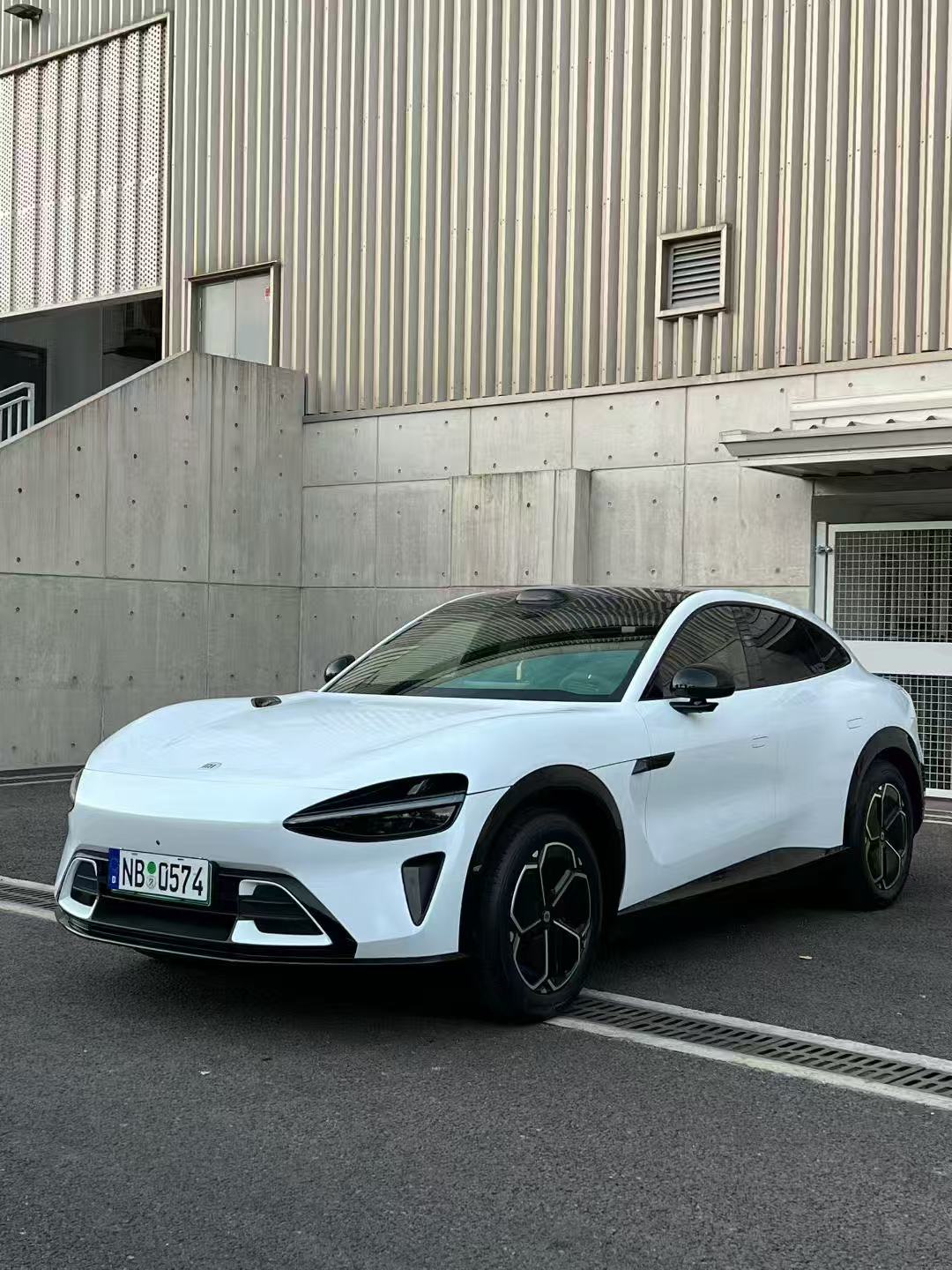


Your car takes a beating every single morning. Highway gravel, parking lot dings, sand kicked up by the truck two lanes over, summer bug splatter, winter road salt, and that one rogue shopping cart that always finds your fender. For daily drivers, paint protection film (PPF) is no longer a luxury reserved for garage queens. It has become a practical defense layer for anyone who clocks real miles. But here's the question that stops most buyers cold at checkout: what thickness should you actually pick?
Thickness is measured in mils, where 1 mil equals one-thousandth of an inch (about 25.4 microns). At Sailifilm, our TPU Paint Protection Wrap collection focuses on two precision-engineered options that cover almost every realistic daily-driver scenario: 7.5 mil and 8.5 mil. Both are built from premium thermoplastic polyurethane with self-healing topcoats, hydrophobic surfaces, and crystal-clear optical properties. The differences matter, though, and picking correctly saves you money and aggravation down the road.
What PPF Thickness Actually Does for Your Paint
A common misconception is that thicker film equals better protection, full stop. The reality is more layered. PPF thickness influences four real-world outcomes:
- Impact absorption against rock chips, gravel pings, and road debris
- Scratch resistance from automated car washes, brushes, and accidental brushes against bushes or bike pedals
- Conformability during installation around mirrors, door handles, bumper curves, and tight body lines
- Long-term durability as the film ages through thermal cycling, UV exposure, and chemical contact
Thinner films stretch more easily and disappear visually on curved panels, which is why they dominate full-body wraps. Thicker films absorb more energy on impact but demand higher installer skill to lay down cleanly on complex geometry. The right answer depends entirely on how, where, and how often you drive. To dig deeper into the underlying material science behind paint protection film, the Wikipedia entry on paint protection film covers the polymer history and military origins of the technology.
7.5 Mil PPF: The Smart Daily Driver Default
For the vast majority of commuters, urban drivers, and suburban sedan owners, 7.5 mil is the sweet spot. Sailifilm offers this thickness in two finishes: the 7.5mil Clear PPF Gloss Invisible Paint Protection Film and the matte variant for owners who prefer a satin OEM-style look.
Why 7.5 mil works for daily drivers:
- Excellent flexibility makes installation faster and cleaner, especially around mirror caps and bumper corners
- Optical clarity preserves your factory paint color without any cloudy haze
- Self-healing topcoat erases swirl marks and light scratches when warmed by sun or hot water
- Strong defense against parking lot scuffs, sand abrasion, light gravel, and bug splatter
- More budget-friendly per square foot than thicker premium films
If your typical week looks like school drop-offs, grocery runs, office commutes on paved roads, and the occasional weekend road trip, 7.5 mil delivers the protection you actually need without paying for armor you will never use. The thinner profile also makes it nearly invisible on light-colored paint, where edge lines on thicker films can sometimes catch reflections.
8.5 Mil PPF: When You Need a Step Up
The 8.5mil Clear PPF Gloss Invisible Paint Protection Film and its matte sibling are built for drivers whose daily reality is harder on paint. Long highway commutes, gravel driveways, mountain switchbacks behind dump trucks, performance vehicles, and luxury cars where resale value justifies maximum defense all benefit from the extra thickness.
The 8.5 mil advantages:
- Roughly 13 percent more material between the road and your clear coat
- Higher resistance to deep rock chips at highway speeds
- Better absorption of impacts from larger debris like coins, hardware, or loose gravel
- Same self-healing chemistry as the 7.5 mil version, just with more bulk underneath
- Preferred choice for hoods, front bumpers, and fenders where impact frequency is highest
Many vehicle owners run a hybrid setup: 8.5 mil on the front clip and high-impact zones, and 7.5 mil on doors, rockers, and rear panels. This balances cost against real-world risk distribution. Speaking of strategy, our deeper breakdown on this exact question is available in our PPF thickness decision guide — worth a read before you commit to a full installation plan.
Gloss vs Matte: A Finish Decision, Not Just a Protection One
Both Sailifilm thickness options come in gloss and matte finishes. The protective performance is identical between the two. The difference is purely visual and tactile.
- Gloss PPF preserves the wet, deep shine of your factory paint and is the default for most owners
- Matte PPF transforms gloss paint into a satin OEM-style finish that hides minor surface imperfections and gives the car a modern, understated look
A matte finish has become especially popular on darker vehicles where it kills harsh reflections and emphasizes body lines. Just remember: you cannot undo the matte conversion without removing the film, so commit to the look before you buy. For inspiration on color and finish pairings, browse our Ultra Matte Series and see how matte aesthetics translate across paint colors.
Colored PPF: Protection Meets Personality
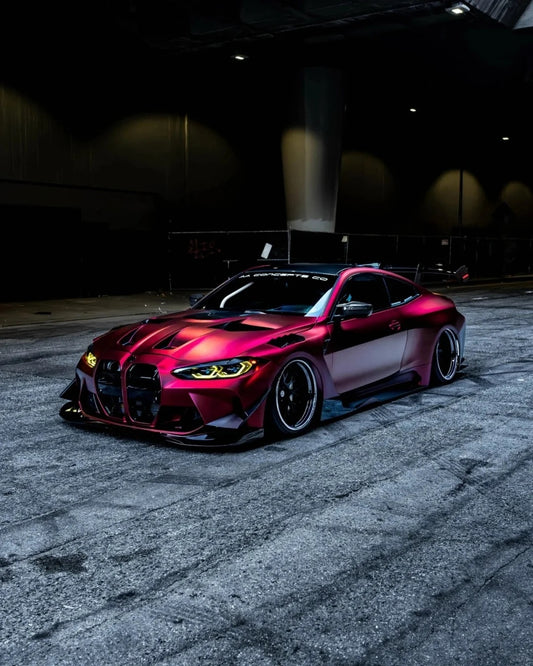
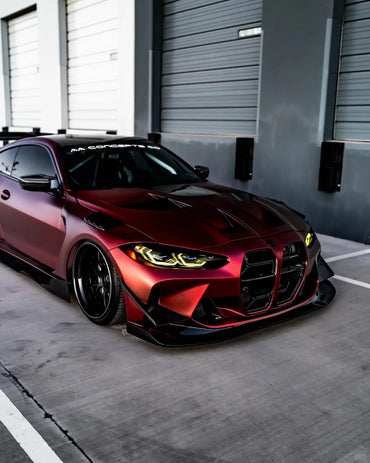
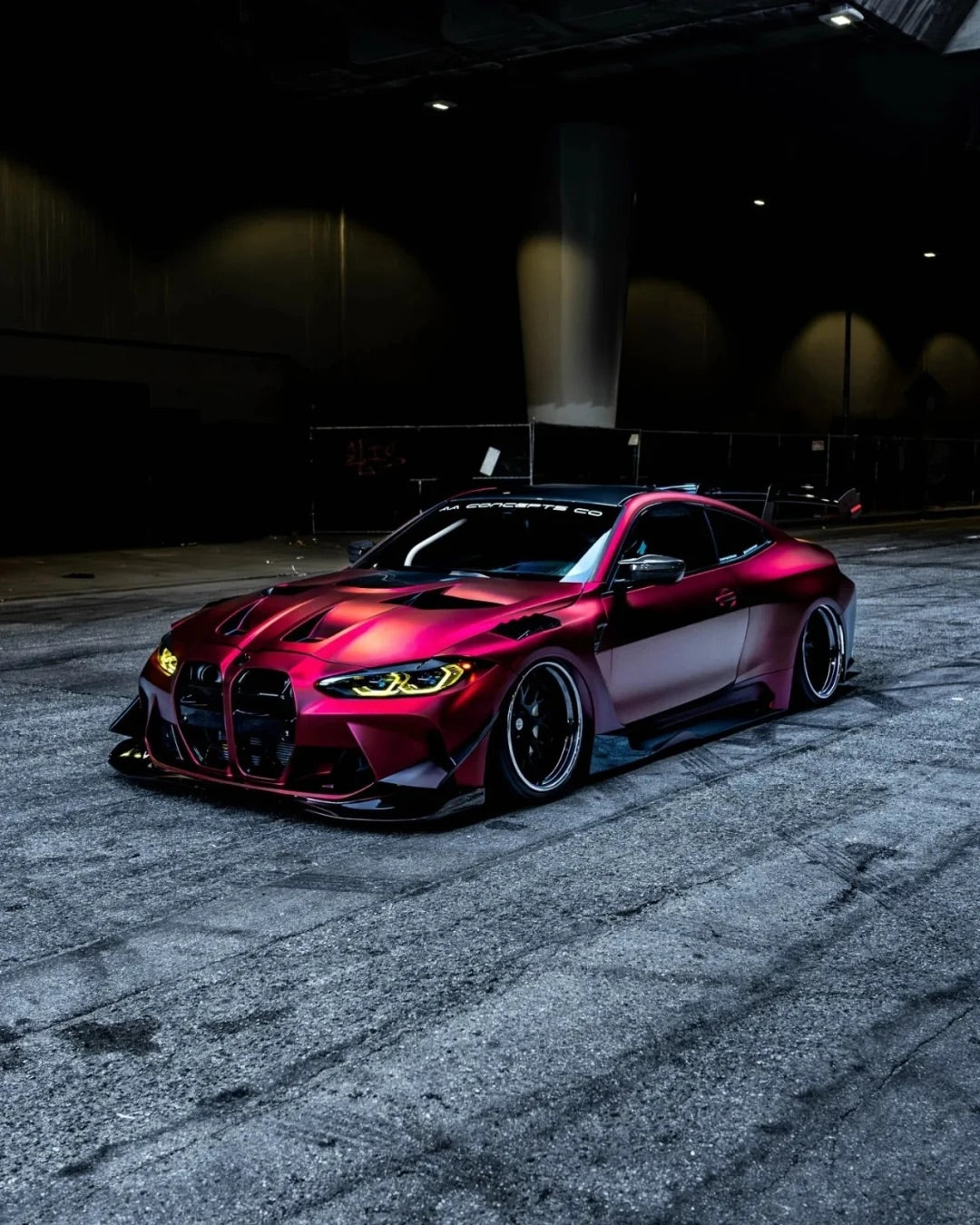
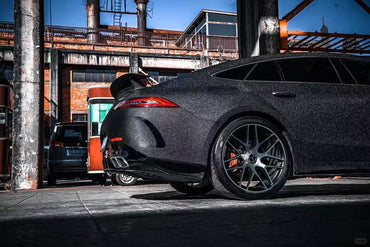
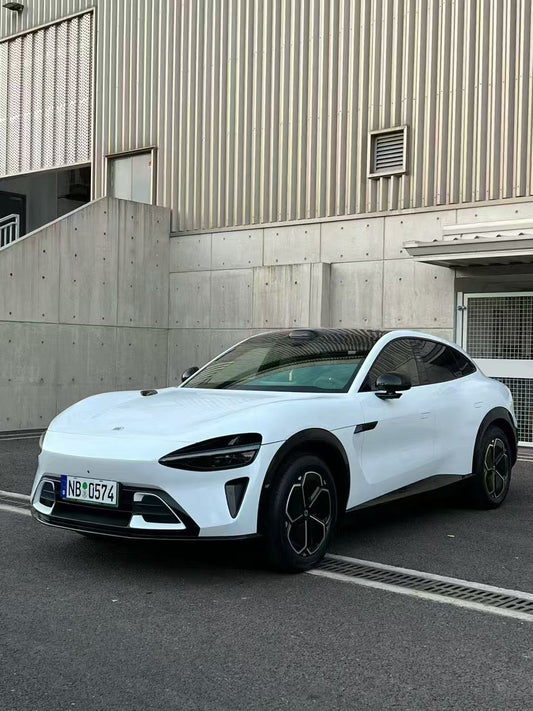
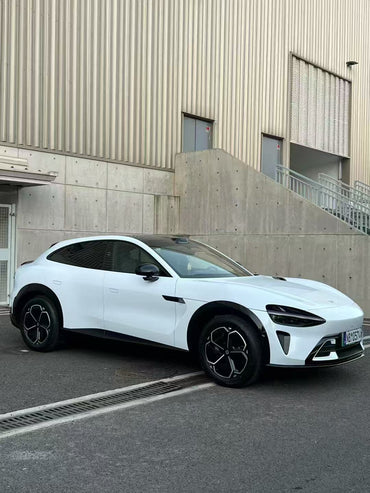
Here is where things get interesting. Traditional clear PPF protects but does not change appearance. Sailifilm's Colored Paint Protection Film collection rewrites that rule entirely. These are TPU-based protective films infused with vibrant pigment, available in 19 colors including Crystal Sky Blue, Ferrari Red, Blood Red, Arctic Grey, Crystal Orange, Crystal White, and Piano Black.
Colored PPF gives you:
- The same self-healing technology as our clear films
- Rock chip and scratch protection equal to traditional PPF
- A complete color transformation without spraying your car
- Removable customization that protects resale value because factory paint stays untouched
- Long-lasting fade-resistant pigments engineered for UV stability
This category sits at the intersection of protection and styling, and it is one of the fastest-growing segments in automotive customization for 2026. If you have been torn between getting a car vinyl wrap for color change and clear PPF for protection, colored PPF eliminates the trade-off.
A Quick Note on Vinyl Wraps vs PPF
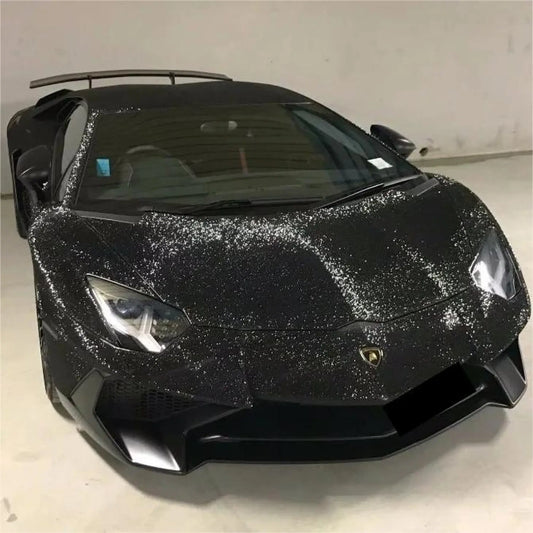
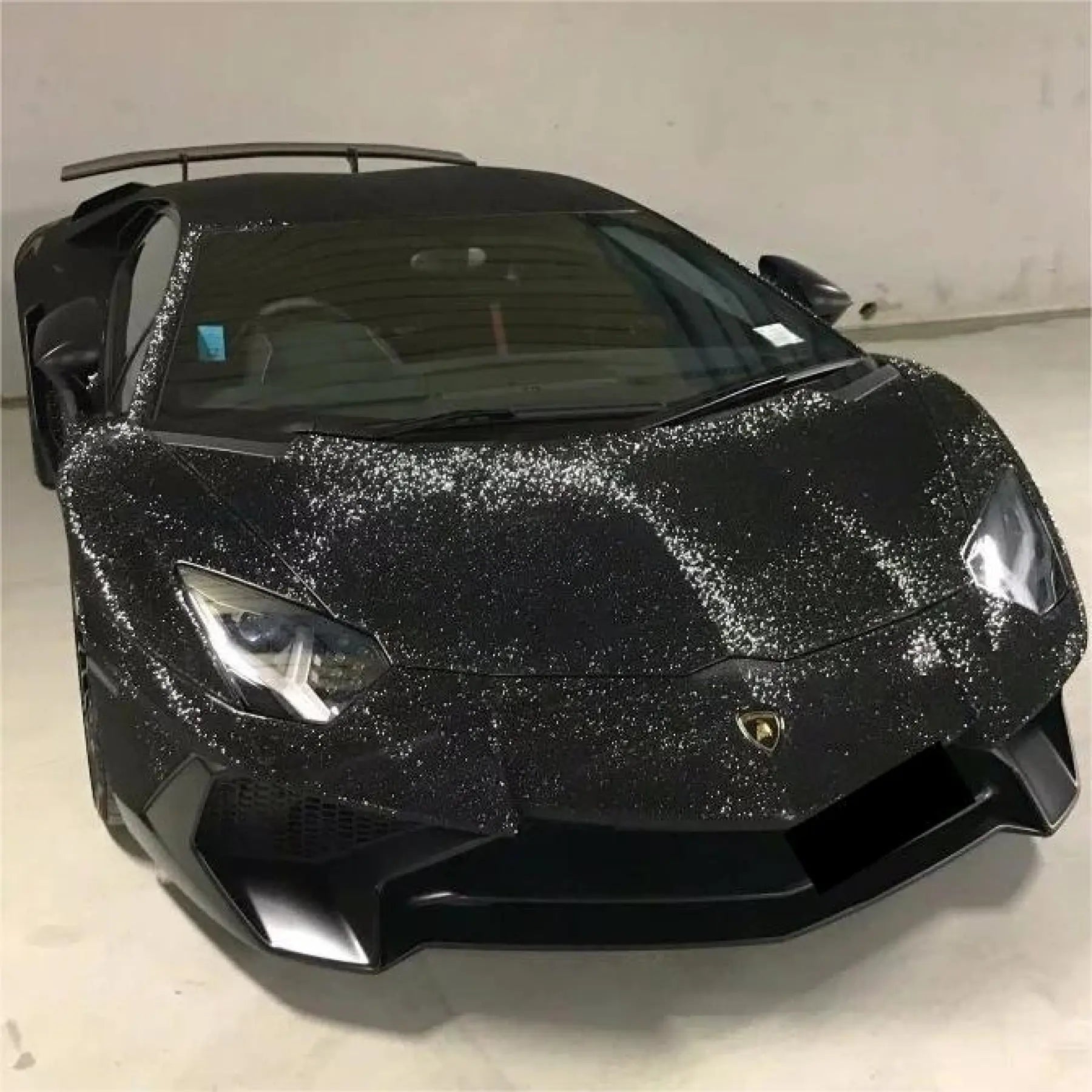
Daily drivers who care about appearance often ask whether they should go with vinyl or PPF. The short version: they solve different problems. Vinyl wraps like our Metallic Series, Crystal Series, Rainbow Laser Series, Liquid Series, Dual Color Dream Series, 3D Carbon Fiber Wrap, and Glitter Sparkle Car Wrap are about dramatic visual transformation, color change, special effects, and texture. They protect against minor scuffs but are not engineered for serious rock chip defense.
PPF, by contrast, is impact armor first and aesthetics second. Many daily-driver enthusiasts run PPF on the front clip for protection and vinyl on the rest of the car for styling. Both films coexist beautifully if installed in the right zones.
Matching Thickness to Your Driving Reality
Here is a practical framework for picking your mil rating:
Choose 7.5 mil if:
- You drive mostly on paved urban or suburban roads
- Your commute is under 40 miles per day
- You park in a garage or covered lot most nights
- Budget matters and you want full coverage without premium pricing
- You have a smaller vehicle with tight curves where flexibility helps installation
Choose 8.5 mil if:
- You log significant highway miles each week
- Your routes include construction zones, gravel sections, or rural roads
- You own a luxury, performance, or high-resale-value vehicle
- You park outdoors and face more environmental exposure
- You want maximum defense on hoods, bumpers, and fender edges
Mix both if:
- You want professional-grade protection where it counts most and reasonable coverage everywhere else
- You are budgeting carefully but refuse to compromise on high-impact zones
Installation Matters Just as Much as Thickness
A perfectly chosen 8.5 mil film installed poorly will fail faster than a well-installed 7.5 mil film. Edges that lift, bubbles that trap moisture, and stretching that thins the material in critical spots all undermine protection regardless of mil rating. For DIY installers, we publish a thorough DIY Car Wrap Installation Guide and a Car Film Maintenance Guide covering surface prep, squeegee technique, edge wrapping, and post-install care.
If you are new to film application, start with a sample kit and proper wrapping tools before committing to a full vehicle. Practice on a small panel like a mirror cap or door handle to build feel for how the material stretches and seats.
Caring for Your PPF After Installation
Self-healing chemistry handles the small stuff automatically, but your PPF still benefits from basic care. Hand-wash with pH-neutral soap, avoid abrasive brushes, skip high-pressure spray directly at film edges, and let the heat from sunlight activate scratch recovery on warm afternoons. Quality TPU film like ours typically delivers 5 to 10 years of reliable service when maintained properly.
For maximum slickness and easier cleaning, many owners pair PPF with a ceramic coating layered on top. This combo is widely considered the gold standard for daily-driver protection in 2026, and the hydrophobic topcoat already built into Sailifilm TPU films makes them an excellent base for coatings.
The Bottom Line for Daily Drivers
If you take only one decision rule from this article, make it this: 7.5 mil for typical daily commuters, 8.5 mil for highway-heavy or high-value vehicles, and consider mixing thicknesses across body zones if budget allows. Both Sailifilm thickness options deliver the self-healing, hydrophobic, rock-chip-resistant protection that defines modern TPU paint protection film.
Want to see the full lineup or order samples? Explore our Best Sellers for the most popular daily-driver picks, browse the full TPU Paint Protection Wrap collection for clear options, or step into the world of Colored Paint Protection Film if you want protection with visual impact.
Your paint deserves a defense layer engineered for the road you actually drive. Pick your mil, pick your finish, and keep your car looking factory-fresh for years to come.

