



Stand in any auto parts aisle for ten minutes and you will hear the same debate on loop. One driver swears by old-school carnauba paste and a weekend ritual with a foam applicator. Another says ceramic coating is the only modern answer and waxing is dead. A third person nearby is eyeing the colored film aisle, wondering whether the whole conversation is missing the point.
Car Wax: The Classic Sacrificial Layer
Car wax has existed in some form for nearly a century. Modern formulas split into two camps: natural carnauba derived from Brazilian palm leaves, and synthetic polymer sealants engineered in labs. Both sit on top of your clear coat as a sacrificial barrier — they take the hit so your paint does not.
What wax does well:
- Adds visual warmth and depth, especially on dark colors
- Fills microscopic surface imperfections for a smoother look
- Provides light hydrophobic behavior so water beads instead of sheeting
- Cheap to buy and easy to apply with no special tools
- Forgiving — if you mess up, you just wipe and start again
Where wax falls short:
- Lifespan of roughly 4 to 12 weeks before meaningful protection breaks down
- UV rays, automated car washes, detergents, and rain steadily strip it away
- Zero impact resistance against rock chips, gravel, or door dings
- Requires ongoing labor every few weeks to maintain the layer
- Modest gloss boost compared to harder coatings
Wax is the right answer for hobbyists who enjoy the ritual of detailing and for owners who change cars frequently enough that long-term protection is not a priority.
Ceramic Coating: The Liquid Glass Upgrade
Ceramic coating shifted the detailing industry hard. Built around silicon dioxide chemistry, a true nano-ceramic coating chemically bonds to your clear coat and forms a glass-like layer that becomes part of the paint surface rather than sitting on top.
Where ceramic coating wins:
- Durability measured in years rather than weeks (typically 2 to 5 for consumer-grade, longer for professional-tier)
- Strong UV stability that reduces fading and oxidation
- Excellent hydrophobics — water sheets off, road grime struggles to stick
- Resistance to mild chemical contaminants like bug acids and bird droppings
- Adds noticeable depth and slickness to the finish
Where ceramic coating disappoints buyers:
- Professional installation can run from several hundred to a few thousand dollars
- It is a chemical barrier, not a physical one — it does nothing against rock chips, gravel, or scratches from contact
- Requires meticulous surface preparation and paint correction before application
- Some consumer-grade spray products marketed as ceramic are closer to enhanced sealants than true nano-ceramic coatings
- Cannot change the color or finish of your car
Ceramic coating is excellent at what it does, but it is critical to understand the limitation: it is too thin to absorb impact. A piece of highway gravel does not care about silicon dioxide. For deeper context on how silica-based protective layers behave at the molecular level, the Wikipedia entry on silicon dioxide is a useful primer.
Honest Cost Comparison Over Five Years
Numbers cut through marketing better than adjectives. Here is what a typical owner spends on each path over a five-year window:
- Carnauba wax (DIY): Roughly $20 to $50 per year in product, plus dozens of hours of labor across 25-plus applications
- Carnauba wax (professional): Several hundred dollars per year if you outsource every application
- Ceramic coating (consumer spray): $30 to $100 per year, reapplied two to four times annually
- Ceramic coating (professional, multi-year): Typically $500 to $2,000 once, then minimal upkeep
- Vinyl wrap on the full vehicle: A one-time investment that lasts 5 to 7 years and changes the entire look
- Paint protection film (PPF) on key panels: A one-time investment that delivers 5 to 10 years of physical impact defense
Notice what the cost math reveals: people who think they save money by waxing often pay more in product and time than a single high-quality ceramic application. And both pale compared to film when impact protection is what you actually need.
The Question Both Camps Avoid: What About Rock Chips?
This is where the ceramic-versus-wax debate gets exposed as incomplete. Neither product stops physical damage. Neither absorbs the energy of a stone kicked up at highway speed. Neither prevents the door swing from the SUV in the next parking spot. Both wax and ceramic exist on a scale measured in microns. Real impact protection lives on a scale measured in mils.
That is where film comes in.
Vinyl Wrap: Protection Plus Total Visual Transformation
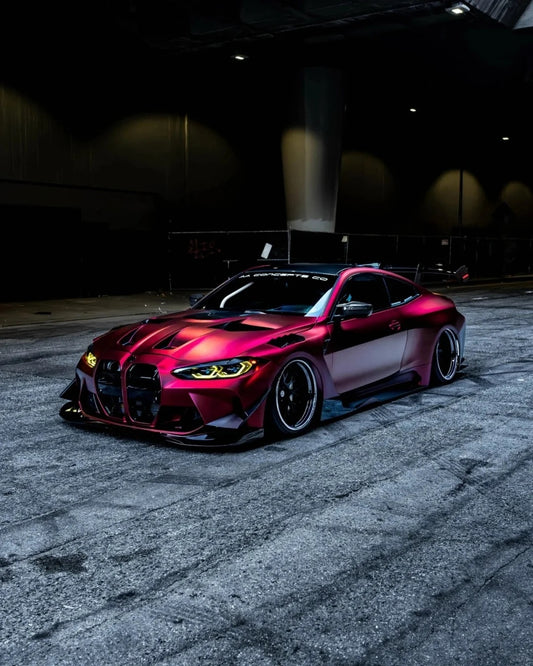
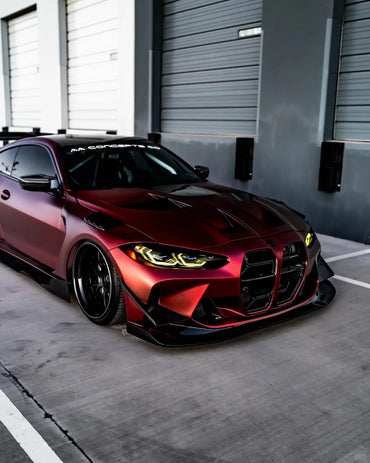
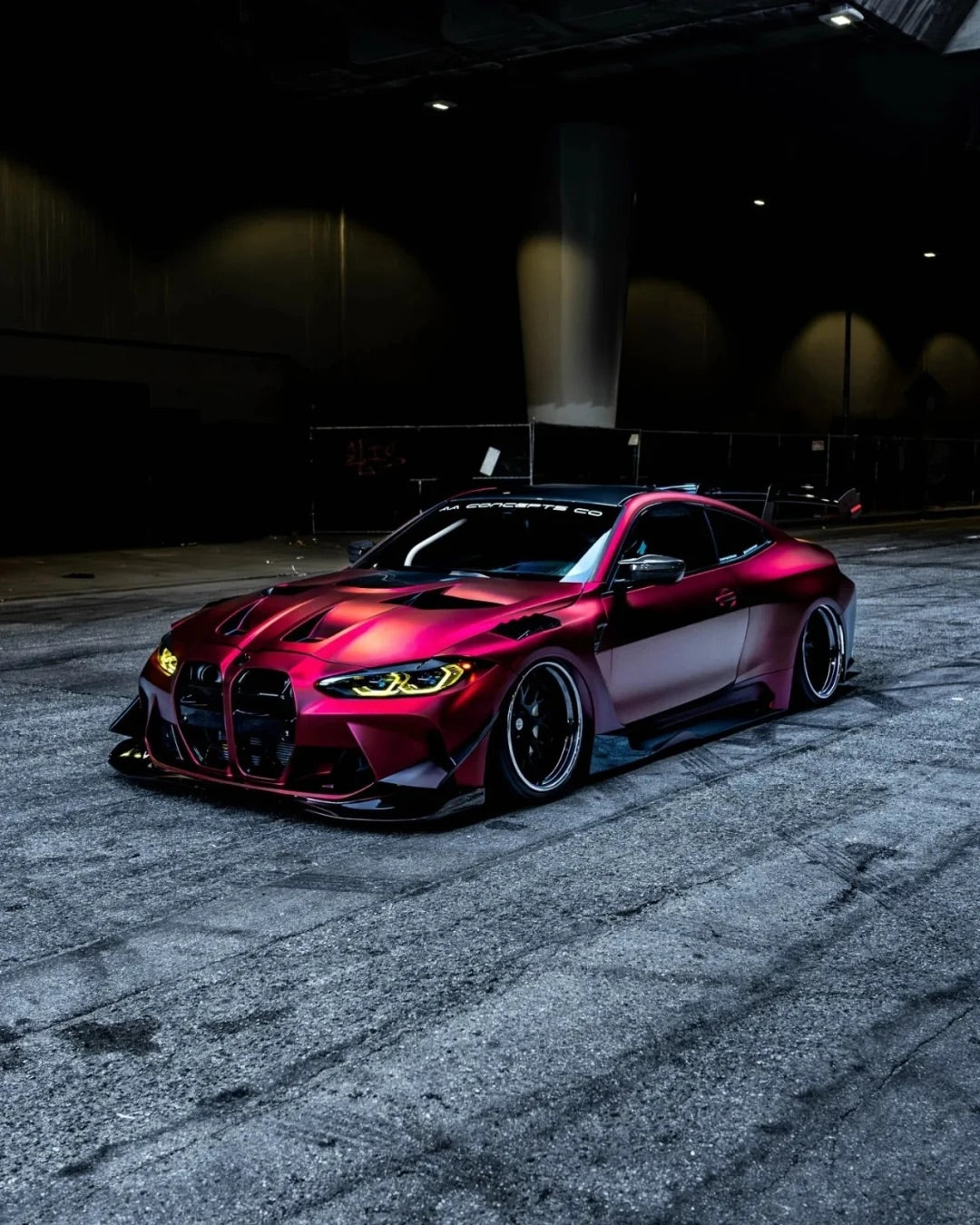
A high-quality automotive vinyl wrap does two things at once. It physically covers your factory paint with a thicker, more impact-tolerant layer than any coating can provide, and it lets you completely change the appearance of your vehicle.
At Sailifilm we offer one of the most diverse car vinyl wrap catalogs available, organized by visual effect:
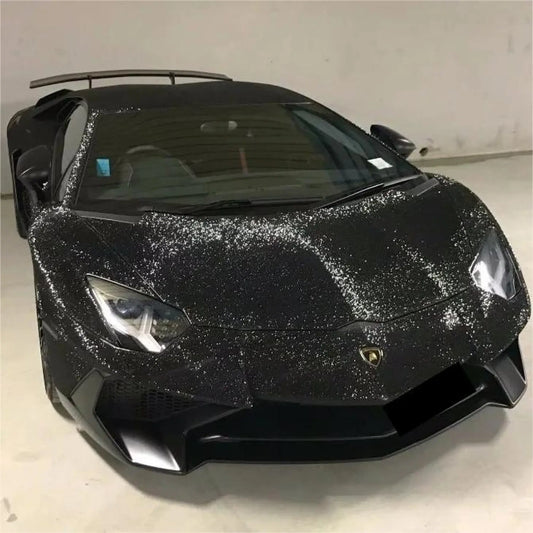
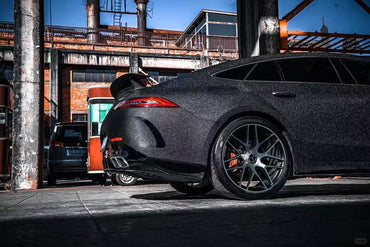
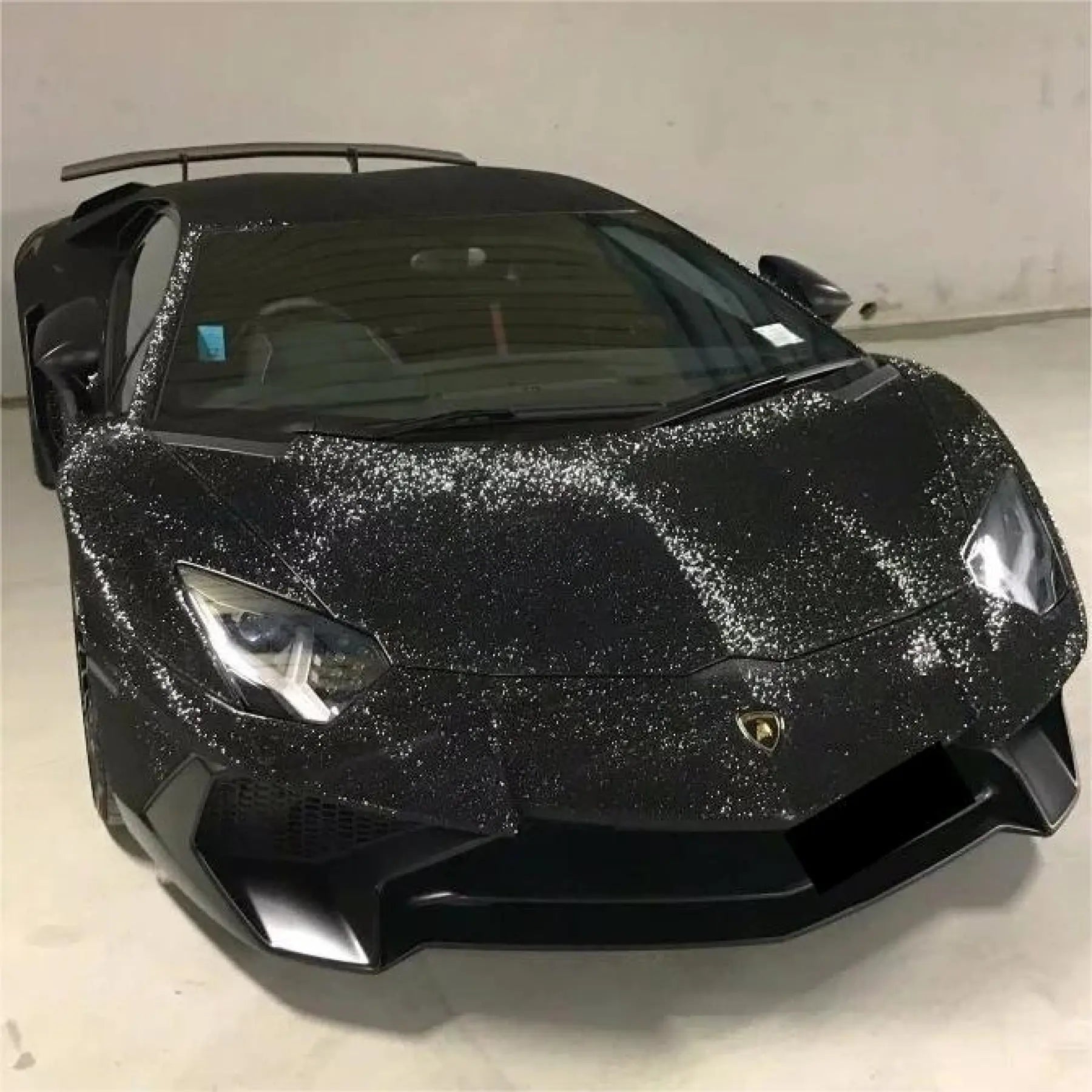
- Crystal Series — gem-like depth with sparkle particles embedded in the film
- Metallic Series — premium metallic flake finishes that catch light from every angle
- Liquid Series — fluid mirror-like chrome effects that read as molten metal
- Rainbow Laser Series — color-shifting laser holographic films
- Dual Color Dream Series — color flips that change based on viewing angle
- 3D Carbon Fiber Wrap — textured carbon weave for a race-inspired look
- Ultra Matte Series — deep satin finishes that kill harsh reflections
- Glitter Sparkle Car Wrap — diamond-style sparkle that comes alive under direct light
Vinyl wraps protect against light scratches, road grime, sun fading on the underlying paint, and minor cosmetic wear. They are removable, which means when you eventually sell the car your factory paint comes back untouched — a major resale-value advantage that no wax or coating can replicate. For owners weighing scope, our full wrap vs partial wrap comparison explains where each approach makes sense.
What vinyl does not do well is stop rock chips. Vinyl is too thin and too flexible for serious impact defense. That role belongs to PPF.
Paint Protection Film: The Tier Above Coatings
Paint protection film built from thermoplastic polyurethane (TPU) is the answer to everything ceramic and wax cannot do. It is measured in mils rather than microns. It absorbs impact energy rather than just shielding against chemicals. And modern PPF includes self-healing chemistry that erases light scratches when warmed by sun or hot water.
Sailifilm's TPU Paint Protection Wrap collection is engineered for daily-driver reality. We offer clear PPF in both 7.5mil and 8.5mil thickness, available in gloss and matte finishes. The 7.5mil works for typical urban and suburban commuters. The 8.5mil is the better pick for highway-heavy routes, luxury cars, and high-impact zones like hoods and front bumpers. To dive deeper into picking the right thickness, our self-healing PPF technology breakdown walks through how the molecular repair process actually works.
For owners who want protection plus a color change in a single layer, our Colored Paint Protection Film lineup delivers exactly that — full impact defense plus vibrant pigment in 19 colors ranging from Crystal Sky Blue to Ferrari Red to Piano Black. The deeper science behind film-based paint defense is well documented in this paint protection film overview on Wikipedia for those who want to read further.
The Smart Stack: Why Choose One When You Can Layer
Here is the strategy that experienced detailers and shop owners increasingly recommend in 2026: stop framing this as a single-product decision. The strongest protection setup combines layers, each handling what it does best.
A practical layering approach looks like this:
- PPF on high-impact zones — front bumper, hood, fenders, mirror caps, rocker panels. This stops rock chips physically.
- Vinyl wrap for color transformation — if you want to change the look of your car without repaint, vinyl is your tool.
- Ceramic coating on top of film — bonds to vinyl wrap or PPF (using vinyl-safe formulations) for added hydrophobics and easier cleaning.
- Skip the wax entirely — once you have film and coating, traditional wax has no role.
This stacked approach gives you physical impact protection (PPF), aesthetic freedom (vinyl wrap), chemical resistance (ceramic), and long-term cost savings (less labor, less reapplication). For a deeper look at maintenance once your stack is in place, our PPF care and vinyl wrap maintenance guide covers the wash routine that keeps everything looking factory-fresh. Drivers in tough climates should also see our all-season car wrap weather care guide.
Which Setup Matches Your Driving Reality
Quick decision framework based on how you actually use your car:
Weekend warrior or show car owner with low mileage: Ceramic coating on factory paint is probably sufficient. Add a wax topper only if you enjoy detailing as a hobby.
Daily commuter with paved urban routes: Combine 7.5mil clear PPF on the front clip with a ceramic coating layered on top. Skip wax permanently.
Highway-heavy driver, performance car owner, or luxury vehicle: Step up to 8.5mil PPF on hood, bumper, and fenders. Add ceramic coating across the rest of the vehicle.
Owner who wants total color change plus protection: Run a full car vinyl wrap or pick a Colored Paint Protection Film for impact resistance and pigment in one layer.
Fleet operator or business vehicle: Wraps deliver branding plus protection at a fraction of repaint cost. Vinyl is removable, repaintable underneath, and resale-friendly.
If you want vehicle-specific guidance, our vehicle car wrap guide breaks down recommendations by sedan, SUV, truck, and sports car body styles.
The DIY Reality Check
Ceramic coating sounds easy in marketing copy, but a real nano-ceramic install requires controlled temperature, dust-free environment, paint correction, and a 24 to 48 hour cure window. Wax is genuinely easy but lasts weeks, not years. Vinyl wrap and PPF have a learning curve, but they reward practice and proper tooling with results that outlast both other options combined.
If you are exploring DIY, start with a sample kit to test colors on small areas. Pair it with the right wrapping tools — squeegees, knifeless tape, heat gun, microfiber cloths. Our complete DIY car wrap guide walks through every step, and the wrap damage repair tutorial covers fixes for scratches, lifted edges, or bubbles.
The Bottom Line
Ceramic coating beats wax on durability, hydrophobics, and long-term cost. That part of the debate is settled. But both products live on the same fundamental tier — chemical surface treatments that protect against contamination and UV exposure without offering defense against physical impact.
If your goal is maximum paint preservation, real-world protection, and personalization, the smarter conversation is not ceramic versus wax. It is film versus coating — and ideally, film plus coating. Vinyl wrap transforms how your car looks while shielding original paint. PPF absorbs road debris punishment. Ceramic coating layered on top makes everything easier to clean.
Browse our Best Sellers for the most popular daily-driver picks, explore the full TPU Paint Protection Wrap range, or step into color territory with our Colored Paint Protection Film lineup. Your car deserves better than a fresh coat of wax every six weeks.

