

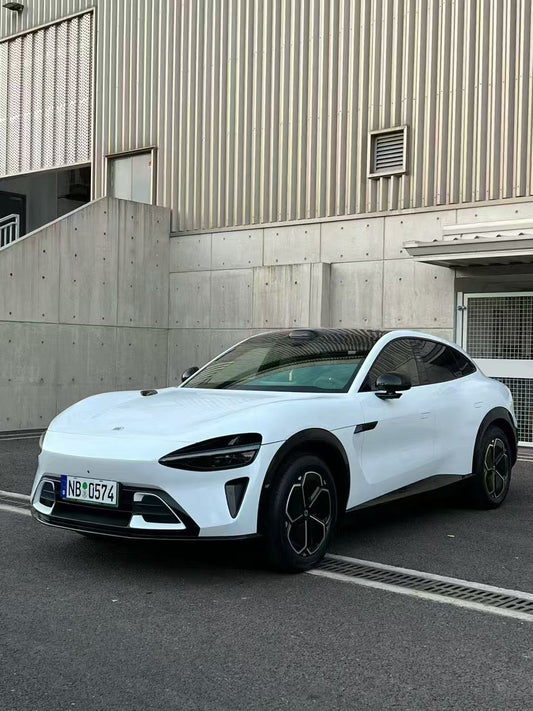
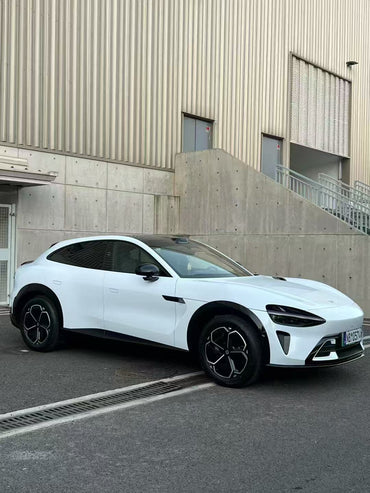
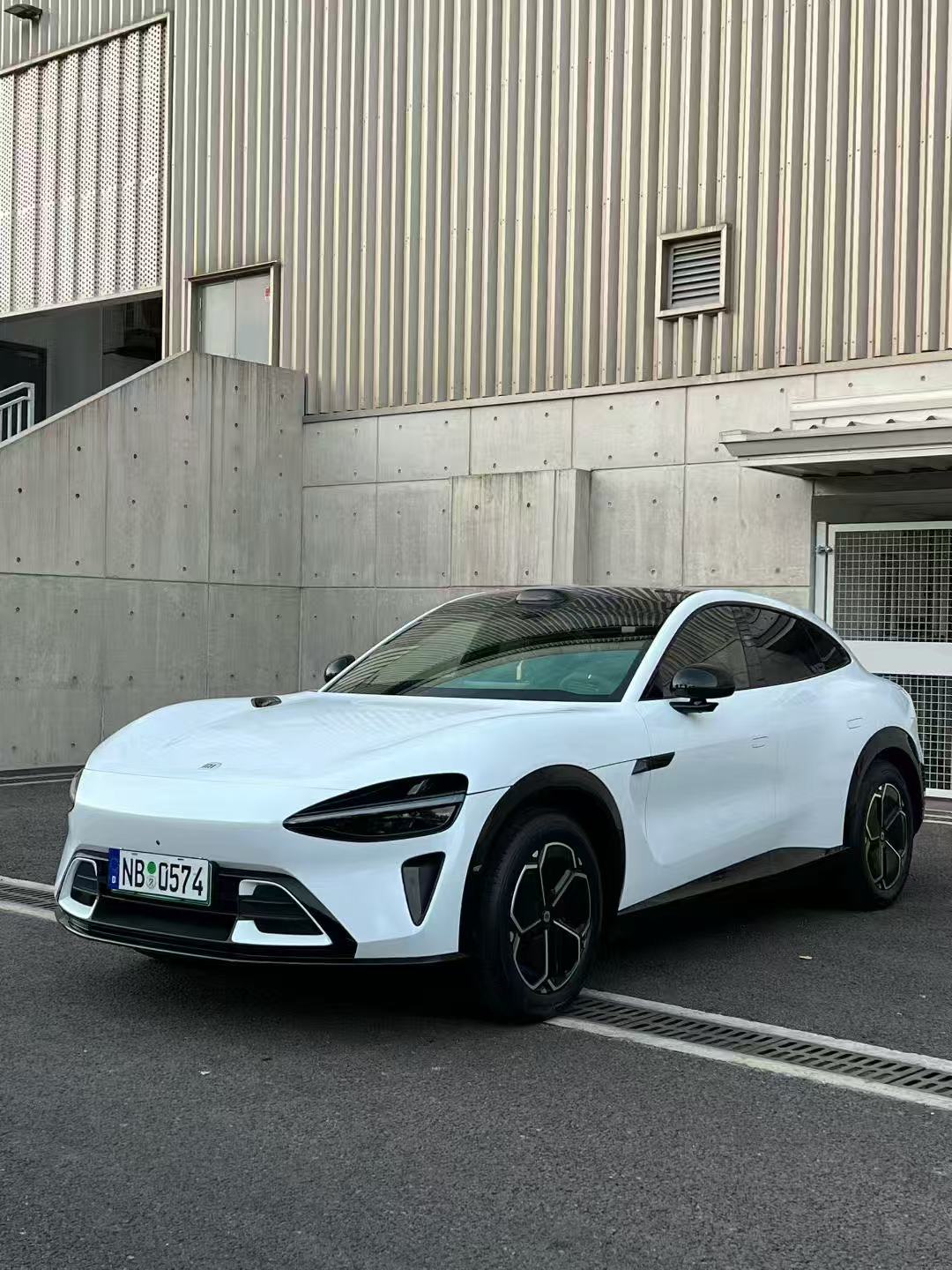


What Is a Full Wrap?
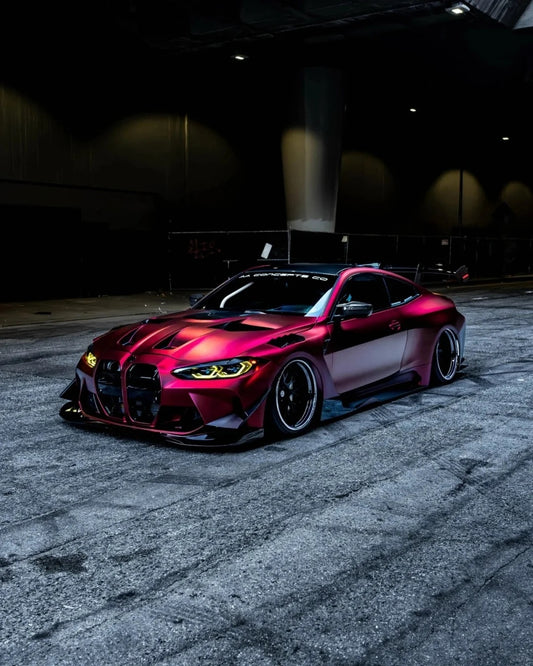
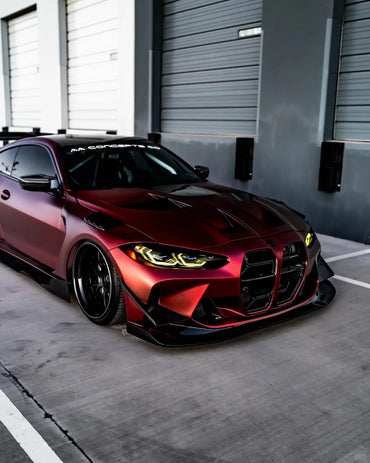
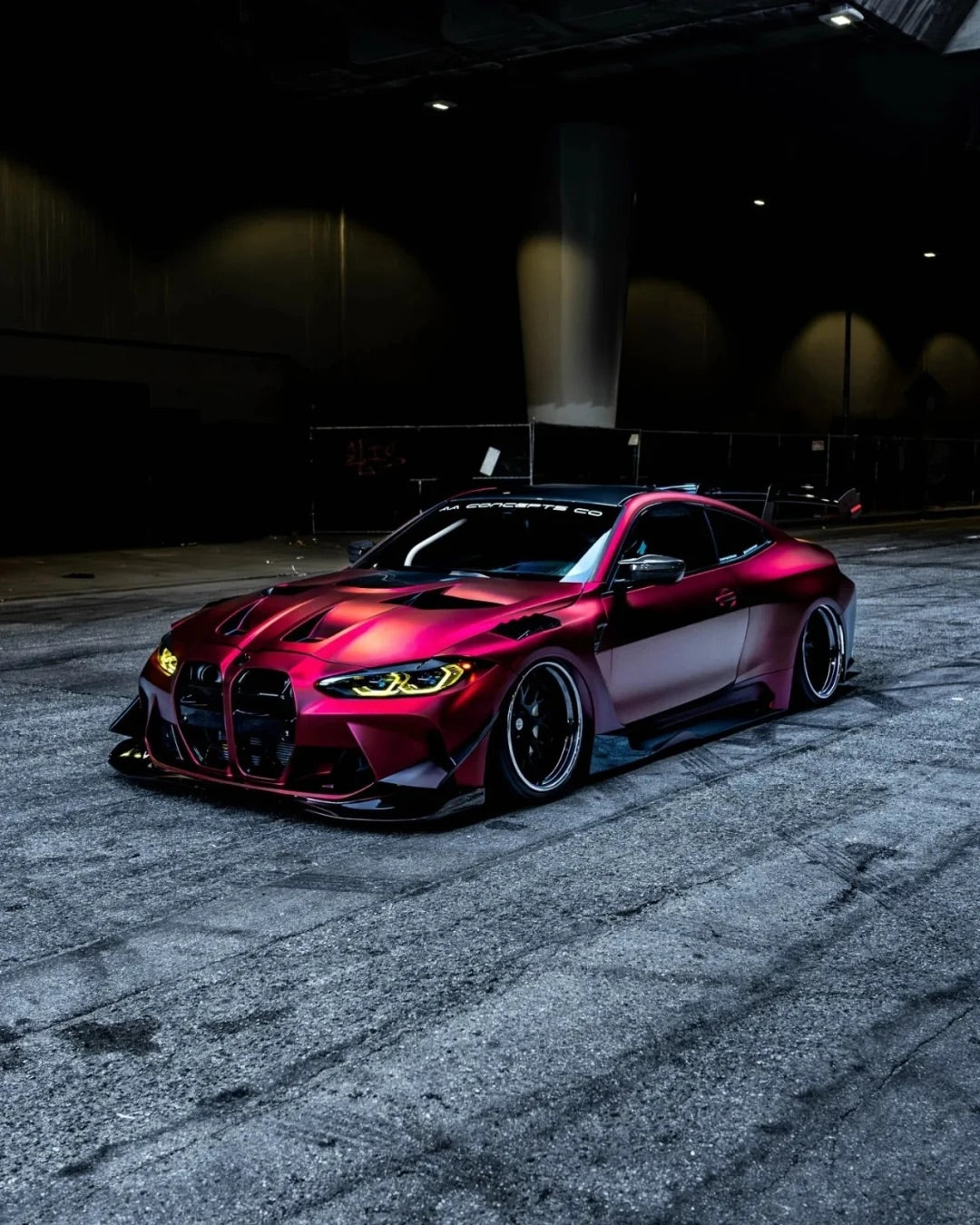
A full wrap covers every painted exterior panel on the vehicle: hood, roof, all doors, front and rear bumpers, fenders, quarter panels, trunk lid, side mirrors, and typically door jambs. No factory paint remains visible from any standard viewing angle. The result is a complete visual transformation — the vehicle looks as though it was manufactured in whatever finish you chose.
According to Wikipedia's overview of vehicle vinyl wrapping, cast vinyl films are the professional standard for full wraps because they conform to compound curves and complex body lines without distorting or shrinking over time. Full wraps demand this level of material quality because any inconsistency across a large panel surface is immediately visible.
A full wrap is the correct choice when you want a complete color change, when the factory paint is faded or damaged and needs to be concealed entirely, or when you want maximum paint protection across the whole vehicle.
What Is a Partial Wrap?
A partial wrap covers a defined subset of the vehicle's panels. The most common partial wrap configurations are roof-only, hood-only, roof-plus-hood, hood-plus-mirrors, side panel accents, or a combination of accent panels designed to complement rather than replace the factory finish. Partial wraps can also take the form of racing stripes, pillar wraps, or A/B/C-post treatments using films like 3D carbon fiber wrap on a contrasting factory color.
A partial wrap is the correct choice when you want to add visual interest without a full color change, when your factory paint is in excellent condition and worth showing, when you are working within a tighter material budget, or when you want to test a finish before committing to a full-vehicle order.
Coverage Comparison: What Each Approach Actually Covers
The difference in material consumption between the two options is significant and directly affects cost.
A standard sedan full wrap requires 60–65 linear feet of 5ft-wide film. An SUV or truck full wrap demands 75–100 linear feet. These figures align with the larger roll sizes available across the Sailifilm car vinyl wrap collection — specifically the 5ft × 59ft, 5ft × 69ft, and 5ft × 79ft options.
A partial wrap covering hood, roof, and mirrors on the same sedan requires 10–20 linear feet depending on panel size. A roof-only wrap on most vehicles needs just 2–3 linear feet. This is why partial wraps are naturally served by Sailifilm's smaller roll sizes — 5ft × 10ft or 5ft × 16ft options handle most accent panel configurations without forcing you to purchase a full-vehicle quantity.
(Internal link placeholder: see our complete guide — "How to Measure Your Car for Vinyl Wrap" — for panel-by-panel calculation formulas and vehicle class size references.)
Visual Impact: Where Each Approach Wins
Full wraps produce the most dramatic transformation possible without a paint booth. They are the only option when your goal is a complete color change — switching from white to liquid chrome wrap silver, from black to rainbow laser vinyl wrap iridescent, or from factory grey to dual color dream vinyl wrap chameleon. For show cars, enthusiast builds, and vehicles where street presence is the goal, nothing matches the cohesive, intentional look of a full wrap executed in a specialty finish.
Partial wraps win on contrast and specificity. A black vehicle with a gloss crystal vinyl wrap roof creates a two-tone split that draws attention without replacing the factory color entirely. A white car with a 3D carbon fiber wrap hood and mirror caps takes on a performance aesthetic that a full wrap in the same carbon finish would deliver differently. Partial wraps work with the existing vehicle color rather than against it, which is why they are consistently trending in 2025 social media car customization content alongside searches for roof wraps, hood wraps, and mirror cap treatments.
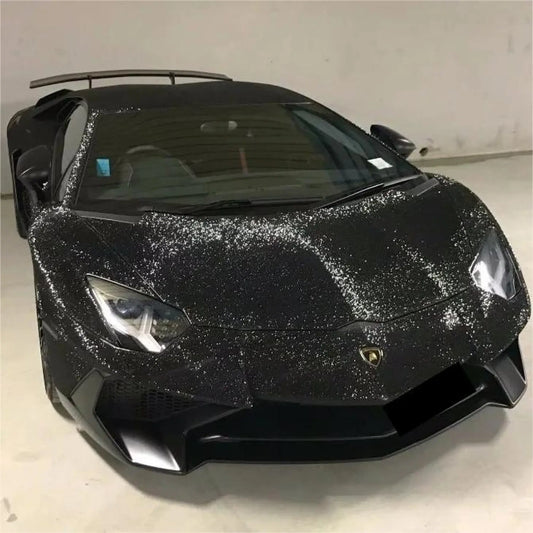
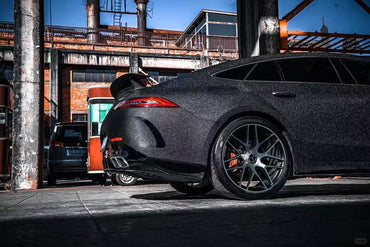
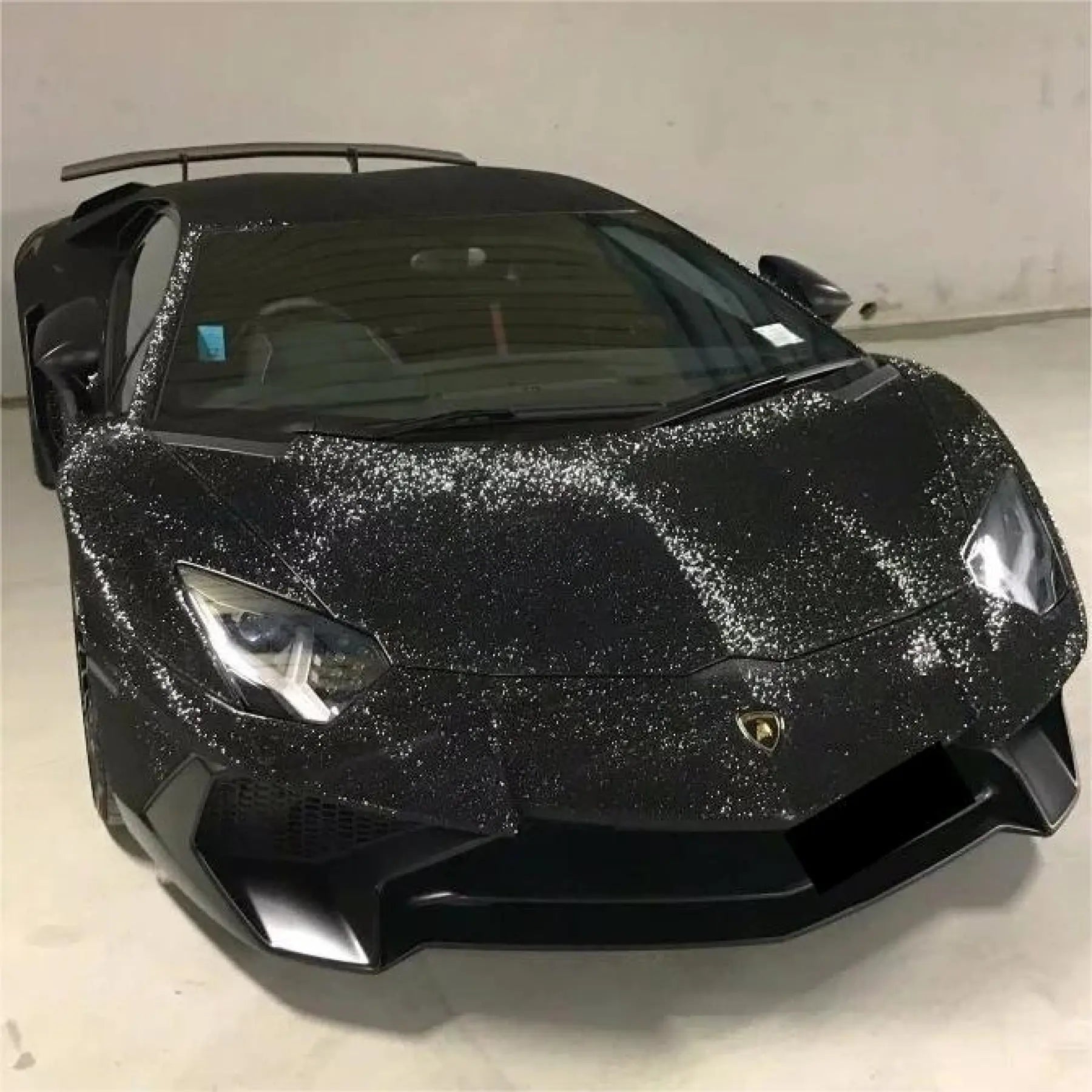
For glitter sparkle car wrap and metallic vinyl wrap finishes, both approaches work well but serve different aesthetics. A full glitter wrap delivers maximum visual theater. A partial metallic accent on a matte black base vehicle creates a targeted highlight effect that looks intentionally designed rather than simply bold.
Film Selection: Which Finishes Work Best for Each Approach
Not every film is equally suited to both wrap types. Understanding the relationship between finish type and application scope helps you match the right material to the right project.
Best for full wraps:
Ultra matte wrap films are ideal for full wraps because their flat, light-absorbing finish creates a uniform, stealth appearance that only works when it covers the complete vehicle. A partial ultra-matte application against a gloss factory finish creates an awkward visual break that undermines both surfaces. The Sailifilm Ultra Matte Series spans 23 colorways including satin chrome metallic tones, making it one of the most versatile full-wrap options in the catalog. (Internal link placeholder: see upcoming comparison — "Matte vs Satin vs Gloss Wrap: Which Finish Suits Your Build.")
Liquid chrome wrap is technically possible as a partial wrap but performs most impressively as a full-vehicle treatment. Chrome's mirror-like reflectivity is most effective when it envelops the entire body, creating a continuous reflective surface rather than isolated bright zones.
Best for partial wraps:
3D carbon fiber wrap is the most natural partial wrap material in automotive customization. Carbon fiber accents on hoods, roofs, side mirrors, door pillars, and trunk spoilers have been a design staple across sports cars and performance sedans for decades. Wrapping these accent zones in Sailifilm's 3D carbon fiber film delivers the texture and aesthetic of the material without the weight or cost of genuine carbon fiber panels.
Crystal vinyl wrap and glitter sparkle car wrap work exceptionally well as roof and hood accents on darker factory colors — the depth and sparkle effect stands out most against a contrasting base.
Flexible for both:
Metallic vinyl wrap and dual color dream vinyl wrap adapt to both approaches. The chameleon effect in the Dual Color Dream Series reads differently at full-vehicle scale versus as a roof panel accent — both are effective, just visually distinct.
Rainbow laser vinyl wrap is a strong performer for both full and partial applications. As a full wrap it produces show-car level iridescence; as a partial it can be used on the roof or hood as a targeted color statement against a solid factory color.
Paint Protection Across Both Approaches
Full wraps provide paint protection across every covered panel — UV resistance, minor abrasion resistance, and a barrier against environmental contamination. However, the level of protection depends on the film type chosen.
For maximum protection alongside color transformation, colored paint protection film and TPU paint protection wrap deliver both aesthetic and armor-grade protection in a single application. TPU is self-healing, highly impact-resistant, and maintains optical clarity or tinted finish depending on the variant. These are the highest-protection choice regardless of whether you are doing a full or partial installation.
A common professional strategy combines a full vinyl color wrap with a partial TPU application on high-impact zones — hood, front bumper, fenders, and mirror faces. The vinyl handles the visual transformation across the whole vehicle while the TPU handles the physical protection where chips, debris, and abrasion are most likely. (Internal link placeholder: see upcoming guide — "TPU Paint Protection Wrap vs Standard Vinyl Wrap: Side-by-Side Comparison.")
DIY Feasibility: Which Is More Beginner-Friendly?
Partial wraps are considerably more accessible for first-time installers. Working on a single panel — a roof, a hood, or a set of mirror caps — eliminates the complexity of managing large film sections, maintaining consistent tension across multiple panels, and dealing with the edge-wrapping challenges that doors, bumpers, and complex trim create.
Starting with a partial wrap gives you hands-on experience with the squeegee technique, heat gun activation, and edge-cutting methods before scaling to a full project. The Sailifilm wrapping tools collection includes everything needed for both approaches — felt-edge squeegees, knifeless tape, precision cutters, and heat guns. Having professional-grade tools makes the difference between a partial wrap that looks factory-finished and one that lifts or creases within weeks.
For guidance on professional installation technique and quality standards, the Professional Decal Application Alliance (PDAA) maintains a certified installer directory and published installation guidelines that apply to both full and partial applications. Kelley Blue Book's car wrap cost and overview guide also provides a helpful consumer-level comparison of wrap types, coverage options, and what to expect from professional installation.
Try the Finish First: Sample Kits Before Committing
Whether you are planning a full vehicle transformation or a targeted accent panel, testing the actual film material before ordering is the most underused step in the planning process. Color representation on-screen is unreliable — particularly for metallic, laser, crystal, and color-shifting finishes where the physical viewing angle changes the entire appearance.
Sailifilm's sample kits allow you to assess the true color, texture, flexibility, and light behavior of a finish against your vehicle's existing paint before committing to a full roll purchase. This is especially important when planning a partial wrap where the selected film must complement rather than clash with the factory color remaining on the rest of the vehicle.
Explore the Sailifilm best sellers to see which finishes are currently leading in both full and partial wrap applications — the Diamond Glitter Black, Rainbow Laser Light Pink, and Liquid Silver consistently rank at the top for both project types.
The Decision Framework
Choose a full wrap when you want a complete color change, when factory paint needs to be fully concealed, when the finish you want only works as a unified full-vehicle application (ultra matte, full chrome), or when maximum paint protection across every panel is the goal.
Choose a partial wrap when you want to add contrast or accent detail to a factory color you want to keep, when you are new to DIY installation and want to build skill before committing to a full project, when your material budget is focused on specific high-visibility zones, or when you want to test a finish before scaling to full coverage.
Either way, start by browsing the full Sailifilm car vinyl wrap collection, order a sample kit for any finish you are seriously considering, and use the roll size guide to match your project scope to the right quantity before checkout.

