



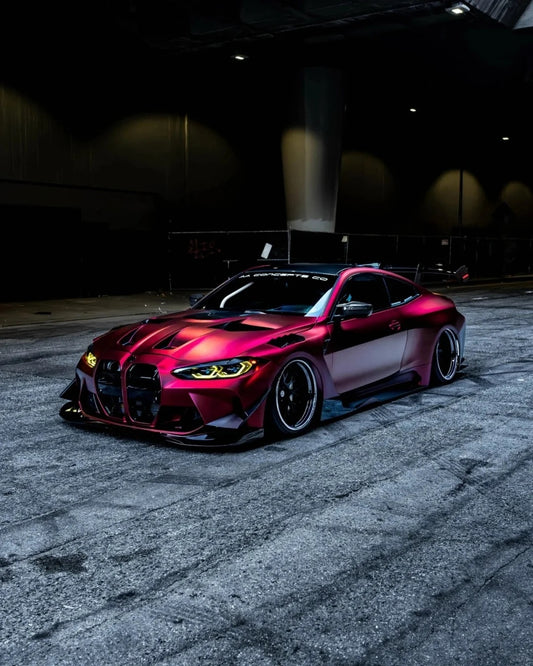
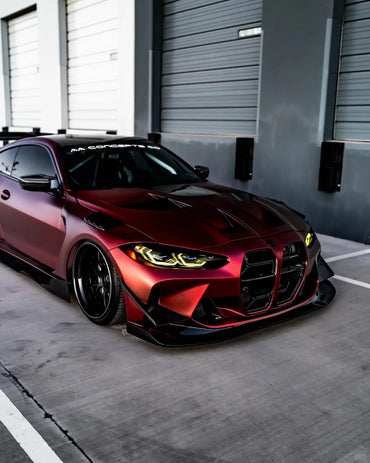
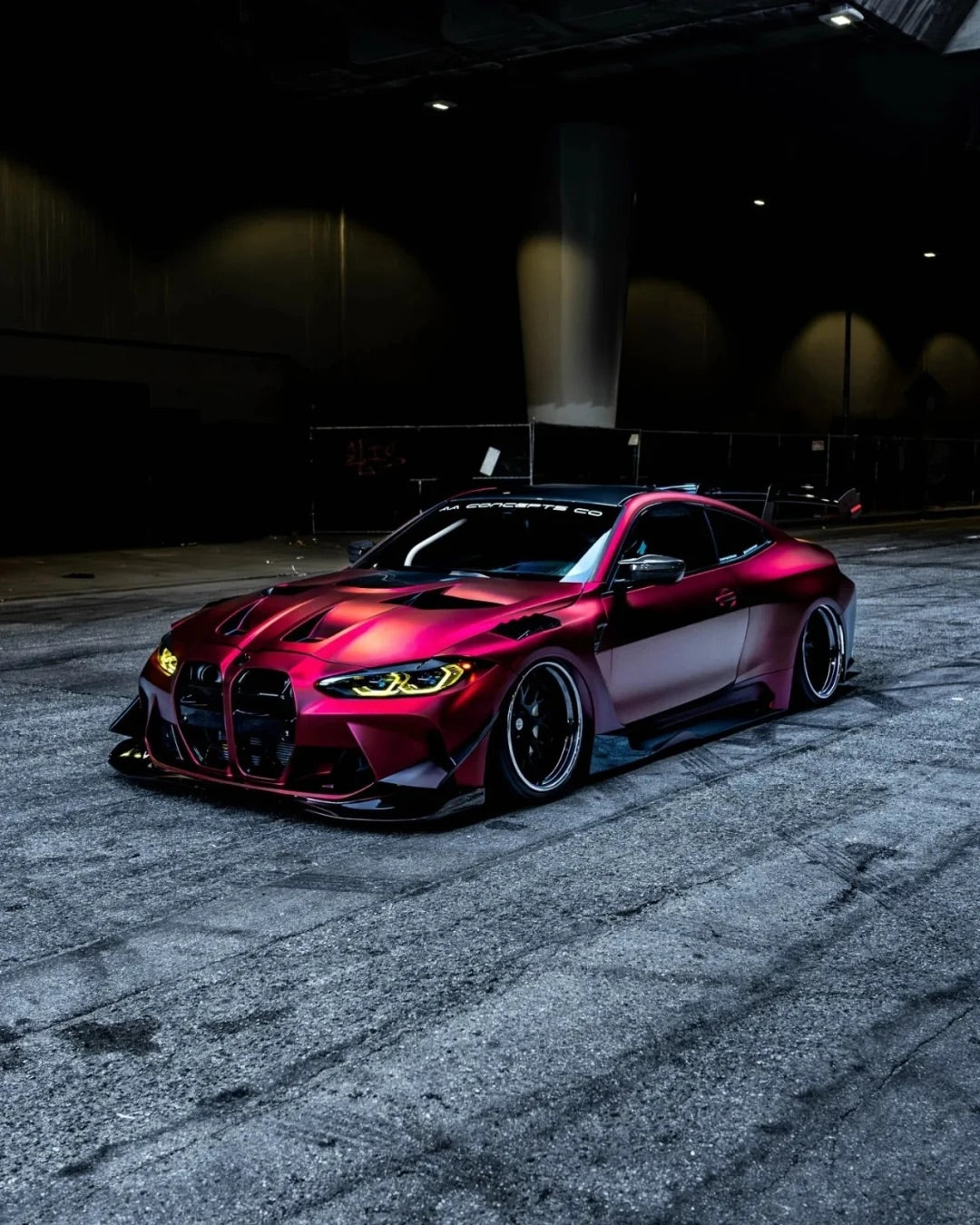
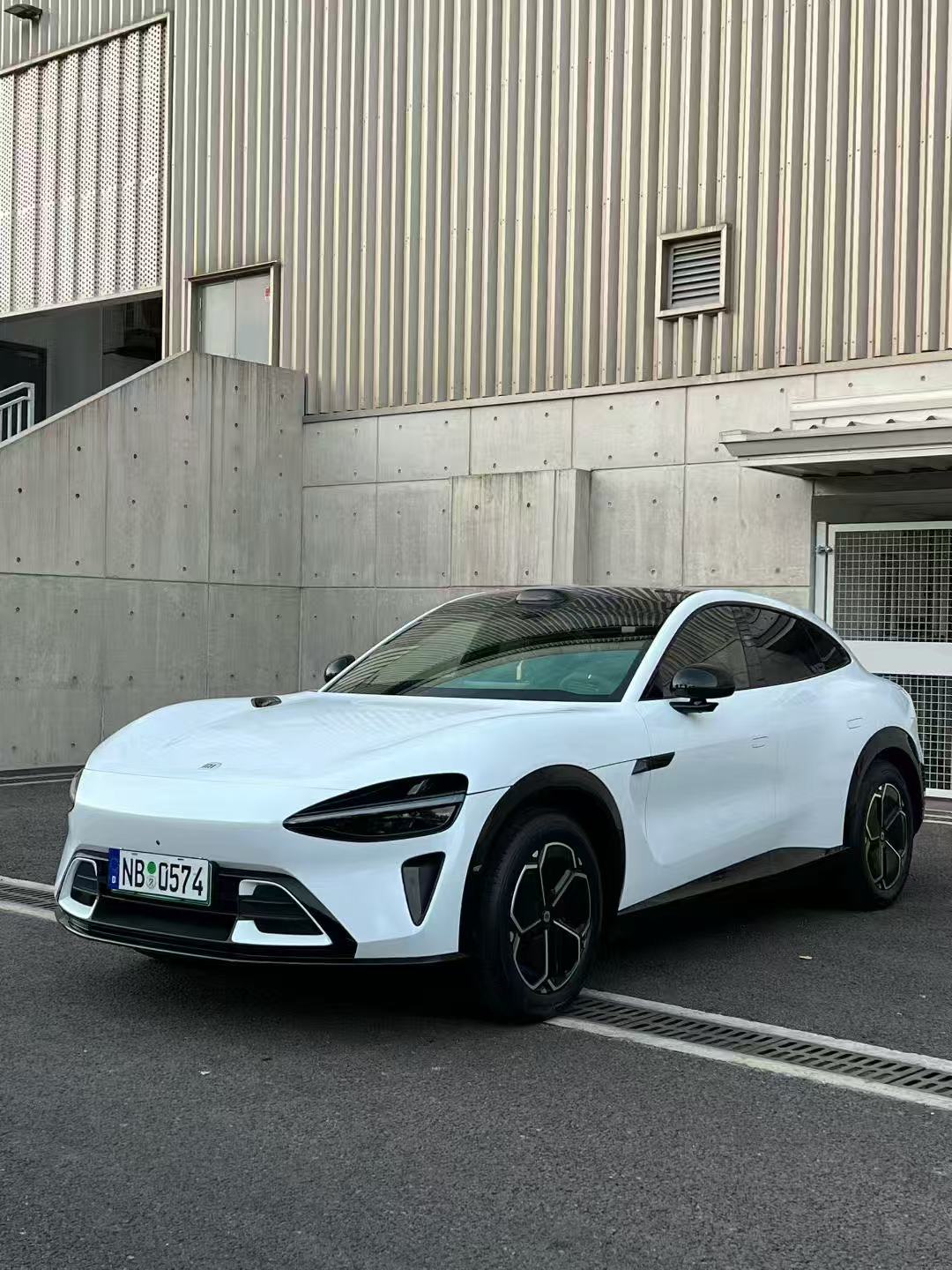


A quality car wrap transforms a vehicle's appearance and protects the paint underneath — but only if the film itself is properly maintained. Weather is the single largest variable that determines how long a wrap stays vibrant, adhered, and structurally sound. UV radiation, road salt, freezing temperatures, humidity, and seasonal debris each attack the film through different mechanisms, and a maintenance routine that ignores any one of these factors accelerates wear faster than most owners expect.
External reading: Learn how ultraviolet radiation degrades polymer materials on Wikipedia — the same process that affects vinyl wrap film without proper care.
Understanding What Weather Actually Does to Vinyl Film
Before diving into season-by-season guidance, it helps to understand the three physical ways weather degrades a wrap.
Adhesive stress occurs when temperature swings cause the film to expand and contract repeatedly. Vinyl and the vehicle's metal panels expand at different rates, which puts strain on the adhesive bond at edges, curves, and recesses over time. This is why edge lifting appears first and why wrap longevity is closely tied to installation quality at panel transitions.
Surface degradation is driven primarily by UV radiation and chemical exposure. UV light breaks down the plasticizers in vinyl film, causing colors to fade, surfaces to become brittle, and glossy finishes to lose their depth. Chemical exposure from road salt, bird droppings, tree sap, and industrial fallout compounds this damage by etching into the film's top layer.
Moisture intrusion happens when water finds a pathway under the film — typically through an unsealed edge or a small lifting point — and migrates across the adhesive layer. This produces the bubbling and delamination that car owners dread.
Understanding these three failure modes makes the maintenance guidance below immediately intuitive rather than arbitrary.
Summer: UV, Heat, and Surface Contamination
Summer is the most damaging season for vinyl wraps in the majority of driving environments. High UV index combined with surface temperatures that can reach extreme levels on dark-colored panels creates conditions that accelerate every form of wrap degradation simultaneously.
Park with intention. Covered parking reduces UV exposure dramatically. Even moving a vehicle to a shaded side of a parking lot rather than leaving it in direct sun makes a measurable difference in color retention over a multi-year ownership period. A quality car cover provides similar protection when covered parking is unavailable.
Wash in the cool of the morning or evening. On very hot days, washing with cool water on a heat-saturated surface can cause rapid thermal contraction that stresses the film. Rinsing with cool water in lower ambient temperatures removes surface contamination without thermal shock.
Address bird droppings, tree sap, and pollen immediately. These contaminants are acidic — pollen especially becomes corrosive when activated by moisture — and they etch into the wrap surface within hours in warm weather. A 50/50 mix of isopropyl alcohol and water applied with a clean microfiber cloth removes most organic contaminants without damaging the film.
Never use abrasive cleaning tools. Microfiber cloths and wash mitts designed for painted surfaces are correct for vinyl. Sponges, brushes, and rough towels create micro-scratches that dull gloss finishes and become progressively more visible over time.
Finish-Specific Summer Care
Sailifilm's Liquid Chrome Wrap is the most UV-sensitive finish in the lineup. The mirror surface amplifies heat absorption and is particularly susceptible to surface oxidation if left unwashed. Chrome-wrapped vehicles benefit most from covered parking and the most frequent wash intervals — ideally weekly during summer months.
Sailifilm's Ultra Matte Wrap requires different summer care than gloss films. Matte surfaces hide minor contamination initially but absorb oily residue from road spray and fingerprints deeply. A dedicated matte-safe cleaner rather than a standard pH-neutral soap prevents the gradual graying that occurs when oily deposits accumulate across a flat-finish film surface.
👉 Internal link placeholder: [How to Clean Matte Vinyl Wrap Without Dulling the Finish — Coming Soon]
Autumn: Fallen Leaves, Sap, and the Pre-Winter Window
Autumn is underestimated as a maintenance season. Falling leaves carry moisture and tannins that stain light-colored wraps when left sitting on the film surface, particularly on horizontal panels like rooftops and hoods. Tree sap deposits accelerate in the weeks before deciduous trees go dormant and are significantly harder to remove once they harden.
The most important autumn action is using the pre-winter period — before temperatures drop and roads are salted — to clean the entire vehicle thoroughly, inspect all edges and panel transitions for any lifting, and apply a vinyl-safe sealant or ceramic spray coating. This protective layer goes on far more effectively at moderate temperatures than it does in winter conditions, and it forms the first line of defense against the salt season ahead.
Sailifilm's Rainbow Laser Vinyl Wrap and Dual Color Dream Vinyl Wrap both use multi-layer optical film construction that can trap moisture at layer interfaces if the top surface is compromised. Autumn inspection of these finishes is especially worth doing carefully, paying attention to any areas where the film's surface feels textured or appears milky — early indicators of moisture at the film layers.
Winter: Salt, Ice, and Adhesive Stress
Winter introduces the most mechanically aggressive conditions a wrap will face. Road salt — primarily sodium chloride — is highly corrosive and dehydrates vinyl over time when it is allowed to accumulate. Combined with freeze-thaw cycles that stress the adhesive bond repeatedly, winter is when poorly maintained wraps begin to show edge lifting, cracking at panel transitions, and color loss at the highest-stress areas.
Wash every one to two weeks through winter, more frequently on heavily salted roads. Salt accumulates fastest at wheel arches, lower body panels, and panel seams. These are also the most common locations for edge lifting to begin. Targeted rinsing of these areas — even without a full wash — removes the corrosive buildup before it can penetrate the film's edges.
Never use ice scrapers on a wrapped vehicle. Hard plastic and metal scrapers cut into vinyl film. For ice removal, start the vehicle and allow the defroster to warm the glass, then use a soft foam or microfiber-covered brush to gently clear snow from body panels. Pouring water on the vehicle to melt ice can cause rapid thermal contraction if the water is significantly warmer or cooler than the film surface — lukewarm water that matches ambient temperature is the safe middle ground.
Avoid automatic brush car washes entirely. The abrasive bristles in brush-style automatic washes create micro-scratches on gloss films and can catch at any slightly lifted edge, peeling the film back in a single pass. Touchless automated washes are an acceptable compromise when hand washing is impractical, but hand washing remains the safest method year-round.
Protecting PPF-Based Films Through Winter
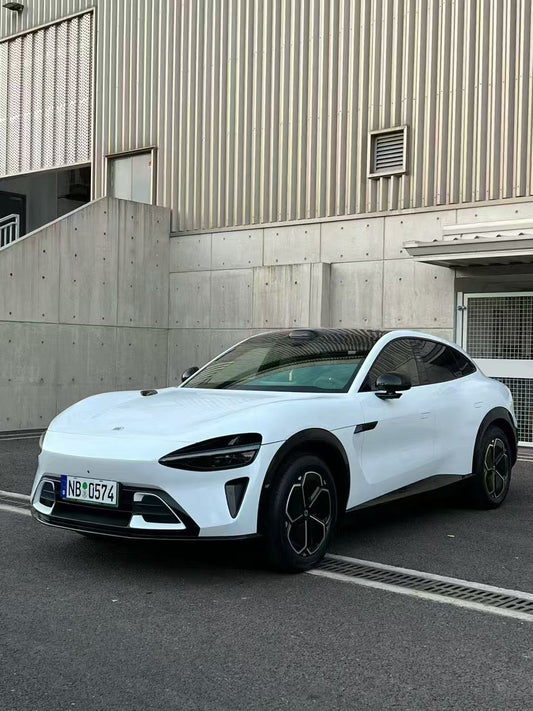
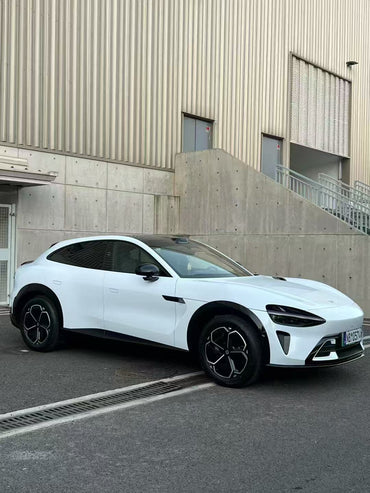
Sailifilm's Colored Paint Protection Film and TPU Paint Protection Wrap have a significant structural advantage in winter: the thermoplastic polyurethane base material retains flexibility at lower temperatures than standard PVC-based vinyl. TPU's self-healing surface properties also mean that minor abrasions from road debris clear themselves with mild heat exposure — a distinct performance benefit in cold-weather driving environments where road debris is more prevalent and the film is under greater physical stress.
External reading: Understand how thermoplastic materials respond to temperature change on Wikipedia — essential context for why TPU PPF outperforms vinyl in cold-weather conditions.
👉 Internal link placeholder: [TPU Paint Protection Film vs. Standard Vinyl Wrap: A Complete Comparison — Coming Soon]
Spring: Reactivation Season and Inspection Protocol
Spring is the correct time to assess how the wrap has performed through winter and address anything that needs attention before driving conditions normalize. Road salt residue lingers on vehicle surfaces and in panel seams longer than most owners realize — a thorough decontamination wash in early spring removes this buildup before warm temperatures allow it to become more aggressively corrosive.
Spring is also when any winter-induced edge lifting becomes most visible, as warming temperatures cause the film to relax and separate further at any point where the adhesive bond was already compromised. Small lifting areas caught at this stage can often be pressed back and re-adhered with careful heat application — a task well within the capability of an experienced installer using appropriate tools. Left unaddressed, those same areas will continue to grow through summer.
External reading: A useful overview of seasonal automotive maintenance priorities provides broader context for integrating wrap care into a complete vehicle care routine.
Finish-Specific Lifespan Expectations Across Climates
Different wrap finishes have meaningfully different longevity profiles depending on driving environment. Understanding these differences helps set accurate expectations and informs decisions about protective coatings.
Sailifilm's Crystal Vinyl Wrap and Metallic Vinyl Wrap collections both use gloss or semi-gloss surfaces that retain color depth well in moderate climates but show UV fatigue faster in high-sun environments. Vehicles in sun-intensive regions — the American Southwest, southern Europe, equatorial markets — benefit significantly from a ceramic spray coating applied every 90 days, which adds a hydrophobic layer that beads water, repels contamination, and provides UV-blocking properties.
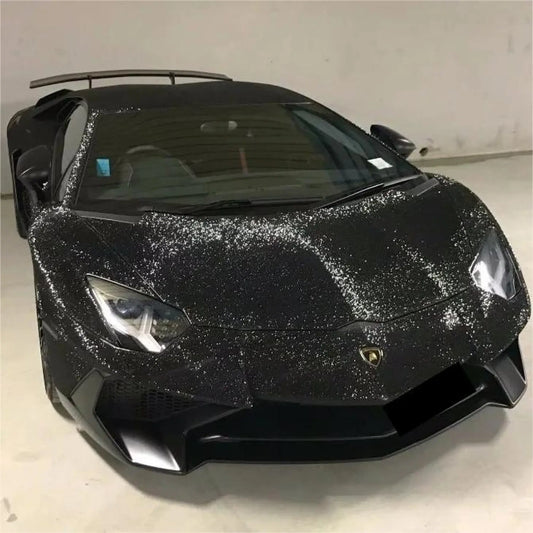
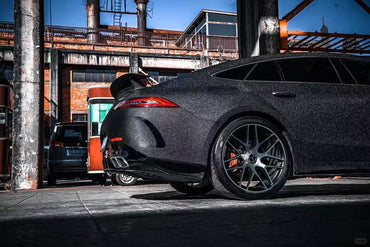
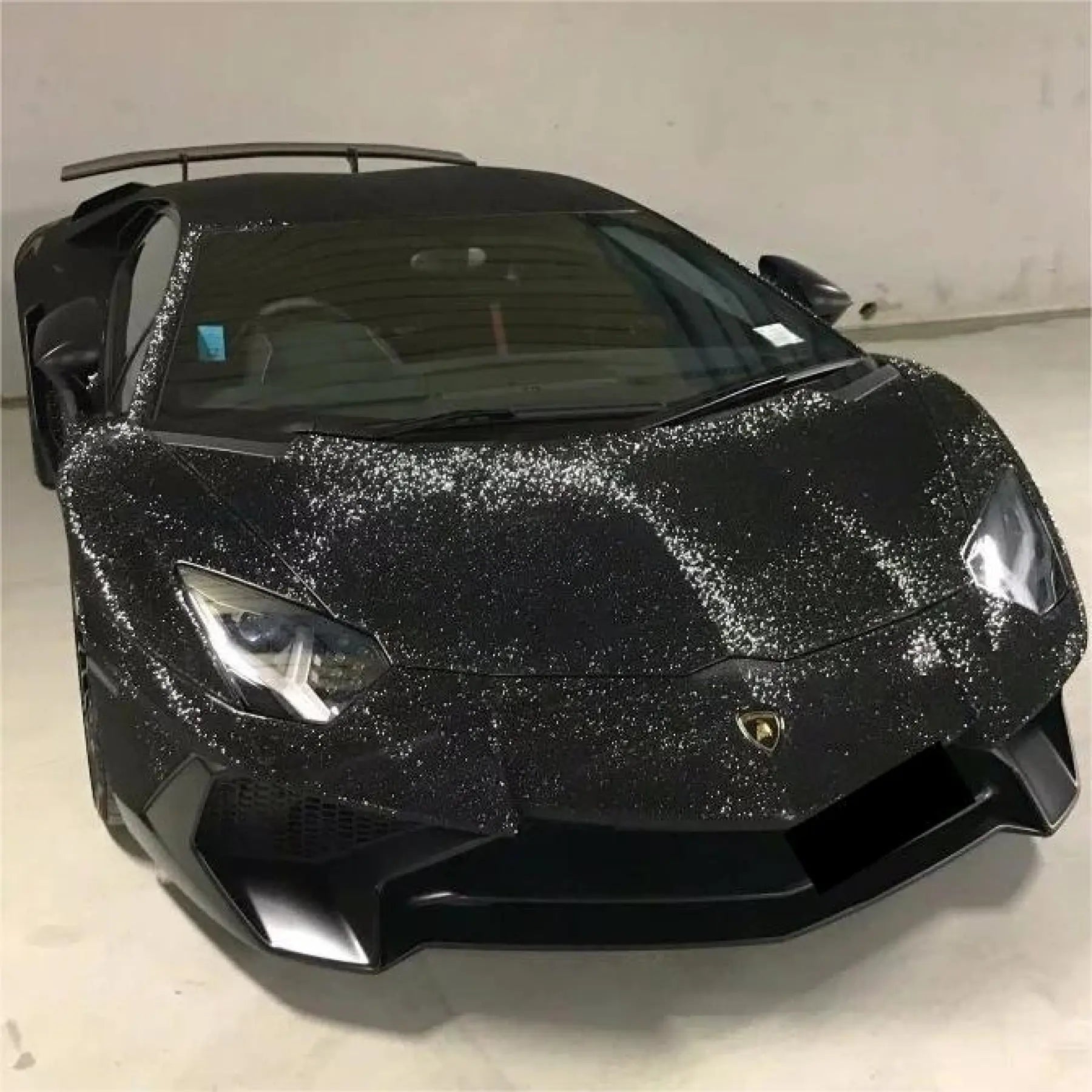
Sailifilm's 3D Carbon Fiber Wrap and Glitter & Sparkle Car Wrap both feature textured surface construction. Textured films trap fine particles — road dust, pollen, salt — in their surface geometry more readily than smooth-finish films, making regular washing more important for these finishes rather than less. A soft detailing brush with a pH-neutral solution reaches into the texture without damaging the film.
| Finish Type | UV Sensitivity | Salt Sensitivity | Cleaning Frequency |
|---|---|---|---|
| Liquid Chrome | High | Medium | Weekly |
| Ultra Matte | Medium | Medium | Every 10 days |
| Rainbow Laser / Dual Color | Medium | Low-Medium | Every 10-14 days |
| Crystal / Metallic Gloss | Medium | Low | Every 10-14 days |
| Colored PPF / TPU PPF | Low | Low | Every 14 days |
| 3D Carbon Fiber | Low-Medium | Medium | Every 10 days |
| Glitter & Sparkle | Medium | Medium | Every 10 days |
Year-Round Maintenance Non-Negotiables
Regardless of season, finish, or climate, these practices extend the life of every wrap in the Sailifilm lineup.
Hand wash only, using pH-neutral soap. Household detergents, dishwashing liquid, and solvent-based cleaners all accelerate vinyl degradation. A dedicated automotive soap with a neutral pH profile cleans effectively without attacking the film's plasticizer layer.
Dry thoroughly after every wash. Water allowed to pool at edges and panel seams is the primary driver of moisture intrusion. A clean microfiber drying towel or a forced-air blower removes standing water from these vulnerable areas quickly.
Inspect edges monthly. Panel transitions, bumper seams, mirror housings, and door handles are the highest-stress points in any installation. A monthly visual check catches early lifting before it progresses. A wrap that is re-adhered at a small lifting point costs nothing; one that delaminates across an entire panel requires section replacement.
Use the right tools. Sailifilm's Wrapping Tools collection includes the squeegees, heat guns, knifeless tape, and finishing tools that professional installers use — and the same tools that make ongoing maintenance and minor repairs manageable for attentive owners.
👉 Internal link placeholder: [The Essential Wrap Maintenance Toolkit: What You Actually Need — Coming Soon]
Protecting Your Investment From Day One
The single most impactful decision a vehicle owner can make before committing to a specific finish is to evaluate the film in real-world lighting conditions on a surface similar to their own vehicle. Sailifilm's Sample Kits provide physical swatches of the actual film — not screen-rendered approximations — so the color, texture, and finish behavior under direct sunlight, shade, and artificial light can be assessed accurately before purchase.
Browsing the Sailifilm Best Sellers collection also reveals which finishes have demonstrated the strongest real-world durability across the broadest customer base — a useful data point for buyers who are weighing visual impact against long-term maintenance demands.
The complete car vinyl wrap collection remains the starting point for exploring every available option across all finish categories.
Final Thought: Maintenance Is the Multiplier
A well-chosen wrap on a well-maintained vehicle can be expected to perform for significantly longer than the same film on a vehicle that receives no seasonal care. The film technology in Sailifilm's lineup — from the colored PPF engineered for maximum protection to the rainbow laser film built for maximum visual impact — is only as durable as the routine behind it. Build the seasonal maintenance habits once, and the investment continues to pay back for years.

