

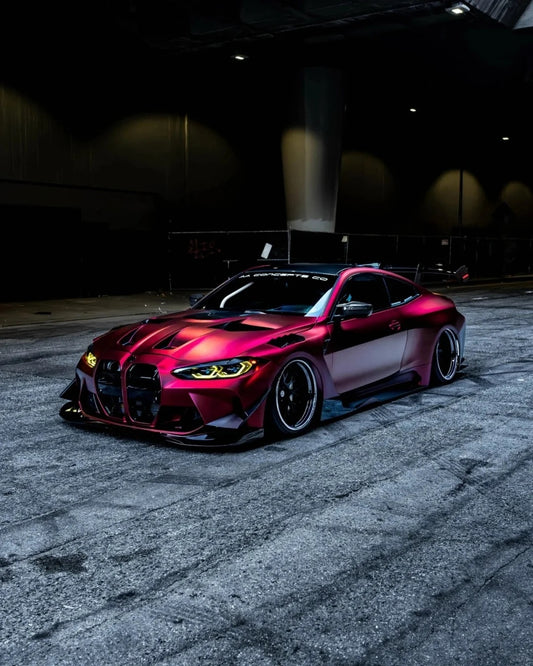
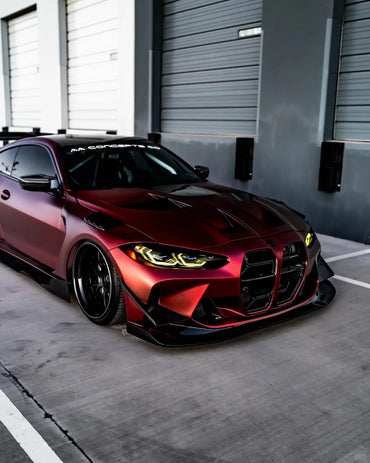
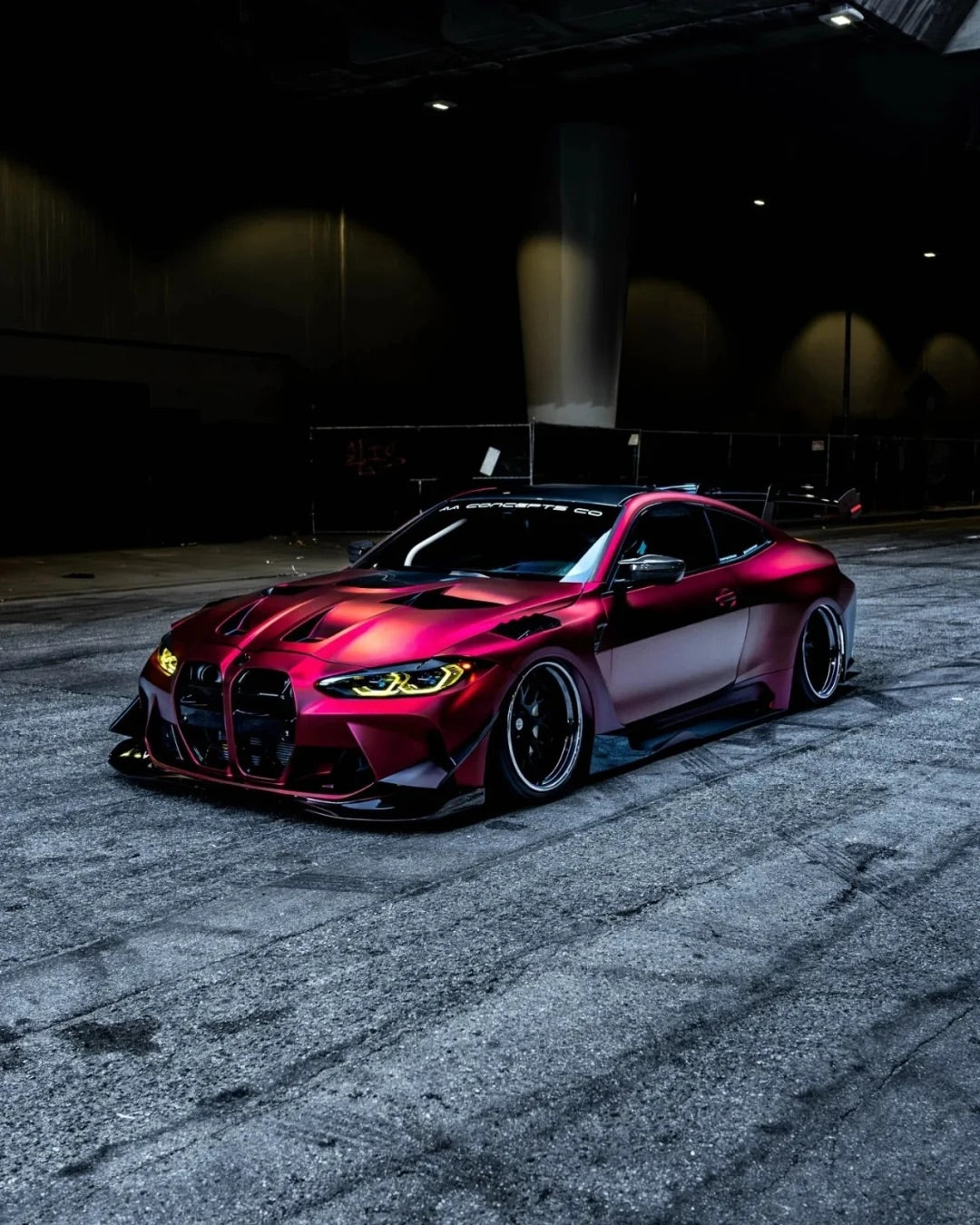
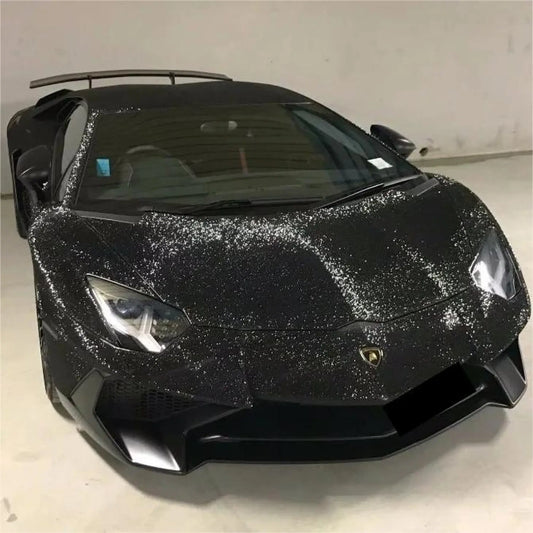
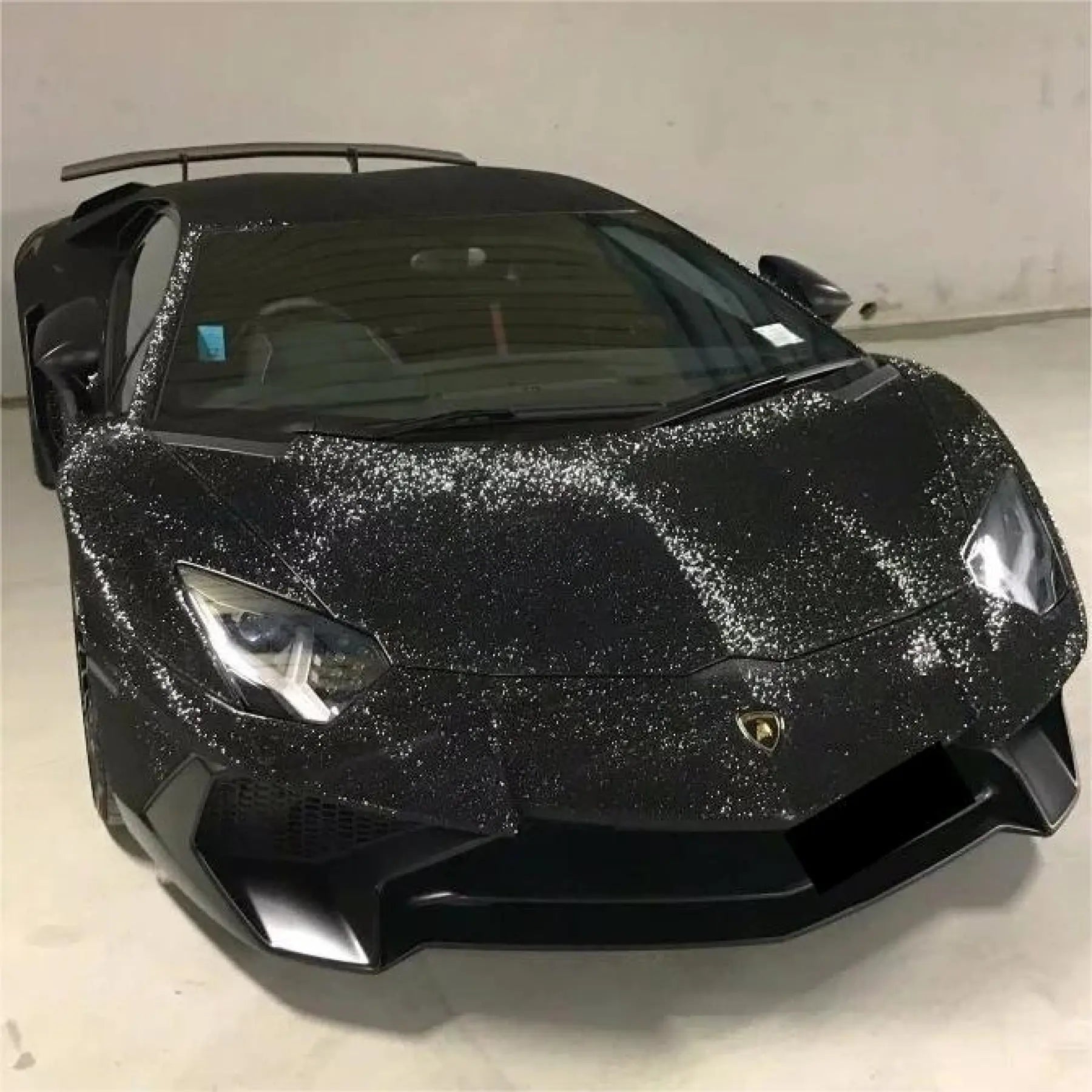
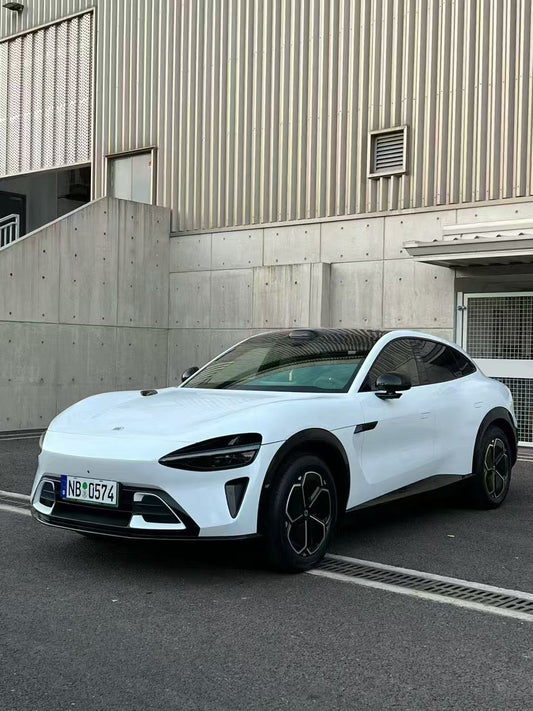
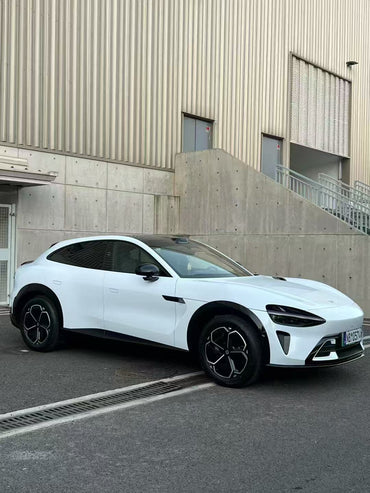
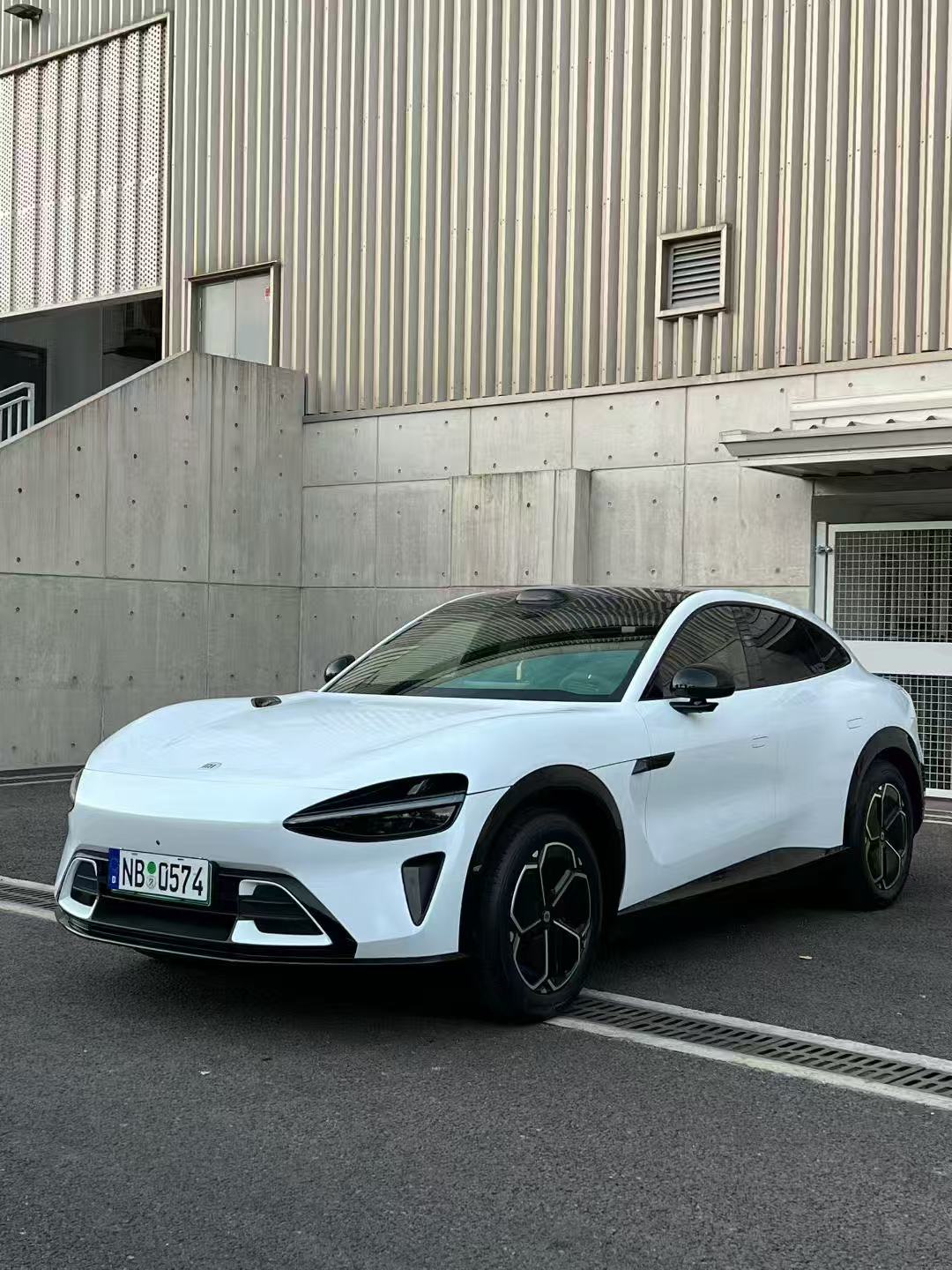


Investing in a premium car wrap or paint protection film represents a significant commitment to preserving your vehicle's appearance. Whether you've chosen a stunning
glitter sparkle car wrap or a protective TPU paint protection film, proper maintenance ensures your investment lasts for years while maintaining that showroom-fresh appearance.
Understanding Different Car Wrap Materials
Before diving into maintenance procedures, understanding your specific wrap material helps determine the best care approach. Different finishes require tailored cleaning methods to preserve their unique characteristics.
TPU Paint Protection Film
Thermoplastic polyurethane (TPU) films like our colored paint protection film feature advanced self-healing technology. These films automatically repair minor scratches when exposed to heat, typically above 70°F (21°C). Available in 7.5mil and 8.5mil thicknesses with gloss or matte finishes, TPU films provide superior rock chip protection while maintaining optical clarity for up to ten years with proper care.
Vinyl Car Wraps
Our extensive car vinyl wrap collection includes multiple finish types, each requiring specific care approaches. The crystal series offers brilliant depth and clarity, while metallic vinyl wraps contain reflective particles requiring gentle handling to prevent micro-scratches that diminish their luster.
Specialty Finishes
Ultra matte wraps absorb light rather than reflect it, creating sophisticated aesthetics but requiring special products to avoid unwanted shine. Rainbow laser vinyl wraps and liquid chrome wraps feature mirror-like surfaces demanding extra protection from harsh chemicals and abrasive materials.
Essential Washing Techniques for Car Wraps
Proper washing forms the foundation of wrap maintenance. Following established techniques prevents damage while keeping your vehicle pristine. According to automotive care experts, establishing a consistent washing schedule every one to two weeks prevents harmful contaminants from bonding permanently to your film's surface.
The Two-Bucket Wash Method
Professional detailers recommend the two-bucket method as the safest approach for wrapped vehicles. Fill one bucket with pH-neutral automotive shampoo mixed with water, and the second with clean rinse water. This system prevents dirt transfer back onto your wrap's surface, significantly reducing scratch risk during washing.
Begin by thoroughly rinsing your vehicle from top to bottom, allowing gravity to carry away loose debris. Use a soft microfiber wash mitt, dipping it in the soapy bucket and gently washing one panel at a time. After each pass, rinse the mitt in the clean water bucket before reloading with soap. This technique prevents grit from scratching your wrap's surface.
Selecting Safe Cleaning Products
Choose automotive detergents with pH levels between six and eight specifically formulated for vehicle surfaces. Harsh household cleaners, dish soaps, or products containing ammonia, acetone, bleach, or petroleum-based solvents strip protective layers from vinyl wraps and accelerate degradation. Always verify product compatibility before application, particularly on specialty finishes like our
dual color dream vinyl wraps that shift colors under different lighting conditions.
Drying and Post-Wash Care
Proper drying prevents water spots that can dull your wrap's appearance and create mineral deposits over time. Never allow your wrapped vehicle to air dry, as this leaves behind residue that compromises the film's aesthetic appeal.
Microfiber Towel Technique
Use high-quality, clean microfiber towels exclusively for drying wrapped vehicles. Pat the surface dry rather than dragging or rubbing, which can create micro-scratches particularly visible on gloss finishes. Keep multiple towels handy, switching to fresh ones as they become saturated. For hard-to-reach areas around mirrors, grilles, and bumpers, a low-pressure air blower provides effective moisture removal without surface contact.
Quick Detailer Application
After drying, applying a wrap-safe quick detailer spray enhances shine while providing additional protection against dust and water spots. These products create a hydrophobic barrier that makes future cleaning easier. However, avoid traditional automotive waxes on matte finishes, as they add unwanted gloss and can permanently alter the wrap's appearance.
Handling Stubborn Contaminants
Certain environmental contaminants require immediate attention to prevent permanent damage. Bird droppings, tree sap, bug splatter, and road tar contain acidic compounds that can etch into film surfaces if left untreated.
Spot Cleaning Protocol
Address contaminants as quickly as possible upon discovery. Soak the affected area with warm, soapy water for several minutes to loosen the substance. Gently blot rather than scrub to lift contaminants without spreading them or damaging the underlying film. For particularly stubborn deposits, isopropyl alcohol diluted with water (two parts alcohol to one part water) effectively dissolves residue without harming most vinyl films.
Fuel Spill Response
Gasoline acts as a solvent that can degrade vinyl wraps rapidly. If fuel spills occur during refueling, wipe the affected area immediately with a clean cloth, then wash, rinse, and dry the section thoroughly as soon as possible. Our premium 3D carbon fiber wrap materials resist chemical exposure better than standard films, though immediate cleanup remains essential.
Special Care for TPU Paint Protection Film
TPU paint protection films require specific maintenance approaches to maximize their self-healing properties and longevity. Understanding how these advanced materials function helps optimize your care routine.
Activating Self-Healing Properties
Modern TPU films feature topcoats that automatically repair minor scratches when heated. To activate this feature, park your vehicle in direct sunlight for ten to fifteen minutes or apply warm water (100-110°F) over affected areas. The heat softens the topcoat, allowing it to flow back into scratches and restore a smooth surface. Avoid temperatures exceeding 140°F, which can warp the film permanently.
Edge Maintenance
Film edges and seams represent the most vulnerable areas where dirt and moisture accumulate, potentially causing lifting over time. Conduct monthly inspections by running a gloved fingertip along edges to detect any separation. If you notice lifting, apply a small drop of wrap-safe edge adhesive and press gently to reseal before cleaning away excess adhesive immediately.
Ceramic Coating Enhancement
Applying a ceramic hydrophobic coating annually provides additional protection for PPF while making regular maintenance significantly easier. These coatings create a sacrificial layer that repels water, dirt, and contaminants more effectively than bare film. The hydrophobic surface also enhances the self-cleaning effect during rain, reducing washing frequency requirements.
Matte and Specialty Finish Care
Matte finishes from our ultra matte wrap series demand entirely different care approaches than gloss films. These unique surfaces absorb light rather than reflect it, requiring specialized products designed specifically for matte vinyl.
Matte-Specific Products
Never use conventional car wash soaps, polishes, or waxes on matte wraps. These products contain gloss-enhancing agents that create shiny spots and permanently alter the finish's uniform appearance. Instead, use cleaners specifically formulated for matte vinyl that clean without adding shine or leaving residue.
Cleaning Motion Technique
When washing matte wraps, always wipe in straight lines rather than circular motions. Circular movements can create visible swirl marks that stand out prominently on flat, non-reflective surfaces. Use edgeless microfiber cloths to prevent material from catching on edges or seams during cleaning.
What to Avoid: Common Maintenance Mistakes
Certain practices that seem harmless can significantly shorten your wrap's lifespan or cause irreversible damage. Understanding these pitfalls helps protect your investment.
Automatic Car Washes
Automated car washes with rotating brushes pose significant risks to wrapped vehicles. Stiff bristles can scratch surfaces, lift edges, and cause peeling over time. If professional washing is necessary, choose touchless facilities that rely on water spray and detergents without mechanical contact. Even touchless washes should be used sparingly, as high-pressure jets can force water under film edges.
Pressure Washing Precautions
While pressure washing can speed up the cleaning process, improper technique damages wraps quickly. Keep pressure below 2,000 PSI and maintain a minimum distance of twelve to eighteen inches from the surface. Use a forty-degree wide-angle spray pattern and never direct concentrated pressure at edges or seams, which can force water underneath and cause lifting.
Environmental Exposure
Extended UV exposure accelerates film degradation regardless of quality. Whenever possible, park in shaded areas or garages to minimize direct sunlight exposure. During extreme heat, vinyl adhesive can weaken, making films more susceptible to lifting and peeling. Winter conditions present opposite challenges, as road salt and de-icing chemicals are particularly harsh on wraps, requiring more frequent washing during cold months.
Seasonal Maintenance Considerations
Adjusting your maintenance routine according to seasonal conditions helps address specific environmental challenges throughout the year.
Summer Care
High temperatures and intense UV radiation during summer months demand extra protection. Wash more frequently to remove pollen, insects, and tree sap that accumulate rapidly. Consider applying UV protectant sprays periodically to guard against color fading, particularly on vibrant finishes like our best sellers collection featuring popular Diamond Glitter and Liquid Gloss colors.
Winter Protection
Road salt, sand, and de-icing chemicals present significant challenges during winter. Increase washing frequency to two or three times weekly when driving on treated roads. When removing snow and ice, use soft brushes or cloths exclusively, as sharp tools like ice scrapers can tear through vinyl films. Our professional-grade wrapping tools include squeegees suitable for safe ice removal techniques.
Professional Inspection and Maintenance
While regular home maintenance keeps your wrap looking great, periodic professional inspections identify issues before they become serious problems.
Annual Professional Check-Up
Schedule annual inspections with professional detailers or wrap installers who can identify potential problems invisible to untrained eyes. Professionals detect early signs of lifting, adhesive degradation, or film deterioration that require prompt attention. They can also apply specialized treatments and sealants that extend film lifespan beyond what home care achieves alone.
When to Seek Repairs
Contact professionals immediately if you notice widespread lifting or peeling, large tears or punctures, stubborn staining that home products cannot remove, or yellowing or discoloration spreading across panels. Early intervention often allows targeted repairs rather than complete panel replacement, saving significant expense while maintaining your vehicle's appearance.
Maximizing Your Wrap Investment
Quality materials combined with proper care deliver the best long-term value. Our sample kits allow you to test different finishes before committing to full vehicle coverage, ensuring you select materials that match both your aesthetic preferences and maintenance capabilities.
According to automotive film industry research, the global vehicle wrap market continues expanding rapidly, driven by increasing awareness about paint protection and customization options. High-quality wraps properly maintained can last five to ten years, providing ongoing protection and style while preserving underlying paint value.
For additional installation guidance, visit our comprehensive DIY car wrap installation guide and car film maintenance guide for detailed instructions covering every aspect of wrap care.
Conclusion
Maintaining your car wrap or paint protection film requires consistent attention but rewards you with years of stunning appearance and underlying paint preservation. By following these expert techniques, using appropriate products, and avoiding common pitfalls, you protect your investment while keeping your vehicle turning heads wherever you drive.
Whether you've chosen a sophisticated ultra matte finish, an eye-catching glitter sparkle wrap, or protective TPU paint protection film, proper care ensures your film performs at its best for years to come. Explore our complete collection at Sailifilm and discover premium automotive films designed for both stunning appearance and long-lasting durability.
• Paint Protection Film - Wikipedia - Comprehensive overview of PPF technology and history
• Vehicle Vinyl Wrap - Wikipedia - Technical information about vinyl wrap materials and applications
• SEMA (Specialty Equipment Market Association) - Industry association for automotive specialty products

