



Understanding Paint Protection Film
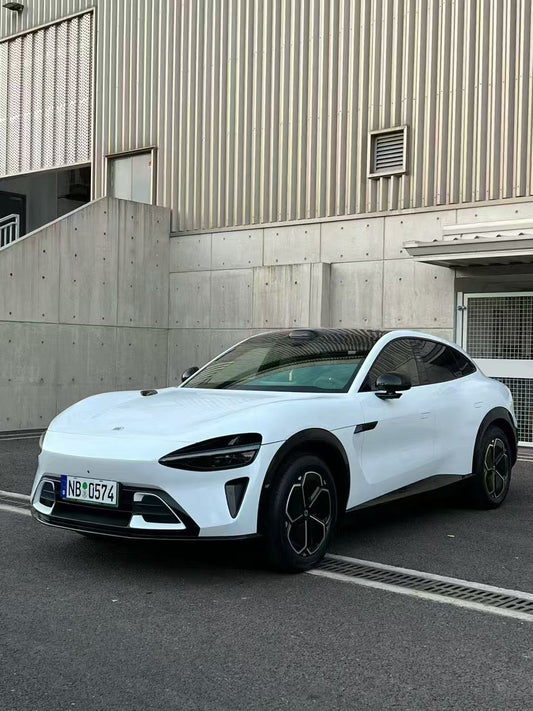
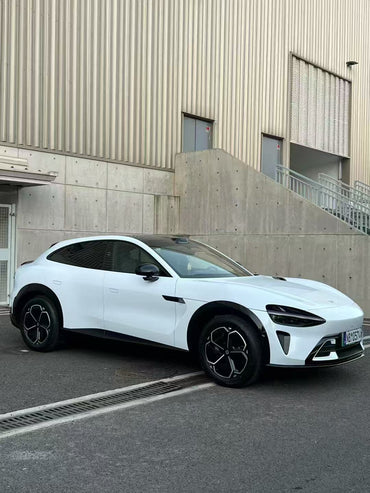
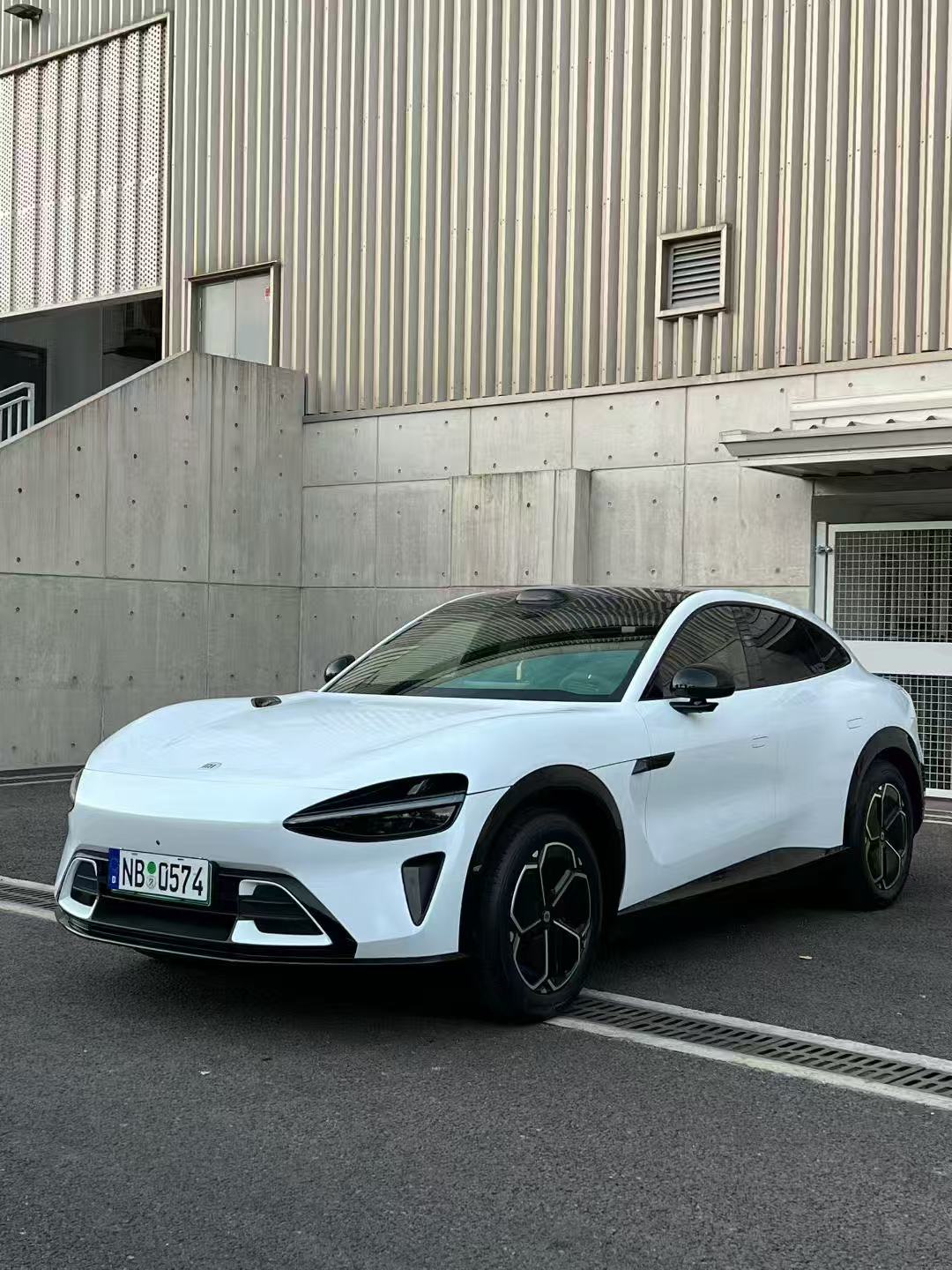
Paint protection film, often called PPF or clear bra, consists of a transparent thermoplastic polyurethane layer applied directly to your vehicle's painted surfaces. This physical barrier creates a sacrificial shield between your paint and the countless hazards encountered during everyday driving.
Modern PPF technology has evolved dramatically since its origins protecting military helicopter blades during combat operations. Today's premium films measure between 6 and 10 mils thick and feature advanced self-healing properties that allow minor scratches and swirl marks to disappear when exposed to heat from sunlight or warm water.
Sailifilm offers professional-grade TPU paint protection wrap in both 7.5mil and 8.5mil thicknesses, available with gloss or matte finishes. These films feature exceptional optical clarity, advanced self-healing technology, and superior scratch resistance designed for years of reliable protection.
PPF Protection Capabilities
The primary advantage of paint protection film lies in its impact resistance. PPF absorbs and disperses energy from stone chips, road debris, gravel strikes, and other physical impacts that would otherwise damage your factory paint. This protection proves especially valuable for highway drivers, off-road enthusiasts, and anyone traveling through construction zones or poorly maintained roads.
Beyond impact protection, quality PPF shields against environmental hazards including bug splatter, bird droppings, tree sap, acid rain, and UV radiation. The film prevents these contaminants from etching into your clear coat while blocking ultraviolet rays that cause paint oxidation and fading over time.
Self-healing technology represents one of the most impressive features of modern PPF. When light scratches or swirl marks occur on the film surface, heat activation causes the material to return to its original smooth state. This self-repair capability keeps protected surfaces looking flawless without requiring professional intervention for minor surface damage.
Understanding Ceramic Coating
Ceramic coating operates on entirely different principles than paint protection film. This liquid polymer contains silicon dioxide and sometimes titanium dioxide compounds that chemically bond with your vehicle's factory paint or clear coat. Rather than creating a physical barrier, ceramic coating forms a semi-permanent protective layer through molecular-level adhesion.
The resulting surface becomes extremely hydrophobic, causing water to bead dramatically and roll off while carrying dirt particles along. This water-repelling property simplifies routine maintenance significantly, as contaminants struggle to bond with the slick, smooth surface.
Ceramic Coating Benefits
Ceramic coatings excel at enhancing your vehicle's appearance. The treatment creates exceptional depth and gloss that many describe as a wet look finish, making colors appear more vibrant and paintwork more dimensional. For owners prioritizing aesthetic appeal, ceramic coating delivers remarkable visual enhancement.
Chemical resistance represents another significant strength. The coating protects against oxidation, water spots, UV damage, and mild chemical exposure. Bird droppings and tree sap that might etch unprotected paint can typically be cleaned from ceramic-coated surfaces without leaving permanent marks.
Maintenance becomes dramatically easier with ceramic coating. Studies suggest ceramic-coated vehicles require up to fifty percent fewer washes than unprotected cars because dirt and grime cannot bond effectively to the slick surface. Regular washing takes less time and effort, with contaminants rinsing away without aggressive scrubbing.
Key Differences Between PPF and Ceramic Coating
Understanding where each technology excels helps you match protection to your specific needs.
Physical Impact Protection
This category represents the most significant difference between the two options. Paint protection film provides genuine physical protection against rock chips, scratches, and debris impacts. The thick urethane material absorbs force and prevents damage from reaching your paint underneath.
Ceramic coating offers essentially no impact protection. While it creates a hard surface layer, the coating cannot stop stones or debris from chipping your paint. If physical damage prevention ranks as your primary concern, PPF remains the only viable solution.
Appearance Enhancement
Ceramic coating typically delivers superior aesthetic enhancement compared to standard PPF. The chemical bond creates exceptional gloss and depth that many find more visually striking than the subtle appearance of clear film.
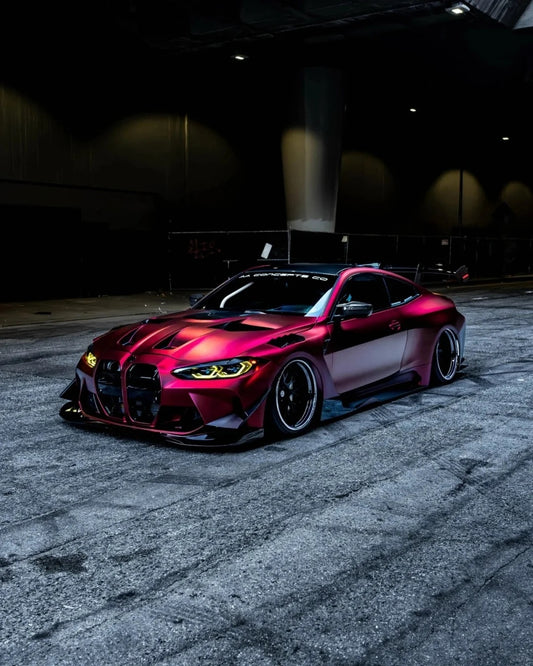
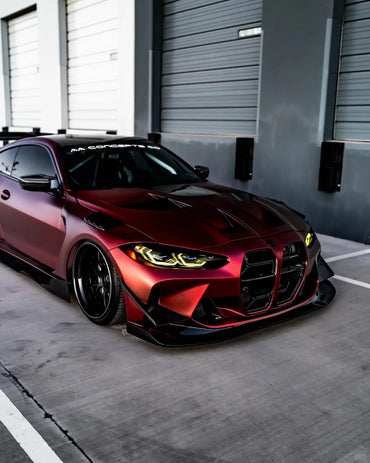
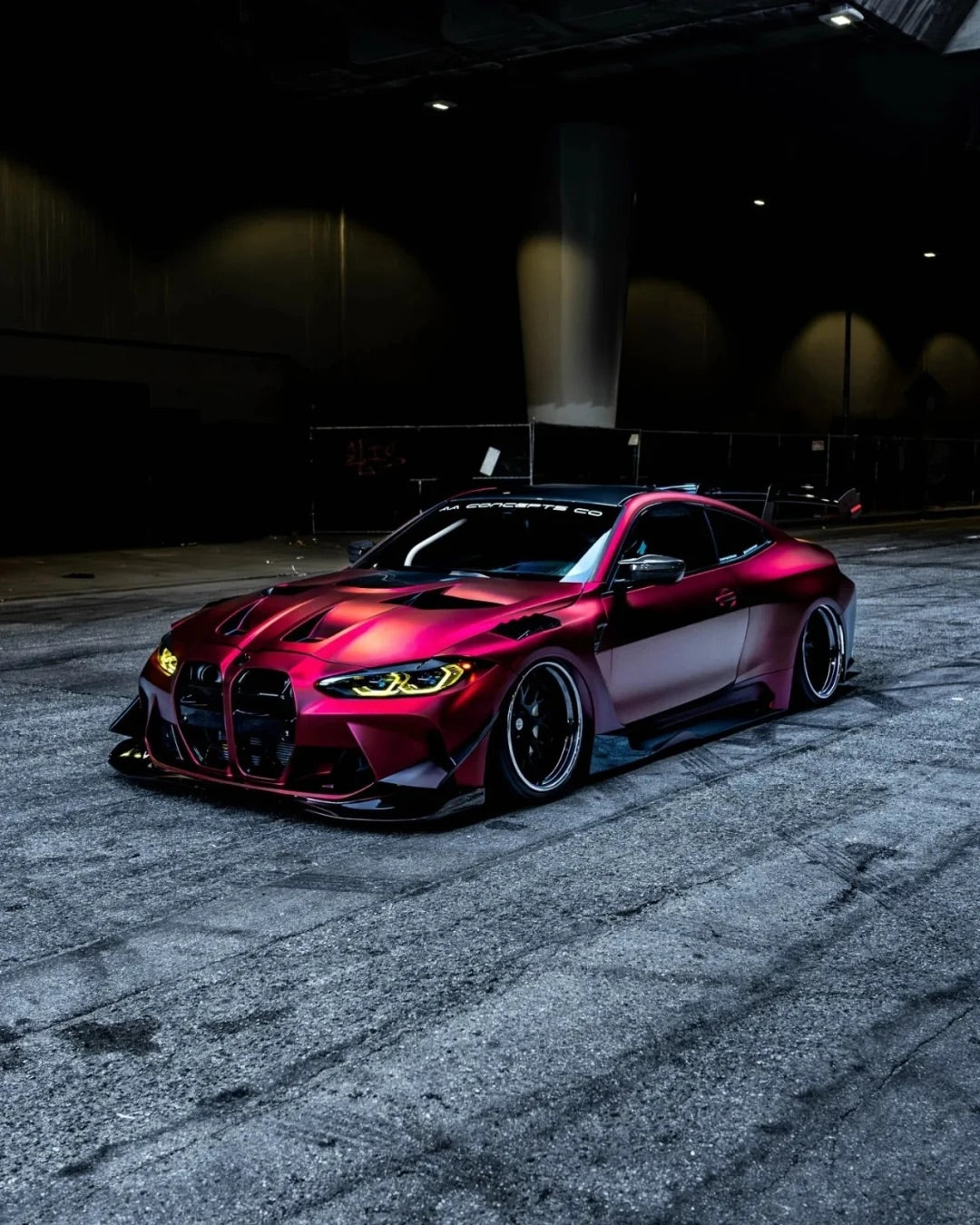
However, for those wanting both color transformation and protection, colored paint protection film offers an innovative alternative. Sailifilm's colored PPF collection includes 19 vibrant options such as Crystal Sky Blue, Ferrari Red, Arctic Grey, and Piano Black. These films combine the physical protection of TPU with stunning color options, allowing customization alongside comprehensive protection.
Durability and Longevity
Quality paint protection film typically lasts seven to ten years with proper maintenance, making it a long-term investment in your vehicle's appearance and resale value. Premium films resist yellowing, cracking, and degradation throughout their lifespan.
Ceramic coatings generally last two to five years depending on product quality, application technique, and maintenance practices. Some advanced formulations offer extended durability, but most coatings require periodic reapplication to maintain optimal performance.
Cost Considerations
Professional PPF installation involves higher upfront costs than ceramic coating, reflecting the material expense and labor-intensive application process. Full vehicle PPF coverage can range from several thousand dollars depending on vehicle size and complexity.
Ceramic coating typically costs less initially, with professional application requiring fewer hours of labor and less expensive materials. This cost advantage makes ceramic coating attractive for budget-conscious vehicle owners seeking paint enhancement without maximum physical protection.
Maintenance Requirements
Both protection types require ongoing care to maximize longevity and performance. PPF benefits from regular washing with pH-neutral automotive soap and occasional inspections to ensure edges remain sealed. Some owners add spray sealants periodically to enhance hydrophobic properties.
Ceramic coatings require similar maintenance washing but may need annual inspections and maintenance treatments to sustain protective properties. Some products recommend periodic booster applications to refresh hydrophobic performance.
Combining PPF and Ceramic Coating
Many automotive professionals recommend combining both technologies for ultimate protection. This layered approach delivers the best characteristics of each solution while compensating for individual limitations.
The proper application sequence matters significantly. PPF should always be installed first, directly onto clean, bare paint. Attempting to apply PPF over existing ceramic coating can compromise adhesion, potentially causing lifting, peeling, or warranty issues.
Once PPF installation cures completely, ceramic coating can be applied over the film surface. This combination provides physical impact protection from the underlying PPF while adding enhanced gloss, hydrophobic properties, and easier maintenance from the ceramic layer above.
This dual-protection approach proves particularly valuable for high-end vehicles, daily drivers in harsh environments, and owners planning long-term vehicle ownership. The combined investment often pays dividends through preserved resale value and reduced maintenance costs over time.
When to Choose PPF
Paint protection film makes the most sense for several common scenarios.
Highway commuters face constant bombardment from road debris, making PPF essential for front-end protection. The front bumper, hood, fenders, and mirrors take the heaviest damage during high-speed driving, and PPF shields these vulnerable areas effectively.
New vehicle owners benefit from immediate PPF installation before accumulating any road damage. Protecting factory-fresh paint from day one maximizes long-term preservation and resale value.
Performance and luxury vehicle owners often prioritize comprehensive protection for their significant investments. The cost of PPF pales compared to potential paint repair or refinishing expenses on high-value automobiles.
Drivers in challenging environments including construction zones, gravel roads, and areas with harsh winter conditions find PPF invaluable for maintaining paint integrity despite hostile conditions.
When to Choose Ceramic Coating
Ceramic coating serves different priorities effectively.
Appearance-focused owners seeking maximum gloss and visual enhancement often prefer ceramic coating for its dramatic aesthetic improvement. The wet look finish appeals to enthusiasts wanting their vehicle to stand out.
Budget-conscious vehicle owners can achieve meaningful protection and enhanced appearance at lower cost than full PPF coverage. Ceramic coating offers excellent value for those prioritizing shine over impact protection.
Owners seeking simplified maintenance appreciate how ceramic coating makes washing faster and easier. The hydrophobic surface requires less effort to keep clean while maintaining a premium appearance between washes.
Vehicles primarily used in urban environments with minimal highway exposure may find ceramic coating sufficient since reduced high-speed driving means fewer impact threats.
Beyond Clear Films: Vinyl Wrap Alternatives
For those prioritizing aesthetic transformation, Sailifilm offers extensive car vinyl wrap collections providing visual customization with baseline protection against UV damage and minor scratches.
The Crystal Series delivers exceptional color depth and vibrancy through specialized formulations. The Metallic Series offers sophisticated finishes simulating premium automotive paint.
For dramatic transformations, the Liquid Chrome Series produces mirror-like finishes, while the Rainbow Laser Series creates color-shifting effects that change with viewing angle. The Dual Color Dream Series produces captivating two-tone appearances impossible to achieve with traditional paint.
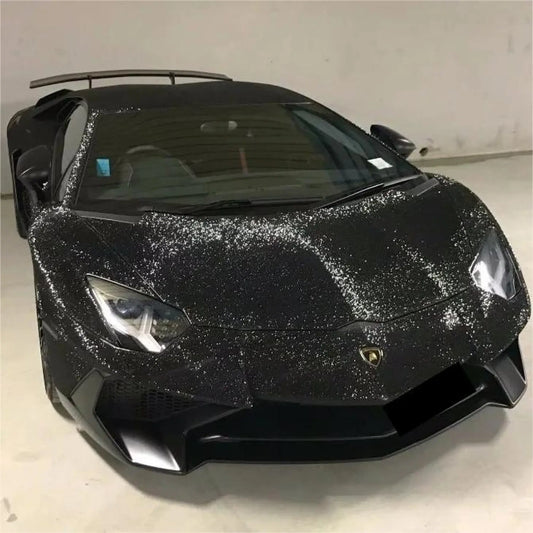
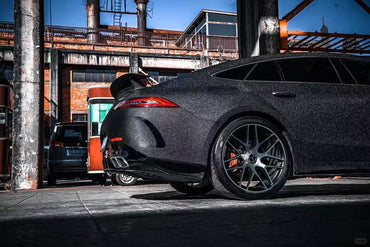
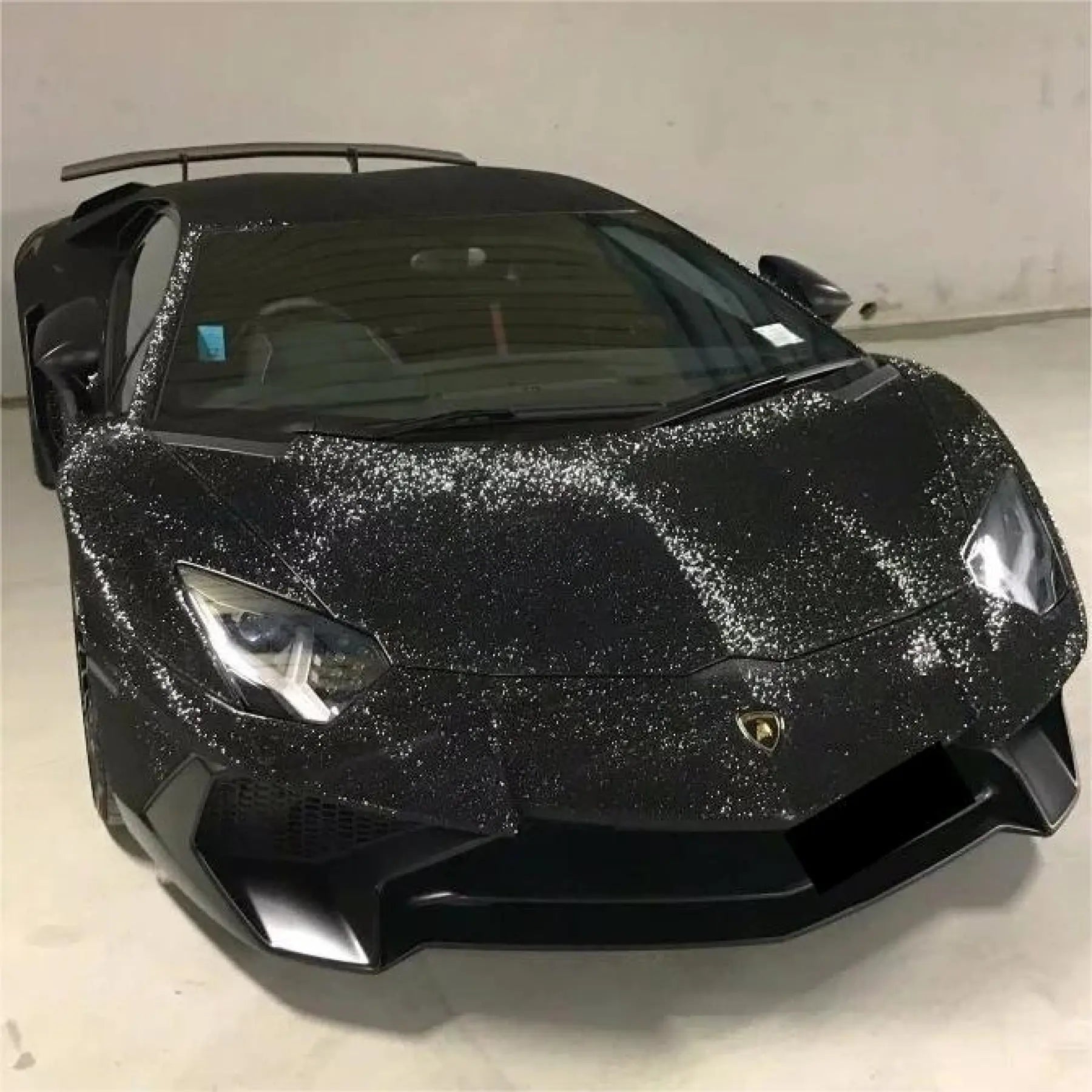
Those preferring understated elegance appreciate the Ultra Matte Series, while sports car enthusiasts gravitate toward 3D Carbon Fiber Wrap for high-performance aesthetics. The Glitter Sparkle Car Wrap collection creates eye-catching finishes that shimmer dramatically in sunlight.
Making Your Decision
Your choice between ceramic coating and PPF should reflect your specific priorities, driving patterns, and budget considerations.
If preventing physical damage from rock chips, scratches, and road debris ranks highest, PPF provides protection that ceramic coating simply cannot match. The thicker physical barrier absorbs impacts that would otherwise damage your paint.
If maximum gloss, easy maintenance, and budget efficiency take priority over impact protection, ceramic coating delivers excellent value with dramatic aesthetic enhancement.
If you want both physical protection and enhanced appearance without compromise, combining PPF with ceramic coating provides the ultimate protection package.
For those exploring their options, sample kits allow you to evaluate different films before committing to full coverage. Having proper wrapping tools ensures professional results for DIY installations.
Conclusion
Both ceramic coating and paint protection film offer valuable benefits for vehicle owners committed to preserving their investment. Understanding the distinct advantages of each technology helps you select the right solution for your needs.
PPF excels at physical protection against impacts, scratches, and road hazards while offering self-healing properties that maintain flawless appearance over years of use. Ceramic coating enhances gloss, simplifies maintenance, and provides chemical protection at lower cost.
For many vehicle owners, the combination of both technologies delivers optimal results, leveraging PPF for impact protection and ceramic coating for enhanced appearance and easier maintenance.
Explore Sailifilm's complete range of best-selling products to find the ideal protection solution for your vehicle. Whether you choose PPF, vinyl wrap, or a combination approach, quality materials and proper installation ensure your investment pays dividends through years of preserved beauty and protected value.
- Paint Protection Film - Wikipedia - Technical overview of PPF technology
- Ceramic Coating - Wikipedia - Understanding nano-ceramic technology
how long does ceramic coating last
best PPF thickness for daily drivers
ceramic coating vs wax comparison
PPF installation cost guide
combining PPF and ceramic coating

