



Understanding Paint Protection Film
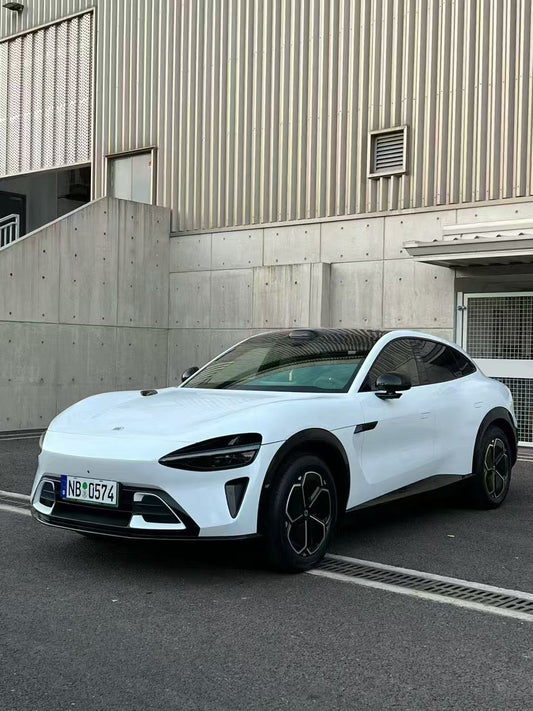
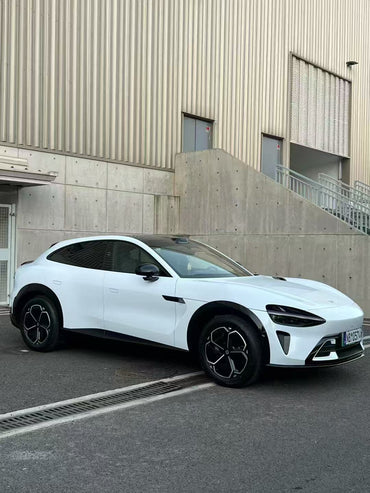
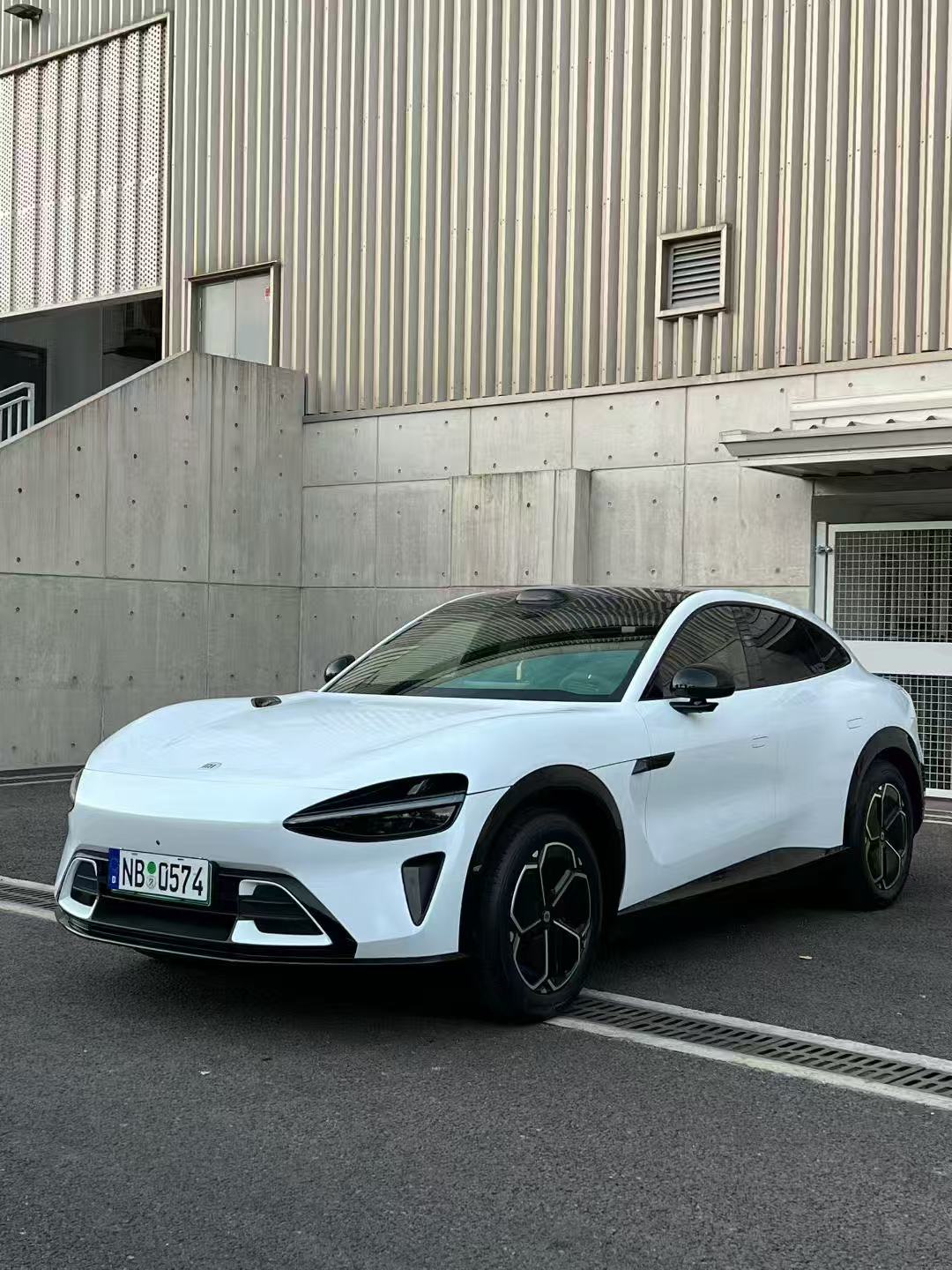
Paint protection film consists of a transparent thermoplastic polyurethane layer applied to exterior vehicle surfaces. This durable material creates an invisible barrier that absorbs impacts from road debris, prevents scratches from everyday hazards, and blocks UV radiation that causes paint fading and oxidation. Modern PPF technology includes self-healing properties that allow minor scratches to disappear when exposed to heat from sunlight or warm water.
Sailifilm offers premium TPU paint protection wrap in both 7.5mil and 8.5mil thicknesses, available in gloss and matte finishes. These professional-grade films feature advanced self-healing technology, crystal-clear optical clarity, and exceptional scratch resistance designed to protect your investment for years.
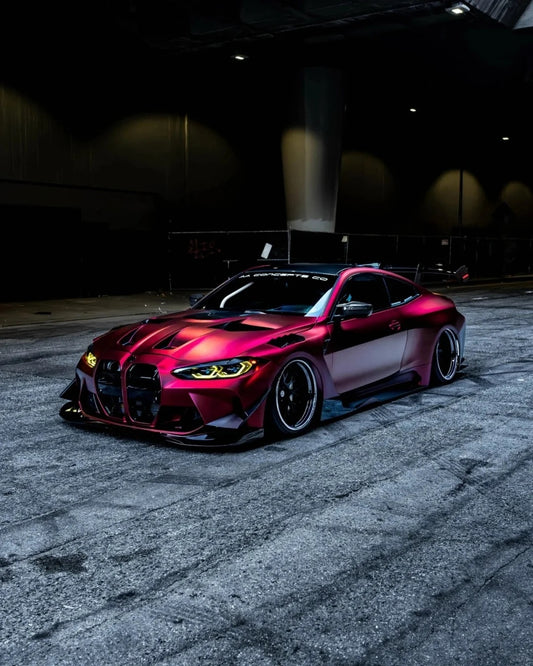
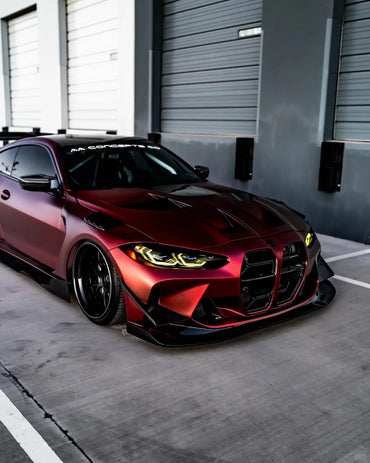
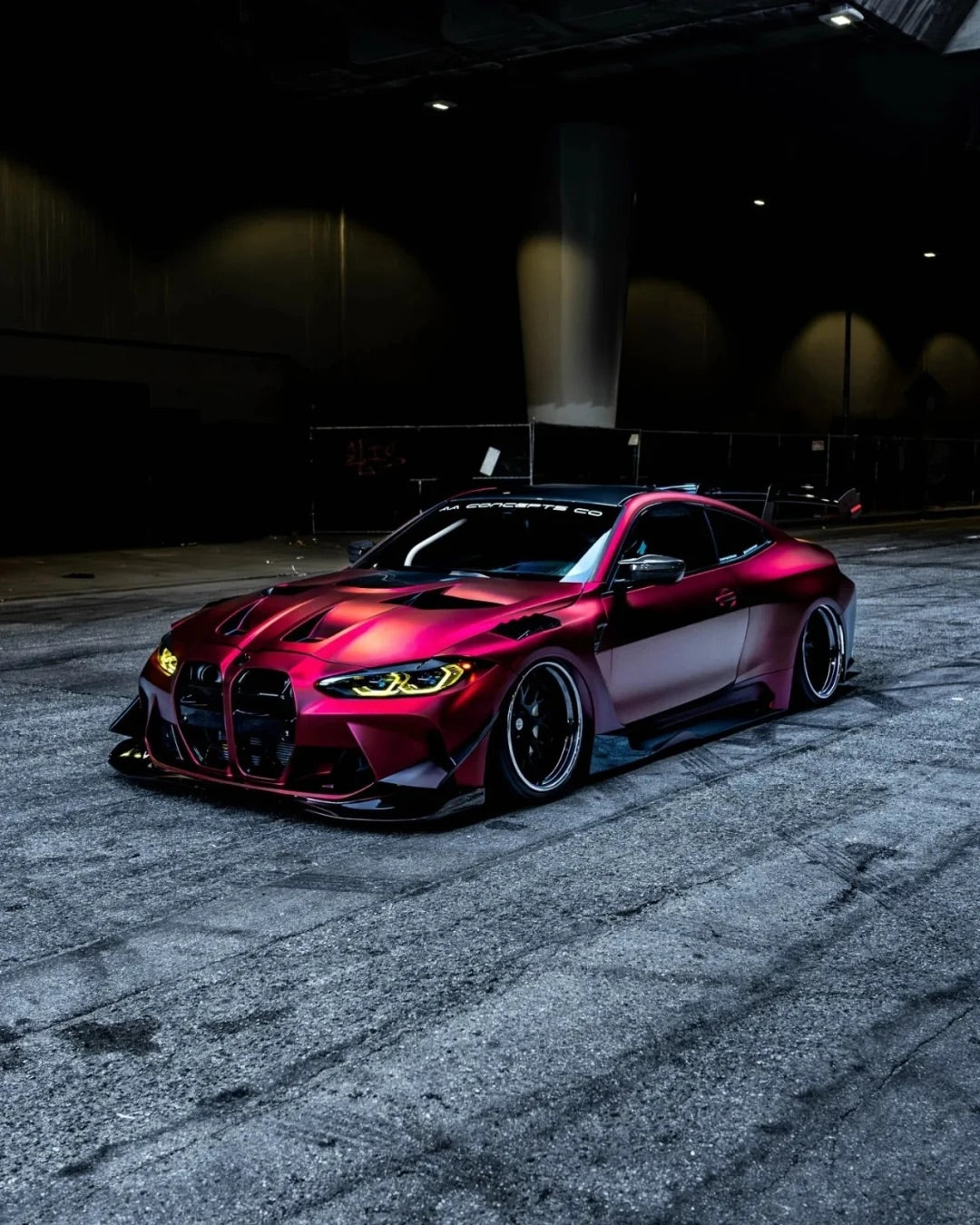
For those wanting color transformation alongside protection, colored paint protection film combines the protective benefits of TPU film with stunning color options including Crystal Sky Blue, Ferrari Red, Arctic Grey, and Piano Black.
The DIY PPF Installation Approach
Many car enthusiasts in cities worldwide are opting for DIY paint protection film installation to protect their vehicles without paying substantial professional fees. With the right tools, proper preparation, and patience, home installation can deliver results approaching professional quality.
Benefits of DIY Installation
The most compelling advantage of DIY installation involves cost savings. Professional PPF installation typically ranges from one thousand to eight thousand dollars depending on coverage and vehicle size. DIY materials and tools cost a fraction of this amount, making protection accessible to budget-conscious vehicle owners.
Beyond savings, DIY installation offers complete scheduling flexibility. You work at your own pace without appointments, waiting lists, or deadlines. Weekend warriors can tackle projects over multiple sessions, taking breaks when needed without feeling rushed.
For automotive enthusiasts who enjoy hands-on work, DIY installation provides genuine satisfaction. The connection between owner and vehicle deepens when you personally apply protection, and skills developed through practice become valuable for future projects.
Essential Tools for DIY Installation
Success in DIY PPF installation depends heavily on having proper equipment. The SAILI Professional Car Tool Wrapping Kit provides everything needed for seamless installation, including multiple squeegee types, precision cutting tools, and essential accessories.
Your complete toolkit should include squeegees in various sizes and hardness levels for different application areas, a quality heat gun for conforming film around curves and sealing edges, sharp cutting blades with protective features to avoid paint damage, spray bottles for slip solution and tack solution, lint-free microfiber towels, clay bar for surface decontamination, and isopropyl alcohol for final cleaning.
Slip solution typically consists of distilled water mixed with a small amount of baby shampoo, allowing you to position film without immediate adhesion. Tack solution helps activate the adhesive when you achieve proper placement.
Step-by-Step DIY Installation Process
Surface Preparation
Proper preparation determines installation success more than any other factor. Begin with a thorough vehicle wash to remove all visible dirt, then use a clay bar treatment to extract embedded contaminants invisible to the naked eye. Follow with an isopropyl alcohol wipe-down to eliminate grease, wax, and residue that could compromise adhesion.
Work in a dust-free environment whenever possible. A clean garage with good lighting provides ideal conditions. Any debris left on the surface will show through the film and create bumps that compromise both appearance and protection.
Film Measurement and Cutting
Measure the area you intend to cover, adding extra material at edges for trimming. Many installers prefer purchasing pre-cut templates designed for specific vehicle makes and models, which reduces cutting errors and speeds installation considerably.
When cutting bulk film, leave at least an inch of excess around all edges. You can always trim away extra material, but film cut too short creates gaps and requires starting over with new material.
Application Technique
Spray generous amounts of slip solution on both the vehicle surface and the adhesive side of the film. This allows repositioning before the adhesive takes hold. Carefully position the film, aligning it with body lines and panel edges.
Once aligned, begin squeegeeing from the center outward using short, controlled strokes rather than long sweeping motions. This technique pushes water and air bubbles toward edges where they can escape. Overlap your strokes by approximately fifty percent to ensure complete coverage.
For curved areas and complex shapes, apply heat with your heat gun while gently stretching the film to conform to contours. Work in small sections, allowing the film to relax and bond before moving to adjacent areas.
Edge Sealing and Finishing
Proper edge sealing prevents lifting and debris infiltration. After removing all moisture from beneath the film, apply tack solution along edges and squeegee thoroughly. Use gentle heat to ensure tight adherence, then carefully wrap edges around panel borders where possible.
Allow the installation to cure for twenty-four to forty-eight hours before exposing the vehicle to rain or washing. This curing period lets the adhesive fully bond with your paint surface.
Professional PPF Installation
Professional installation remains the preferred choice for many vehicle owners, particularly those with luxury cars, complex body designs, or limited time for hands-on projects.
Advantages of Professional Service
The primary benefit of professional installation comes from expertise and precision that trained installers bring to every project. Professionals use computer-cut templates tailored to specific vehicle makes and models, ensuring complete coverage without misalignment or gaps.
Professional shops operate in controlled environments designed to minimize contamination. Climate control, filtered air systems, and specialized lighting create ideal conditions that home garages rarely match.
Reputable installers offer comprehensive warranties covering peeling, bubbling, discoloration, and other defects. These guarantees provide peace of mind knowing any issues will be addressed without additional cost.
Professional installation also saves considerable time. What might take a DIY installer an entire weekend, professionals often complete in a single day or less. Your vehicle returns to service quickly with protection already in place.
Professional Installation Costs
Professional PPF installation pricing varies significantly based on coverage area, vehicle size, and regional market rates. Partial front coverage protecting bumpers, partial hood, and mirrors typically ranges from one thousand to two thousand dollars. Full front coverage including complete hood, fenders, and mirrors generally costs between two thousand and four thousand dollars. Complete vehicle coverage can range from five thousand to eight thousand dollars or more for luxury and exotic vehicles.
These costs reflect not only materials and labor but also the controlled environment, specialized equipment, and warranty coverage that professionals provide.
Making Your Decision
Several factors should influence your choice between DIY and professional installation.
Consider DIY Installation When:
You have patience and enjoy hands-on automotive projects. DIY installation requires attention to detail and willingness to work methodically through each step.
You plan to protect smaller, less complex areas such as headlights, door handles, mirrors, or door edge guards. These applications involve manageable sizes and relatively simple shapes ideal for learning techniques.
Budget constraints make professional installation prohibitive, and you prefer some protection over no protection.
You want to develop skills for future projects on multiple vehicles.
Consider Professional Installation When:
You own a luxury, exotic, or high-value vehicle where perfect results matter significantly for appearance and resale value.
Complex body lines, deep curves, or intricate designs characterize your vehicle, making installation particularly challenging.
You lack time, space, or interest in hands-on installation work.
Warranty coverage provides important peace of mind for your investment.
Starting with Vinyl Wraps
For those new to vehicle film installation, starting with car vinyl wrap projects provides excellent practice before tackling PPF. Vinyl wraps share similar application techniques but offer more forgiving characteristics for beginners.
Sailifilm offers extensive vinyl collections perfect for building installation skills while transforming your vehicle's appearance.
The Crystal Series delivers exceptional depth and vibrancy through specialized formulations that create stunning visual effects. The Metallic Series offers sophisticated finishes that simulate premium automotive paint.
For dramatic transformations, the Liquid Chrome Series produces mirror-like finishes in colors like Liquid Silver and Dragon Red. The Rainbow Laser Series creates color-shifting effects that change appearance depending on viewing angle and lighting.
Those preferring understated elegance appreciate the Ultra Matte Series, while the Dual Color Dream Series produces captivating two-tone effects. The 3D Carbon Fiber Wrap adds sporty, high-performance aesthetic appeal.
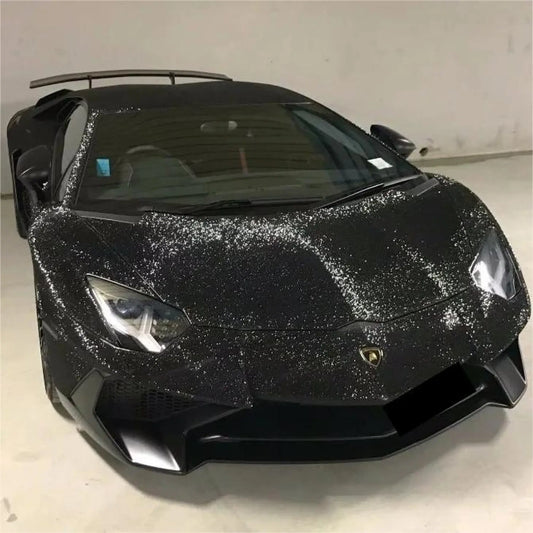
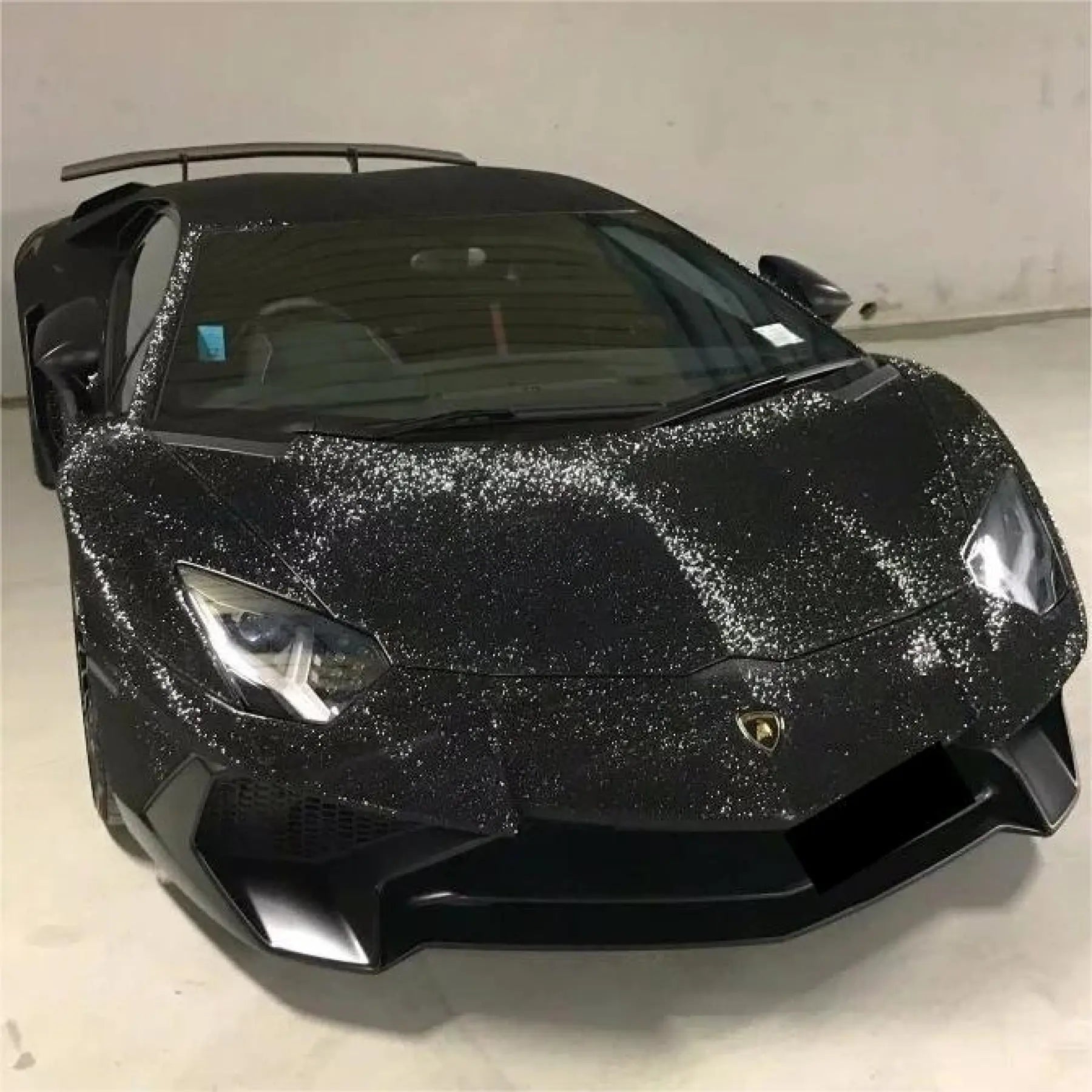
For attention-commanding finishes, explore the Glitter Sparkle Car Wrap collection featuring Diamond Glitter options that shimmer dramatically in sunlight.
Testing Before Committing
Before investing in full rolls of film, consider ordering sample kits to evaluate colors, textures, and finishes against your vehicle. Samples also provide small pieces perfect for practicing application techniques on flat panels before attempting complex installations.
Working with samples builds confidence and skills that translate directly to full-scale projects. Many successful DIY installers credit practice sessions with their eventual proficiency.
Common DIY Mistakes to Avoid
Understanding frequent errors helps you avoid them in your own installation.
Insufficient surface preparation causes more failures than any other factor. Dirt, wax, or contaminants trapped beneath film create visible bumps and compromise adhesion. Never rush the cleaning phase.
Using too little slip solution makes positioning difficult and can trap bubbles before you achieve proper alignment. Be generous with solution application.
Insufficient heat application leads to poor conformity on curves and edges where film must stretch and bond. Learn proper heat gun technique before tackling complex shapes.
Cutting film too short leaves gaps that require complete replacement. Always start with excess material and trim precisely after positioning.
Working in unsuitable environments allows dust and debris to contaminate installations. Choose your workspace carefully and minimize air movement during application.
Rushing through the process creates cascading problems. Professional-quality results require patience at every step.
Aftercare and Maintenance
Proper maintenance extends the lifespan of both PPF and vinyl wrap installations. Avoid washing your vehicle for at least twenty-four to forty-eight hours after installation to allow adhesive curing. When cleaning, use pH-neutral automotive soap and soft microfiber wash mitts rather than abrasive brushes.
Remove bird droppings, bug splatter, and tree sap promptly to prevent staining. Avoid automatic car washes with spinning brushes that can lift edges or damage film surfaces.
Learn more about protecting your investment through the Car Film Maintenance Guide for detailed care instructions.
Conclusion
Both DIY and professional PPF installation offer valid paths to protecting your vehicle's paint. DIY installation provides significant cost savings and personal satisfaction for those with patience, proper tools, and suitable workspace. Professional installation delivers guaranteed results, warranty coverage, and time savings that justify higher costs for many vehicle owners.
Whichever path you choose, quality materials matter significantly. Browse Sailifilm's complete collection of best-selling products to find premium films designed for durability, clarity, and long-lasting protection.
For comprehensive installation guidance, visit the DIY Car Wrap Installation Guide to access detailed instructions that support your journey toward professional-quality results at home.
- Paint Protection Film - Wikipedia - Understanding PPF technology and history
- Vehicle Wrap Installation - Wikipedia - Overview of vehicle wrapping techniques

