

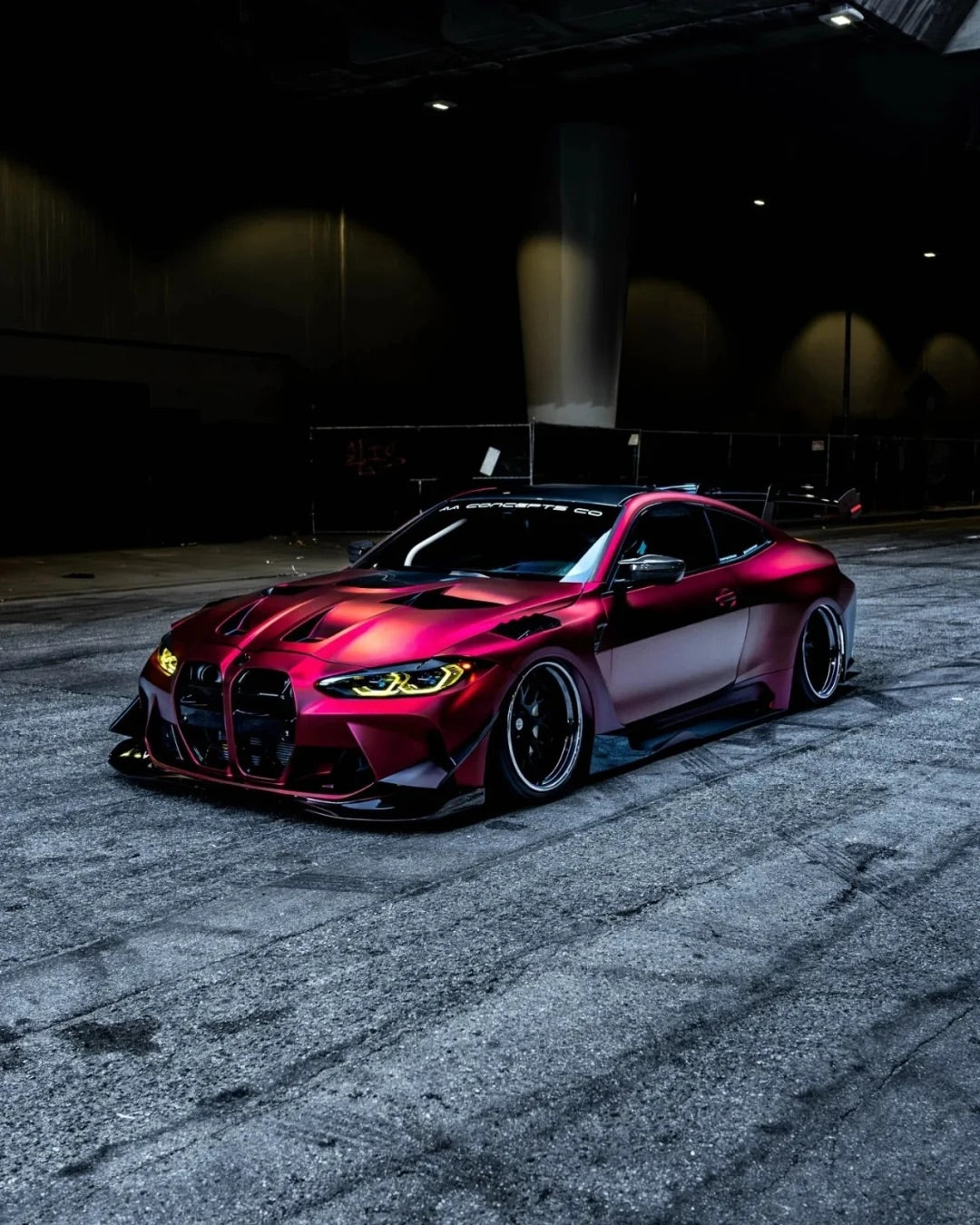
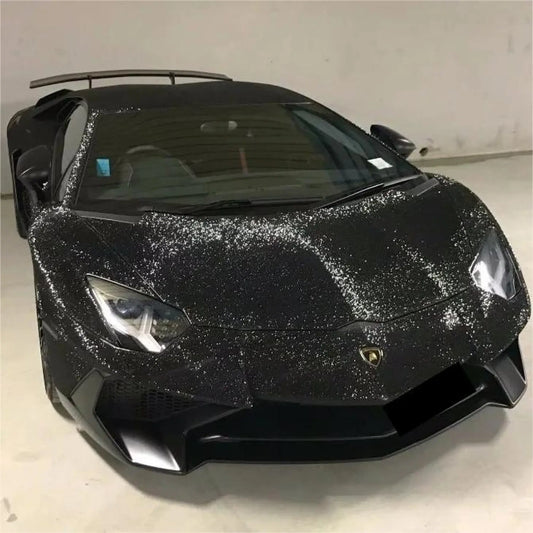
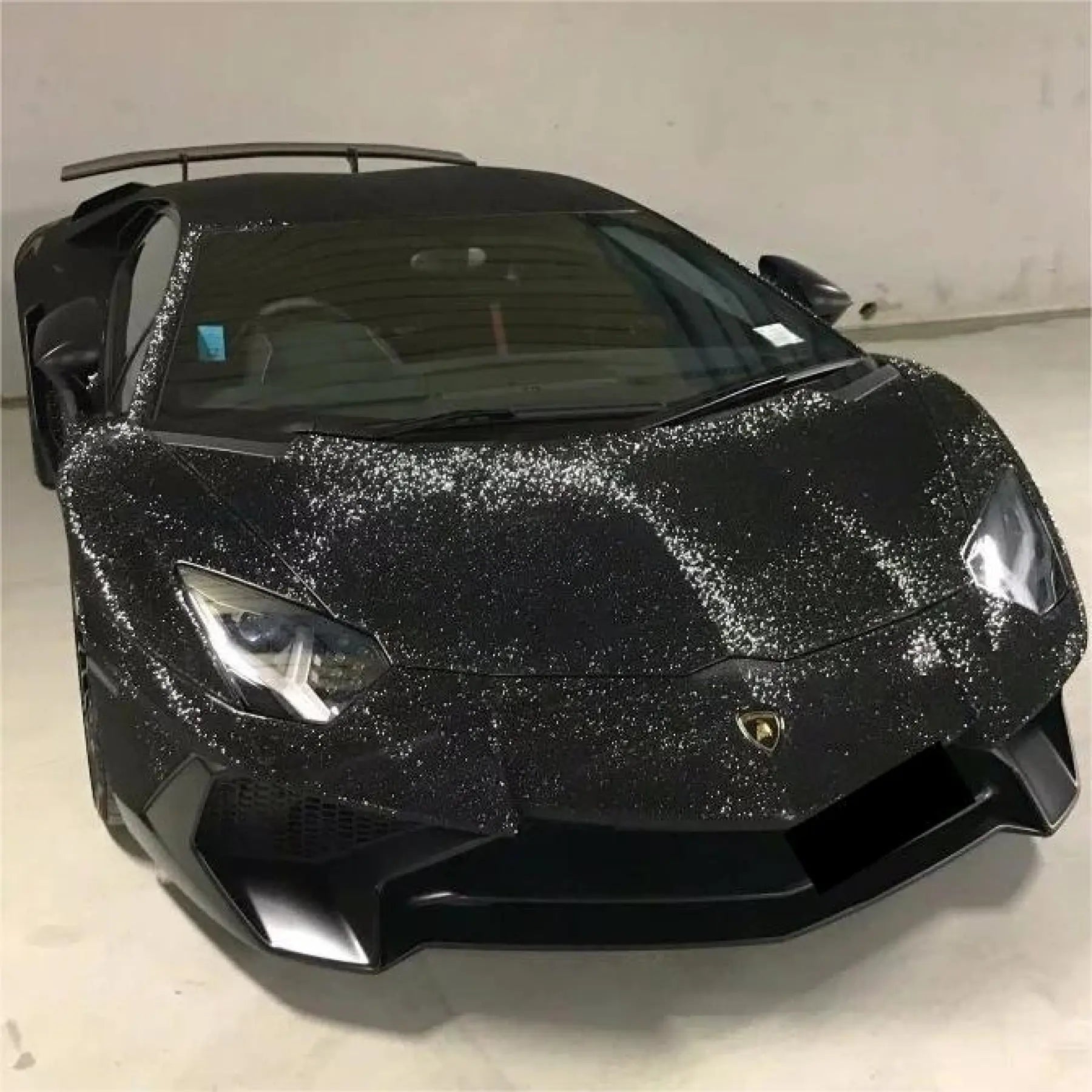


If you have started researching paint protection film, you have probably noticed something frustrating. One shop quotes you nine hundred dollars. Another wants four thousand for what sounds like the exact same job. A third throws out a number that makes you close the browser tab entirely. The confusion is real, and it stops a lot of drivers from protecting their cars at all.
What Actually Goes Into a PPF Quote
When an installer hands you a price, you are not just paying for film. The total reflects several stacked costs:
- Material — the film itself, priced per square foot
- Labor — the hours of skilled hands-on work, usually the biggest line item
- Paint correction — optional prep work to remove swirls before application
- Complexity — curved panels, deep body lines, and tight edges take longer
- Vehicle size — a full-size SUV uses far more film than a compact sedan
- Overhead — the shop's clean room, rent, certifications, and warranty support
Understanding this breakdown matters because it reveals the single biggest variable: labor. Material costs are relatively fixed. Labor is where quotes balloon. For background on how the film technology itself developed, the Wikipedia overview of paint protection film traces its origins from military helicopter blade protection to modern automotive use.
Professional PPF Installation Cost by Coverage (2026)
Professional pricing in 2026 has settled into fairly predictable tiers. Here is what drivers commonly pay:
Partial Front Package — roughly $600 to $1,500 Covers the highest-impact zones: front bumper, the leading 18 to 24 inches of the hood, partial fenders, and side mirrors. This is the budget entry point and stops most rock chips where they happen first. The trade-off is a visible line across the hood where the film ends.
Full Front Package — roughly $1,500 to $3,500 Extends across the entire hood, full fenders, front bumper, mirrors, and often headlights. No visible seam line on the hood. This tier is widely considered the best balance of cost and protection for daily drivers.
Track Package — roughly $2,200 to $4,000 Adds rocker panels, A-pillars, roof leading edge, and rear areas exposed to debris at speed. Built for highway commuters and weekend track enthusiasts.
Full Body Coverage — roughly $5,000 to $8,000+ Wraps the entire vehicle in protective film. The ultimate option for luxury cars, exotics, and high-resale-value vehicles. Larger or more complex vehicles push the top end higher.
Per square foot, professional installation typically runs anywhere from a few dollars to well over ten dollars per square foot once labor is folded in. Install time ranges from four to eight hours for a partial front, up to one to three full days for complete body coverage.
The DIY Reality: Where the Savings Live
Here is the math that changes everything. On a professional full-body install costing five thousand dollars or more, the film material itself is a small fraction of that total. The rest is labor. When you install film yourself, you pay for the material and your own time — and the savings are enormous.
Sailifilm's TPU Paint Protection Wrap is priced for exactly this opportunity. Our clear PPF starts at $299 for a 5ft × 10ft roll, scaling up through 5ft × 79ft sizes for full-vehicle projects. That same coverage professionally installed could cost several thousand dollars. The film is identical-grade premium TPU with self-healing topcoat, hydrophobic surface, and 5 to 10 year durability — you are simply removing the labor markup from the equation.
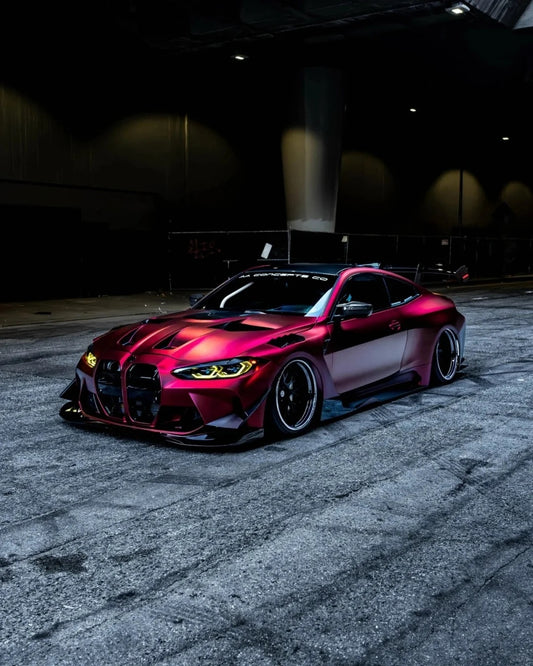
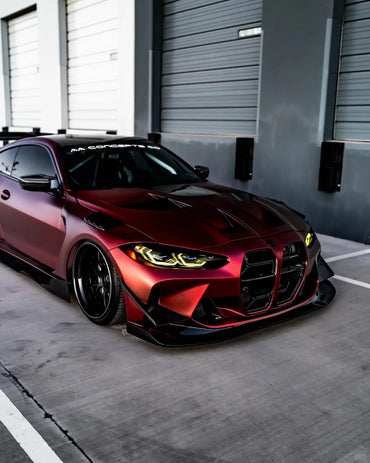
For drivers who want protection plus a color change, our Colored Paint Protection Film starts at $499 and delivers impact resistance plus vibrant pigment in 19 shades, from Crystal Sky Blue to Ferrari Red to Piano Black. A professional colored-film transformation would carry a significant premium on top of standard clear PPF pricing.
DIY vs Professional: An Honest Comparison
DIY is not the right answer for everyone, and pretending otherwise would do you a disservice. Here is the genuine trade-off:
Choose DIY if you:
- Want to save the majority of a professional bill
- Are protecting flat or simple panels like door edges, rocker panels, trunk lips, or rear bumpers
- Enjoy hands-on projects and have patience for a learning curve
- Want to spread the project across several weekends rather than one big invoice
- Are starting with a daily driver rather than a six-figure exotic
Choose professional if you:
- Own a high-end or show car where flawless, seam-free coverage is non-negotiable
- Need complex full-body curves wrapped without lift lines
- Do not want to invest time learning the technique
- Value warranty-backed workmanship on the labor itself
Many smart owners split the difference: they DIY the simpler panels and color-change accents while leaving the trickiest compound curves to a pro. This hybrid approach can cut a full-body quote substantially. Our DIY car wrap guide walks through the complete process step by step.
The Hidden Cost Most People Forget: Tools
A common DIY mistake is buying film and skipping proper tools, then fighting the material with a kitchen squeegee and a hair dryer. That path leads to bubbles, lift lines, and wasted film — which erases your savings fast.
Proper tooling is a small one-time investment that pays for itself immediately. Our wrapping tools collection covers the essentials: precision squeegees, knifeless tape, microfiber-edged applicators, heat sources for conforming film around curves, and cutting tools designed not to scratch paint. Buy quality tools once and they serve every future project.
Before committing to a full install, we strongly recommend ordering a sample kit. Testing film behavior, stretch, and finish on a small area first builds the muscle memory that prevents expensive mistakes on visible panels. Practice on a mirror cap or door handle before touching your hood.
How Film Thickness Affects Your Cost and Choice
Thicker film generally costs slightly more per square foot but delivers more impact resistance. Sailifilm offers clear PPF in both 7.5mil and 8.5mil thickness:
- 7.5mil — the smart default for urban and suburban daily drivers, easier to stretch around curves during DIY installation
- 8.5mil — stronger defense for highway commuters, luxury vehicles, and high-impact zones like hoods and bumpers
Both come in gloss and matte finishes. For a deeper breakdown of which thickness fits your driving, our self-healing PPF technology guide explains how the molecular repair process works and why thickness matters for long-term value.
PPF vs Vinyl Wrap: Different Costs, Different Goals
Cost comparisons get confusing when people mix up PPF and vinyl wrap. They are distinct products with distinct purposes:
- PPF is impact armor — thick TPU film that physically absorbs rock chips and road debris. Higher material cost, maximum protection.
- Vinyl wrap is primarily about appearance — color change, special effects, and texture, with lighter protective benefit.
If your goal is dramatic visual transformation rather than impact defense, our car vinyl wrap catalog is far more budget-friendly per square foot and offers effects no PPF can match. Explore the Metallic Series, Crystal Series, Liquid Series, Rainbow Laser Series, Dual Color Dream Series, 3D Carbon Fiber Wrap, Ultra Matte Series, and Glitter Sparkle Car Wrap for the full range of looks.
Many enthusiasts run PPF on the front clip for protection and vinyl elsewhere for style — a cost-effective combination that gets the best of both. To decide how much coverage you need, our full wrap vs partial wrap comparison helps map scope to budget.
Why PPF Pays for Itself Over Time
Whatever route you choose, PPF is one of the few automotive upgrades that can genuinely save money. Consider the alternative: repainting a single damaged panel often costs hundreds to several thousand dollars. A rock chip on an unprotected hood can mean a body shop visit. PPF acts as a sacrificial barrier that takes the hit instead.
Over a film's 5 to 10 year lifespan, it also reduces the frequency of detailing and protects resale value by keeping factory paint pristine. When you eventually sell, intact original paint under removable film is a meaningful selling point. The upfront cost, especially when you DIY, looks small against years of avoided repair bills.
Cost-Saving Tips Before You Buy
A few practical ways to keep your PPF project affordable:
- Start with high-impact zones only. A partial front DIY install protects where chips happen most, at a fraction of full-body cost.
- Buy the right roll size. Measure your panels first so you order enough film without overpaying for excess.
- Invest in tools once. Quality squeegees and cutting tools prevent material waste that costs more than the tools themselves.
- Practice on samples. A sample kit run prevents costly errors on visible panels.
- Maintain it properly. Good care extends film life, stretching your investment further. Our PPF care and maintenance guide covers the wash routine that keeps film performing for years.
If something goes wrong during a DIY install, do not panic — our wrap damage repair tutorial covers fixing bubbles, lifted edges, and minor scratches at home.
The Bottom Line
Professional PPF installation in 2026 ranges from roughly $600 for a partial front to $8,000 or more for full-body coverage on premium vehicles. The single biggest driver of that range is labor, not film. That is exactly why the DIY route is so compelling: by supplying your own film and tools, you eliminate the largest portion of the cost while using the same premium TPU material a shop would apply.
Whether you want clear protection, a colored transformation, or a style-focused vinyl wrap, Sailifilm gives you factory-direct pricing on the materials that make it possible. Browse our Best Sellers for the most popular picks, explore the full TPU Paint Protection Wrap range, or step into color with our Colored Paint Protection Film lineup.
Protect your paint on your budget, on your timeline, and on your terms.

