



Why These Two Products Are Complements, Not Competitors
The confusion starts because both products get marketed as paint protection, so people assume they overlap. They do not. They solve fundamentally different problems.
Paint protection film (PPF) is a physical barrier. Built from thermoplastic polyurethane (TPU), it is measured in mils and absorbs the energy of impacts — rock chips, gravel, road debris, door dings, and abrasion. It is thick, tough, and self-healing.
Ceramic coating is a chemical barrier. Built from silicon dioxide, it bonds to a surface as a microscopically thin glass-like layer. It does nothing against rock chips, but it excels at repelling water, resisting UV fade, blocking chemical contaminants, and making the surface slick and easy to wash.
Put simply, PPF defends against things that hit your car. Ceramic defends against things that land on or soak into it. For a deeper look at the underlying chemistry of these protective layers, the Wikipedia overview of silicon dioxide explains why ceramic coatings behave the way they do, and the paint protection film entry covers the film side.
The Golden Rule: Order Matters More Than Anything
If you take one thing from this entire guide, make it this. Film goes on first. Ceramic coating goes on top. Getting this backward is one of the most expensive mistakes in car care.
Here is why. PPF needs to bond directly to your factory paint to grip properly and conform to the surface. If you apply ceramic coating to bare paint first, the slick hydrophobic surface you just created actively fights the film's adhesive — leading to lifting edges, bubbles, and premature failure. You would essentially be sabotaging the film with the coating.
The correct sequence is always:
- Clean and prep the factory paint
- Apply PPF to the chosen panels
- Let the film fully set
- Apply ceramic coating over the film and the rest of the vehicle
Applied in this order, the coating bonds to the film's topcoat, adds slickness and shine, and protects every panel — both filmed and unfilmed — with a unified hydrophobic layer.
What Each Layer Actually Does in the Stack
Once assembled correctly, the combination divides labor beautifully:
The PPF layer handles:
- Rock chips and gravel impacts at highway speed
- Scratches from car washes, brushes, and accidental contact
- Abrasion from sand and road grit
- Self-healing of light surface marks with heat from sun or warm water
The ceramic layer handles:
- Water spots and mineral deposits from sprinklers and rain
- UV exposure that causes fading and oxidation
- Chemical contaminants like bird droppings, bug acids, and tree sap
- Easy cleaning, since dirt struggles to bond to the slick surface
- Enhanced gloss and depth across the whole car
Neither layer is redundant. Each covers a gap the other leaves open. This is exactly why detailing professionals increasingly call the combination the most complete protection system available.
Sailifilm's Role: The Foundation Layer
A ceramic coating is only as good as what sits beneath it. The film layer is the structural foundation of the entire stack, and that is where Sailifilm comes in.
Our TPU Paint Protection Wrap is engineered as the ideal base for a layered protection system. Available in 7.5mil and 8.5mil thickness, in both gloss and matte finishes, our clear PPF features a premium self-healing topcoat and hydrophobic surface that bonds beautifully with ceramic coatings applied on top. The 7.5mil suits daily commuters; the 8.5mil delivers extra impact defense for highway-heavy driving and high-value vehicles. To understand how the self-healing chemistry works at a molecular level, our self-healing PPF technology guide breaks it down clearly.
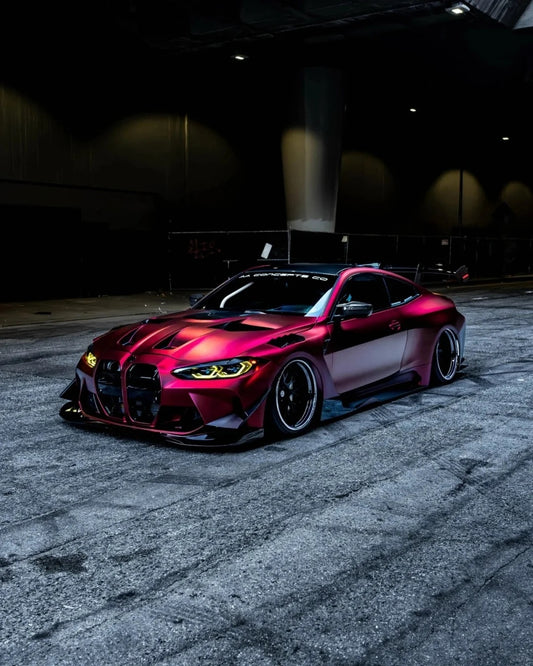
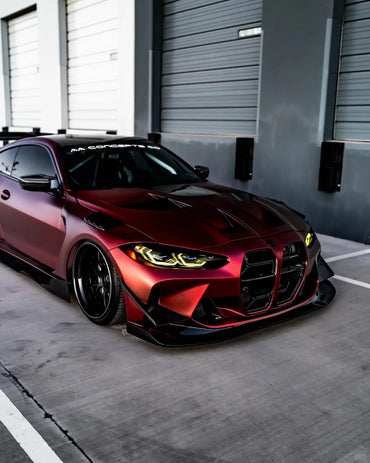
For drivers who want protection and a color change in the same layer, our Colored Paint Protection Film lineup delivers full impact resistance plus vibrant pigment in 19 shades — from Crystal Sky Blue to Ferrari Red to Piano Black. A ceramic coating layered over colored PPF locks in the color depth while adding all the chemical and UV defense the stack is known for.
Where to Apply PPF in the Stack
You do not need to wrap the entire car in film to benefit from the combination. The smartest, most cost-effective approach concentrates PPF on the zones that take the most abuse, then lets ceramic coating cover everything.
Recommended PPF placement for the stack:
- Front bumper — the number one impact zone
- Hood and front fenders — constant exposure to highway debris
- Rocker panels — sand and gravel kicked up by tires
- Door cups and edges — fingernail scratches and door dings
- Mirror caps — bug and stone impacts at speed
- Rear bumper — loading scuffs and parking contact
Then ceramic coating goes over the film and across every remaining panel. This targeted approach gives you physical armor where chips actually happen and chemical protection everywhere. For help deciding how much film coverage you need, our full wrap vs partial wrap comparison maps coverage to budget.
Adding Vinyl Wrap to the Equation
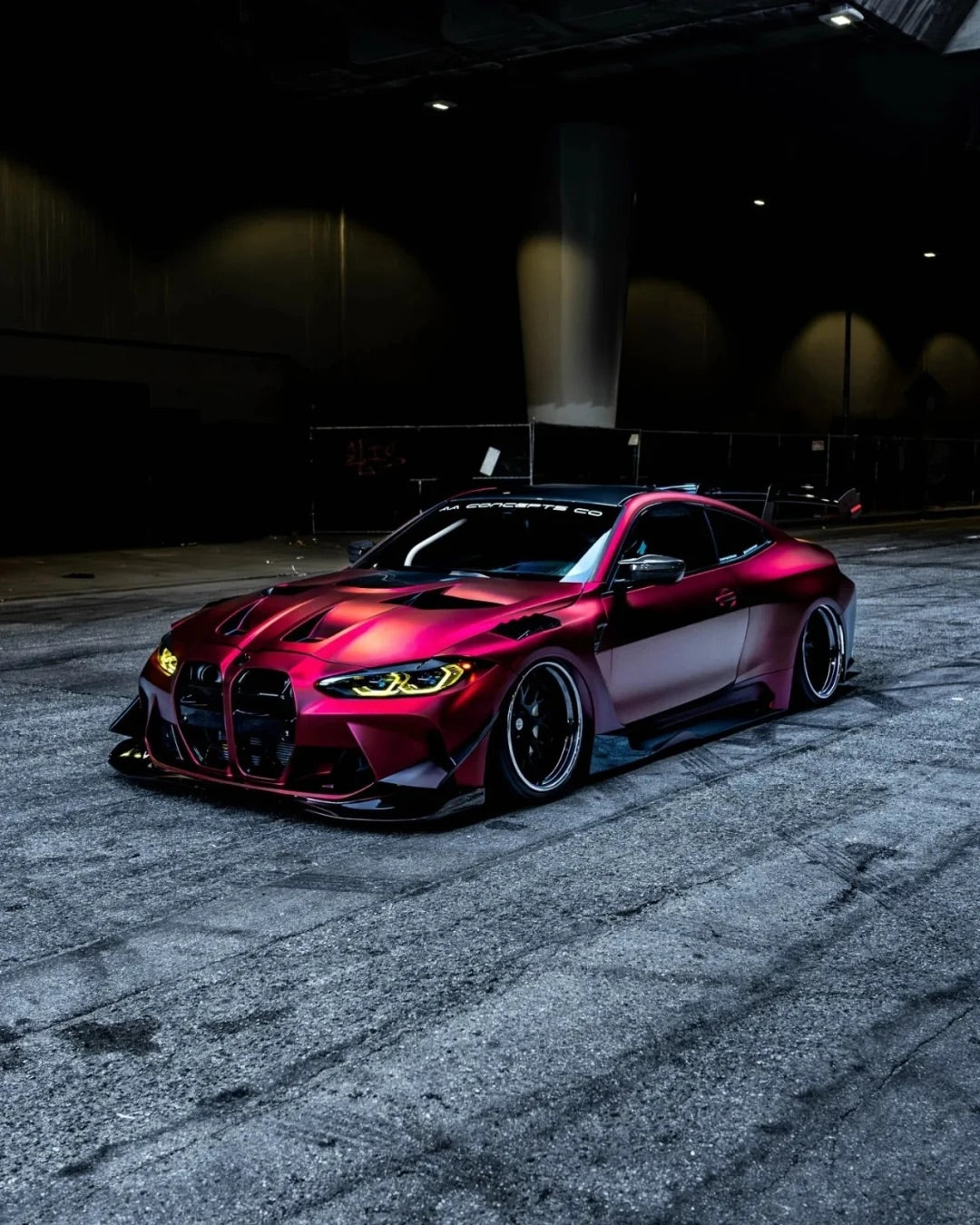
Here is where the strategy gets genuinely exciting for enthusiasts. The PPF-plus-ceramic stack is about protection, but many owners also want transformation. Vinyl wrap layers into the conversation as the aesthetic component.
A common high-level build looks like this: PPF on the front impact zones for armor, a car vinyl wrap across the body for a complete style change, and a vinyl-safe ceramic coating over the top to protect the wrap and add slickness. Our catalog gives you the full range of looks to choose from:
- Metallic Series — premium metallic flake finishes
- Crystal Series — gem-like sparkle depth
- Liquid Series — molten mirror chrome effects
- Rainbow Laser Series — color-shifting holographic film
- Dual Color Dream Series — angle-dependent color flips
- 3D Carbon Fiber Wrap — textured race-inspired weave
- Ultra Matte Series — deep satin reflection-killing finishes
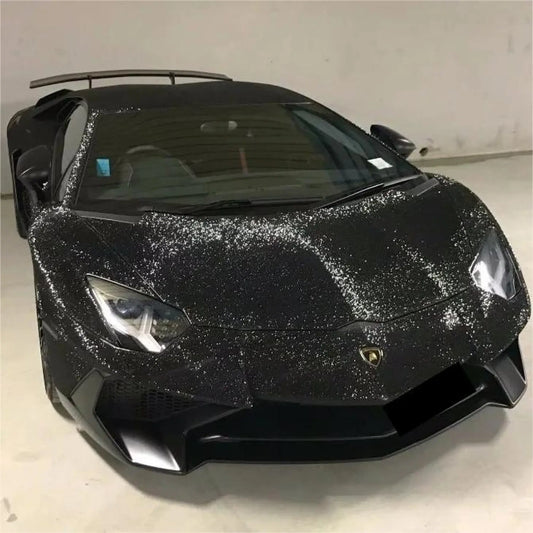
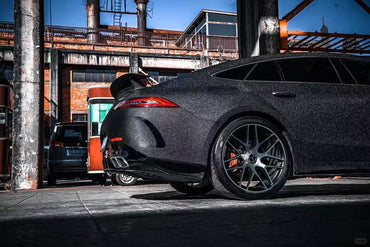
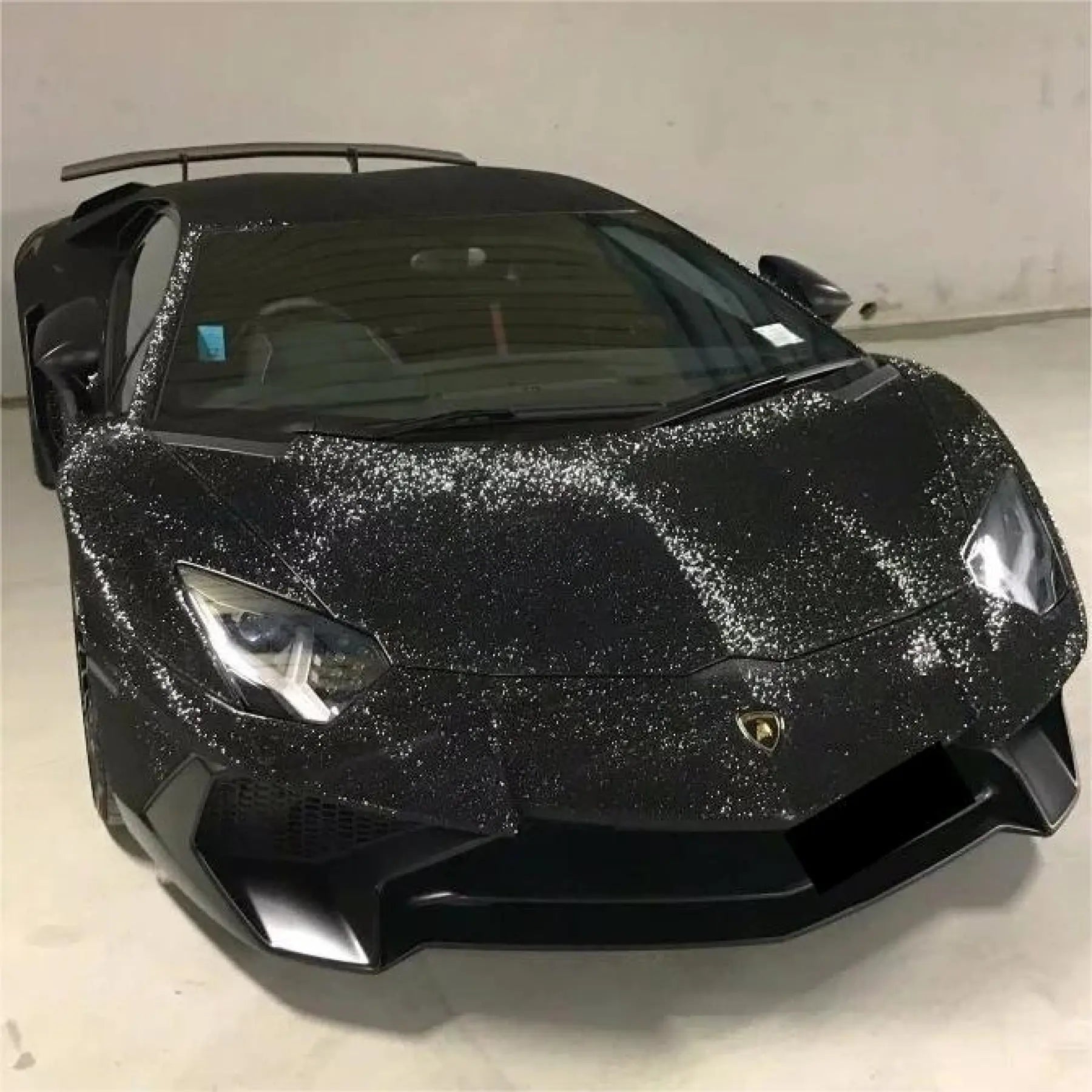
- Glitter Sparkle Car Wrap — diamond-style sparkle
When you ceramic coat a vinyl wrap, always use a formulation designed for film surfaces rather than rigid paint coatings, which can be too aggressive for flexible vinyl. Done right, the coating extends the wrap's life, deepens its color, and makes maintenance effortless.
Maintenance: Keeping the Stack Performing
A layered protection system rewards proper care. Even with self-healing film and a hydrophobic coating, basic maintenance keeps everything performing at its peak for years.
Wash with pH-neutral soap, avoid abrasive brushes and harsh automatic car washes, rinse off contaminants promptly, and let warm sunlight activate the film's self-healing on light scratches. The ceramic layer makes this routine dramatically easier, since most grime rinses away rather than bonding to the surface.
Our PPF care and maintenance guide covers the complete wash routine, and for drivers facing harsh seasons, our all-season car wrap weather care guide addresses salt, heat, and UV challenges across the year.
DIY the Foundation, Then Add Coating
A practical note on building the stack affordably. Professional full combo packages can run several thousand dollars, with labor making up the bulk of the cost. By installing your own film foundation, you eliminate the largest expense and keep the project on your own timeline.
Start with a sample kit to practice film handling on small areas before committing to visible panels. Equip yourself with proper wrapping tools — squeegees, knifeless tape, heat sources, and cutting tools — to avoid the bubbles and lift lines that waste material. Our complete DIY car wrap guide walks through every step of installation, and if anything goes wrong, our wrap damage repair tutorial shows how to fix edges, bubbles, and scratches at home.
Once your film foundation is installed and set, a ceramic coating can be applied over the top to complete the stack — either by you with a quality DIY ceramic product, or by a professional for the final finishing touch.
Who Should Build the Full Stack
The combination is not mandatory for everyone, but it makes especially strong sense for certain owners:
- Highway commuters and road-trip drivers who face constant debris and need impact armor plus easy cleaning
- Luxury and performance car owners protecting high-value paint and resale value
- EV owners whose thin modern clear coats are vulnerable to chips and chemical etching
- Owners in harsh climates dealing with intense sun, road salt, or hard mineral water
- Enthusiasts who want a custom look layering vinyl wrap into the build for transformation plus protection
If your driving is light and low-debris, a ceramic coating alone over factory paint may suffice. But for anyone serious about long-term paint preservation, the layered stack is the gold standard for good reason.
The Bottom Line
PPF and ceramic coating were never meant to be an either-or decision. They are partners. The film handles physical impact; the coating handles chemical and UV exposure and makes the whole car easier to live with. The only rule you cannot break is the order: film first, coating second, always.
Sailifilm gives you the foundation the entire stack depends on. Whether you want clear protection, a colored transformation, or a style-focused vinyl wrap underneath your coating, our films are engineered to bond, protect, and last. Browse our Best Sellers for the most popular picks, explore the full TPU Paint Protection Wrap range, or step into color with our Colored Paint Protection Film collection.
Build your protection in the right order, and your paint will thank you for years.

