



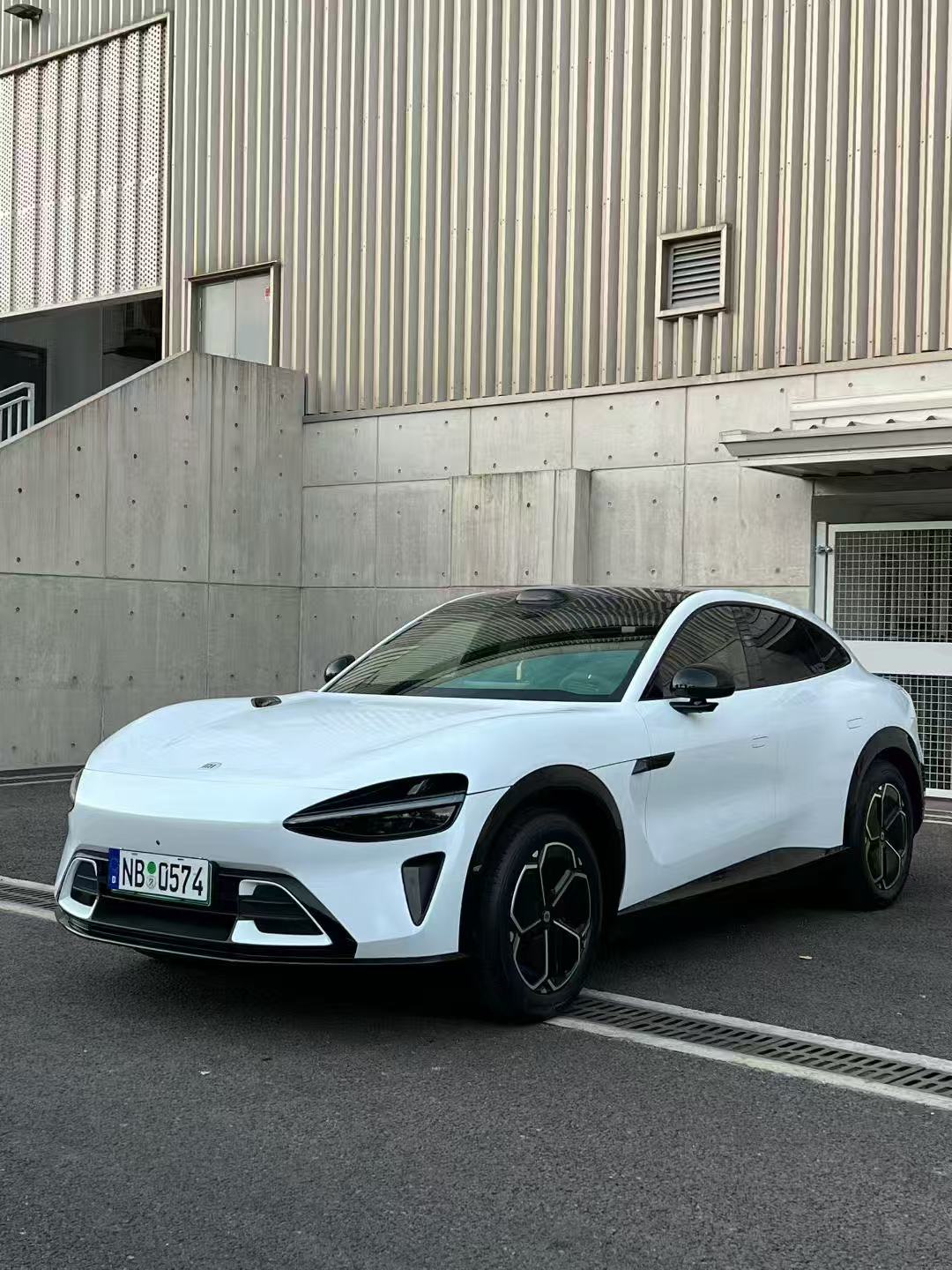


What PPF Actually Does — And Why the Film You Choose Matters
Before picking up a squeegee, understand what you are working with. Paint protection film is a thermoplastic polyurethane layer bonded to your car's painted surface. It absorbs road debris impacts, resists surface scratches, blocks UV radiation that fades paint, and — in modern TPU formulations — heals minor surface marks when exposed to heat.
Sailifilm's TPU paint protection wrap comes in two thickness grades: 7.5mil and 8.5mil, each in gloss and matte finishes. The 7.5mil option suits full-vehicle coverage where flexibility around complex curves is the priority. The 8.5mil grade delivers heavier impact resistance and is the right call for high-exposure panels — hoods, front bumpers, fenders, and rocker panels that face constant gravel spray at highway speeds.
Both grades carry the same core feature set: self-healing topcoat technology, hydrophobic surface coating, air-release channels for bubble-free application, and an anti-yellowing formula engineered for long-term optical clarity. These are not afterthoughts — they are what separate professional-grade TPU film from entry-level alternatives.
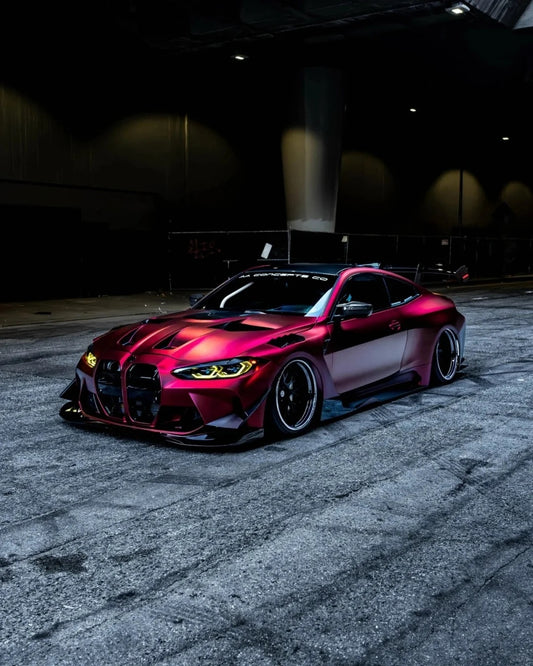
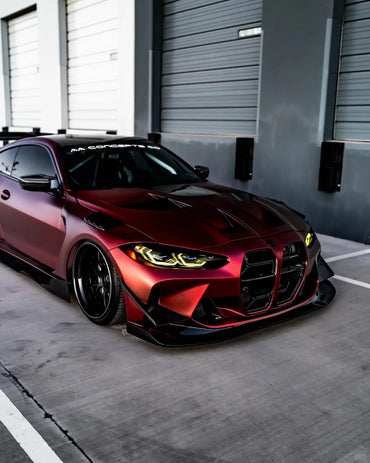
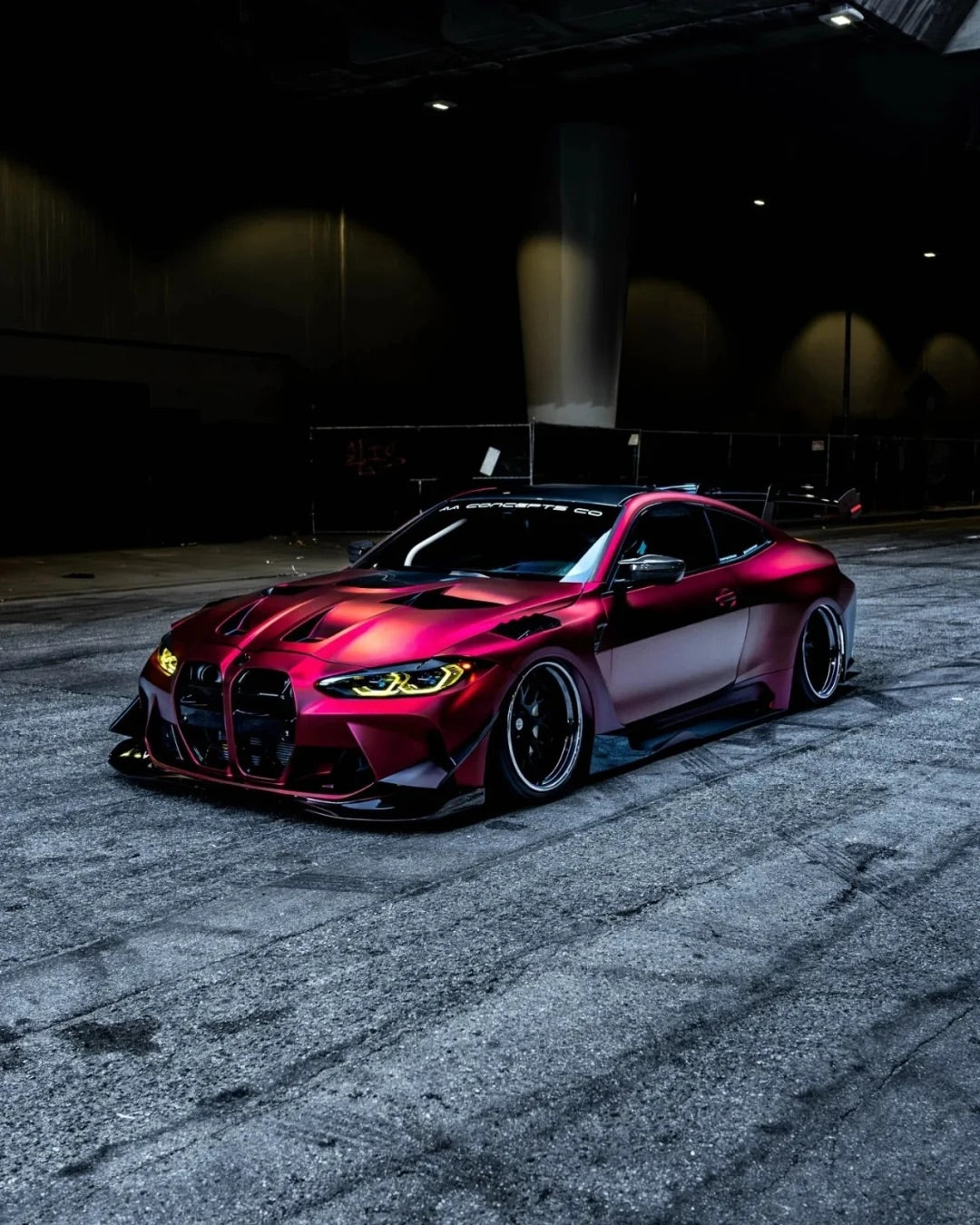
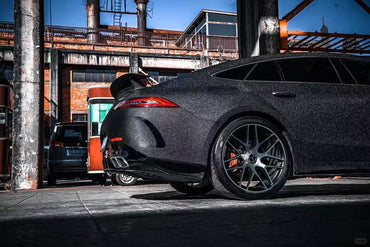
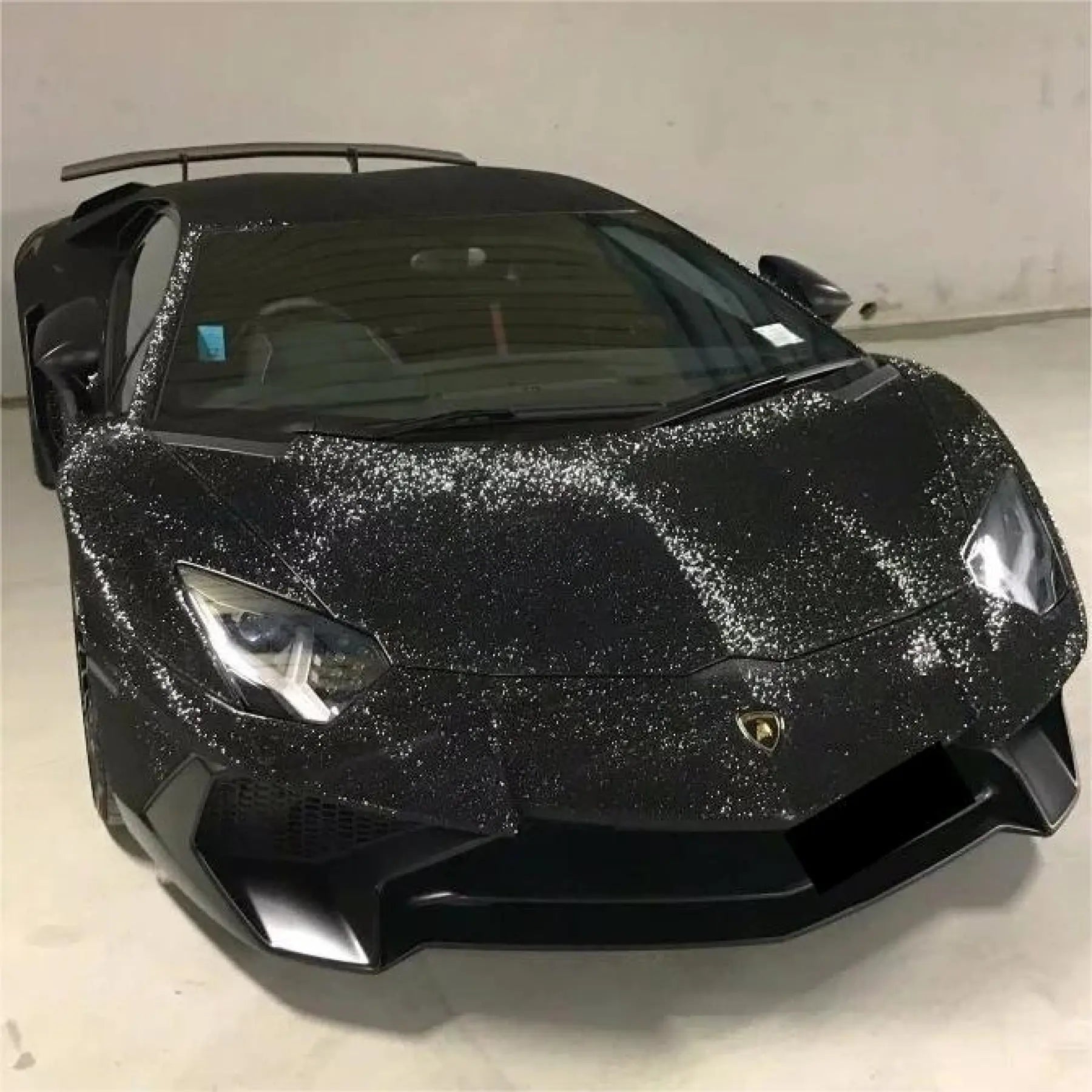
If you also want color transformation alongside protection, the colored paint protection film collection offers shades including Crystal Sky Blue, Ferrari Red, Arctic Grey, and Piano Black — the same TPU base, with pigment integrated directly into the film layers.
Tools You Need Before You Start
Attempting PPF installation without the right tools leads to trapped bubbles, lifted edges, and wasted film. Gather everything before the car goes near the workspace:
- Squeegee with felt edge — protects the film surface during fluid evacuation
- Heat gun — for conforming film to curves and recessed panels
- Slip solution — distilled water mixed with a few drops of mild soap; this keeps the film repositionable during placement
- Tack solution — approximately 15% isopropyl alcohol in distilled water; used to lock edges and corners once positioned
- Isopropyl alcohol (70%+) — for final surface decontamination before film goes down
- Clay bar — removes bonded surface contamination that washing alone cannot
- Microfiber towels — lint-free, multiple
- Trim removal tools — for accessing panel edges cleanly
- Precision knife or knifeless tape — for trimming excess film
Sailifilm's wrapping tools collection covers the application tools needed for a home installation. Investing in proper tools once is far cheaper than reapplying film due to a preventable error.
Step 1: Prepare the Workspace
The single biggest enemy of a clean PPF installation is airborne dust. Even a small particle trapped under the film creates a permanent, visible bump that cannot be fixed without removing and reapplying the section.
Work in a closed garage with no open doors or fans running during application. Lay damp towels on the floor to capture settling dust. If possible, let the space sit undisturbed for 30 minutes before starting so airborne particles settle out.
Temperature matters too. Aim for a workspace between 60°F and 80°F (15°C–27°C). Too cold and the film resists conforming to curves. Too warm and the adhesive activates too aggressively, removing your working window for repositioning.
Step 2: Decontaminate the Paint Surface
Film bonds to whatever is on the surface at the time of application — wax, silicone, grease, and residue will compromise adhesion and create lifting over time.
Work through this sequence on each panel you plan to cover:
- Wash the panel with automotive soap, rinse thoroughly, dry with a clean microfiber
- Clay bar the surface using a lubricant spray — work in straight lines, folding the clay regularly to expose a clean face
- Wipe the panel with 70%+ isopropyl alcohol on a fresh microfiber — use straight passes, not circular motions
- Do not touch the prepared surface with bare hands; skin oils contaminate immediately
For best practice on maintaining surfaces after installation, the PPF care and maintenance guide covers washing technique, ceramic coating application, and finish-specific care by film type.
Step 3: Measure, Cut, and Pre-Shape the Film
For flat or near-flat panels like hoods and doors, cut the film 2–3 centimeters larger than the panel on all sides. This gives you material to work with when positioning and trimming.
For curved panels — bumpers, fenders, mirror caps — pre-stretching matters. Wet the adhesive side lightly with slip solution, position the film loosely over the panel, and use a low-heat gun pass to begin conforming the film to the shape before committing. This pre-shaping step reduces the stress marks and tension lines that appear when installers try to force cold film around compound curves.
If you are working with Sailifilm's 8.5mil film on high-protection areas, account for the slightly reduced flexibility compared to 7.5mil when planning your cuts. The extra thickness rewards you with impact resistance — it requires a bit more patience on complex geometry in return.
Step 4: Apply the Film
With slip solution sprayed generously onto both the panel and the adhesive side of the film, lay the film onto the panel. The slip solution keeps the film from bonding while you position it — work quickly and deliberately.
Once centered and aligned, begin squeegee passes from the center outward. Use moderate, overlapping strokes. The goal is to push fluid toward the edges evenly, not to press hard — pressure comes later. As you work outward, the film will begin to contact the panel surface in the evacuated zones.
Switch to tack solution at the edges. The higher alcohol concentration allows the adhesive to grip, locking the film position while you work the remainder of the panel. Squeegee the edges with firmer passes directed outward.
For self-healing PPF to perform correctly long-term, the adhesive layer must bond completely across the full panel surface. Any areas with residual fluid trapped beneath the film will create lifting points over time — take the time to fully evacuate the panel before moving on.
Step 5: Wrap Edges and Trim
Edges are where most DIY installations fail. Lifted edges allow water and contamination to work under the film, and they create visible lines on finished vehicles.
Use the heat gun on a low setting to warm the film at the edges, making it pliable. Fold the film over panel edges cleanly, applying light heat as you go to help it conform. For tight recessed areas or complex body lines, knifeless tape gives a clean cut line without risk of cutting into the paint underneath.
For door edges, mirror caps, and areas where film wraps around to internal panel faces, take your time. Rushing edges is the most common DIY mistake — and the most visible result.
Step 6: Post-Installation Cure
After installation, the film needs time to fully bond. Keep the vehicle dry for a minimum of 48 hours. During the first week, avoid automatic car washes entirely — brush contact and high-pressure spray at panel edges can lift film before the adhesive has fully cured.
Small water bubbles visible immediately after installation are normal and will resolve as fluid evaporates through the film. If bubbles remain after 7–10 days, they contain trapped air rather than water and may need attention.
The self-healing technology in Sailifilm's TPU films activates at temperatures above 70°F (21°C). Surface scratches from the installation process itself — light squeegee marks — will typically resolve within a few hours of sun exposure.
Choosing the Right Film for Your Panels
Not every panel needs the same film. A practical approach for DIY installs:
| Panel | Recommended Film | Why |
|---|---|---|
| Hood, front bumper, fenders | 8.5mil Gloss or Matte PPF | Maximum rock chip protection on high-impact zones |
| Doors, roof, trunk | 7.5mil PPF | Full coverage flexibility, easier conforming |
| Mirror caps, door handles | 7.5mil or Colored PPF | Visible accent areas; color options available |
| Rocker panels | 8.5mil | Ground-level debris and gravel impact zone |
For vehicles where paint color change is the goal alongside protection, review the comparison between PPF and vinyl wrap before committing to a material — the two serve different primary purposes and have distinct installation demands.
Common DIY Mistakes to Avoid
Skipping the clay bar step. Surface contamination is invisible until it is trapped under film permanently.
Working in direct sunlight. The adhesive activates too fast, killing your repositioning window before the panel is aligned.
Under-applying slip solution. Rushing to squeegee before the film is fully positioned leads to misaligned seams.
Ignoring edge wrap. Flat panel coverage looks clean until the edges lift three months later.
Using the wrong squeegee on matte film. Hard squeegees create micro-scratches on matte finishes. Soft felt edge squeegees are mandatory for ultra matte wraps and matte PPF finishes alike.
For a detailed breakdown of how TPU film compares against PVC-based alternatives in terms of flexibility, self-healing, and installation behavior, the TPU vs PVC material guide covers the material science in depth.
When Professional Installation Makes More Sense
DIY PPF installation is a realistic option for flat-to-moderately-curved panels, partial coverage projects, and budget-focused installs where some imperfection is acceptable. It is a significant challenge on full front-end kits, complex bumper geometry, or exotic vehicles where every seam line is visible and unforgiving.
For complete vehicle wraps or premium applications on high-value cars, professional installation removes the risk of wasted film and delivers warranty-backed results. The how to install PPF: DIY vs professional guide on the Sailifilm blog covers this decision in full detail, including the realistic cost comparison between both approaches.
Further Reading
- Paint Protection Film — Wikipedia — History, material science, and industry background on TPU automotive films
- Vehicle Vinyl Wrap — Wikipedia — Technical overview of vinyl wrap materials and applications for context
- Detailing World UK — PPF Installation Forum — Active community threads on DIY PPF technique and troubleshooting
- The Drive: How to Wrap Your Car — Independent editorial overview of the wrapping process

