








Understanding Common Types of Vinyl Wrap Damage
Before attempting any repair, accurately assessing the damage determines whether DIY intervention is appropriate or professional assistance is necessary. Vehicle wraps encounter various stress factors during normal use, and understanding these damage patterns helps you choose the right repair approach.
Surface Scratches and Scuffs
Light surface scratches represent the most common form of wrap damage. Road debris, improper washing techniques, and accidental contact create these superficial marks. Fortunately, many surface-level scratches on thermoplastic polymer films respond well to heat treatment, allowing the material to regain its original smooth texture.
Peeling Edges and Lifting Corners
Environmental exposure, temperature fluctuations, and adhesive breakdown cause edges to lift over time. Door handles, mirrors, and bumper edges experience the most stress. Early detection allows for re-adhesion before contamination compromises the bond permanently. Quality films like [TPU paint protection wrap] with self-healing technology resist edge lifting better than standard vinyl options.
Air Bubbles and Trapped Contaminants
Small air bubbles sometimes develop after installation or emerge as the wrap settles. Temperature changes can also cause trapped air to become visible. Most small bubbles can be punctured and smoothed without compromising the wrap's integrity or appearance.
Essential Tools for DIY Vinyl Wrap Repair
Successful wrap repair requires proper equipment. Professional installers rely on specialized tools that deliver clean, lasting results. Building your own repair kit ensures you can address minor damage promptly before it worsens.
The [professional car wrapping tool kit] includes everything needed for both installation and repair work. A complete toolkit should contain a heat gun or hair dryer for activating adhesives, felt-edge squeegees for smoothing without scratching, microfiber towels for cleaning, isopropyl alcohol solution for surface preparation, utility knife with fresh blades for precise cutting, and matching vinyl material for patch repairs.
Step-by-Step Guide to Fixing Surface Scratches
Minor surface scratches on gloss finishes often respond to a simple heat treatment process. The thermoplastic properties of quality vinyl allow slight surface imperfections to flow back together when properly heated.
Step 1: Clean the Affected Area
Prepare a solution of warm water with mild soap. Gently wipe the scratched surface using a clean microfiber cloth. Remove all dirt, debris, and surface contaminants that could interfere with the repair process. Allow the area to dry completely before proceeding.
Step 2: Apply Controlled Heat
Set your heat gun to a low or medium setting. Hold it approximately six to eight inches from the vinyl surface. Move the heat source in slow, sweeping motions across the scratched area. The vinyl will become slightly pliable as it warms. Watch for the scratch lines to soften and begin blending with the surrounding material.
Step 3: Smooth and Polish
Once heated, use a soft microfiber cloth to gently buff the warm surface. For gloss wraps like [crystal vinyl wrap] or [metallic vinyl wrap], applying a vinyl-safe polish restores depth and shine. Matte and satin finishes require specialized products to maintain their non-reflective appearance.
Repairing Peeling Edges and Lifted Corners
Edge lifting demands prompt attention before dirt infiltrates the exposed adhesive. Acting quickly maximizes your chances of a successful re-adhesion without visible repair marks.
Preparation Phase
Clean the peeling edge and surrounding area thoroughly. Mix a solution of fifty percent isopropyl alcohol with fifty percent water. Carefully lift the peeling section and clean both the underside of the vinyl and the vehicle surface beneath. This removes oils, dust, and contaminants that prevent proper adhesion.
Re-Adhesion Process
Apply an adhesive primer specifically formulated for vinyl wraps to both surfaces. Allow the primer to become tacky according to product instructions. Carefully press the vinyl back into position, working from the center outward to prevent trapping air. Apply gentle heat while using a squeegee to ensure complete contact between the adhesive and surface.
Sealing the Edge
If standard re-adhesion proves insufficient, edge sealing adhesive provides additional holding power. Apply sparingly along the edge and press firmly. This solution works particularly well on complex curves and high-stress areas around door handles.
Eliminating Air Bubbles Safely
Small air bubbles trapped beneath the wrap surface create unsightly bumps that distract from your vehicle's appearance. The repair technique depends on bubble size and location.
For small bubbles under one centimeter, use a fine needle or pin to puncture the bubble at its center. Press gently from the edges toward the puncture point, allowing trapped air to escape. Apply moderate heat and smooth with a squeegee to seal the tiny hole and restore surface uniformity.
Larger bubbles may indicate installation issues or contamination requiring more extensive intervention. In these cases, carefully lifting the vinyl, cleaning the area, and re-applying produces better results than attempting to release air through punctures.
Patching Deep Scratches and Small Tears
When damage penetrates through the vinyl layer, patching offers a cost-effective alternative to replacing entire panels. Success depends on having matching material and precise application technique.
Keep spare vinyl from your original installation for future repairs. Request [sample kits] when ordering to ensure color-matched material remains available. Store vinyl rolls vertically in temperature-controlled environments away from direct sunlight.
Clean the damaged area thoroughly and remove any loose or damaged vinyl. Cut a patch piece slightly larger than the damaged area. Position the patch to align with any patterns or textures in the existing wrap. Apply the patch using standard installation techniques, overlapping onto undamaged vinyl. Use a sharp blade to cut through both layers simultaneously, creating perfectly matched edges. Remove the excess material and heat-seal the seams.
Special Considerations for Different Wrap Finishes
Each wrap finish requires specific handling during repairs. Understanding your material's unique properties prevents accidental damage during the repair process.
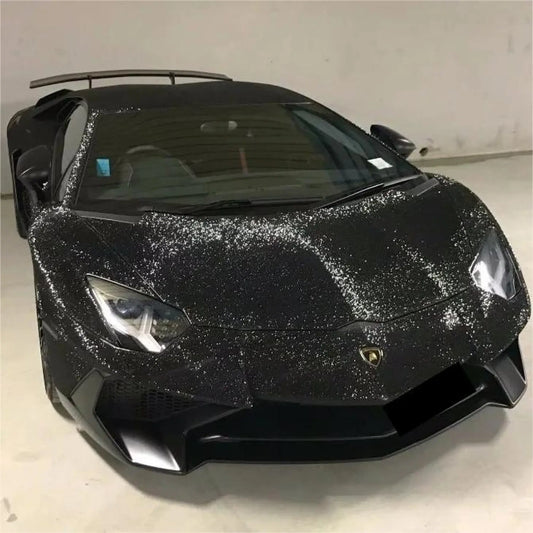
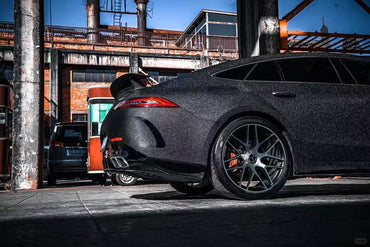
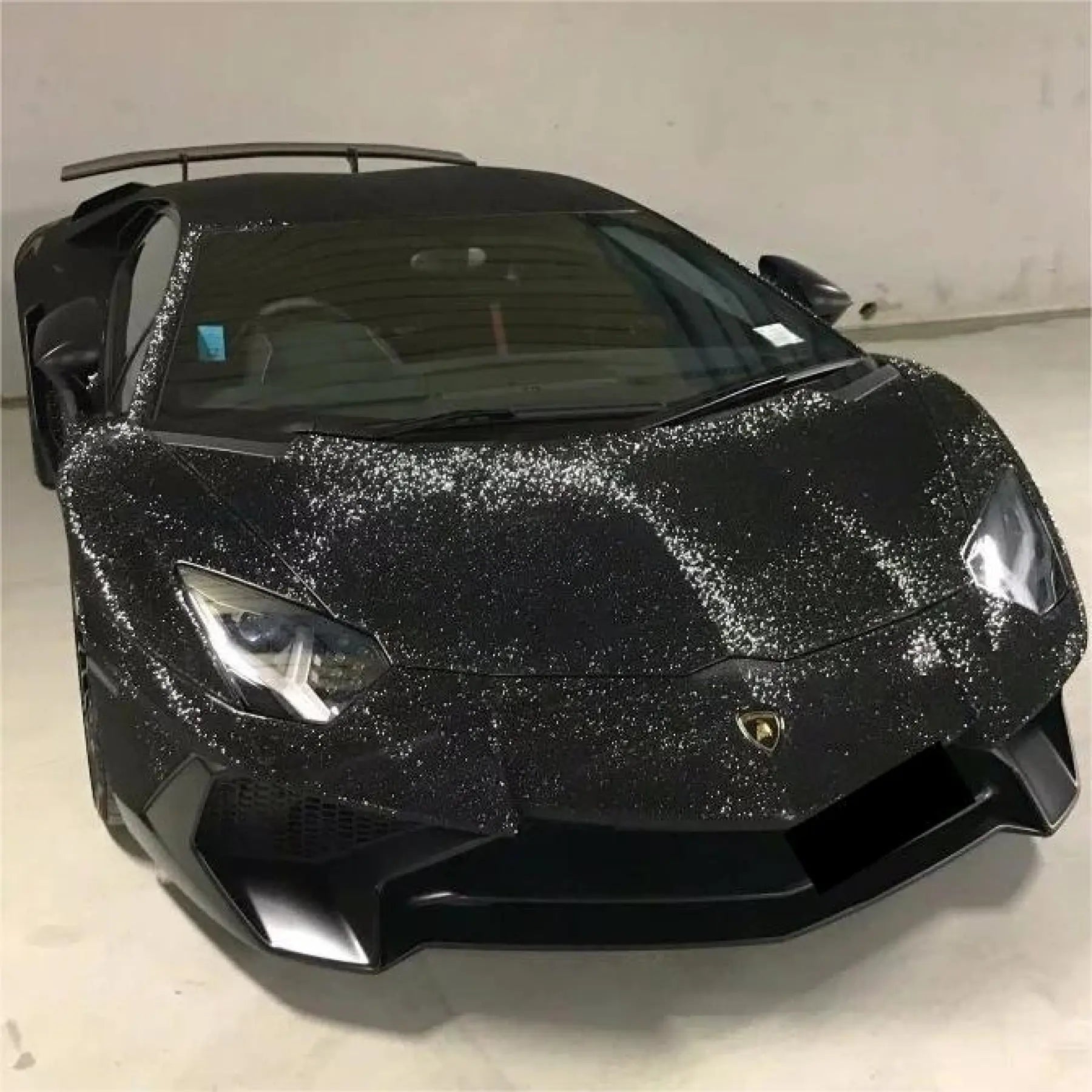
Gloss and High-Shine Finishes: Products like [liquid chrome wrap] and [glitter sparkle car wrap] show imperfections more readily but also respond well to heat treatment. Use extra caution with buffing to avoid creating swirl marks.
Matte and Satin Finishes: The [ultra matte wrap] collection requires specialized care. Heat treatment works differently on matte surfaces, and polishing is contraindicated as it creates unwanted shine. Focus on cleaning and re-adhesion rather than buffing techniques.
Color-Shifting and Special Effect Films: Wraps featuring [dual color dream vinyl wrap] or [rainbow laser vinyl wrap] effects require careful alignment during patching. The directional nature of color-shift pigments means patch orientation critically affects the final appearance.
Textured Finishes: Materials like [3D carbon fiber wrap] present unique challenges. The textured surface can trap dirt during repairs, requiring thorough cleaning. Pattern alignment during patching demands extra attention to maintain visual continuity.
Preventive Maintenance to Minimize Future Damage
Regular maintenance dramatically extends wrap lifespan and reduces repair frequency. Implementing a consistent care routine protects your investment and keeps your vehicle looking its best.
Hand washing remains the safest cleaning method for wrapped vehicles. Use pH-neutral automotive soap and soft wash mitts. Avoid automatic car washes with brushes that can scratch or lift edges. Rinse thoroughly and dry with clean microfiber towels to prevent water spotting.
Park in shaded areas or garages whenever possible. Prolonged UV exposure accelerates color fading and adhesive breakdown. If outdoor parking is unavoidable, consider a quality car cover for long-term storage.
Address bird droppings, tree sap, and insect residue immediately. These organic materials contain acids that can permanently damage vinyl surfaces within forty-eight hours. Keep quick detailer spray and microfiber cloths in your vehicle for prompt spot cleaning.
The application of ceramic coating creates an additional protective layer over your wrap. This hydrophobic barrier repels water, reduces contamination adhesion, and provides UV resistance that prolongs color vibrancy.
When to Seek Professional Help
While many repairs suit DIY execution, certain situations warrant professional intervention. Large tears, extensive fading, structural damage to underlying paint, and complex panel replacements typically exceed home repair capabilities.
If your wrap shows widespread cracking or brittleness, the material has likely reached the end of its serviceable life. Attempting repairs on aged vinyl often causes additional damage. Professional removal and replacement becomes the most practical solution.
Custom printed wraps with specific graphics or branding require original design files for accurate repairs. Your installation provider should retain these files for future service needs.
Building Your Vinyl Wrap Repair Skills
Developing proficiency with wrap repair takes practice. Consider working on inconspicuous areas or practice panels before tackling visible damage. Many enthusiasts keep scrap material specifically for skill development.
Understanding vinyl behavior at different temperatures, mastering squeegee pressure, and developing a feel for proper heat application come with experience. Each successful repair builds confidence for addressing more challenging damage in the future.
Quality materials make a significant difference in both installation success and long-term durability. Premium films from the [car vinyl wrap collection] feature air-release technology, conformable substrates, and adhesives engineered for automotive applications. These characteristics translate directly to easier repairs and longer-lasting results.
Final Thoughts
Minor vinyl wrap damage need not diminish your vehicle's appearance or require expensive professional intervention. Armed with proper tools, matching materials, and the techniques outlined in this guide, most small repairs can be completed successfully at home.
Regular inspection allows early detection when problems are easiest to address. Combine preventive maintenance with prompt repair action to maximize your wrap's lifespan and maintain that showroom-fresh appearance year after year.
For comprehensive protection combining aesthetic transformation with superior durability, explore [colored paint protection film] options featuring self-healing technology that automatically repairs minor scratches through heat activation.
Additional Resources
Learn more about vehicle vinyl wrapping technology and applications: Vehicle Vinyl Wrap - Wikipedia
Understand paint protection film technology: Paint Protection Film - Wikipedia
Automotive care and maintenance best practices: Automotive Care Association
Complete Guide to Car Wrap Installation at Home
How Long Does a Car Wrap Last? Maintenance Tips
How to Clean and Maintain Your Car Wrap
Choosing Between Matte and Gloss Wraps

