

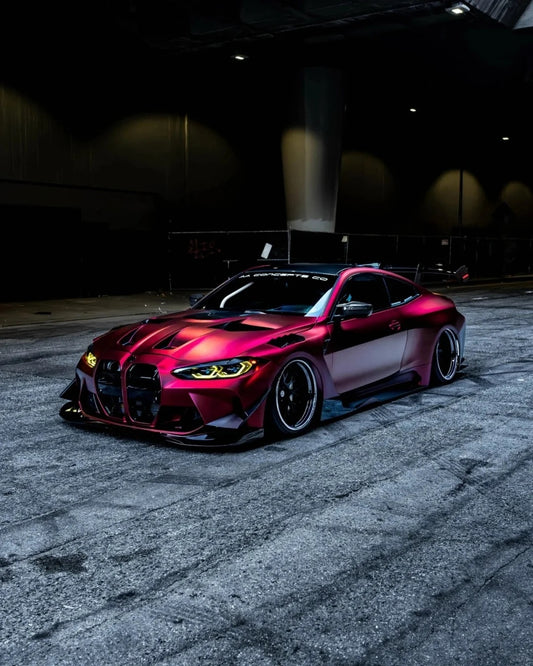
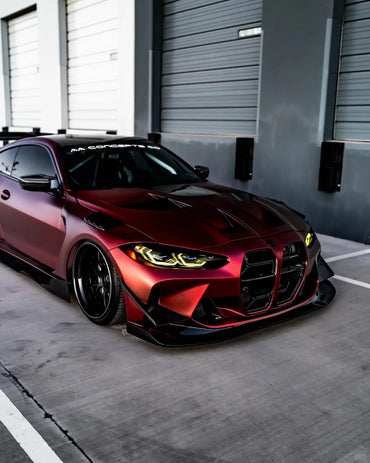
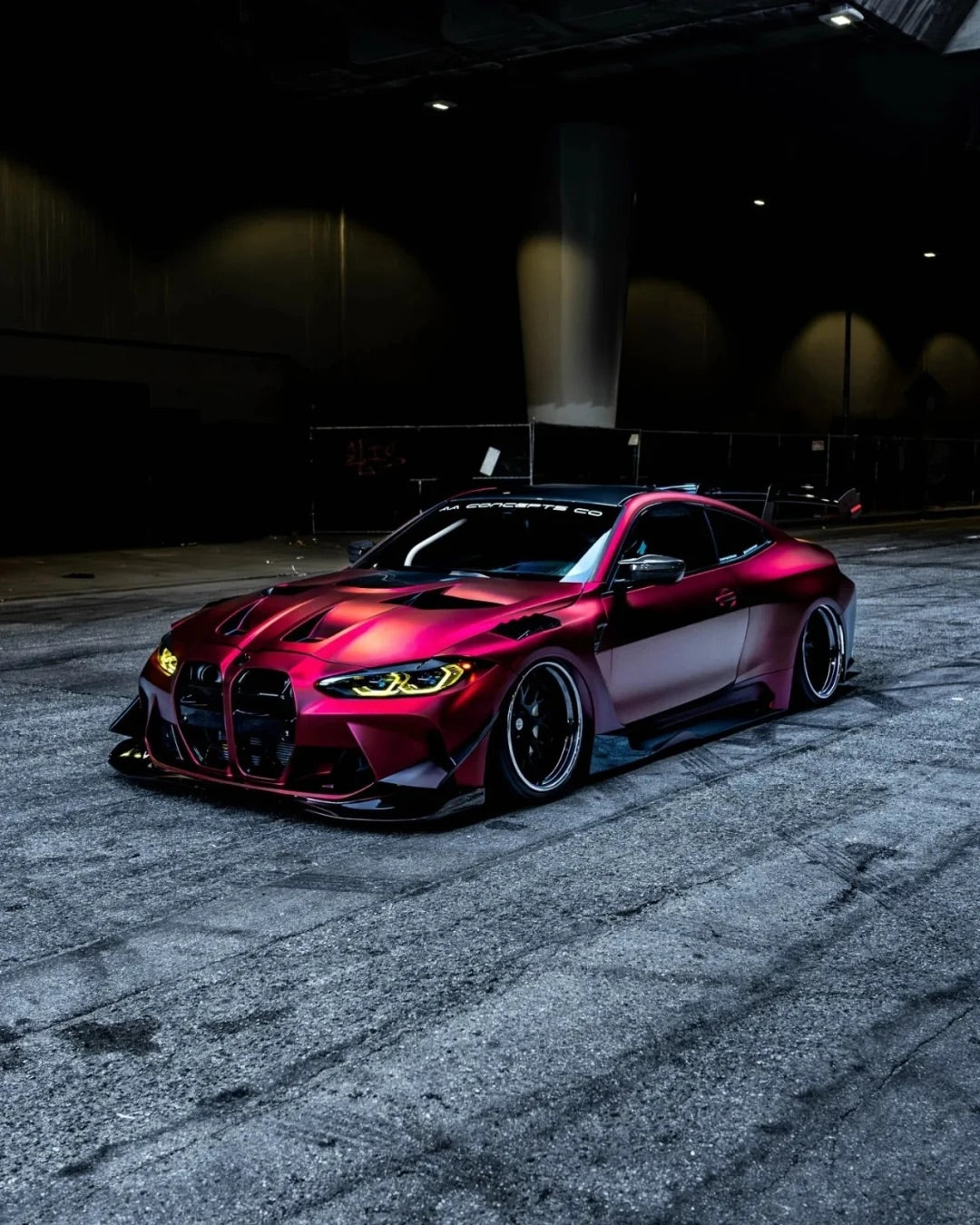
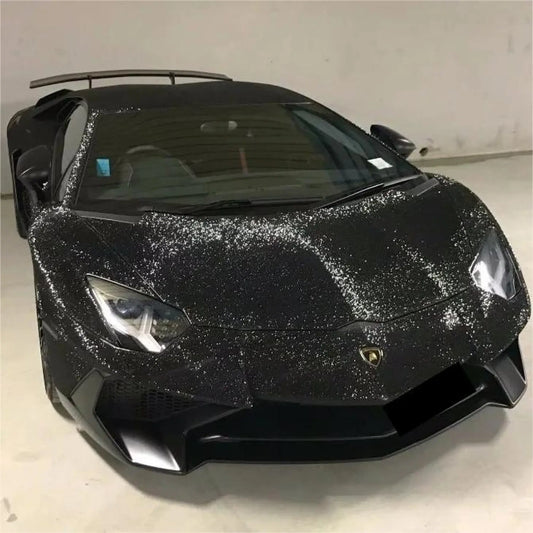
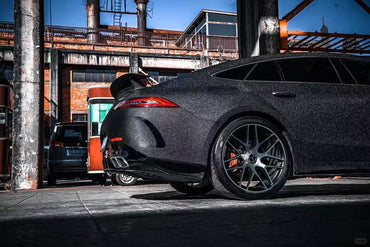
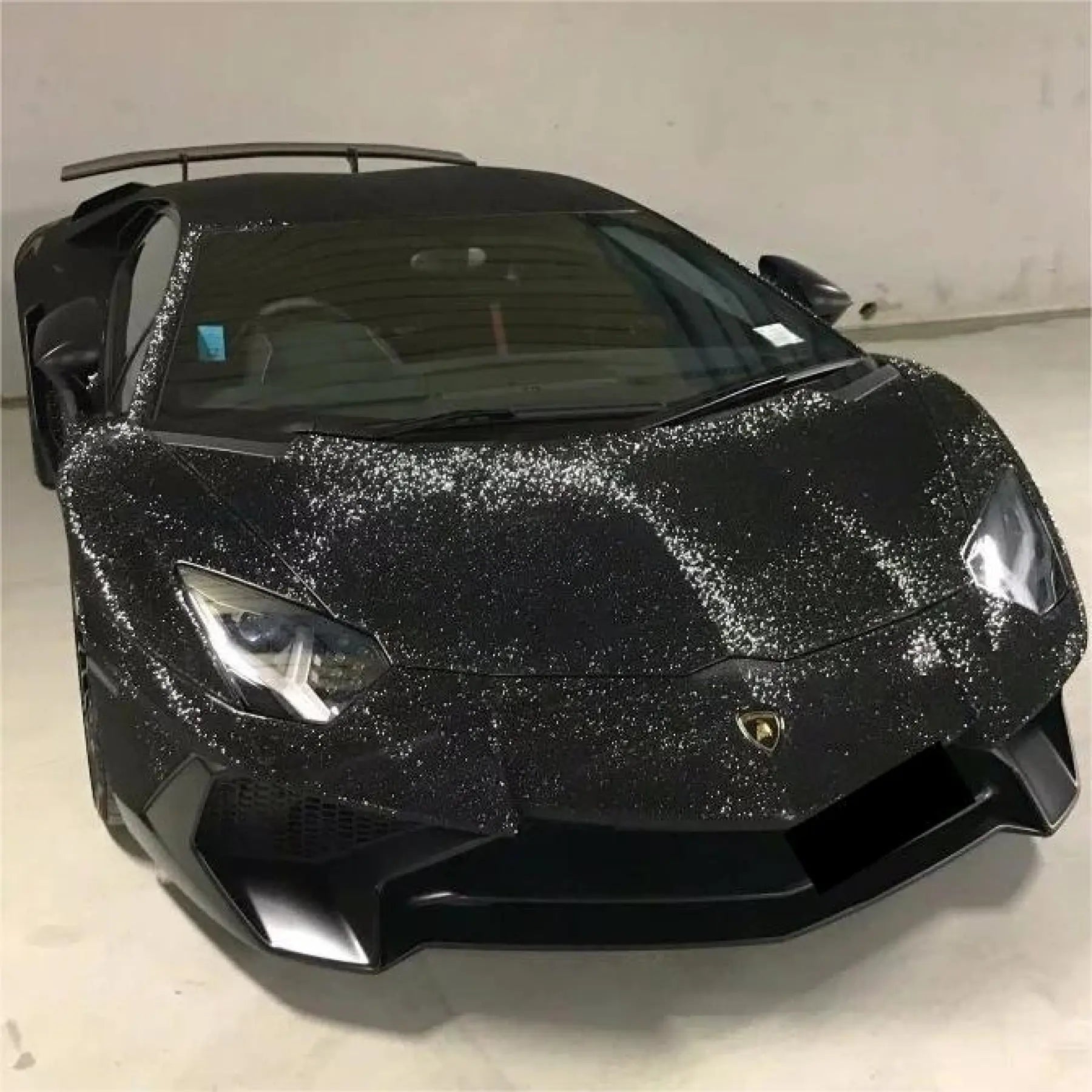
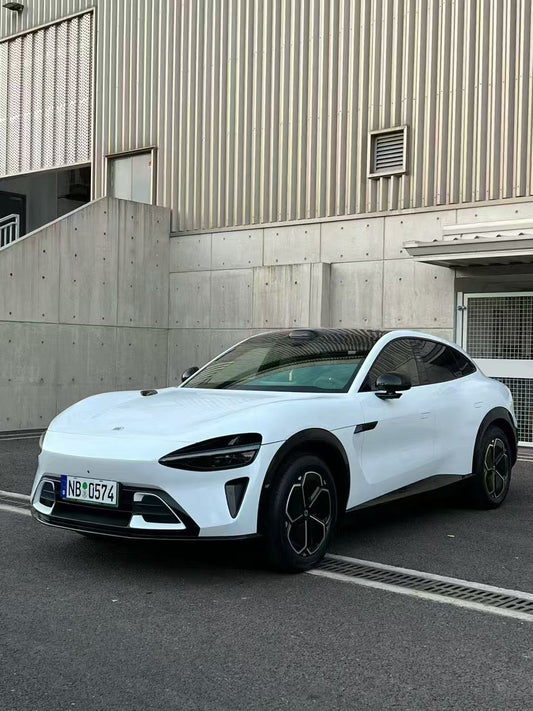
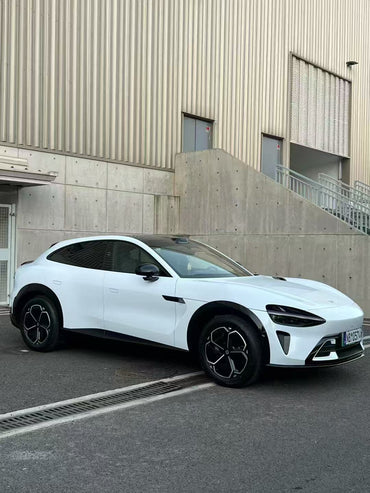
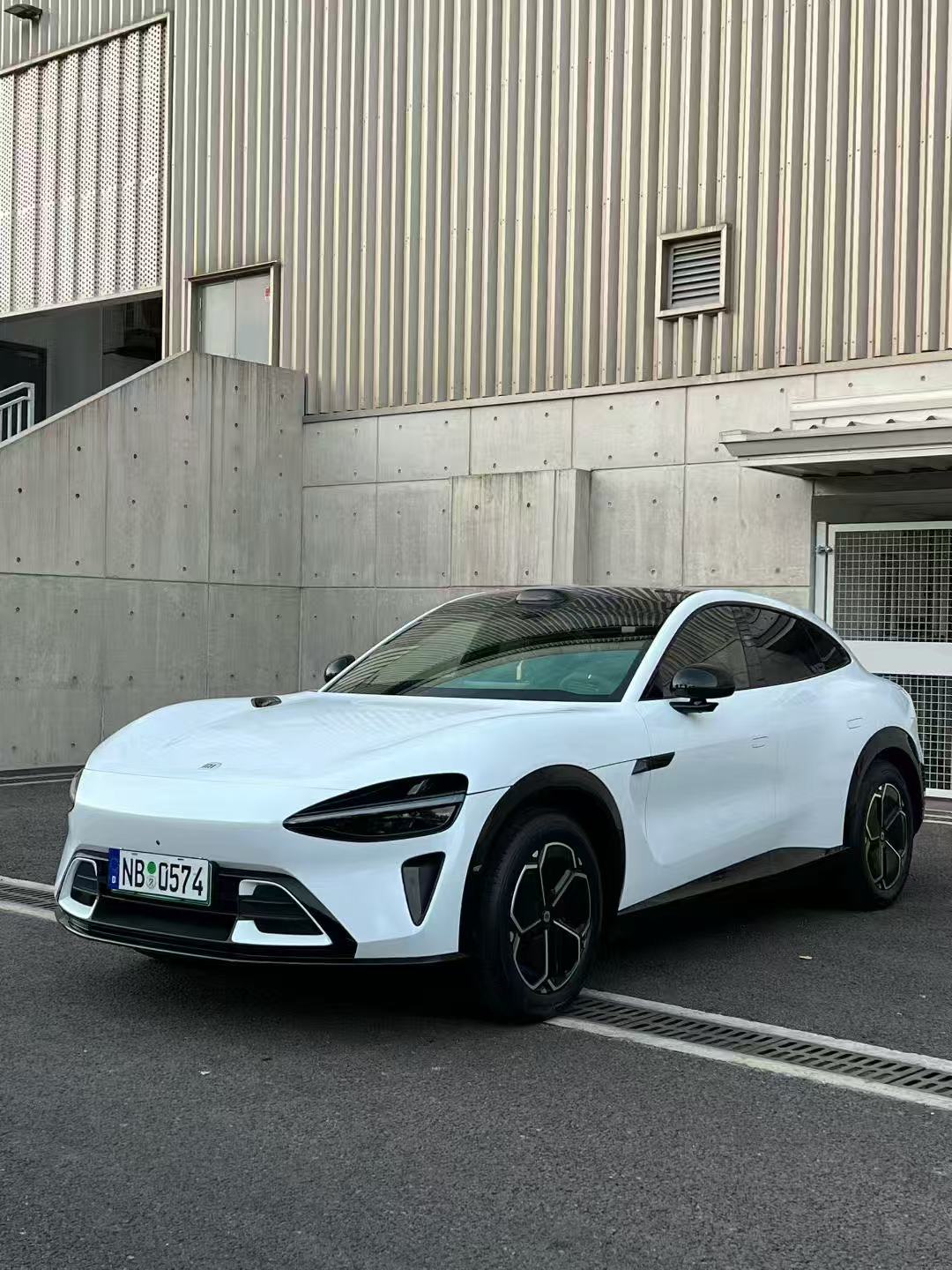


The average car wrap lifespan ranges from five to seven years under normal driving conditions and reasonable maintenance. However, that number is not set in stone. A well-maintained wrap on a garaged vehicle in a temperate climate can push well beyond seven years, while a neglected wrap exposed to constant harsh sunlight may begin showing signs of wear within two to three years. Understanding the factors that influence vinyl wrap durability empowers you to get the absolute maximum life out of your investment. According to Edmunds, the vehicle customization market is projected to exceed ten billion dollars, and vinyl wraps are among the fastest growing segments within that industry.
Expected Lifespan by Wrap Type
Not every vinyl film ages at the same rate. The material composition, finish texture, and pigment technology all play a role in determining how long a specific wrap holds its appearance. Below is a general breakdown of expected longevity for the most popular finishes available in the Sailifilm collections.
| Wrap Type | Expected Lifespan | Key Durability Factor |
|---|---|---|
| Ultra Matte Vinyl Wrap | 5–7 years | Non-reflective surface resists visible wear |
| Metallic Vinyl Wrap | 5–7 years | UV-stable metallic flake retains depth |
| Crystal Vinyl Wrap | 5–7 years | Jewel-tone pigments with strong light stability |
| Glitter Sparkle Car Wrap | 4–6 years | Textured surface may trap contaminants faster |
| Liquid Chrome Wrap | 3–5 years | Highly reflective finish requires extra care |
| Rainbow Laser Vinyl Wrap | 4–6 years | Prismatic layers sensitive to prolonged UV |
| 3D Carbon Fiber Wrap | 5–7 years | Textured construction provides resilience |
| Dual-Color Dream Vinyl Wrap | 5–7 years | Two-tone effect with solid pigment base |
| TPU Paint Protection Film | 7–10 years | Self-healing TPU resists scratches and yellowing |
| Colored Paint Protection Film | 7–10 years | PPF-grade durability with color customization |
The figures above assume moderate climate conditions and consistent maintenance. Vehicles that are garaged overnight and driven in mild weather may exceed these ranges, while daily drivers parked outdoors in hot, sun-drenched regions will trend toward the lower end. The paint protection film category stands apart because TPU-based materials are engineered with self-healing properties and superior chemical resistance that vinyl-only wraps do not possess.
Factors That Affect Car Wrap Durability
UV Exposure and Climate
Ultraviolet radiation is the single greatest enemy of any vinyl wrap. UV rays break down the polymers and pigments in the film over time, causing fading, discoloration, and eventual cracking. Horizontal panels such as the hood, roof, and trunk lid receive the most direct sunlight and will typically show degradation one to three years earlier than vertical surfaces like doors and fenders. Vehicles parked in covered garages or shaded structures retain their wrap appearance significantly longer than those left in open parking lots day after day. If garage parking is not an option, investing in a UV-rated car cover provides meaningful protection during extended stationary periods.
Film Quality and Construction
The grade of vinyl you select has a direct impact on longevity. Cast vinyl films are manufactured through a process that produces a thinner, more conformable material with greater dimensional stability compared to calendered vinyl. Cast films resist shrinking, cracking, and curling far better over multi-year periods. Premium films from the Sailifilm car vinyl wrap collection are designed with advanced UV inhibitors, air-release adhesive channels, and flexible polymers that maintain their integrity through years of temperature cycling and road exposure. Choosing a lower-grade film to save a few dollars upfront almost always results in earlier replacement, higher total cost, and a less satisfying visual outcome.
Installation Quality
Even the best film will fail prematurely if it is applied incorrectly. Proper surface decontamination, consistent squeegee pressure, controlled stretching around curves, and thorough post-heating of all tucked edges are essential for long-term adhesion. Poor installation can reduce a wrap lifespan by as much as 40 to 60 percent. Air bubbles trapped during application create weak points where moisture and UV light penetrate beneath the film, accelerating degradation from the inside out. Whether you hire a professional installer or take on a DIY car wrap project, the quality of the application process is just as important as the quality of the film itself. Having the right professional wrapping tools makes a measurable difference in achieving a tight, lasting bond.
Driving Conditions and Vehicle Usage
A daily commuter that logs high mileage on gravel-strewn roads faces more physical wear than a weekend cruiser driven on smooth highways. Road debris, stone chips, sand, and insect impacts all stress the vinyl surface over time. In regions where road salt is applied during winter months, the salt residue accelerates adhesive breakdown along edges and seams if not washed off promptly. Drivers in heavy-traffic urban environments may also encounter pollutants, industrial fallout, and acidic rain that chemically attack the top layer of unprotected vinyl. Understanding the fundamentals of vehicle maintenance in general helps you stay ahead of environmental wear.
How to Maintain Your Car Wrap for Maximum Life
Washing Best Practices
Consistent, gentle washing is the single most effective maintenance habit you can develop for your wrapped vehicle. Hand washing with a pH-neutral automotive shampoo and a soft microfiber wash mitt every one to two weeks removes surface contaminants before they have a chance to bond with the vinyl and cause staining or etching. Use the two-bucket method: one bucket holds your soapy wash water, the second contains clean rinse water for your mitt. This technique prevents you from dragging dirt particles back across the film surface and creating micro-scratches.
Avoid automatic tunnel-style car washes that use spinning brushes or abrasive cloth strips. These systems generate significant friction that can scratch glossy vinyl finishes, dull the surface of matte wraps, and catch exposed edges, causing peeling or lifting. If you must use a pressure washer, keep the nozzle at least 12 inches from the surface and never exceed 2000 PSI. Direct the spray at an angle rather than perpendicular to the film to avoid forcing water beneath edge seams.
Protecting Against UV Damage
Beyond garage parking and car covers, you can add active UV defense to your wrap through surface coatings. A vinyl-safe ceramic coating creates a transparent, hydrophobic barrier over the film that blocks a significant portion of incoming ultraviolet radiation while also repelling water, dirt, and chemical contaminants. Ceramic coatings designed for vinyl and PPF bond at the molecular level to the film surface without affecting its finish. A matte wrap stays matte, a satin finish retains its soft sheen, and a liquid chrome wrap gains even deeper reflective brilliance. Most professional ceramic coatings last one to two years per application, making them a cost-effective way to extend the life of your wrap by multiple seasons.
Ceramic coatings also dramatically simplify the washing process. A coated surface is so slick that dirt, pollen, and road grime have difficulty bonding to it, which means your regular wash routine becomes faster and less abrasive. Less scrubbing translates directly into fewer micro-scratches over the lifetime of the film. For drivers who want the ultimate in protection, combining a TPU paint protection film with a ceramic topcoat creates a near-impervious defense system that guards against rock chips, UV fading, chemical etching, and surface contamination simultaneously.
Seasonal Care Adjustments
Different seasons present different threats to your car wrap, and adjusting your care routine accordingly can prevent seasonal damage from shortening the film lifespan.
During summer months, intense sun exposure and high ambient temperatures put the greatest stress on your vinyl. Park in shade whenever available, wash more frequently to remove insect residue and pollen, and inspect horizontal panels monthly for early signs of fading. In winter, road salt and de-icing chemicals are the primary concern. Rinse the undercarriage and lower body panels thoroughly after driving on treated roads, and never allow salt deposits to sit on the wrap for more than a few days. The corrosive nature of road deicing agents accelerates adhesive breakdown at panel edges where moisture can penetrate most easily.
During spring and autumn, tree sap, bird droppings, and fallen leaves are the main environmental hazards. Organic matter left on the vinyl surface traps moisture and generates mild acids as it decomposes, potentially creating permanent stains or surface etching. A quick spot clean with isopropyl alcohol after each outdoor parking session during leaf-fall season keeps these contaminants from gaining a foothold.
When to Consider Wrap Replacement
Even a well-maintained wrap will eventually reach the end of its functional life. Knowing the warning signs helps you plan a replacement before the aging film becomes difficult to remove cleanly. The first visible indicator is typically color fading, especially on horizontal panels that absorb the most UV exposure. If your once-vibrant rainbow laser vinyl wrap or bold metallic vinyl wrap appears noticeably duller than it did two years ago despite regular maintenance, the pigments are beginning to break down.
Edge lifting is another common sign of aging. When the adhesive along tucked edges begins to lose its grip, small sections of film will start pulling away from panel gaps, mirror housings, and bumper recesses. Minor lifting can sometimes be re-sealed with localized heat and pressure, but widespread edge failure suggests the adhesive system has reached the end of its effective bonding period. Cracking, bubbling, and a rough or brittle texture are late-stage symptoms that indicate the wrap should be removed promptly. Leaving an over-aged wrap on the vehicle too long can make removal significantly more difficult because the adhesive hardens and bonds to the paint as it degrades, potentially requiring professional-grade adhesive removers and hours of additional labor. According to the Specialty Equipment Market Association, timely wrap replacement protects your original paint investment and keeps removal clean and damage-free.
PPF vs. Vinyl Wrap: Which Lasts Longer?
If pure longevity is your highest priority, paint protection film outperforms standard vinyl wrap in almost every durability metric. TPU-based PPF is thicker, more resistant to impact and abrasion, and features self-healing technology that repairs minor scratches when exposed to heat. The Sailifilm TPU paint protection wrap is engineered to last seven to ten years while maintaining optical clarity and adhesive integrity. For vehicle owners who want the protective benefits of PPF combined with a custom color, the colored paint protection film range delivers both aesthetic transformation and premium-grade surface defense in a single layer.
Standard vinyl wraps excel at providing a vast range of finishes at a lower price point, including options like glitter sparkle effects, 3D carbon fiber textures, and dual-color dream combinations that PPF cannot replicate. The best approach for many vehicle owners is a hybrid strategy: apply PPF to high-impact zones like the front bumper, hood leading edge, fenders, and rocker panels for maximum protection, then wrap the remaining visible panels in your chosen decorative vinyl finish. This combination maximizes both durability and visual impact across the entire vehicle.
Extending Wrap Life: A Quick Summary of Best Practices
Getting the longest possible lifespan from your car wrap comes down to a handful of consistent habits. Hand wash your vehicle every one to two weeks using pH-neutral soap and soft microfiber materials. Remove bird droppings, tree sap, bug residue, and fuel spills immediately rather than letting them sit on the surface. Park in a garage or shaded area whenever possible to minimize UV exposure on horizontal panels. Apply a vinyl-compatible ceramic coating within the first few weeks of installation and reapply every one to two years. Inspect edges and seams monthly for early signs of lifting, and address minor issues with targeted heat and pressure before they escalate. Avoid automated brush-based car washes entirely. Adjust your care routine seasonally to address salt, sap, pollen, and leaf debris as climate conditions change throughout the year.
If you are just beginning to explore your wrap options, a sample kit allows you to evaluate different finishes, textures, and colors on a small scale before committing to a full vehicle project. Seeing and touching the actual film material firsthand helps you choose the option that best balances your aesthetic goals with realistic durability expectations for your driving environment.
Related reading: Vinyl Wrap — Wikipedia | Paint Protection Film — Wikipedia | Car Wrap Guide — Edmunds | SEMA.org

