



Why Car Wrap Maintenance Matters
Vehicle wraps endure constant exposure to UV radiation, road debris, bird droppings, tree sap, industrial fallout, and temperature fluctuations. Without proper cleaning, contaminants bond to the vinyl surface and cause irreversible staining, premature fading, and edge lifting. A well-maintained wrap can last five to seven years on a daily driver, while neglected films may degrade in as little as one to two years. The difference comes down to routine care. Investing a small amount of time each week protects the thousands of dollars you have spent on materials and professional installation. Think of wrap maintenance the same way you would think about protecting original paint, except that vinyl and TPU surfaces require gentler products and specific techniques to avoid damage.
Understanding Your Wrap Type Before You Clean
Different wrap materials and finishes respond differently to cleaning products and techniques. Identifying your specific film type is the first step toward proper care.
Vinyl Wraps (PVC-Based Films)
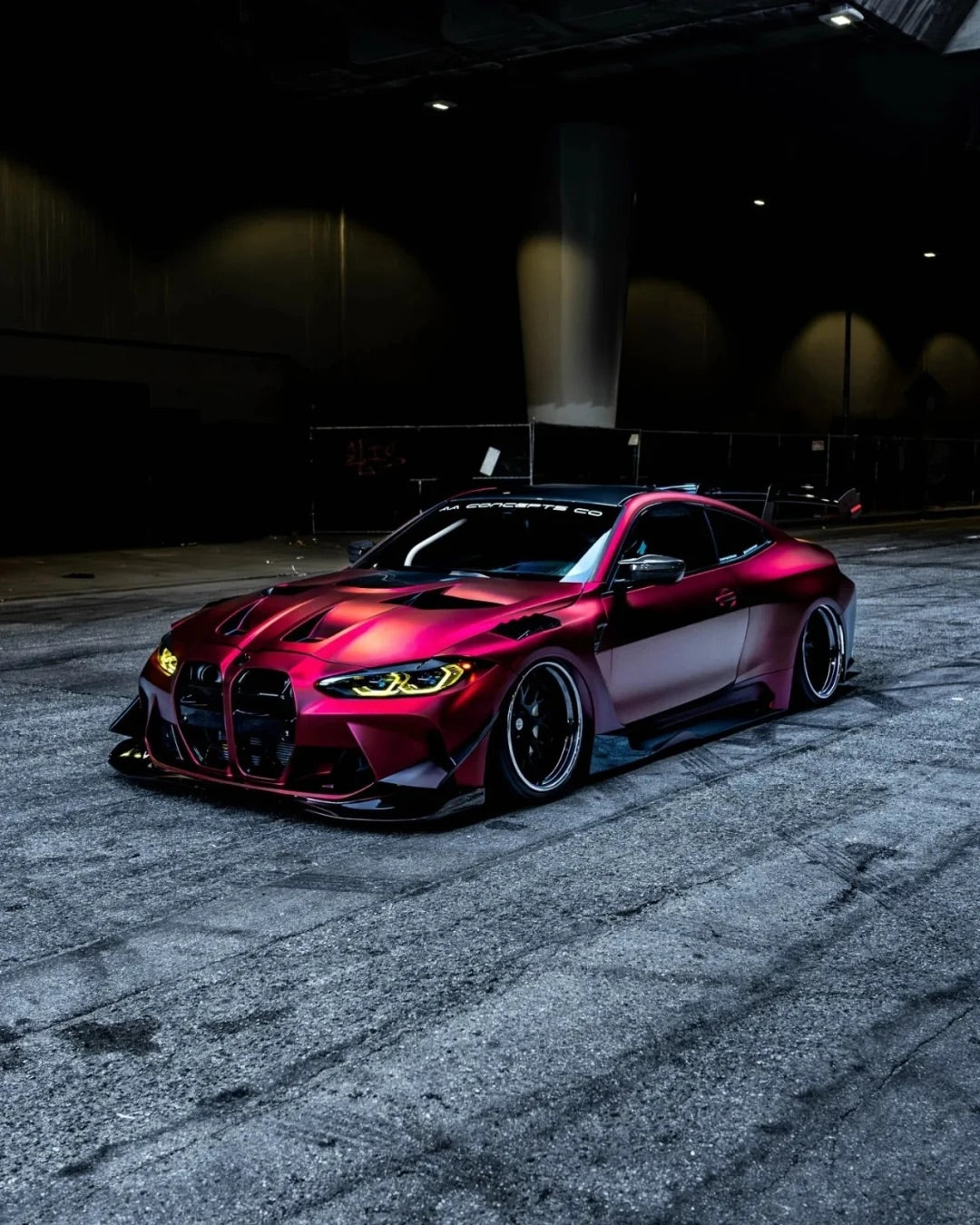
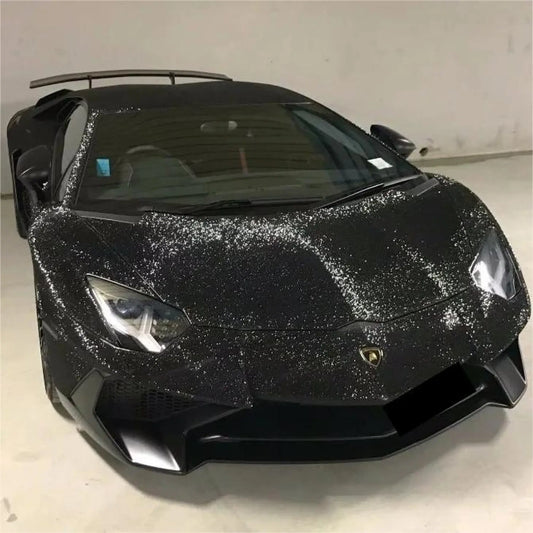
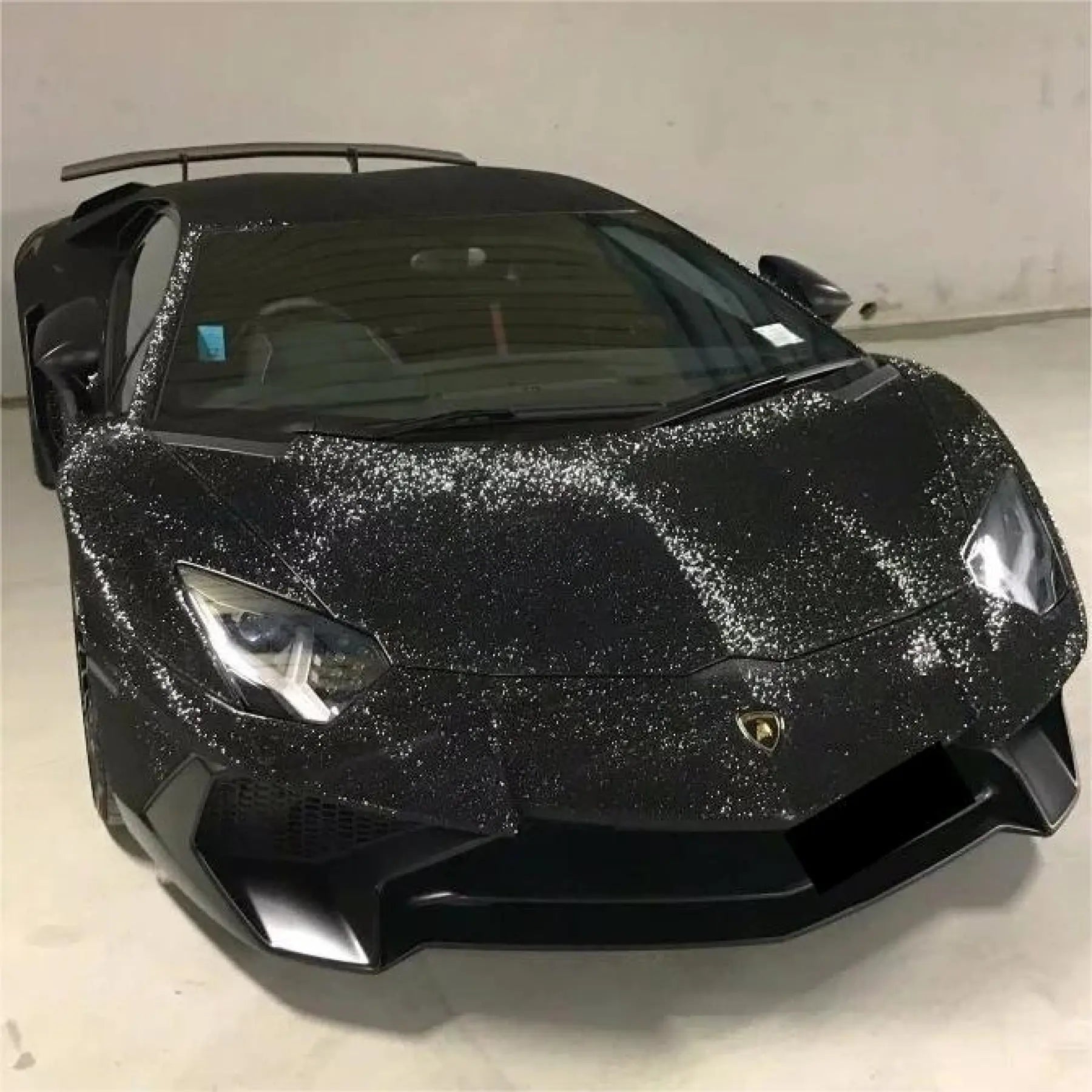
Standard vinyl wraps, including metallic vinyl wrap, crystal vinyl wrap, glitter sparkle car wrap, rainbow laser vinyl wrap, and dual color dream vinyl wrap, are made from polyvinyl chloride with pressure-sensitive adhesive. They offer incredible color variety and are available in finishes ranging from high gloss to deep matte. PVC films are thinner than TPU and respond well to pH-neutral automotive shampoos. Avoid abrasive compounds and solvent-based cleaners, which can dissolve the plasticizers that keep the film flexible.
TPU Paint Protection Film
TPU paint protection wrap and colored paint protection film are constructed from thermoplastic polyurethane, a material engineered for impact resistance and self-healing capability. TPU films are thicker and tougher than standard vinyl. Minor surface scratches disappear when the film is exposed to heat from sunlight or warm water, as the polyurethane top layer reforms its molecular structure. TPU-based films offer five to ten years of durability and tolerate slightly more aggressive cleaning than PVC vinyl, though gentle care still extends their lifespan dramatically.
Specialty Finishes
Chrome, laser, and textured finishes require extra caution. Liquid chrome wrap surfaces scratch more easily than standard gloss vinyl, so you should always wipe in straight lines rather than circular motions. 3D carbon fiber wrap features a raised texture that can trap dirt in the weave pattern, making pre-rinse soaking especially important. Ultra matte wraps absorb light instead of reflecting it, and traditional wax or polish will create unwanted sheen spots on the flat finish. For matte films, only use products specifically formulated for matte and satin surfaces.
Essential Car Wrap Cleaning Tools and Products
Having the right wrapping tools and cleaning supplies on hand prevents accidental damage during routine washes. You will need a pH-neutral automotive shampoo with a pH balance between five and nine, two clean wash buckets, a soft microfiber wash mitt or sponge, several microfiber drying towels, a silicone squeegee for water removal, and isopropyl alcohol diluted to a 2:1 ratio with water for spot treatments. Avoid products containing petroleum distillates, ammonia, abrasive particles, citrus-based solvents, or strong alcohols at full concentration. These chemicals degrade vinyl adhesive, strip protective coatings, and cause discoloration on both PVC and TPU surfaces.
Step-by-Step Hand Wash Guide for Wrapped Vehicles
Hand washing remains the safest and most effective method for cleaning any wrapped vehicle. The two-bucket wash method minimizes the risk of swirl marks and surface scratches by keeping dirty water separate from your clean soap solution.
Step 1 — Pre-Rinse: Use a garden hose with a gentle spray nozzle to rinse the entire vehicle from top to bottom. This removes loose dirt, dust, and road grime before your wash mitt touches the surface. Never skip this step, because dragging dry particles across the film creates micro-scratches.
Step 2 — Prepare Your Buckets: Fill one bucket with clean water and mild automotive shampoo. Fill the second bucket with plain rinse water. The rinse bucket catches contaminants from your wash mitt between passes, preventing them from transferring back onto the wrap.
Step 3 — Wash Top to Bottom: Soak your microfiber mitt in the soapy bucket, then gently glide it across one panel at a time. Start with the roof, then work down to the hood, doors, and lower panels where dirt accumulates most heavily. Rinse the mitt in the clean-water bucket after each panel, then reload with soap. Apply light, even pressure throughout.
Step 4 — Final Rinse: Thoroughly rinse the entire vehicle with clean water, making sure no soap residue remains on any surface. Leftover detergent can leave hazy streaks, especially on matte and satin finishes.
Step 5 — Dry Properly: Air drying is acceptable, but it often leaves water spots caused by mineral deposits. For a spotless finish, gently pat the surface dry using a clean microfiber towel or pull a silicone squeegee across flat panels. Never rub aggressively, and always work in straight lines on chrome and metallic films.
Cleaning Tips by Wrap Finish
Gloss and Crystal Vinyl: Gloss finishes, including crystal vinyl wrap and metallic vinyl wrap, show water spots and fingerprints more readily than matte surfaces. After washing, apply a vinyl-safe spray sealant designed for glossy films to add a hydrophobic layer that repels water and makes future washes easier. Reapply this sealant every two to four weeks depending on driving conditions and weather exposure.
Matte and Satin Wraps: Ultra matte wrap finishes must never be polished, waxed, or treated with products designed for glossy paint. Standard carnauba wax creates shiny patches that ruin the flat aesthetic. Use only matte-specific detailer sprays that clean and protect without adding reflectivity. If you accidentally apply gloss-enhancing product to a matte panel, a gentle wash with isopropyl alcohol solution usually restores the original texture.
Chrome and Liquid Metal Finishes: Liquid chrome wrap demands the most careful handling of any vinyl finish. These mirror-like surfaces show every scratch, so use only grit-free microfiber cloths and wipe in one direction. Avoid circular scrubbing motions, and never use brushes of any kind. A soft chamois cloth works well for drying chrome-finished panels without leaving marks.
Glitter and Sparkle Finishes: Glitter sparkle car wrap and rainbow laser vinyl wrap feature embedded metallic or holographic particles that create dazzling light effects. These wraps benefit from regular washing to keep the sparkle particles free of dulling contaminants. A gentle soap wash followed by a quick-detail spray restores maximum visual impact.
3D Carbon Fiber Texture: 3D carbon fiber wrap features a raised weave pattern that mimics authentic carbon fiber. Dirt and road grime settle into the textured grooves, so a longer pre-soak with warm soapy water helps loosen embedded contaminants before washing. Use a soft-bristle detailing brush very lightly in the direction of the weave pattern if needed, then follow with a standard microfiber mitt wash.
Removing Tough Contaminants Without Damaging Your Wrap
Bird droppings, tree sap, bug splatter, and fuel spills are the most common threats to wrapped vehicles. The key to preventing permanent damage is acting fast. The longer acidic or sticky substances remain on vinyl or TPU surfaces, the higher the chance of staining or etching.
For bird droppings and insect residue, soak a microfiber cloth in warm soapy water and lay it over the affected area for several minutes. The warmth softens hardened contaminants so they release without scrubbing. Gently wipe away the residue, then rinse with clean water. For tree sap, use isopropyl alcohol diluted with water at a 2:1 ratio. Apply the solution to the sap with a soft cloth, let it sit for 30 seconds, then carefully lift the sap away. Never scrape with a razor blade or plastic card, as this can gouge the film surface.
Fuel spills at the gas station require immediate attention. Wipe the affected area with a damp cloth right away and perform a full soap-and-water wash of the contaminated panel as soon as you get home. Gasoline degrades PVC vinyl adhesive when left in contact for extended periods, so speed matters. TPU-based paint protection film resists fuel damage better than standard vinyl, which is one reason many owners choose TPU coverage for high-impact areas like bumpers and rocker panels.
Pressure Washing and Automatic Car Washes: What You Need to Know
Hand washing is always the safest option, but pressure washing is acceptable when done correctly. Keep the pressure below 2,000 PSI, use a 40-degree wide-angle spray nozzle, maintain at least 12 inches of distance from the surface, and keep the water temperature below 140 degrees Fahrenheit. Always aim the spray perpendicular to the film, never at a sharp angle toward edges or seams, because direct edge pressure can force water beneath the wrap and cause lifting.
Automated car washes with spinning brushes are not recommended for wrapped vehicles. The stiff bristles scratch vinyl surfaces, snag film edges, and accelerate peeling. If you must use an automated facility, choose a touchless, spray-only car wash that uses no physical contact. Even with touchless washes, inspect your wrap edges afterward to make sure no water has penetrated the film boundaries. According to the International Detailing Association, touchless systems are the only automated method considered safe for vinyl-wrapped vehicles.
Seasonal Care and Long-Term Wrap Protection
UV Protection and Parking: Prolonged sun exposure is the number one cause of premature wrap fading and degradation. Whenever possible, park in a garage, under a carport, or in shaded areas. If outdoor parking is your only option, consider using a breathable car cover rated for use over vinyl wraps. Horizontal surfaces like the roof, hood, and trunk lid receive the most direct UV exposure, so these panels typically show wear first.
Winter and Cold Weather: Road salt and de-icing chemicals are corrosive to both vinyl and TPU films. During winter months, increase your wash frequency to at least once per week to prevent salt buildup. Use lukewarm water rather than hot water, as extreme temperature changes can stress the adhesive layer. Remove snow gently with a foam snow brush; never scrape ice directly off a wrapped surface with a hard plastic scraper.
Summer Heat Protection: High ambient temperatures above 100 degrees Fahrenheit soften vinyl adhesive, making the film more vulnerable to edge lifting and stretching. Avoid washing your vehicle in direct sunlight when the surface is hot to the touch. Heat distortion can cause temporary wrinkling if you wipe a hot panel with a cold wet cloth. Wait until the vehicle cools to ambient temperature before beginning your wash routine.
Ceramic Coating Over Wraps: Applying a ceramic coating over your vinyl or TPU wrap adds an extra layer of hydrophobic protection that repels water, dirt, and UV radiation. Ceramic-coated wraps are significantly easier to wash and resist staining from environmental contaminants. This is an increasingly popular option among car enthusiasts who want maximum longevity from their car vinyl wrap investment. According to the Society of Automotive Engineers, ceramic coatings can reduce surface degradation from UV exposure by up to 50 percent when applied correctly over automotive films.
How Often Should You Wash a Wrapped Car?
A good baseline is washing your wrapped vehicle every one to two weeks. Increase frequency if you drive in dusty environments, park outdoors, or encounter heavy road salt in winter. Vehicles that stay in a garage and see limited mileage can go two to three weeks between washes. The most important rule is never let contaminants sit on the surface for extended periods. Bird droppings, tree sap, and insect splatter should be removed within 24 to 48 hours regardless of your regular wash schedule. For owners with best sellers from Sailifilm, following these maintenance intervals will keep your wrap performing at its peak throughout its rated lifespan.
Post-Installation Curing: What to Do With a Brand-New Wrap
After professional installation, allow your new wrap to cure for at least 48 to 72 hours before washing or exposing the vehicle to rain. During this window, the adhesive is still forming its permanent bond with the paint surface. Avoid highway driving during the curing period if possible, as high-speed wind pressure combined with uncured adhesive can cause edge lifting on vulnerable areas like mirrors, bumpers, and fender flares. Cold weather extends the curing period because lower temperatures slow adhesive activation. Your installer should provide specific curing guidelines based on the film type and ambient conditions during application. To learn more about adhesive technology and how it affects film performance, the Vinyl wrap article on Wikipedia provides a helpful overview of material science behind automotive wrapping films.
Common Car Wrap Cleaning Mistakes to Avoid
Many wrap owners unknowingly shorten the life of their film by making avoidable errors. Here are the most damaging mistakes and how to prevent them.
Using household cleaning products like kitchen or bathroom sprays introduces harsh surfactants and abrasives that strip protective layers from the vinyl. Only use automotive-grade, wrap-safe formulas. Washing in direct sunlight heats the film surface, causing soap to dry too quickly and leaving residue that bonds to the vinyl. Always wash in shade or during cooler parts of the day. Using rough towels, sponges with abrasive surfaces, or stiff brushes creates permanent scratch patterns, especially on chrome and matte finishes. Stick to premium microfiber and soft wash mitts. Neglecting edges and seams allows dirt to pack underneath lifted corners, accelerating peel-back. Gently clean around all edges without directing water pressure underneath the film. Applying wax or polish to matte or satin wraps destroys the flat-finish appearance and is extremely difficult to reverse once the product has penetrated the surface texture.
Choosing a Wrap That Fits Your Maintenance Lifestyle
If low maintenance is a priority, TPU-based wraps like Sailifilm’s colored paint protection film and TPU paint protection wrap offer the easiest care experience. Self-healing technology handles minor scratches automatically, and the hydrophobic topcoat repels water and contaminants. For enthusiasts who enjoy the detailing process, specialty vinyl finishes like dual color dream vinyl wrap and rainbow laser vinyl wrap reward careful maintenance with jaw-dropping visual effects that deepen with proper cleaning. Not sure which finish suits your style? Order a sample kit to see and feel actual materials before committing to a full vehicle wrap.
Keep Your Wrap Looking Showroom-Ready
Consistent, gentle cleaning is the single most important factor in maximizing the life and appearance of any car wrap. Whether your vehicle wears a head-turning glitter sparkle car wrap, a stealthy ultra matte wrap, or a protective TPU paint protection wrap, the fundamentals remain the same: wash regularly with pH-neutral products, dry with soft microfiber, protect from UV exposure, and address contaminants immediately.
Browse the full Sailifilm car vinyl wrap collection to discover premium films in every finish, from metallic vinyl wrap to crystal vinyl wrap and beyond. Every Sailifilm product is engineered for durability, color accuracy, and ease of maintenance, so your vehicle looks extraordinary mile after mile.

