

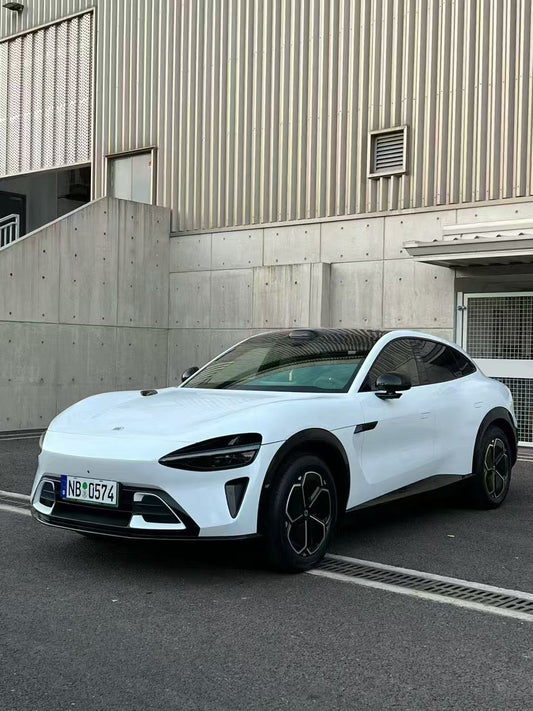
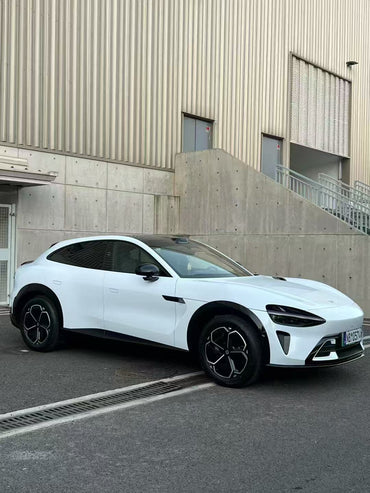
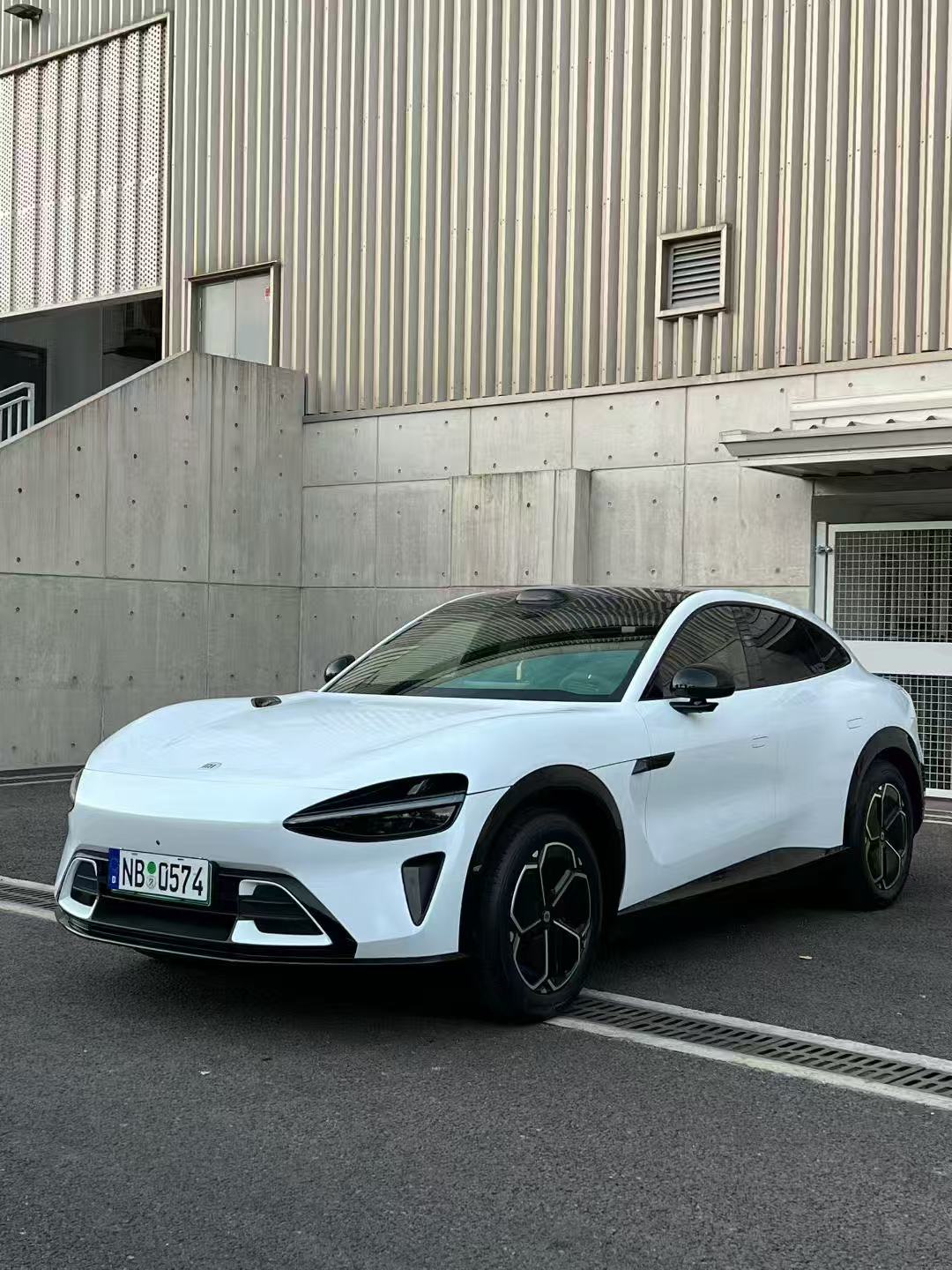


How Matte and Gloss Wraps Differ Visually
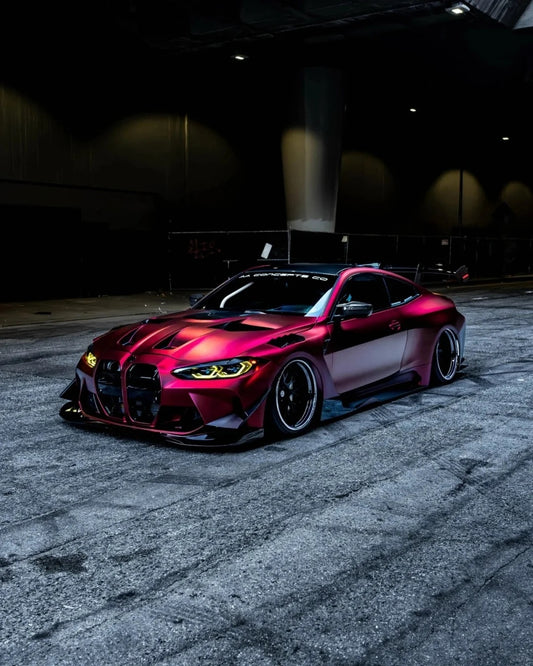
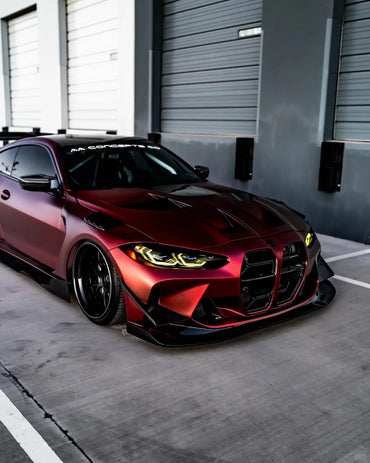
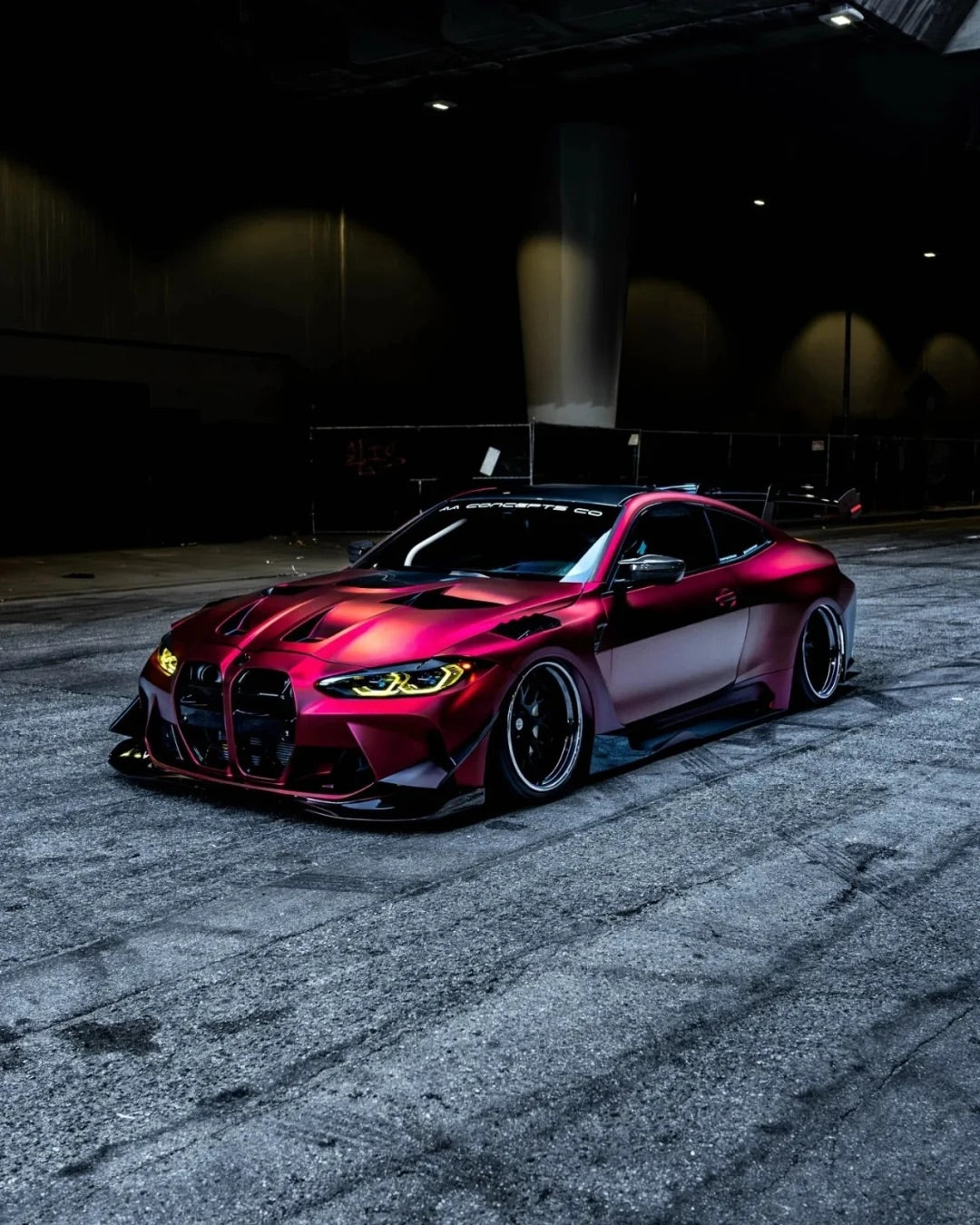
The visual gap between matte and gloss is not simply about shininess. It changes the entire character of a vehicle. Matte wraps absorb incoming light instead of reflecting it, producing a flat, non-reflective surface that feels smooth and velvety to the eye. This light-absorbing quality sharpens every crease, shoulder line, and body contour, giving the car a sculpted, almost military precision. Performance cars, luxury sedans, and aggressive SUV builds all gain a commanding, stealth-fighter presence under a matte finish. The Sailifilm ultra matte wrap collection is specifically engineered to deliver this flat, non-reflective appearance that looks factory-applied rather than aftermarket.
Gloss wraps work in the opposite direction. They bounce light off the surface, producing rich color depth, vivid reflections, and that unmistakable showroom presence. Gloss vinyl makes colors appear more saturated and alive, which is why vibrant reds, electric blues, and deep purples look particularly stunning in high-gloss film. The effect mimics a professional paint job with multiple layers of clearcoat, yet it remains completely removable. For drivers who want maximum color intensity with mirror-like reflections, the crystal vinyl wrap and metallic vinyl wrap collections provide high-gloss options loaded with depth-enhancing metallic flakes and crystal-clear finishes.
Durability and Lifespan: Which Finish Lasts Longer?
Both matte and gloss vinyl wraps are built from the same base PVC material and typically share an identical rated lifespan of five to seven years when installed by a professional and maintained correctly. The differences in how they age, however, are noticeable. Gloss wraps benefit from their reflective surface, which naturally deflects a portion of UV radiation rather than absorbing it. This characteristic gives gloss finishes a slight edge in color retention over extended periods, especially in regions with intense sunlight like the American Southwest, Southern Europe, and Australia.
Matte wraps absorb more UV energy because their flat surface does not reflect light away. This can cause marginally faster color fading on horizontal panels like roofs and hoods that receive the most direct sun exposure. That said, modern premium matte films contain advanced UV stabilizers that dramatically slow this process. Matte finishes also have one significant durability advantage: they hide minor surface scratches, light scuffs, and swirl marks far better than gloss because there is no reflective surface to reveal imperfections. Drivers who want the absolute maximum in both appearance and protective longevity should consider TPU paint protection wrap or colored paint protection film, which use thermoplastic polyurethane construction with self-healing technology that repairs minor scratches automatically when exposed to heat.
Maintenance Requirements: Matte vs Gloss Day-to-Day Care
Caring for a Matte Wrap
Matte finishes require a more deliberate care routine than gloss. The flat texture that makes matte wraps so visually striking also makes them intolerant of products designed for shiny surfaces. Standard automotive wax, carnauba polish, glaze, and any product containing petroleum distillates will create permanent shiny patches on matte vinyl. Once this sheen damage occurs, it is extremely difficult to reverse. You must use only cleaning products specifically formulated for matte and satin finishes, typically pH-neutral shampoos between five and nine on the pH scale. For stubborn spot cleaning, diluted isopropyl alcohol works effectively without altering the surface texture. Professional wrapping tools kits often include matte-safe cleaning solutions as part of a complete care package.
Matte wraps also show water spots, fingerprints, and oily residue more readily than gloss surfaces. Bird droppings, tree sap, and insect splatter should be removed within 24 hours, as the porous texture of matte film absorbs contaminants faster than a smooth gloss surface. On the positive side, matte wraps do not show swirl marks or circular scratches from washing, which is one of the biggest complaints gloss owners face.
Caring for a Gloss Wrap
Gloss vinyl wraps are more forgiving in daily maintenance. You can use most standard automotive shampoos, quick-detail sprays, and even spray sealants to maintain the shine. Gloss surfaces wipe clean more easily because contaminants sit on top of the smooth reflective layer rather than settling into a textured surface. The trade-off is that gloss reveals every wash-induced swirl mark, spider-web scratch, and water spot under direct light. To minimize this, the two-bucket wash method is essential: one bucket for clean soapy water and one for rinsing your mitt between panels. Always use soft microfiber wash mitts and drying towels, and work in straight lines rather than circular motions. If your vehicle wears a liquid chrome wrap or any high-reflectivity gloss film, scratches become even more visible, so gentle handling is critical.
Which Finish Suits Your Vehicle Type?
Sports Cars and Performance Vehicles: Both finishes work beautifully on sports cars, but each creates a different statement. Matte black or matte grey transforms a sports car into a stealth-mode road weapon. Gloss finishes in vivid colors like racing red, electric yellow, or deep blue amplify the showroom drama. For a motorsport-inspired hybrid approach, pair a matte body wrap with gloss 3D carbon fiber wrap accents on the hood, roof, and mirror caps to create visual contrast that highlights aerodynamic elements.
Luxury Sedans and Executive Cars: Matte finishes dominate the luxury segment in 2026. Automakers have increasingly offered factory matte paint on premium models, driving consumer demand for the same look at a fraction of the cost through vinyl. A matte ultra matte wrap in charcoal, navy, or forest green gives an executive sedan the kind of understated authority that cannot be replicated with gloss. However, gloss pearl and gloss metallic finishes remain extremely popular on white, silver, and champagne-colored luxury vehicles where depth and sparkle convey opulence.
SUVs and Trucks: Large vehicles benefit from matte wraps because the flat finish reduces visual bulk and makes oversized panels look more cohesive. Matte olive, desert tan, and stealth grey are trending heavily on overlanding and off-road builds. For urban SUVs that prioritize style over ruggedness, gloss metallic finishes from the metallic vinyl wrap collection add shimmer and dimension that catch light across wide body panels.
Daily Drivers and Commuter Cars: Gloss wraps typically offer the lowest maintenance burden for everyday drivers who wash infrequently or rely on touchless car washes. If you park outdoors, commute in stop-and-go traffic, and want a finish that forgives the occasional missed wash, gloss is the more practical choice. Matte is ideal for garage-kept vehicles owned by drivers willing to invest in proper matte-specific care routines.
Beyond Matte and Gloss: Specialty Finishes Worth Considering
The matte-versus-gloss debate only covers two ends of the finish spectrum. Modern vinyl technology offers dozens of specialty textures and effects that fall outside this binary choice. Satin finishes occupy the space between matte and gloss, providing a soft sheen that highlights body lines without the full mirror reflectivity of gloss or the strict maintenance demands of matte. Many of the Sailifilm best sellers fall into the satin category precisely because they balance aesthetics with practicality.
Color-shifting films take customization to another level entirely. The rainbow laser vinyl wrap collection produces prismatic, holographic effects that shift color as the viewing angle and lighting conditions change. The dual color dream vinyl wrap series creates a built-in two-tone appearance that transitions between hues depending on perspective. These finishes attract maximum attention and are increasingly popular on social media where dynamic color shifts photograph spectacularly.
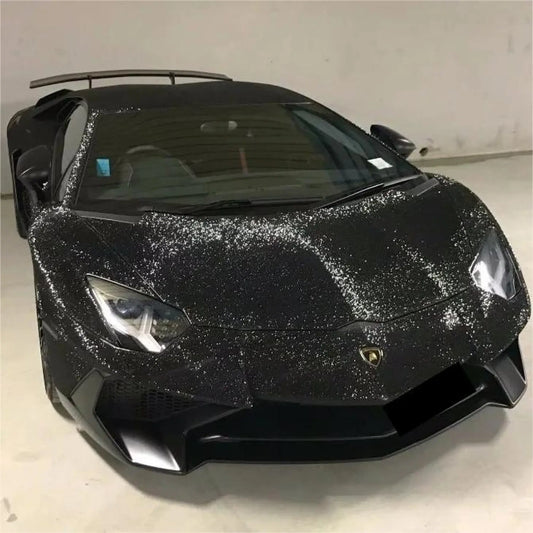
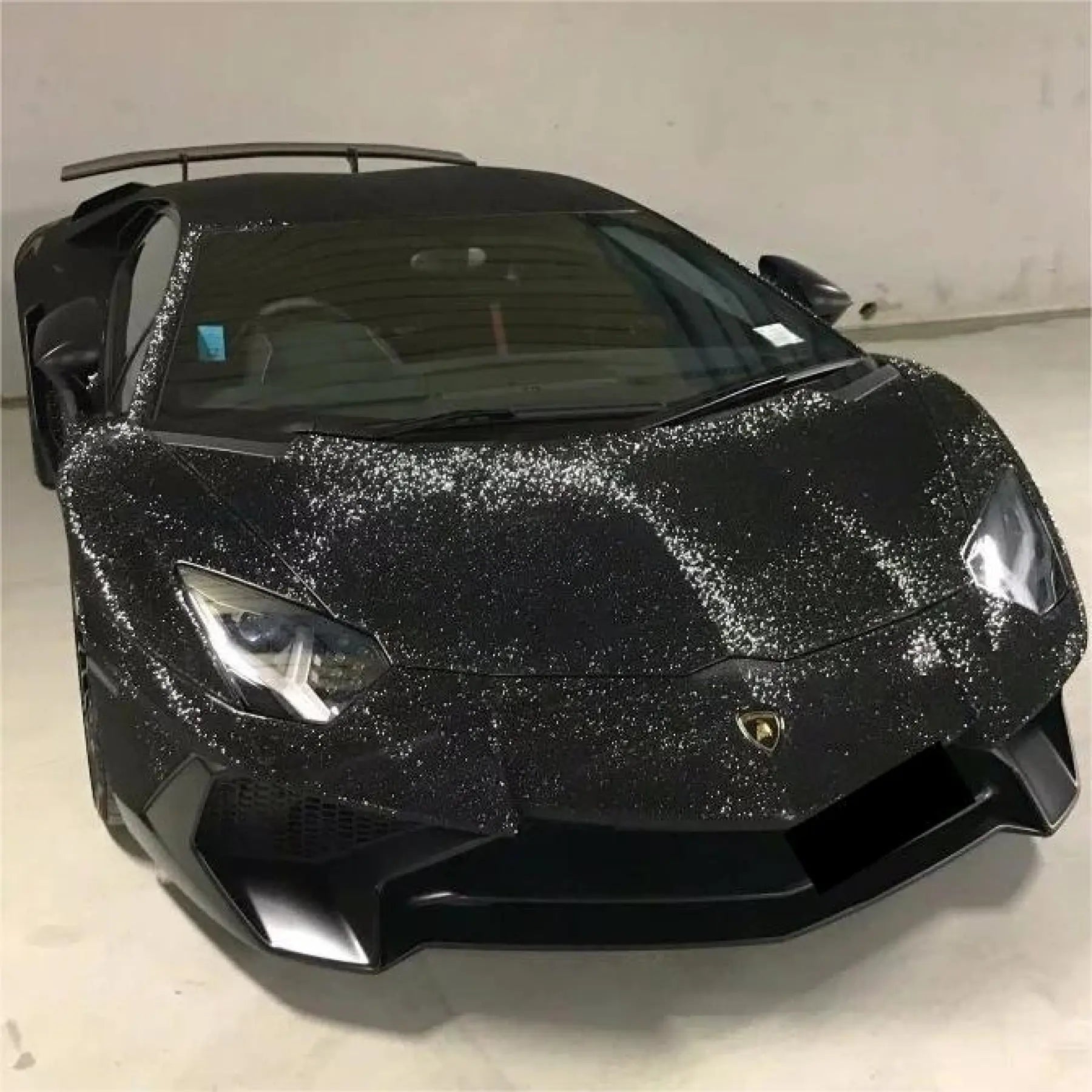
For sparkle and light-play, the glitter sparkle car wrap features embedded metallic flakes that catch sunlight and create a dazzling, eye-catching shimmer. These finishes pair especially well with clean, simple body lines where the sparkle effect can cover large uninterrupted panels. According to the Specialty Equipment Market Association (SEMA), color-shifting and effect finishes are among the fastest-growing segments in the vehicle customization market, with demand increasing steadily since 2023.
Cost Comparison: Matte vs Gloss Vinyl Wrap Pricing
Standard matte and gloss vinyl wraps are priced similarly, with material costs depending primarily on roll size and color rather than finish type. At Sailifilm, a full wrap for a mid-sized sedan requires approximately 59 feet of vinyl, with pricing starting around $650 to $730 depending on the chosen color and effect. Professional installation adds $800 to $2,500 depending on vehicle complexity and regional labor rates. Where costs diverge is in specialty finishes. Chrome, metallic, color-shifting, and glitter films carry a premium because the manufacturing process for these effect layers is more complex. Liquid chrome wrap sits at the higher end of the price spectrum, while standard matte and gloss films in solid colors remain the most affordable entry point into vehicle wrapping. Long-term cost also depends on maintenance. Matte owners may spend more on specialty cleaning products, while gloss owners may invest in ceramic coatings and scratch-correction detailing over the life of the wrap.
Impact on Resale Value
Both matte and gloss wraps protect the original factory paint from UV damage, minor scratches, road debris, and chemical contaminants. This preservation directly benefits resale value because the paint underneath remains in pristine condition when the wrap is professionally removed. According to the International Organization of Motor Vehicle Manufacturers, vehicles with well-maintained original paint consistently command higher resale prices than those with aftermarket paint jobs or visible cosmetic wear. A vinyl wrap gives you complete creative freedom during ownership while preserving the factory finish for the next buyer. When it comes to finish choice and resale, neutral colors in gloss tend to appeal to the broadest market. However, since wraps are fully removable, even a bold matte neon green does not permanently affect the vehicle value as a custom paint job would.
How to Make Your Final Decision
Choosing between matte and gloss ultimately comes down to three personal factors: your aesthetic preference, your willingness to follow a specific maintenance routine, and where you park and drive your vehicle daily. If you love a modern, aggressive, military-inspired look and you keep your car garaged, matte is a compelling choice. If you prefer a classic, vibrant, wet-look shine and you want the easiest possible cleaning routine, gloss delivers that experience.
The best way to settle the debate is to see and touch both finishes on your actual vehicle. Sailifilm offers sample kits that let you hold matte, gloss, satin, and specialty films against your car panels in your own garage lighting. Samples eliminate guesswork by showing exactly how a finish interacts with your specific paint color, body shape, and environment. For a detailed technical explanation of how vinyl film is manufactured and applied, the Vinyl wrap article on Wikipedia provides an accessible overview of the material science involved.
No matter which direction you choose, every finish in the Sailifilm car vinyl wrap collection features air-release adhesive technology for bubble-free installation, UV-resistant pigments for long-lasting color accuracy, and professional-grade conformability engineered to handle complex curves and recessed panels. Explore the full range today, from the stealth elegance of ultra matte wrap to the head-turning brilliance of crystal vinyl wrap, and give your vehicle the finish it deserves.

