



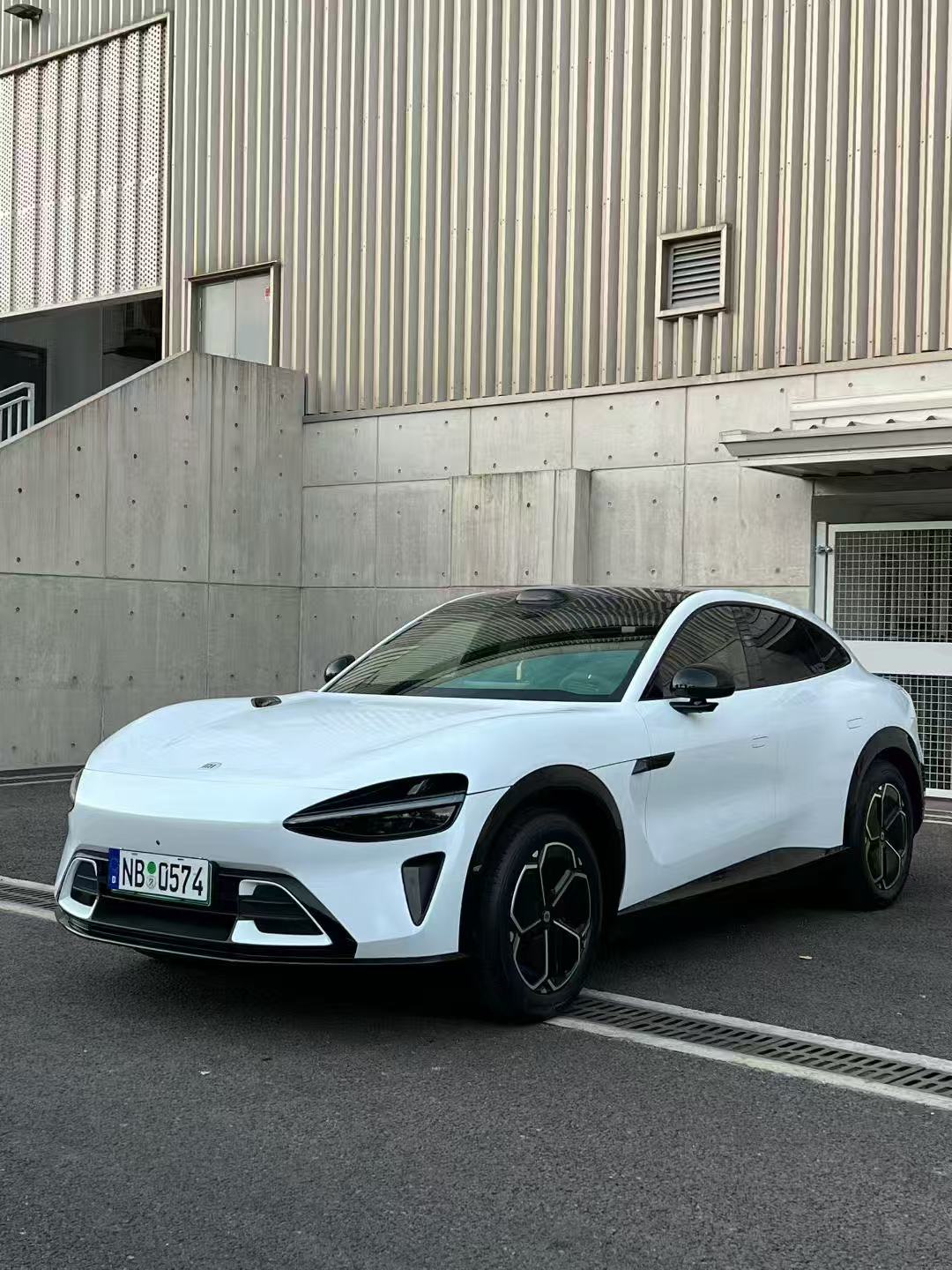


The Science Behind Car Wrap Degradation
Vehicle vinyl wraps face constant environmental challenges that affect their appearance and durability. Ultraviolet radiation from sunlight breaks down the polymer structure in vinyl materials, causing the film to become brittle over time. This degradation process accelerates significantly when vehicles remain exposed to direct sunlight for extended periods.
Temperature fluctuations create additional stress on your car vinyl wrap. Heat causes the material to expand while cold temperatures make it contract. These constant expansion and contraction cycles weaken the adhesive bond and can lead to edge lifting, particularly around complex curves and recesses.
Environmental contaminants compound these effects. Bird droppings, tree sap, industrial fallout, and road salt create acidic conditions that eat into the vinyl surface when left untreated. Garage parking eliminates most of these threats during the critical non-driving hours when your vehicle sits stationary.
Garage Parking: The Gold Standard for Wrap Protection
Storing your wrapped vehicle in a garage provides comprehensive protection against the primary enemies of vinyl longevity. Indoor storage eliminates UV exposure during parking, which accounts for approximately seventy percent of a vehicle's stationary time. This protection alone can extend your wrap's vibrant appearance by several years.
Climate-controlled garages offer additional benefits for specialty finishes like rainbow laser vinyl wraps and liquid chrome wraps. These premium finishes contain metallic and color-shifting pigments that are particularly susceptible to UV degradation. The controlled environment maintains consistent temperatures that prevent thermal stress on the adhesive layer.
Garage-kept vehicles also avoid the contamination cycle that plagues outdoor-parked cars. Without exposure to falling debris, bird droppings, and airborne pollutants, the wrap surface remains cleaner between washes. This reduces the abrasive cleaning needed and minimizes micro-scratches that dull the finish over time.
Outdoor Parking: Understanding the Risks
Not everyone has access to garage parking, and many wrapped vehicles spend their lives outdoors. Understanding the specific risks helps you implement targeted protection strategies that maximize wrap longevity despite environmental exposure.
UV Radiation Damage
Direct sunlight delivers constant ultraviolet bombardment that breaks down vinyl at the molecular level. Horizontal surfaces like hoods, roofs, and trunk lids receive the most intense exposure due to their perpendicular angle to the sun. These areas often show fading and color loss before vertical panels like doors and fenders.
Red and yellow pigments fade fastest under UV exposure, sometimes losing vibrancy within eighteen months of constant outdoor parking. Darker colors like those in the ultra matte wrap collection show chalking and gray-casting as the surface oxidizes. Even metallic vinyl wraps lose their lustrous shimmer as UV rays break down the reflective particles.
Temperature Extremes
Vehicles parked in direct sunlight can experience surface temperatures exceeding 150 degrees Fahrenheit during summer months. This intense heat softens the adhesive layer and can cause the wrap to shift or develop bubbles. Conversely, winter conditions make vinyl brittle and prone to cracking, especially in regions where temperatures drop below freezing.
Coastal parking presents unique challenges. Salt-laden air accelerates edge deterioration and can weaken adhesive bonds over time. The combination of salt, humidity, and UV radiation creates an especially hostile environment for vinyl wraps, potentially reducing lifespan to three years or less without aggressive maintenance.
Lifespan Comparison: Indoor vs Outdoor Storage
| Storage Condition | Expected Lifespan | Primary Threats |
|---|---|---|
| Climate-Controlled Garage | 7-10 years | Minimal: driving exposure only |
| Standard Garage | 5-8 years | Temperature variation, driving exposure |
| Covered Parking (Carport) | 4-6 years | Partial UV, temperature, airborne debris |
| Shaded Outdoor Parking | 3-5 years | Filtered UV, contaminants, temperature |
| Full Sun Outdoor Parking | 2-4 years | Intense UV, heat, contaminants, all threats |
| Desert/Tropical Climate Outdoor | 2-3 years | Extreme UV, heat, rapid degradation |
Protection Strategies for Outdoor-Parked Vehicles
If garage parking is not available, implementing strategic protection measures can significantly extend your wrap's service life. These approaches work especially well for premium finishes like crystal vinyl wraps and dual color dream vinyl wraps that demand extra care to maintain their spectacular color-shifting effects.
Smart Parking Habits
Seeking shaded parking whenever possible provides immediate UV reduction. Building shadows, parking structures, and even large vehicles can provide valuable protection during extended parking periods. Even partial shade during peak sun hours between 10 AM and 4 PM can extend wrap life by one to two years.
Avoid parking under trees despite the shade they provide. Tree sap, falling debris, and bird droppings concentrated under branches create more damage than the UV protection is worth. Covered parking structures without organic matter overhead offer the best outdoor alternative to garage storage.
Protective Accessories
High-quality car covers designed for wrapped vehicles provide excellent protection during extended parking. Look for breathable, UV-resistant materials that prevent moisture buildup while blocking harmful radiation. Custom-fitted covers offer better protection than universal sizes by eliminating movement that causes abrasion.
Ceramic coatings formulated specifically for vinyl wraps create an additional protective barrier. These coatings reflect UV rays and provide hydrophobic properties that make cleaning easier. Professional ceramic coating application can extend wrap appearance by forty to fifty percent compared to untreated vinyl.
Maintenance Protocol
Regular washing becomes critical for outdoor-parked vehicles. Weekly cleaning removes contaminants before they can cause permanent damage. Use pH-neutral automotive soap and soft microfiber materials exclusively. Avoid automated car washes with brushes that can scratch and lift wrap edges.
Prompt removal of organic contamination prevents etching and staining. Keep a quick-detail spray and microfiber cloth in your vehicle for immediate spot cleaning of bird droppings and bug splatter. These substances become increasingly difficult to remove as they dry and can cause permanent marks within twenty-four to forty-eight hours. For complete maintenance guidance, visit our car film maintenance guide.
Paint Protection Film: Enhanced Durability for Any Parking Situation
For vehicle owners who cannot guarantee garage parking, TPU paint protection film offers superior durability compared to standard vinyl wraps. This thermoplastic polyurethane material features self-healing properties that allow minor scratches to disappear with heat exposure from sunlight or warm water.
The colored paint protection film collection combines the aesthetic appeal of color-change wraps with the enhanced durability of paint protection technology. These films typically offer five to ten year warranties, making them ideal for vehicles that face challenging parking conditions.
Paint protection film withstands rock chips, road debris, and environmental damage that would compromise standard vinyl. The thicker material construction and advanced adhesive systems maintain integrity even under intense sun exposure and temperature extremes. Learn more about paint protection film technology and its benefits.
Choosing the Right Wrap for Your Parking Situation
Your parking circumstances should influence wrap selection. If outdoor parking is unavoidable, certain wrap types perform better under environmental stress than others.
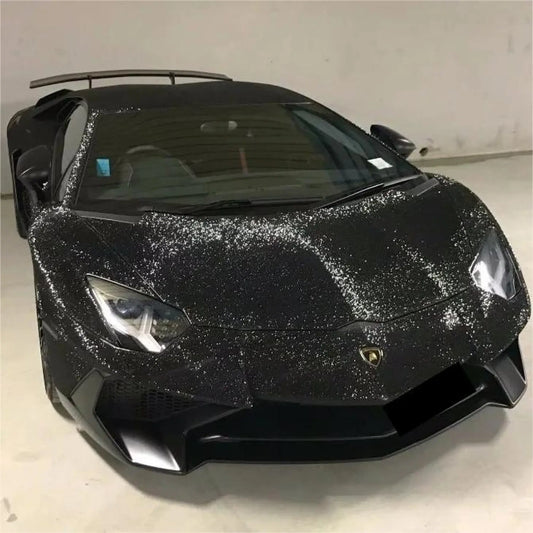
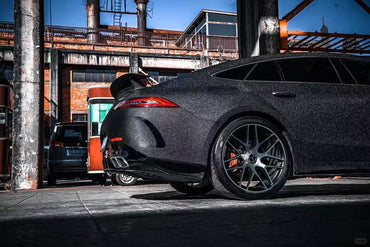
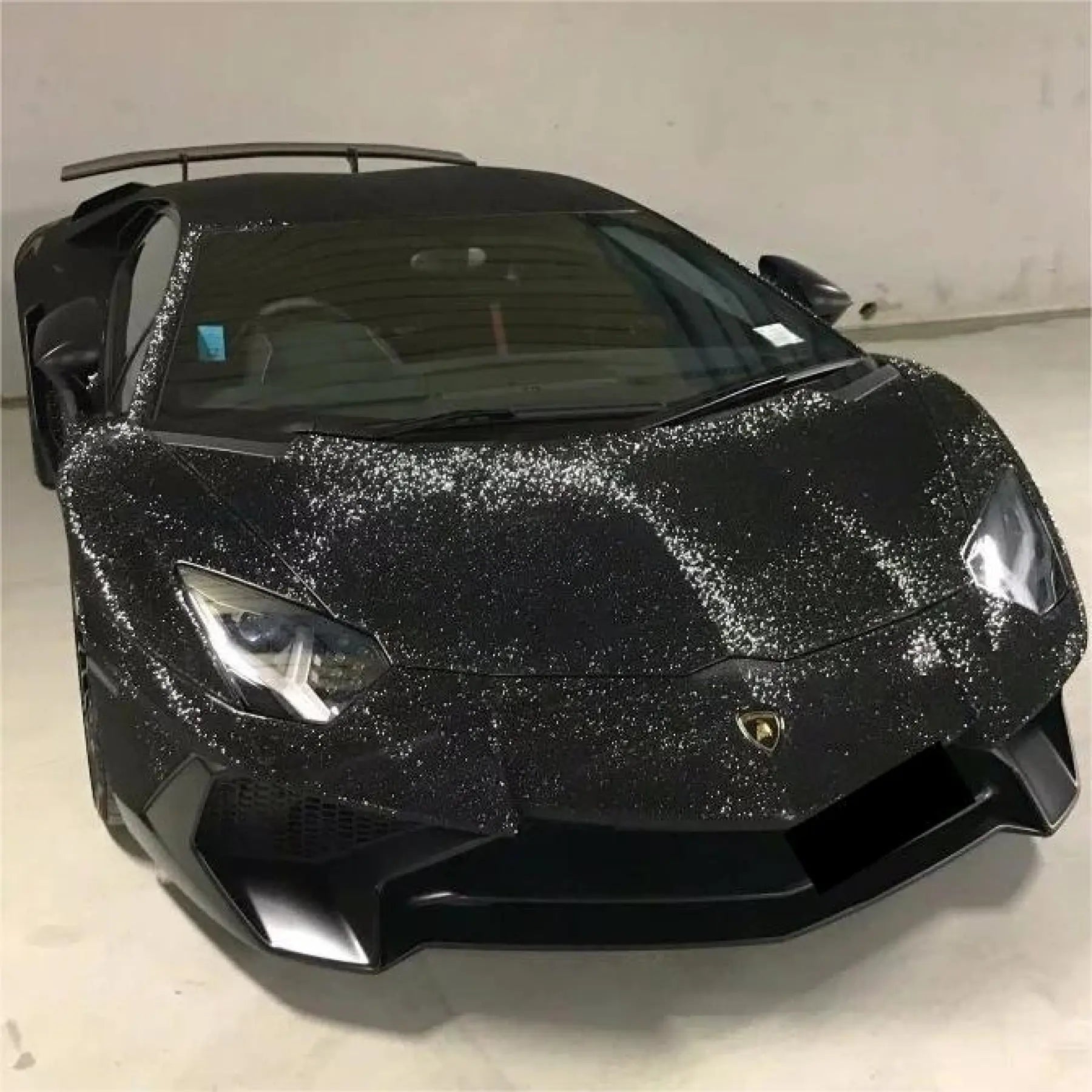
Glitter sparkle car wraps with their diamond-like metallic flakes often hide minor sun damage better than solid colors due to their multi-dimensional finish. The sparkling effect remains visible even as the underlying vinyl experiences some fading.
The 3D carbon fiber wrap collection offers textured surfaces that are inherently more forgiving of minor imperfections. The three-dimensional pattern masks small scratches and wear marks that would be obvious on glossy smooth finishes.
For those who want premium specialty effects despite outdoor parking, the ultra matte series provides a sophisticated appearance that ages gracefully. Matte finishes do not show swirl marks or minor scratches as readily as high-gloss alternatives, maintaining visual appeal longer under challenging conditions.
Making the Most of Your Wrap Investment
Whether you park in a garage or outdoors, certain practices maximize return on your wrap investment. Professional installation ensures proper adhesion that resists environmental stress. Quality materials from reputable suppliers provide built-in UV resistance that budget alternatives lack.
Ordering sample kits before committing to a full wrap allows you to test materials in your specific parking conditions. This small investment can prevent costly mistakes and ensure the wrap you choose performs well in your environment.
Having proper wrapping tools available for minor edge repairs prevents small problems from becoming major issues. Edge lifting caught early can often be corrected with heat and pressure, while neglected edges allow moisture and debris to infiltrate and cause extensive damage.
Conclusion
The difference between garage and outdoor parking represents the single largest variable in car wrap longevity. Garage-kept vehicles enjoy protection from UV radiation, temperature extremes, and environmental contaminants that can double or triple the useful life of vinyl wraps.
For those without garage access, strategic parking choices, protective accessories, and diligent maintenance can significantly mitigate outdoor exposure risks. Understanding how environmental factors affect your specific wrap type enables targeted protection that maximizes your investment value.
Explore the complete best sellers collection to find wraps engineered for durability, or browse the full car vinyl wrap collection to discover the perfect combination of style and performance for your vehicle and parking situation.
For installation guidance that ensures maximum wrap longevity regardless of your parking situation, review the DIY car wrap installation guide for professional techniques that create lasting results.
How to wash a wrapped car properly
Seasonal car wrap maintenance tips
Signs your car wrap needs replacement
Color fading prevention guid

